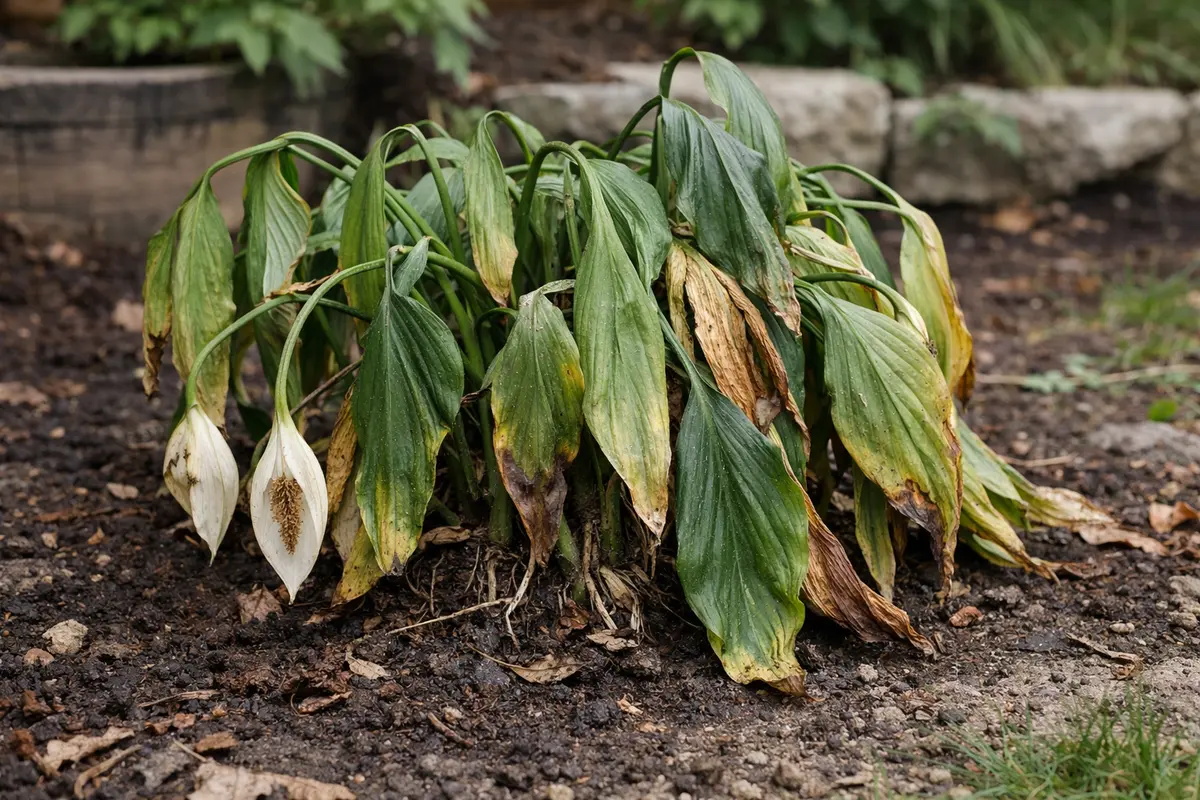
You may notice your peace lilies drooping during low light, a clear sign that you need to know how to fix drooping peace lilies during low light. This wilting occurs because the plants aren’t receiving enough light to sustain their vibrant foliage, leading to drooping leaves. If this issue is ignored, it can spread and set the plant back in its growth, but fixing it is possible now—just check the light conditions and adjust the watering accordingly.
Step 1 – Inspect Peace Lily Soil Moisture Level
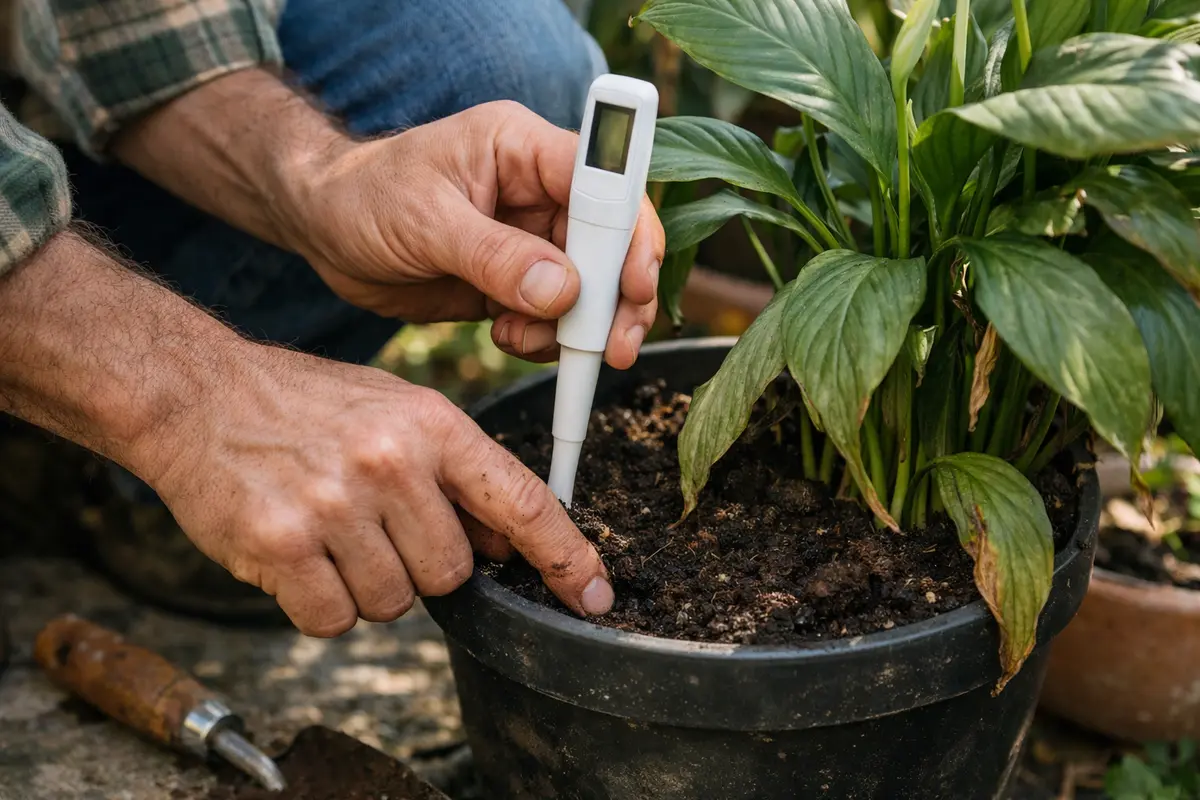
Check the moisture level of your peace lily’s soil immediately. You will notice whether the soil feels dry or overly wet within a few moments—important indicators for understanding your plant’s needs. If the top two inches feel dry and crumbly, it is a signal that the plant needs watering. Conversely, if the soil feels soggy and heavy, the warning signs of root rot may already be present. This initial inspection is crucial because fluctuations in moisture can be drastic in low light conditions, leading to rapid wilting and stress.
Uniform moisture levels are essential for peace lilies, as both overwatering and underwatering can lead to drooping. When the soil is too dry, the roots struggle to uptake necessary water, which hampers hydration levels and leads to wilting. On the other hand, saturated soil can suffocate roots, resulting in root rot that severely affects nutrient absorption. The ideal moisture level should be likened to a well-wrung sponge: damp without excess dripping. If you observe a sudden change from firm leaves to drooping, assessing soil moisture should be your first priority to avoid irreversible damage.
Many gardeners overlook soil moisture checks, mistakenly assuming they can visually assess the plant’s health. However, in low light conditions, moisture levels can fluctuate rapidly due to insufficient evaporation, often leading to hidden wetness or dryness. A quick finger test—sticking your finger into the soil up to about two inches—can help confirm the moisture state. If, after watering, the soil does not improve its drainage in one to two hours, you should consider either increasing the frequency of your watering or amending the soil for better aeration in future watering sessions. If the soil appears dry yet water is pooling at the surface, it could indicate compacted soil preventing proper drainage. In such cases, repotting with fresh soil may be necessary to restore health. Monitor for any repeated issues as well; a consistent pattern of wet-dry cycles demands immediate attention. Implementing a moisture gauge can also assist in accurately gauging when to water, reducing the guesswork in care.
Step 2 – Identify Low Light Effects on Peace Lily
Start by checking the moisture level of the soil. If it’s too dry, water the peace lily thoroughly until moisture seeps out of the drainage holes; within a few hours, the leaves should revive and stop drooping. Recognizing how insufficient light influences drooping is crucial. If the plant is not getting enough indirect sunlight, its overall health diminishes, often leading to a lack of blooming and a reduced aesthetic.
When a peace lily droops in low light, it often indicates soil moisture imbalances that exacerbate the situation. Dry soil leads to desiccated roots, diminishing turgor pressure and causing the leaves to droop. Conversely, if the soil is overly saturated, the roots may suffer from oxygen deprivation, with a similar drooping outcome. This imbalance compromises the plant’s nutrient uptake, leading to more significant health issues over time. Watch for indicators like a sour smell, as this signal foul conditions indicative of root rot.
Should you detect root issues, remove the plant from its pot to inspect the roots. Trim any dark, mushy roots and repot the plant in fresh, well-draining soil, ensuring that the new mix supports proper aeration. If drooping occurs without any visible signs of rot, check to ensure that the plant is receiving enough indirect light; prolonged low light can stress the plant significantly. Peace lilies typically thrive in bright, indirect light; a persistent absence can lead to symptoms like darker green leaves, a decrease in flower production, and elongated internodes as the plant reaches for what light is available. For example, a peace lily placed near a shaded window may show stunted growth or yellowing leaves as it struggles to adapt. Conversely, exposure to direct sunlight can scorch leaves, leading to browning edges and even leaf loss. Balancing light conditions is key to maintaining the peace lily’s health.
If drooping is severe, it may indicate more systemic issues resembling both underwatering and light stress. Check for any discolored leaves; yellowing signals desperation for light, whereas crispy edges may be a clue to previous underwatering episodes. Gradually adjusting the light levels can help; if no progress is seen within three to five days, consider factors like humidity levels or drainage, which might also contribute. If feasible, reposition your peace lily closer to a window, but steer clear of direct sunlight to prevent leaf scorch.
Step 3 – Revive Drooping Peace Lily with Proper Watering
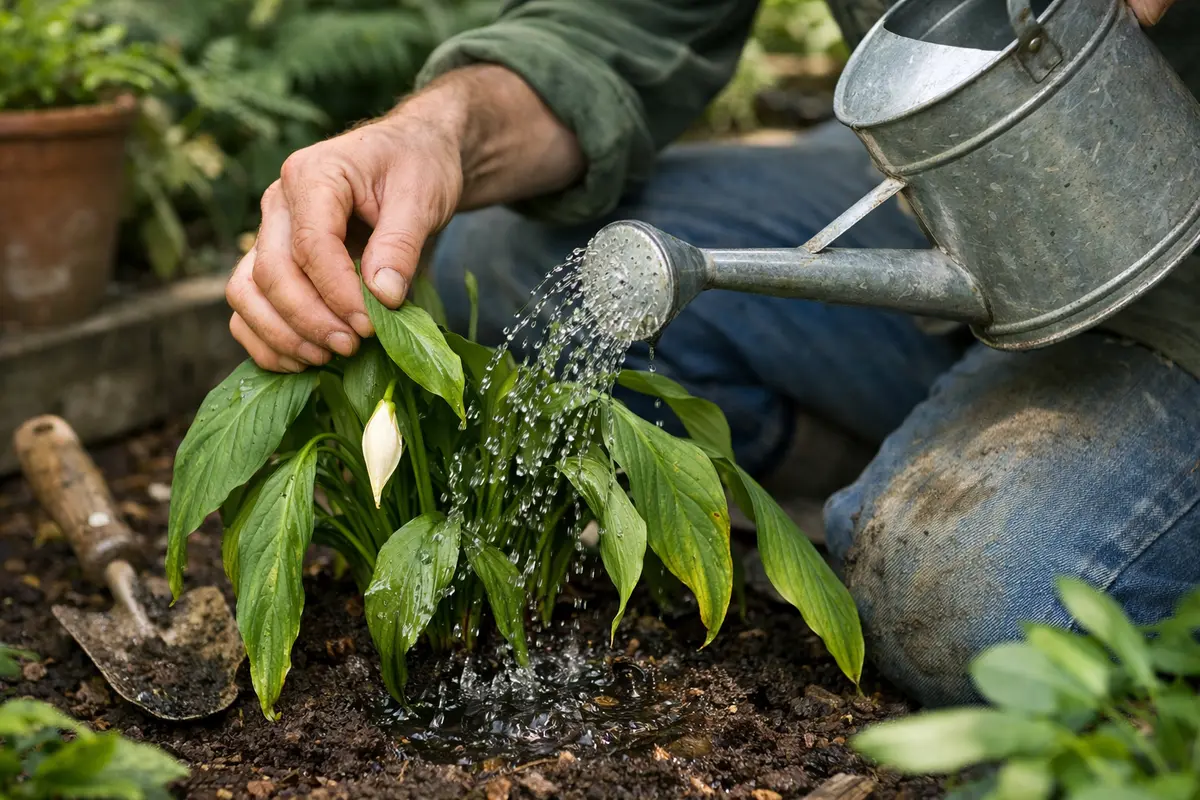
Water your peace lily right away when you recognize dry soil conditions to promote revival. Observe how the leaves perk up noticeably within a few hours after adequate watering. Specific techniques, such as watering until a small amount of runoff emerges from the drainage holes, ensure even moisture distribution throughout the root system. However, over-correcting by adding too much water too quickly can lead to new problems, such as waterlogged soil, and escalating root rot. Aim to check the drainage status of the pot every couple of weeks to avoid excess water stagnation, which can create detrimental conditions for root health.
Once you restore moisture levels to an appropriate balance, the plant’s ability to uptake water and nutrients returns, leading to improved leaf structure. You should expect to see a noticeable difference within 3-6 hours after watering; this is a clear sign that the plant is content and responding positively. However, be mindful of the temperature during watering sessions; using cold water might stress the plant further, leading to temporary shock. Warm water aids in easing the peace lily’s transition back to a healthy state and minimizes stress on the roots.
To prevent recurrence, closely monitor humidity levels around the plant and ensure the peace lily is optimally placed within its environment. Generally, watering every 7-10 days is effective for most indoor situations unless humidity levels fluctuate significantly. Always check the soil moisture before committing to a watering session. Sticking to a rigid watering schedule without monitoring can lead to either overwatering or allowing the plant to dry out too much. Under these conditions, allowing standing water among the roots can culminate in root rot. If you suspect that decreased humidity is responsible for drooping despite proper watering, consider utilizing a humidity tray or room humidifier. If you notice the leaves drooping again despite routine watering, examine the plant for signs of pest infestations such as spider mites; these pests can also cause stress that contributes to drooping issues. They can be identified by webbing on the undersides of leaves, and their presence often requires immediate action to prevent further decline.
Step 4 – Observe Peace Lily Leaves for New Growth
Next, check your peace lily daily for signs of recovery, focusing on the leaves and soil moisture. Observe if the leaves begin to perk up and regain their upright posture, indicating they are absorbing sufficient light and moisture. If the plant does not show improvement in a week, re-evaluate the light conditions and watering habits.
A fully recovered peace lily exhibits vibrant, green leaves that stand tall and feel firm to the touch, contrasting with the early signs of drooping where leaves appear pale and soft. If you notice wilting leaves returning despite improvements, check for dry soil or diminished light exposure, which may signal the need for further adjustments.
If the drooping persists after adjusting light and watering, consider repotting into fresh soil or moving the plant to a brighter location. If these steps still produce no results, consult a plant care expert for further diagnosis or possible pests affecting your peace lily.
New growth manifests as fresh leaves emerging from the heart of the plant; this is a positive indication that health is returning. Along with growth, you may also notice improved leaf firmness and color. However, it is crucial to consistently monitor the plant for any signs of drooping resuming after a couple of weeks. Sudden changes in leaf texture or color can indicate stress responses due to fluctuating conditions; thus, careful observation is key. If you observe leaf edges browning or any unusual discoloration, you should consider revising your care routine. This could involve adjustments to watering frequency or light exposure, ensuring that your plant consistently thrives.
If your peace lily incurs a sudden decline again, it could signal that previously submerged roots have developed root rot due to poor drainage or previous flooding. Examining the root ball by removing the plant from the pot may be necessary; pruning any rotten roots before repotting is also essential to its recovery and stability. Rinsing the remaining healthy roots gently in lukewarm water helps eliminate any residual pathogens. Regular checks for drainage are vital; if the soil consistently feels soggy or produces foul smells, consider repotting with fresh soil that allows for better aeration. In addition, utilizing pots with drainage holes facilitates better moisture management; if using decorative outer pots that lack drainage, ensure to prevent water from collecting and sitting in them after watering. This lack of drainage can quickly lead to recurrence of the water-related issues noted earlier, making it essential for long-term plant success.
FAQ
How long does it take for a peace lily to recover from drooping?
Recovery after addressing drooping can take anywhere from a few hours to a couple of days. Usually, you will start noticing visible improvements, like perked leaves, within 24 hours of correcting watering or light issues; however, it may extend longer for some plants depending on their condition. Monitoring plant behavior closely during this recovery phase is crucial to catch any potential recurring issues early, such as inspecting for new signs of stress or pest infestation, which can hinder recovery.
Will my peace lily recover if I keep it in low light?
Keeping a peace lily in prolonged low light will negatively impact its growth and overall health. While it can survive temporarily, it will eventually decline and demand optimal conditions like bright, indirect light to ensure recovery. Over time, the plant can become increasingly weak and more susceptible to pest or disease issues. To improve its chances, gradually introduce the plant to brighter yet indirect light, enabling it to acclimate without shocking its system. It’s advisable to adjust the light exposure slowly over 3-5 days to measure the plant’s reaction effectively; if yellowing or other symptoms arise during this period, reassess your placement to ensure the best possible environment.
Should I remove droopy leaves from my peace lily?
Yes, removing any severely droopy or damaged leaves can promote healthier growth and improve aesthetics. Pruning these leaves allows the plant to redirect energy to healthier parts and supports new growth. Additionally, be cautious about removing leaves too close to the stem, as this can stress the plant; aim to make cuts near the base of these leaves to minimize damage. After pruning, assessing the overall condition of the plant can provide insights into how well it is recovering and whether further adjustments to care practices are necessary. If the plant continues to droop even after pruning, it may indicate underlying issues needing further investigation or treatment.