
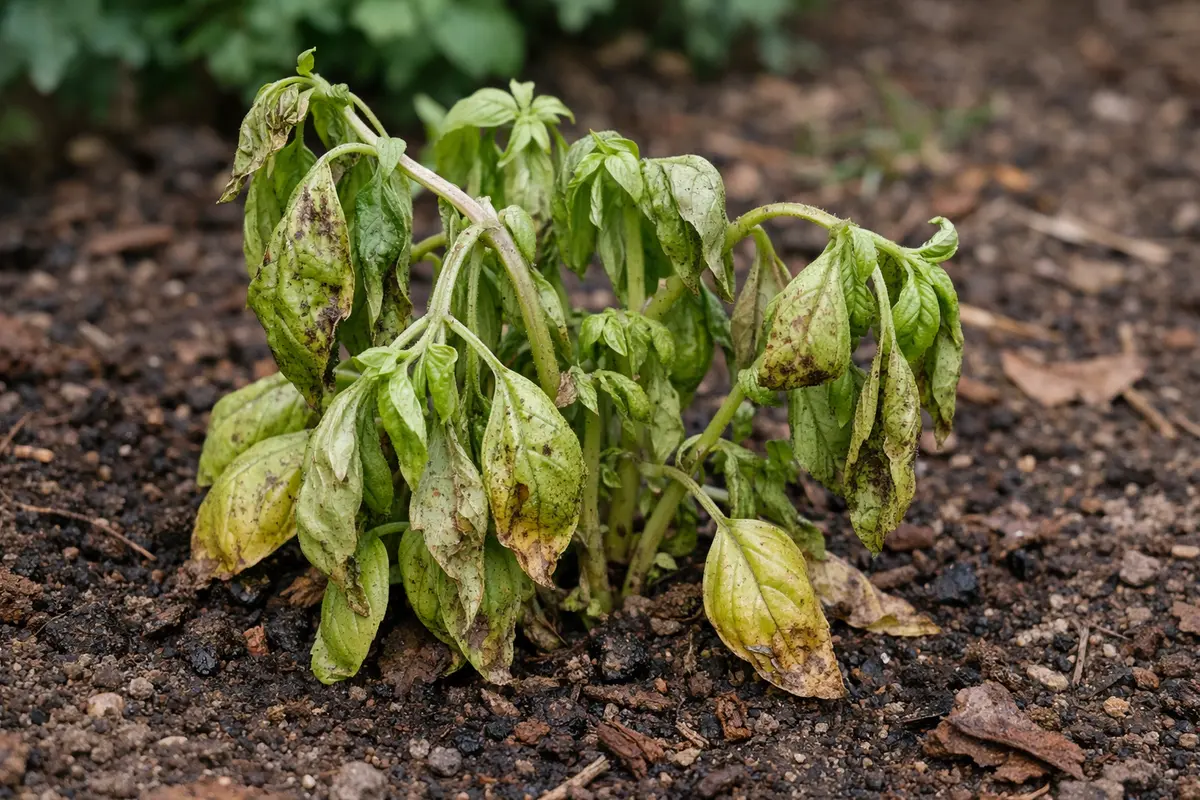
If your basil plants are showing yellowing leaves and slow growth after a series of cool nights, it’s crucial to understand what to do when stunted growth on basil after cool nights occurs. Prolonged exposure to cooler temperatures can cause the roots to struggle, leading to these distressing symptoms that, if ignored, can ultimately weaken the entire plant and delay recovery. Start by checking the soil temperature, as roots thrive best in warmth. This simple inspection will help you determine the immediate steps needed to restore your basil’s vitality.
Step 1 – Inspect Basil for Frost Damage
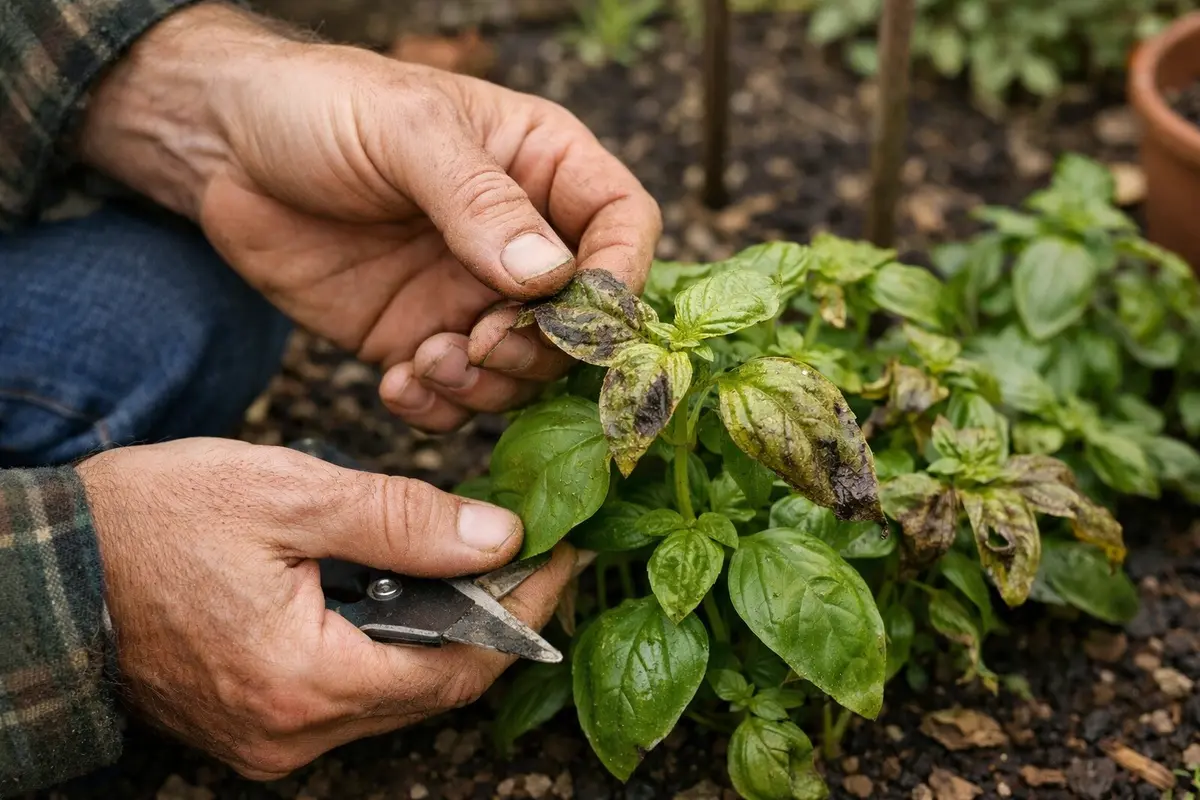
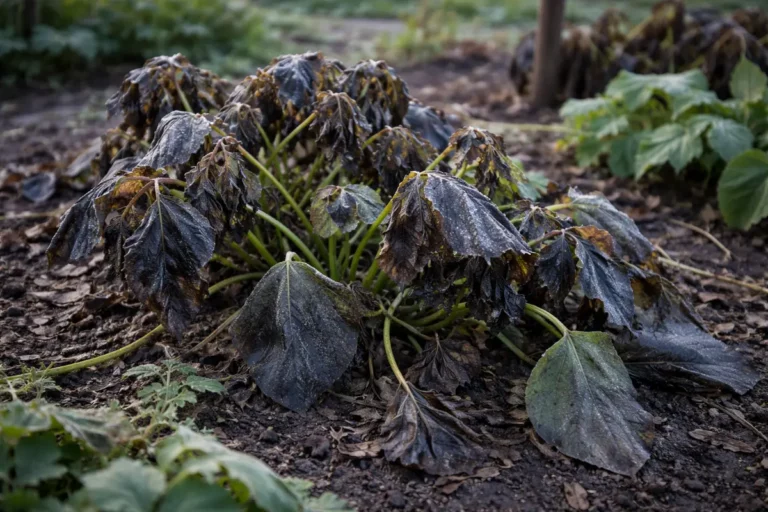
Inspect the basil leaves for any signs of frost damage immediately. You should look for blackened or limp leaves, which indicate plant stress from cold temperatures. Take notice of any leaf discoloration—this could present as dark patches or an overall wilted appearance. If the damage is extensive, you may also notice leaves that are starting to fall off, indicating that the plant is reaching a critical stage of distress. Additionally, if nearby plants appear healthy while your basil shows signs of damage, it indicates that the issue is localized rather than a general environmental problem.
Swift action is essential for your basil plants because frost can lead to cellular damage that inhibits nutrient absorption and photosynthesis. If you observe damage, it means that the plant’s ability to thrive is compromised, putting its overall recovery at risk. The faster you identify these signs, the sooner you can initiate corrective actions. When inspecting, pay close attention not just to the leaves but also to the stems; if they feel mushy or soft, this indicates rot and increased risk of further degradation. If there are multiple plants in your patch, be sure to inspect each one, as some may be more vulnerable or mature plants might show stress more quickly than younger ones. Monitoring these plants allows you to compare variations in stress levels effectively.
This often happens when temperatures drop unexpectedly during the night. A common mistake at this stage is assuming that the plant is just experiencing normal seasonal changes; however, frost damage can be more serious and requires immediate attention to prevent further decline. If frost occurs, consider bringing potted basil plants indoors or covering them with a lightweight blanket to protect them from chilling effects at night. Make a note of your local weather forecast; if heavy frosts are predicted, take proactive measures like moving pots to more sheltered areas or providing additional insulation, which can be critical for younger plants. This kind of vigilance can mitigate severe damage from future cold snaps.
Step 2 – Check for Soil Temperature Fluctuations
Measure the soil temperature using a thermometer to assess any fluctuations. You will notice differences in soil warmth, with temperatures below optimal levels potentially hindering root development. If you find the temperature consistently lower than 15°C (59°F), it may be time to take additional measures to stabilize root health. Pinpointing the soil temperature can help you understand whether the plant is receiving the proper conditions for growth. If soil temperatures dip too low, the plant may struggle to absorb nutrients effectively, compounding existing issues.
Understanding soil temperature is key because cooler soil hinders root growth and nutrient uptake, directly impacting your basil’s health. If soil temperatures consistently drop, the roots struggle to function efficiently, leading to stunted growth. You can check for this by feeling the soil with your hand; harshly cold soil indicates an urgent need for intervention. If the soil is particularly cold and saturated, this can lead to root rot—an even more pressing issue. It’s advisable to monitor soil temperature consistently, especially during transitional seasons when temperatures can shift dramatically. Over time, this practice can help ensure that your plants remain consistently healthy.
If the soil feels particularly cold and moist, consider allowing it to dry slightly before watering again; overly saturated conditions can be just as detrimental as cold soil. Check the moisture level using a finger test—insert your finger into the soil up to the second knuckle. If it feels cool and wet, refrain from watering until it dries out somewhat. Pay attention to local weather patterns, as drastic temperature changes may signal the need for additional protective measures. If temperatures are expected to drop frequently to below freezing, consider placing mulch or frost blankets to help moderate soil temperature while providing insulating properties against cold exposure. Assess weather shifts regularly to determine if external conditions warrant protective measures.
Step 3 – Fertilize to Encourage Basil Growth Again
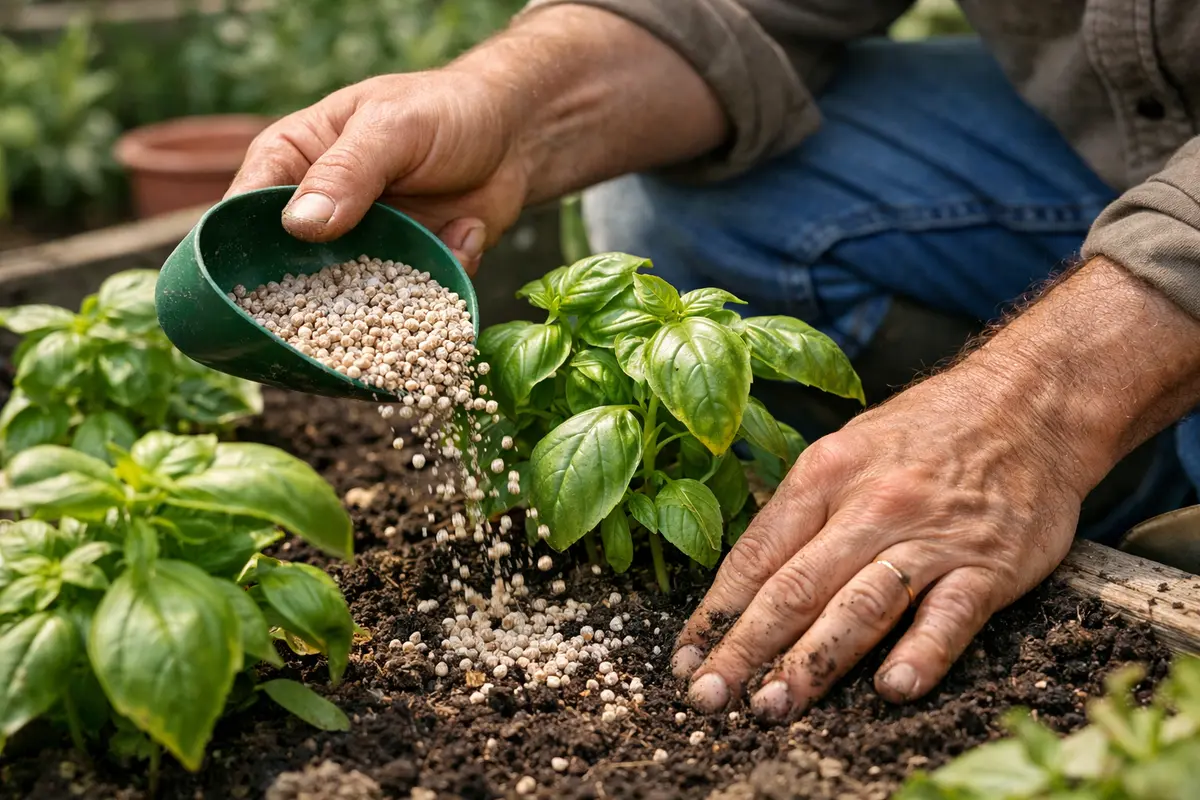
Apply a balanced fertilizer, such as a 10-10-10 NPK formula, to your basil to stimulate growth. Ensure the soil is adequately moist before fertilizing, as dry soil can prevent nutrient absorption despite your best efforts. If the soil is dry when applying fertilizer, new growth may be sluggish, or nutrients can accumulate as salts, causing more harm than good. You should plan for fertilization to coincide with the active growth phases of your basil. Pay attention to the leaves; if they begin yellowing after feeding, it may indicate nutrient accumulation or toxicity rather than growth.
Fertilizing helps replenish the essential nutrients that may have been depleted from the soil, especially after cool nights when plant growth slows. As the plants revive, expect the leaves to become more vibrant and robust within a week, signaling progress if the nutrients reach the roots successfully. Monitor for signs of distress, such as discoloration or marginal browning, which can indicate excessive fertilizer due to an over-application. Water lightly after applying fertilizer to help dissolve the granules into the soil, ensuring that they integrate thoroughly around the root zone. This mixing step promotes more even nutrient distribution and can prevent localized salt build-up.
Be cautious not to over-fertilize, which can cause fertilizer burn and further inhibit growth. To avoid this, monitor the plants every 4-6 weeks during the growing season, adjusting based on their visible improvement. If the leaves appear dark green and lush, cut back on fertilization, as excess nutrients can lead to disease susceptibility. A mistake here is to apply fertilizer indiscriminately; if new growth does not appear after two consecutive cycles, consider trying a different formulation or conducting a soil test. If the fertilizer fails to yield improvement, it may suggest that the soil has other deficiencies requiring attention, such as pH imbalances or other nutrient deficits that aren’t being addressed.
Step 4 – Water Basil Properly to Avoid Stunted Growth
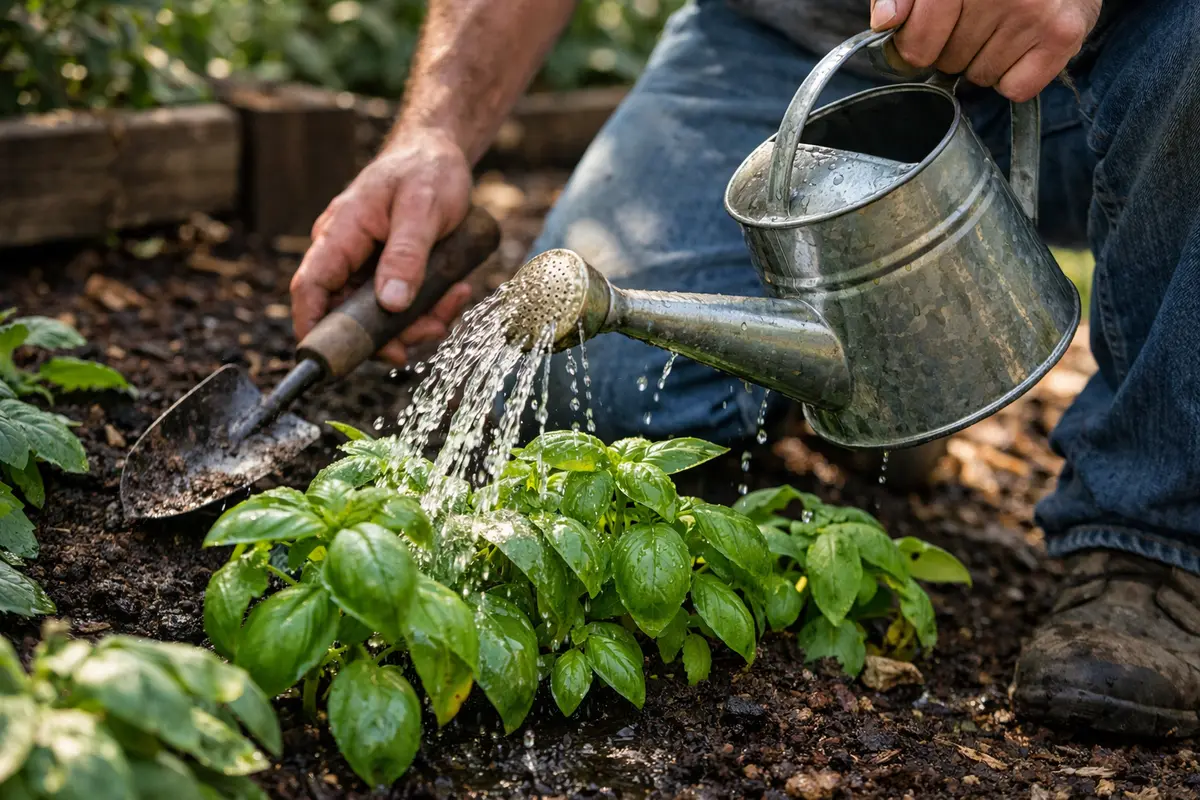
Water your basil thoroughly, but only when the top inch of soil feels dry to the touch. This will ensure healthy root growth and prevent overwatering, which can lead to root rot. If you observe a soggy texture at the soil surface, hold off on watering, as overly saturated conditions can quickly derail any recovery made in previous steps, leading to a new set of issues. Check for signs like yellowing leaves or wilting plants; this often signals waterlogged roots. Monitoring soil moisture helps establish a precise watering routine that promotes plant health.
Maintaining proper watering practices is essential for keeping basil healthy, particularly during cooler temperatures that can retain moisture in the soil. Develop a routine watering schedule; once the soil shows signs of dryness, it allows the plant to breathe and promotes stronger root systems. Be vigilant in observing signs of moisture imbalance, such as wilting despite wet soil. This occurs when roots are deprived of oxygen due to excessive moisture surrounding them, which can lead to the onset of rot and, consequently, loss of plant vitality. Remember, too much water can be just as detrimental as too little, so finding the right balance is crucial.
As a preventive measure, consider mulching around the base of the plants to retain moisture while still preventing excessive evaporation. Using straw or wood chips can provide a protective layer, maintaining optimal moisture levels for the root system. If the soil is excessively moist or cold, reduce your watering frequency to avoid issues related to root suffocation. Be attentive; if temperatures drop significantly, slight adjustments in your watering schedule may be necessary to accommodate for slower evaporation rates during cooler months. If you notice any fungal growth on the soil surface, it’s time to pull back on your watering habits.
Step 5 – Look for New Growth in Basil After Care
Check for new growth every few days to monitor your basil’s progress. Observing fresh leaf growth is the first sign that your plant is recovering and responding well to care after cool nights. You should look for a rich green color and firm texture, both indicative of health returning to your plants. If the new leaves grow successfully, it indicates that the interventions you have put in place are on the right track. Keep in mind that the rate of growth can vary; newly established plants may take longer than mature plants to show signs of recovery.
Recognizing new growth indicates that your plant is positively reacting to the remediation efforts you have made. Ideally, you want to observe healthy, firm leaves that are vibrant in color, signaling that the plant is regaining strength post-cool nights. If you notice new growth starting but appearing stunted, investigate further; this could indicate a persisting issue with soil conditions or nutrient availability. Look for signs of new growth emerging from the center of the plant’s stems, as this is a promising sign of overall vitality and a good response to care. Regularly evaluate if new leaves are becoming larger in size — this is a significant indicator of health improvement.
If you notice new leaves turning yellow or wilting again, it may indicate that the underlying issues persist, necessitating a reassessment of your watering habits and soil temperature. If stunted growth continues despite your attentiveness, consider checking for pest issues or diseases that could compromise recovery, as these can be insidious yet impactful obstacles to growth. This is a critical time for reflection on your care routine; if multiple basil plants show similar issues, a broader environmental factor may be at play, which could require a holistic approach to reverse these conditions. Engage in constant observation to ensure you catch any recurrences of the original stunting.
FAQ
How long does it take for basil to recover from stunted growth?
Recovery can take anywhere from one week to several weeks depending on the extent of the stunted growth and how well the plant responds to care. Monitoring new growth is the best way to assess progress; however, patience is essential—as sometimes, roots need time to establish themselves again in response to improved conditions. Regular observation is key, as consistent monitoring ensures corrective measures can be adapted if necessary. If soil conditions improve alongside temperature, your basil’s growth cycle can realign within a reasonable time frame.
Can frost damage basil be treated effectively?
Yes, if frost damage is caught early and appropriate actions are taken, such as removing damaged leaves and fertilizing to encourage new growth, the plant can indeed recover. It’s essential to provide the right environmental conditions to support recovery, including proper soil temperature and moisture management. However, if the damage is severe, consider trimming back damaged foliage to redirect energy toward healthier growth, as this can give your basil a better chance to bounce back in the long run. Regular assessment during recovery can further refine care strategies to suit the plant’s needs.
What should I do if my basil keeps wilting after cool nights?
If basil continues to wilt, check for overwatering or poor drainage, which can mimic symptoms of frost damage and lead to root issues. Adjusting your watering schedule and ensuring proper drainage can often resolve these problems, but if wilting persists, it may be worth investigating other potential causes, including temperature fluctuations or pest infestations. Engaging with a local gardening group or expert may provide further insights specific to your area and conditions, helping you find solutions tailored to your plant environment. Diversifying care approaches can make a significant difference in the health trajectory of your basil plant.