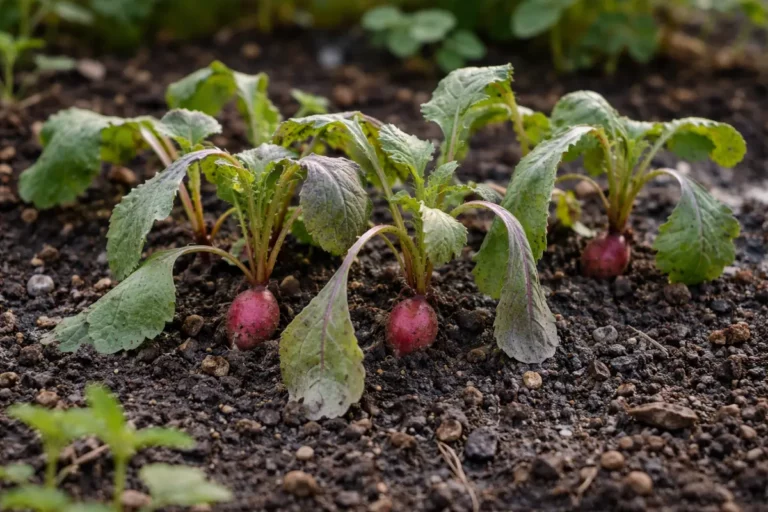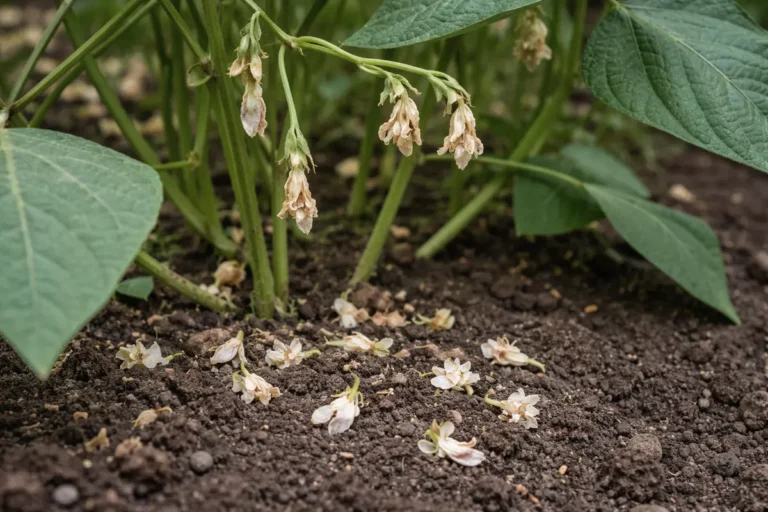

You may notice your eggplants struggling with stunted growth during cool nights, which is why you need to know how to fix stunted growth in eggplants during cool nights. This issue often manifests as yellowing leaves and drooping stems, caused by the chilly temperatures hindering their proper development. If ignored, the problem can worsen and lead to more damage that stalls growth, but fixing it is possible now if you inspect your plants and adjust their care routine accordingly.
Step 1 – Cover Eggplants with Floating Row Covers
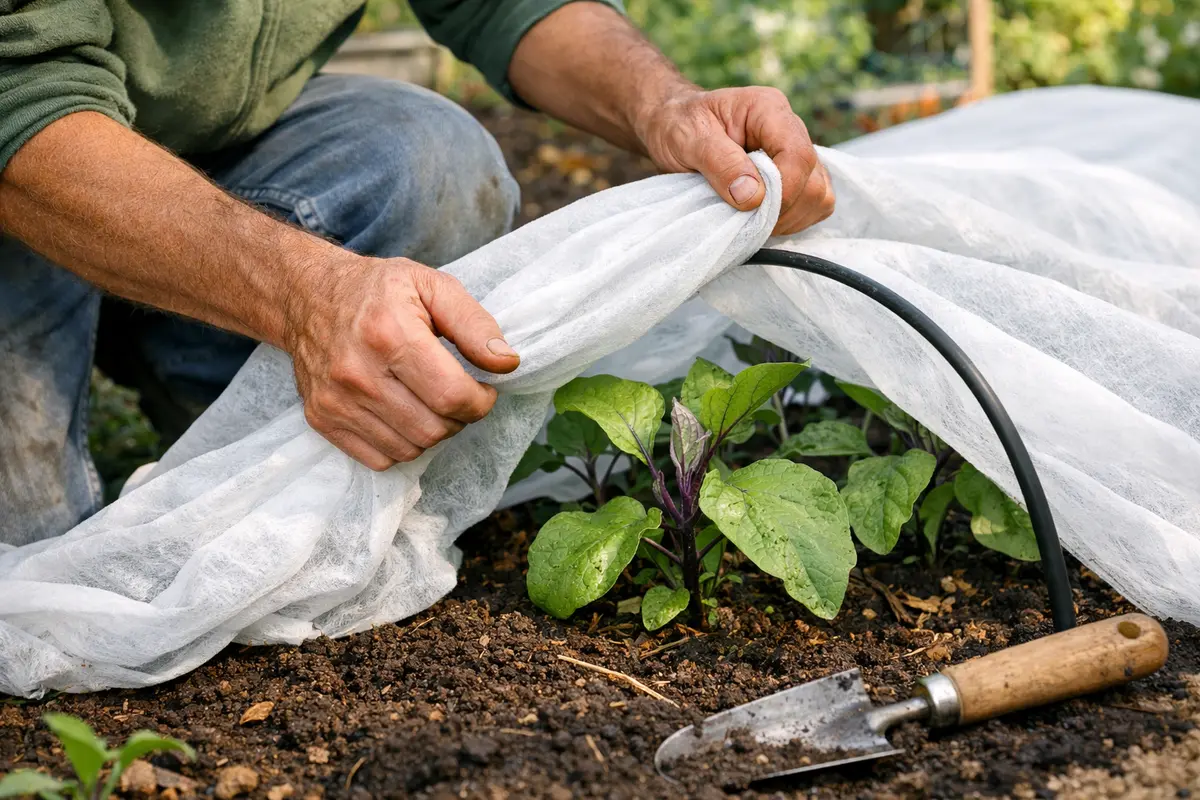
Start by covering your eggplants with floating row covers immediately. You will notice a reduction in leaf yellowing and stress on the plants within a few hours as they are shielded from the cold. These covers create a warmer microclimate around the plants, helping them recover from temperature fluctuations. This method not only protects from the cold but also serves as a barrier against pests that may invade stressed plants. Floating row covers are particularly effective as they allow light and moisture to pass through while trapping heat near the plants.
Acting swiftly to cover the plants is crucial as it preserves warmth and prevents them from losing additional energy. Cool nights can shock the plants, disrupting their metabolism and nutrient uptake. Row covers work by trapping heat radiating from the soil and creating a protective layer against frost, which is particularly beneficial during the early growth stages of eggplants. You might observe a quicker recovery rate if the covers are in place before the temperature drops significantly. If temperatures fall rapidly after sunset, having these covers in place can mean the difference between survival and severe stunting.
Many gardeners overlook the importance of this step, especially when the temperatures drop unexpectedly. To maximize effectiveness, ensure that the row covers are well-secured at the edges to avoid gaps where cold air can penetrate; failure to do so may lead to inadequate insulation, allowing chilling breezes to adversely affect the plants. Additionally, if you notice that the covers are too tight and restrict growth, consider incorporating hoops to allow vertical growth and better air circulation as the eggplants expand. An important side note: using clear covers can allow more sunlight to penetrate while offering protection, but be cautious as excessive heat under the cover could lead to stress, indicating the need for a different approach.
Step 2 – Evaluate Temperature Impact on Eggplant Growth
Start by checking soil temperature, aiming for at least 70°F (21°C) during night hours. If you find temperatures below this threshold, use a floating row cover to trap warmth around the eggplants, which should lead to improved growth within a week.
Cool night temperatures slow down the metabolic processes within the eggplants, leading to stunted growth. The roots may struggle to absorb nutrients effectively when temperatures drop, resulting in leaf yellowing and reduced fruit development, whereas plants thriving in warmer conditions will exhibit lush foliage and rapid growth. If you observe wilting despite the soil being adequately moist, investigate for root rot that could stem from excess moisture during chilly nights.
If the soil smells sour, indicating poor drainage or anaerobic conditions, switch to raised beds to enhance aeration and drainage. Alternatively, if the eggplants are exhibiting brown, sunken spots on leaves, this could suggest a fungal issue rather than temperature-related stress; treat with appropriate fungicides to avoid further damage.
The stunted growth in eggplants is often caused by the cold soil that restricts root activity; when night temperatures drop, soil microbes become less active, leading to inadequate nutrient uptake and reduced growth rates in the plants. In contrast, if the soil feels warm to the touch and the growth is still sluggish, the issue might stem from other factors like nutrient deficiencies or pests instead.
If the soil shows signs of compaction, gently aerate it to promote better root expansion; otherwise, if the tiny white roots are brittle, investigate for root rot caused by overwatering, which necessitates immediate changes in your watering strategy.
Soil temperature directly influences root function and the overall growth of the eggplants. When the ground is too cold, biological processes slow down, resulting in stunted growth and hindering the plants’ ability to uptake essential nutrients like nitrogen. This issue may not be immediately noticeable; however, over time signs like diminished leaf size and a noticeable lack of flowering can become apparent. Evaluating temperature is critical, especially after nights with low temperatures, as this can lead to signs of transplant shock and contribute to a weakened state that necessitates extra care.
If you discover that the soil temperature is unacceptably low, consider applying heat mats or relocating pots to a warmer, more sunlight-exposed area. Heat mats can deliver consistent warmth directly to the root zone, promoting healthier growth. Alternatively, if your eggplants are in garden beds, use dark mulching or compost to retain and absorb heat effectively. Dark mulch absorbs sunlight better, making the soil noticeably warmer. The longer you delay acting on these findings, the more likely you are to encounter permanent developmental issues, making prompt action essential. If the cold soil condition persists even after remedial actions, further solutions such as thermally insulated garden beds or adding heat-retaining materials may need to be explored.
Step 3 – Increase Soil Temperature with Dark Mulch
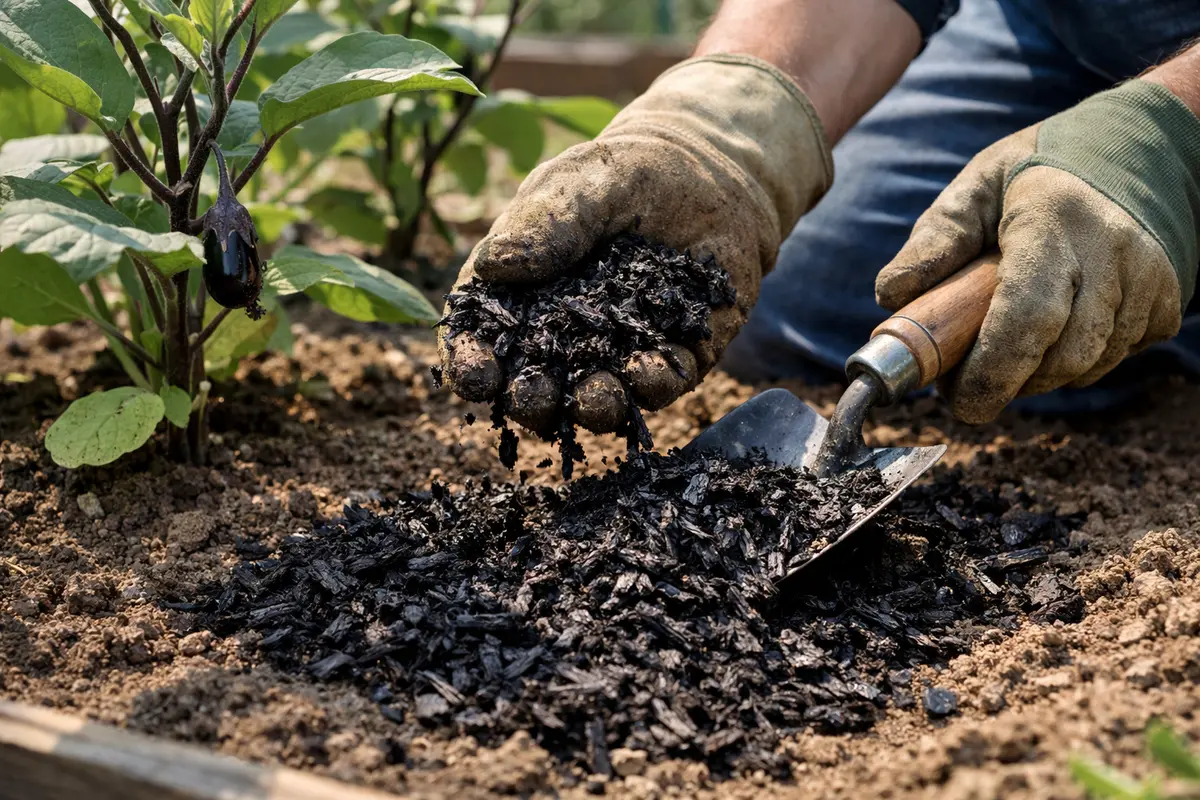
Apply dark mulch around the base of your eggplants to enhance soil warmth and promote recovery. You should see the soil warming up faster and increased root activity within a matter of days. This method is particularly beneficial during cooler months when temperatures fluctuate significantly and helps to maintain consistent moisture levels as well. An optimal moisture level combined with warmth can empower the plants to recover more robustly, leading to stronger root systems.
Adding dark mulch functions by absorbing sunlight and retaining heat, which warms both the soil and the air around the plants. As the mulch gets warmer, it encourages seed germination and stimulates root expansion into the warmer soil. The noticeable difference in soil temperature can be measured using a soil thermometer that shows an upward trend as the mulch does its job. Additionally, you may observe faster moisture evaporation from the soil surface while still maintaining adequate moisture levels underneath. This action significantly supports the eggplants’ ability to recover from any cold-related stress they have experienced, fostering a healthier growing environment and potentially accelerating growth rates.
Watch for new leaf growth and improved leaf color as key indicators of recovery. Leaf brightness is particularly telling; more vibrant green hues signal a successful recuperation process. Over-mulching, however, could lead to excess moisture retention, promoting fungal issues such as root rot. If you notice that the plant seems stunted despite the presence of adequate mulch, it may signal an issue with the mulch being too thick or not allowing enough air circulation. If temperatures still pose a challenge even with mulch in place, don’t hesitate to explore row covers again to provide another layer of protection until steady growth is firmly established. Monitoring the soil condition often allows for adjustment before problems escalate.
Step 4 – Shield Plants from Nighttime Chill with Cloches
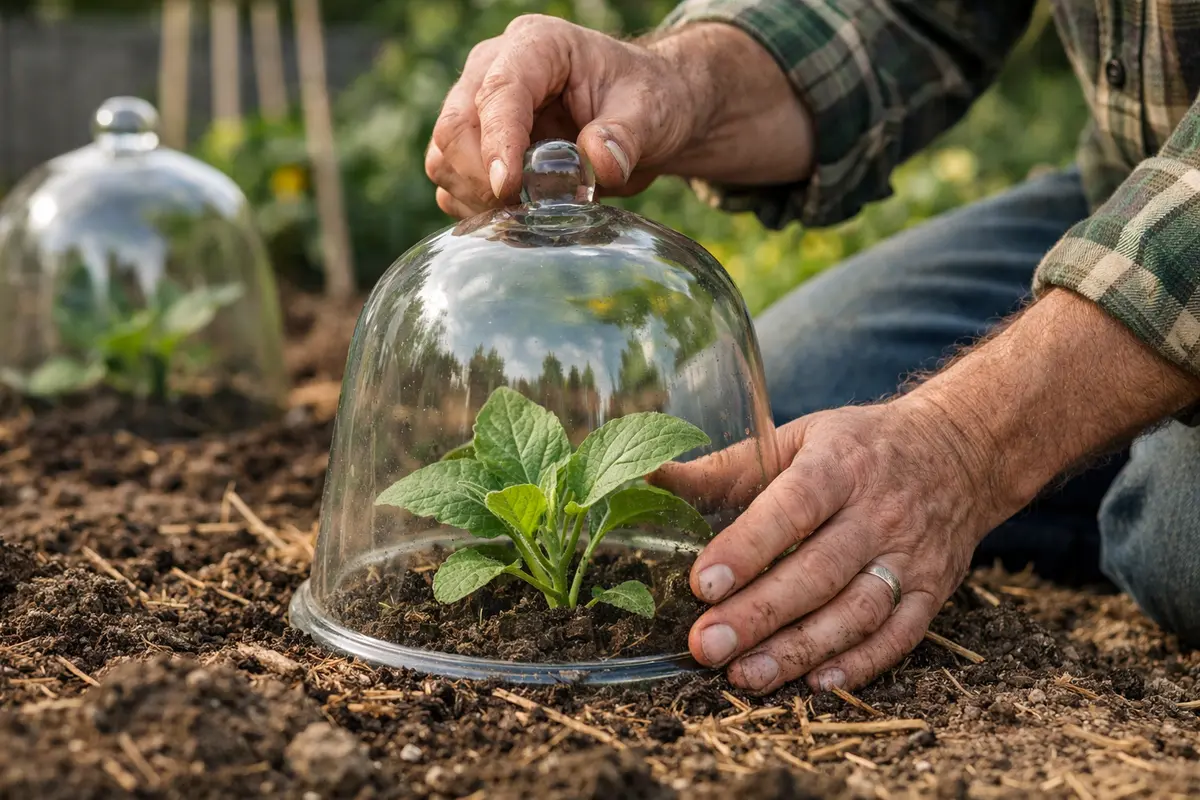
Start by covering your eggplants with row covers or blankets on cool nights to trap heat. This action will significantly boost their nighttime temperatures, preventing stunted growth and supporting robust growth patterns by maintaining warmth.
Cool nights often drop temperatures below what eggplants can tolerate, stalling their growth. This technique addresses the root cause—lower temperatures—that suppress metabolic processes. Without adequate warmth, you may see eggplants drooping compared to those kept warmer with coverings; enhancing insulation mitigates these adverse effects.
During early spring or late fall, where nights are particularly cool, switch to thermal blankets designed for plant protection. If temperatures forecast drops below 50°F, add an extra layer for insulation, ensuring your plants are adequately shielded from sudden temperature changes.
Cloches function by trapping warm air inside and minimizing exposure to wind, which is critical as wind chill can exacerbate low temperatures. Creating an ideal environment for eggplants, which thrive in temperatures above 20°C (68°F), cloches can significantly enhance growth conditions. Additionally, by using clear plastic cloches, you can amplify daytime warmth from the sun, preserving heat through the night effectively. Regular monitoring of nighttime temperatures may help you decide when to set out cloches, ensuring they are in place before the mercury begins to drop. Timing this setup with weather patterns can enhance their efficacy drastically.
Consider monitoring weather forecasts closely to anticipate when to deploy your cloches. It’s practical to have extra cloches available during particularly cold spells for rapid deployment. Avoid exposing your eggplants unnecessarily to cold temperatures without adequate protection, as failing to protect the plants too long could lead to lethargic plants and hinder growth cycles. If you notice that the cloches create too humid conditions which could lead to mold growth, consider ventilation solutions by lifting the cloche slightly to allow airflow during milder nights. Consistent monitoring of temperature changes is vital for optimizing the plant’s recovery process, alongside keeping an eye on potential pests attracted to warmer microclimates.
Step 5 – Inspect Leaves for New Growth after Treatment
Start by checking the nighttime temperatures around your eggplants using a thermometer; target a minimum temperature of 55°F (13°C). Observe the foliage and stem: if they appear limp or droopy, this signals stress from the cool nights. Recheck these conditions nightly to ensure temperatures remain stable and are conducive to growth.
A fully recovered eggplant plant displays vibrant, upright leaves that are firm to the touch, and the stem feels robust and healthy. In contrast, early signs of the problem returning include wilting leaves and soft, drooping stems, indicating that your plant’s response to stress is reemerging. If you notice the leaves turning yellow at the edges and a brittle texture in the stems, these are clear signals that temperature issues persist and need further evaluation.
If the problem returns despite your efforts to monitor temperatures and improve conditions, adjust your approach by providing protective covers during cooler nights, such as row covers or cloches that can trap warmth. Escalate your action by assessing soil moisture levels; if the soil remains excessively wet, modify your watering schedule or amending with drainage-enhancing materials.
A healthy plant will show signs of new leaf production and bright green coloration, indicating that it is actively photosynthesizing and absorbing nutrients effectively. These indicators serve as a guiding measure of whether the applied techniques are working. If you observe leaves continuing to wilt or yellow despite improvements in the surrounding conditions, this could serve as a warning sign that further adjustments might be necessary. This might include enhancing nutrient delivery through fertilization or addressing potential pest infestations that thrive when plants exhibit stress.
If you find that growth is still stagnant despite these interventions, consider revisiting your soil conditions or evaluating drainage. Poor drainage or compacted soil could reveal underlying issues that require immediate attention, necessitating steps such as aerating the soil or adding organic material to improve soil structure. If the soil feels too hard or crusty, this can impede root growth, causing issues that compound stunted growth. Effective monitoring after treatment plays a crucial role in ensuring that your eggplants flourish throughout the growing season, enabling you to recognize the right moment for further actions or preventive strategies.
FAQ
How long will it take for my eggplants to recover from stunted growth?
Recovery time can vary, but you should expect to see noticeable improvements within 1-2 weeks if the right conditions are maintained. Consistent warmth and protection from cold are essential for quick recovery, with some plants showing rapid changes while others may take longer based on the initial severity of environmental stress levels.
Can covering my eggplants with row covers cause any harm?
Using row covers acts as an effective safeguard against both cold and pests, but be cautious about how they relate to ventilation. If the covers create excessive heat or humidity, they may lead to fungal diseases that can overwhelm your plants, so regular checks are necessary to find the appropriate balance between protection and adequate airflow for the plant’s health.
Should I remove yellowing leaves from my eggplants?
Yes, removing yellowing leaves is advisable as these leaves can indicate stress levels and limit the plant’s overall energy output. Healthy plants will recover more efficiently when they can allocate resources to new, vibrant growth while eliminating stressed foliage that could attract pests or diseases.