You may notice your ferns looking especially droopy during the cold winter months, which is why you need to know what to do when ferns show signs of wilting in winter. This wilting often indicates a lack of moisture and can lead to yellowing or leaf drop if conditions do not improve. If ignored, the problem can spread and weaken the plant, making it harder to fix. Fortunately, addressing this issue promptly is possible—check the soil moisture and adjust your watering habits to revive your ferns before further damage occurs.
Step 1 – Trim Wilting Fern Leaves Promptly
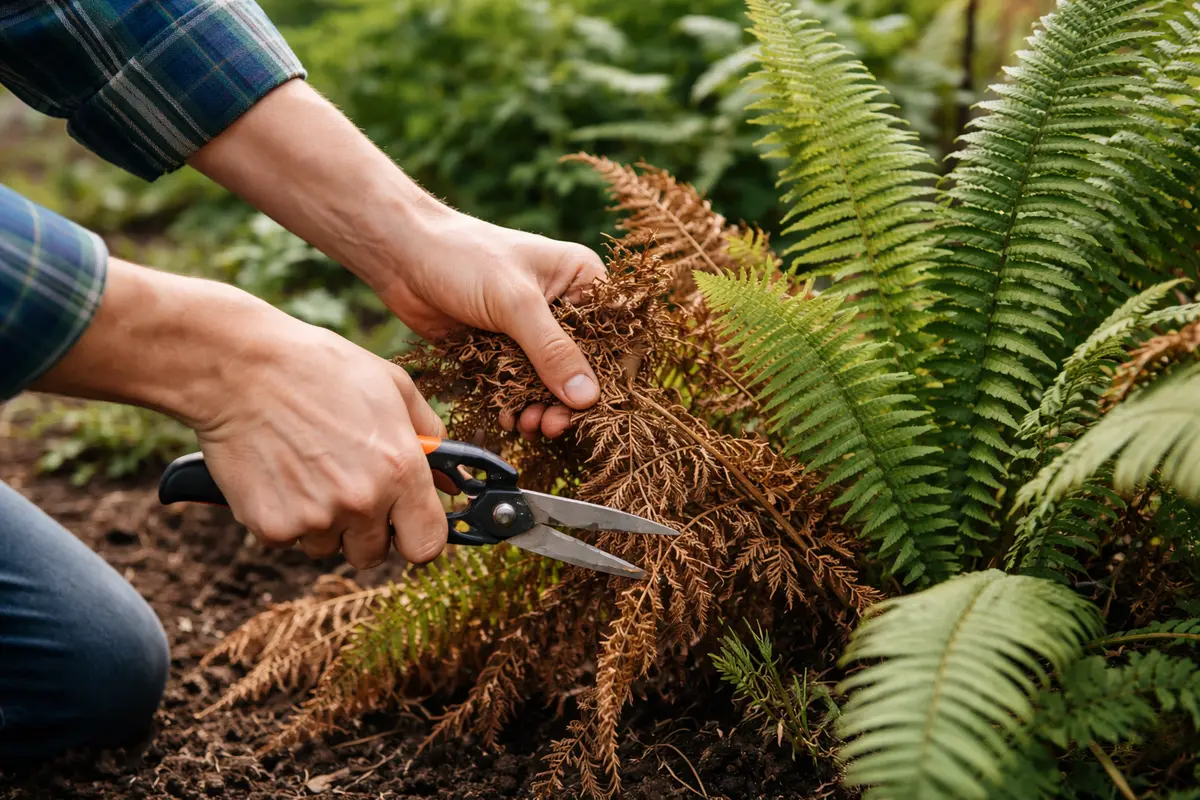
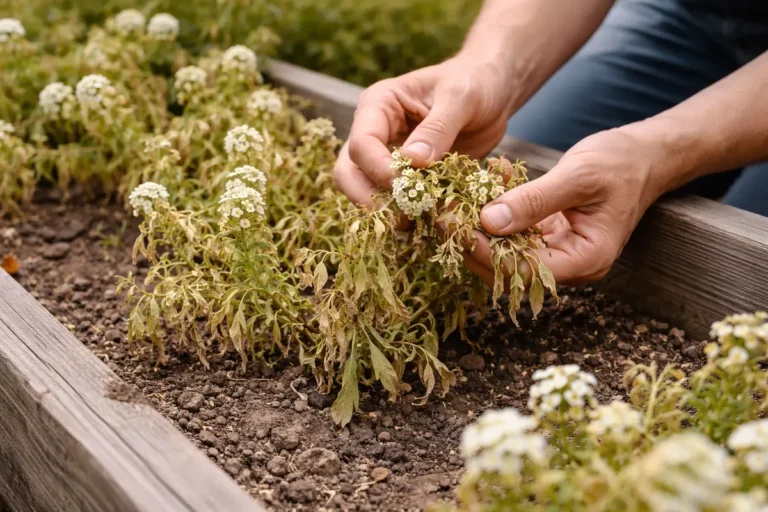
Begin by trimming any wilting leaves off your ferns immediately. You will notice less drooping throughout the plant within a day or two as the remaining leaves regain their firmness. Snipping off the wilting fronds encourages the plant to put energy into healthy leaves instead of struggling to support the wilted ones. This direct action is crucial since dead or decaying leaves can harbor pathogens that threaten the rest of the plant.
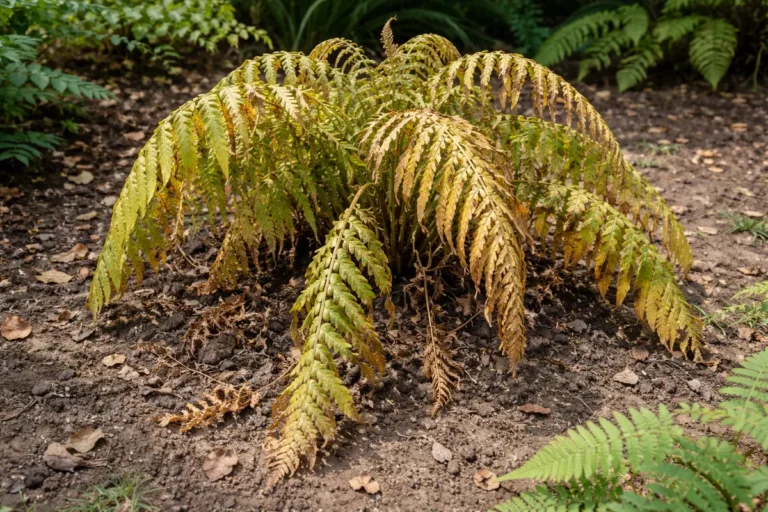
Quickly removing the affected leaves allows the plant to redirect its energy toward healthy fronds. Healthy fronds can photosynthesize effectively, allowing the plant to recover faster. This is crucial, as wilting leaves can drain energy from the entire plant, leading to further decline. For instance, if a fern has been wilting for several days with many drooping fronds, the condition can escalate through rot or disease, diminishing the plant’s vitality overall. By trimming away the wilted parts, you minimize the potential for fungal infections, which are more likely to develop in stressed plants. If fungal diseases take hold, they could spread rapidly and cause additional stress, making recovery more difficult. If your ferns exhibit a noticeably darker or browner hue on the limp leaves, it may indicate more severe stress and a higher risk of such diseases. This could also suggest root issues stemming from overwatering.
A common mistake at this stage is attempting to salvage wilting leaves without assessing the overall health of the fern. If you cut back too few leaves, the plant may continue to struggle with stress. Many gardeners forget to check the soil condition simultaneously; if the soil is too dry or too wet, trimming won’t solve the underlying problem. For instance, if the soil is overly dry, wilting will persist despite trimming. In such a situation, the roots may be unable to absorb water effectively, leading to further wilting. To correctly trim, assess the plant’s overall condition first, ensuring that the remaining fronds have sufficient moisture. If the base of the plant is mushy, indicating possible root rot, the focus should shift immediately toward correcting that issue rather than just trimming back the leaves. In cases of severe root rot, a more thorough examination of the root system may be required to prevent further deterioration. Looking for grayish-black roots is an indicator of rot, while healthy roots should appear firm and white.
Step 2 – Diagnose Cold Stress in Your Ferns
Next, inspect the soil moisture levels surrounding your ferns. If the top inch of soil feels dry to the touch, water the ferns deeply until moisture reaches a depth of six inches. You will observe the fronds gradually lifting and returning to a healthier appearance within a few days if the problem was solely due to under-watering. Deep watering ensures that the roots can access the moisture they need to function properly. Aim for the water to saturate the soil thoroughly without pooling on the surface; this enables adequate root absorption without creating a soggy base, which can lead to root rot. The goal is to make the moisture such that it feels cool and damp without being overly wet, indicating proper saturation.
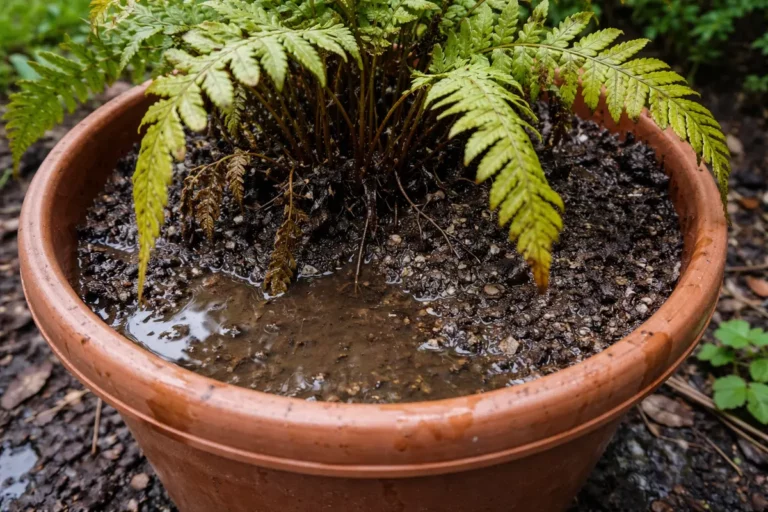
Cold stress can cause ferns to lose turgidity when the soil is either too dry or overly soggy. When interacting with cold air and soil moisture, ferns can struggle to uptake water efficiently. For example, a fern that has been sitting in waterlogged soil will exhibit wilting symptoms even when temperatures drop, as it can’t absorb water properly. This imbalance can lead to further wilting, and if left unaddressed, the roots may begin to rot if they sit in overly saturated soil. If wilting under these conditions persists, it may be indicative of either under- or over-watering, necessitating a detailed assessment of the soil moisture and the plant’s environment. If you find that the soil feels cool and soggy while the fern remains wilted, this could signal the early stages of root rot, requiring you to act swiftly.
If you notice that the soil appears excessively wet alongside drooping leaves, allow the soil to dry out gradually and ensure proper drainage. Conversely, if the soil is too dry, focus on a consistent but not excessive watering schedule to maintain balanced moisture levels. It’s crucial to adjust your watering based on weather conditions; for instance, in drier indoor environments, ferns may require more frequent checks on moisture levels. During winter months, pay close attention to the humidity and temperature conditions; a fern used to 50% humidity may struggle in a significantly drier environment, leading to increased wilting. In indoor scenarios, using a humidity tray or a small humidifier nearby can help stabilize the moisture around the fern. Additionally, if you find that the fern’s pot is too small for the root system, this could also contribute to its inability to absorb water effectively. Inspecting the root zone by gently removing the plant from its pot can reveal if repotting is necessary, allowing more space for root expansion and moisture absorption. Off-balance fertility can translate into stop drooping ferns during.
Step 3 – Water Sparingly to Aid Fern Recovery
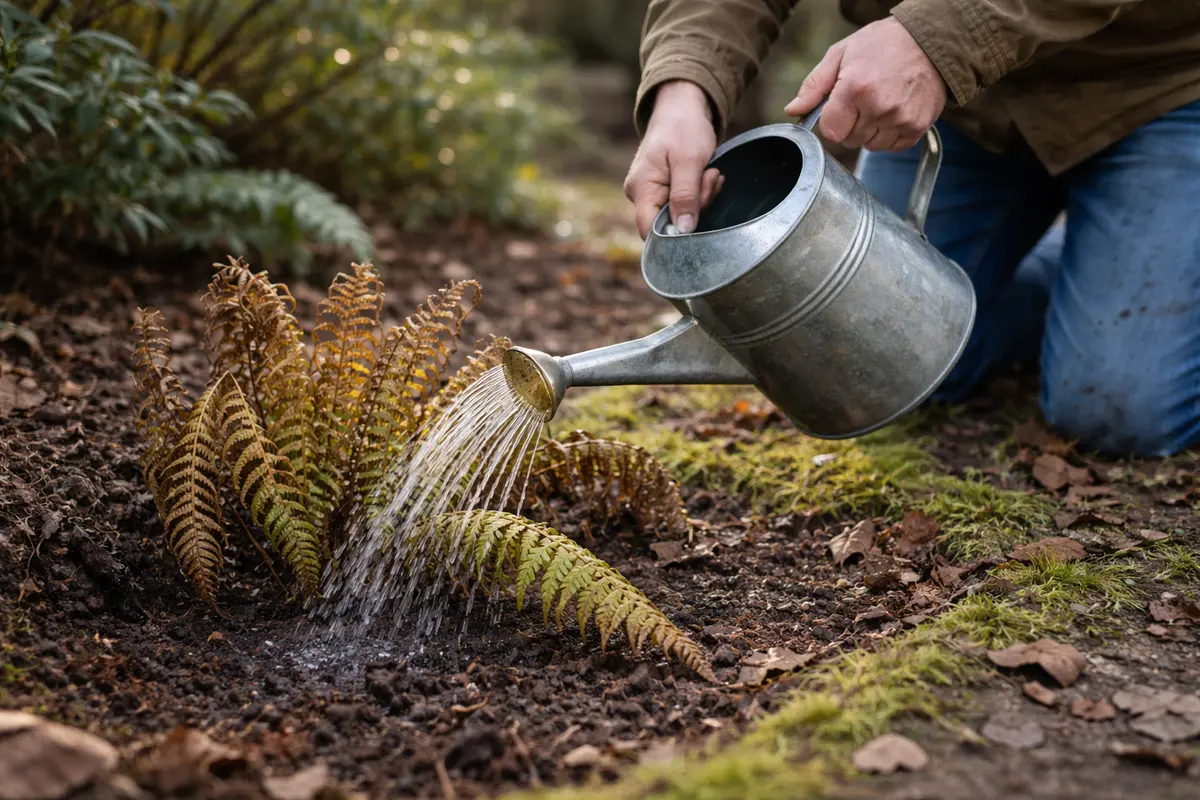
Water your ferns with a measured approach, aiming to maintain consistent moisture without saturating the roots. You should see new growth appearing on the ferns within one to two weeks, indicating that they are starting to recover from prior stress. Keeping the soil slightly moist between waterings is vital, ensuring it dries out only slightly. It’s also crucial to monitor the water used; distilled or rainwater is preferred over tap water, which may contain chemicals that can affect plant health. Check the soil every five to seven days and adjust your watering accordingly. The soil’s texture is a critical indicator; it should feel damp to the touch without being muddy or overly wet. This tactile inspection will inform you whether more time is needed between watering or if the current schedule is too frequent.
Maintaining proper watering habits encourages recovery and prevents future wilting episodes. During winter, fern roots require time to adapt to fluctuating temperatures, and overwatering can hinder their ability to absorb nutrients. If you keep the soil too soggy, roots can suffocate and rot, significantly worsening the health of your ferns. You can gauge your watering effectiveness by observing the color and firmness of the fronds; yellow fronds may become an early indicator of root problems due to excess moisture. If the plant continues to display wilting behavior alongside yellowing fronds, immediate reevaluation of your watering strategy is necessary. A sensitive approach that considers both the fronds’ indications and soil moisture will facilitate the healing process.
A major mistake during this recovery phase is rushing to water too much, thinking it will restore health quickly. Some gardeners may mistakenly assume that more watering equals better recovery, but this often leads to more damage, especially in colder climates where excess moisture does not evaporate as rapidly. For example, if temperatures in the room drop due to a lack of heating, the moisture in the soil can stagnate, increasing the risk of root rot. If fronds remain limp even after adequate watering, consider other conditions affecting growth, such as light exposure. You might find that relocating your fern temporarily to a somewhat warmer area with indirect light can balance moisture levels better and enhance recovery. Ensuring air circulation around the ferns can boost both humidity and warmth, preventing further wilting from cold stress.
Step 4 – Inspect Ferns for Signs of New Growth
Start by checking the moisture level in the soil by digging about an inch down. Observe whether the soil is dry, indicating underwatering, or excessively wet, which suggests overwatering. You should recheck the soil moisture every few days and look for signs of moisture retention along with any new frond development. If conditions improve, this will be reflected in health indicators like crisp emerald green fronds, robust leaf structure, or budding shoots, all showing that the plant is stabilizing. If the fronds do not respond within the expected timeframe, re-evaluating the light exposure and moisture conditions is warranted.
A fully recovered fern will present vibrant green fronds that stand upright, indicating healthy hydration and growth. In contrast, early signs of the problem returning may include browning leaf edges and limp fronds that droop, signaling stress that warrants corrective actions. If the fronds feel dry and crispy, a closer inspection of the soil’s texture is crucial to assess for excessive wetness or dryness. Healthy fronds should show resilience and not be overly soft or mushy, suggesting proper hydration. This is the ideal time to reassess light and temperature, ensuring these elements align with the ferns’ specific needs during the winter months.
If wilting continues despite following the previous steps, consider transferring the fern to a more suitable location with better light or humidity. New growth should begin to emerge within a few weeks after implementing your care plan; healthy shoots indicate that the plant is responding positively to the changes you’ve made. However, if the wilting persists or you notice further discoloration, it may be necessary to obtain a specialized fertilizer known to aid fern recovery, which can provide essential nutrients for revitalization. It’s vital to ensure that the fertilizer is appropriate for ferns, as some formulations might be too harsh. If this step is required, consider using a diluted liquid fertilizer, applying it sparingly to avoid over-fertilization.
If you notice your ferns are still not flourishing, it may be helpful to evaluate their placement. Sometimes inadequate exposure to light can inhibit recovery; if your ferns appear leggy or are stretching towards light sources, it’s likely they are in a low-light condition that’s not conducive to healthy growth. Transitioning them to an area with more indirect light can promote better growth outcomes. If relocating isn’t feasible due to space constraints, consider using grow lights during the darker winter months to simulate a more suitable environment for your ferns. Additionally, maintaining an average room temperature will help support healing, ensuring that temperature changes do not add more stress to the recovering plants.
FAQ
How long does it take for wilting ferns to recover?
Recovery can typically be seen within one to two weeks after correcting the care routine involving watering frequency and light exposure. Generally, consistent attention to these factors will lead to visible improvements in wilting ferns. However, the specific recovery time may vary based on the extent of damage and the initial health of the plant when you began treatment. Keeping an observant eye on growth patterns can help gauge when to adjust the care further for optimal recovery.
Can cold weather cause ferns to wilt?
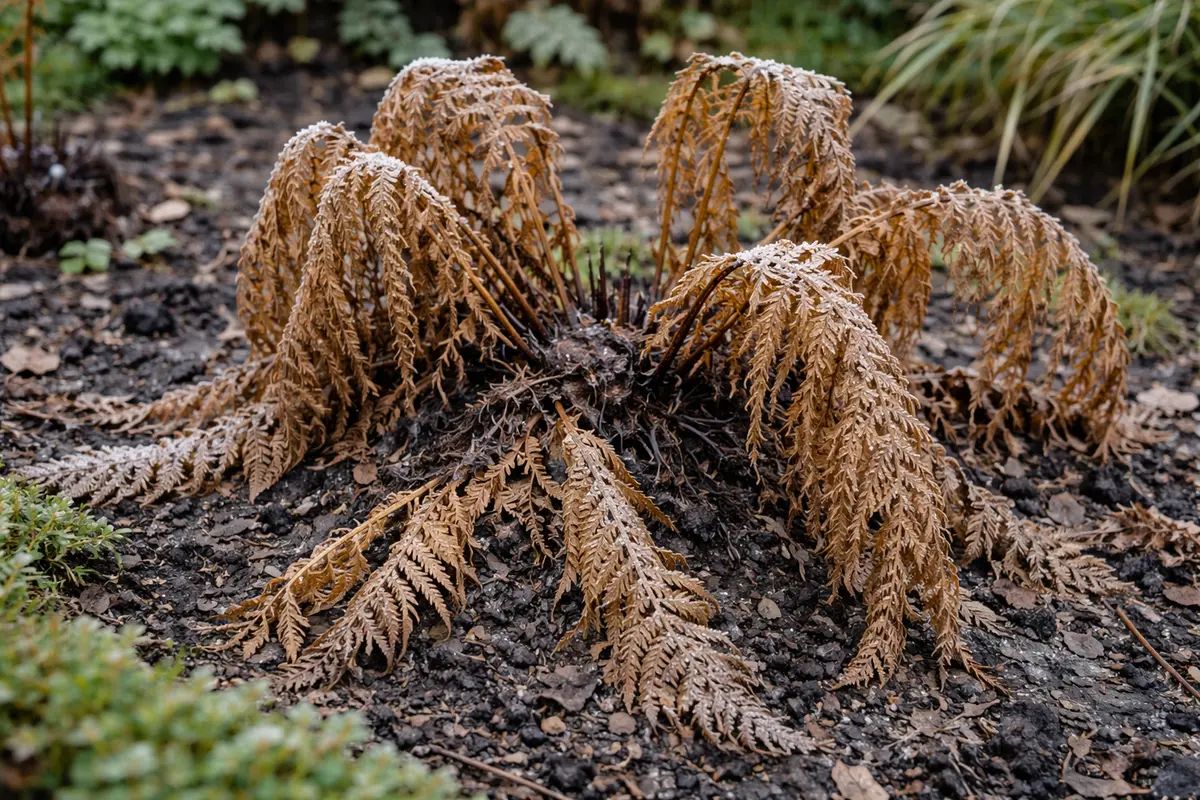
Yes, cold temperatures can contribute significantly to wilting in ferns by affecting their water uptake efficiency. When root systems are unable to absorb enough moisture due to cold stress, wilting symptoms become apparent. Be mindful that frequent temperature fluctuations can further complicate recovery; consistent care is essential during the winter months. If outdoor conditions are markedly colder than usual, make use of temporary solutions to help insulate and protect the ferns from extreme cold.
Should I remove more leaves if my fern continues to wilt?
If your fern is still wilting after three to four days despite your care efforts, consider removing additional affected leaves. This helps to allow the healthy portions of the plant to thrive and direct energy where it’s most beneficial for recovery. Be sure to first assess whether environmental factors are the root of the issue, which may include checking watering practices or light levels. Addressing these underlying environmental problems can often resolve wilting issues more effectively than simply reducing the leaf count.