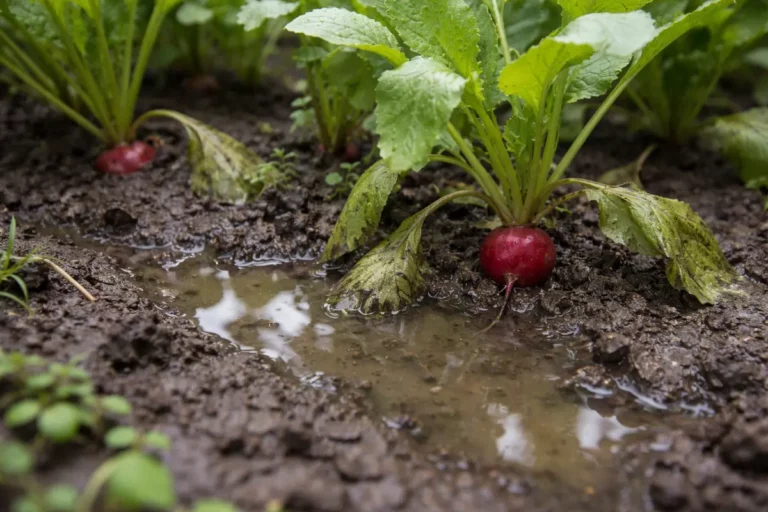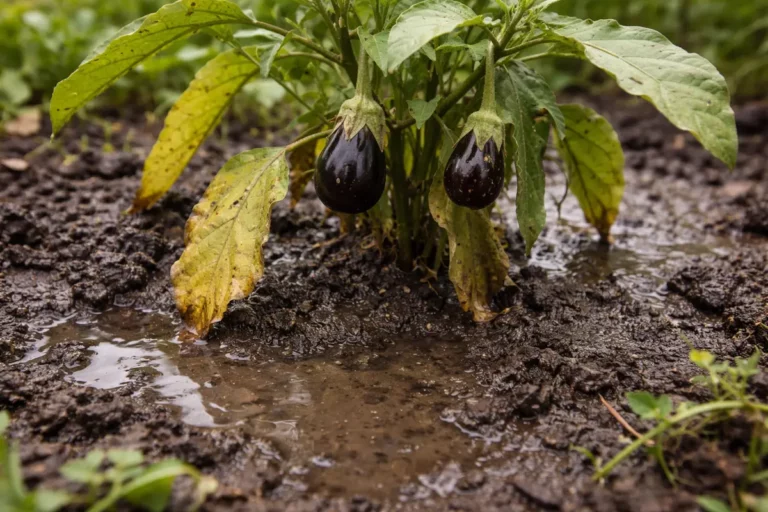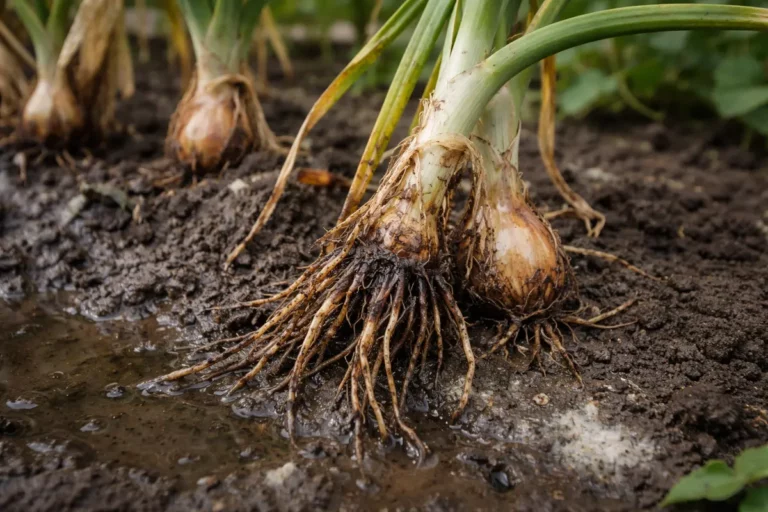

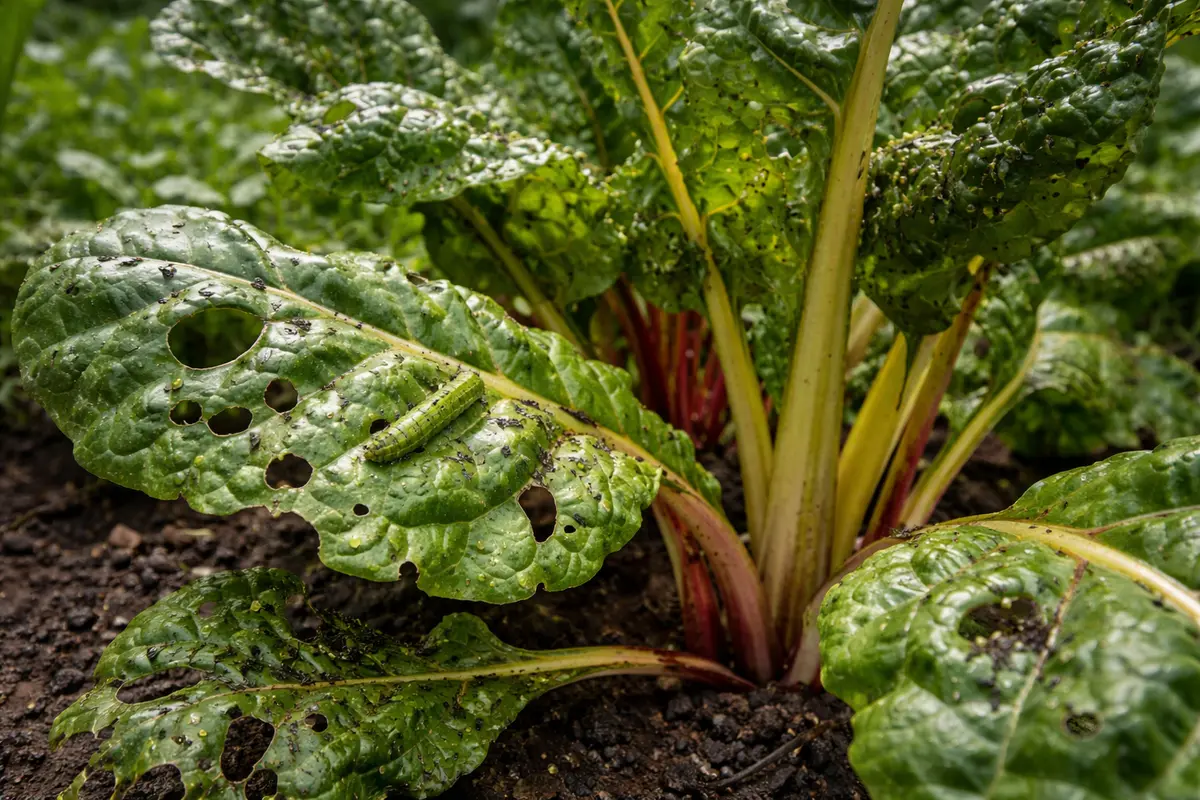
You may notice that during the rainy season, your chard plants are plagued by pests, which is why you need to know how to stop pests on chard plants during rainy season. The excess moisture creates an ideal environment for unwanted insects, leading to yellowing leaves and damage. If left unchecked, these issues can spread and weaken the plant, but fixing it is possible now—just inspect your plants regularly and remove any affected areas to improve their health.
Step 1 – Treat Chard Leaves Affected by Pests
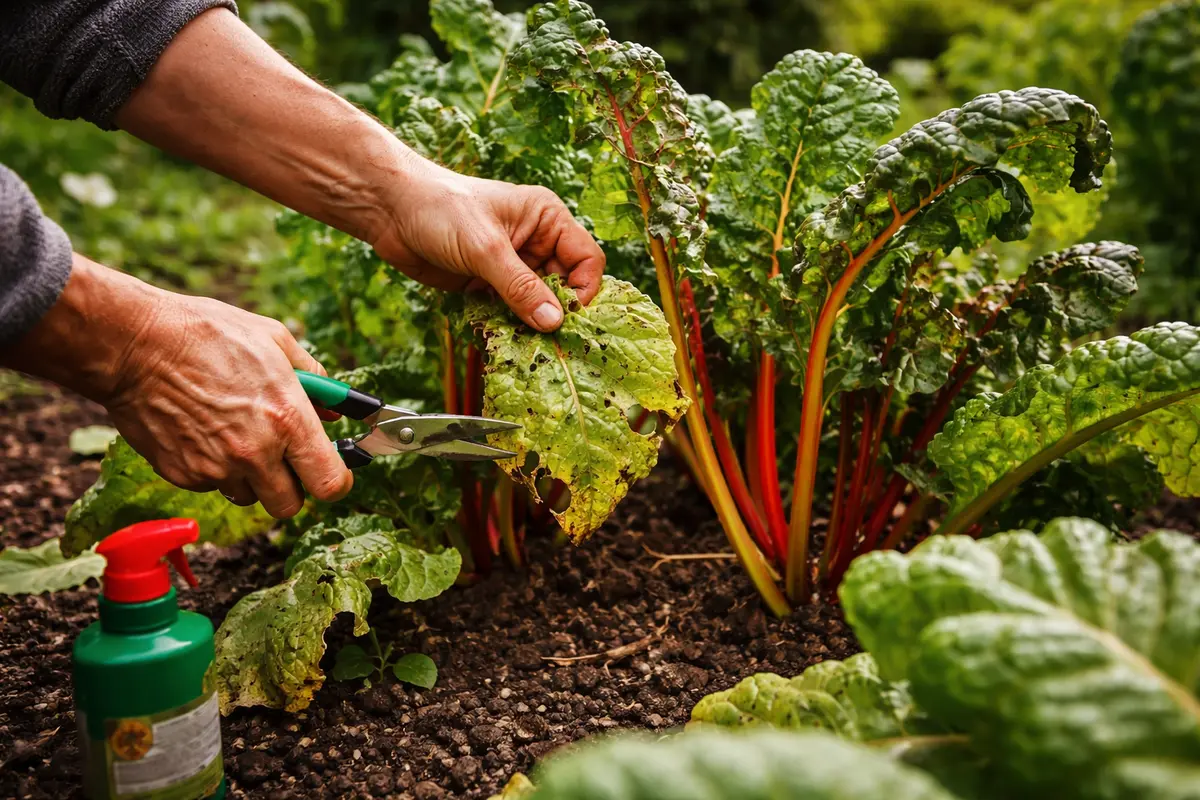
Start by removing any visibly infested chard leaves immediately. You should notice a decrease in pest activity within a few days after this step is taken. Hand-picking the aphids and cutting back heavily affected leaves not only reduces the current pest population but allows healthier foliage to recover more readily, without overtaxing the plant’s resources.
Acting quickly matters because pests like aphids reproduce swiftly, with populations potentially doubling every few days. If left unchecked, the feeding activity of these pests can cause stunted growth, curling leaves, wilting, and in severe cases, death of the plant. Additionally, the damaged areas create entry points for fungal infections, which are especially rampant during the rainy season. Mold and mildew thrive in moist, compromised environments, thus it becomes imperative to eliminate pests before they exploit these conditions. Monitor for black sooty mold that might decorate the leaves; this comes as a result of aphids excreting honeydew. If you see it, you may need to wash your leaves to improve photosynthesis.
Many gardeners mistakenly wait too long to act or only perform cosmetic measures, such as rinsing leaves without addressing the root cause of the pest invasion. For instance, rinsing may wash away some pests but does little to mitigate the overall infestation, which often leads to a harbored pest problem—where the infestation bounces back stronger. If you notice sticky residue or a shimmering effect on the leaves, it’s a sure sign of aphid presence needing immediate attention. Regular inspections of the underside of leaves are also crucial, as aphids like to hide there, making their detection difficult.
Step 2 – Assess Weather Impact on Chard Health
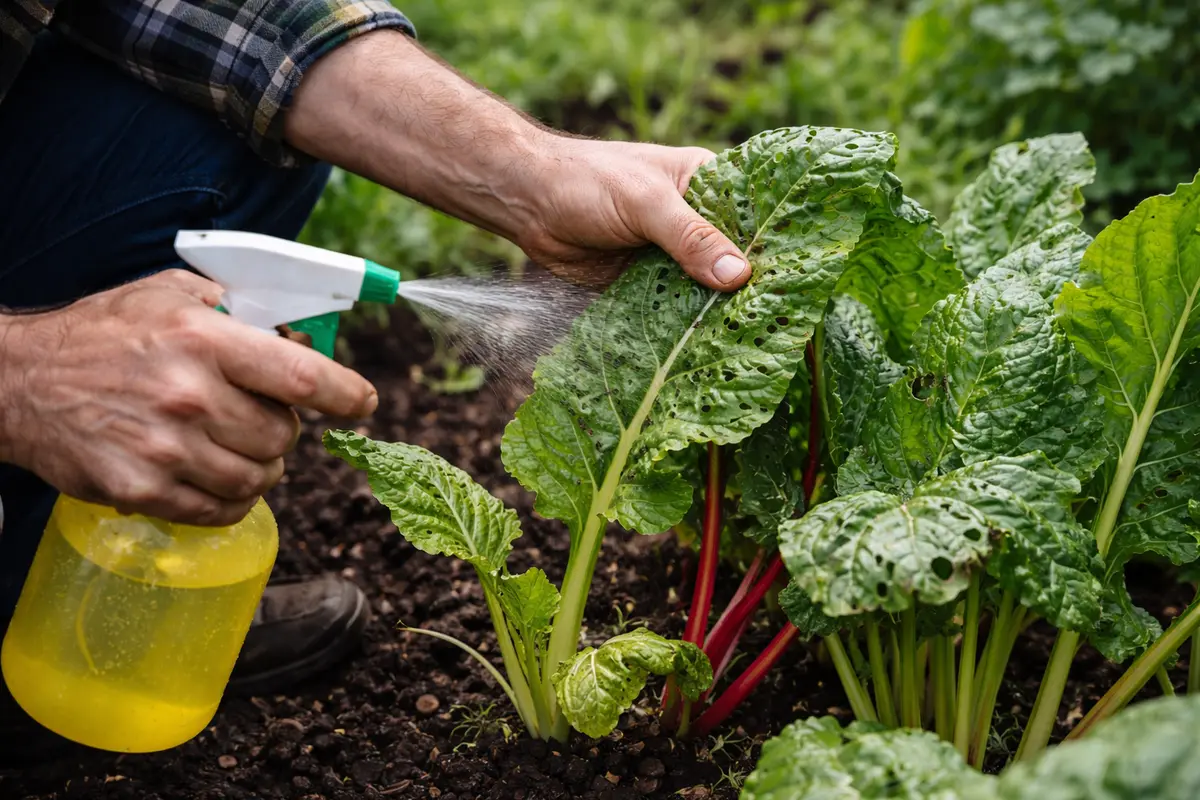
Start by inspecting your chard plants for signs of soft spots and discoloration on the leaves. These symptoms often indicate an aphid infestation, which can become more prevalent during the rainy season. Once you identify the presence of these pests, you can take immediate action, such as spraying your plants with a mix of water and insect soap, leading to a reduction in pest activity within a few days.
Aphids thrive in moisture-rich environments, feeding on the sap of chard plants. Their presence can cause chlorosis, as the loss of sap leads to nutrient deficiencies in the leaves. Conversely, healthy chard plants with strong, vibrant green leaves indicate minimal pest activity or a successful treatment. If your chard still shows signs of pests despite treatment, check for black sooty mold on the leaves, as it signifies extensive aphid feeding.
If your soil has a sour smell, it could indicate overwatering or root rot, creating a favorable environment for pests like fungus gnats. To address this, ensure you are not watering too frequently and improve drainage around the roots. On the other hand, if you notice a white, powdery residue on the leaves, it may not be aphids but rather powdery mildew, requiring a different approach, such as improving air circulation and applying organic fungicide.
This excess moisture creates an environment conducive to root rot and fungal diseases, which can stress your chard plants and attract pests. When roots are compromised, they cannot absorb nutrients effectively, leading to weakened plants that are more inviting to pests like aphids or caterpillars. If you notice wilting or yellowing leaves, it could indicate root issues; however, if the leaves are intact but the plant is not thriving, assess for pest infestations instead.
If you find that the soil smells sour, indicating anaerobic conditions, immediately improve drainage by amending the soil with organic compost or sand to enhance airflow. Conversely, if leaf damage resembles chewing marks but the soil is well-drained, then deploy natural insecticidal soap to target the pests directly on the foliage. This differentiation will help address the underlying cause effectively without overlapping solutions.
Understanding that excessive rainfall can create ideal breeding conditions for slugs and other pests is essential. Wet soil prolongs the life of pests while stunting the plant’s roots from accessing nutrients effectively, leading to a stressed plant. This imbalance creates more vulnerabilities where pests can invade and thrive. If your chard plants struggle to grow upright, or if their leaves appear droopy and pale, check the root zone to ensure moisture levels are appropriate. A good practice is to dig a little deeper than the surface; moisture retention often varies significantly beneath the topsoil.
If the soil smells sour or remains soggy several hours after a rain, the drainage may be inefficient, necessitating amendments or relocation of plants to better-drained areas. Remember to aerate compacted zones surrounding the roots to improve oxygen supply; consider using a garden fork to gently loosen the soil without damaging roots. If conditions remain unchanged, consider switching to raised beds that ensure better drainage. Additionally, building paths of gravel or organic matter around the plants can enhance drainage capabilities and create breathing room for the roots, a step many gardeners overlook.
Step 3 – Revitalize Chard Growth After Pest Damage
Apply a balanced organic fertilizer to support the chard’s recovery after treating for pests. You can expect new growth to start appearing within a week, signaling that the plants are bouncing back. This action enriches the soil with essential nutrients, thereby facilitating the repair of damaged cells from pest activity. A nitrogen-rich fertilizer will particularly help attain lush, green leaves, which chard plants require to encourage vigorous leaf development.
Fertilizing accelerates the recovery process by delivering nutrients directly to the zones that need them most. This is particularly vital for chard. Healthy foliage signals stronger resistance against future infestations. When applying fertilizer, be attentive and follow the recommended rates on the package; over application can lead to “burning” the roots, exacerbating the stress already placed on the plants. If you notice browning leaf tips after fertilizing, this signals over-fertilization, and you should cease further applications.
A common mistake is to over-fertilize, thinking that more nutrients will hasten recovery. If you notice yellowing leaves despite applying fertilizer, this could point to an excess of salts in the soil. In such cases, allow the soil to dry somewhat before the next application, and ensure you are feeding at recommended intervals to avoid stressing the plants. If you suspect salts are an issue, it may benefit to flush the soil with plain water after fertilization, allowing nutrients to normalize but ensuring excess does not remain.
Step 4 – Shield Chard Plants from Rainy Season Pests
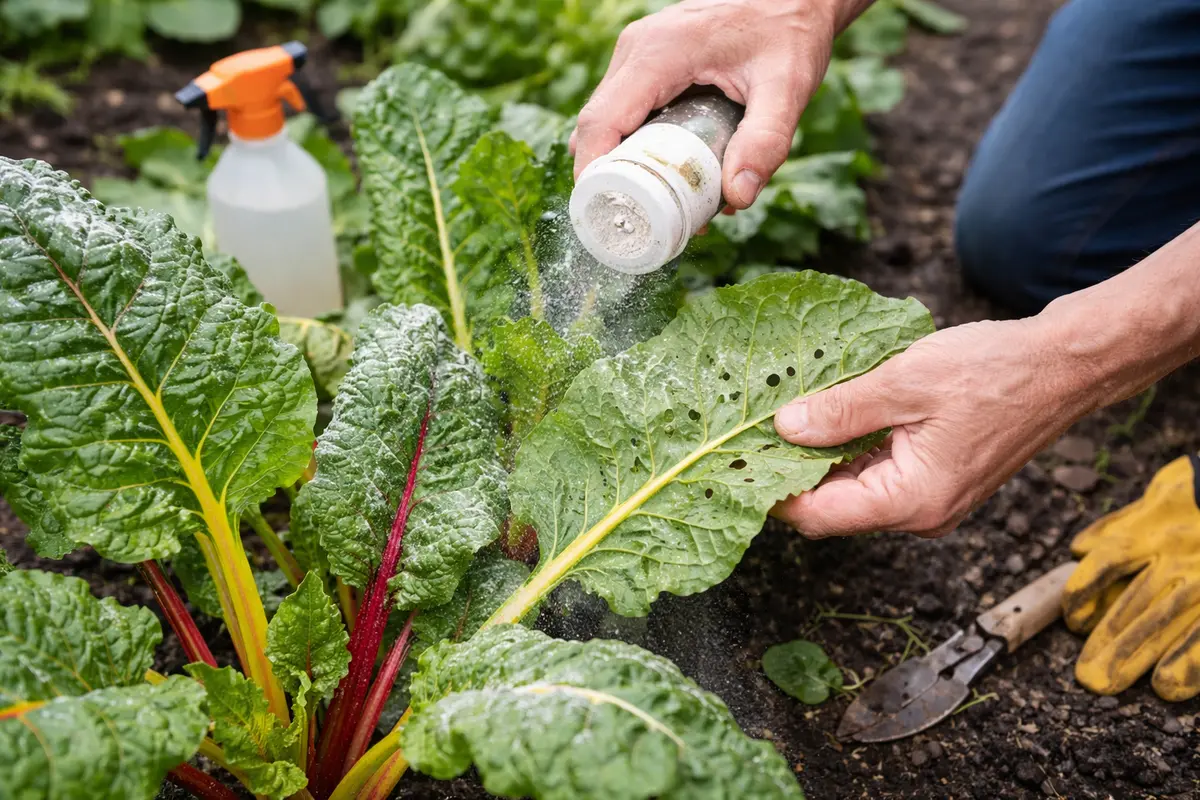
Start by applying a neem oil spray to your chard plants, ensuring you cover both the tops and undersides of the leaves. This will create a barrier that deters pests like aphids and caterpillars, resulting in healthier foliage throughout the rainy season.
Rainy conditions often result in increased humidity, which can lead to an uptick in pest populations due to the moist environment. By regularly applying neem oil, you disrupt the life cycles of pests who thrive in such conditions, particularly reducing their likelihood of infestation during wet spells. If your chard shows signs of leaf damage, check for pests hiding beneath the leaves to identify active issues early.
During particularly heavy rains, increase the frequency of your neem oil applications to every seven days to maintain effectiveness. Additionally, consider adding a layer of diatomaceous earth around the base of your chard plants for extra protection, as it can deter snails and slugs that may proliferate in wet weather.
Physical barriers work because they create an environment where pests cannot invade while permitting essential light and air exchange. During heavy rain, they can also help redirect water flow, preventing soil erosion that exposes roots to detrimental conditions. Furthermore, a consistent layering of mulch can buffer against mud splashes, which is critical since they can carry soil-borne pathogens to the foliage. Replenishing the mulch layer every few months is crucial during heavy rainfall seasons; if leaders or the mulch wash away, the exposed soil can beckon pest activity.
During periods of unexpected heavy rain or high humidity, consider inspecting the edges of the barriers for wear or damage that could compromise their effectiveness. Be cautious, as excessive moisture can weaken these covers, making them more susceptible to tearing. An often-overlooked precaution is to maintain these barriers even after the immediate threat of infestation has passed, as new pests can develop once environmental conditions stabilize. Thus, continuously monitor surrounding areas, as overwintering pests often use garden debris as hiding spots.
Step 5 – Inspect Chard Foliage for Pest Reoccurrence
Start by monitoring your chard plants every few days during the rainy season. Check for signs of pest activity such as holes in the leaves or a sticky residue on the plant surfaces. Take note of any changes in color or texture, which could indicate either recovery or ongoing issues, and do a recheck weekly to determine if further action is necessary.
A fully recovered chard plant displays vibrant green leaves that are crisp and robust, free from discoloration or texture changes like wilting. In contrast, early signs of a problem returning include yellowing leaves or a slimy texture, indicating pest activity. If your chard leaves have small holes yet still maintain their bright color, check for larvae hidden underneath the foliage.
If the pest problem returns despite following your monitoring routine, consider using insecticidal soap or neem oil to combat the infestation more aggressively. If the situation worsens or persists, escalate your efforts by removing visibly affected leaves and isolating the affected plants to prevent further spread.
During your checks, monitor for signs of distress in the plants, including discoloration, holes in new growth, or sticky residue from aphids. Healthy chard should exhibit vibrant colors and steady growth over time, reflecting the general well-being of the plants post-treatment. If you find small, glistening slugs, investigate the surrounding area—excess moisture or nearby debris can provide the perfect shelter for them to thrive unchallenged.
If you see the conditions returning, or if new pests appear despite care, consider rotating planting locations in future seasons to disrupt pest life cycles effectively. Such practice breaks pests’ ability to establish themselves further within your garden ecosystem. Moreover, if infestations seem uncontrollable, a professional assessment may be warranted; don’t hesitate to reach out to horticulturists or local extensional services for hands-on advice. Active communication with local gardening groups may also provide you with valuable insights and preventive strategies commonly overlooked.
FAQ
How long does it take for chard to recover after pest treatment?
Typically, chard plants will start to show signs of recovery within one to two weeks after pest treatment has been effectively implemented, particularly if fertilization is included. Monitoring growth closely and ensuring that pests do not return during this recovery period can significantly dictate the effectiveness of your treatment strategy. Observing new leaf development during this timeframe is a good indicator of effective recovery and the plants’ ability to rebound.
Can pests spread to other plants in the garden?
Yes, pests can spread easily to neighboring plants, especially during wet weather when conditions are favorable for reproduction. Regular monitoring and quick action can help contain any issues before they affect your entire garden. Performing weekly checks on adjacent plants for signs of damage is critical; this practice allows for timely interventions, potentially averting calamity across your entire gardening space.
Should I remove all affected leaves from my chard plants?
Yes, removing heavily infested or damaged leaves can help reduce the pest population and promote healthier chard growth. However, be cautious to avoid over-trimming, as this may inhibit the plant’s ability to photosynthesize effectively. Healthy leaves contribute significantly to the overall vigor of the plant and facilitate nutrient production in the long run, which can further enhance your chard’s resilience.