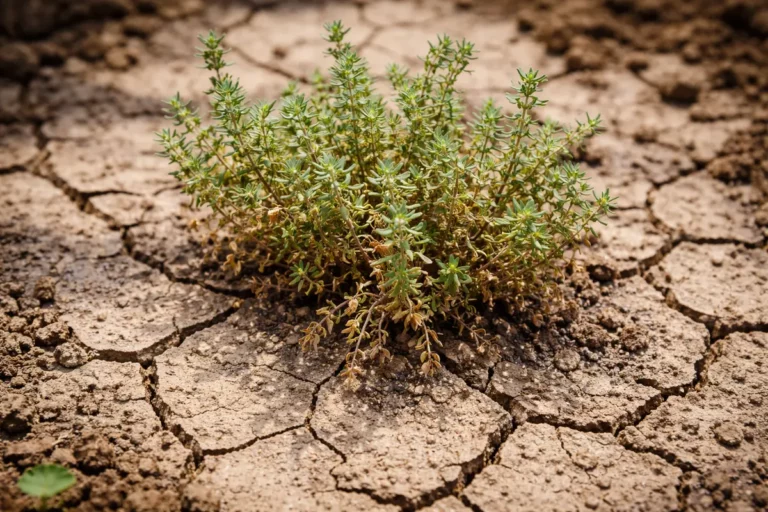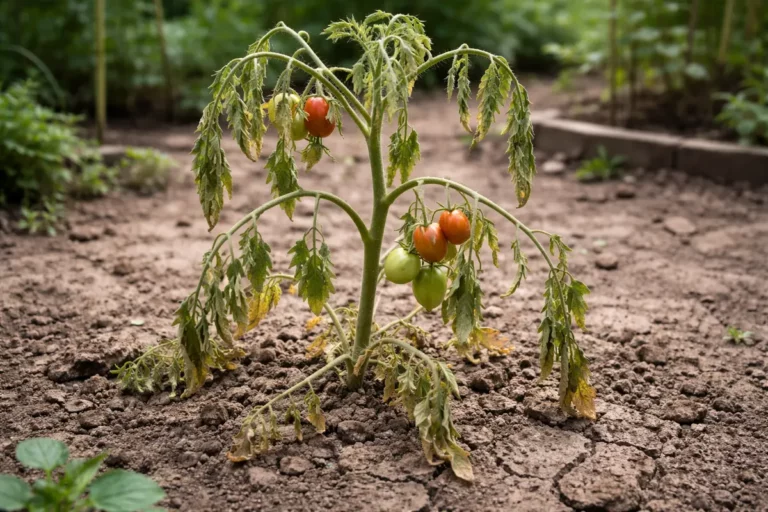
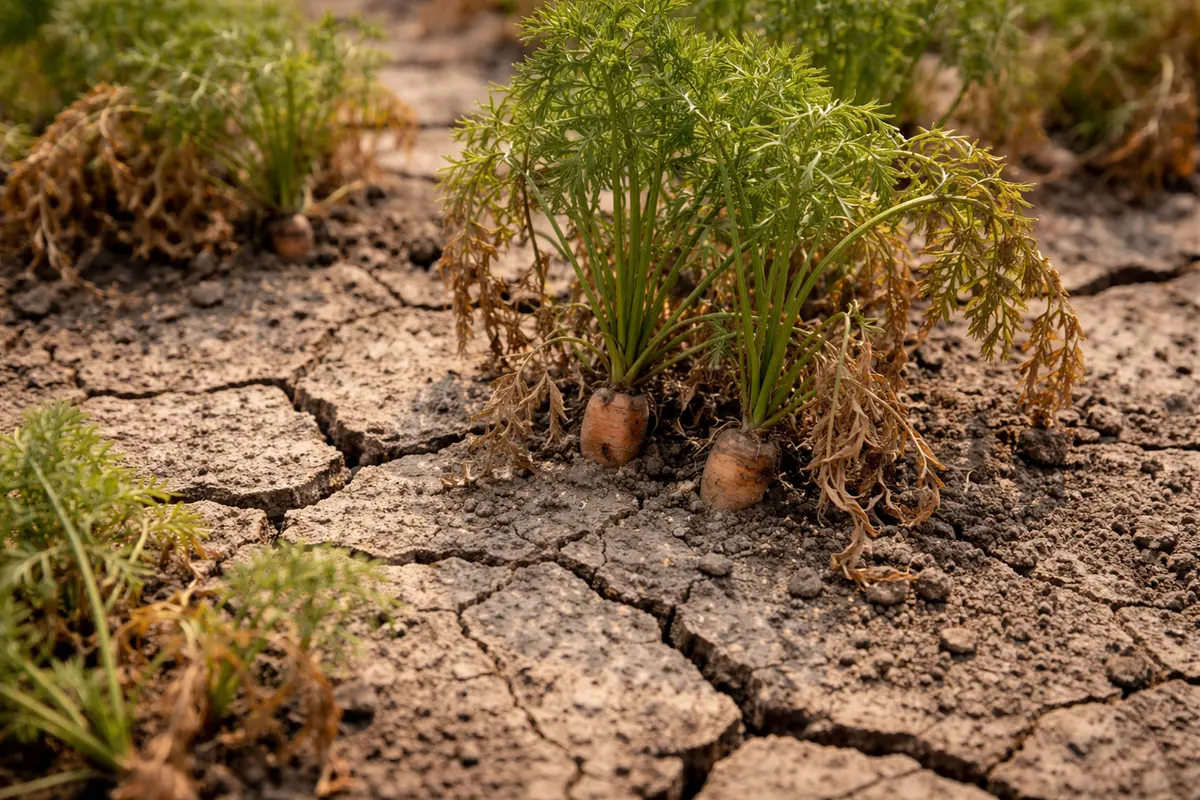
You may notice your carrots are struggling to thrive during the intense heat of summer, which is why you might be wondering, “Why do my carrots have stunted growth during drought.” The plants often exhibit signs of wilting and yellowing leaves, caused by insufficient moisture reaching their roots. If ignored, this condition only worsens, leading to stunted growth; however, you can still improve your harvest by checking moisture levels and adjusting your watering routine.
Step 1 – Water Carrots Deeply to Combat Drought
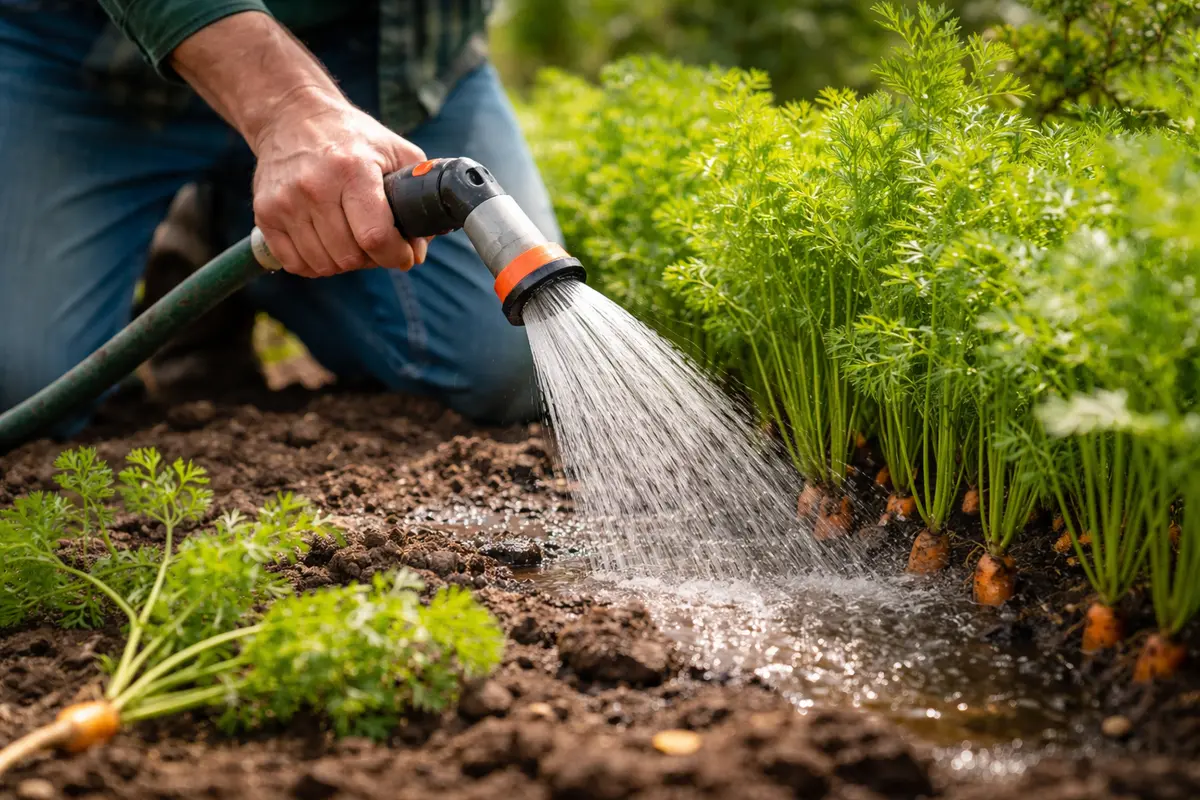
Water the soil thoroughly, ensuring moisture penetrates at least 6 inches deep around the carrots. By doing this, you will see the soil darken and feel more pliable, indicating adequate moisture reaching the roots. This substantial watering technique counteracts dry soil conditions and promotes healthier root growth. If you notice the topsoil is dry within a day, intensify your watering frequency, as the roots will otherwise remain deprived. In drought, water loss from evaporation also accelerates, so prioritizing deep watering is crucial.
Carrots require consistent moisture levels to thrive, especially during drought conditions. When the soil dries out, carrot roots struggle to absorb water and essential nutrients, leading to poor health and stunted growth. A quick, deep watering can reduce plant stress before visible damage occurs. Consider using a soaker hose or a garden wand to ensure the water reaches deep into the soil, rather than just wetting the surface. If you detect water running off the surface, you may need to slow the application rate to allow better absorption. Observe how the plants respond a day or two later; if they perk up, your watering method is effective.
Gardeners often make the mistake of watering only the surface, which does not help deeper-rooted plants like carrots. Without moisture reaching the root zone, growth will continue to be stunted. You might also notice your carrots are not developing properly, resulting in small sizes and lack of vigor. For example, if you notice your carrot tops are thinner than usual, it may indicate underwatering at deeper levels. Over time, insufficient watering can lead to the development of woody textures in your carrots, further detracting from their quality and edibility. If your carrot tops look unusually pale, this is a sign they are not getting enough moisture down below.
Step 2 – Analyze Soil Moisture Levels for Carrots
Test the soil moisture by digging down around the carrot roots with your finger or a moisture meter. If the soil feels dry beyond 2 inches deep, it’s essential to adjust your watering routine to enhance moisture retention. This quick test allows you to assess whether your watering efforts are hitting the intended levels. If you notice the soil is dry only at the top but wet below, you may need to consider surface mulching to reduce evaporation. Thin carrot roots struggle to penetrate hard, dry soil, so the soil’s infrastructure matters as much as water.
Moisture levels in the soil directly affect carrot growth. Insufficient moisture prevents roots from absorbing enough water, leading to stress and stunted growth. If soil moisture is too low, it hampers nutrient uptake, further affecting plant health and increasing susceptibility to pests. Making timely adjustments, such as adding organic matter to improve moisture retention, can ensure a better yield. Organic materials, like decomposed leaves or wood chips, can improve soil structure and enhance water-holding capacity over time. You may need to refresh mulch with slow-decomposing options like straw to maximize moisture retention in the long term.
If the soil seems compacted and holds little moisture, consider aerating it by loosening the soil with a cultivator. This action will improve water penetration and root development for your carrots and help prevent future drought stress. Be cautious: wet soil can also lead to root rot, so always monitor moisture levels accurately. In contrast, soil that crumbles easily indicates good structure and aeration. A compacted soil could hinder deep roots from accessing water, so strive to alleviate compaction while being mindful of moisture conditions. Look for earthworms, as their presence is a good indicator of healthy soil structure.
Step 3 – Test Soil Moisture Before Treating for Drought
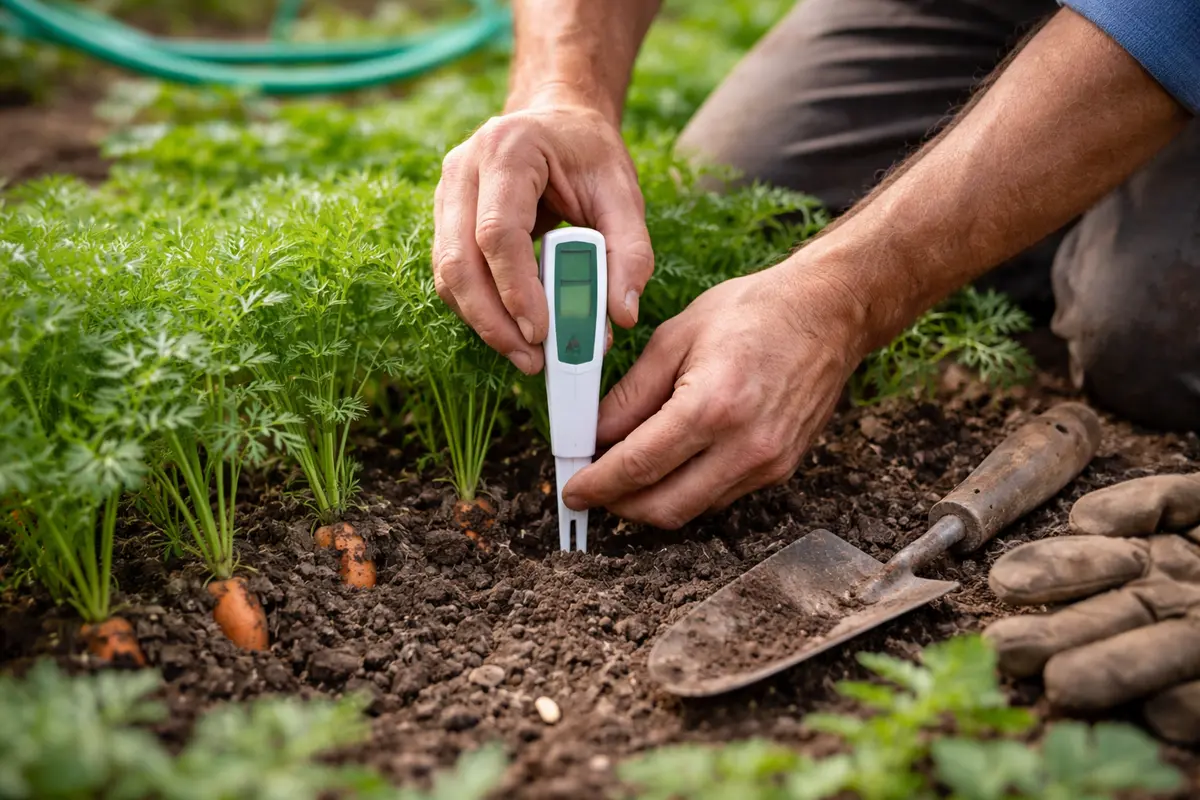
Check the moisture levels by inserting your finger into the soil up to your second knuckle. If the soil feels dry and crumbly, the problem of stunted growth must be addressed urgently. This quick tactile test will confirm or rule out drought conditions. If water pools at the surface during watering, consider that the underlying soil may still be depleted of moisture. Hypothetically, if you find the surface moist yet the bottom dry, it indicates ineffective watering practices.
This test helps distinguish between conditions of drought stress and potential root issues such as rot. For example, firm and dry soil indicates drought, while overly wet soil with a foul smell may suggest root rot. Identifying the right condition is essential for effective treatment; a well-timed intervention can maximize recovery and minimize loss. If only the surface is wet and deeper layers remain dry, you might need to redesign your watering method for deeper penetration. Knowing this, if moisture isn’t consistent, it might be time to re-evaluate your irrigation duration or methods.
If you find both moist and dry areas in the soil, conduct another test by carefully tilting the soil to check for excess water pooling in certain spots. This could mean uneven moisture distribution, leading to localized drought stress or rot in different parts. For instance, carrots on a slope may dry out quicker at the top than those below. Monitoring these patterns will help you develop better watering habits tailored to your specific garden layout. Using a moisture meter can also be beneficial for gauging moisture at multiple depths, providing a clearer picture of your watering efficacy. Take special care to note any variations in growth rates among the carrots to understand how differing moisture levels impact their development.
Step 4 – Feed Carrots with Nutrient-Rich Fertilizer
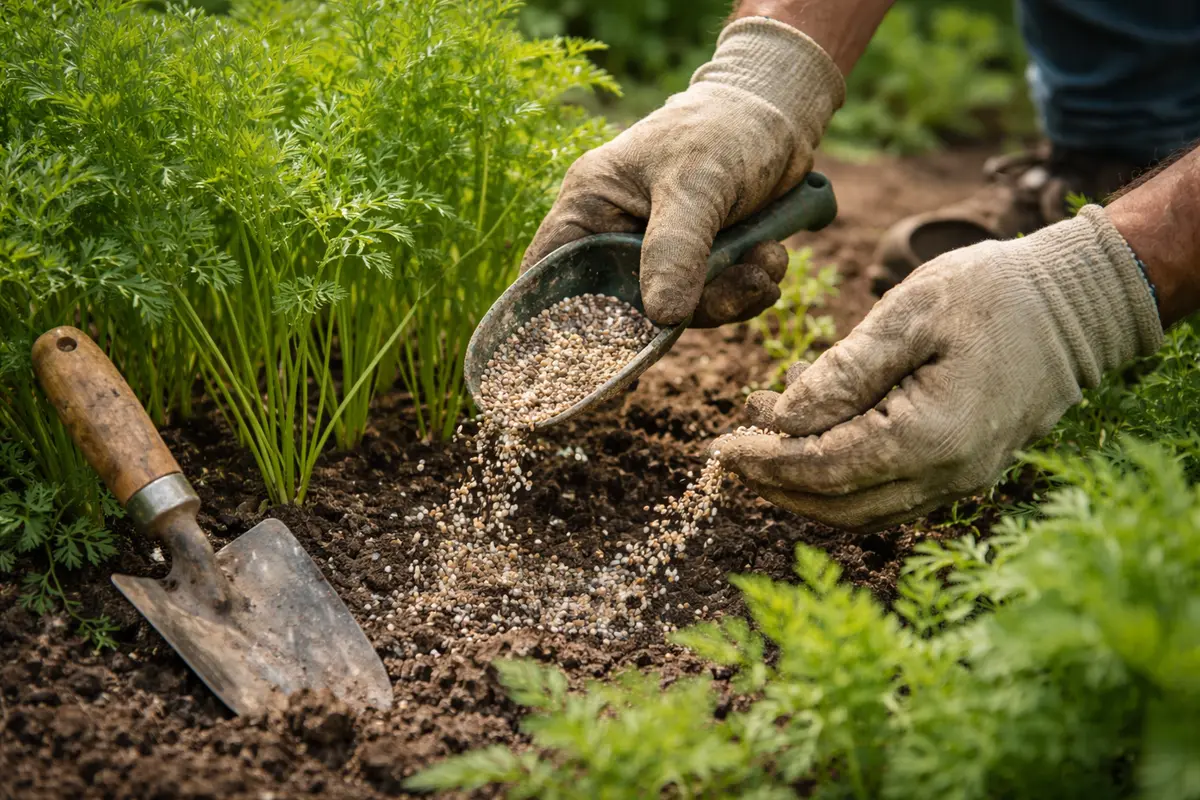
Apply a balanced fertilizer high in potassium and phosphorus around the base of the carrots every four to six weeks. You should notice a gradual improvement in leaf color and growth vigor within a few weeks. Continued feeding supports recovery by supplying essential nutrients that may be lacking due to moisture stress. If you see new leaf growth or thicker stems, it indicates your fertilization is effectively supporting recovery. Ensure that your fertilizer application is even, distributing nutrients broadly around the plants to prevent uneven growth.
Providing nutrients helps the roots recover and encourages robust growth. This is crucial when dealing with drought-stressed carrots since they may lack essential nutrients due to poor uptake. Use a slow-release granular fertilizer to achieve more uniform growth, as rapid feeding can lead to spikes in nutrient availability that confuse the plants. Regular feeding during active growth will contribute significantly to the plant’s overall health, with proper timing reflecting in their responsiveness to applied nutrients. You might want to monitor specific leaf colors; pale green can indicate nitrogen deficiency, while deep green may signal too much nitrogen.
Be careful not to over-fertilize, as this can cause nutrient burn and stress the plant more instead of aiding recovery. Stick to recommended application rates, and adjust based on how the plants respond. In some cases, if you notice leaf tips browning, you might have gone too far — reduce the application or switch to a less concentrated fertilizer. If the fertilizer has been soaked into the soil during a heavy rain and washed away, you might need to reapply sooner than anticipated to maintain optimal nutrient levels. Note that nutrient washout can occur especially in heavy rainfall situations, which severely impacts recovery efforts.
Step 5 – Water Carrots at Soil Level During Drought
Start by ensuring your carrots receive consistent moisture by applying a thick layer of mulch around the base of the plants. This action will retain soil moisture, helping to prevent stunted growth during drought conditions. When applying mulch, aim for a depth of about two to three inches, as this thickness has proven effective in minimizing moisture loss. Monitor how often you need to water once the mulch is applied; it should reduce the watering frequency substantially.
Drought conditions often lead to rapid evaporation of soil moisture, causing stress that results in stunted carrot growth. By mulching, you create a barrier that reduces evaporation, promoting a more stable environment for root development. If your soil appears dry despite mulching, check the depth of moisture retention to ensure adequate hydration. If the mulch seems to dry out quickly, it might indicate that moisture is still being lost or it’s time to refresh the mulch layer. Also, keep in mind that hot weather can quickly dry out organic mulches.
During particularly hot spells, increase the thickness of your mulch to protect the soil from extreme temperatures. Additionally, adjust your watering schedule to provide deep, infrequent irrigation, which encourages deeper root growth and resilience against future droughts. Proper timing; watering in the early morning or late evening when temperatures are cooler can significantly enhance water retention. On especially hot days, consider watering twice to maximize moisture absorption, especially if the ground begins to dry immediately after watering.
Watering at soil level helps prevent evaporation and allows the water to seep directly to the roots. Carrots benefit from this as it minimizes water loss during prolonged hot days, ensuring they remain hydrated. For best results, aim to water deeply at each session, providing one to two inches of water per week, depending on the weather and soil conditions. If you notice the top layer of soil drying out but the bottom remains moist, you may be over-watering. Adjust watering frequency as temperatures fluctuate to optimize moisture levels; a good rule of thumb is to assess moisture every week and change watering schedules or methods as conditions dictate.
Step 6 – Inspect Carrots for New Growth Blocks Weekly
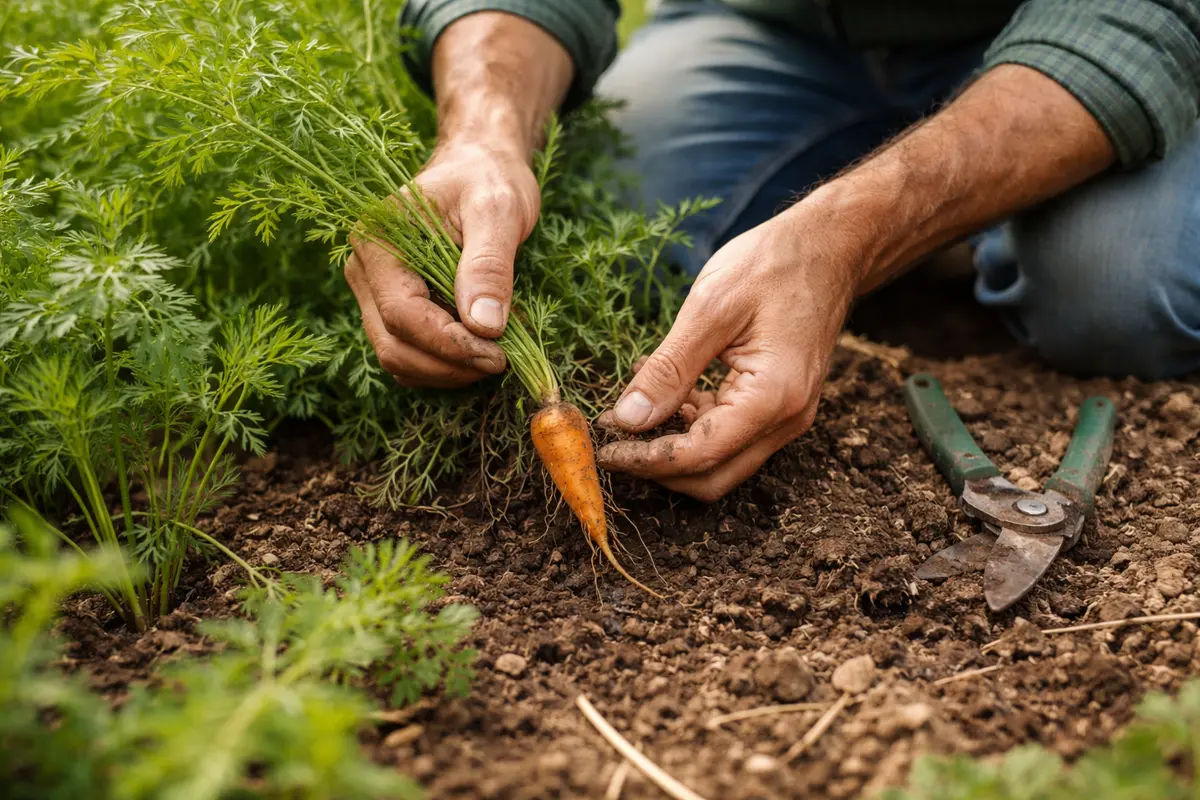
Check your carrots weekly for signs of improvement such as new leaf growth or thicker stems. If you see these indicators, adjust your watering or feeding as needed to maintain growth momentum. Tracking these changes allows you to respond proactively to plant health fluctuations. If there are no changes in a week, reconsider moisture application frequency or nutrient availability. If stunted growth is persisting, consider whether nearby plants are competing for resources.
A fully recovered carrot will exhibit perky leaves that show vibrant green colors and a thicker stem structure. If you notice wilting or yellower leaves reappearing, this might indicate that the drought issue is returning or that over-fertilization is present, causing additional stress. Keeping an eye out for pest activity during inspections also ensures no additional threats compound the stress situation, which could hinder recovery. Regularly inspect the vicinity to scrape away any debris that could harbor pests or diseases. Moreover, take note of any yellowing because it can also indicate an imbalance in nitrogen levels contributing to stunting.
If the growth does not improve within a week, reassess your soil moisture levels and consider expanding your watering schedule. You might also investigate if nearby crops are robbing water and nutrients from your carrots, as this can set back recovery efforts. Continuous monitoring ensures that your efforts yield positive results and help maintain a thriving garden environment. Additionally, inspect for physical disturbances in the soil that could indicate erosion or runoff issues influencing your watering effectiveness; irregularities such as very dry patches surrounded by overly moist areas can indicate significant underlying issues.
FAQ
How long will it take for my carrots to recover after addressing drought stress?
Recovery can take 2 to 4 weeks, depending on the severity of the drought conditions. Be prepared to make ongoing adjustments to watering and nutrient applications during this time, and expect to see new leaf growth and thicker roots as signs of improvement. In cases of extreme drought, recovery might lean toward the longer end of this range, so remain patient and persistent. Monitoring these conditions while adjusting your care regime will play a significant role in your carrots’ recovery.
Will stunted carrot growth spread to other plants in my garden?
Drought stress itself does not directly spread, but poor watering practices can affect neighboring plants if they share the same garden bed or soil conditions. Monitoring your entire planting area for moisture balance and potential drainage issues is key to ensuring overall garden health and crop quality. If you observe other plants wilting as well, it may indicate a systemic issue in your watering routine that needs immediate attention; check the layout of your garden for erosion patterns that might lead to uneven watering.
Should I remove stunted carrots, or can they recover?
While stunted carrots may still recover, assessing their viability is essential. If they exhibit browning or soft spots, it might be necessary to remove them to avoid potential rot spreading to healthy crops. Healthy carrots will still have a chance to gain vigor with proper care; a balanced approach can yield surprisingly good results. If they appear to be too far gone, consider replanting fresh seeds while you address the underlying issues in the soil, ensuring you stagger planting times to avoid gaps in your harvest.