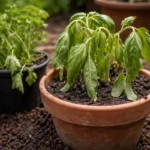
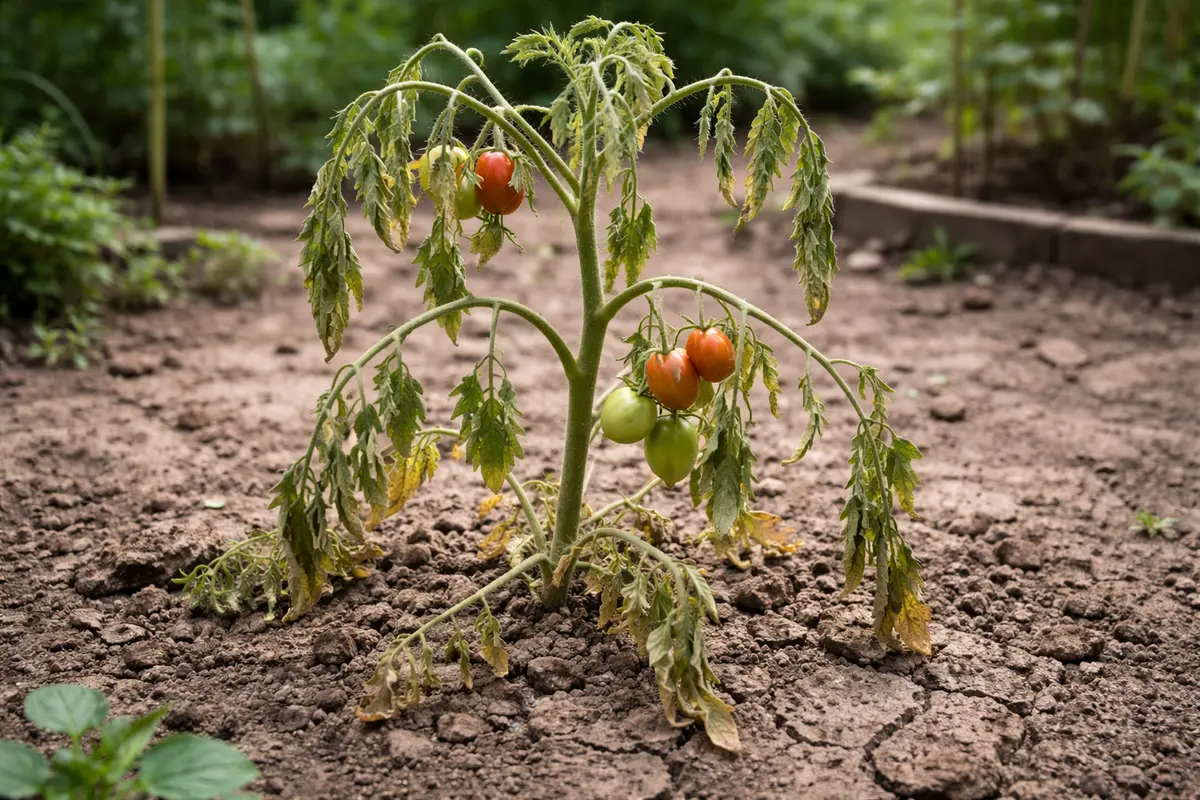
You may notice your cherry tomato plants struggling during the heat of summer, which is why you need to know how to fix stunted growth in cherry tomato plants during summer. This is often caused by inadequate sunlight or nutrient deficiencies, leading to yellowing leaves and wilting stems. If ignored, this problem only gets worse and can lead to more damage, stalling growth and reducing your harvest potential, but fixing it is possible now if you adjust your watering practices and inspect the soil for necessary nutrients.
Step 1 – Trim Overgrown Cherry Tomato Foliage
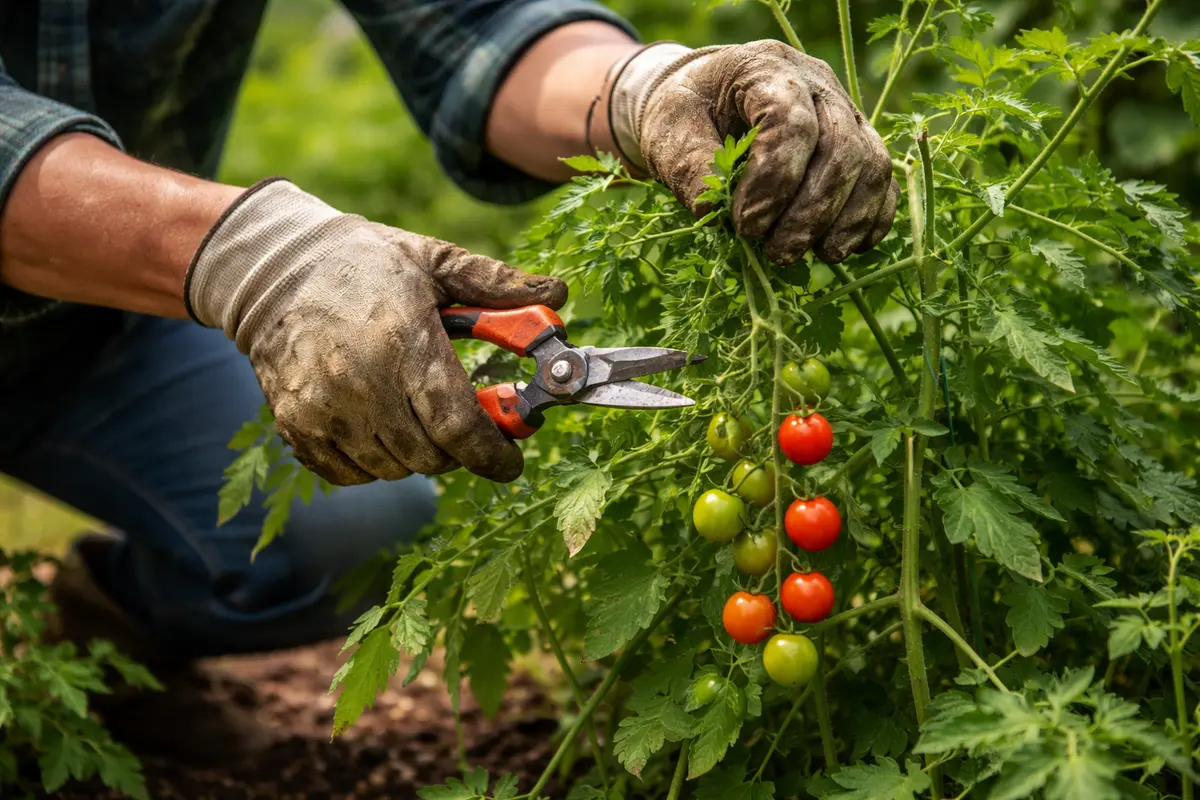
Start by trimming back any overgrown leaves from your cherry tomato plants. You will see improved airflow to the remaining foliage, which helps prevent disease and promotes healthier growth over the next few days. Inspect the plants closely for which leaves are blocking sunlight. A good rule of thumb is to remove about 20% of the foliage to avoid shocking the plant while still allowing ample light penetration. Use sharp, clean pruning shears to prevent any accidental tearing of the plant tissue.
Overgrown foliage can block sunlight from reaching the inner parts of the plant, preventing vital photosynthesis from occurring. When light fails to penetrate, the plant’s ability to produce energy is compromised, leading to stunting. By trimming the excess leaves, you allow more light to reach the inner stems and leaves, fostering a healthier microclimate within the plant. If the leaves are very thick and dense, consider removing some lateral branches entirely to open up the plant even more. Pay attention to the plant’s growth orientation; if it’s leaning toward one side, cut leaves on the opposite side to encourage balanced growth.
Many gardeners mistakenly hesitate to prune, fearing they might harm their plants. However, doing so at the right time can significantly improve growth. If several leaves are yellowing or wilting, cut those away first to see if the plant perks up. This is often a pivotal moment where timely action can set the course for a better yield. It’s important to monitor your pruned plants closely; if they show signs of stress, consider whether your watering routine needs adjustment as well. A common mistake is to prune during high heat; it’s better to do this in the cooler morning hours to reduce plant shock.
Step 2 – Diagnose Nutrient Deficiencies in Soil
Start by checking the moisture levels in the soil surrounding your cherry tomato plants. If the soil feels dry about an inch below the surface, water deeply to ensure the roots receive adequate moisture. Within a few days, you should observe the plants perk up, with leaves returning to a more vibrant green.
Inadequate moisture can lead to stunted growth because the roots struggle to absorb essential nutrients present in the soil. When the soil is too dry, it hampers the plant’s ability to uptake water and nutrients, causing yellowing leaves and poor fruit development. Conversely, overly saturated soil can lead to root rot, which also stunts growth and presents as wilting, despite wet conditions. If you see wilting leaves but the soil is soggy, check for root decay instead.
If the soil smells sour, indicating potential anaerobic conditions, aerate the soil by gently loosening it to encourage airflow and drainage. Another issue to consider is nutrient deficiency; if the plants show signs of pale leaves despite adequate watering, a balanced fertilizer may be necessary to provide the essential minerals for robust growth.
When nutrients are lacking, the plants can’t photosynthesize effectively, leading to slow growth or yellow leaves. If your soil has low pH, it can lock up vital nutrients like nitrogen, potassium, and phosphorus, essential for sturdy cherry tomato growth. In contrast, if your plants are spreading out their leaves but still growing slowly, it may indicate overwatering rather than a nutrient issue; too much water can suffocate roots and limit nutrient uptake.
If the soil appears compacted and lacks air pockets, consider aerating it to allow roots to breathe and access nutrients. Alternatively, if you notice dark spots on the leaves but no yellowing, check for signs of fungal disease, which requires different treatment methods such as fungicide application or improved air circulation around the plants.
A lack of essential nutrients like nitrogen, phosphorus, or potassium can lead to stunted growth and poor fruit development in cherry tomatoes. For instance, insufficient nitrogen often results in yellowing leaves and poor plant vigor, while low phosphorus can stunt root growth. Understanding the nutrient composition of your soil is vital; this informs your decisions on fertilizing and improving soil health. If the soil test indicates a high balance of one nutrient, avoid adding fertilizers that contain that nutrient excessively, as this can create an imbalance that negatively impacts plant growth.
If you find your results show high acidity or low nutrient levels, then consider amending your soil with organic compost or a balanced fertilizer. Incorrectly applying fertilizer without testing can lead to nutrient burn, which severely damages the plant’s roots. Instead, a thorough understanding will let you provide just what your plants need. Many gardeners make the mistake of relying solely on chemical fertilizers, missing opportunities to enrich the soil naturally with compost, which not only enhances nutrient availability but also supports beneficial microbial life in your garden.
Step 3 – Fertilize Cherry Tomatoes for Growth Boost
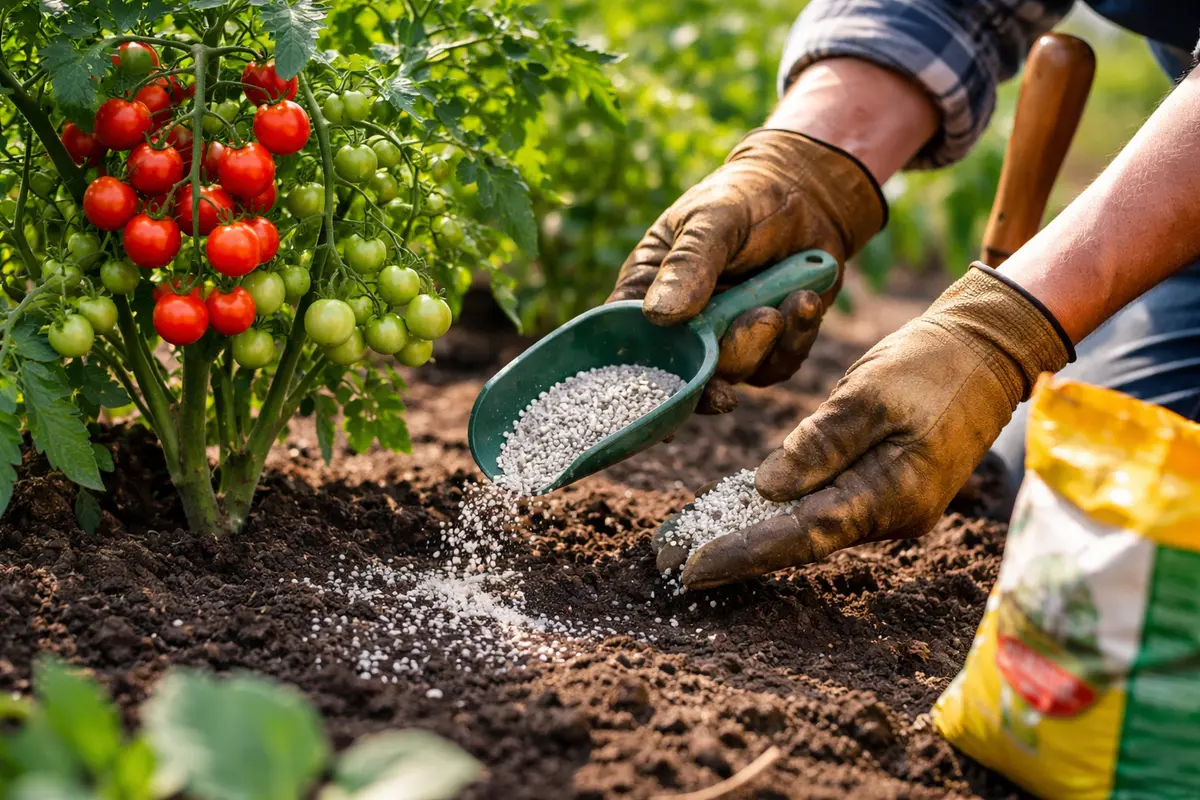
Apply a balanced fertilizer specifically designed for tomatoes to your plants at this stage. You should see noticeable growth within a week as the plants respond positively to improved nutrients. Fertilizers like a 5-10-10 N-P-K are ideal as they offer a good balance tailored for tomatoes, which prefer a slightly higher phosphorous content for rooting. When applying the fertilizer, measure out the recommended dosage carefully, as over-fertilization can provoke opposite effects, leading to further stunting.
Fertilizing provides essential elements like nitrogen for leaf growth, phosphorus for root development, and potassium for fruiting. A well-nourished plant can recover from stunted growth, as they start producing new stems and leaves, indicating that the nutrient uptake is functioning well again. Make sure to water your plants thoroughly after fertilizing to help activate the nutrients early, as dry soils can hinder nutrient absorption. One useful technique is to water the plants first, then apply the fertilizer, which helps avoid root burn while ensuring nutrients reach the root zone more effectively.
However, be cautious not to over-fertilize, as this can backfire and lead to nutrient burn. In my experience, applying a slow-release organic fertilizer offers a steadier nutrient supply without the risk of burning the plants. If you notice burnt leaf edges or a sudden halt in growth even after fertilizing, it may be time to lower nutrient application and let the plants recover before trying again. This practice of gradual feeding is key, especially in cases where rapid growth may lead to weak and leggy plants. Remember to check the nutrient needs throughout the growing season since the requirements may shift as the plants mature.
Step 4 – Shield Plants from Summer Sunburn
Start by ensuring your cherry tomato plants receive consistent and adequate watering, applying at least 1-2 inches of water weekly. This practice will encourage steady growth and prevent the plants from succumbing to stress during hot summer days.
Cherry tomato plants thrive in well-drained soil and can struggle when overwatering leads to root rot or when under-watering causes dehydration. The prevention routine of regular, measured watering not only meets the plants’ hydration needs but also keeps the soil aerated, thus reducing the chances of root-related issues. If you notice wilting leaves despite moist soil, check the drainage quality to prevent waterlogging.
During particularly hot spells, increase your watering frequency slightly, making sure to monitor for soil moisture in the early morning or late evening. Adding a layer of mulch can help regulate soil temperature and moisture levels, creating a more stable environment for growth during challenging summer conditions.
High temperatures and inconsistent watering can lead to root stress, which often manifests as stunted growth in cherry tomatoes. By maintaining a steady moisture level in the soil, you address the underlying issue of dehydration that contributes to slow development, and this preventive routine helps keep your plants thriving even during peak summer heat.
If you notice excessive heat during a drought, increase your watering frequency and consider mulching around the base of your plants. Adding organic mulch not only conserves soil moisture but also regulates temperature fluctuations, essential in maintaining optimal growth conditions during the hotter months.
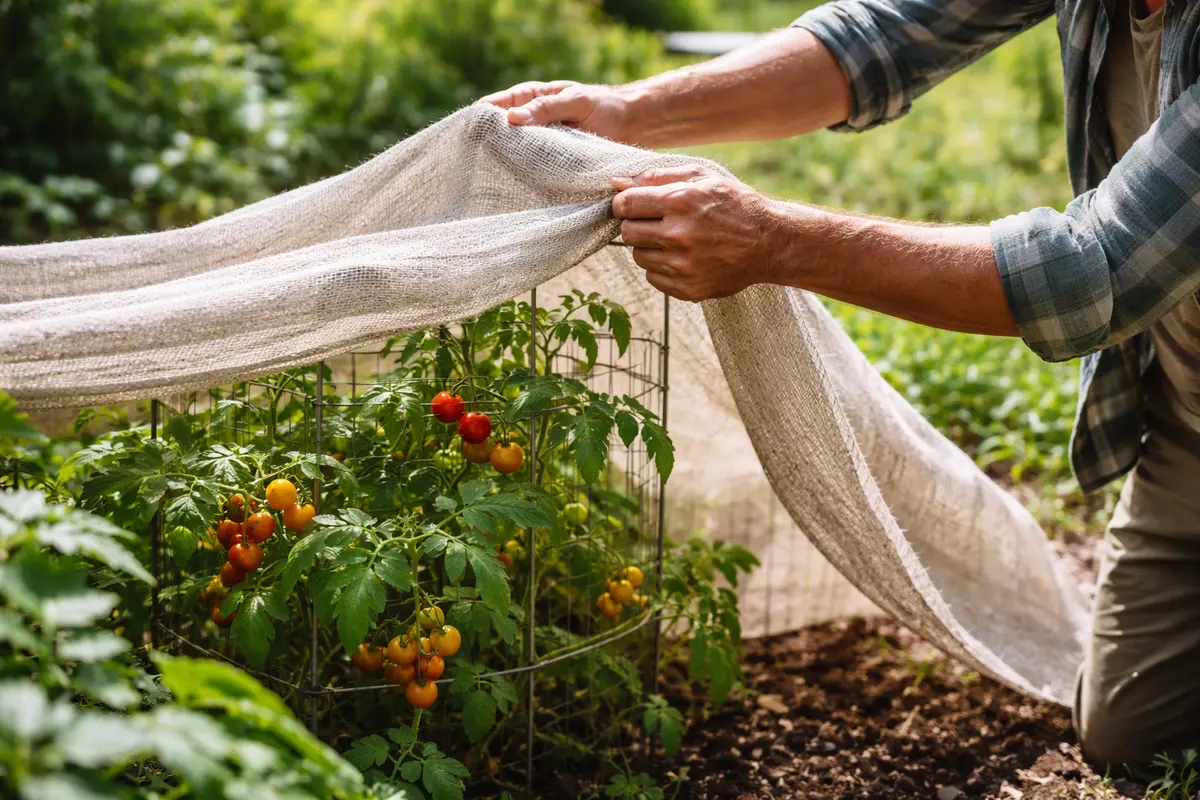
Excessive sunlight can lead to leaf scorch, which shows up as browning and crispy edges on the leaves. By shielding your plants with lightweight fabric, shade cloths, or even strategically placing them near taller plants, you can ensure that your tomatoes receive indirect sunlight while still achieving healthy growth. Consistent exposure to extreme temperatures can cause long-term damage; hence, monitoring daily weather forecasts can help inform when additional shade is necessary. Opting for light filtering materials rather than heavy fabric will still allow some sunlight while reducing overheating.
While offering shade, keep an eye on how often heatwaves occur in your area. If temperatures soar and stay high, a second layer of mulching can also help keep moisture levels balanced while preventing sunburn. Avoiding excessive mulch is crucial as too much can suffocate roots, so aim for a 2-3 inch layer to keep the soil cool without blocking air circulation. Mismanagement of mulch and shade can lead to either fungal diseases or sunburn, which are both detrimental to your plants. A good practice is to test the soil temperature beneath the mulch; if it feels excessively hot, consider removing some to allow for better airflow and cooling.
Step 5 – Inspect Leaves for Signs of Recovery
Start by checking the soil moisture level daily, ensuring it remains consistently moist but not waterlogged. Look for any signs of yellowing leaves or stunted new growth during this period, indicating inadequate water or nutrients. Recheck these conditions every two to three days to assess progress after any adjustments.
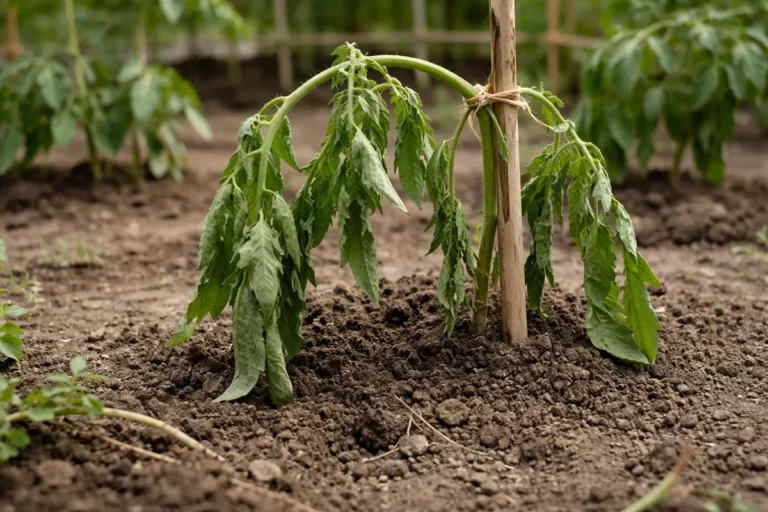
A fully recovered cherry tomato plant displays lush, deep green foliage and robust, upright stems, while new growth appears vibrant and healthy. In contrast, early signs of the problem returning may include wilting leaves and a dull, faded color on the foliage. If the leaves start curling at the edges, this signals a potential nutrient deficiency; if not this, check for pest activity.
If the stunted growth persists despite your interventions, consider applying a balanced organic fertilizer to boost nutrient levels. Alternatively, uproot and inspect the root system for disease; if the roots appear black or mushy, it may be time to start again with healthy seedlings. Escalate by consulting local gardening resources or experts for tailored advice specific to your environmental conditions.
A plant showing signs of returning healthy green foliage indicates that it is absorbing nutrients effectively and responding positively to your care. Pay attention to other visual cues, such as the formation of new growth at the tips of stems, which highlights successful recovery from previous stresses. If those tips remain stunted, this could indicate an ongoing issue needing further attention. Conduct routine checks every 3-5 days to catch any new issues early, such as aphids or signs of disease that may appear alongside your recovery efforts.
If you notice a deterioration in plant health despite following steps, consider reassessing your watering and amendment practices. Sometimes, fungal infections can lead to setbacks, requiring targeted treatment. Always keep tabs on your plant every 3-5 days in the following weeks to catch any recurring issues quickly, aiming to respond to any sudden wilting or browning leaves immediately. Adjusting care methods promptly can significantly influence the ongoing health of your plants. In extreme cases, if the leaves do not show improvement, an evaluation of root health may be warranted, as roots can also be affected by pests or disease that are not immediately visible above ground.
FAQ
How long does it take for cherry tomatoes to recover from stunted growth?
Recovery typically takes 1-3 weeks after addressing the underlying issues. Most gardeners notice significant improvement in leaf color and firmness within this timeframe, especially following the correction of nutrient deficiencies. Consistently monitoring your plant during this period ensures that any emerging problems are addressed swiftly.
Can over-fertilizing cause stunted growth in cherry tomatoes?
Yes, over-fertilizing can damage the roots and inhibit growth. Symptoms might include leaf burn or rapid wilting, which indicates that the plant cannot absorb nutrients properly. If you suspect burn, it’s essential to dilute your watering to flush out excess fertilizer in the soil, preventing further damage and allowing the plant a chance to recover.
Should I remove yellowing leaves from cherry tomato plants?
Yes, removing yellowing leaves is beneficial as it redirects the plant’s energy toward healthy foliage and new growth. Take care not to remove too many leaves at once—only those that are visibly dead or dying should be cut back. Also, checking for other signs such as pest damage or fungal issues on these leaves can prevent future problems, ensuring your plant remains healthy and productive.