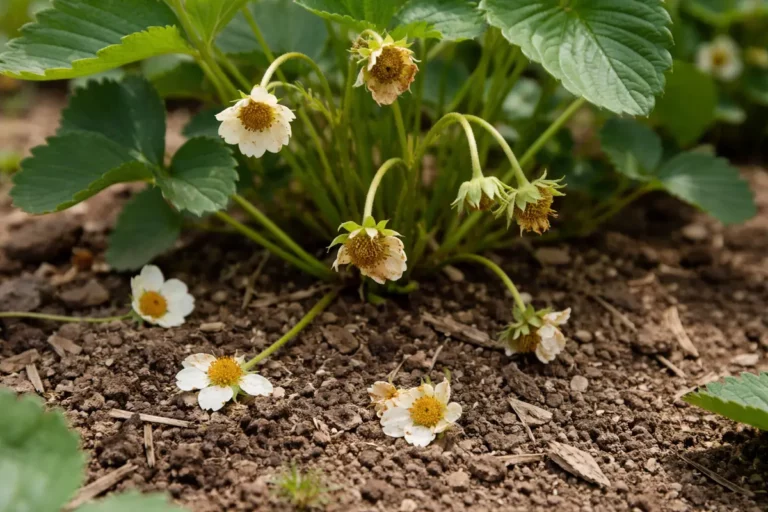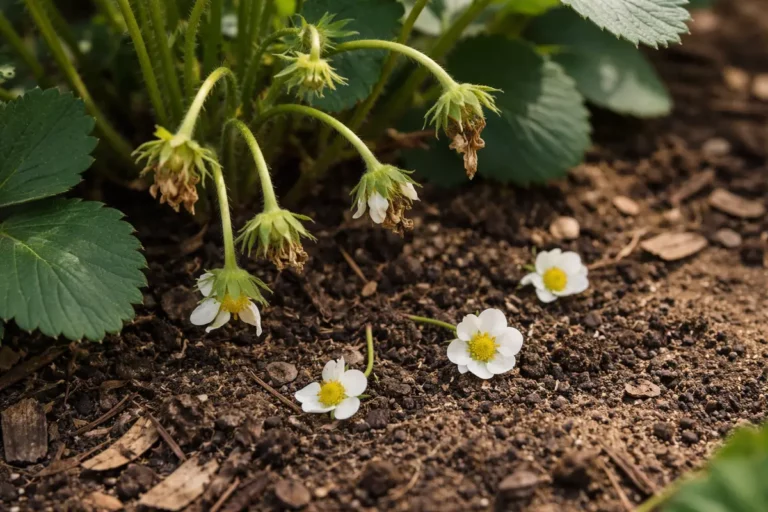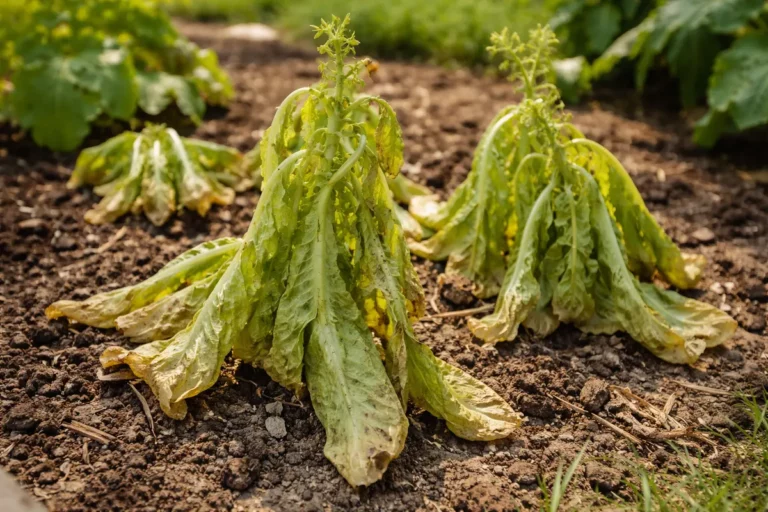
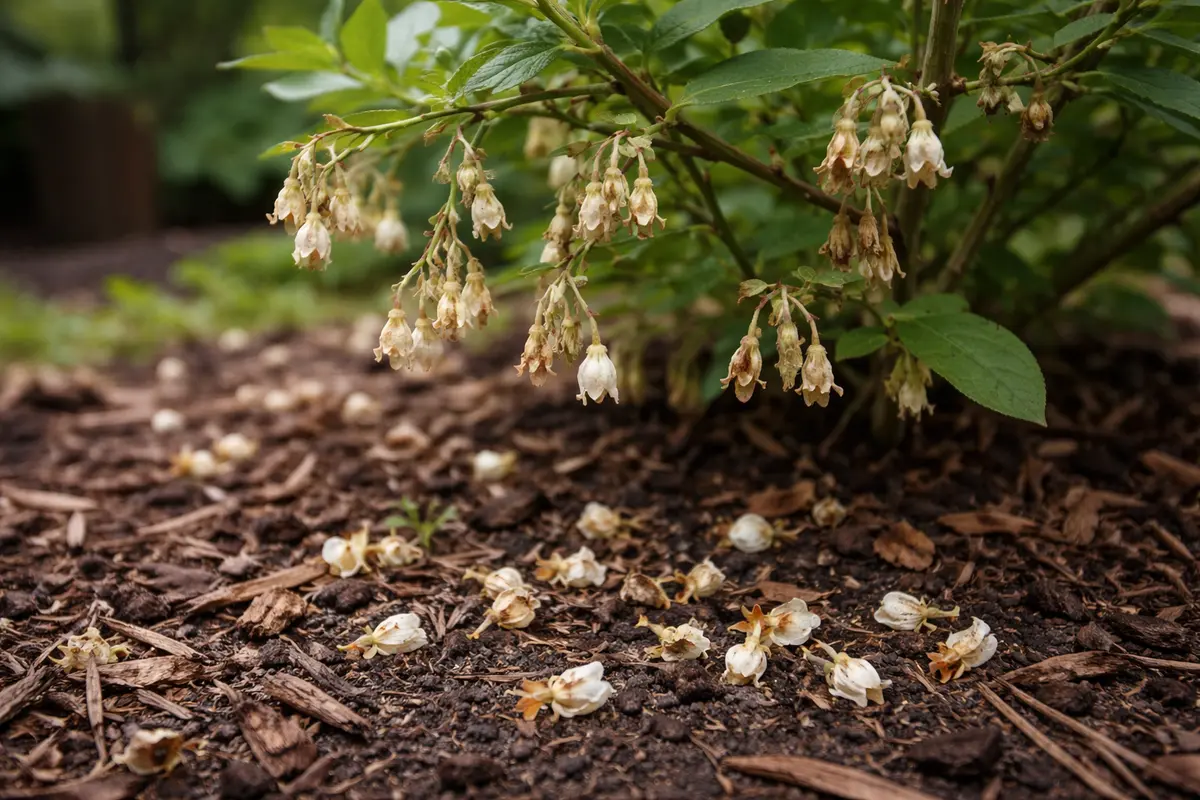
You may notice your blueberry bush showing lackluster growth during the heat of summer, which is why you need to know why is my blueberry bush not setting fruit during summer. The plant might exhibit yellowing leaves and signs of wilting, indicating that it is struggling to thrive in the current conditions. Ignoring these symptoms can stall growth and lead to more damage; immediate action is crucial for recovery. You can inspect the soil moisture and adjust watering practices to enhance its health while considering factors that affect fruiting.
Step 1 – Inspect Blueberry Bush for Environmental Stress
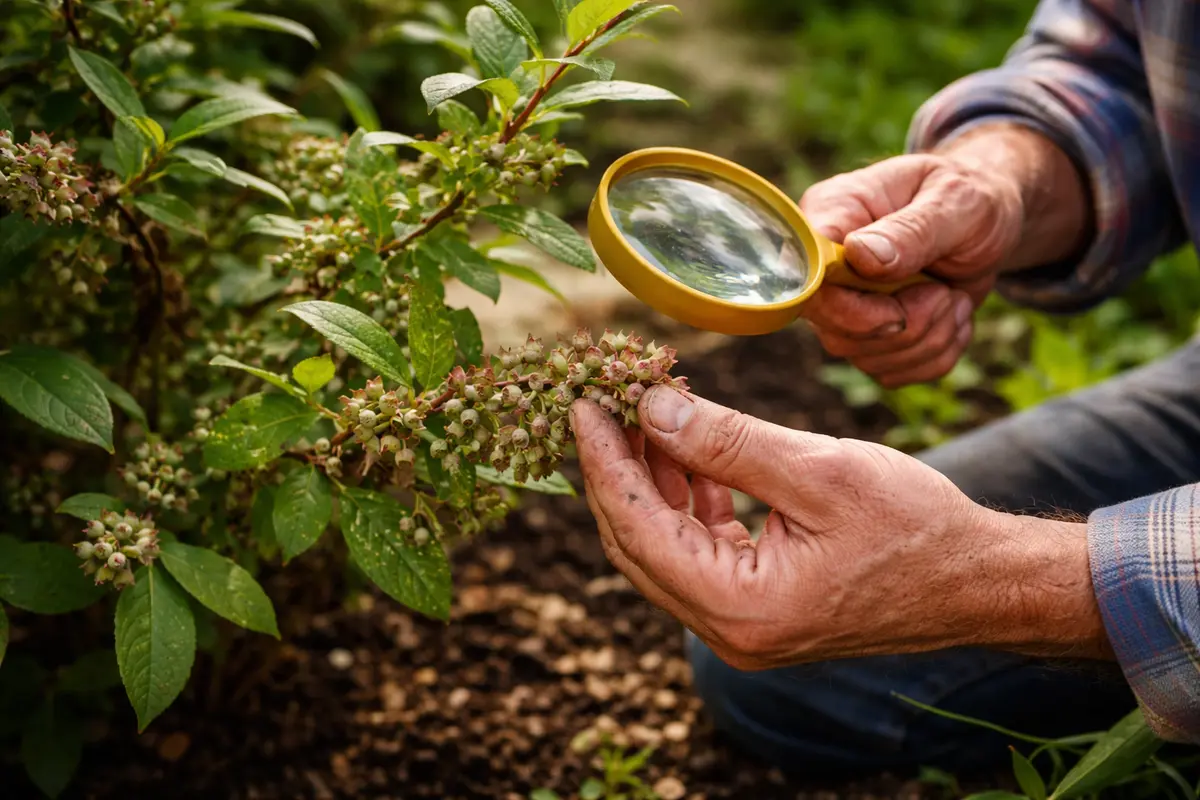
Begin by inspecting the foliage and soil around your blueberry bush. Within a few moments, you will notice any signs of stress, such as wilting leaves or dry soil. If you come across crispy edges on the leaves or see them drooping, these are indicators of stress that signal the need for immediate adjustments. Immediate recognition is essential; if you don’t notice these signs right away, the condition can worsen and potentially lead to permanent damage, such as dieback in branches or stunted growth that severely impacts your plant’s ability to set fruit.
Environmental stress is a crucial factor that could impede fruit setting. Blueberry bushes thrive between 65°F and 75°F; if external temperatures rise above this range or if the plants experience drought, they may drop their fruiting flowers. This energy diversion occurs when the plant attempts to survive adverse conditions. If your blueberry bush is too hot or too dry, it will struggle to retain moisture, inevitably leading to dropped blooms and stunted fruit development. Detecting these signs early is essential, as delays in addressing them can lead to further stress and long-term damage, such as root failure or chronic leaf drop.
For instance, if you see wilting leaves and dry soil right after a week without rain, it’s likely a water stress situation that needs to be addressed thoroughly. Conversely, if you notice bright yellow leaves alongside wet or soggy soil, overwatering or poor drainage could be the issue — a condition that can suffocate roots and lead to root rot. One common mistake is to assume that rainfall is sufficient; often, it is not, especially in containers or less-draining soils. If your bush seems to fluctuate in color or vitality due to environmental inconsistency, check surrounding plant growth, as overhanging branches can create excessive shade. Making adjustments quickly is crucial to recovering fruit production.
Step 2 – Diagnose Pollination Issues Affecting Blueberries
Start by checking the soil pH level around your blueberry bush. Ideally, it should be between 4.5 and 5.5 for optimal fruit production. Adjust the pH using sulfur or an acidifying fertilizer if the level is above this range, and you should observe increased flower and fruit set within two to four weeks after amendment application.
Blueberries require acidic soil to absorb essential nutrients effectively; without this, the bush can display nutrient deficiencies resulting in poor fruit set. When the pH is too high, the roots struggle to take up iron and other crucial elements, which may lead to yellowing leaves and stunted growth. If the leaves appear green and healthy yet the bush is still not fruiting, broader issues may be at play, particularly related to pollination and its requirements.
If the soil smells sour, check for overwatering or poor drainage leading to root rot. Alternatively, if the bush has sufficient water, yet fails to fruit, pollination may be the issue; consider planting companion plants nearby to enhance pollinator attraction. Pollination is vital for fruit set; without sufficient pollen transfer between flowers, your blueberry bush may not develop any fruit at all. A quick inspection of bloom activity in your area can help; if local bees or other pollinators are less active, you might need to make amendments to encourage their presence.
Blueberry varieties typically have specific pollination needs, and even self-pollinating types can benefit from cross-pollination. If you’re growing a self-pollinating variety like ‘Northcountry’ next to a non-self-pollinating type like ‘Bluecrop,’ the self-pollinating bush might fail to produce fruit due to lack of genetic variety in its pollination. If you observe that the blooms are present but unvisited by pollinators, a shift in your planting strategy may be necessary. Think about introducing flowering plants like lavender or marigolds nearby, which are known to attract bees. Additionally, keep in mind that heavy rain can wash away pollen or render it less viable, further disrupting fertilization and substantially reducing fruit yield. Timing your inspections, especially following rainstorms, can help you make necessary corrections while maintaining healthy pollination.
Step 3 – Water Thoroughly to Aid Blueberry Recovery
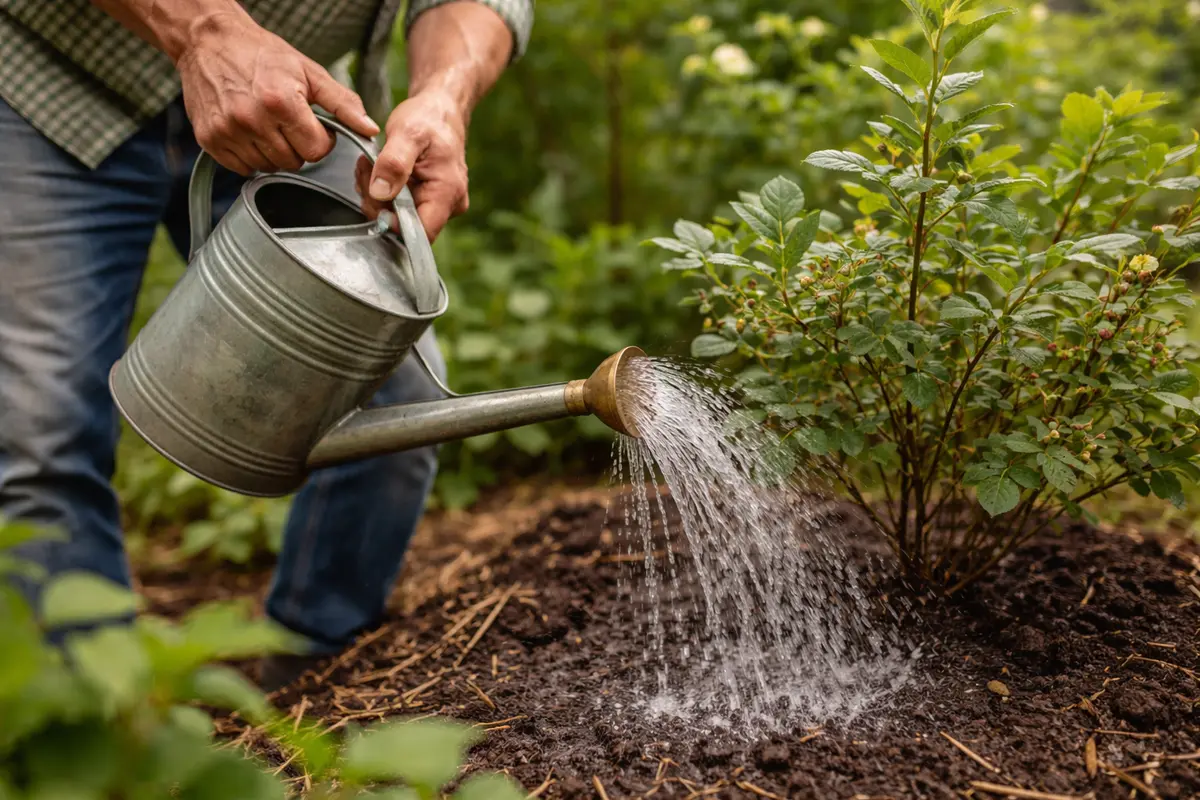
Water your blueberry bush deeply, ensuring that the soil reaches at least 6 inches down. After irrigating, you should notice the leaves starting to perk up within a few hours if the stress was primarily due to drought. This resurgence in vitality is a positive signal that recovery is underway and that you can expect to see new growth within a week. If you do not see improvement in leaf texture after properly hydrating the plant, it may indicate deeper issues, such as root damage or another agricultural failure requiring your attention.
Thorough watering helps restore the moisture levels your blueberry bush needs to recover. When soil moisture is lacking, the roots cannot absorb the nutrients they require for fruit production, leading to wilting and flowering failures. Regular deep watering encourages a stronger root system, which is vital for supporting fruit growth during the summer months. Keeping moisture consistent becomes critical; if your blueberry bush has suffered from drought previously, it may require more frequent watering during particularly hot periods. If possible, an application of organic mulch around the bush can help retain moisture levels, reduce temperature fluctuations, and suppress weeds that compete for nutrients.
A common mistake during recovery is overcompensating with too much water. If your blueberry bush is already stressed, flooding it could create a different set of issues such as root rot. If you can’t gauge directly through visual signs, check the soil moisture by sticking your finger about two inches into the ground; if it feels dry at that depth, it’s time to water. Always remember that blueberry bushes prefer evenly moist, well-drained soil. Monitoring how quickly the soil dries out can help establish a watering routine; if the soil remains consistently soggy, consider adjusting your watering schedule or increasing drainage solutions. After heavy rain, patience is vital as overwatering can also suffocate the roots, leading to complications including a significant reduction in fruit production.
Step 4 – Create Optimal Conditions to Prevent Non-Setting Fruit
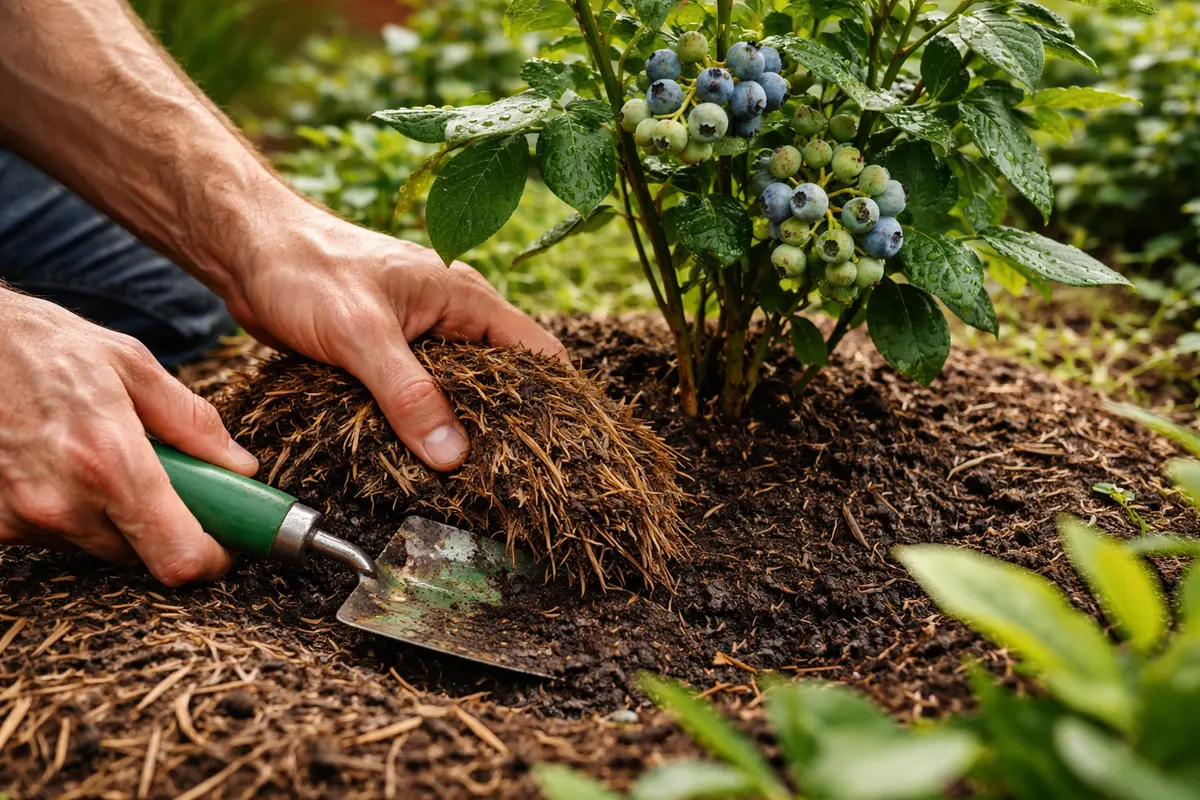
Adjust the growing conditions of your blueberry bush by providing optimal sunlight exposure between 6-8 hours daily, well-draining acidic soil, and consistent watering. These deliberate changes will help lock in a routine conducive to fruit production. If you find that the bush is shaded by overgrown nearby plants, consider pruning them back to improve light exposure, as insufficient sunlight can lead to weak growth and delayed fruit maturation.
A soil pH between 4.5 and 5.5 is ideal for blueberries, as they thrive in acidic conditions. If your soil pH is too high, consider adding elemental sulfur or acidic fertilizers to lower the pH effectively and retest your soil after about a month. Too much alkalinity hinders nutrient uptake, leading to issues like chlorosis—the yellowing of the leaves indicative of an iron deficiency that can stifle growth and compromise fruit production potential. If you notice your blueberry foliage becoming less vibrant with thinning fruit set, measuring pH levels and applying necessary amendments immediately is crucial to reversing this issue.
Seasonal adjustments are crucial; during the hottest summer months, daily watering may be necessary especially when temperatures exceed 85°F. If you live in drier climates or notice excessive heat, using a thick layer of organic mulch around your blueberry bush can help conserve soil moisture and maintain consistent temperatures, critical for healthy growth and fruit development. When you notice your mulch breaking down or thinning, refreshing it with additional organic material will continue to benefit your blueberry bush. Be proactive regarding severe weather; neglecting to evaluate climatic conditions can hamper fruit production for years to come, and your plant may struggle to recover and produce adequately in following seasons.
Step 5 – Check for Pest Activity on Blueberry Bushes
Inspect your blueberry bush for any signs of pest activity, especially during the flowering period. Look for any visible insects, webbing, or subtle discoloration, and take appropriate measures if you notice any issues. If you examine the undersides of the leaves or inspect the stems and find dark spots, webbing, or small bugs, you likely have a potential infestation that could threaten both growth and fruit development significantly. Pests like aphids or spider mites can rapidly damage the plant, weaken its vitality, and disrupt the fruit-setting process.
Pests such as aphids and spider mites can severely affect the health and productivity of your blueberry bush by feeding on leaves, draining vital nutrients, and weakening the plant significantly. Regular inspections are crucial, as pests can reproduce quickly; aim to see healthy green foliage on your plants without any damaging insects. Timing is critical; inspecting your bushes right after rain can reveal an uptick in pest activity as moist conditions are conducive to rapid reproduction. If not addressed promptly, these pests can lead to drastically reduced yields or even the potential loss of the plant over the growing season.
If you discover any pests, you can use insecticidal soap or neem oil to control the infestation. Be sure to coat both sides of leaves for thorough coverage; focus particularly on any visible colonies you find. Ensure to follow up with weekly checks for any returning pests, particularly after instances of rain when pest populations can sometimes flourish. If they reappear and standard treatments fail, it may be necessary to escalate your approach by consulting local extension services or a gardening expert for specific interventions or more potent organic or synthetic treatments. Maintaining diligence regarding early recognition and control is fundamental to assuring a successful blueberry harvest.
FAQ
How long does it take for a blueberry bush to recover fruiting ability?
Recovery time can vary based on the specific issue and care adjustments made, but generally, it will take 2 to 4 weeks. After improving environmental conditions and addressing any problems, you’ll start to see new growth, which is a positive indication. Full fruiting might take another season if severe stress occurred earlier or if pest control measures delayed the plant’s overall health.
Why do my blueberry flowers drop off without fruit?
Flowers may drop due to poor pollination, extreme temperature fluctuations, or insufficient nutrients. Inadequate moisture during critical development stages can also lead to fruit drop. Optimal humidity and consistent temperatures around blooming time are crucial to help set fruit properly, so be sure to address these conditions before the next flowering cycle.
Will my blueberry bush recover if it has not set fruit for several summers?
Yes, with proper care and adjustments to environmental conditions, your blueberry bush can recover and eventually set fruit again. Identifying underlying causes such as soil quality, moisture levels, or watering routines is essential to improving its health. Regular monitoring, timely interventions for pests, and ensuring optimal pollination practices will be key to getting back on track for productive growth.