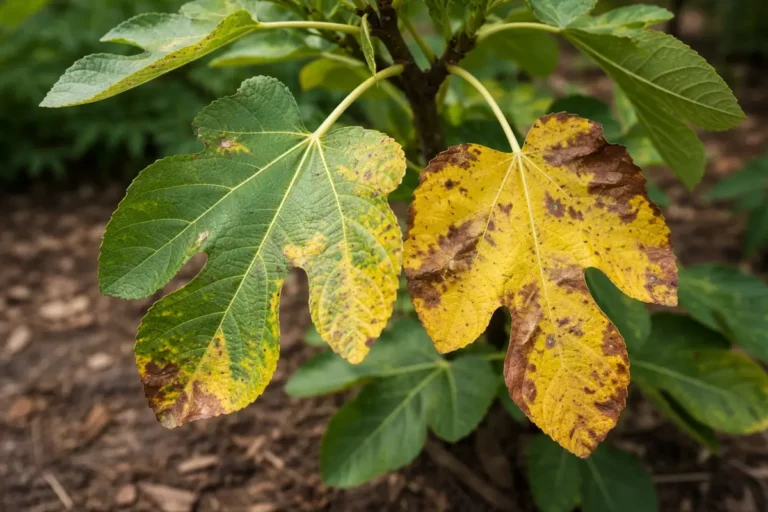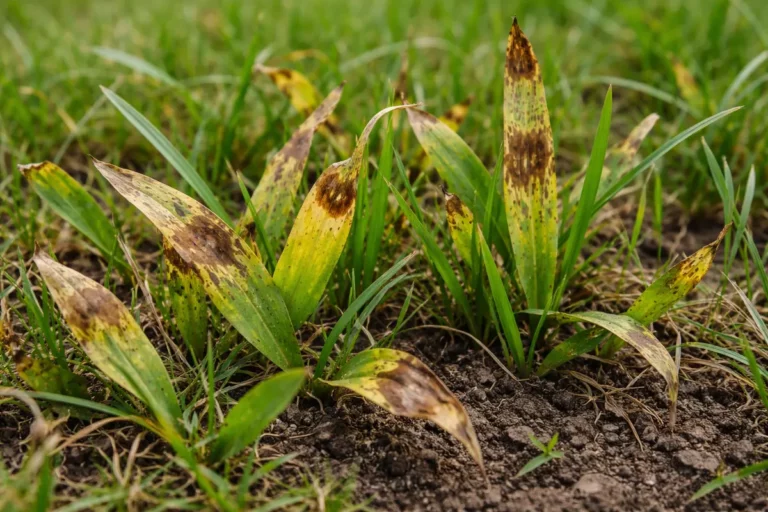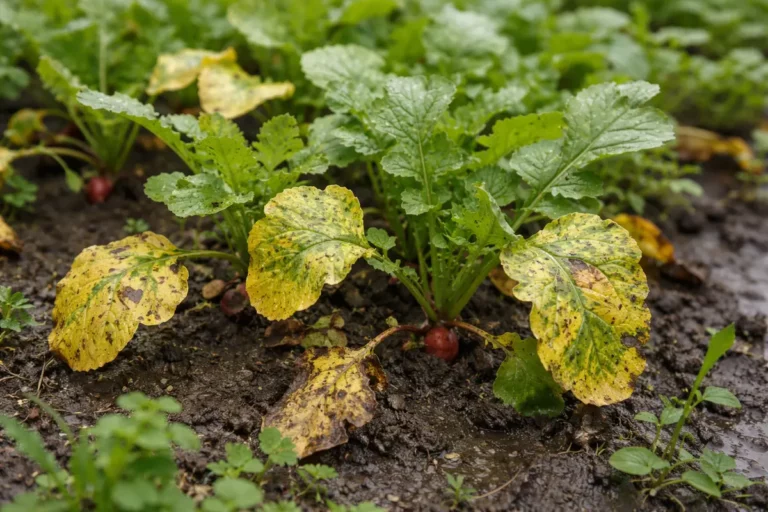
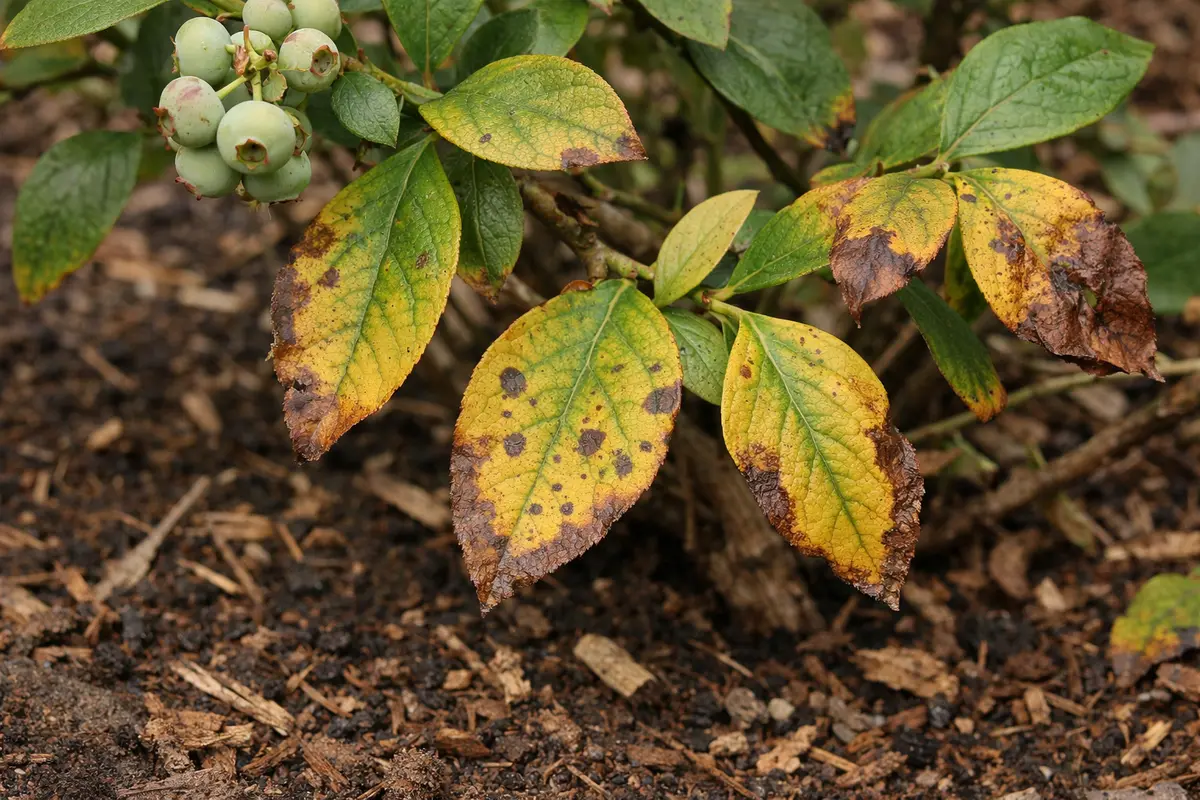
You may notice your blueberry bushes displaying yellowing leaves in spring, which is why you need to know, “Why do my blueberry bushes have yellowing leaves in spring.” This yellowing often indicates nutrient deficiencies, particularly nitrogen, leading to leaf damage and overall plant stress. If left unaddressed, this condition can worsen and weaken the plant, making it harder to fix later. You can improve their health now by inspecting the soil, adjusting fertilization, and watering appropriately.
Step 1 – Prune Yellowing Blueberry Leaves Immediately
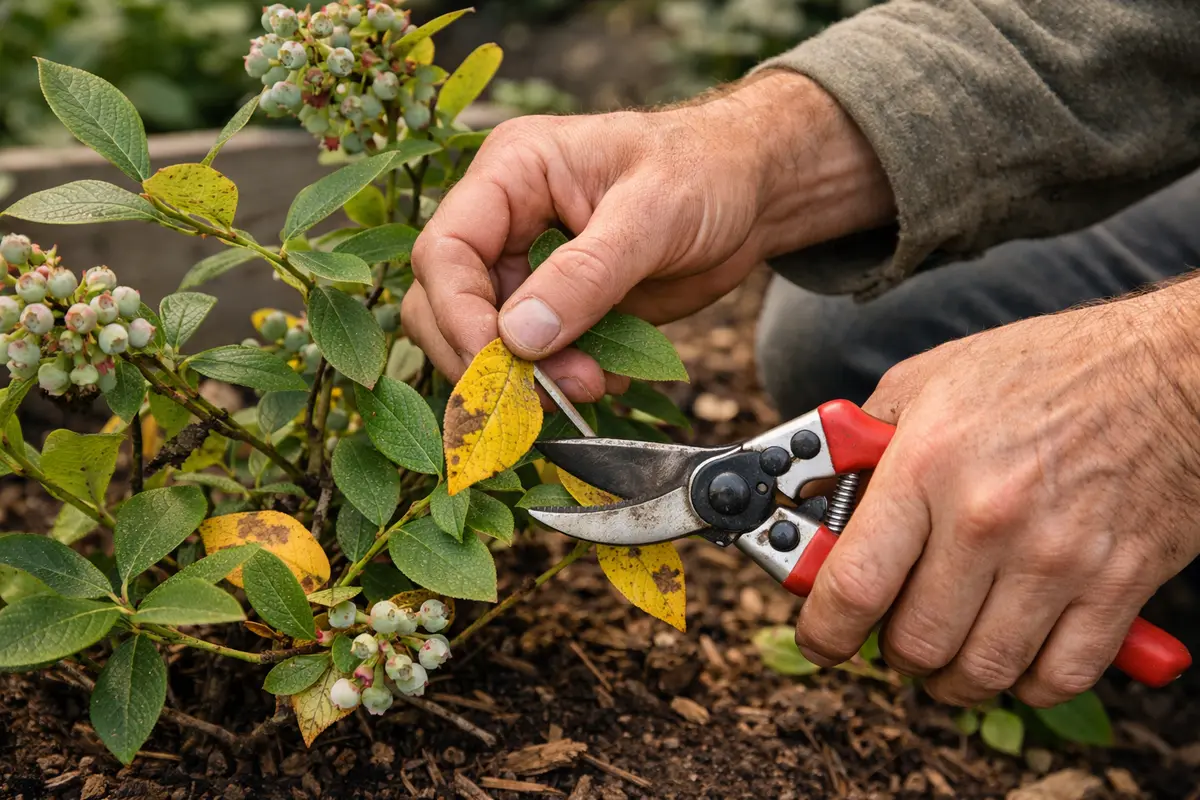
Start by cutting any yellowing leaves from the affected blueberry bushes. You will notice an immediate improvement in the plant’s overall appearance as the damaged leaves are removed, allowing healthier foliage to receive more nutrients and light. This critical action not only limits the spread of potential disease but also helps redirect the plant’s energy toward growth. If you remove the most visibly affected leaves promptly, you’ll prevent the plant from wasting energy on non-viable foliage.
Acting quickly is essential because yellowing leaves can indicate distress from issues like pest infestations or nutrient deficiencies. If these leaves remain, the plant may struggle further as it continues to invest resources in foliage that isn’t functioning properly. This predicament can diminish growth and reduce fruit production. By pruning yellowing leaves, healthier shoots may emerge within a few days, signaling the plant’s recovery. Additionally, be sure to dispose of the yellowing leaves effectively to prevent pathogens from returning to your garden; this proactive step protects your entire crop.
Gardeners often hesitate to prune, worrying about further damage to the plant. However, swift action leads to better results, particularly after periods of excess moisture. Removing yellow leaves averts stagnant moisture that fosters fungal diseases, which thrive in damp conditions. It also improves air circulation within the canopy, which is vital for preventing mold and ensuring adequate sunlight reaches the plant. If neglected, the situation can deteriorate, with yellowing leaves turning brown and crispy, making recovery increasingly difficult. To avert such deterioration, consistently inspect for new yellowing signs, especially during fluctuating spring temperatures.
Step 2 – Check Soil pH for Blueberry Health
First, check the soil pH around your blueberry bushes. Test the soil with a pH meter or test kit; it should be between 4.5 and 5.5. If the pH is too high, consider adding sulfur or an acidifying fertilizer to lower it. You should see the yellowing leaves improve over time as the soil becomes more acidic.
Yellowing leaves typically indicate nutrient deficiency, particularly nitrogen or iron. In acidic soils, iron becomes more available, whereas in alkaline conditions, nutrient uptake is hindered. Therefore, if your leaves are yellow, it could be due to insufficient nutrients being absorbed by the roots in a high pH environment. If the leaves are spotting as well as yellowing, check for root rot or other issues below the surface.
If you notice that the soil smells sour, it may indicate root rot caused by overly wet conditions. In this case, improve drainage by amending your soil with organic matter and ensure proper watering practices. If not this, check for pests, like aphids, which can also cause leaf discoloration but require a different treatment method.
The yellowing of leaves in blueberry bushes often results from nutrient deficiencies, especially nitrogen or iron. When the soil pH is too high, these essential nutrients become locked and unavailable to the plant roots, leading to chlorosis. In contrast, if the leaves turn yellow but the veins remain green, this indicates a potential iron deficiency rather than a lack of nitrogen, which typically affects the entire leaf.
If you discover that your soil has a sour smell, it might be a sign of poor drainage or root rot. In this case, improve drainage by amending the soil with organic matter and ensuring proper spacing between plants. Alternatively, if the yellowing is accompanied by wilting, check for overwatering, as soggy conditions can also harm root function, leading to similar symptoms.
The yellowing leaves on your blueberry bushes, known as chlorosis, commonly arise from nutrient deficiencies, particularly nitrogen, iron, or magnesium, which are critical for photosynthesis. When soil pH is above the optimal range, essential nutrients become unavailable, leading to symptoms like yellowing and stunted growth. On the other hand, if the roots are overly saturated due to poor drainage, you might see yellowing along with wilting, indicating root stress.
If the soil pH is adequate but you still notice yellowing leaves, check for signs of overwatering; if the soil feels soggy or smells sour, it may indicate root rot. In this case, improving drainage through soil amendments or repotting in a well-draining mix will be necessary to restore plant health.
Yellowing leaves often indicate chlorosis, which occurs when the plant cannot access essential nutrients, particularly nitrogen and iron, due to high soil pH. When the pH is too high, these nutrients become unavailable to the roots, leading to symptoms like yellow leaves, while the veins may remain green. In contrast, if the leaves are also curling or wilting, the issue may involve root damage from overwatering or poor drainage. If you suspect a nutrient deficiency, check for the right soil pH first.
If the soil smells sour, indicating anaerobic conditions or root rot, take immediate action by improving drainage or reducing watering frequency. Alternatively, if the yellowing persists after correcting the pH, inspect the root system for signs of pests or disease which may also cause similar symptoms, requiring a different treatment approach.
The yellowing leaves can indicate nutrient deficiencies due to high soil pH, which locks out vital elements like iron and manganese. In acidic soils, nutrients are more readily available, while higher pH levels often result in chlorosis, where the leaves turn yellow but retain green veins. If you notice leaves turning completely brown and dropping off, this may suggest overwatering or root rot instead of nutrient issues. For example, a bush that is consistently damp may develop mushy roots, leading to a more severe health crisis.
If the soil smells sour and is soggy, this indicates possible root rot from overwatering; reduce watering frequency and improve drainage by adding sand or perlite to the soil. Alternatively, if your plants exhibit leaf curl alongside yellowing, it could be a pest issue, requiring a different intervention such as an insecticidal soap. In any case, maintaining a proper pH balance is vital; high or low pH disturbs nutrient uptake and can render any fertilization efforts ineffective. Regular checks, perhaps every season, ensure that conditions remain optimal for your blueberry bushes.
The reason soil pH plays such a critical role is that it directly affects nutrient availability. Blueberries thrive in acidic conditions; if the pH drifts higher, the roots cannot access crucial nutrients, leading to yellowing leaves from nutrient lockout. It’s often a common mistake to assume that all plant species require neutral pH levels. Many acid-loving species, like blueberries, can struggle significantly in alkaline soils, indicating the importance of routine pH checks and adjustments.
If the pH is too high (alkaline), you may need to incorporate sulfur or peat moss to lower it, with the amount varying based on your soil’s specific conditions; it’s generally recommended to add about 1 to 2 pounds of sulfur per 100 square feet for moderate adjustments. Conversely, if the reading is already low, an application of dolomitic lime can help raise pH levels. Always ensure you follow recommended application rates based on your soil content to avoid over-amending, which can itself create a nutrient imbalance. These adjustments are crucial, as failure to correct pH means your following efforts in fertilization may not yield desired results. If yellowing persists despite correcting pH levels, it might be necessary to assess other factors such as nutrient levels or soil drainage issues, as root problems could exacerbate yellowing symptoms even in optimal pH conditions.
Step 3 – Feed Blueberries to Promote Leaf Recovery
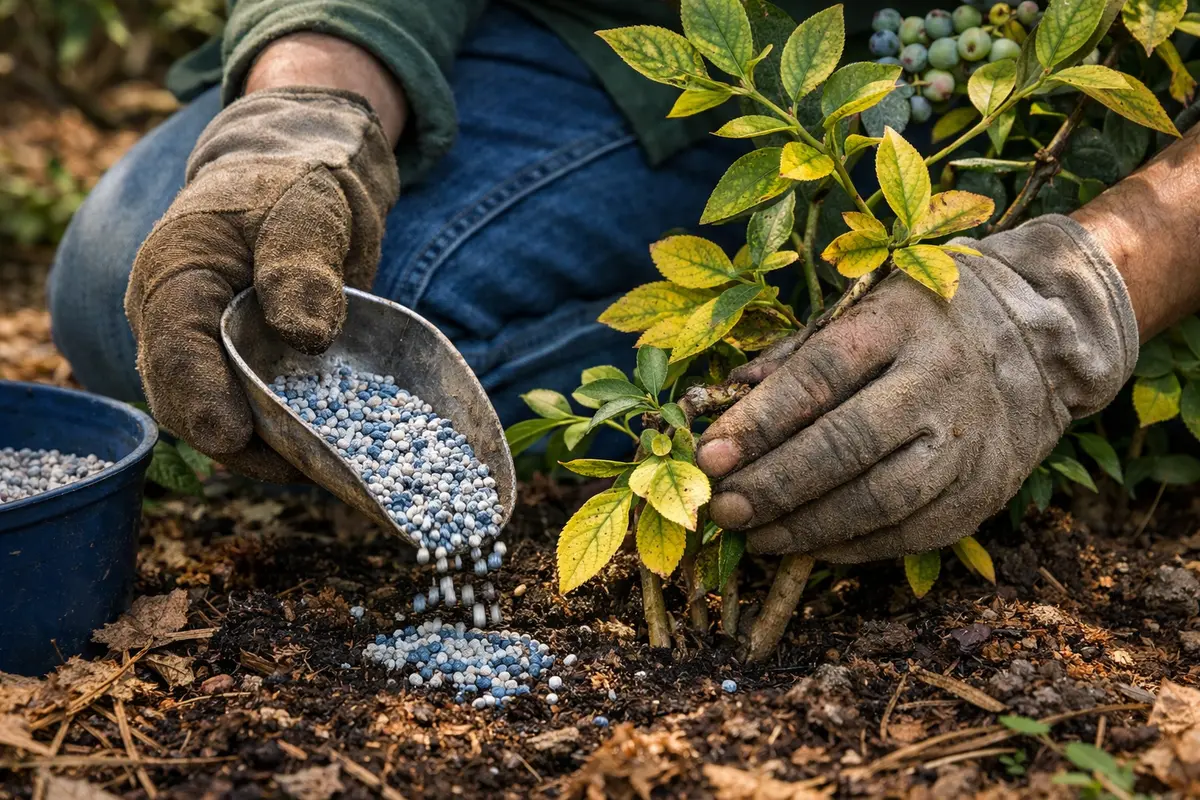
Apply a balanced, slow-release fertilizer formulated for acid-loving plants at the base of your blueberry bushes. Within a week, you should notice improved leafy growth as the plants regain access to essential minerals like nitrogen, promoting vibrant green leaves. Use a fertilizer with a formula such as 10-20-10, which supplies both macro and micro-nutrients often lacking in blueberries. Apply according to label directions, typically around 1-2 tablespoons per foot of plant height, ensuring even distribution across the root zone.
This fertilization not only aids in the quick recovery of yellowed leaves but also establishes a foundation for long-term health, preventing future problems. Fertilizers specifically designed for blueberries provide crucial nutrients that enhance leaf and fruit production while addressing deficiencies that lead to stress signals, including yellowing. In spring, when young plants enter their growing phase, providing the right nutrients is vital for a healthy baseline throughout the season. If you see a resurgence of green leaves within a week, this signals a positive recovery. However, if the leaves remain yellow or revert to yellow after this phase, reassess all environmental conditions.
Be cautious to avoid over-fertilization, as this can result in salt build-up in the soil, leading to additional leaf yellowing and root burning. Monitor soil moisture levels regularly; if the top inch of soil feels dry, it’s time to fertilize. Conversely, if it remains wet, postpone feeding until it dries out to prevent root stress. Over-fertilization may cause salt stress, evident by scorching leaf tips, complicating your recovery efforts. Timing your fertilization during warm, moist conditions enhances nutrient uptake, promoting healthy growth. If yellowing persists despite fertilization, check for pest infestations or diseases like root rot. If needed, consider potential relocation of plants if poor drainage is confirmed.
Step 4 – Inspect Blueberry Foliage for Yellowing Signs
Start by checking the soil moisture levels around your blueberry bushes; the top inch should be slightly moist but not waterlogged. Observe the leaf color closely; yellowing leaves often indicate nutrient deficiencies, particularly nitrogen. Regular monitoring, ideally once a week, helps assess the adjustments in leaf color and growth as the season progresses. If, after your treatments, the leaves do not change, it’s crucial to investigate further.
A fully recovered blueberry bush will exhibit deep green leaves with a smooth texture, signifying healthy chlorophyll production and good nutrient uptake. In contrast, returning early signs of yellowing leaves may feel brittle and have a dull appearance, which indicates ongoing stress. If the leaves also show browning edges, this typically points toward overwatering; thus requiring immediate drainage improvements or cutbacks on the watering schedule. In these instances, adjusting methods can minimize plant stress, therefore enhancing your plants’ resilience.
If the yellowing persists despite correcting soil moisture and nutrient levels, consider foliar feeding with a balanced fertilizer tailored for blueberries. This method provides nutrients directly to the leaves for quicker absorption, enhancing the speed of recovery. If the problem continues after applying fertilizer, escalate to a soil test to identify specific nutrient deficiencies or imbalances, ensuring a more targeted approach in your correction methods.
A fully recovered blueberry plant should display lush green leaves and increased bud emergence; this is indicative of a plant that is resuming its typical growth patterns. Conversely, yellowing returning or worsening will usually present itself through stunted growth or wilting. For example, blackened spots or wilting can indicate possible pest damage, such as aphids or spider mites, which require immediate inspection and treatment. These conflicting visual cues demonstrate the need for further examination, as they could indicate new deficiencies or pest issues demanding urgent corrective action. If left unattended, these pests may quickly multiply and could further weaken the plant.
If you notice yellowing reappearing, check for overwatering conditions that may have developed after heavy rainfall. If so, consider adjusting your watering schedule to allow for adequate soil drying between watering sessions, preferably ensuring that the top few inches of soil are dry before watering again. Furthermore, if symptomatic yellowing persists, taking a soil sample to a local extension service for comprehensive analysis can help uncover any hidden nutrient deficiencies that may not be visible during visual inspections. These measures can often provide insights into what the plant still needs for optimal health, particularly if symptoms do not respond satisfactorily to standard treatments.
FAQ
How long will it take for my blueberry bushes to recover from yellowing leaves?
The recovery time for blueberry bushes can vary, but improvements are often noticeable within a week to ten days following corrective actions. Healthy new growth will signal that the plant is responding well to changes made in its care. Adequate watering alongside appropriate light exposure can significantly enhance the recovery process; however, be cautious not to overwater, as this can lead to root complications that could extend recovery time.
Can yellowing leaves on my blueberry bushes spread to other plants?
While yellowing leaves themselves do not spread like traditional diseases, the underlying issues, such as pests or soil health problems, can negatively affect neighboring plants. Regular monitoring and prompt treatment of any identified issues will help prevent potential spread or similar symptoms in nearby plants. Additionally, practicing good garden hygiene, such as cleaning up fallen leaves and debris, can minimize the chances of cross-contamination, keeping all your plants healthy and thriving.
Should I remove all yellowing leaves immediately?
Removing all yellowing leaves is not necessary; focus on the most affected leaves first to manage stress on the plant. Over-pruning at once can hinder the plant’s recovery. Removing too many leaves simultaneously can weaken the bush, leading to further complications. Instead, prune based on the plant’s overall health and condition over time, allowing it to adjust and replenish its energy for future growth. Monitor how the plant responds post-pruning and adjust your approach accordingly to maintain balance and health, determining if further action is necessary based on the recovery signs.