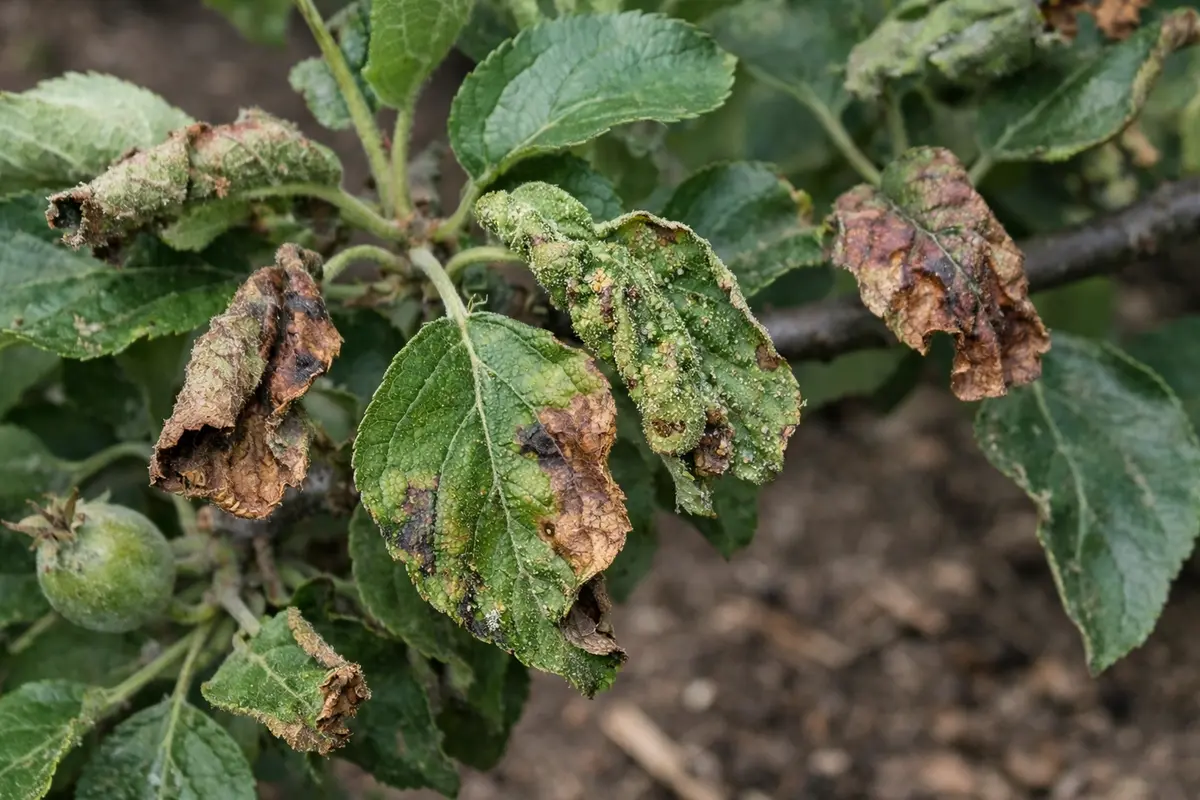
You may notice curled leaves on your apple tree during the summer, which is why you need to know why are my apple tree leaves curling during the summer. This distress often results from environmental stressors or pest infestations that lead to yellowing and wilting of the foliage. If left unchecked, this issue can spread and weaken the plant, making it more susceptible to further damage, but fixing it is possible now—simply inspect, adjust conditions, and monitor the tree closely.
Step 1 – Inspect Leaves for Pests and Damage
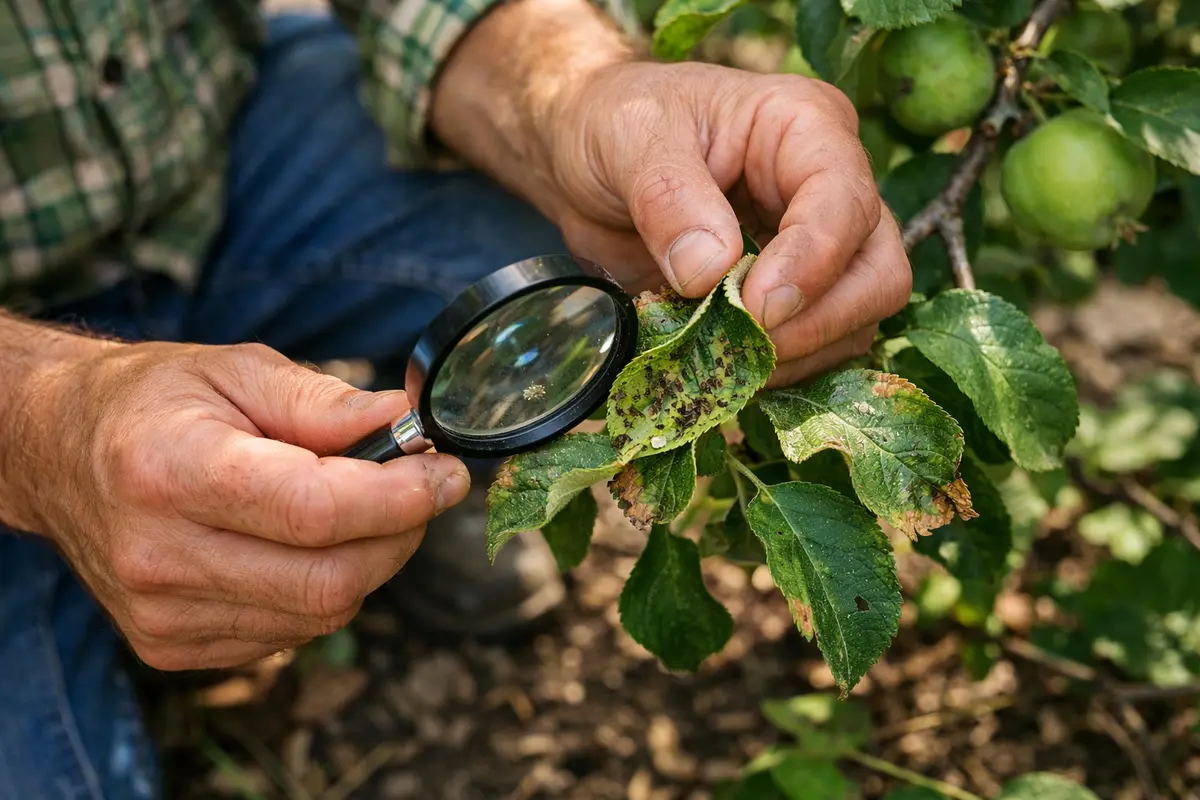
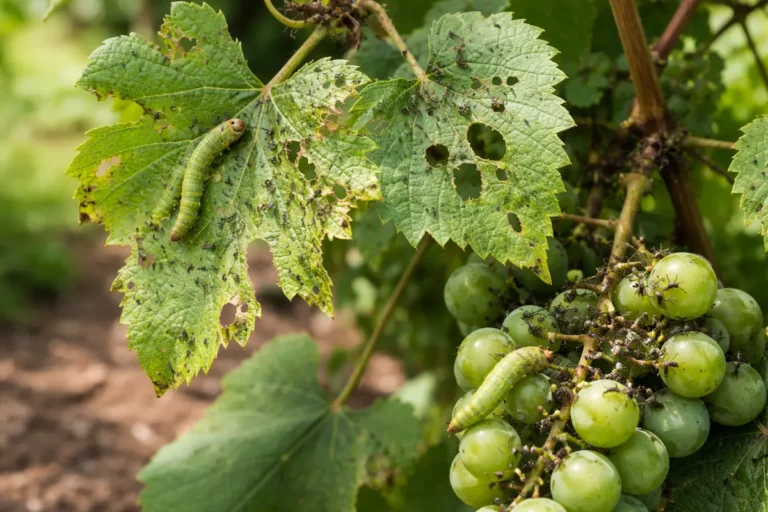
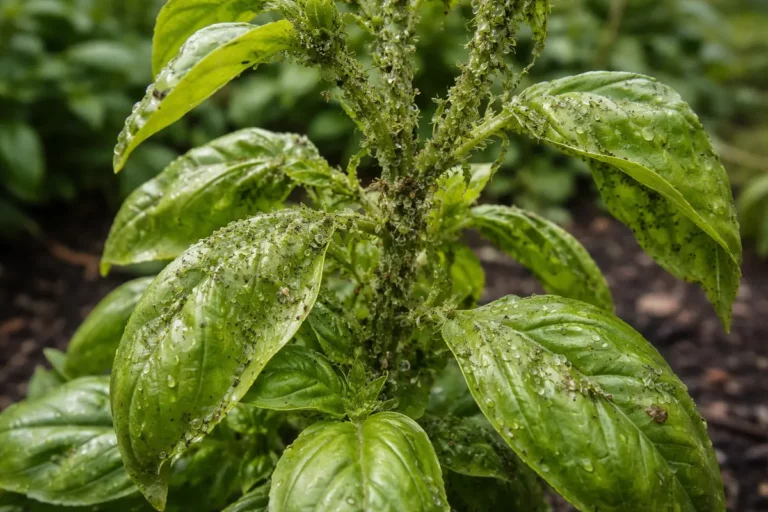
Begin by inspecting the leaves for any signs of pests or physical damage. You should immediately notice how the leaves might warp, develop tiny holes, or exhibit discoloration, revealing a potential pest issue such as aphids or spider mites. Look closely at the underside of the leaves, as this is often where pests like to hide; the presence of a sticky residue, known as honeydew, can also indicate aphids are feeding. If you notice clusters of small black or green bugs, that’s a telltale sign you’re dealing with aphids.
This inspection is crucial; pests such as aphids feed on the sap of the leaves, stressing the apple tree and impeding its growth. If these pests are not removed quickly, you may observe more severe curling and potential long-term damage, including reduced fruit yield and quality. A significant indicator of infestation is a dull appearance to leaves, which suggests they may be losing their ability to photosynthesize effectively. If you see leaf curling accompanied by stippling, which appears as light spots or patches on the leaves, that signifies a spider mite problem that needs immediate address. Tight spacing plus humidity may favor aphids on apple trees during flowering.
A common mistake many gardeners make is overlooking these early signs, thinking they can treat them later. Waiting just a few days can allow the pest population to grow exponentially, complicating your attempts at removal. Many people encounter just a handful of aphids during their first inspection but fail to act immediately. When they return days later, they discover an overwhelming pest presence, forcing them into more aggressive treatment methods that may harm the tree. It’s best to act on these signs promptly; inspecting your tree every few days for new pests can catch an infestation before it spirals out of control.
Step 2 – Evaluate Root Conditions Causing Curling
Next, test the soil around your apple tree for moisture levels and nutrient quality. Healthy soil will feel somewhat damp yet crumbly, indicating appropriate drainage and moisture retention. If the soil is compacted, too dry, or overly wet, it will severely limit your tree’s ability to absorb nutrients and lead to curling leaves. If the soil feels very hard or clumpy, it’s a clear sign that you need to address its compaction.
Understanding soil conditions is critical; dry soil can lead to underwatering, causing leaves to curl, while overly wet soil can lead to root rot, both stressing the tree and affecting its overall health. Nutrient imbalances, particularly a nitrogen deficiency, can mimic the symptoms of drought, presenting yet another challenge. Using a soil probe can help assess moisture levels more accurately and determine if nutrients like nitrogen are deficient, which could require an additional fertilizer application to correct.
If the soil feels too compacted and damp, aerate it gently by loosening the top layer to improve airflow without disturbing the root systems. Conversely, if you find it’s too dry, water deeply, ensuring moisture can penetrate down to the roots, which may take a few hours of steady watering. Many gardeners err by only watering the surface, which leads to insufficient moisture penetration. Without addressing this common mistake, you risk perpetuating the leaf curling issue, as proper root health is essential for the apple tree’s overall vigor. Always check your tree’s soil about three inches deep, as moisture should be adequate at that level for good absorption.
Step 3 – Water Deeply for Hydration Recovery
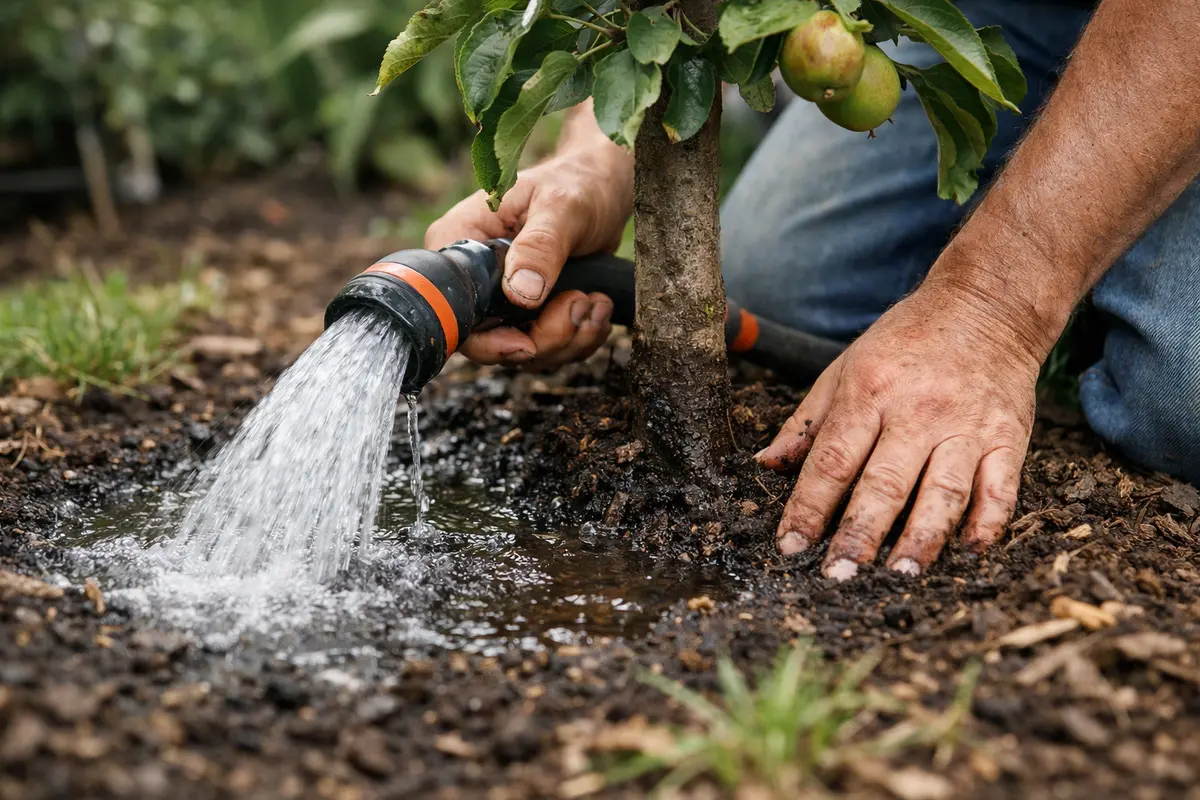
Water the apple tree deeply to effectively rehydrate the exposed roots. You should notice the leaves beginning to unfurl gradually over the next several days, indicating improved hydration and vitality. Deep watering fosters a healthier root system by encouraging roots to access moisture from lower soil layers, which promotes stronger tissue development. A good rule of thumb is to water in such a manner that one inch of water soaks down around the root zone; this should ideally be conducted once per week unless there are particularly dry conditions.
Without proper hydration, the leaves can become dehydrated and prone to further curling, leading to a weakening of the overall tree structure. It is crucial to monitor the weather closely; if temperatures remain high and dry for extended periods, your tree will require an even more proactive watering plan. The risk of severe leaf damage and potential fruit loss escalates if you delay this crucial step, particularly during heat waves that stress the tree significantly. If moisture levels drop below optimal, be ready to adjust your watering frequency and quantity to prevent recurrence.
Be cautious not to overwater after applying deep irrigation; too much moisture can create different issues such as root rot. Monitor the surrounding soil for moisture retention; it should feel damp but not waterlogged. I’ve found that establishing a consistent watering schedule, particularly with well-draining soil, significantly enhances recovery outcomes for both young and mature apple trees. If you’re applying fertilizer during this period, be sure it matches the water application; allow at least a week between applications to avoid overwhelming the tree.
Step 4 – Protect Foliage from Summer Heat Stress
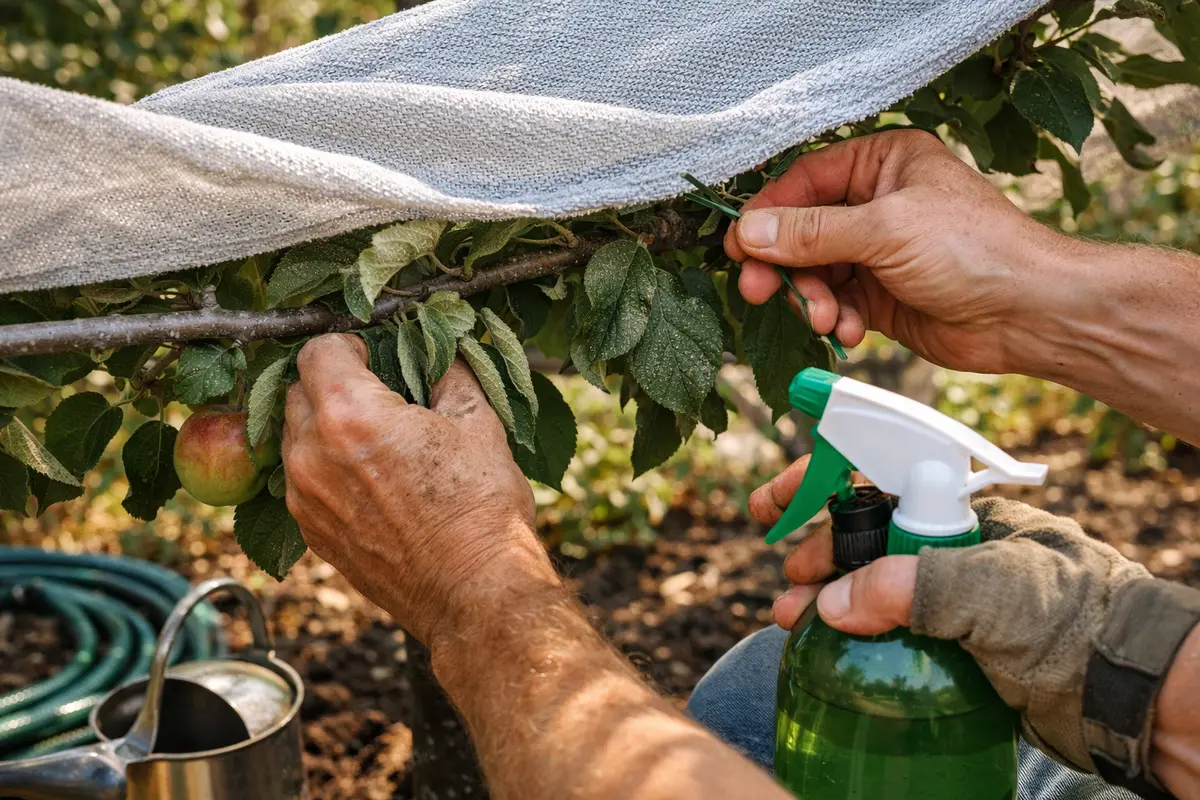
Start by inspecting your apple tree for pests, such as aphids or spider mites, and treat them immediately with insecticidal soap or neem oil. By addressing these issues now, you will see a reduction in leaf curling as the pests are eliminated and the tree starts to recover.
Pests like aphids thrive in warm weather and can cause leaves to curl as they feed on the sap. By maintaining a regular inspection and treatment routine, you can prevent a recurrence of this problem, especially during the hot summer months when these pests are most active. If you notice a sudden resurgence of leaf curling, check for a new infestation and treat accordingly.
In addition to pest control, applying a thick layer of mulch around the base of the tree can help retain soil moisture and reduce stress during dry spells. During particularly hot weeks, ensure that the mulch is replenished to prevent water loss, which can exacerbate leaf curling. If you observe wilting along with the curling, this is a sign that the tree requires more consistent watering.
Exposure to extreme heat, particularly if prolonged, significantly stresses the tree, causing damage to the leaves and inhibiting their photosynthesis capabilities. Shading helps the apple tree conserve energy that would typically be spent combating heat stress, enhancing its ability to thrive and produce fruit. If you notice the leaves starting to brown or exhibit wet spots after shading, it may indicate excessive moisture trapped under the material. Observing changes in the color of the leaves after shading can be a good indicator of recovery; vibrant green leaves suggest improved health while brown or crispy edges could point to severe sunburn.
Be prepared to adjust your shading strategy throughout the summer season, as temperature fluctuations can lead to varying levels of sun exposure. This necessitates flexibility; sudden temperature hikes could cause leaf burn if the shading is insufficient or inappropriate. A typical error is using non-breathable materials that trap moisture, leading to fungal infections worsening the original problem. Checking for air circulation in the shaded areas can help prevent these issues and keep the tree healthy during the summer.
Step 5 – Check Apple Tree for New Leaf Curling
Start by checking the underside of the apple tree leaves for signs of pests such as aphids or spider mites that can cause curling. Observe for sticky residue or webbing, which indicates an infestation, and recheck every few days as issues can worsen quickly in warm weather. Additionally, monitor soil moisture levels, ensuring the tree receives adequate water, as dry conditions can exacerbate leaf curling.
A fully recovered apple tree will feature vibrant, flat leaves without curling, showcasing a rich green color and healthy texture. Early signs of the problem returning may include slight curling at the leaf edges combined with a dull, faded hue, showing that the tree is struggling again. If the leaves appear crisp or dry despite adequate watering, this may signal underlying pest problems or disease.
If the issue of curling leaves persists despite following previous steps, inspect the tree for further signs of pests or fungal disease, and consider applying organic insecticidal soap or fungicide as a preventive measure. Escalate your action by consulting with a local agricultural extension office for tailored advice and possible treatments specific to your area.
By adhering to this routine, you can rapidly identify if prior problems are resurfacing or if the tree is moving toward recovery. A well-recovered tree will display expanded new leaves that are firm and vibrant in color, while continued curling may indicate lingering issues or a need for further attention. Each observation should include checking not just the newly unfurled leaves but also older leaves to see if there’s any residual curling or damage. Keep a record of any changes observed during your inspections; noting conditions relative to environmental stressors, such as heat events, can provide insights for future management.
If signs of leaf curling begin to reappear, consider revisiting your watering practices and checking for new insect activity, as they might signify a recurring problem. Don’t hesitate to tighten your conditions further if issues persist, reevaluating not only watering frequency but also checking for any signs of root distress such as foul odors or root discolorations. The timing of your responses is critical; a proactive approach often leads to faster resolutions. From experience, I’ve found that timely interventions often yield the best results; delaying actions can create ongoing stress that complicates recovery.
FAQ
How long does it take for my apple tree to recover from leaf curling?
Recovery can take anywhere from a few days to several weeks, depending on the underlying cause and the care provided. It’s essential to be consistent with watering and monitoring to help speed the recovery process. Factors like environmental conditions, pest control success, and soil health also play significant roles in determining recovery length.
Can leaf curling spread to other apple trees in my garden?
If the cause of leaf curling is due to pests or diseases, it can indeed spread to nearby apple trees. Regular monitoring, effective removal of infested leaves, and timely treatments for pests are crucial steps to prevent the spread of infestations. Always keep an eye on neighboring trees, as an outbreak can quickly escalate if not contained.
Should I remove the curled leaves from my apple tree?
Yes, you should remove any curled leaves that show significant damage and do not show signs of recovery. Removing these leaves prevents pests from harboring and allows the tree to conserve energy for healthy growth. However, be cautious not to remove too many leaves; maintaining some healthy foliage is essential for photosynthesis.