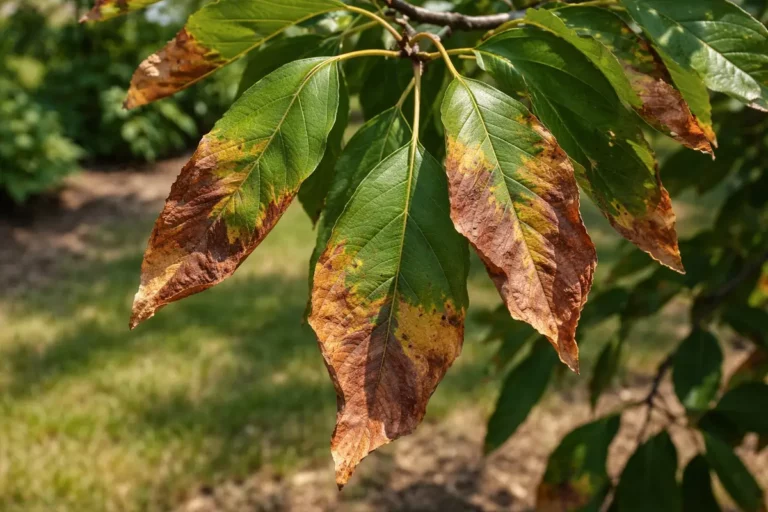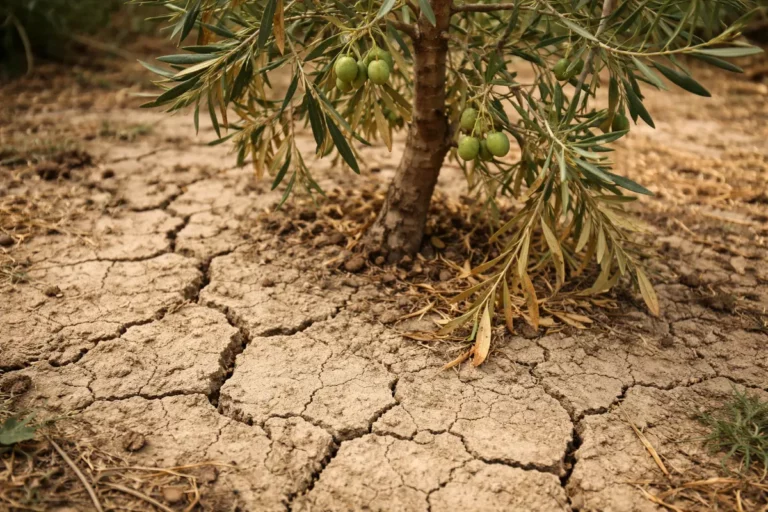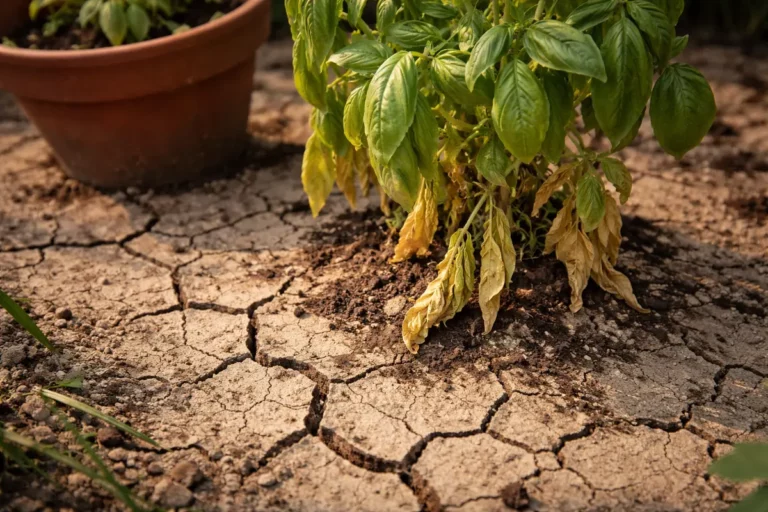
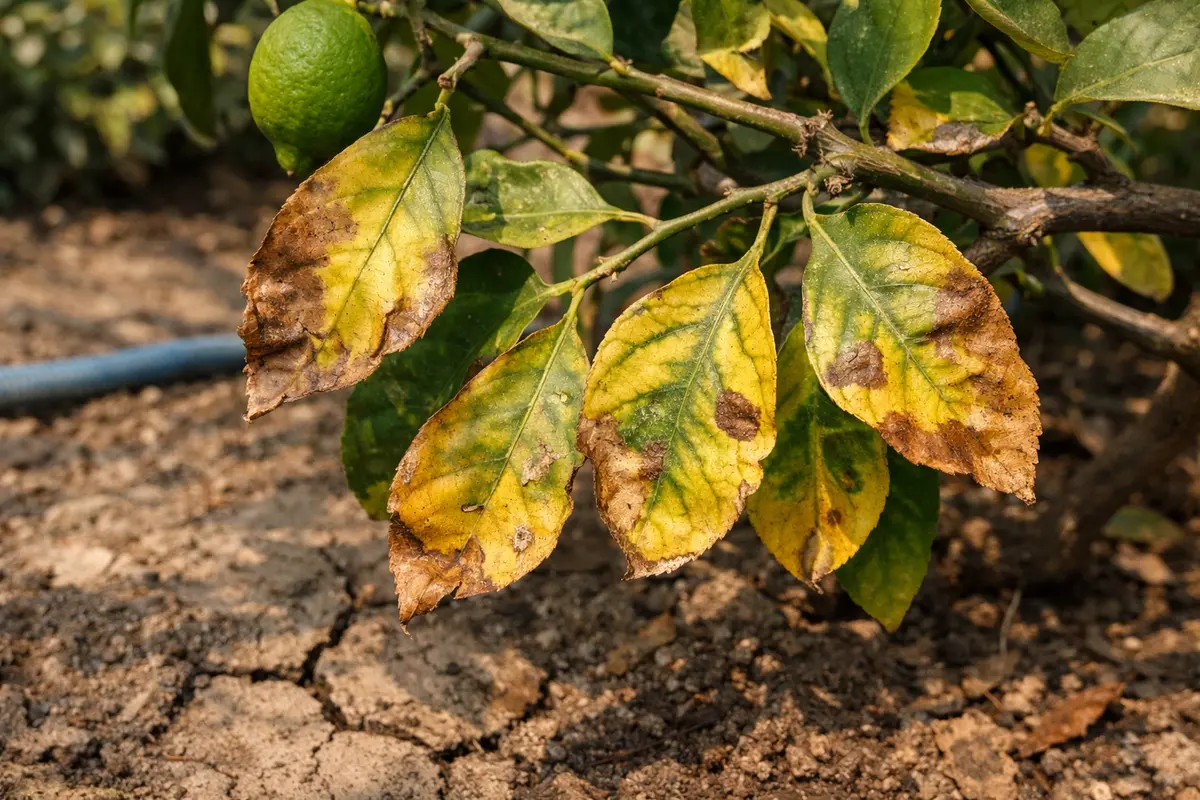
You may notice your lemon trees with yellow leaves during drought, which is a clear sign that you need to know what to do if lemon trees show yellow leaves during drought. This yellowing typically occurs due to a lack of water, leading to stress and potential damage to the leaves. If left unaddressed, the condition can worsen, weakening the plant and making recovery harder, but fixing it is possible now if you check the soil moisture and adjust your watering practices accordingly.
Step 1 – Water Lemon Trees Immediately to Reduce Stress
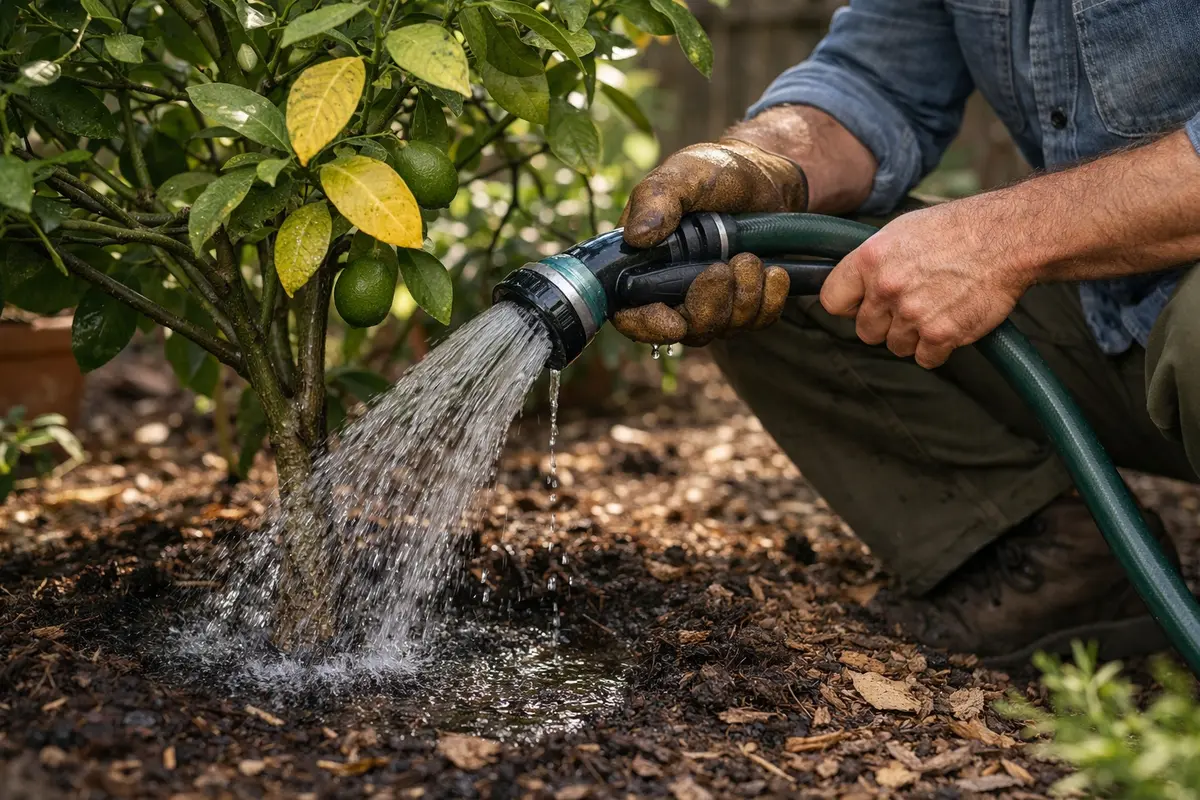
Begin by watering the lemon tree thoroughly, ensuring the soil is saturated to a depth of at least six inches. You will notice the leaves perking up within a day, showing signs of reduced stress. Irrigate the tree deeply until you observe runoff from the base, which indicates that enough moisture has reached the root system. This immediate action revitalizes the tree’s moisture levels, allowing roots to access vital water resources; without such deep watering, only the surface roots may benefit, leaving deeper roots parched.
Watering helps because lemon trees are sensitive to drought; insufficient moisture around the roots prevents them from taking up necessary nutrients. During drought, plant cells sustain damage as leaves lose water faster than they can absorb it. By saturating the soil, you reset this damaging process, encouraging turgor pressure to return to the leaves. Consistently providing deep soaks improves the tree’s resilience against future dry spells and empowers roots to develop deeper, anchoring the plant more securely in its environment.
Many gardeners overlook citrus trees during hot, dry spells, assuming they can wait until it rains. Waiting can exacerbate leaf yellowing and additionally increase the risk of leaf drop. Make it a habit to check the moisture levels regularly, especially during heatwaves; if you notice the top inch of soil drying out within a single day, it’s time to increase your watering frequency. Neglecting to do so can compound stress, heightening the risk of irreversible damage or even tree death during prolonged drought periods.
Step 2 – Assess Nutrient Deficiency in Yellowing Leaves
Inspect the leaves for signs of nutrient deficiency. First, look for yellowing specifically occurring between the veins, which indicates a lack of nitrogen or iron. If this is the case, treat the tree with a balanced citrus fertilizer that includes slow-release forms of these nutrients. Expect to see a visible improvement in leaf color within seven days, as the revitalized root system absorbs what it needs for growth and recovery.
Nutrient deficiencies arise when the tree cannot absorb essential nutrients due to dry soil, which diminishes root function. Inadequate watering compromises the tree’s overall nutrient absorption and may result in stunted growth and pale foliage. Correcting nutrient levels through appropriate fertilization can help revive the tree’s vigor, so monitoring the new growth is essential; the first signs of recovery will appear as green sprouts replacing the yellowed leaves. If the new growth remains weak or the yellowing persists, further investigation into soil conditions or watering practices may be necessary.
If you find pale yellow leaves that do not improve despite proper watering, examine the soil for compactness. Soil clumping can create an environment unsuitable for root growth. Soil that emits a sour smell might indicate anaerobic conditions, which necessitate immediate action. Consider aerating the soil using a garden fork to create holes that allow air to penetrate, significantly improving water absorption. This simple act not only opens pathways for roots but often revitalizes a struggling tree almost overnight, enhancing its overall health.
Step 3 – Test Soil Moisture Levels Before Further Action
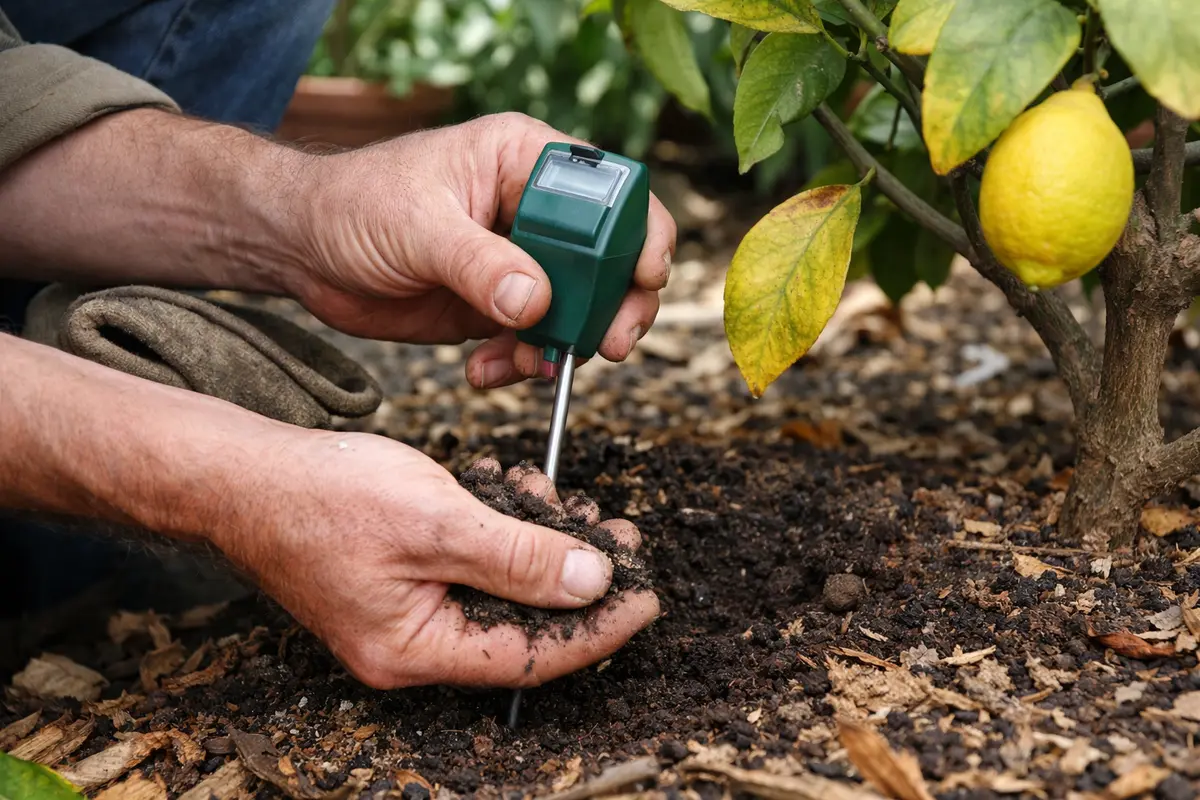
Check the soil moisture by digging a small hole approximately six inches deep. You should find moist soil; if it feels dry, you’ll need to water again immediately to prevent further stress and yellowing. This assessment will confirm if the root zone ensures healthy growth and can facilitate nutrient uptake. If you notice significant discrepancies in moisture levels between the top layer and the deeper soil, it indicates issues with water penetration or soil structure that may need to be addressed.
Differences in soil texture can reveal a lot about how your lemon tree is doing. Sandy soils drain quickly and may need more frequent watering, while clay soils retain moisture, increasing the risk of root suffocation if waterlogged. If the upper layer feels dry but deeper soil remains moist, it may signal that roots are too shallow or struggling. If you identify continually dry conditions, adjusting your watering schedule is crucial to match your soil type and conserve moisture effectively.
If consistent moisture checks yield no improvement in leaf color, look at other potential factors, such as pests or environmental stressors. Regularly measuring soil moisture after significant rainfall or watering ensures that you keep conditions balanced, which decreases the chance of leaf discoloration in the future. If manual checks are not yielding clear results, utilizing a moisture meter can provide precise readings, helping to confirm your watering practices are correctly timed, thereby ensuring a stable environment for the tree.
Step 4 – Feed Citrus Fertilizer for Leaf Recovery
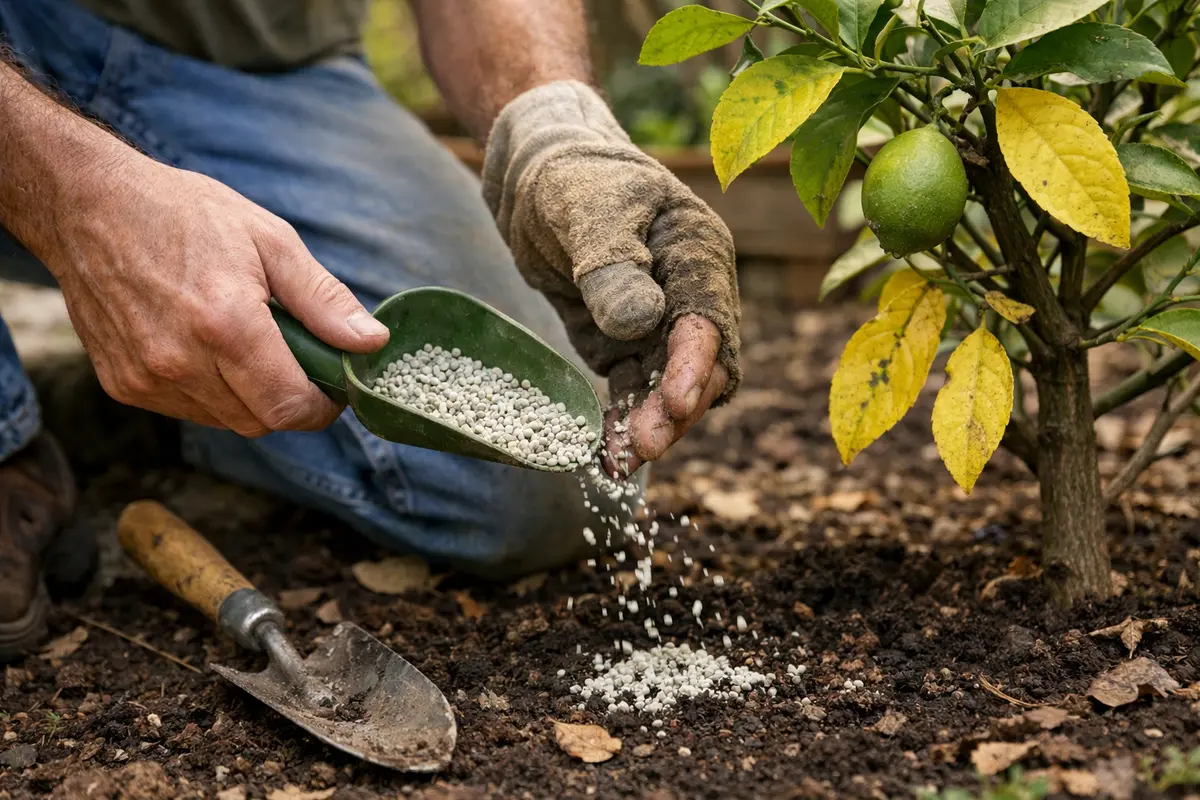
Start by ensuring your lemon trees receive deep watering initially, especially if you plan to apply fertilizer. Utilize a slow-release irrigation system or a soaker hose to facilitate even distribution, ensuring moisture reaches the root zone effectively. Expect to see improvement in leaf color within a week or two as the yellowing begins reversing and new growth starts to emerge as the tree responds positively to the hydration alongside nutrient support.
The timeline for recovery during drought can vary widely based on conditions; however, visible signs of improvement, such as fresh green foliage, generally manifest within 7 to 14 days after fertilizing and watering appropriately. Conversely, if you observe minimal new growth or persistent yellowing, it is vital to check for issues like soil compaction or drainage problems, which may inhibit nutrient absorption, complicating recovery efforts.
A common mistake at this stage is over-compensating with additional fertilizers, which can lead to root burn, especially in stressed lemon trees. Instead, concentrate on maintaining consistent watering, allowing the fertilizer’s slow release to take effect gradually. If yellow leaves persist even after improving conditions, inspect for potential pest infestations or diseases, as these, too, can significantly impact the tree’s vitality during drought conditions.
Regular feeding is critical for citrus trees, as they require a balance of nutrients to support both fruit production and lush green leaf growth. Essential nutrients like nitrogen, magnesium, and iron feed chlorophyll production; without adequate levels, the tree’s photosynthetic capabilities become impaired. Therefore, proper fertilization acts as a recovery catalyst, signaling health restoration. Spreading the fertilizer evenly around the tree’s drip line ensures the entire root system can easily access essential nutrients. Observing signs of recovery, such as a shift back to green hues in newer leaves, reinforces the positive effects of careful management.
Step 5 – Water Regularly During Hot Weather to Prevent Stress
Start by ensuring your lemon trees receive consistent deep watering, applying at least 1-2 inches of water each week during dry spells. You should observe the yellow leaves transitioning back to green as the tree rehydrates and integrates its nutrient uptake. Establishing a consistent schedule allows roots to become accustomed to regular moisture from both rainfall and watering.
Yellow leaves frequently occur when the soil lacks moisture, bringing about stress from drought conditions. Implementing a routine watering schedule helps combat this deficiency and fosters deeper root growth, which is essential for accessing water more efficiently during future dry periods. If you find that water remains in the soil surface areas but the leaves are still yellow, this could indicate deeper-root issues or damage that complicates nutrient uptake.
During particularly hot months, consider adding mulch around the base of your lemon trees. A thick layer of organic mulch can play a significant role in retaining soil moisture and regulating temperature, acting as insulation to lessen evaporation rates. Additionally, if you live in regions prone to low humidity, be prepared to slightly adjust your watering frequency to ensure your tree remains hydrated. A careful balance during dry spells will help prevent the onset of stress-related yellowing.
Regular watering is crucial during peak summer heat; it counteracts evaporation, which occurs rapidly due to high temperatures and winds. Plants are especially vulnerable when temperatures exceed 30°C, and without proper moisture management, yellowing may increase. Establishing reliable routines not only protects your trees but cultivates a reinvigorated growing environment, reducing the risk of repeat stress and enhancing overall vitality. If a significant heatwave occurs, temporary shade cloth can be beneficial, protecting your lemon trees during peak sunlight hours while maintaining hydration levels.
The addition of organic mulch, such as wood chips or straw, creates further insulation, moderating temperature and retaining vital moisture. If you encounter a sudden increase in temperature, adjust your watering frequency to meet these new conditions, providing the tree the best chance to thrive through heat while staying hydrated and healthy. Always tailor methods to seasonal changes to avoid stress exacerbation.
Step 6 – Check for Leaf Colors and Texture After Treatment
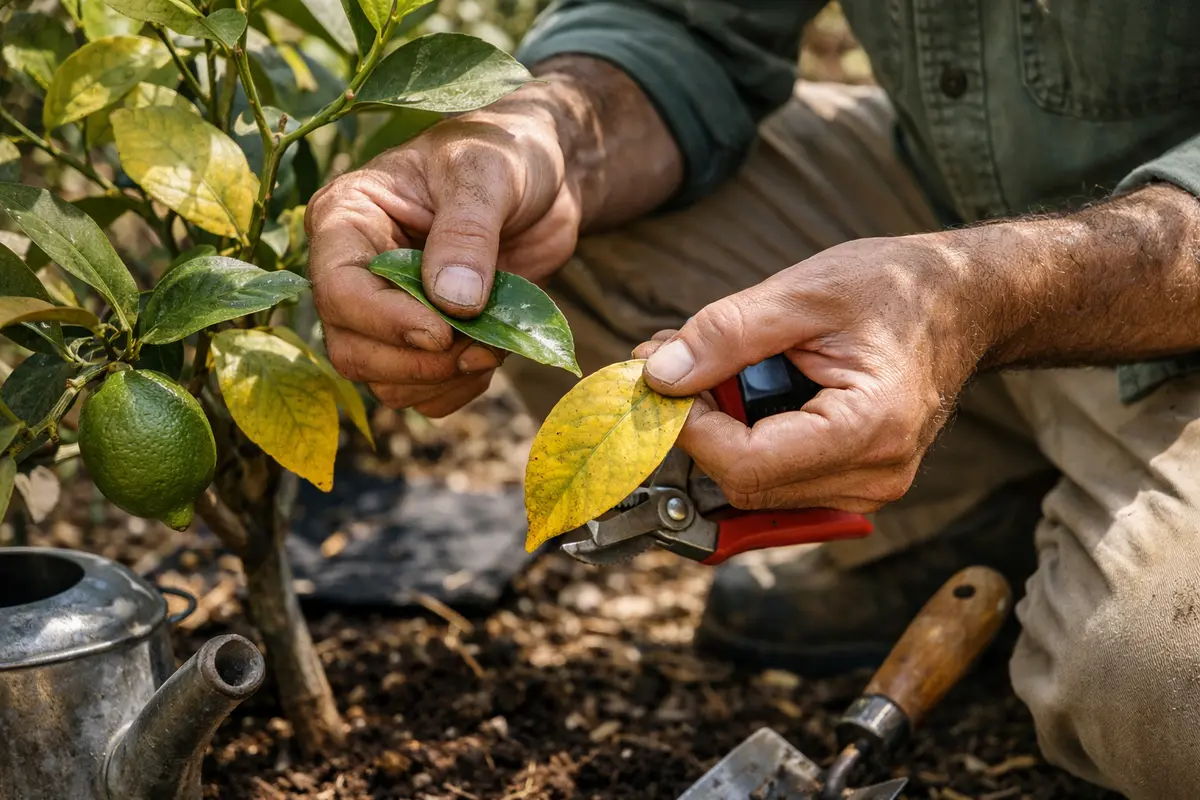
After implementing various recovery strategies, check the leaves and soil moisture levels every 5 to 7 days to track any recovery progress. You should observe darker, healthier foliage beginning to replace yellowing leaves alongside smoother leaf textures. Regular monitoring is crucial for early detection of recurrent stress signals; pay attention to signs such as returning discoloration or unusual leaf shapes that can indicate that your lemon tree remains vulnerable.
A fully recovered lemon tree should display vibrant green foliage devoid of yellowing; however, it’s essential to recognize that reappearance of wilting or yellowing may signify that underlying issues have yet to be addressed. Compare the leaf color and texture to prior documentation or photographs of healthy plants to pinpoint nuanced changes. A proactive adjustment to the management plan will maximize positive outcomes if symptoms of yellowing return, advocating for more immediate remedies to prevent lasting damage.
If you notice a return of yellowing after previously treating your tree, it’s worth considering that more fundamental factors might exist, such as soil compaction or drainage complications. Revisiting your watering schedule and assessing soil health may become necessary steps toward avoiding long-term damage and ongoing difficulties with your lemon tree. To optimize your management plan, consider testing the soil regularly to confirm nutrient balance and moisture levels because early detection is the key to preventing irreversible damage.
FAQ
How long does it take for lemon trees to recover from yellow leaves?
A recovery can take several weeks, typically between 2-4 weeks, depending on the cause and treatment provided. Regular watering and feeding can significantly expedite this process; however, full leaf restoration may take longer if underlying soil conditions remain unaddressed or ignored.
Can yellow leaves spread to other parts of the tree?
Yes, yellow leaves can indicate a systemic issue that may affect healthy leaves if not addressed promptly. Proper management of watering, fertilization, and overall tree health helps prevent the spread of stress symptoms, ensuring your tree can thrive without further complications.
Should I remove yellow leaves from my lemon tree?
Yes, trimming off severely affected yellow leaves helps prevent pest habitats and allows the plant to focus energy on healthier foliage. However, it’s advisable to wait until the tree shows signs of recovery before excessive pruning; regular maintenance is essential to support ongoing health, and be cautious about pruning during extreme weather conditions.