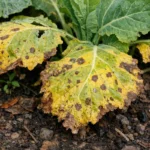
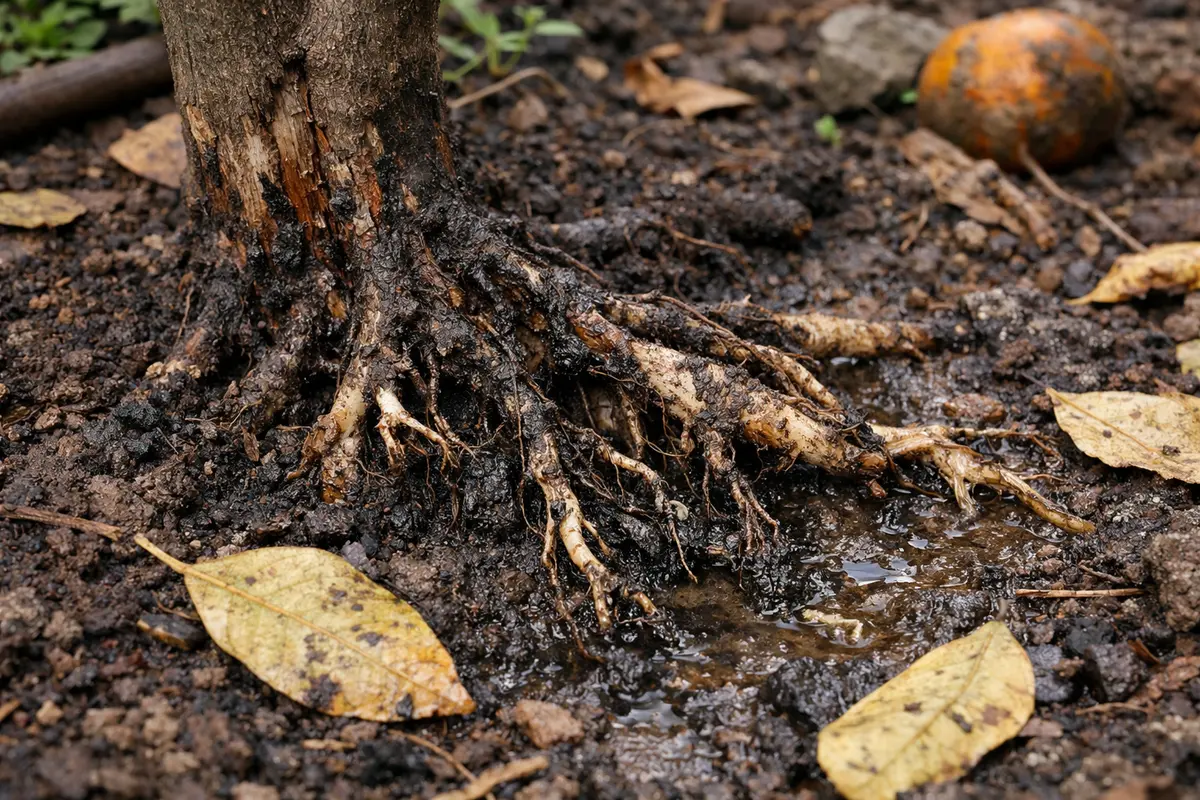
You may notice that your citrus trees are exhibiting signs of distress after heavy rain, which is why you need to know how to treat root rot in citrus trees after heavy rain. The roots may become mushy and begin to rot due to waterlogged soil, leading to yellowing leaves and drooping branches. If left unchecked, this condition only gets worse and can spread, ultimately weakens the plant and stalling growth; however, fixing it is possible now by inspecting the roots and improving drainage in the surrounding soil.
Step 1 – Dig Up Affected Citrus Roots Immediately
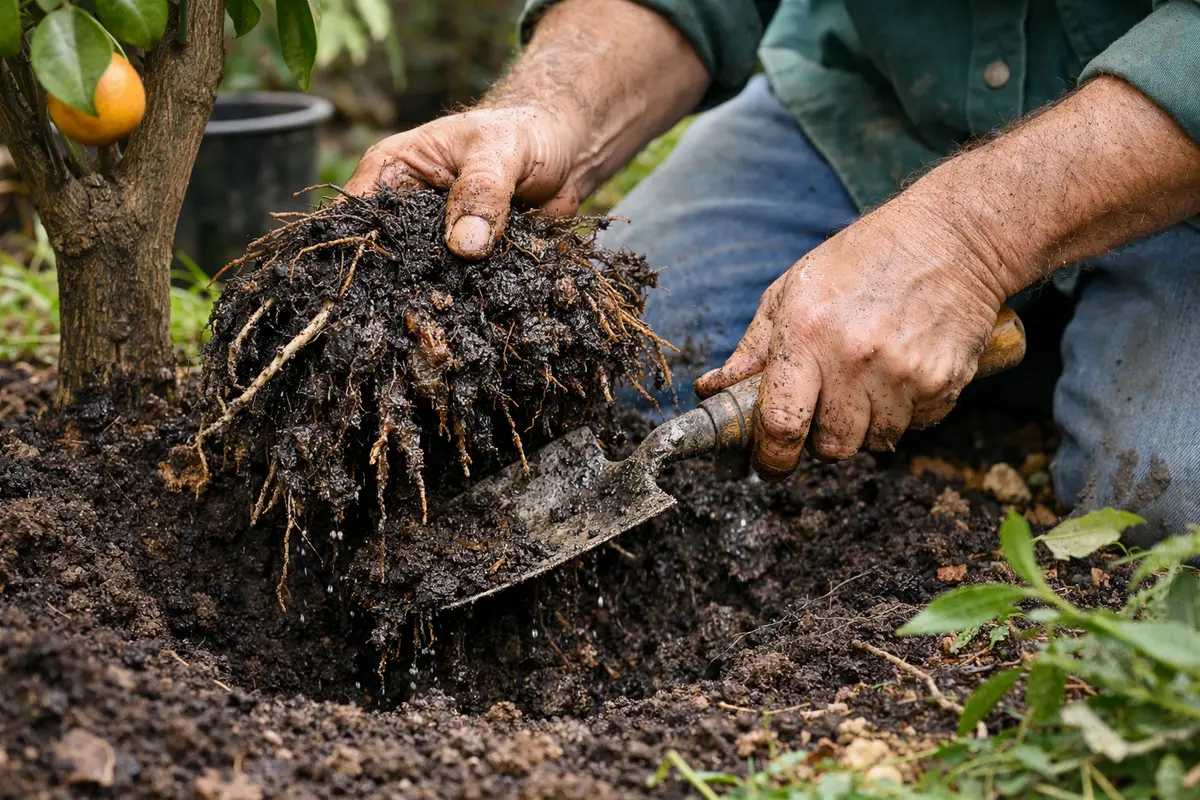
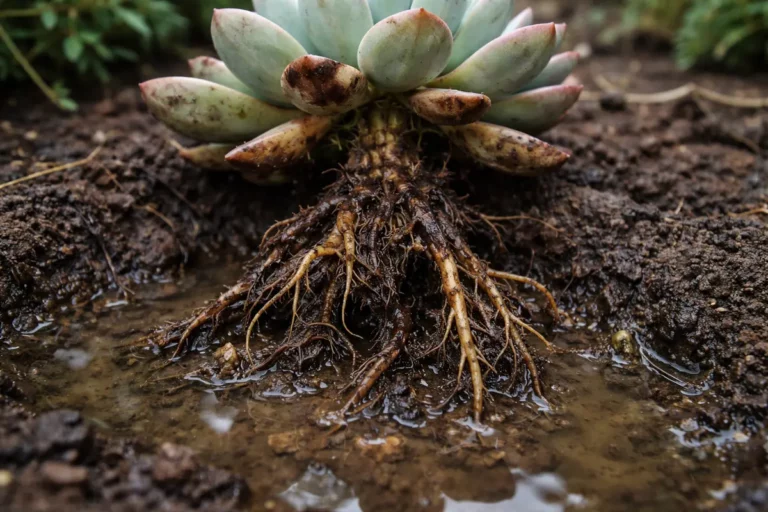
Begin by carefully digging up the affected citrus roots to inspect them for damage. You will observe soggy, discolored, or mushy roots along with a potential foul smell from the soil. This immediate action allows you to assess the extent of root rot caused by the saturated conditions. If the soil feels overly wet and sticks to your hands, this is a further indication that the roots have likely deteriorated.
Promptly lifting the roots prevents the spread of root rot. If left unattended, the compromised roots fail to support the plant, leading to further decline as the efficacy of nutrient absorption diminishes in waterlogged conditions. A delay of even a few days can result in greater root damage, causing the plant to suffer more than necessary. Effective recovery hinges on early intervention, as every moment counts when dealing with rot.
A common mistake gardeners make is waiting too long before digging up the roots. For example, a neighbor noticed minor discoloration but chose to postpone action, thinking it would resolve on its own. Unfortunately, the roots deteriorated further, making recovery much less likely. To protect your plants, act quickly at the first sign of symptoms. If you see roots that are breaking apart or smell rancid, those are definitive signs that immediate action is needed. If the roots are still pliable but show concerns, you may consider gently washing them off before replanting to allow for better assessment.
Step 2 – Assess Soil Saturation and Drainage Issues
Start by examining the roots of your citrus tree to identify any signs of root rot. Carefully remove the tree from the pot or soil, and look for mushy, darkened roots. Trim away any affected roots to prevent further spread, and you should notice improved drainage and reduced symptoms of wilting within days.
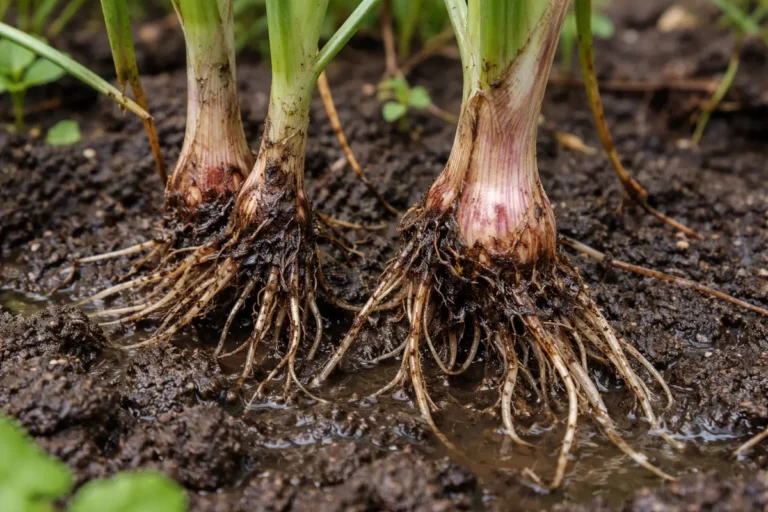
Root rot in citrus trees occurs when excess water saturates the soil, creating an anaerobic environment that damages the roots. Healthy roots should be firm and white; in contrast, rotting roots are slimy and brown. This lack of oxygen suffocates the roots, leading to nutrient deficiency and overall decline in the plant’s vitality.
If the soil smells sour, it’s a sign of bacterial buildup and anaerobic conditions, which requires a different approach. In this case, remove the citrus tree from the pot, replace the soil entirely with fresh, well-draining mix, and check your watering practices to ensure they align with the tree’s needs.
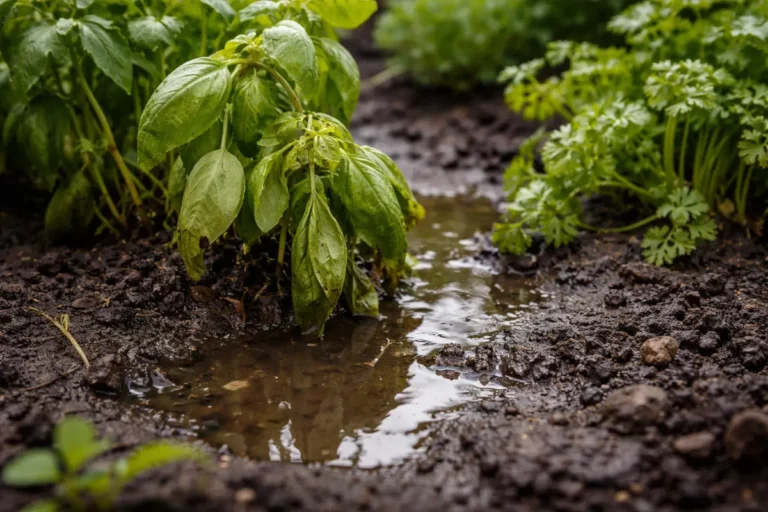
This assessment reveals how waterlogged soil contributes to root rot by depriving the roots of oxygen. Citrus trees thrive in well-draining soil, and excess moisture can create anaerobic conditions, promoting fungal growth that harms the roots. If you find areas where water tends to pool, those spots are prime contributors to rot. Correcting soil saturation is imperative in limiting ongoing damage while facilitating recovery. Additionally, check for puddling water around the base of the tree, as this illustrates significant drainage problems.
If the soil emits a sour smell, this indicates severe anaerobic decay, suggesting that harmful microbes are active. If left unresolved, the roots will continue to suffer. In such cases, you may need to amend the soil with organic matter to improve drainage and aeration, or even relocate your tree to a less saturated spot. For instance, when drainage issues persist too long, you could install drainage pipes or create raised beds to lift the tree roots out of excess moisture. Observing the drainage situation early can significantly determine if you can salvage the plant or must take more drastic measures, such as transplanting into fresh soil entirely. If roots are still intact but the soil remains overly wet, consider trenching or aerating the soil around them to help alleviate the saturation.
Step 3 – Apply Organic Fertilizer for Root Recovery
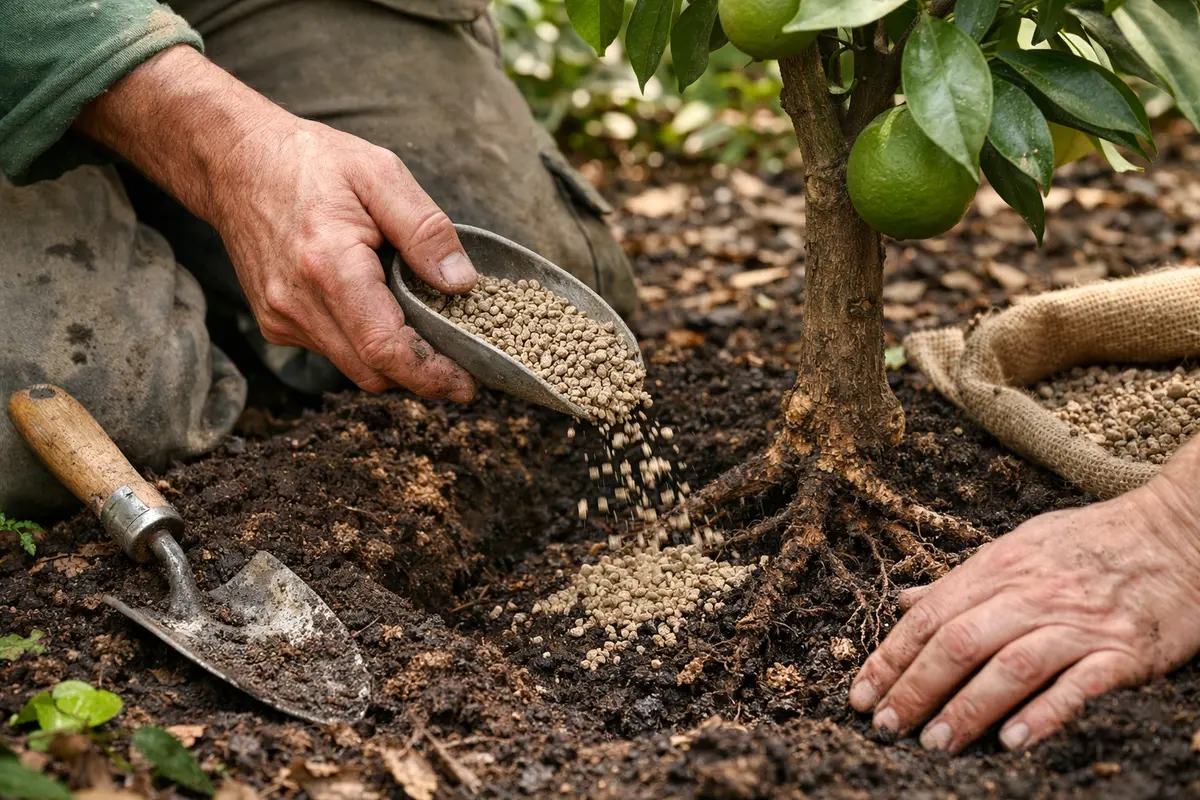
Start by removing any severely affected roots that have become mushy or blackened, using sterile pruning shears. Once pruned, apply a fungicide specifically formulated for root rot to the remaining healthy roots and the surrounding soil. Look for signs of recovery such as new root growth emerging from the remaining healthy sections after a few weeks, which indicates the plant is regaining its strength.
Recovery from root rot can vary, often taking several weeks to a few months depending on the severity of the disease and environmental conditions. Healthy regrowth manifests through vibrant green leaves and new stem growth, signaling that the citrus tree is re-establishing itself. Providing well-draining soil and adequate sunlight can speed recovery, while excessive moisture can lead to prolonged recovery and further decline.
Avoid over-fertilizing or changing soil excessively during recovery, as these actions can stress the roots already damaged by disease. Excessive nutrients may induce more root rot in infected areas rather than aiding recovery. If root tips remain dark and mushy, check for underlying fungal activity in the remaining soil and treat accordingly with an appropriate organic fungicide.
Organic fertilizers release nutrients gradually, supplying essential food to the recovering roots. The restoration of nutrients supports healthy root development and enhances the overall metabolic processes within the plant. As new growth emerges, leaves should firm up, signaling that your tree is on the road to recovery. Ensure you water in the fertilizer after application to enhance absorption; this can also help prevent localized burn on tender roots. Consider applying no more than ¼ cup of organic fertilizer, ensuring it’s distributed evenly to prevent over-concentration.
A frequent mistake is over-fertilizing in hopes of speeding up recovery. Excess nutrients can cause fertilizer burn, which complicates the recovery process—evident through browning edges on leaves. Monitor leaf coloration closely; if edges start to brown, you may have applied too much. It’s best to maintain a consistent but moderate fertilizing routine, applying no more than ¼ cup of organic fertilizer every month until improvements are observed. If your citrus trees do not show signs of increase growth after six weeks of fertilizing, it might be worthwhile to test the soil pH and nutrient levels, as an imbalance could hinder nutrient uptake. If you discover that pH levels are off, consider amending with lime to raise pH or sulfur to lower it, as necessary based on the soil test results.
Step 4 – Elevate Citrus Tree Mulch for Rain Protection
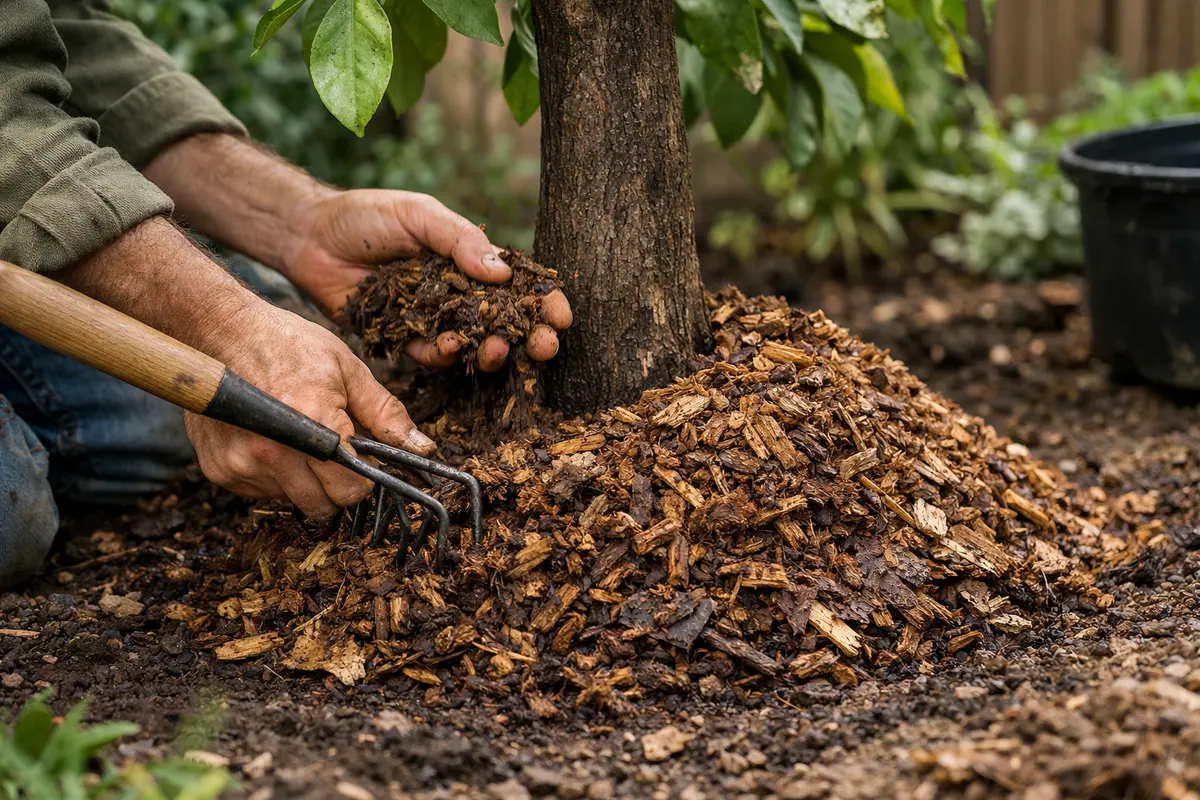
Start by ensuring your citrus trees are planted in well-draining soil and that the root zone is not saturated. By implementing proper drainage practices, you will notice a marked decrease in water retention around the roots, significantly reducing the risk of root rot.
Excess moisture from heavy rain tends to pool around the roots of citrus trees, creating an ideal environment for pathogens like Phytophthora to thrive. By establishing proper drainage systems and avoiding waterlogged soil, the likelihood of repeated root rot cases diminishes. If your trees exhibit yellowing leaves after rainfall, check for drainage issues; if not, inspect root health to ensure they are not under stress.
In areas prone to heavy rains during specific seasons, consider adding a layer of mulch around the base of the trees. This not only helps retain moisture during dry spells but also prevents excess water from pooling directly at the root zone. During heavy rain months, increase soil aeration by periodically loosening the upper layer of soil to enhance drainage.
Using mulch conserves soil moisture under normal conditions while preventing waterlogging during heavy rains. A well-placed mulch layer encourages faster evaporation of water and assists in temperature regulation, which is critical in promoting root health. If implemented correctly, this preventive measure could mitigate damage from future water saturation. Compost or shredded bark can effectively aid this process as they not only insulate but gradually enrich the soil with nutrients as they decompose.
In regions that frequently experience heavy rains, maintaining sufficient mulch height is essential. If the mulch compresses too tightly against the trunk, it could hinder water absorption and retain excessive moisture. Too much organic matter can also attract pests or rodents that harbor fungal spores, further complicating the recovery process. Also, consider increasing mulch during the rainy season to offer additional protection; reassess the mulch thickness each season to ensure it maintains effectiveness against the likelihood of heavy weather events. You might find it beneficial to use a blend of coarse and fine mulch materials to improve the insulation and moisture retention balance.
Step 5 – Check Root Color for Signs of Improvement
Start by checking the soil moisture level surrounding your citrus trees after heavy rain. Use a moisture meter or insert your finger into the soil about an inch deep to determine wetness; if it’s soggy, root rot may be developing. Recheck the moisture every couple of days to monitor changes and assess if drainage issues persist.
A fully recovered citrus tree will sport vibrant green leaves, sturdy branches, and new growth shoots, indicating revitalization after root rot. In contrast, early signs of the problem returning might include yellowing leaves with a spongy texture and a distinct wilt, signaling that moisture levels are again too high. If you notice leaf drop alongside these symptoms, it requires immediate attention.
If the root rot symptoms reappear, escalate your response by inspecting the roots; you may need to prune away any black, mushy roots you find. To supplement recovery, improve soil drainage by amending it with coarse materials like perlite or sand, providing better aeration. If issues persist, consider repotting the tree into fresh, well-draining soil.
Healthy roots should look both firm and vibrant, which indicates successful nutrient uptake and the beginning stages of regrowth. Rechecking roots every two weeks is advisable, as consistent monitoring plays a crucial role in catching any potential setbacks early, allowing for quick intervention. Notably, the blooming and emergence of new leaves signal further improvement. If photosynthesis resumes and leaf color returns to green, that’s a positive sign that the roots are functioning better. Also, keep an eye out for any residual odors; if the soil starts to smell off again, that might indicate a setback.
If you see signs of decay returning, such as discoloration or a slimy texture, refer back to earlier steps to reassess soil and drainage conditions. Recurring issues may require you to reapply fertilizers more sparingly or consider applying a root treatment solution to enhance recovery. Additionally, identify whether nearby plants pose a risk by competing for water or nutrients; if so, relocating affected trees for optimal growth could be necessary. Early intervention could be key to restoring your citrus trees to their former glory after heavy rainfall events, thereby preventing cascading problems moving forward.
FAQ
How long does it take for citrus trees to recover from root rot?
The recovery time for citrus trees affected by root rot can vary significantly based on the damage severity and treatment quality. Typically, you may notice improvements within a few weeks to several months, depending on root health and favorable environmental conditions. Committed care during this period entails consistent monitoring and ready adjustments based on tree responses, which can influence the speed of recovery.
Can root rot spread to nearby plants after heavy rain?
Yes, root rot can spread to nearby plants if the soil remains excessively wet and saturated. Fungal pathogens can easily transfer from one root system to another, especially when conditions permit; proper spacing between your citrus trees helps limit this risk. Healthy nearby plants are also critical, as robust plants can better compete for nutrients and resist disease spread, ultimately enhancing garden resilience.
Should I remove affected roots completely if they are discolored?
Yes, it’s essential to remove discolored or mushy roots to prevent further damage. Affected roots do not recover and can compromise the overall health of the tree if left in the ground. Make clean cuts at healthy areas to encourage new growth and healing. However, overzealous trimming can lead to further shock; always evaluate each root’s condition carefully before deciding on removal, opting for something between slight trimming and complete extraction based on observation.