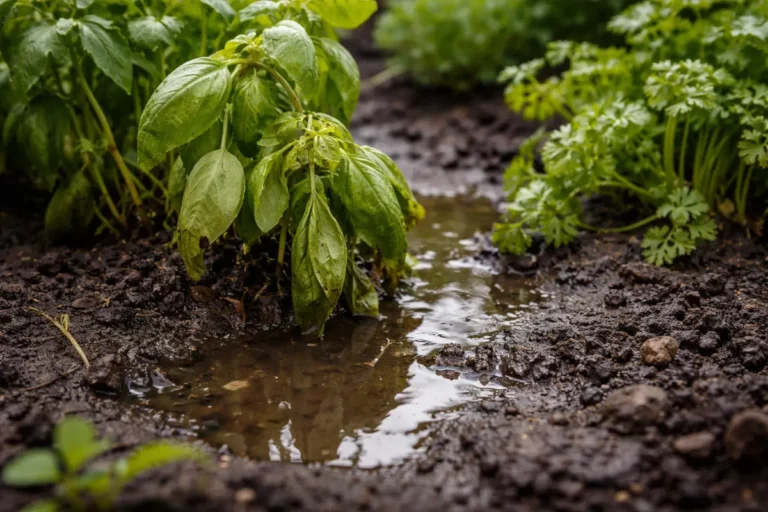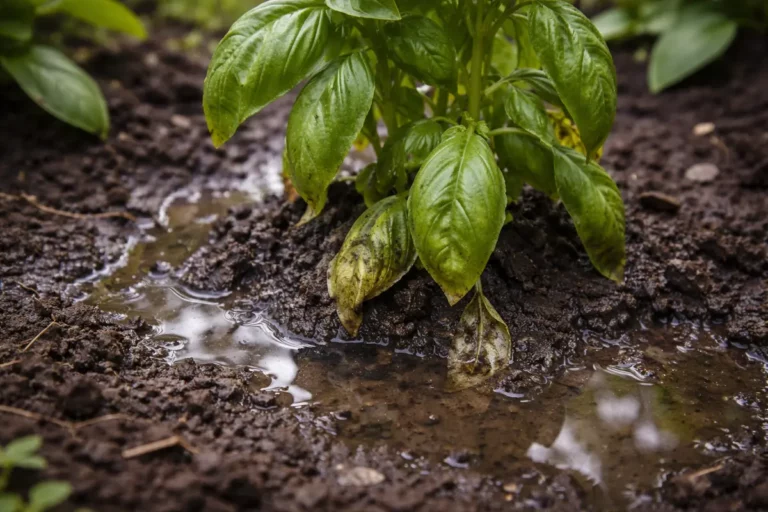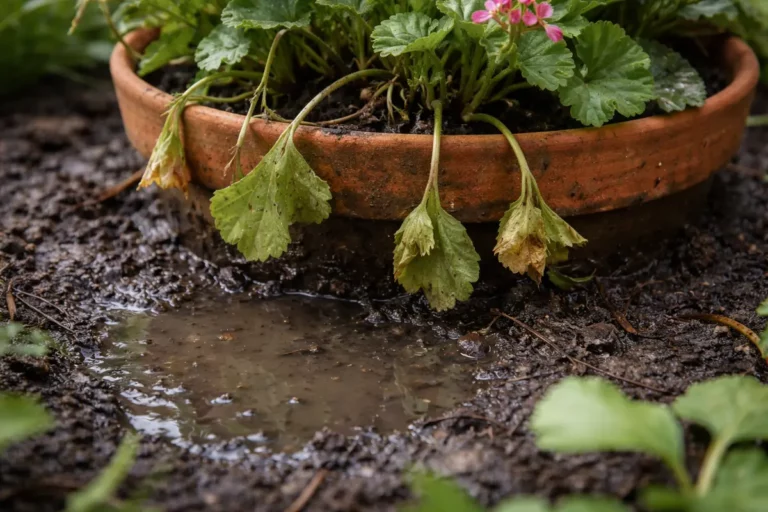
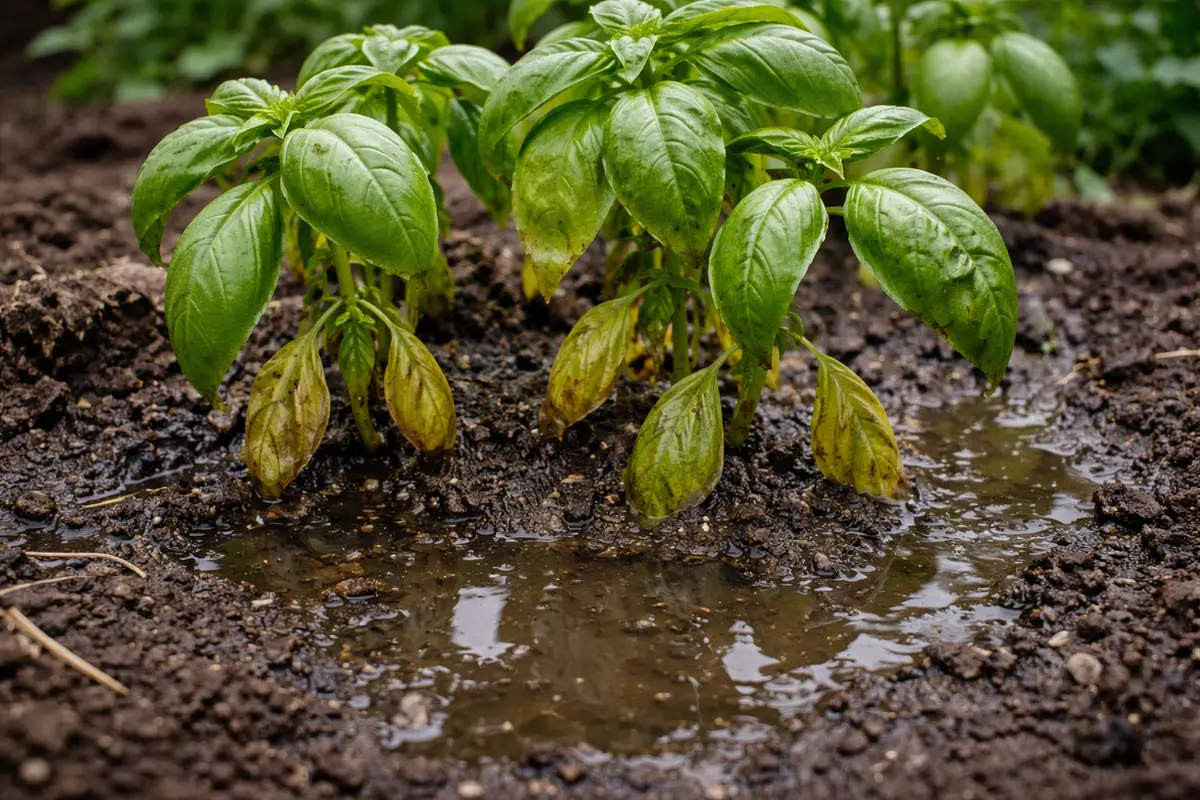
Your basil plants may be exhibiting yellowing leaves and wilting after experiencing overwatering from a heavy rain or excessive irrigation, which raises the question, why are my basil plants stunted after overwatering? If you overlook this issue, root rot can spread, ultimately stunting their growth and delaying recovery. To address this, start by inspecting the roots for any signs of rot, then adjust your watering practices to ensure proper drainage and moisture levels.
Step 1 – Remove Excess Water from Basil Roots
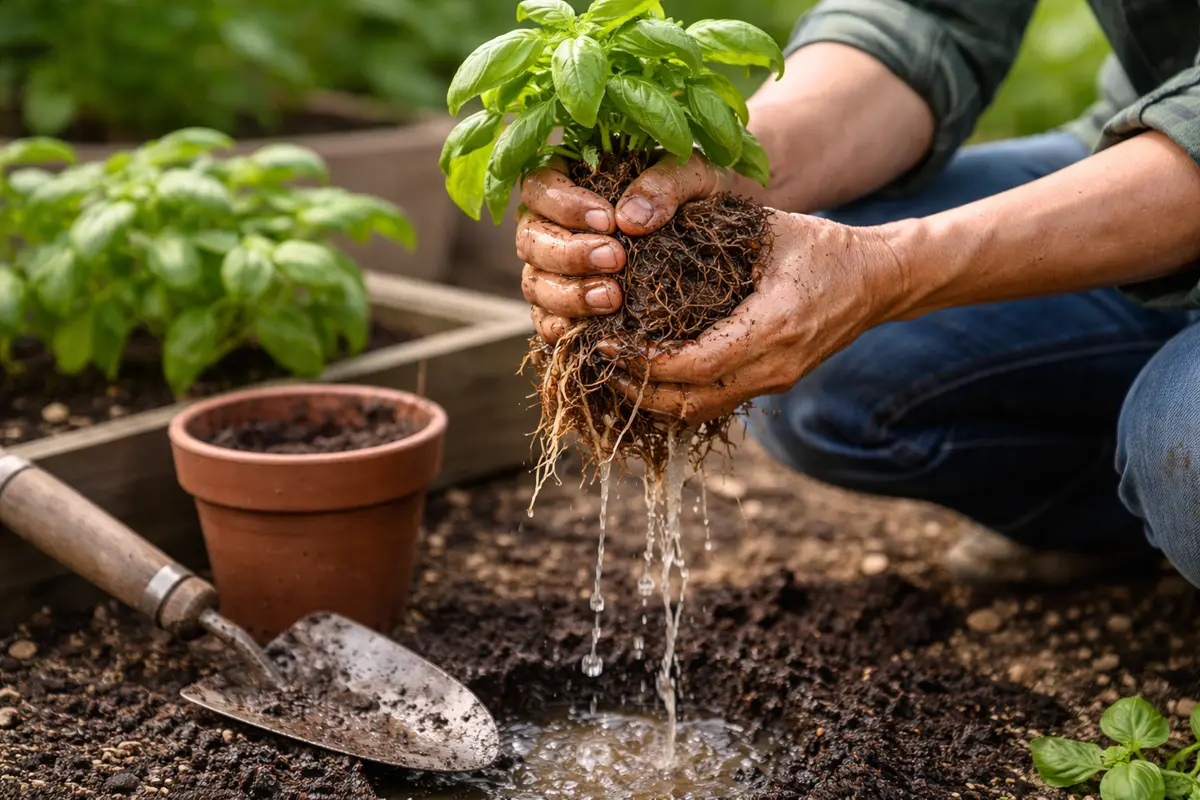
Start by inspecting the drainage holes of the pot for excess water and removing it promptly. You should see the soil beginning to dry out closer to the surface, and any standing water will be eliminated, which reduces the immediate risk of root suffocation. If you notice that water continues to pool at the base even after you drain the excess, it may be time to evaluate your potting situation to ensure it has adequate drainage.
Basil roots need an adequate air supply to function correctly, and when they are submerged in excess water, they cannot absorb nutrients efficiently. If the conditions persist, the roots can start to rot, leading to stunted growth and other severe health issues. Acting immediately to remove excess water can mitigate the risks associated with overwatering and prevent further damage to the plant. Additionally, check the condition of the potting soil; it shouldn’t feel overly compacted, as compaction can also retain unnecessary moisture.
A common mistake at this stage is neglecting to check the situation after heavy rain or overwatering sessions. It’s vital to re-check the moisture level in the soil and adjust your watering routine accordingly to avoid repeating such conditions. If the pot feels heavier than normal or water is pooling at the base, these can be signs of excess moisture that need immediate attention. Consider moving the pot to a more elevated area where drainage is better or using a pot with larger drainage holes if you notice this issue frequently.
Step 2 – Diagnose Overwatering Effects on Basil
Check the soil moisture levels by inserting your finger into the soil about two inches deep. If you feel constant dampness, the roots are likely suffering from overwatering, causing growth stunting and yellow leaves. You may also observe that the roots appear mushy or discolored when inspected, which indicates significant overwatering and a need for immediate intervention.
When basil plants are overwatered, the excess moisture creates an anaerobic environment that prevents roots from absorbing oxygen. This leads to stunted growth, wilting, and susceptibility to root rot and fungal infections. Timely diagnosis allows you to adjust your care regimen and restores the health of your basil. If the soil feels waterlogged but no foul odor is present, the problem may have just begun, meaning you might recover the plant faster than expected with appropriate changes.
If you notice a sour smell in the soil, this indicates potential root rot, and you will need to take further action, such as repotting or adjusting your moisture management. Conversely, if the soil feels dry despite visible wilting on the plant, then the issue may not be due to overwatering but rather drought stress, which requires a different approach. Evaluating the texture of the soil and its moisture content will provide key insight — if the soil appears crusty or too dry at the top, you’ll want to consider watering cautiously to avoid shocking the plant.
Step 3 – Revive Basil with Appropriate Fertilizer
Start by reducing the frequency of watering your basil plants, allowing the top inch of soil to dry out before watering again. Monitor the plants closely for new growth and a slight increase in leaf size, which are positive indicators of recovery.
Recovery takes time—typically a few weeks depending on the severity of the overwatering. Healthy regrowth features vibrant green leaves and firm stems, contrasting with the limp, yellowing leaves seen during stunted growth. Conditions such as adequate sunlight and well-draining soil can speed up recovery, while excessive humidity and low light levels can hinder it. If your soil continues to feel soggy after adjustments, check for drainage issues in your pots.
Avoid the mistake of overcompensating with extra water or fertilizer during the recovery phase, as this can lead to further stress on the plants. Nutrient imbalance can arise if fertilizers are applied too soon; instead, ensure your basil roots are adequately aerated and only fertilize when signs of new growth appear. If leaf color remains dull and growth sluggish, check whether nearby plants might be competing for light or space.
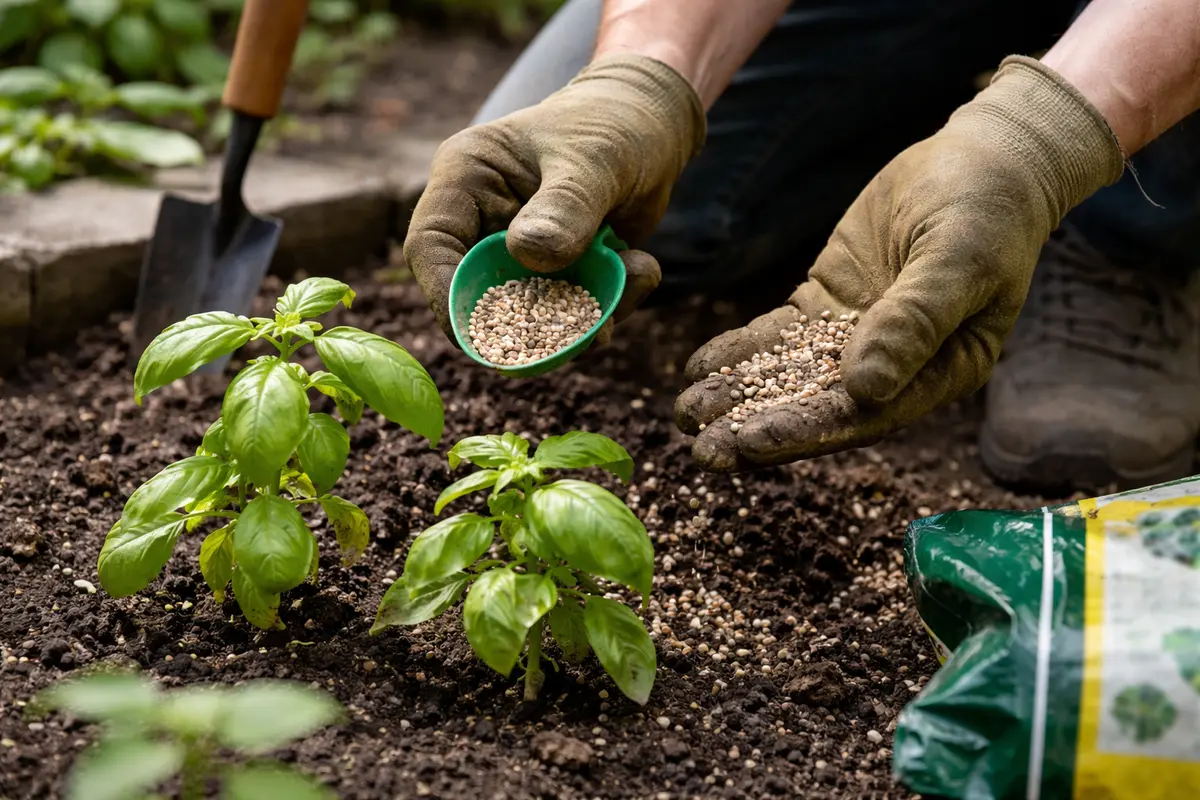
Fertilizing provides essential nutrients that may have been washed away due to excessive watering, enabling recovery and promoting healthy new growth. The right balance of nutrients will facilitate the recovery of the plant, leading to renewed vigor and improved foliage density. It’s crucial to monitor leaf texture and color; if the leaves begin to yellow again after fertilizing, you might be overdoing it, signaling that a lower application rate might be necessary.
A mistake to avoid during this recovery phase is overcompensating with too much fertilizer, which can lead to fertilizer burn or nutrient overload. Instead, apply fertilizer at half-strength and gradually increase it if the plant shows signs of robust recovery. Monitor your basil closely, as returning to a hearty feeding schedule helps ensure that it regains its health without risking further damage. Pay attention to how frequently you fertilize; ideally, apply every four to six weeks to maintain optimal nutrient levels without overwhelming the plant.
Step 4 – Water Basil Wisely to Avoid Future Issues
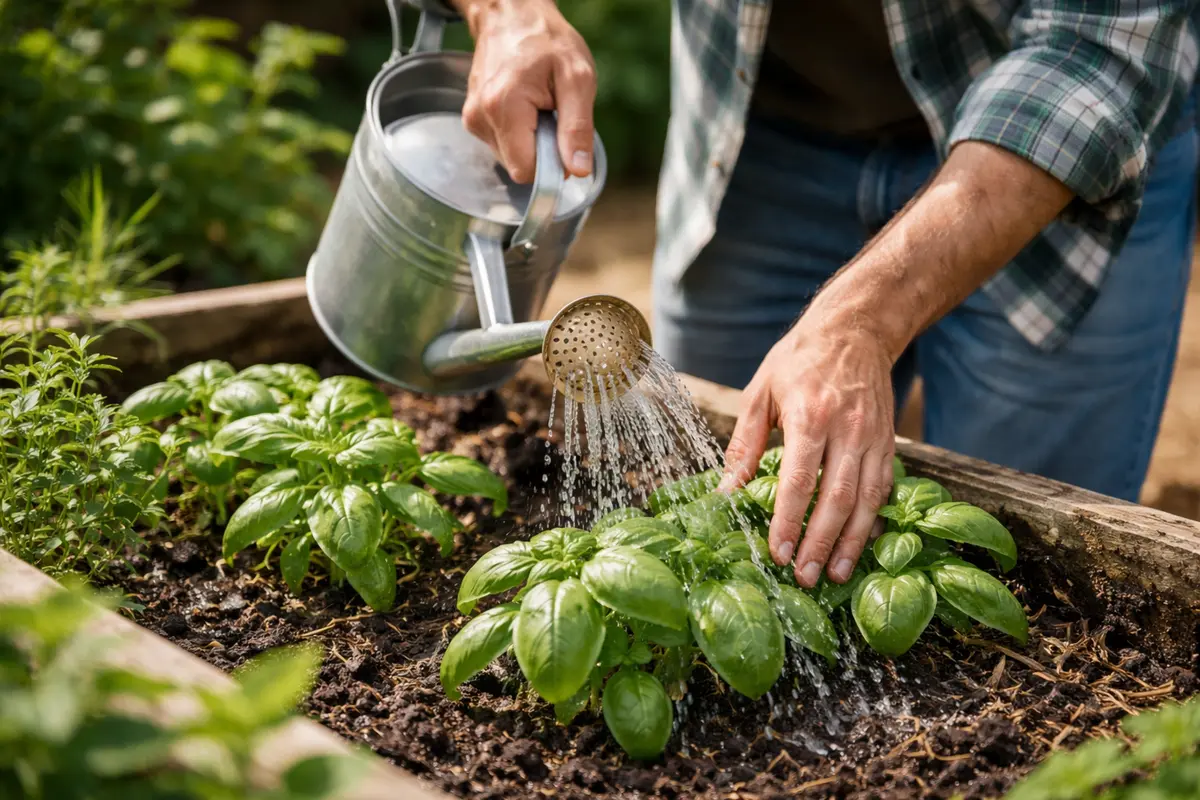
Start by reducing your watering frequency to once a week and ensure the soil dries out between waterings. This adjustment will prevent your basil plants from developing root rot, allowing them to thrive and become lush again.
Excessive moisture in the soil can create an environment where the roots struggle to absorb oxygen, leading to stunted growth. When you limit watering, you restore the balance between moisture and oxygen levels in the root zone, enabling stronger plant development. If you notice yellowing leaves despite reduced watering, check the drainage in your pots to ensure excess water can escape.
During the rainy season, consider setting your basil pots on raised platforms or using potting mixes designed for better drainage. This extra precaution prevents water from pooling at the roots, especially during periods of high rainfall, ensuring your basil remains healthy even in variable weather conditions.
Essentially, basil plants thrive when their roots can breathe, and they are not left sitting in waterlogged soil. Keeping a consistent watering schedule prevents excessive moisture from building up in the soil and creates a healthier growing environment. Check for drainage and ensure pots allow for proper water flow while creating an optimal situation for the plant. Inspect the roots periodically; if they appear brown and mushy, it’s a sign that previous overwatering has caused damage that your new routine might not fully correct.
Consider shifting to a self-watering pot during hotter months where evaporation is higher, as this system can better manage soil moisture levels. Additionally, be mindful of altering schedules during rainy seasons; adjust your watering frequency based on the weather in order to ensure your plants receive proper and balanced hydration year-round. If you remain vigilant during these periods, your plants will be less prone to the severe moisture levels that come with inconsistent watering practices.
Step 5 – Check Basil Growth for Signs of Recovery
First, check the moisture level in the soil using your finger; insert it about an inch deep. Observe if the soil feels soggy or remains damp, indicating overwatering issues. Recheck the moisture levels every few days, and adjust your watering schedule accordingly to allow the soil to dry out slightly between waterings.
A fully recovered basil plant will display vibrant green leaves that are firm and lush, showing signs of new growth at the tips. In contrast, early signs of the problem returning include yellowing leaves that feel limp and droopy, which indicate stress from excess moisture. If you see a brown, mushy texture in the stem or leaves, consider this a critical warning sign.
If the stunting problem persists despite following your care routine, implement a temporary drying technique by moving the plant to a well-ventilated area with increased light exposure. If conditions do not improve within a week, consider repotting the basil in fresh, well-draining soil to further address drainage issues.
A fully recovered basil plant will exhibit vibrant, dark green leaves with a firm texture, standing upright and showing new growth at the tips. In contrast, early signs of the problem returning include yellowing leaves that feel soft or slimy, and a noticeable droop in the stems. If you observe these issues, check for any lingering moisture in the soil.
If the stunted growth recurs even after adjusting your watering practices, consider repotting your basil into a well-draining mix to prevent further overwatering. Monitor the new pot’s drainage closely, and if symptoms persist, consult with a local gardening expert for more targeted interventions.
Healthy basil plants will show a robust revival after recovery measures are applied, with improving leaf color and larger, firm structures that indicate a return to normal function. Watch for any signs of relapse, such as new yellowing or droopiness, which would suggest you may need to adjust watering and fertilizing practices again. It often helps to keep a journal of what you did following recovery; this will inform you about what worked and what may need tweaking in the future.
If issues persist despite following the care steps outlined, consider repotting the plant into fresh soil that better retains moisture while providing adequate aeration. Evaluate external conditions such as light quality and temperature as well, since these factors also significantly influence the health of your basil plants. Moving the pot to a sunnier location can also invigorate growth, but make sure to transition slowly if your basil has been used to lower light conditions.
FAQ
How long does it take for my basil to recover from overwatering?
Typically, after addressing overwatering and following proper care, basil can show significant signs of recovery within 1-3 weeks. Regular monitoring will help you identify new growth, which can begin appearing as soon as two weeks after corrective actions, meaning that with patient observation, you’ll quickly know if your efforts are effective.
Can overwatered basil plants spread root rot to nearby plants?
Yes, if left unchecked, root rot can spread to nearby plants due to fungal pathogens thriving in waterlogged conditions. It’s essential to address overwatering promptly and isolate affected plants to reduce the risk of spread. Taking preventive measures, such as not placing contaminated soil anywhere near healthy plants, is vital in maintaining overall garden health.
Should I remove yellow leaves from my basil plants?
Yes, it’s advisable to remove any yellow or dead leaves to prevent potential disease and to redirect energy towards healthier growth. This cleanup will help improve air circulation and overall plant health, allowing for better sunlight exposure on more vibrant foliage while minimizing any possible decay from dead materials left on the plant.