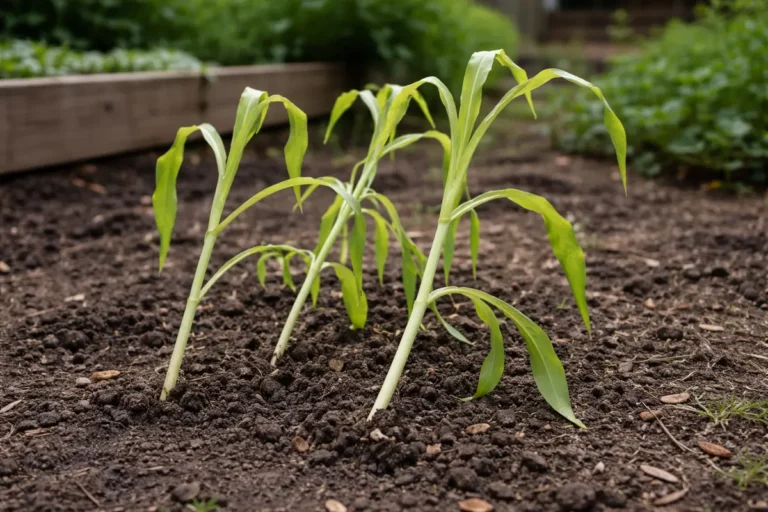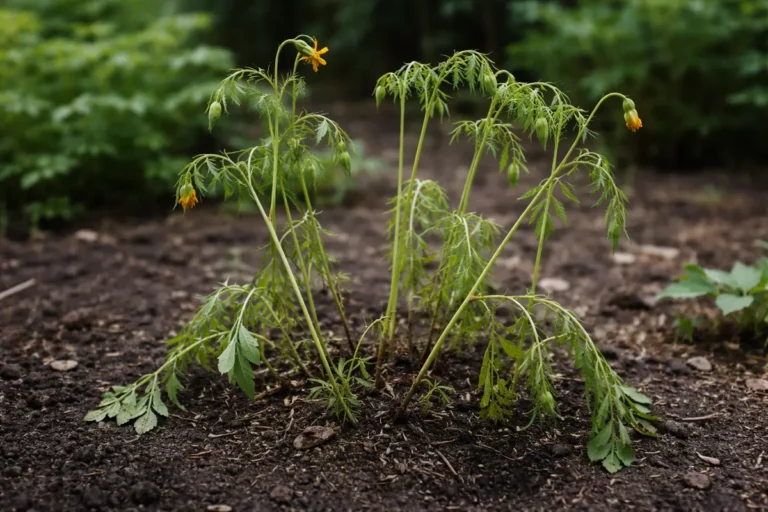
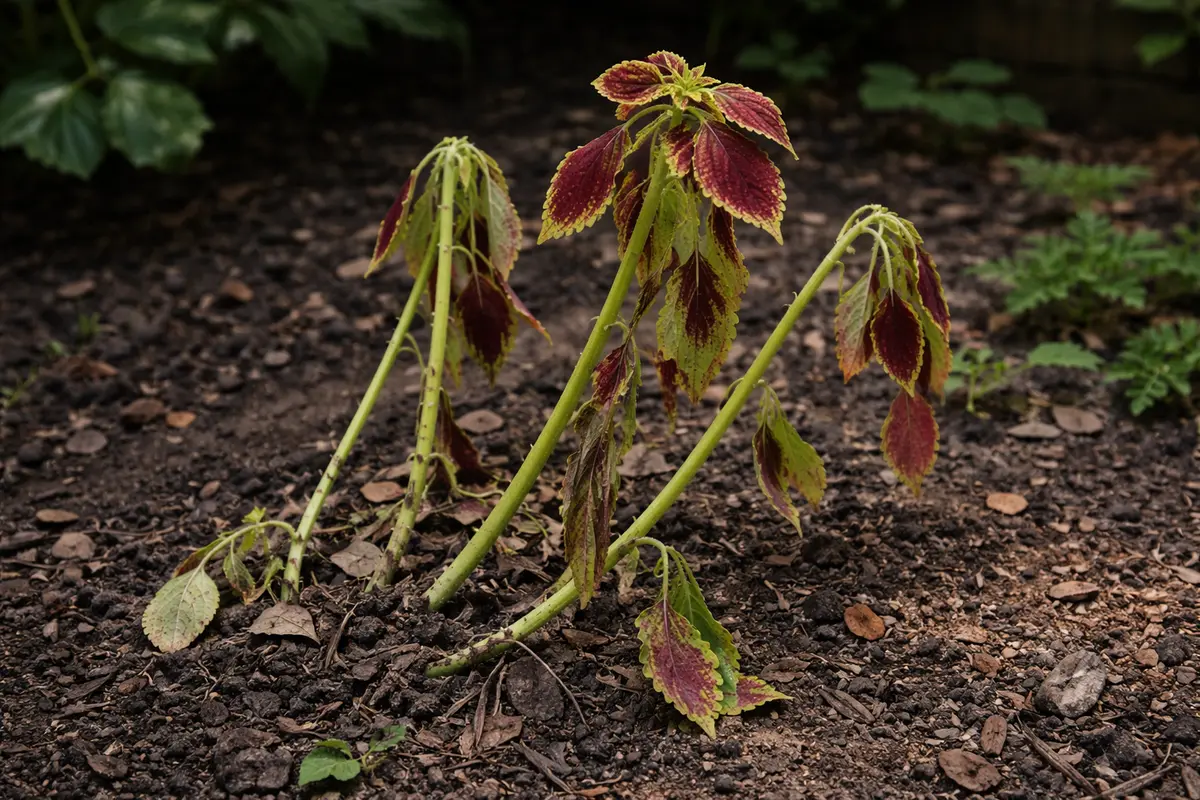
You may notice that your coleus plants start to stretch and lose their bushy shape during low light, which is why you need to know how to stop leggy growth in coleus during low light. This leggy growth occurs when the plants seek out light, resulting in elongated stems and weak foliage, leading to drooping and an overall less attractive appearance. If ignored, this can weaken the plant and set it back in growth. Fortunately, fixing it is possible now if you trim back the stems and improve the light conditions.
Step 1 – Trim Leggy Coleus Stems for Health
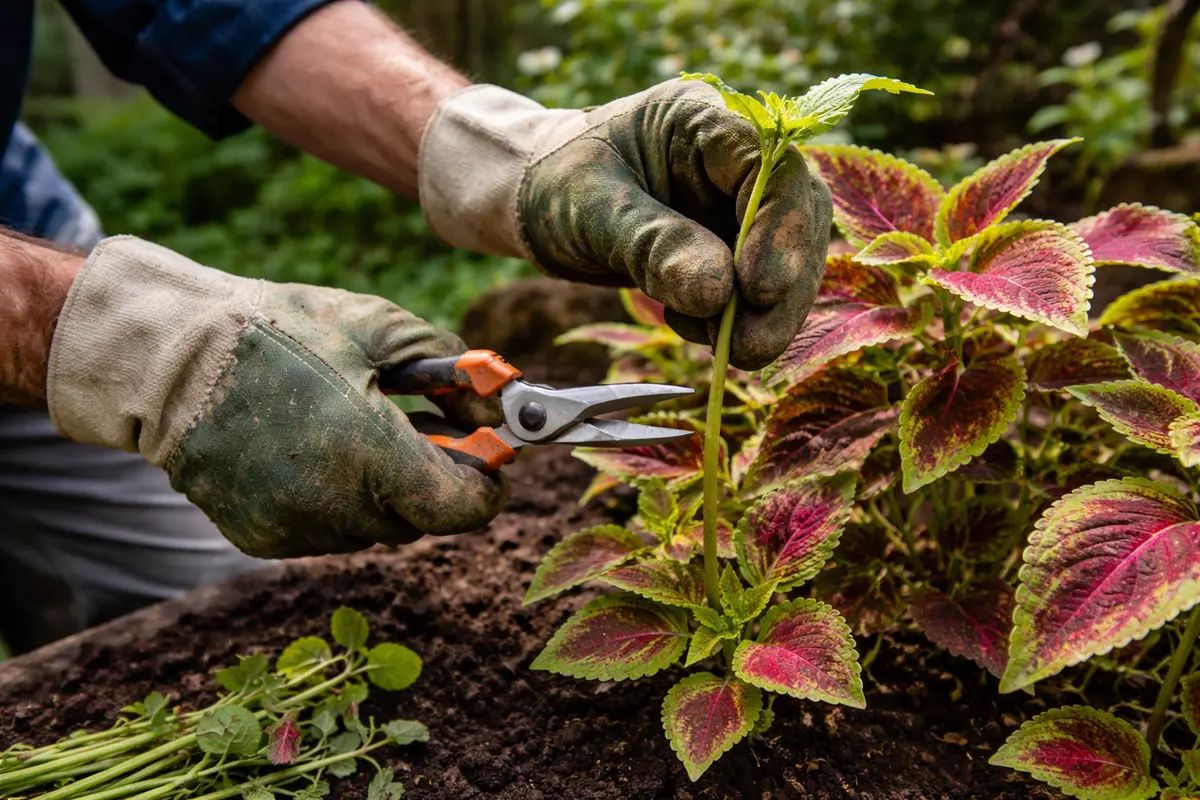
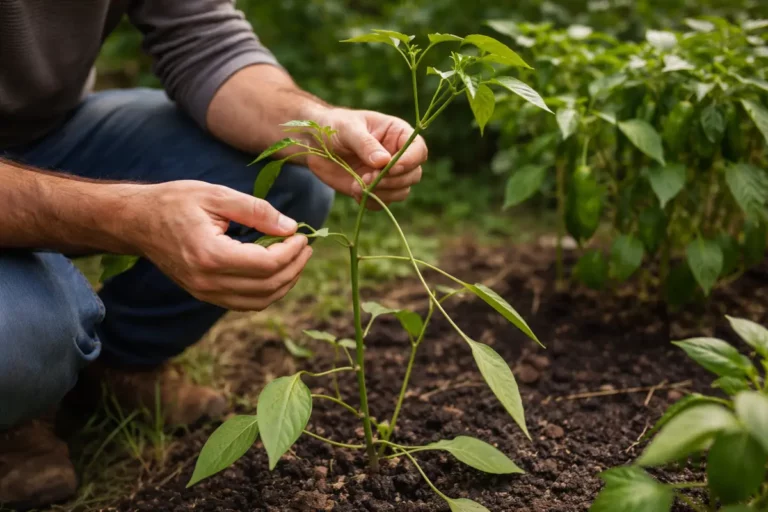
First, remove any excessively tall or leggy stems from your coleus by cutting them back to a point where you see healthy leaves and a bushy shape. By doing this, you should notice an immediate change in the plant’s form, making it appear fuller and more balanced as it redirects energy to remaining growth points.
Acting quickly prevents legginess from becoming a more ingrained trait in your coleus. When light is insufficient, plants stretch towards available light, leading to a weak structure if not addressed promptly. If you delay this intervention, the stems may become even more elongated and vulnerable, making recovery significantly harder, particularly if they crowd each other or form weak attachments, causing further instability.
For instance, a gardener who failed to prune leggy coleus early noticed they became nearly uncontrollable, requiring more drastic measures later that removed much of the plant. If not addressed, the weak stems became prone to breaking during routine handling—check for signs of crowding if your plant’s leggy growth persists.
When you cut back the leggy stems, it encourages the plant to produce new shoots from the remaining leaf nodes, leading to bushier growth within just a few days. Additionally, cutting back leggy growth helps prevent the plant from becoming top-heavy, which can lead to unstable stems that may break easily. Timing is crucial; if you delay your trimming for more than a week, the plant may continue to grow leggy, making recovery more challenging. For best results, trim the stems back at a 45-degree angle to optimize healing; this technique reduces moisture accumulation at the cut site, therefore minimizing disease risk. After trimming, you should notice new growth at the trimmed sites within a week, indicating a positive response.
A common mistake gardeners make at this stage is to hesitate in cutting back the leggy parts, thinking that they’ll improve naturally. In reality, the longer you wait, the weaker the plant becomes, resulting in more significant structural issues down the line. If overgrown stems are limp or fragile, take action quickly to avoid further damage. For instance, if you observe any wilting or extremely stretched stems, it’s vital to prune without further delay. Acting too late can necessitate more drastic pruning or corrective measures to restore the plant’s shape since leggy plants are less resilient and more prone to stress. Prompt action not only preserves the shape of the plant but also enables it to focus on producing new, healthier foliage.
Step 2 – Diagnose Light Deficiency in Coleus
Start by assessing the light conditions where your coleus is growing. Move your plant to a brighter spot or supplement with artificial grow lights, and you should notice a reduction in leggy growth within weeks as the plant begins to produce more compact leaves and stems.
Low light causes coleus plants to stretch towards available light, leading to weak, elongated stems and sparse foliage. When light levels are insufficient, the plant’s natural response is to elongate, a process fueled by hormones that promote upward growth rather than bushiness. Observe the difference: well-lit coleus have dense, vibrant growth, while those in low light become lanky and sparse. If your coleus exhibits wilting instead of leggy growth, check for root rot caused by overly moist soil.
If the soil is overly dry and hard, which restricts root expansion, consider increasing the frequency and amount of watering to promote healthy root growth. Additionally, if the leaves begin turning yellow while still appearing leggy, check for nutrient deficiencies and address with a balanced fertilizer designed for houseplants.
Leggy growth occurs when coleus plants stretch toward a light source, resulting in elongated stems with fewer leaves. This condition indicates that the plant is not getting sufficient light to produce energy through photosynthesis, leading to weak growth structures. In contrast, plants that receive adequate light develop robust stems and a denser leaf structure, showcasing a healthy and balanced growth pattern. If you notice yellowing leaves along with leggy growth, check for insufficient light instead of nutrient deficiency, as this can often be a sign of inadequate photosynthesis occurring.
If your coleus appears leggy despite adequate light, examine the soil for compaction or dry pockets. Compacted soil can restrict root growth and nutrient uptake, leading to weak stems. Alternatively, if the soil smells sour or appears excessively wet, it could indicate root rot. If this is the case, look to repot into fresh, well-aerated soil. Regularly monitoring soil drainage is essential to prevent both leggy growth and further issues; consider using a lightweight potting mix that allows for good airflow around the roots. For example, a mix that contains perlite or vermiculite can enhance aeration.
Light deficiency leads to poor photosynthesis, which negatively impacts the plant’s overall vigor. When coleus plants are deprived of sufficient sunlight for prolonged periods, they send out longer stems in search of light, resulting in that leggy appearance. By diagnosing and correcting the light setup now, you can halt this stretching and promote thicker, healthier stems. Ideally, coleus should receive at least six hours of bright, indirect sunlight each day to thrive. You can help facilitate this by rotating the plant every couple of weeks to expose all sides to the light, which helps combat the risk of uneven leggy growth.
If the soil is dry or the coleus remains leggy despite repositioning them to better light, reconsider your plant’s environmental humidity. If humidity levels are too low, especially in dry winter months, consider misting the plants or using a humidity tray. This increase in moisture will complement their water uptake and help them utilize available nutrients more effectively. Conversely, too much direct sunlight can cause sunburn; adjust carefully based on observed symptoms. For instance, if you begin to observe crispy edges on the leaves, this indicates sunburn, and the plant should be moved out of direct sunlight immediately to prevent further damage. Checking for humidity using a hygrometer can provide more accurate readings and guide your adjustments to create the ideal environment for the coleus.
Step 3 – Feed Coleus to Regain Robust Growth
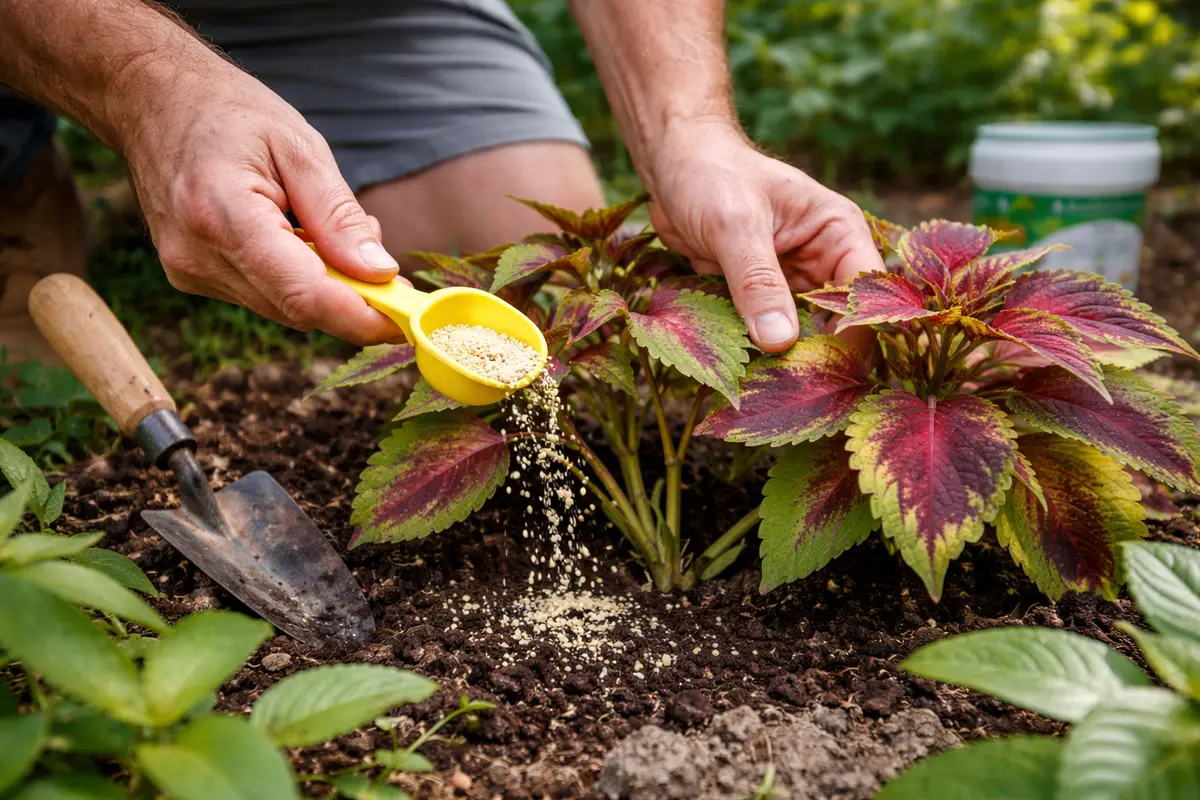
Apply a balanced, water-soluble fertilizer to nourish the coleus once you’ve corrected the light deficiency. You will see improved leaf growth and vigor within a week as the plant responds positively to the new nutrients. It’s essential to provide the right nutrients because this encourages the coleus to replenish its energy reserves, combating previous leggy growth. Aim for a balanced fertilizer such as a 20-20-20 NPK formulation, diluted to half-strength to prevent root burn. Remember, using too much fertilizer at once can lead to mineral buildup in the soil, which could harm root development; if you notice leaves curling at the edges or turning yellow shortly after fertilization, reduce the frequency and amount of fertilizer applied.
Nurturing your coleus with a monthly feeding regimen promotes consistent growth and vibrant foliage. After fertilizing, new leaves should appear thicker and fuller, effectively replacing the older leggy stems. It’s important to ensure your plants have the right amount of light, water, and nutrients in tandem, as an imbalance can lead to recurring leggy growth. Keep a close watch on the soil moisture; too much or too little water can negate the benefits of fertilization. Watering routines should match the plant’s needs; if watering every week, ensure the top inch of soil dries out completely before the next watering. This balance encourages healthy root growth without letting the roots saturate.
A common mistake during this recovery phase is to overfeed the plants, particularly when eager to restore their health. Over-fertilizing can burn the roots, leading to new growth issues rather than getting plants back on track. Signs of over-fertilization include leaf yellowing or browning; if you notice these, reduce the feeding frequency and flush the soil with water to help remove excess fertilizers. A gentle flush requires watering until the moisture drains from the bottom of the pot—this step helps to remove excess nutrients accumulated in the soil. Keeping track of your fertilization schedule can help identify optimal feeding windows that match your plant’s specific growth patterns.
Step 4 – Check Coleus Leaves for New Growth Signs
Start by checking your coleus plants at least every week for signs of leggy growth when they are in low light. Observe the length of the stems; they should be compact with leaves close together. After making adjustments to light conditions, recheck the growth in about two weeks to see if the stems are thickening and the foliage is becoming denser, which would be a clear indication of health returning to the plant.
A fully recovered coleus will exhibit dense growth, with stems that are shorter and robust, holding vibrant, closely grouped leaves. In contrast, early signs of the problem returning can include elongated stems with sparse foliage, where the leaves might appear pale or stretched. If you notice yellowing leaves, fading colors, or an increase in spacing between leaves, then the issue of low light might be resurfacing, signaling that further adjustments may be necessary.
If the leggy growth persists despite adjusting light conditions and monitoring, increase light exposure gradually as a fallback action. For instance, if you’ve incorporated grow lights, it could be beneficial to rise the timer duration incrementally every few days until getting the desired light conditions. If there’s no improvement after a few weeks, consider repotting the plant in fresh soil to boost nutrient intake, focusing on a well-draining mix. Additionally, check for pests or diseases that could be affecting growth if you’re not seeing any changes in the pattern; small infestations can draw energy away from plants that are already struggling, exacerbating leggy issues.
A fully recovered coleus will exhibit compact growth, with abundant foliage and vigorous stems that stand upright. If you notice any signs of leggy growth returning, such as elongated stems or stretched leaves, consider revisiting your care routine. Monitoring for these indicators is crucial; if younger leaves start developing with a lighter color or become paler than recommended, this indicates a nutrient deficiency that requires immediate troubleshooting. In cases where the soil does not retain moisture well, you may need to reevaluate your potting mix and consider repotting into a blend that retains moisture better without becoming waterlogged. Consistent drainage checks will help prevent root rot, a condition that can severely hinder recovery.
If growth does not improve after your interventions, reassess your conditions. This includes checking if the plants are receiving optimal watering, if they’re in the right light exposure, or if hidden pests are compromising their health. Address any small pest infestations—like spider mites or aphids—immediately as they can accelerate existing growth issues by damaging healthy plant tissue and sucking vital moisture. If multiple adjustments fail to yield positive results, consider seeking advice from a gardening professional who can provide tailored solutions based on your specific plant situation, thereby ensuring the recovery process is swift and effective.
FAQ
What causes leggy growth in coleus?
Leggy growth in coleus plants is primarily caused by insufficient light, resulting in elongated stems as the plant stretches towards the light source. This phenomenon can lead to weak growth and poor overall plant health, especially if not addressed promptly. Low light conditions can often be exacerbated by seasonal changes or poor placement in a home that lacks sufficient natural light exposure.
How can I prevent leggy growth in the future?
To prevent leggy growth in coleus, ensure they receive adequate bright, indirect light consistently. Regular pruning and proper fertilization also help maintain their bushy shape and encourage healthy foliage to flourish. Additionally, consider rotating the plant every few weeks to allow even light exposure on all sides; this practice not only helps prevent leggy growth but also promotes uniform coloration and a more compact growth habit.
Can I save a severely leggy coleus?
Yes, you can save a severely leggy coleus by trimming back the leggy stems, improving light exposure, and providing the necessary nutrients simultaneously. With consistent care, you should start seeing new growth and a more compact shape within a few weeks of initiating these changes. If conditions seem right, consider propagating healthy cuttings from the trimmed stems; this offers the opportunity to regenerate healthy growth while allowing the main plant to recover without risking total loss of the plant.