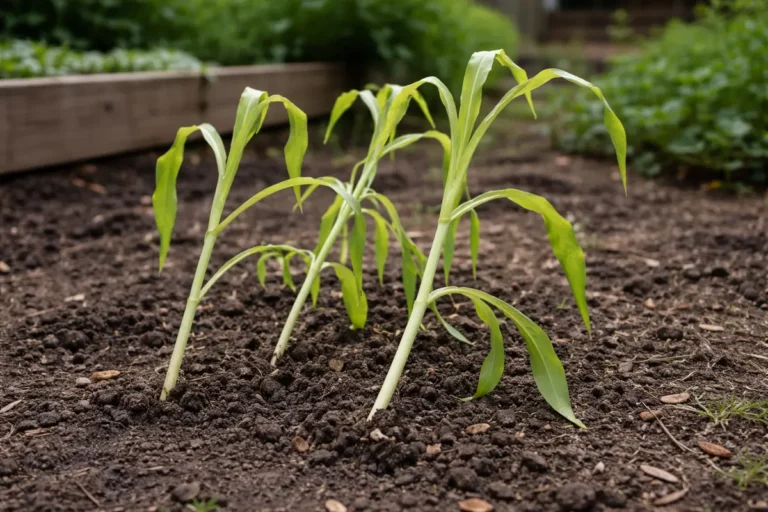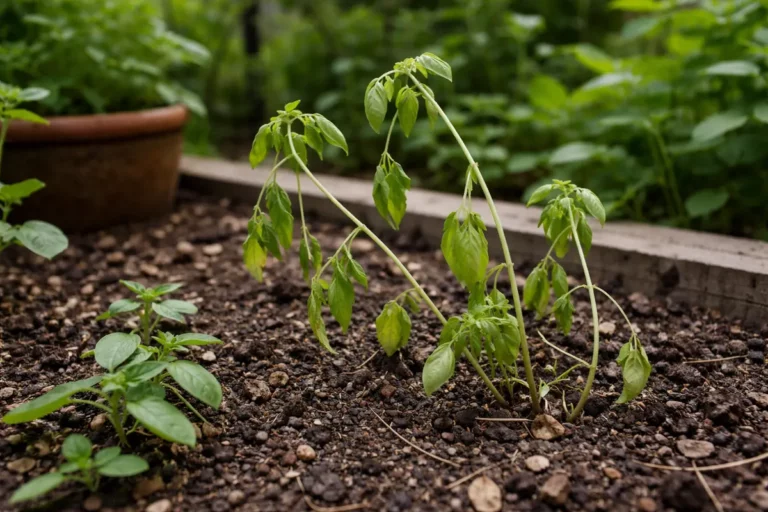
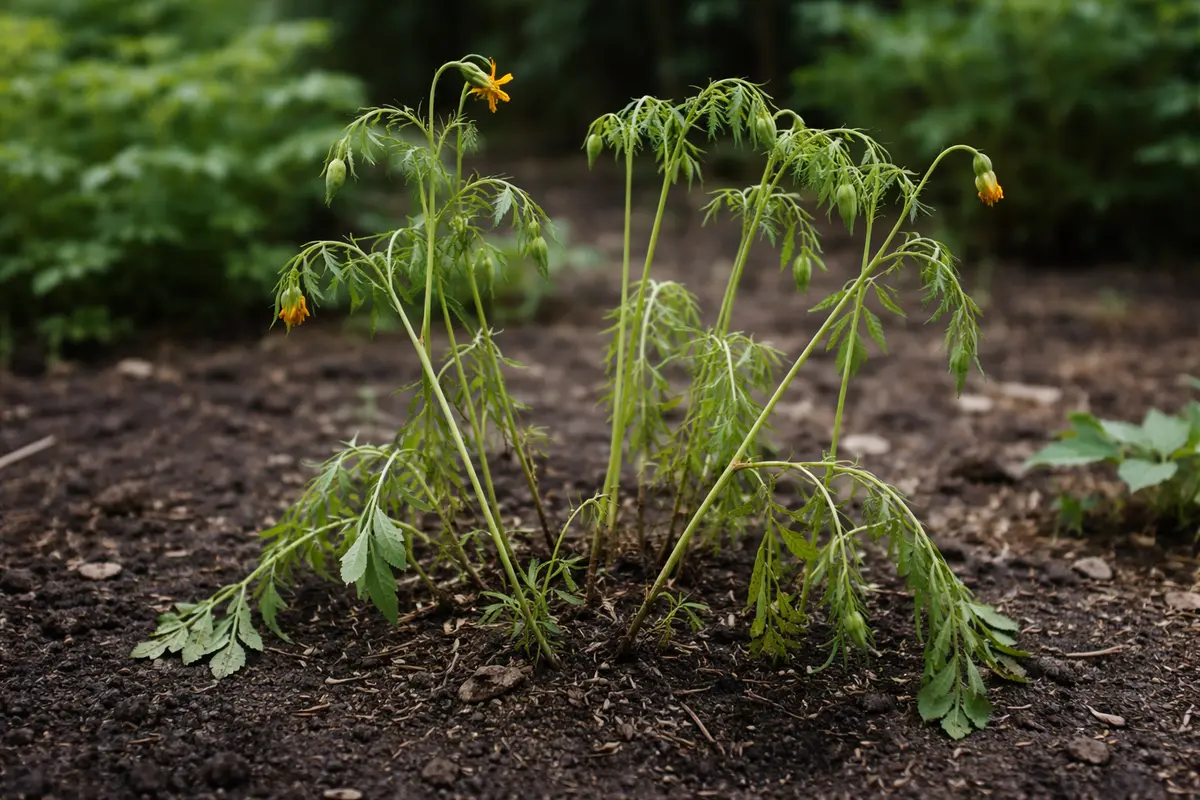
You may notice that your marigolds are stretching unnaturally towards the light during low light conditions, which is why you need to know how to stop leggy growth in marigolds during low light. This leggy growth results from inadequate light, causing the plants to elongate in search of more exposure, leading to weak stems and drooping flowers. If left unchecked, this problem can worsen and stalling growth might occur, but fixing it is possible now by adjusting their placement, monitoring light levels, and trimming back the leggy growth.
Step 1 – Trim Leggy Marigold Stems Quickly
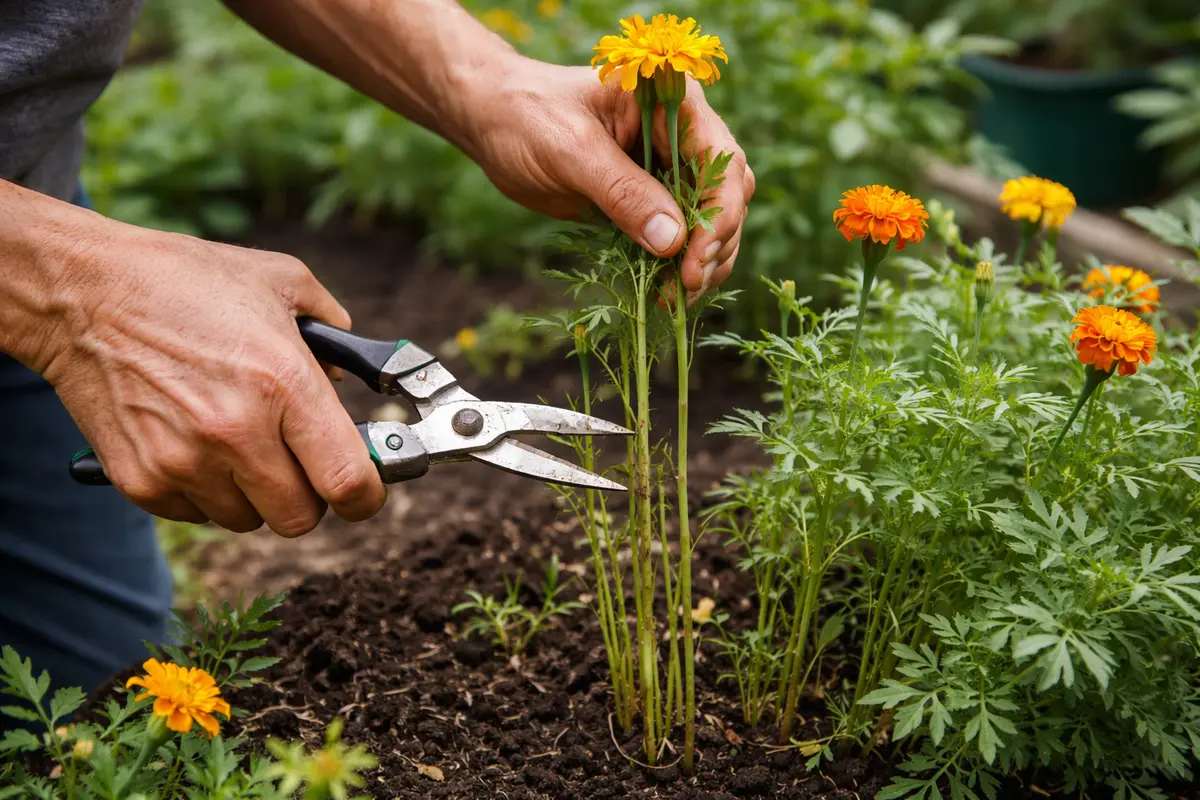
Start by cutting back any excessively long and thin stems on your marigolds to about one-third their length. You will observe a more compact plant structure immediately after trimming, as the remaining stems regain the energy necessary to support the flower heads. Removing these leggy stems redirects the plant’s energy into strengthening the remaining shoots and can promote healthier, bushier growth. Aim to see signs of recovery, such as thicker stems and new leaf growth, within a few days post-trimming—new leaves should begin emerging from node sites and the silhouette of the plant will begin to appear denser.
Acting quickly prevents the plants from wasting energy on weak growth. Marigolds thrive when less energy is spent on stem elongation, which leaves them more capable of producing new leaves and blooms. With each passing day in low light, the chances of breakage increase, leading to a situation where the plant can’t support its weight. Inspect your marigolds every few days to catch any excessive spindly growth as early as possible. Noticing a gradual increase in the overall height or length of stems often signifies a heightened urgency for intervention; if stems surpass their typical growth, they’re likely seeking light.
Many gardeners often hesitate to cut their plants, fearing they might cause further damage. However, in my experience, timely trimming allows for rapid recovery. Doing so encourages new growth immediately and establishes a healthier structure overall. Be sure to use clean, sharp scissors or pruning shears to make precise cuts; blunt tools can crush stems, which may introduce disease or invite pests, exacerbating the leggy problem. Experimenting with different cutting angles may help establish stronger growth patterns, potentially reducing future leggy situations. If you’ve trimmed incorrectly in the past, it may be beneficial to observe the plants afterward to understand how proper trimming promotes healthier regrowth, ensuring you gauge the differences in growth rates in subsequent weeks.
Step 2 – Diagnose Low Light Exposure Impact
Next, assess the amount of light your marigolds are receiving and adjust their environment if necessary. Once you’ve moved your marigolds to a spot with brighter light—ideally near a south-facing window—you should see an improvement in leaf vigor and a halt in further leggy growth within a few days. Marigolds prefer at least six hours of direct sunlight, so ensuring they get adequate light will not only promote lush, healthy foliage but also enhance their flowering potential. If your plants begin stretching again even in brighter conditions, it may indicate that the light source is not as strong or direct as required; note any plant movement—if they begin leaning again, they likely need stronger light.
Low light conditions inhibit photosynthesis, causing marigolds to stretch toward the light, leading to leggy growth. The plants need energy to develop strong stems, and insufficient sunlight can prevent this, making the stems weak and noticeably elongated. When relocating your plants, keep an eye on how long the new stems become after a week of improvement—this is an observable sign that gives insight into whether your repositioning was effective. A bright, sunny location can reinvigorate marigolds, allowing them to photosynthesize more efficiently, resulting in thicker stems and denser foliage that more distinctly fill the plant space.
If moving the marigolds outside isn’t an option, consider supplementing with fluorescent or LED grow lights for 12 to 14 hours a day. This method mimics natural sunlight, which can greatly enhance their growth conditions. Install the lights about 12 inches above the plants and move them closer as the foliage grows—if the plants stretch toward the light, it may indicate they need more illumination. Be vigilant about keeping the lights in proper position; if they are too far away, the plants will still tend to elongate, defeating the purpose of using grow lights. Additionally, if you’re in a particularly overcast region, adding reflective surfaces, such as white walls or mirrors around them, can help maximize the light availability in the area. Many gardeners may overlook the significance of reflective surfaces, but they can dramatically increase light exposure and minimize leggy growth. Check periodically to ensure that the added reflectivity is consistent and effective; adjusting angles or surface placements can improve light distribution dynamically, allowing light to cascade over the plants effectively.
Step 3 – Apply Nutrients for Marigold Recovery

Fertilize your marigolds using a balanced, slow-release fertilizer to support recovery after trimming and light adjustments. You’ll notice enhanced leaf color—a deeper green—and an increase in new growth over the coming weeks. Aim for a balanced N-P-K (nitrogen, phosphorus, potassium) formula, such as 10-10-10 or 14-14-14, which is essential for promoting overall plant health; evaluating nutrient levels regularly is important to prevent deficiencies from developing. Nutrient-rich soil promotes stronger stems, allowing your marigolds to stand upright and thrive, particularly in the critical weeks following your initial intervention where measurable growth can be tracked.
Providing the right nutrients is essential because marigolds require specific minerals and vitamins for optimal health. Nitrogen promotes robust leaf development, phosphorus supports blooming, and potassium strengthens overall vigor—helping your plants produce the vibrant flowers you desire. You can evaluate leaf color and overall vigor as indicators of sufficient nutrient intake; plants with pale or yellowing leaves demonstrate they aren’t receiving enough nutrients, and subsequently, leggy growth may return. Without these essential nutrients, your marigolds may struggle even if their light conditions improve. Furthermore, adding organic matter, such as compost, not only enriches the soil but also improves its structure, enhancing drainage and root aeration, which is vital for preventing future leggy growth and ensuring the plant remains physically supported.
One common mistake gardeners make during fertilization is overdoing it, leading to nutrient burn where tips of the leaves turn brown. If the soil feels dry to the touch at a depth of two inches, then your plants likely need water more than additional nutrients. Always administer fertilizer at the recommended rates—too much can cause leaf scorch, yellowing, or even death. Tracking your watering and fertilization schedule can help balance soil health and prevent future leggy growth. Additionally, be aware of how plants respond to different fertilizer types; if a chemical formula isn’t performing as expected, switching to an organic option may yield better results due to naturally slow nutrient release patterns. On that note, always opt for a liquid fertilizer when you want immediate effects while avoiding nutrient buildup; be cautious with long-term slow releases and monitor the plants for any signs of stress that may indicate overload or inefficiency.
Step 4 – Inspect Marigold Growth Weekly for Changes
Monitor your marigolds weekly for signs of improvement or any symptoms of returning leggy growth. Ideally, you should start to observe new, healthy shoots and a firmer overall appearance within a week or two post-fertilization. Regular checking allows you to catch any potential issues early on, ensuring your plants remain healthy and upright. This proactive approach also allows you to fine-tune your growing conditions if necessary, adjusting light or nutrient levels based on their responses; visibility into their progress can provide insights needed for immediate adjustments.
A fully recovered marigold should exhibit firm stems, rich green leaves, and a compact shape that reflects the vigor of their growth. If the growth remains weak or if the stems start to elongate again, it’s a sign that your adjustments may not be sufficient. Keep an eye out for patterns of growth; if the plants continue to stretch despite your interventions, this signals that deeper care adjustments are needed. Additionally, look for any pale leaves or signs of wilting—these can indicate more severe issues like nutrient deficiencies or diseases. Regular monitoring not only helps ensure the plant continues to thrive as conditions change, but also prevents the onset of leggy growth from returning, as early intervention is often key. If problems persist and plants fail to respond positively within a designated time frame, consider consulting a local horticulturist for an expert assessment of the situation.
If the leggy growth returns despite following these steps, inspect for pests or diseases, which can weaken the plant and hinder recovery. Aphids, for instance, can sap energy from the plant, leading to stunted growth and leggy stems, which can be especially troublesome in areas with high humidity. If pests are present, it may be necessary to take further action, such as applying insecticidal soap or neem oil—these are more effective when sprayed early in the infestation cycle. Don’t hesitate to consult a local gardening center for advice tailored to your specific conditions, as they can provide valuable resources to manage specific issues such as pest infestations or plant diseases; knowing your locale’s pest trends is crucial to forming a tailored protection plan.
FAQ
Can I grow marigolds indoors to avoid leggy growth?
Yes, but ensure they receive adequate light by supplementing with grow lights for at least 12 hours daily. Indoor conditions often lack sufficient natural light, causing stretching and subsequently producing leggy growth. Regularly monitor their light exposure and adjust their placement as needed to prevent leggy growth from occurring in the first place, making sure they are positioned in well-drained potting mix. If using grow lights, adjust them regularly based on plant growth so that the light stays effective and consistently promotes healthy stems without encouraging spindly growth.
Should I remove all leggy stems right away?
Remove the most elongated stems first to promote healthier growth while ensuring the plant’s shape remains balanced. It’s often good to assess how they respond after pruning before removing too many stems at once, as an aggressive cut can shock the plant and potentially worsen the leggy issue. Gradually removing stems allows the plant to redirect energy to the remaining foliage more effectively; swift removal of all leggy parts can lead to excessive loss of green matter, which is crucial during recovery. Observe the concentration of leggy growth patterns after your initial assessment; prioritizing removal there can maximize recovery potential while sustaining overall plant health.
How long does it take for marigolds to recover from leggy growth?
Recovery can take anywhere from a few weeks to a couple of months, depending on environmental conditions and care levels. Keep them in well-drained soil and provide ample sunlight to speed up the healing process, as poor drainage can often compound stress factors affecting recovery. Visible signs of recovery, like new shoots and deep green foliage, usually indicate positive progress; however, if significant growth does not occur within this timeframe, reassess the light, watering, and nutrient conditions for potential adjustments. A general guideline is to monitor growth context over four to six weeks to ensure consistent improvement, and keep in mind that overall resilience varies with factors such as temperature, humidity, and soil quality.