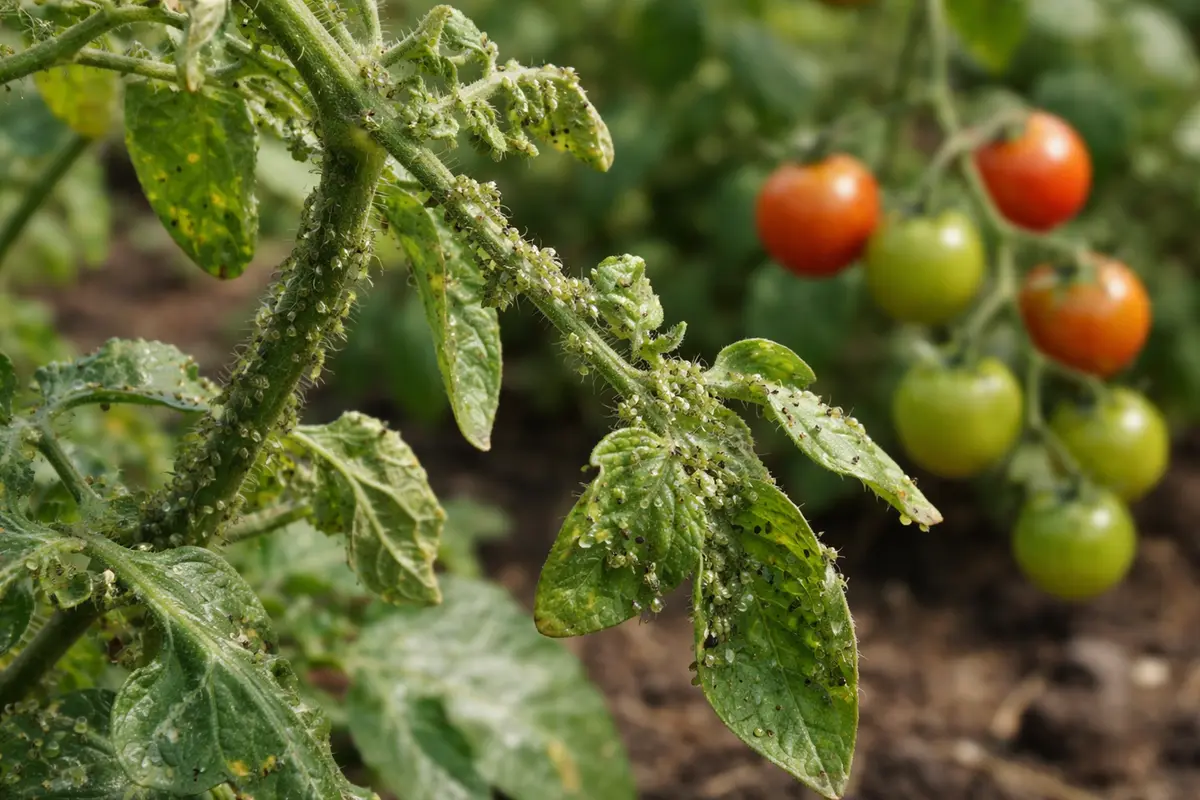
You may notice tiny insects clustering on your cherry tomato plants after transplant, which is why you need to know How to stop aphids on cherry tomato plants after transplant. These pests suck the sap from the tender leaves, leading to yellowing and possible wilting of the foliage. If left unchecked, the infestation can spread, weakening the plant and setting its growth back, but addressing it now is possible—just inspect for pests and remove any infested leaves while also monitoring the plants regularly.
Step 1 – Spray Insecticidal Soap on Tomato Foliage
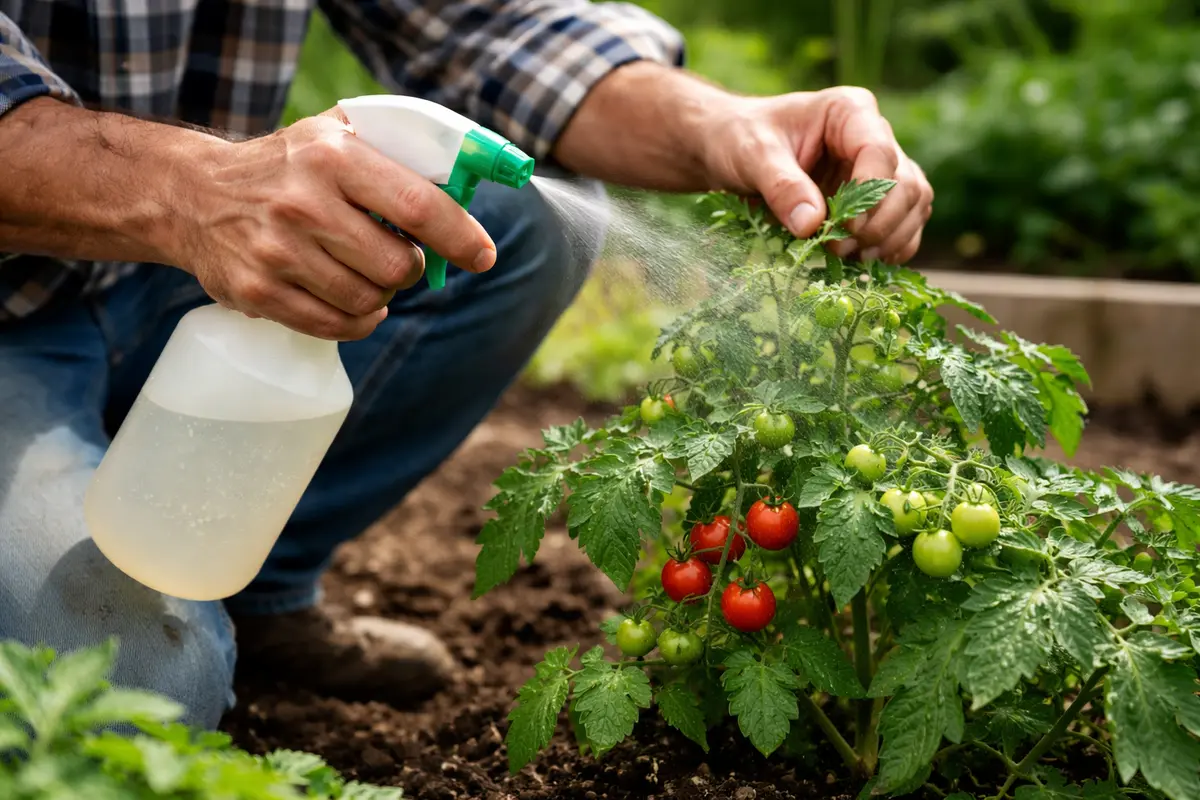
Start by spraying insecticidal soap thoroughly over the entire foliage of your cherry tomato plants, ensuring you coat both the tops and undersides of the leaves. You will notice a marked decrease in aphids clinging to the leaves within three to five days, as the soap disrupts their cell membranes, leading to dehydration and death. Apply the soap generously, as a targeted approach will suffocate the pests effectively and stabilize your plants in their new location.
Acting fast is crucial; delaying treatment allows more aphids to reproduce, compounding the problem. Newly transplanted cherry tomatoes are especially vulnerable to infestations due to stress from relocation, and aphids thrive under warm, dry conditions, often found in spring and early summer. If you observe a small cluster of aphids initially, it is imperative to intervene quickly. If you see aphids reproducing unchecked, even a few can escalate into hundreds or thousands within weeks, making management significantly more difficult. If not treated promptly, check for signs of wilting or yellowing leaves, which indicate a more severe infestation.
A common mistake among gardeners is waiting too long to address aphid sightings, thinking they can manage the issue later or that it will self-correct. Such inaction can lead to an unexpected explosion in aphid numbers, complicating recovery efforts. Be prepared for a second application of soap within seven to ten days if you’re dealing with an extensive infestation to ensure all aphids are eliminated. It’s better to err on the side of caution; a second treatment can target any new hatchlings that may emerge while the initial application is still effective. Additionally, consider applying the soap in the evening to avoid harming beneficial insects actively foraging during daylight hours, such as bees or ladybugs.
Step 2 – Investigate for Aphid Infestation Sources
First, remove any infested leaves from your cherry tomato plants and spray the remaining foliage with a solution of water mixed with a few drops of dish soap. This action will suffocate aphids and significantly reduce their populations, leading to healthier leaf development within days.
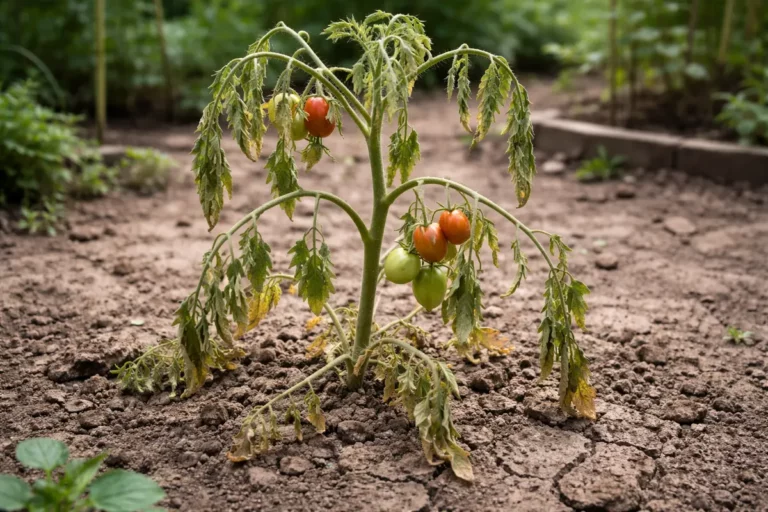
Aphids thrive on the sap of cherry tomato plants, weakening them and causing curling or yellowing of the leaves. When you notice symptoms like stunted growth or discoloration, it indicates that these pests are draining necessary nutrients, while a plant with healthy foliage lacks these signs and shows vigorous growth instead. If you still observe aphids after treatment, verify that they haven’t established a colony on the undersides of leaves, as these hidden areas can continue to support their spread.
If the leaves have a sticky residue or appear wilted and droopy, this can indicate an infection by a fungal pathogen instead. In this case, treat the plants with a fungicide and ensure that they have adequate sun exposure to prevent further fungal development, as excessive moisture contributes to this condition. If the soil retains excess water, shift to a well-draining mix to avoid root rot.
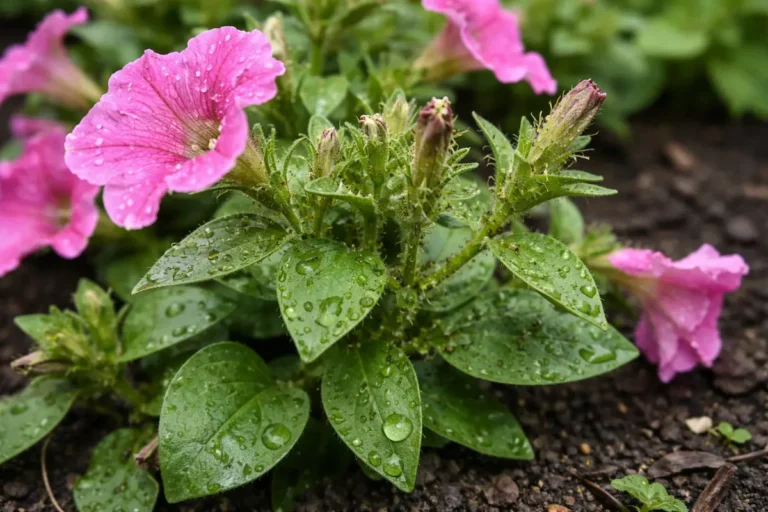
Aphids often thrive in high-nutrient environments, particularly if there are plants nearby that invite them, such as clover or ornamental flowers. Once these sources are identified, you can implement strategic gardening practices, such as removing host plants or using companion plants that repel pests, to minimize aphid populations. If you neglect to take this step, you risk re-infestation since aphids can quickly migrate from surrounding flora to your tomato plants, especially in a dense garden layout. Understanding the behaviors of aphids allows you to create a more hospitable environment for your tomatoes while deterring pests.
If you spot aphids on other plants nearby, be sure to treat those areas as well. Conversely, if aphids seem isolated to your cherry tomatoes, investigate whether soil health issues might be contributing to the infestation. Poor soil conditions, such as compacted soil or nutrient deficiencies, can stress the plants, rendering them more susceptible to pests. Observing overall health is critical; for instance, if neighboring plants appear stunted or unhealthy, they might also be contributing to the problem. Take multiple soil samples from different areas to assess nutrient levels, as this can guide your treatment decisions and help prevent future outbreaks.
Step 3 – Fertilize Cherry Tomatoes to Strengthen Growth
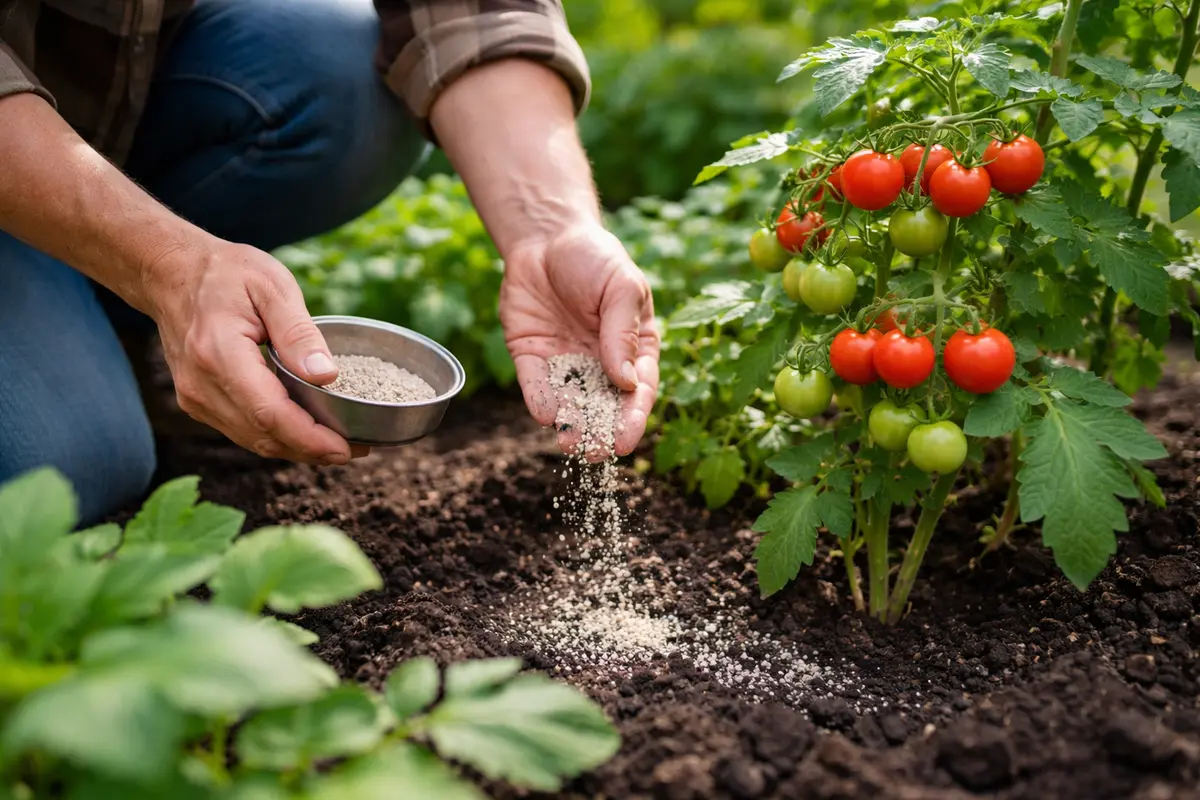
Start by applying a balanced fertilizer to your cherry tomato plants to promote healthy growth. With the right nutrients, you should see a noticeable improvement within a week, such as brighter green leaves and new growth emerging from the stems.
Recovery progresses as the foliage unfolds, indicating that your plants are regaining strength. For example, vibrant new leaves should begin appearing at the tips of branches, showcasing a robust recovery. Conversely, if you notice continued wilting or yellowing leaves, this may indicate a need for adjustments in care, such as nutrient levels or watering practices.
Be mindful of your fertilization routine; too much fertilizer can lead to excessive foliage growth but can also attract more aphids. Instead, maintain a consistent feeding schedule with a balanced nutrient application. After fertilizing, observe how your plants respond—if the leaves are lush and green, that signals successful nutrient uptake. In contrast, yellowing leaves may suggest nutrient deficiency or over-fertilization, necessitating adjustments.
Typically, healthy recovery takes about one to two weeks, during which you should see vigorous leaf development and the return of rich coloration in previously affected areas. Warmer conditions and appropriate watering will hasten this process, while excessive moisture or cold nights may hinder recovery. If you encounter persistent blackened or wilted leaves, reassess your watering strategies; poor drainage could be compromising recovery.
During this step, ensure you avoid overwatering, as this can lead to root issues that slow down recovery. A consistent watering schedule that balances moisture is crucial—plants that are overwatered will struggle despite nutrient applications. If your tomatoes continue to show distress signs despite proper watering, inspect for hidden damage, such as root rot or pests further impacting their health.
When fertilizing, adhere strictly to application instructions, typically yielding 1-2 tablespoons per plant based on product concentration. Over-fertilization can harm plants, leading to poor health and increased susceptibility to pests. Prior to fertilization, check the moisture levels; applying nutrients to dry soil can stress the plants, so allow for moisture stability before proceeding. If you notice waterlogged soil, pause fertilization until soil conditions improve, as excess water can promote root rot, intensifying vulnerability to aphids.
Consider using organic options like compost or well-rotted manure, enriching soil naturally without chemical buildup. This also supports improved soil structure, enhancing drainage and root development. Monitor your plants closely after fertilization; healthy plants will exhibit vibrant colors and vigorous growth signals, while lack of nutrients will manifest as pale foliage and stunted growth, inadvertently making them more inviting to aphids.
Step 4 – Employ Companion Plants to Deter Aphids
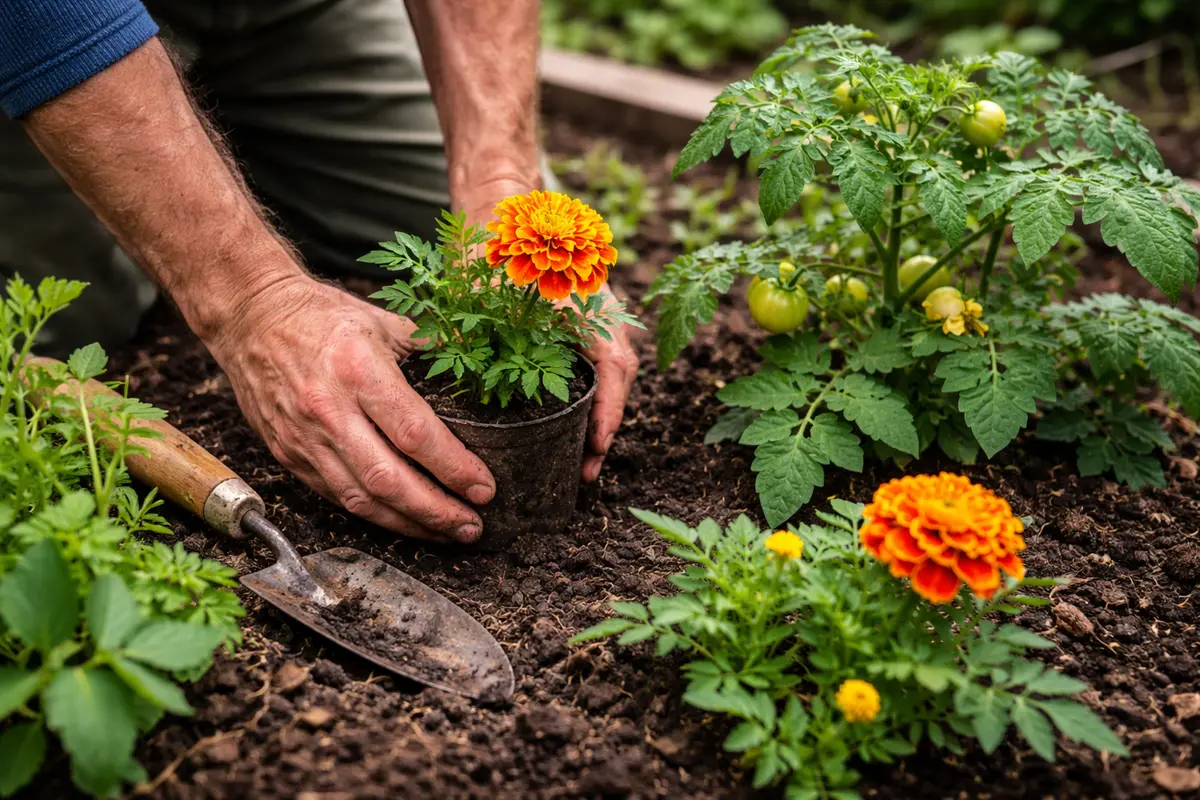
Start by incorporating companion plants like marigolds and basil around your cherry tomato plants to create a protective environment against aphids. This practice immediately enhances biodiversity and can naturally deter pest populations while bolstering plant health. Begin this setup at the time of tomato transplanting for optimal benefit, and observe the changes in both pest behavior and plant vitality.
Regularly inspect your companion plants for signs of increased beneficial insect activity, such as ladybugs, which indicate a healthy ecosystem. If ladybug populations are low and aphids are present, increase the diversity of your companion plant species to attract more predators. It’s crucial to sow these companion plants at the same time as your tomatoes; if you are late and they mature slower, you might witness a spike in aphid numbers as your cherry tomatoes mature.
For ongoing prevention, apply a neem oil solution weekly to your cherry tomato plants alongside your companion planting. This combination not only creates a physical barrier against aphids but also supports plant resilience through nurturing companion species. In the height of summer, when temperatures rise and aphid populations can explode, increase neem oil applications to twice a week to maintain protective coverage.
If you observe heavy aphid populations despite following these practices, check for environmental stressors such as excessive heat or inadequate watering, which can weaken your plants and make them more attractive to aphids. Employing row covers during the early season can also provide immediate relief by blocking aphids until your companion plants become established and beneficial insect populations rise. Continually assess the interaction between your cherry tomatoes and companion plants; if aphid numbers stabilize or decline, your strategic approach is proving effective.
Step 5 – Look for New Aphid Activity Weekly
Check your cherry tomato plants for new aphid activity on a weekly basis. Following your intervention efforts, you should be observing fresh growth, vibrant leaves, and no new aphid sightings if your efforts have been effective. Regular inspections help catch any returning pests early before they can establish a significant population, ensuring prompt action. Focus particularly on the newer foliage; aphids prefer young, tender leaves where they can feed more readily.
Healthy cherry tomato plants will display resilient leaves and vigorous upward growth, demonstrating that they are defending well against aphids. During your inspections, remain vigilant for any signs of wilting, leaf curling, or sticky residue (honeydew) on the leaves, which could indicate further infestation. Establishing a routine can help you remain proactive; for instance, plan your checks immediately after watering or during your regular garden maintenance chores.
If you discover new aphid activity despite previous interventions, consider repeating the insecticidal soap application or exploring more potent organic solutions like neem oil, which can tackle pests while being beneficial for plant health. Typically, neem oil works by disrupting the hormonal processes of pests, preventing them from maturing into reproductive adults. Use these alternatives if initial methods show signs of failure, adjusting your tactics based on visible indications, such as the severity of the infestation. Early intervention is crucial to maintain a healthy crop of cherry tomatoes, especially during their critical early growth stages. Engage in weekly monitoring to sustain vigilance against any resurgence, as aphids can proliferate quickly under ideal conditions.
FAQ
How long does it take for aphids to damage cherry tomato plants?
If left untreated, aphids can cause visible damage to cherry tomato plants within just a few days, leading to wilting, leaf distortion, and stunted growth. Early signs often manifest when leaves begin to curl, yellow, or develop a sticky residue. Prompt action is crucial to prevent extensive damage, as a large population can develop rapidly once aphids establish themselves.
Can aphids spread to other plants in the garden?
Aphids are highly mobile creatures and can quickly migrate to nearby plants, increasing the risk of widespread infestation. If you see significant activity concentrated in one area, it is advisable to monitor surrounding plants closely, as an infestation can spread rapidly within your garden ecosystem. Maintaining diversified plant species in your garden can significantly mitigate the risk and provide natural barriers against farm-wide pest outbreaks.
Should I remove affected leaves from my cherry tomatoes?
Yes, if you notice leaves that are heavily infested or damaged, pruning them can help the tomato plant focus its energy on healthier parts. This is especially important if the infestation is severe, as it actively reduces the overall aphid population that could otherwise rebound. Be sure to properly dispose of any removed leaves—consider sealing them in a bag before disposal to avoid reintroducing aphids into your garden area.