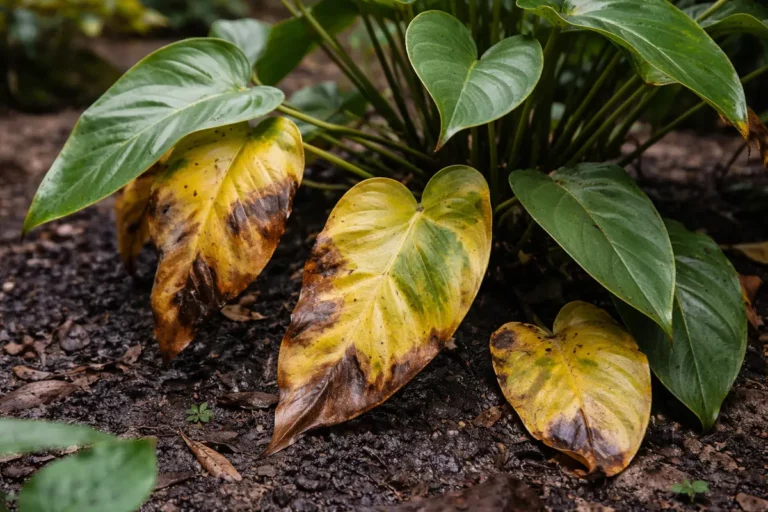
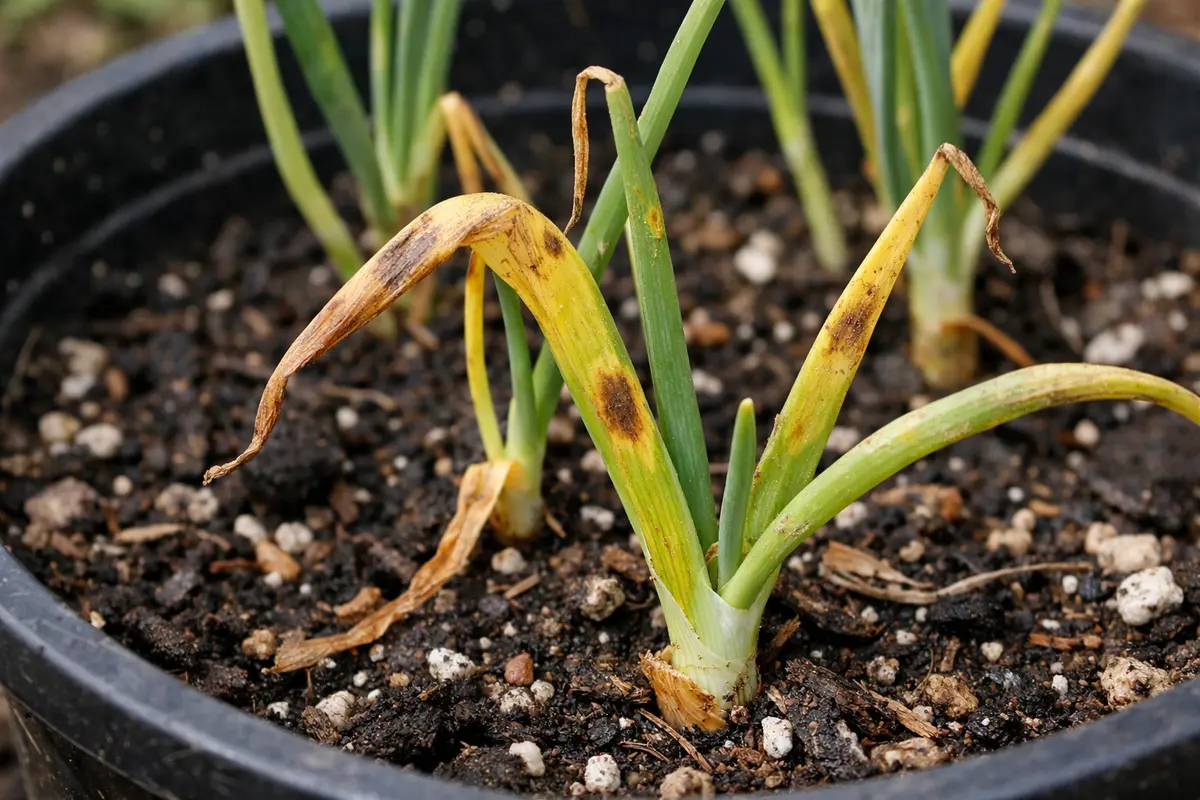
You may notice that, during the heat of summer, your onion seedlings are turning yellow in their pots, which is why you need to know what to do when onion seedlings yellow in pots. This yellowing often indicates a nutrient deficiency or root stress, leading to wilting leaves and overall plant decline. If left unaddressed, this issue can worsen and weaken the plant, making recovery harder. Fortunately, you can inspect the soil quality, adjust watering practices, and monitor growth to help your seedlings thrive once more.
Step 1 – Inspect Onion Seedlings for Overwatering Signs
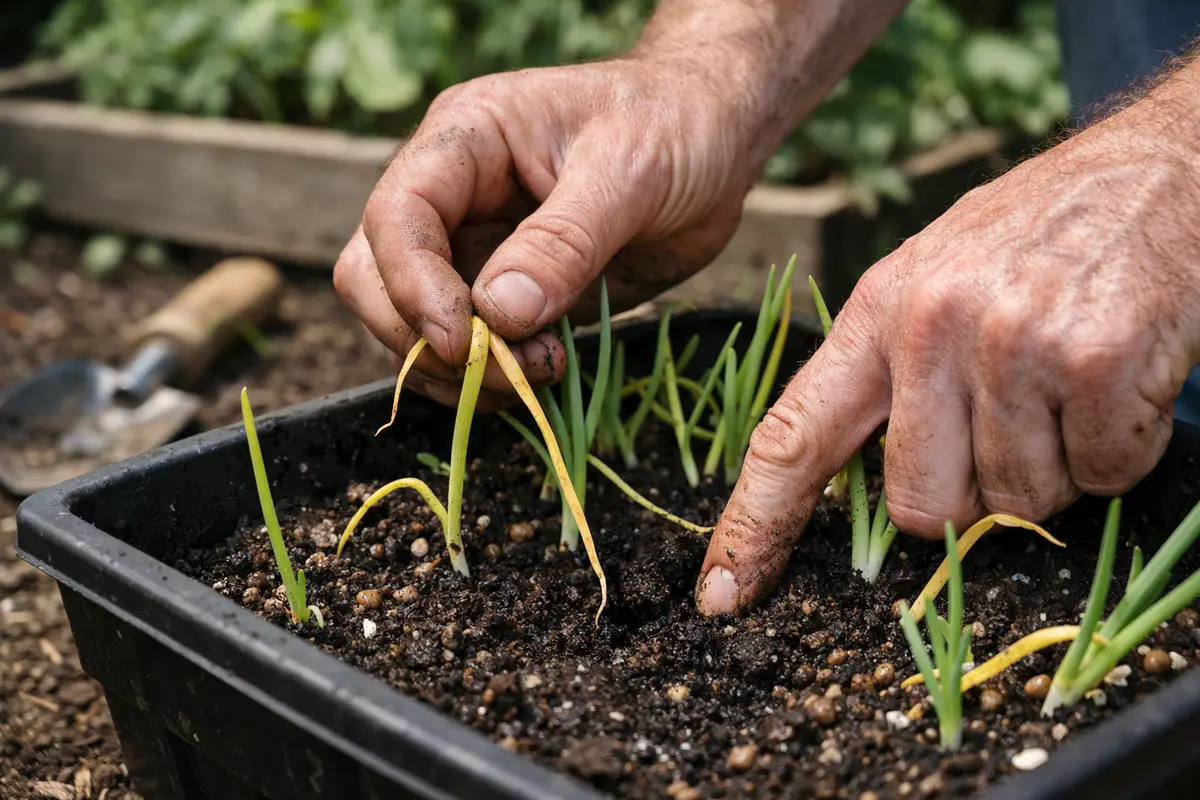
Start by checking the soil moisture of the onion seedlings immediately. You will notice whether the soil feels excessively wet or if there is standing water in the pot, which indicates overwatering. Use a moisture meter for precision if available; this can offer a clear reading of how saturated your soil actually is.
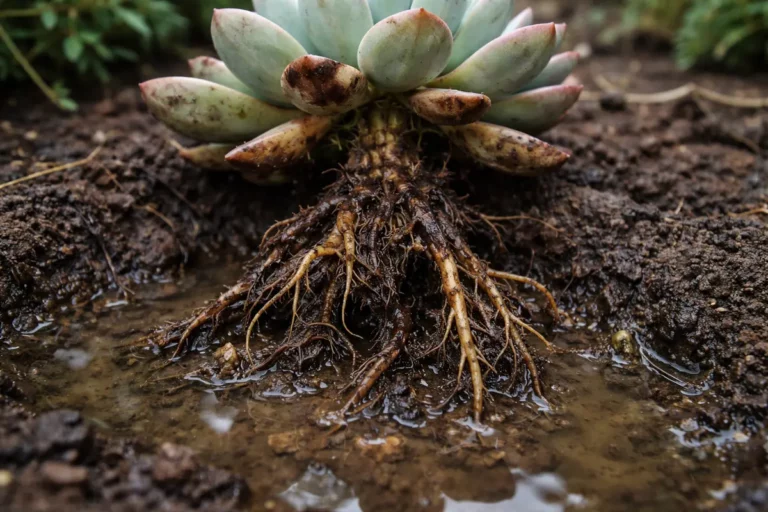
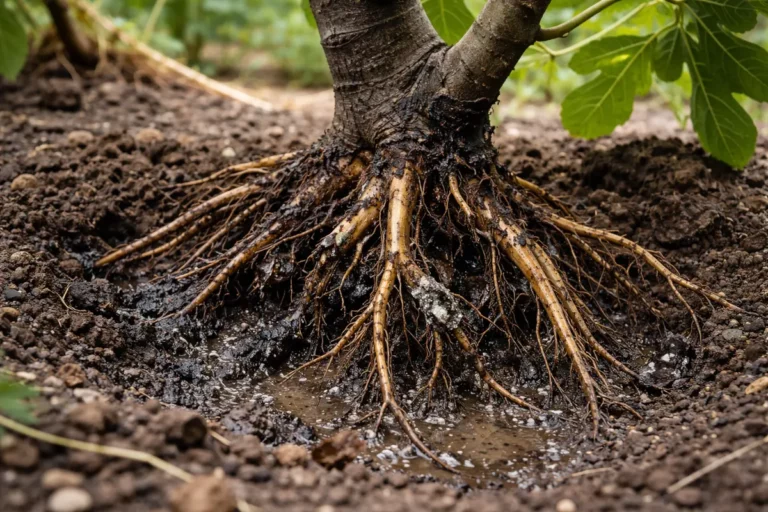
Overwatering leads to root rot and prevents the plant from absorbing essential nutrients, resulting in yellowing leaves. Onions require well-draining soil because they are particularly susceptible to waterlogged conditions, especially after heavy rains. If the roots are consistently saturated, they can suffocate and weaken, hindering the plant’s overall health. To gauge the moisture content accurately, insert your finger into the soil up to the second knuckle. If it feels like mud, the soil is too saturated, and you’ll need to take immediate remedial action.
A common mistake gardeners make at this stage is to wait too long before addressing water issues. If you notice the potting mix remaining soggy for more than a few hours or a sour smell coming from the soil, that demands immediate action to prevent ongoing root damage. Additionally, ensure that drainage holes at the bottom of the pot are clear; any obstructions can lead to serious root health issues. If drainage is poor, consider repotting into a container with better drainage capabilities or mix in perlite or coarse sand to improve aeration and water retention balance. If transplanting, be cautious not to disturb the roots excessively, as this can further stress the plant.
Step 2 – Diagnose Nutrient Imbalance in Onion Pots
First, check the moisture level of the soil; if it’s too dry, water the onion seedlings immediately. Within a few days, you should see the yellowing start to improve as the plants receive the necessary hydration and nutrients.
The yellowing of onion seedlings often indicates stress from inconsistent watering, which leads to insufficient moisture in the soil. When the roots do not absorb enough water, the plant will start to shut down some of its physiological processes, resulting in yellow leaves. In contrast, healthy seedlings typically exhibit a vibrant green color, indicating they are receiving adequate moisture and nutrients. If not dry → check for root rot.
If the soil smells sour when disturbed, it could indicate overwatering and anaerobic conditions. In this case, it’s crucial to allow the soil to dry out completely before watering again and consider repotting to fresh soil. Alternatively, if the soil feels overly compact, aerate it to improve drainage and root oxygenation.
Nutrient deficiencies can arise from using poor-quality potting mix or even from overwatering, which washes away essential nutrients in the soil. A lack of nitrogen in particular makes it difficult for the onion plants to produce chlorophyll, which is crucial for their green pigmentation. Testing your soil can determine if the existing nutrients are adequate or if a replacement is necessary. Soil testing kits are widely available and usually straightforward, often requiring only a soil sample mixed with water and a reagent to reveal nutrient levels. If the test reveals low nitrogen levels, it’s time to act.
If your soil has a sour smell or if the pH is unbalanced (typically above 7.0 for onions), switch to a balanced fertilizer that includes nitrogen, phosphorus, and potassium. This adjustment aids in rectifying the nutrient levels, helping your onions regain their vibrant color and strength. However, if testing confirms adequate nutrient levels but yellowing persists, it might indicate a problematic soil structure or compaction. Additionally, consulting a local extension service for soil testing to specifically address deficiencies can provide tailored advice. Timing is critical; aim to fertilize when seedlings are actively growing, often in early spring for outdoor plants or when they have developed a few sets of true leaves for indoor seedlings.
Step 3 – Feed Onion Seedlings with Balanced Fertilizer
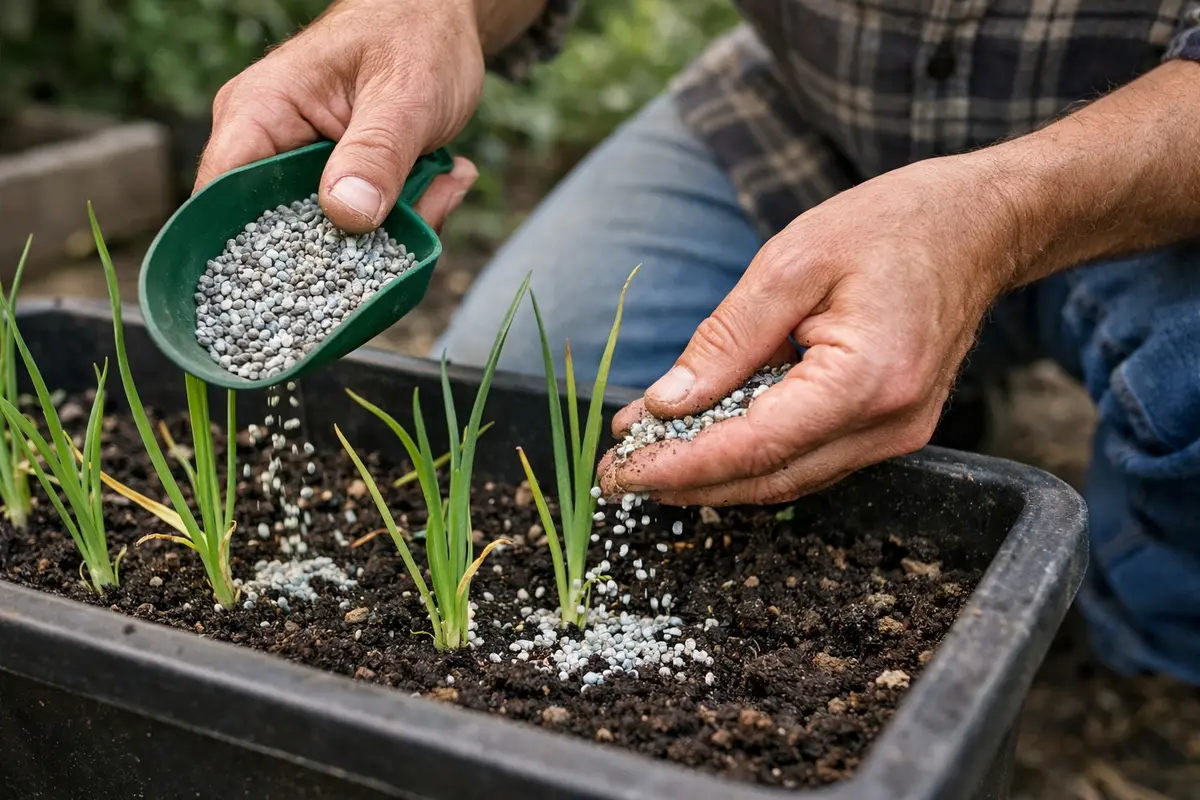
Start by reducing watering to ensure soil has proper drainage and is not waterlogged. Within a week, you should see the leaves of the onion seedlings start to green slightly, indicating that the stress from overwatering is easing.
Typically, onion seedlings may take a few weeks to show significant improvement, with healthy regrowth characterized by new lush green leaves that stand upright. Factors that enhance recovery include providing adequate sunlight and warm temperatures, while cooler conditions or heavy rainfall can hinder their progress. If you find the seedlings still yellowing despite this care, check for potential root rot caused by insufficient drainage.
Avoid overcompensating with high doses of fertilizer, as it can lead to more stress and leaf burn. Timing is crucial; give your seedlings time to adjust and only apply a diluted liquid fertilizer after they show signs of recovery, as early application can exacerbate yellowing.
In a week, healthy onion seedlings should exhibit a noticeable increase in vibrant green color. Recovering seedlings typically display a robust growth pattern and slender, upright foliage. Conditions that encourage faster recovery include optimum sunlight and avoiding overcrowding in pots, while excessive shade or overly wet soil will stunt their progress—if leaves begin to brown instead of green, check for root rot.
Avoid the trap of over-fertilizing in an attempt to speed recovery; this can lead to nutrient burn and further stress the seedlings. Instead, focus on balanced care and monitor for any signs of excessive growth, which might indicate too much fertilizer. If the seedlings show stunted growth despite your efforts, check for root crowding as a possible issue.
When onions receive the right nutrients, they begin to produce chlorophyll more effectively, resulting in lush, vigorous leaves. A balanced fertilizer containing equal parts nitrogen, phosphorus, and potassium will support their growth. Proper fertilization is critical, especially in the early growth stages, to establish a strong root system and leaf structure. Avoid granular fertilizers that might not dissolve evenly and lead to root burn; instead, opt for a liquid concentrate diluted to half-strength for better absorption and less risk of over-fertilization. This approach allows nutrients to be available for immediate absorption.
However, avoid the temptation to over-fertilize, which can burn the roots and exacerbate yellowing. If your seedlings do not show signs of recovery within a week, ensure the concentration isn’t too weak or that you’re not applying it during excessively wet soil conditions, as both factors can hinder nutrient absorption. Additionally, if symptoms persist, consider rotating fertilizers every few cycles; sometimes, specific nutrient uptake may depend on variations in soil microflora or simply nutrient lockout due to past overwatering. For instance, switching to an organic fertilizer after several weeks of synthetic use can help diversify nutrient availability.
Step 4 – Water Onion Seedlings Properly to Avoid Yellowing
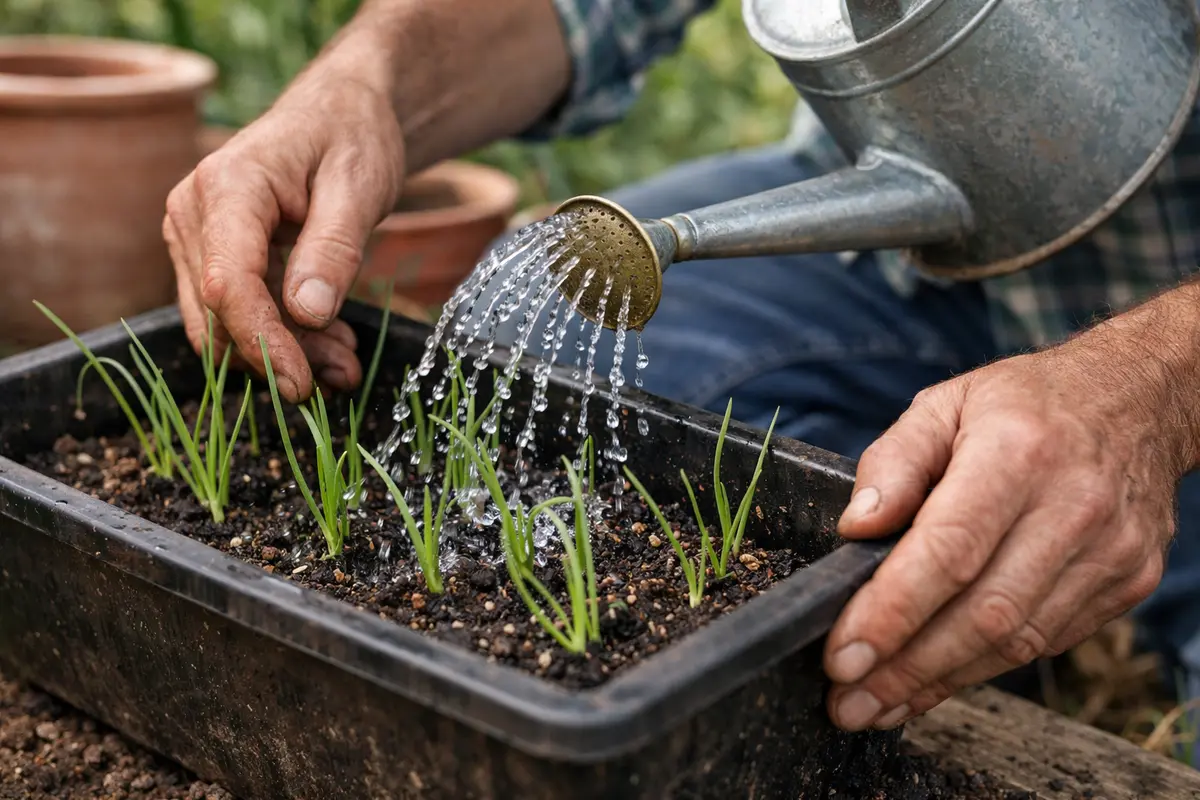
Adjust your watering routine to ensure your onion seedlings receive adequate moisture without being overwatered. Consistently check the top inch of soil; if it feels dry, water until it is evenly moist but not soaked. Furthermore, investing in self-watering pots can help manage moisture better, particularly in varying climates.
Proper watering encourages healthy root growth and prevents the leaves from yellowing. Overwatering can create a hostile environment for root development, leading to nutrient leaching, while underwatering can stress the plant and affect its overall health. A well-considered watering schedule should be established based on weather conditions: in hot weather, check soil moisture daily. If your seedlings are placed outdoors, be mindful of environmental changes; hot days may require a daily check for moisture, while cooler, more humid days might need less frequent watering. In case you have drip irrigation set up, ensure the emitter is delivering moisture as intended.
As seasons shift, watch for changes in evaporation rates due to heat or humidity. Many gardeners overlook this aspect, leading to erratic growth patterns. Additionally, consider using a mulch layer on top of your potting mix for added moisture retention while preventing excess evaporation during hotter months. The mulch also helps regulate soil temperature, promoting optimal growth conditions. If the weather becomes extremely dry, products like water-retaining granules mixed into the potting soil can provide additional hydration options, especially important for developing seedlings. This can lead to a notable uptick in plant vitality and resilience during stressful weather.
Step 5 – Check Onion Leaves for Yellowing Patterns Weekly
Monitor your onion seedlings closely by checking the leaves for signs of yellowing every week. You should expect to see a gradual return to vibrancy as the plants recover, with firm, green leaves replacing those that were previously yellow. Documenting your observations in a gardening journal can reveal patterns that help troubleshoot recurring problems early.
Regular observations help you catch any potential recurrences of yellowing early. If the seedlings start showing symptoms again, especially if the yellowing starts on new leaves, this could indicate ongoing nutrient deficiencies or stress. Recovery should include new, healthy leaf growth and a robust color within two weeks after correcting nutrient issues and adjusting watering routines. If the yellow leaves come back quickly after treatment, this indicates that either the nutrient levels are imbalanced or that the environmental conditions haven’t improved. This can also reveal larger systemic problems in your growing conditions.
If yellowing returns despite your monitoring efforts, reassess your watering frequency and nutrient levels. It might be necessary to further test your soil’s nutrient content or check for root-bound seedlings, suggesting the need for repotting into larger containers. It’s essential to stay proactive; always inspect the root system if repotting, as healthy roots should be white and firm; brown and mushy roots signal potential pathologies that may need addressing before replanting. Potential rot issues can often be mitigated with preventative fungicidal treatments specifically made for soils, especially if you are dealing with persistent problems.
FAQ
Can yellowing onion seedlings recover after careful adjustment?
Yes, with prompt attention to watering and nutrient levels, yellowing onion seedlings can show significant improvement within a week. Keeping consistent care, including balanced fertilization and moisture checks, will contribute to healthier plants over time. Frequent observations help ensure their growth and vitality are on the right trajectory.
What does it mean if yellowing persists even after adjustments?
If the yellowing continues despite improved watering and fertilization, the seedlings may be experiencing issues like root rot or diseases related to soil quality. Investigating the potting mix and potentially repotting into fresh soil can help remedy these problems. If continued yellowing leads to wilting or leaf drop, consider consulting gardening professionals or extension services for further analysis of potential pathogens or soil issues.
How often should I check for yellowing after treatment?
Check the leaves weekly after implementing treatments for discoloration. This routine allows you to quickly identify any recurring issues and ensure your onions are on the right path toward recovery. Noting changes in leaf color or growth helps determine which interventions have been most effective, refining your approach with each cycle.