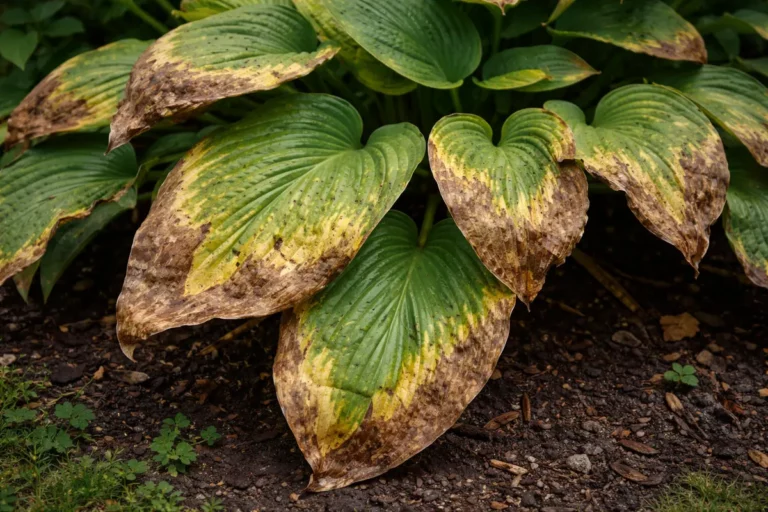
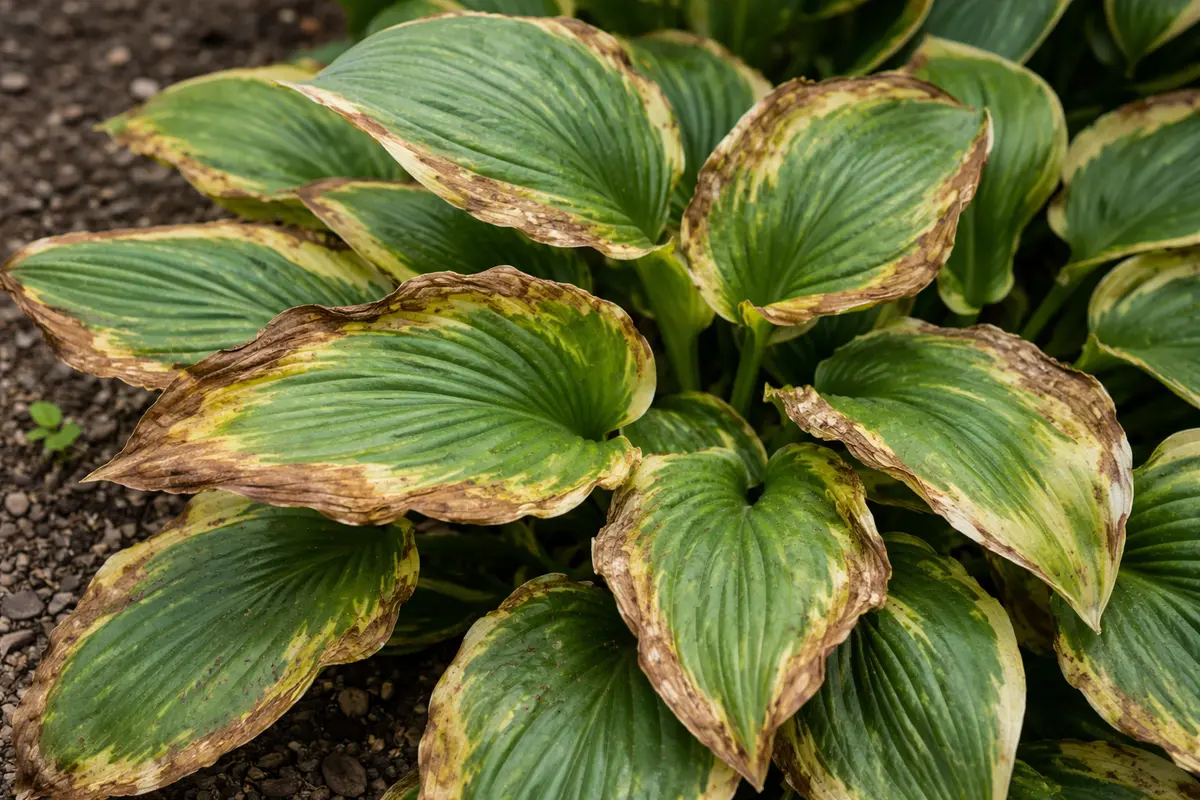
You may notice that your hostas have developed unsightly brown edges during the heat of summer, which is why you need to know why are my hostas developing brown edges in heat. This symptom is often caused by excessive sun exposure and insufficient moisture, leading to damage and browning on the leaf margins. If left unaddressed, this issue can worsen and lead to more damage, weaken the plant, and ultimately stall growth, but you can fix it now by checking moisture levels and adjusting their sun exposure.
Step 1 – Trim Brown Edges from Hostas Immediately
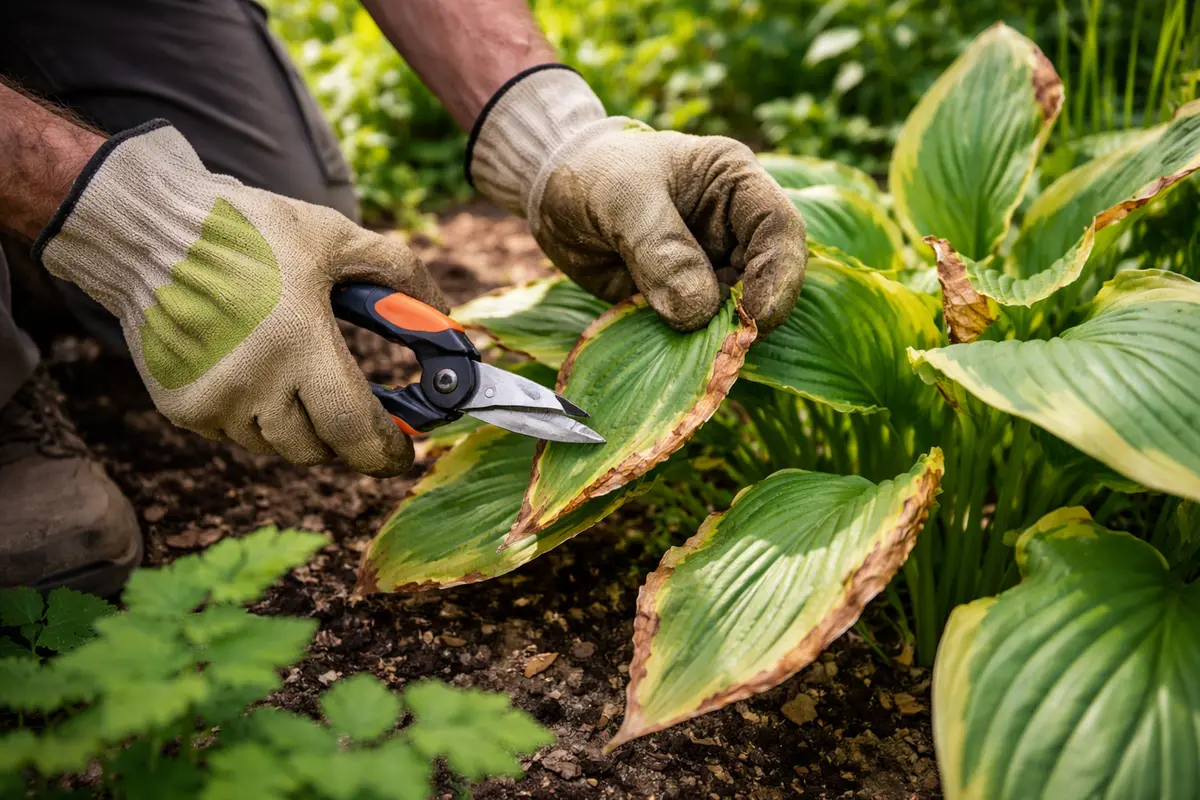
Start by carefully trimming away any brown or damaged leaf edges from the hostas. You will notice immediate improvement in the overall appearance, as this freshens the plant and reduces the energy wasted on these unhealthy parts. For the best results, use clean, sharp scissors to prevent introducing any pathogens, and make cuts at a slight angle to promote healing and reduce moisture loss.
By removing the damaged sections, you limit the plant’s stress and prevent the potential for rot or disease from spreading to healthier areas. This immediate action encourages the plant to redirect its energy into producing new growth rather than trying to heal damaged, unproductive parts. Quick intervention is essential, especially during the peak of the heat when plants are under enough pressure, as this is when the browning can escalate quickly. Leaving brown edges can invite secondary issues such as mold or fungal infections, particularly in humid conditions.
In my experience, home gardeners often overlook brown edges until they exacerbate the issue. For instance, neglecting to trim back these affected areas can lead to widespread decline in surrounding leaves, resulting in stunted growth and a less attractive garden display. Regularly monitor your hostas during hotter months to ensure they are receiving prompt care. If you notice an immediate increase in leaf vitality after trimming, make it a habit to check for brown edges weekly during the summer. If you see that trimming the edges hasn’t improved the plant condition within a week and new browning occurs, this could be a sign of underlying issues such as improper watering or poor soil health. At this stage, consider moving on to a diagnostic check of soil moisture and nutrient levels.
Step 2 – Diagnose Heat Stress in Your Hostas
Check the soil moisture around your hostas as the next step to diagnose potential heat stress. If the soil feels dry more than two inches below the surface, your hostas are likely suffering from dehydration. You can use a garden trowel to dig a small hole to check moisture levels deeper down, which often reveals what watering has truly penetrated. Soil that is extremely dry may crumble easily when disturbed, indicating root zones that are not receiving adequate moisture to support healthy foliage.
This moisture check is critical because hostas can wilt or develop brown edges due to a lack of water. In dry soil, plant roots cannot absorb the necessary moisture to support healthy leaf structure, weakening the tissue. This leads to the brown edges that are alarming to gardeners. Conversely, if you encounter mud or overly wet soil around roots, it indicates overwatering—a common issue that suffocates roots and leads to further stress. This distinction is vital; thus, understanding the specific indicators of each condition allows you to address issues accurately and swiftly.
For example, if you find the soil dry, consider increasing your watering routine. Aim to water at least twice a week during heat waves, and consider installing a moisture gauge to monitor levels accurately. Checking at varying depths allows you to gauge how well the soil retains moisture overall. If the soil, however, is soggy, it may indicate overwatering; in this case, amend your watering habits immediately by allowing the soil to dry out and improving drainage. If the soil stays soggy for more than a day, it could lead to root rot, significantly harming plant health. Adjusting your watering schedule can make all the difference; notice if you’ve been watering the same amount regardless of weather changes, as this can result in fluctuating soil moisture levels that negatively impact your hostas. If new growth appears droopy soon after watering, it might be time to examine root health more closely.
Step 3 – Water Hostas Deeply to Aid Recovery
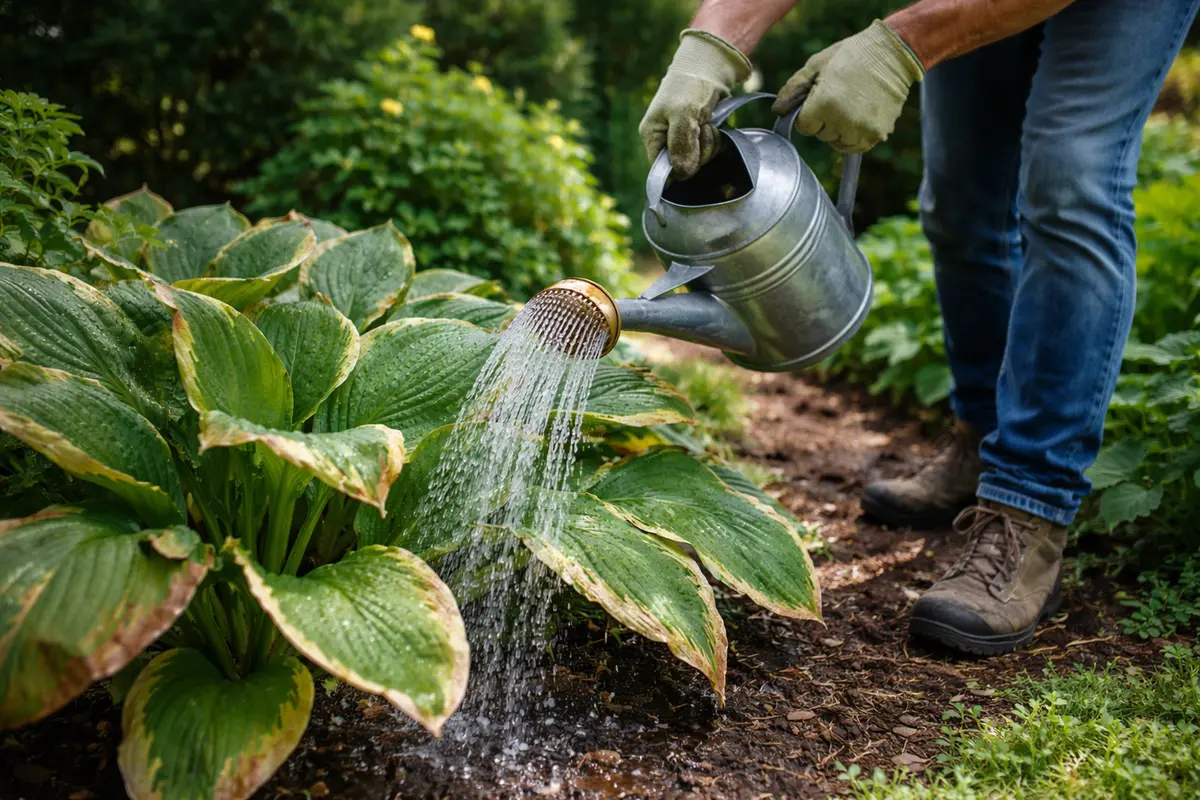
Start by adjusting your watering routine to deeply saturate the soil around your hostas early in the morning and then allowing the soil to dry out slightly between waterings. After a few days, watch for signs of improvement such as firm, green foliage returning to the plants and a reduced incidence of browning on the leaf edges.
Recovery from heat stress typically takes a few weeks, during which you will see new growth emerging at the center of the hosta. Healthy regrowth will manifest as vibrant green shoots that are plump and firm. Conditions that can speed recovery include consistent moisture and mild temperatures, while prolonged periods of drought or excessive heat can greatly hinder the process.
A mistake to avoid during recovery is overcompensating with additional water or fertilizer, which can lead to root rot or nutrient burn. If you notice the soil remains soggy for more than a couple of days, reduce your watering frequency. If not this, check for signs of fungal diseases that could also cause stress.
Deep watering encourages strong root development and helps the plant better withstand heat stress. Adequate moisture levels in the soil allow roots to uptake water efficiently; this is especially crucial during high temperatures when hostas are more prone to dehydration. The optimal time for watering is early in the morning or late in the evening to minimize evaporation losses, ensuring more water reaches the roots. If watering during the day, observe for wilting or drooping leaves; this can be a sign of heat stress even after watering, indicating the plant’s moisture needs are not being met adequately. If leaves continue to droop after watering, consider the possibility of soil compaction affecting root access to moisture.
However, overwatering can also be harmful. Watch for signs of overcompensation, such as yellowing leaves or mushy roots. If new growth appears but then starts to droop shortly after watering, it may indicate root rot, leading to severe decline in plant health. Adjust your watering schedule based on the weather—if rainfall occurs, reduce your watering days accordingly to avoid oversaturation. If symptoms persist despite deep watering efforts, consider adding a soil aeration step—using a garden fork to loosen compacted areas can significantly improve drainage and enhance oxygen flow to the roots while checking for healthy soil structure. Regularly checking the soil’s feel also helps prevent varying moisture conditions that lead to plant stress.
Step 4 – Shade Hostas to Prevent Brown Edges
Start by ensuring your hostas receive consistent moisture during periods of heat by watering them deeply at least once a week. This regular hydration will keep the soil moist, preventing the leaf edges from browning and promoting lush growth throughout the hottest weeks. Using mulch can further improve moisture retention while providing insulation from extreme temperatures.
Hot weather often causes soil to dry out quickly, leading to stress that manifests as brown leaf edges. By adhering to a routine of deep watering and mulching with organic materials, you not only retain soil moisture but also create a cooler root environment, addressing the issue proactively. If you notice brown edges despite proper watering, check the soil for drainage issues, as compacted soil can hinder moisture retention. Be attentive to environmental changes, as shaded areas may dry out less rapidly, offering a more consistent moisture supply.
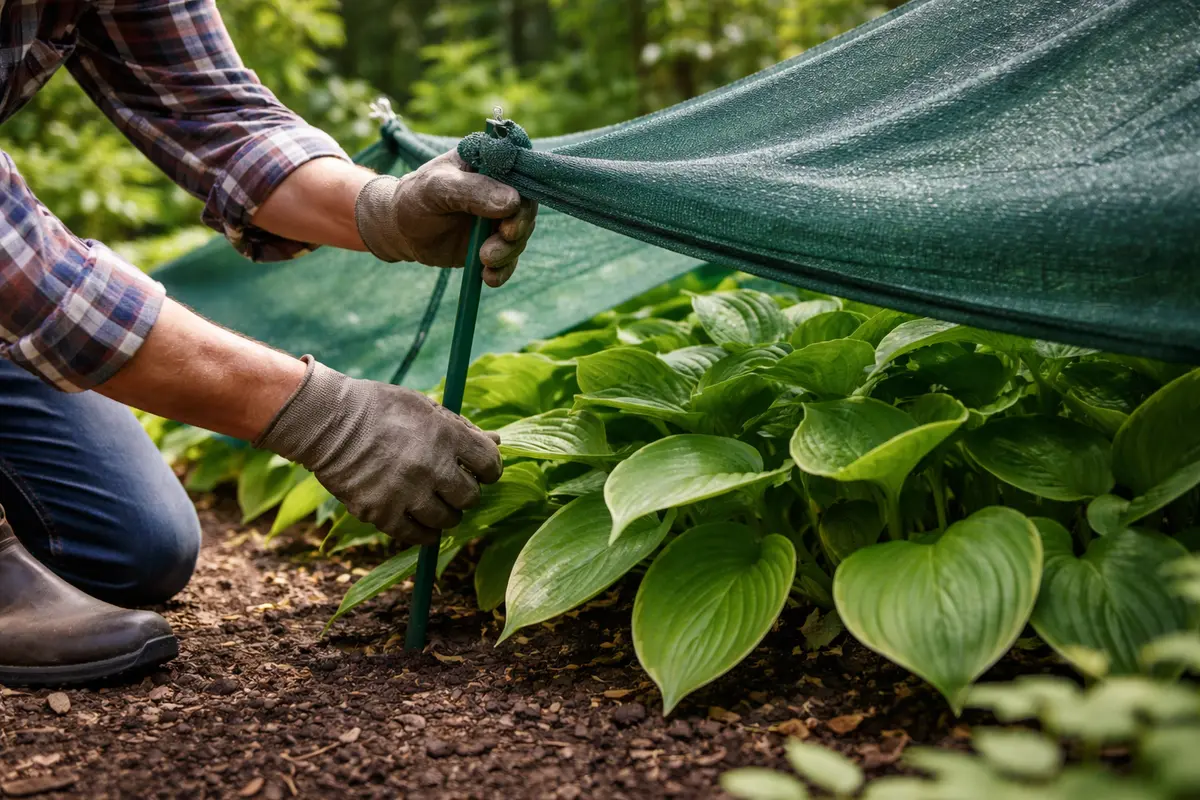
During particularly dry spells or heat waves, increase your watering frequency to twice a week to counteract evaporation and stress on the plants. Additionally, applying a layer of mulch 2 to 4 inches deep can help further insulate the soil from rising temperatures, making it a vital part of your summer maintenance for hostas. Shading the plants can drastically reduce the amount of sunlight they are exposed to, thus lowering their temperature and conserving moisture within the leaves. Hostas thrive in partial shade; making adjustments to their environment can mitigate the harsh impact of direct sun exposure during the hottest parts of the day. If using shade cloth, find a material that filters light effectively without completely blocking it; this balance helps avoid issues like leggy growth from too much shade.
Aim for approximately 60-70% light blockage to maintain proper plant photosynthesis while reducing heat stress. Closely monitor your plants as you adjust shading. If young hostas show signs of stretching towards light, they may not be receiving adequate light, indicating a need to adjust your shading methods slightly. However, avoid over-reliance on tree shade; too much can lead to competition for water and nutrients, which can stunt growth. Actively observe growth patterns; if you find that one area of your flower bed is flourishing while another is wilting, reassess your sunlight distribution or drainage in that section. Consider rotating their position or employing temporary shade solutions like patio umbrellas during peak heat for a more flexible care strategy.
Step 5 – Inspect Hostas Weekly for New Damage
First, monitor your hostas by checking them every few days for signs of stress, particularly brown edges on the leaves. Observe their overall condition and look for any signs of recovery, such as fresh green growth or new leaves emerging. If you notice any changes, recheck their condition weekly to ensure they are responding positively to your care.
A fully recovered hosta will exhibit vibrant green leaves that are smooth to the touch, free from browning and with no crispness at the edges; this indicates they are well-hydrated and thriving. In contrast, if the browning edges return, the leaves may feel dry and have a papery texture, signaling ongoing stress from heat or insufficient moisture. If the plant is recovering, you should see a noticeable increase in leaf size and overall leaf mass, differing from the stunted growth noted during the browning phase.
If the leaves start browning again despite your previous efforts, increase the watering frequency and consider providing afternoon shade to reduce heat stress. Additionally, inspect for pests or potential diseases that may resurface, as these can exacerbate the problem; if either issue appears, take appropriate action to treat them immediately.
A healthy hosta will exhibit vibrant, firm leaves without brown edges. If you consistently see new damage, it may signal that environmental factors such as soil drainage or sun exposure still need addressing. Regular checks at this stage help you intervene quickly before problems escalate; for instance, if you observe that one side of a plant is browning more than the other, it might require targeted watering or enhanced shading to that area. Note any environmental changes that coincide with symptoms, such as increased sun exposure or heavy rain, which may contribute to stress, negatively affecting leaf health and overall growth rate.
If you notice that symptoms return despite your efforts, consider consulting with a local gardening expert for professional advice on advanced care. Don’t hesitate to reevaluate your current care routine; for example, shifting your watering schedule to earlier in the day or modifying your shade solutions could make all the difference in keeping your hostas thriving. Additionally, if you compile detailed records of weather patterns, watering habits, and plant conditions, this can help you trace issues back to specific causes. A routine inspection’s goal is to ensure you maintain a manageable care list so nothing slips through the cracks during intensive heat periods, which can otherwise escalate into larger plant health disasters.
FAQ
How long does it take for hostas to recover from heat stress?
Recovery timelines vary, but you can expect noticeable improvements within a week if proper watering and shading measures are implemented. New growth may take a few weeks to appear as the plant rebounds from initial stress. Recovery can also depend on the severity of stress; lighter cases might resolve quickly, while more significant brown edges could take longer to heal. Ensure continuous monitoring for renewed damage during recovery.
Can brown edges on hostas spread to other plants?
While brown edges themselves do not typically spread, they can indicate underlying environmental issues that might affect other nearby plants if not addressed. Ensuring optimal conditions for all plants in proximity can prevent widespread stress in your garden. Consider a full garden assessment if changes appear in multiple plants to identify systemic issues that may need addressing, as similar conditions across several plants are often due to shared environmental factors.
Should I remove all affected leaves from my hostas?
It’s best to prune only the severely damaged leaves. While dead or dying leaves should be removed to promote new growth and reduce stress, some smaller, mildly affected leaves may still be able to recover. Additionally, excessive removal at one time can stress the plant further; focus on gradual and moderate trimming to maintain plant vitality while aiming for healthy leaf production integrated with overall gardening practices. Avoid cutting too many leaves within a single session, as this might cause shock and inhibit further growth.