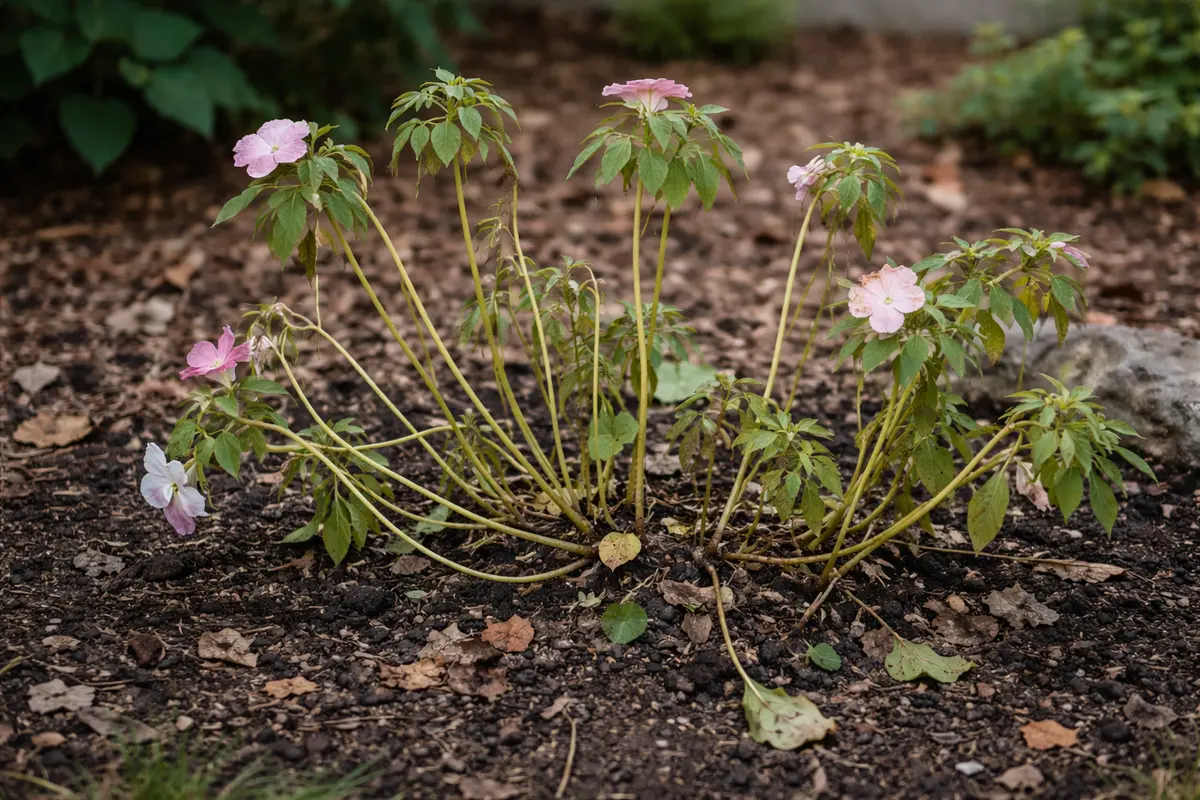
You may notice that your flowering impatiens become spindly and lanky during the warmer months when they’re tucked away in shady spots, which is why you need to know how to prevent leggy growth in flowering impatiens in shade. This leggy growth often occurs due to inadequate light, causing the plants to stretch towards any available sunlight, leading to drooping stems and weakened foliage. If left unaddressed, this problem only gets worse, ultimately stalling their growth and resulting in more damage. With timely adjustments, you can trim, monitor, and improve their health now, preventing a transformation into unmanageable greenery.
Step 1 – Trim Overgrown Flowering Impatiens Immediately
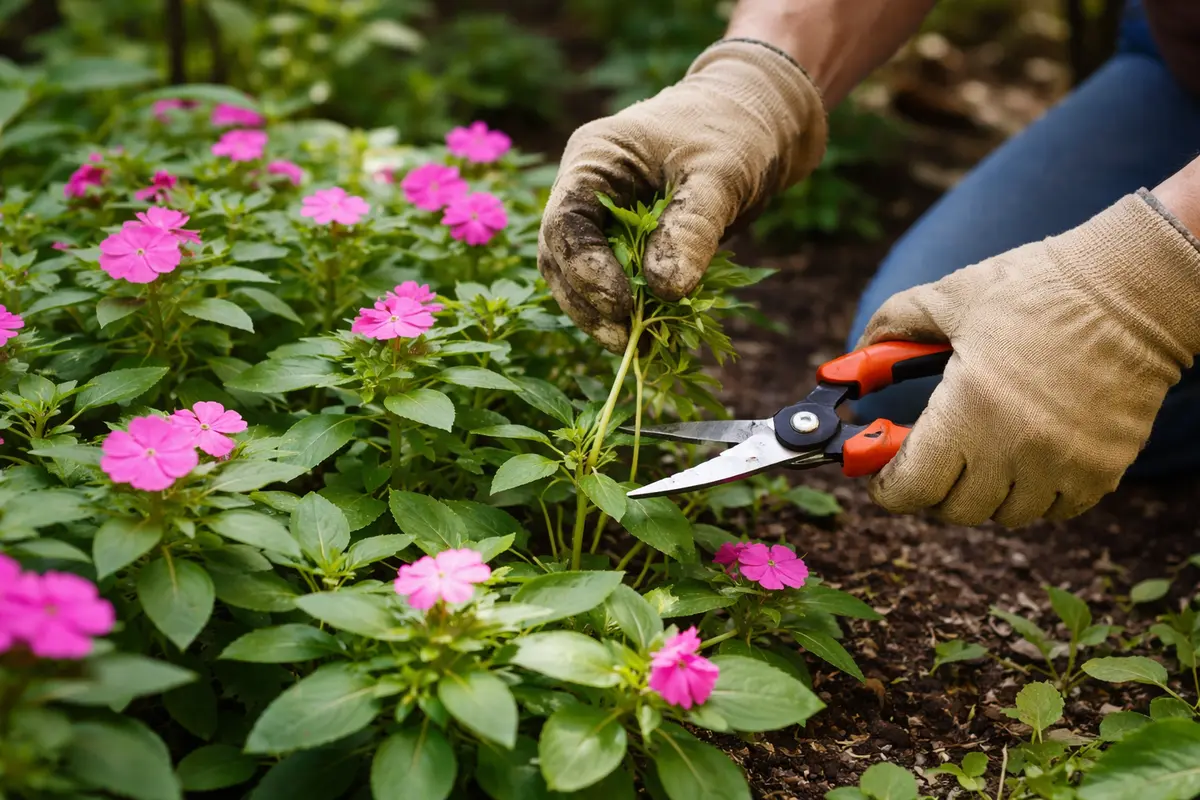
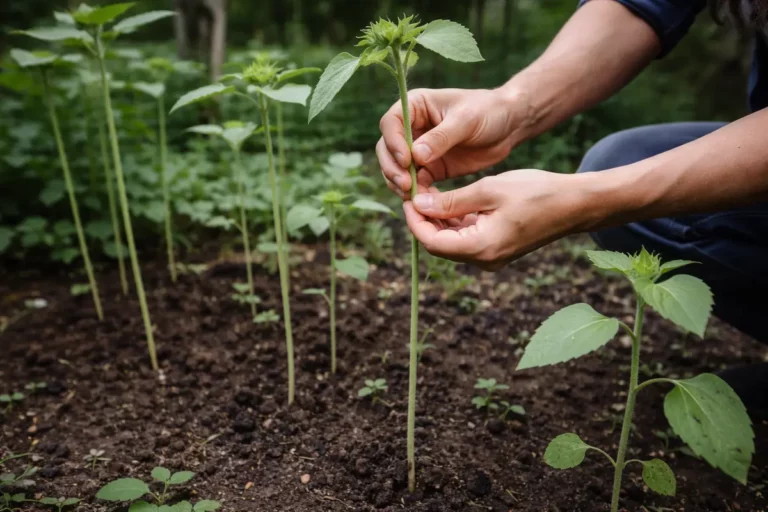
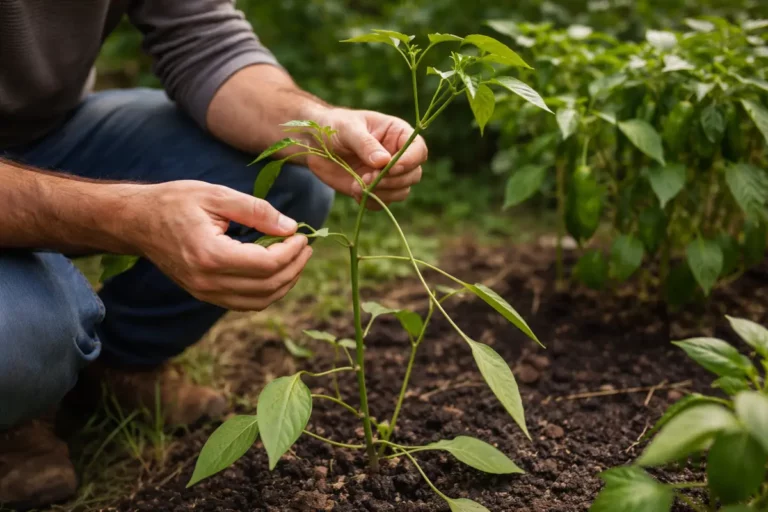
Start by cutting back the overgrown flowering impatiens by at least one-third of their height. You will see the plants take on a more compact shape right away, which may encourage healthier growth. This immediate action helps limit further elongation and promotes fuller foliage development. Trimming reduces the total leaf area, allowing the plants to reallocate energy from stem elongation toward growing new foliage and blooms. If you delay this trimming, you may end up facing wiry and weak growth that is less likely to recover. The faster this step is taken, the more effective the subsequent recovery will be.
By trimming back the leggy stems, you reduce the plant’s energy expenditure on maintaining weak growth. In flowering impatiens, this pruning can stimulate the growth of new shoots and divert energy to existing leaves, enhancing overall foliar density and bloom production. This maneuver can noticeably shift the plant’s growth dynamic, often visible in just a few days. Acting quickly is essential because delaying this intervention can lead to even weaker growth patterns, making recovery more challenging later on. Impatiens are forgiving plants, but they thrive on timely care adjustments, so don’t underestimate the impact of proper pruning.
Many gardeners mistakenly hesitate to prune, fearing they will damage the plant. However, this hesitation can allow the leggy growth to continue unabated. Real-life experience shows that pruning during early growth stages leads to better resiliency. Post-trim, you may see signs of rejuvenation such as vibrant new buds and thicker foliage within seven days, reinforcing the value of taking decisive action. If gardeners don’t take the plunge, they risk a more challenging recovery process. This is particularly true if the leggy growth becomes more pronounced, making future adjustments insufficient to restore health. For example, plants that began with minor elongation may end up needing drastic cuts that impact their blooming if not attended to promptly.
Step 2 – Assess Light Levels Impacting Leggy Growth
Check the surrounding light levels where your flowering impatiens are growing. Adjusting to provide at least 4-6 hours of indirect sunlight daily will significantly enhance growth structure. You should notice a reduction in elongation within a week, as the plants respond to the increased light, growing thicker foliage and more blooms. If they were previously exposed to only dappled light, moving them slightly can yield a marked difference. This helps in lifting the overall health of the plants, as proper lighting is a crucial driver of energy production.
Lighting is crucial to the overall health of flowering impatiens because adequate light influences the photosynthesis process, which in turn affects nutrient uptake and growth vigor. Impatiens raised in low-light conditions tend to stretch toward the light source, leading to that weak and thin growth. The consequences of inadequate lighting can include pale leaves and sparse blooming, which are often the first signs that the plants are not receiving the care they need. By ensuring proper light levels, you can promote healthier, shorter plants that produce more flowers. A week of optimizing their light exposure should visibly lessen their leggy appearance, thus allowing blossoms to thrive as well.
If the shade comes from surrounding taller plants or structures, consider relocating the impatiens to a sunnier spot or selectively pruning nearby plants to allow more light through. For example, if overhanging tree branches block sunlight, trimming them back can create a brighter microclimate. Ignoring the light conditions can cause continual leggy growth, and impatiens that remain too shaded often produce fewer flowers. If you find that moving your plants doesn’t yield results, consider changing your watering schedule as well, as less light may mean slower water use, necessitating less frequent watering. In addition, if you take this approach immediately after your initial pruning, you can enhance overall recovery efforts quite effectively. Each trimming or relocation significantly affects the balance of light and moisture, so document any changes you make to pinpoint effective strategies.
Step 3 – Fertilize to Strengthen Flowering Impatiens
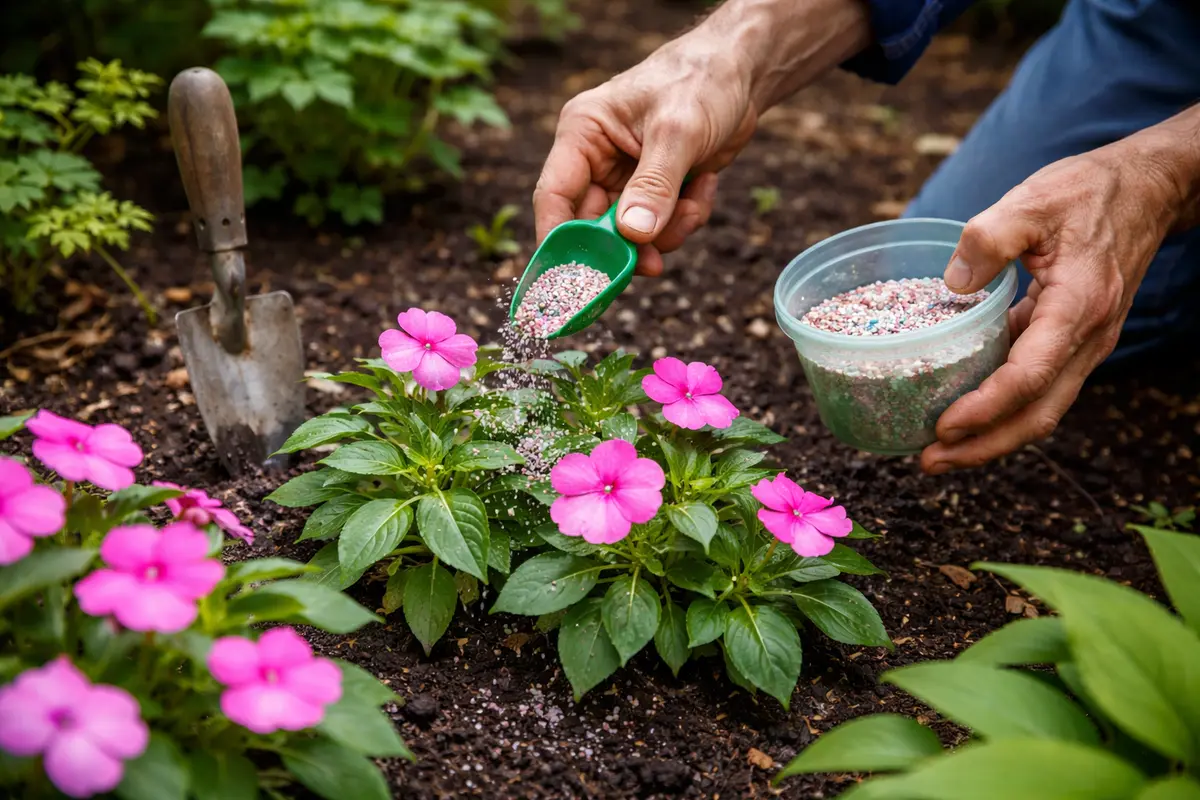
Apply a balanced, slow-release fertilizer formulated for flowering plants at the beginning of the growing season. You will begin to see new growth within a week, as the plants start receiving the necessary nutrients for robust health and flowering. This approach not only helps existing plants recover faster but also sets up a healthier baseline to prevent future leggy growth. Look for signs of nutrient uptake, such as greener leaves and increased leaf size, indicating that the plants are responding positively. Consistency in fertilizer application can yield visible improvements, fostering a lush and vibrant outlook.
Fertilizing flowering impatiens is vital because it provides key nutrients like nitrogen, phosphorus, and potassium, which are essential for healthy plant growth. These nutrients help the plants produce stronger stems and leaves, ultimately resulting in denser, more vigorous growth that is less prone to stretching. Applying fertilizer in the late morning or early afternoon maximizes nutrient absorption, ensuring that plants can effectively use them during their peak photosynthesis hours. Over the next month, you should expect to see a noticeable shift in plant vitality; however, this varies based on light levels and overall environmental conditions.
A common mistake gardeners make is to over-fertilize, thinking it will lead to quicker recovery. However, using too much can burn the plant roots, causing stress and potential damage, which darkens the foliage and may cause the drop-off of blooms. To avoid this pitfall, stick to the recommended dosage and frequency based on the product label for optimal results. Furthermore, if your impatiens started leggy from heavy shade, transitioning them into a lightly shadier area could yield even better results, allowing a balance between light intake and nutrient absorption. Over-fertilization not only compromises immediate recovery but can also trigger long-term health issues; an alternative is to use a diluted liquid fertilizer every few weeks to control the dose more accurately. Adjusting the fertilizer type can also make a significant difference in achieving the right consistency for your plants.
Step 4 – Inspect for New Growth Direction Weekly
Check the flowering impatiens for new growth each week and assess their direction. You should observe shoots growing more upright and producing healthier foliage with vibrant colors. Regular monitoring allows you to adjust care as needed and ensures that the plants remain resilient. This weekly check also provides an opportunity to catch any signs of decline early, such as pest infestations or fungal diseases, which can quickly turn an issue into a crisis. If new leggy growth trends are still apparent, proactive measures are critical during this phase.
A fully recovered flowering impatiens will exhibit strong, sturdy stems and a balanced distribution of leaves and blooms. The leaves should appear lush and vibrant, instead of pale or elongated—this visual cue is crucial to confirming the effectiveness of your interventions. If, during inspections, you notice that new growth is still exhibiting a leggy profile, this could indicate that light levels remain inadequate or that soil nutrients have been depleted once again. By observing the plants’ growth angle—upright and robust is a good sign—you can effectively track the impact of your care routine. Furthermore, documenting observations over time can provide insight into growth patterns indicative of environmental conditions or care routines.
If the leggy growth returns despite all efforts, consider revisiting your light assessment and nutrient strategy. Confirm that the plant is receiving appropriate light, and review your fertilizing schedule. When the plants are consistently underperforming, amending the soil with compost or a different fertilizer blend can enhance nutrient availability and improve soil structure. Additionally, this is a good time to observe overall environmental conditions and ensure optimal soil moisture levels. Overall, maintaining a vigilant watch on growth patterns and adapting care to the plant’s needs will help prevent similar issues in the future. Engaging in regular plant check-ins is essential, as conditions can change with the seasons, particularly after heavy rain or prolonged dry spells.
FAQ
How long does it take for flowering impatiens to recover from leggy growth?
Recovery can typically take anywhere from a week to several weeks, depending on the severity of the leggy growth and the corrective actions taken. If the light levels are improved and nutrients are optimized, new growth should become evident within a week. Regular monitoring during this time aids in gauging progress and making additional adjustments as necessary. Observing the smooth transition to healthier growth will help confirm that the corrective actions are effective and timely, with visible improvements creating a positive feedback loop.
Can leggy growth in flowering impatiens spread to other nearby plants?
Leggy growth itself will not spread to other plants, but if the environmental factors causing it—like too much shade or lack of nutrients—aren’t corrected, neighboring plants may face similar issues. Furthermore, the lack of proper light will affect overall blooming potential in surrounding plants as well. Addressing the overall garden environment can help maintain the health of all plants, so consider a holistic approach to garden maintenance. In practice, enhancing the light and nutrient availability for one plant often benefits several plants within proximity. For instance, improving soil quality for your impatiens can result in better overall soil health for nearby flora.
Should I remove leggy stems completely?
Removing leggy stems is beneficial as it encourages new growth and a bushier appearance. When cutting back, aim for healthy stems and leave as much foliage as possible to support the plant until it recovers. Trimming back to just above a leaf node promotes the emergence of new growth directed in a more desirable fashion, fostering a compact shape and denser flower distribution. This technique diminishes the odds of repetitive leggy growth and bolsters the overall health of the plant. Additionally, after removing leggy stems, it’s sensible to monitor nearby plants for similar symptoms, as they might share the same environmental stressors.