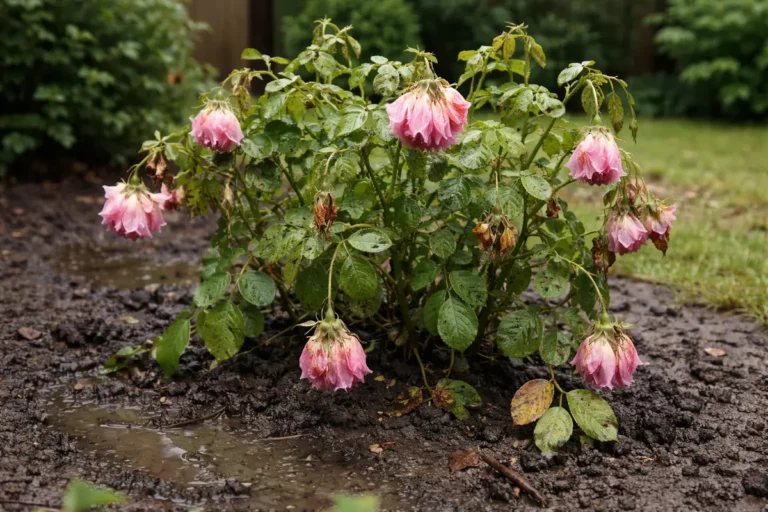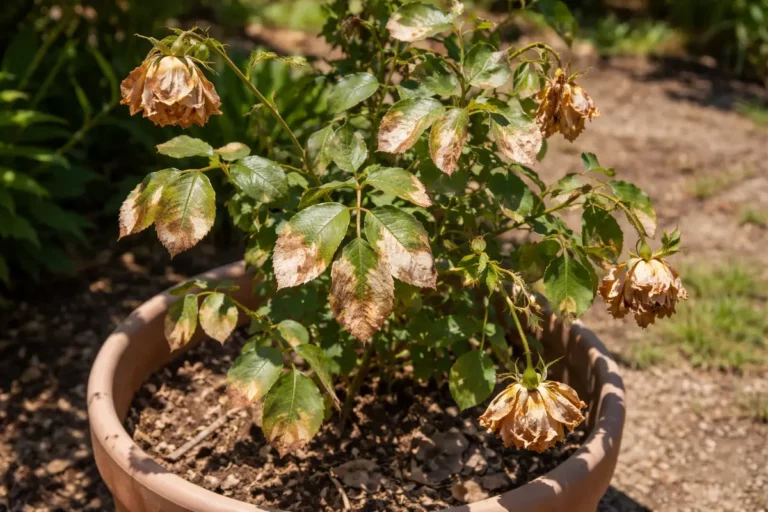
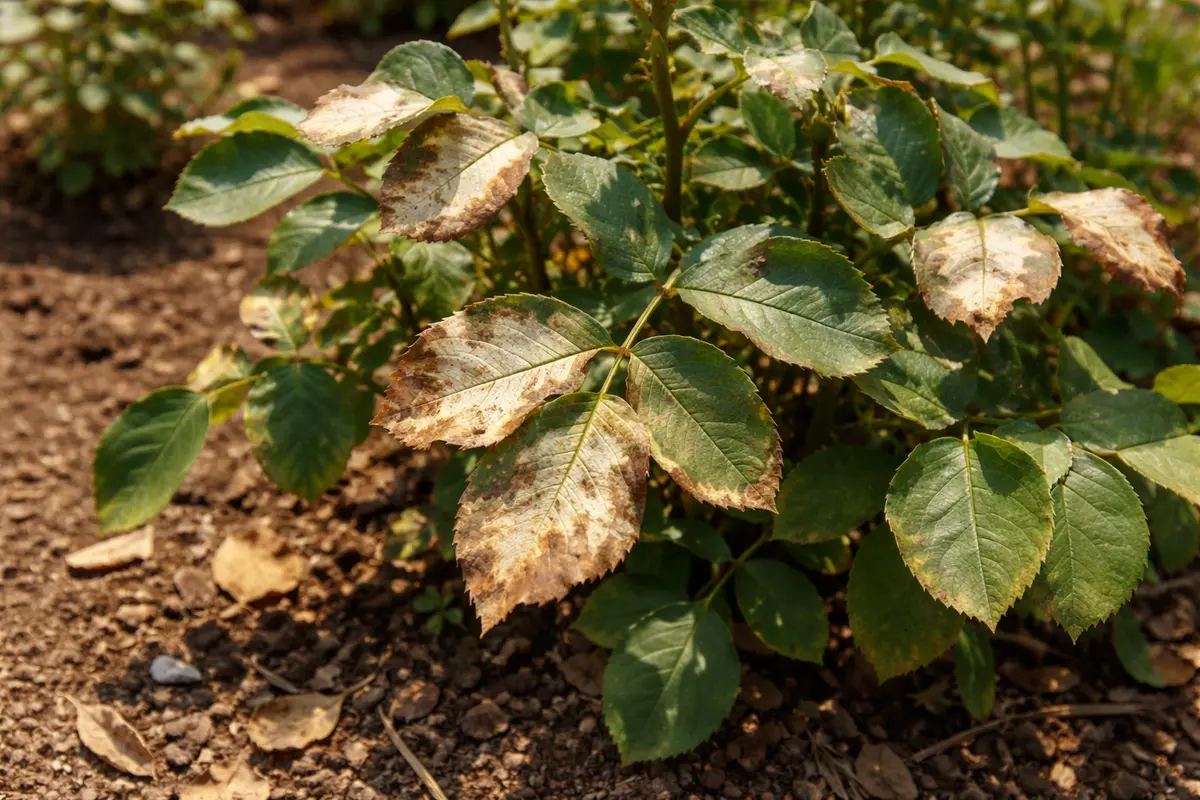
You may notice your rose bushes struggling during the extreme temperatures of a heatwave, which is why you need to know, “Why are my rose bushes turning yellow during heatwave.” This yellowing typically indicates stress from too much heat, leading to wilting leaves and overall decline. If left unaddressed, the issue can spread, weakening the plant and making recovery harder, but you can take action now by checking soil moisture and adjusting your watering routine.
Step 1 – Prune Yellowed Leaves on Rose Bush
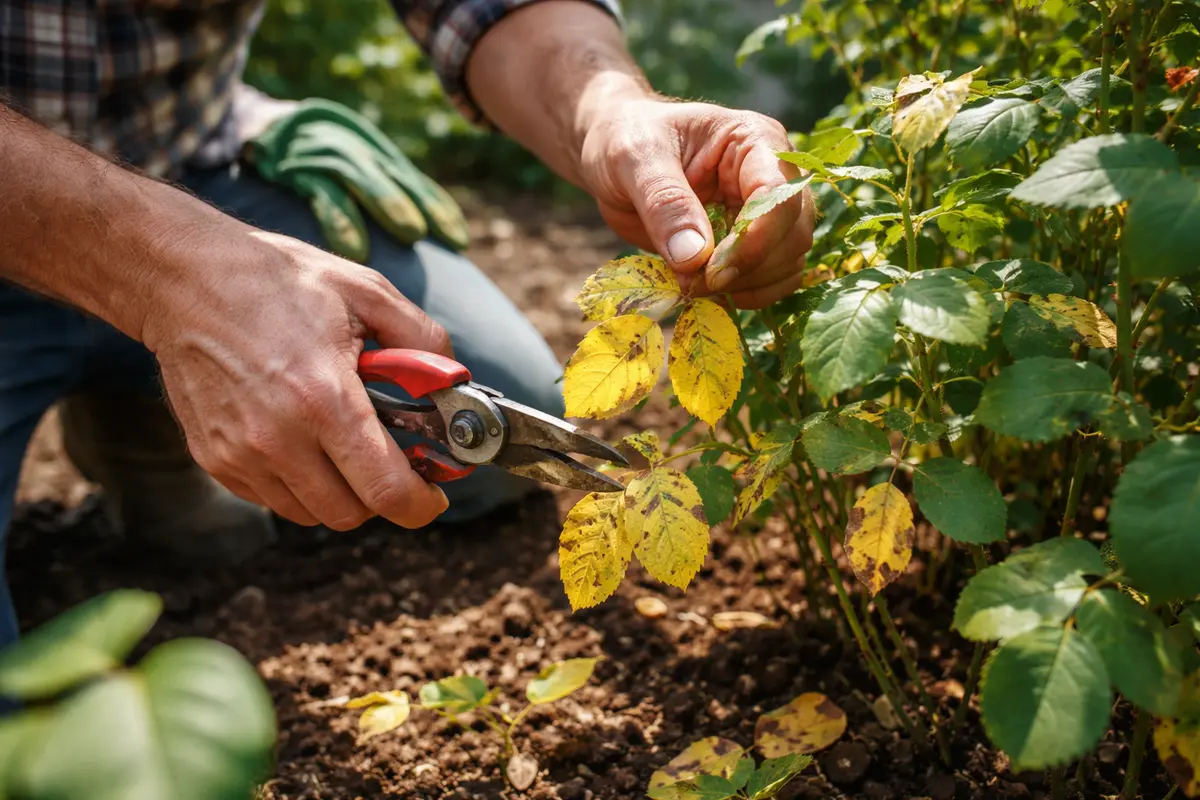
Start by cutting off any yellowed leaves on your rose bushes. You will immediately reduce the risk of disease and stress on the plant as it refocuses energy on healthier foliage.
Timely pruning can help stabilize your plants, especially during a heatwave. If the yellowing persists despite proper watering, check for other issues such as pests or disease that might be affecting the plant’s health.
In a scenario where a gardener removes yellowing leaves early, they prevent further deterioration, compared to one who lets the leaves remain, which may attract pests like aphids. If you see wilting along with the yellow leaves, check the soil moisture; it should be damp but not soggy to confirm the right balance.
Acting quickly to prune is essential, as remaining yellow leaves can hinder new growth and recovery. If delayed, these leaves can contribute to disease spread and overall plant decline.
Using clean, sharp shears when pruning is critical to minimize damage. Dull tools can crush stems and create an entry point for pathogens, which can exacerbate the problem.
A common mistake at this stage is waiting too long to prune back the yellow leaves, assuming they will fall off on their own. During high temperatures, yellow leaves may not only fail to improve but can also enable secondary diseases to take root. If you notice continued yellowing despite pruning, it may signal deeper issues related to nutrition or soil conditions, necessitating further investigation into the plant’s overall care.
Step 2 – Diagnose Heat Stress in Rose Plants
Inspect the soil surrounding your rose bushes immediately. You will observe changes such as dry patches or overly compacted soil that indicate heat stress and potential root suffocation. This occurs because the high temperatures can lead to rapid moisture evaporation, depriving the roots of the necessary hydration.
If you find the soil dry more than an inch below the surface, your roses are likely experiencing drought stress, which requires prompt watering to prevent irreversible damage. Water your roses deeply, ensuring that the moisture reaches the root zone; a good guideline is to provide at least an inch of water per week, adjusting based on rainfall. If the soil remains crumbly and dry after watering, consider improving aeration to allow water to penetrate more effectively.
If the soil feels excessively wet and compacted instead, it indicates overwatering, which can also lead to stress. This may result in symptoms such as yellowing leaves or stunted growth. Adjust your watering strategy by allowing the topsoil to dry out before the next application and consider improving drainage, especially if you notice a sour smell near the roots, which signals potential waterlogging.
Step 3 – Test Soil pH for Nutrient Issues
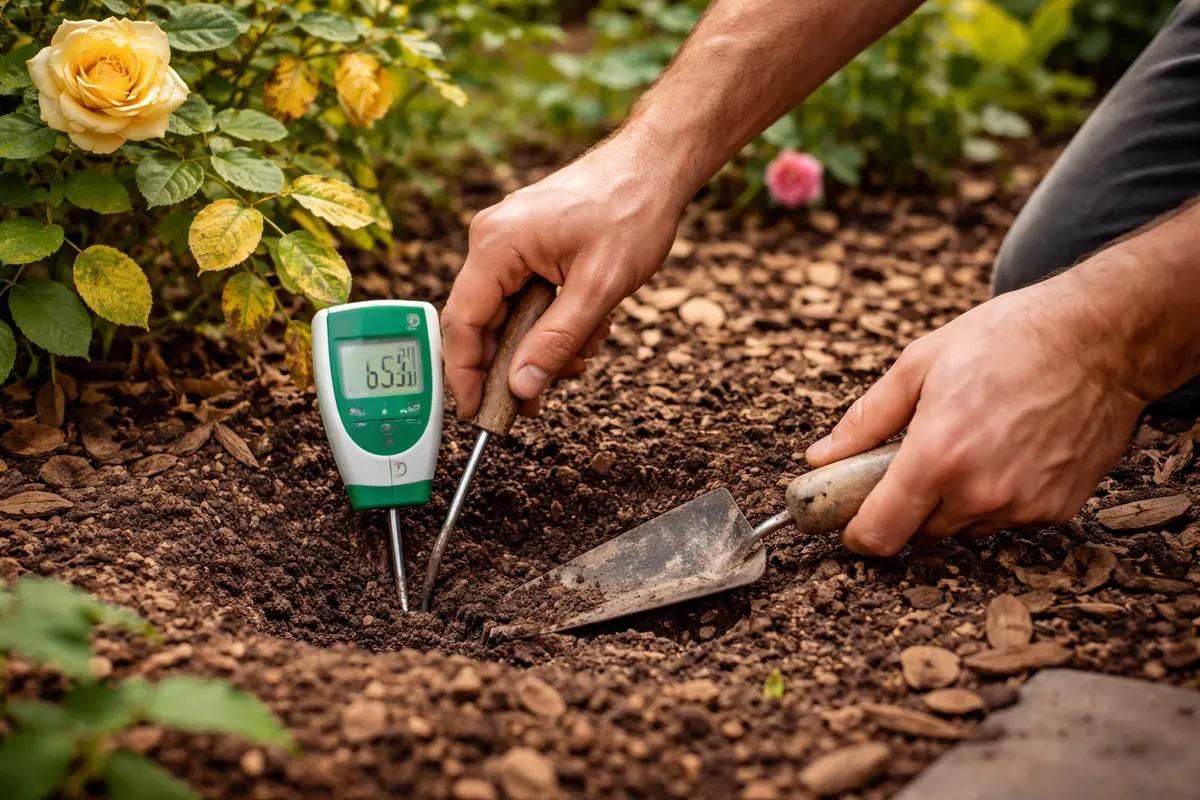
Start by inspecting the soil around the roots of your rose bushes for pH levels, which helps confirm if nutrient issues are impacting plant health. A proper pH will allow essential nutrients to be absorbed efficiently, resulting in greener, healthier leaves.
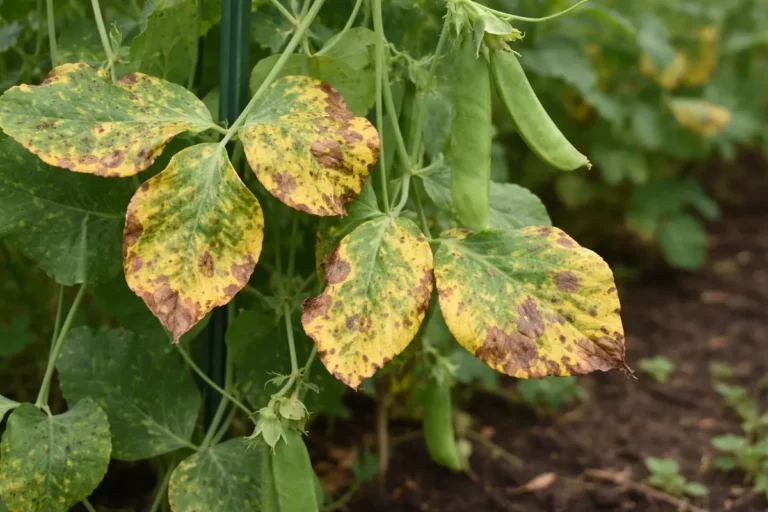
Confirm this by using a soil test kit; a pH between 6.0 and 6.8 is optimal for rose bushes. If you find significantly lower or higher pH levels, nutrients may not be accessible to the plants, causing the yellowing leaves. While heat stress typically shows yellowing at the leaf edges and drooping foliage, nutrient deficiency may result in more overall yellowing with green veins, often appearing uniform across the leaves. If you notice firm, pale-colored leaves, it could indicate nutrient deficiency, but if they’re soft and mushy, waterlogged conditions are likely at play. If not this yellowing, check for nutrient ratios in the soil that affect your plants.
If you’re uncertain whether the yellowing results from pH issues or inadequate watering, monitor your rose bushes over several days. Watch for visible changes in leaf color and overall plant vigor; an improvement in leaf firmness may indicate better moisture levels. Should symptoms persist despite adjusting your watering strategy, consider performing a soil pH test to assess nutrient availability.
As you observe your rose bushes, note that a pH level outside the preferred range can prevent nutrient uptake, leading to further yellowing and poor growth. If the leaves are yellowing primarily between the veins, while the veins remain green, it’s likely due to nutrient deficiency. Conversely, if leaves are drooping and feel soggy, overwatering could be the culprit. If the problem isn’t solely yellowing leaves, check for wilting or browning leaf tips that may appear under stress, which will direct your next actions.
For accurate pH levels, be prepared to adjust the soil gradually. If your tests indicate an acidic soil, adding lime can help raise the pH, while sulfur can lower it if the soil is too alkaline. After making these amendments, verify changes over time—soil adjustment effects may take weeks to become visible. Keep track of moisture levels during this period, especially after significant rainfall or irrigation changes, to help maintain balanced nutrient availability.
Step 4 – Apply Fertilizer to Revive Rose Color
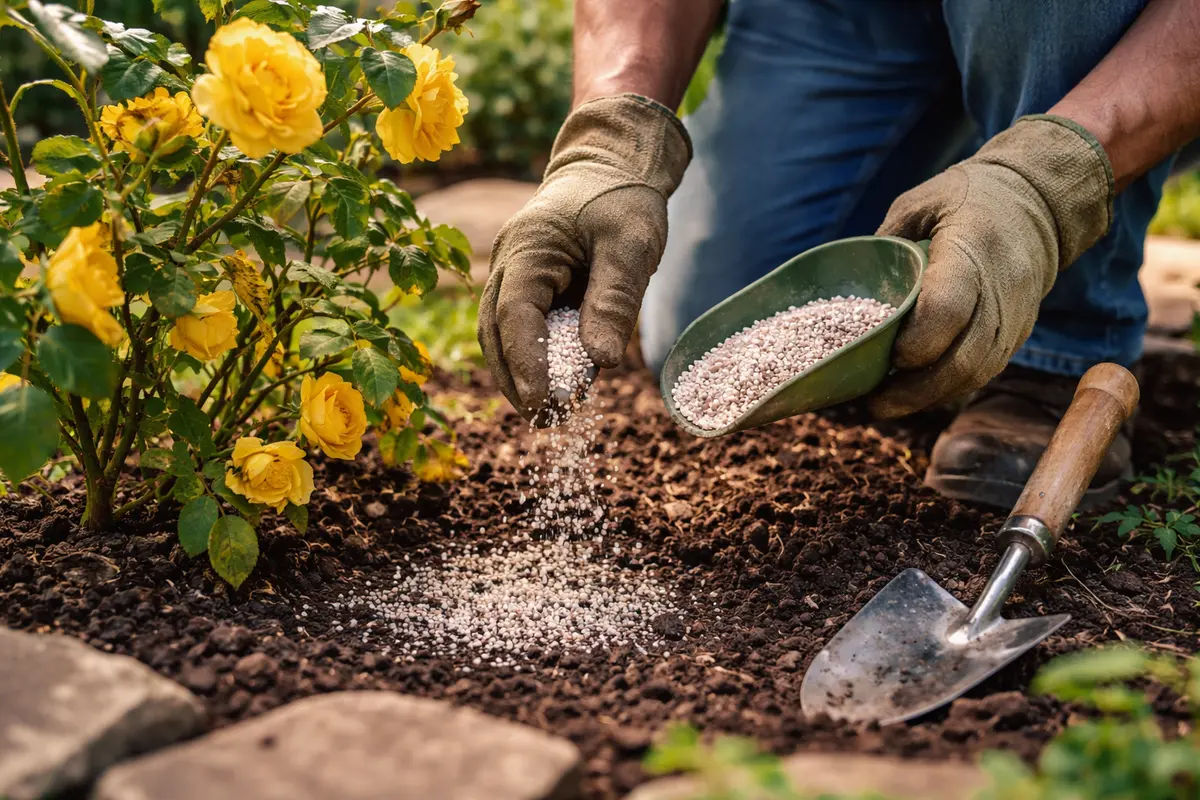
Apply a balanced fertilizer specifically formulated for roses to provide necessary nutrients for recovery. Visible signs of improvement include the fading of yellowing leaves and the emergence of new growth with a richer color within a few weeks. Start by selecting a slow-release fertilizer, ensuring you adhere to the package guidelines for dosage to avoid nutrient burn that can further stress the plants.
Once the plants begin responding to the fertilizer, watch for brightening leaf color and stronger stems as indications of recovery progress. These changes demonstrate that the plants are absorbing essential nutrients like nitrogen, phosphorus, and potassium, which support vibrant growth after heatwave stress. Always follow up with watering to help incorporate the fertilizer into the soil, enhancing nutrient absorption through the roots.
Be cautious not to over-fertilize, as this can lead to symptoms like dark green margins, wilting, or leaf burn. If you notice these signs, flush the plants with water to reduce fertilizer concentration. If your roses show excessive leaf growth without blooming, consider switching to a lower-nitrogen fertilizer to promote flowering. Pay attention to your specific plant variety’s needs and symptoms to ensure effective recovery.
Step 5 – Water Roses Deeply During Heatwaves
Water your rose bushes deeply and regularly during heatwaves. This practice results in consistently moist soil conditions that support root hydration during extreme temperatures. Start by ensuring that water penetrates at least 12 inches into the soil to encourage strong root development. For the next few weeks, water your roses at least once a week, increasing frequency if rainfall is insufficient, as roses can quickly show signs of moisture stress.
Deep watering cultivates a habit where roots grow deeper into the soil, accessing moisture even during dry spells. If you observe wilting or yellowing leaves between waterings, adjust your schedule to water more frequently. If not, check if soil moisture is sufficient by probing the ground—roots will thrive if they can consistently take up water. Routine deep watering enhances the plant’s resilience against heat stress and promotes a healthy appearance.
To prevent soil moisture loss, implement a consistent watering schedule and apply mulch around the base of the roses. This will help retain moisture and buffer temperature variations around the roots. Adjust your routine by observing weather patterns, like high UV exposure and extended dry periods. If yellowing persists despite thorough watering, increase your watering frequency during extreme heat and evaluate how quickly the soil dries out. Using outdoor thermometers or soil moisture sensors can provide insights into when your plants require water most urgently, improving your overall watering strategy.
Step 6 – Check Leaves for New Yellowing After Watering
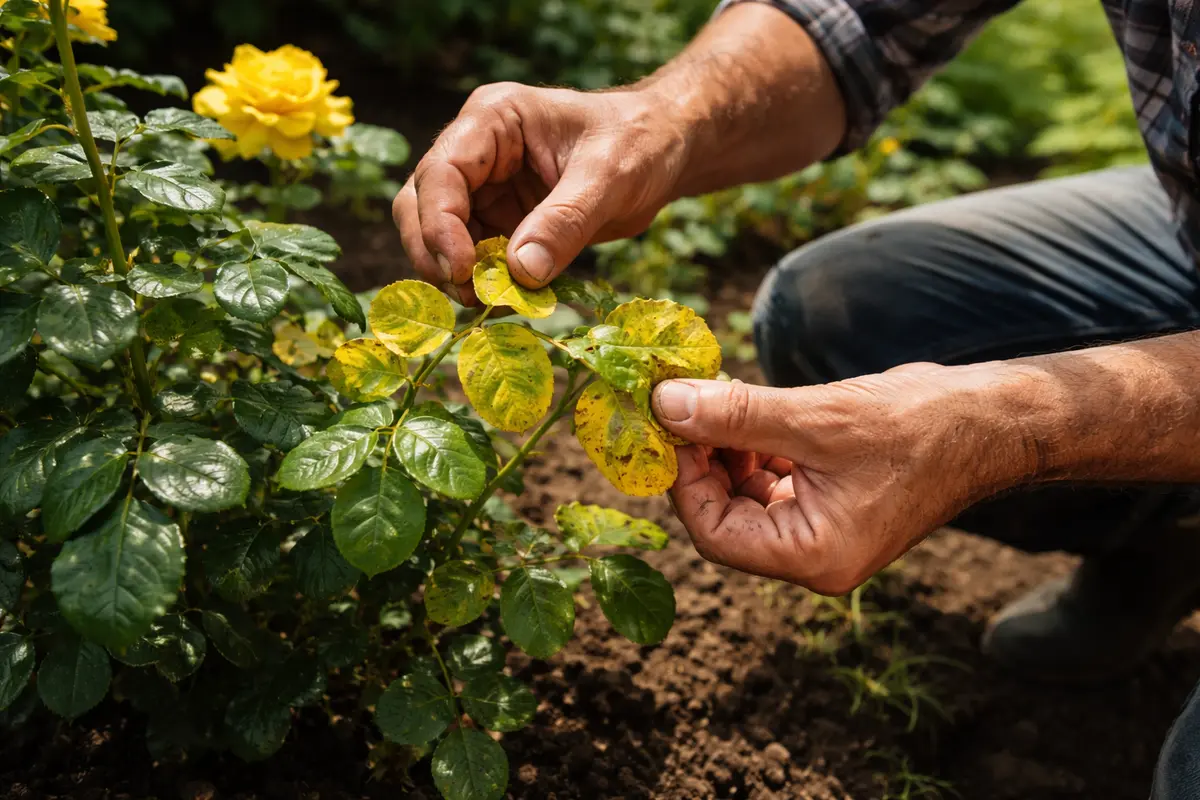
Check the leaves of your rose bushes right after watering for any new yellowing or stress signs. Look for bright green foliage as a clear indicator that recovery is on track. For the next week, observe the leaves closely every few days.
Healthy roses should transition back to their vibrant green color, with no new yellowing visible. If you notice fresh yellowing after deep watering, it may signify ongoing overwatering or potential root rot that needs immediate attention. Indicators of root issues include stunted flowers and a change in stem texture, suggesting further distress. Signs of recovery are visible in the emergence of lush new leaves and improvement in the overall structure of the plant. If the roots appear mushy or emit a foul odor, remove the plant from the soil to inspect for rot and mitigate further complications.
If yellowing symptoms return despite your monitoring efforts, observe the overall plant condition more closely; consider consulting a local gardening expert or extension service for an accurate diagnosis of root issues. Persistent severe yellowing may indicate deeper problems requiring specialized interventions. Continue to monitor weekly to ensure your roses are returning to a healthy state, and engage with a community of fellow gardeners online for troubleshooting support, as shared experiences can often help uncover less obvious problems.
FAQ
How long does it take for rose bushes to recover from heat stress?
Recovery from heat stress can take anywhere from a few days to several weeks, depending on the severity of the stress and the care provided. With the right interventions like pruning, watering, and fertilizing, you should begin to see improvement within a week. Consistent monitoring is essential to track progress and make adjustments if necessary. Look for visible signs such as new grow buds or greener foliage as indicators of recovery.
Can yellowing leaves spread to other plants?
While yellowing leaves on rose bushes usually indicate specific problems like heat stress or nutrient deficiencies, if conditions persist, pests or diseases may start affecting other nearby plants. Isolate severely affected plants and take preventive measures to avoid spreading, such as proper sanitation and regularly checking neighboring plants for similar symptoms. If you notice other plants commencing yellowing, this might signal a shared issue in the environment that needs addressing.
Should I remove yellowing leaves immediately?
Yes, you should remove yellowing leaves as soon as possible to limit the risk of pests and diseases. Cleanup allows the plant to redirect energy to healthier foliage and prevents stress from compounding. Ensure that you’re addressing any underlying issues contributing to the yellowing leaves, such as nutrient deficiencies or watering practices. Regularly checking neighboring plants can help preemptively catch potential issues before they worsen, safeguarding the overall health of your garden.