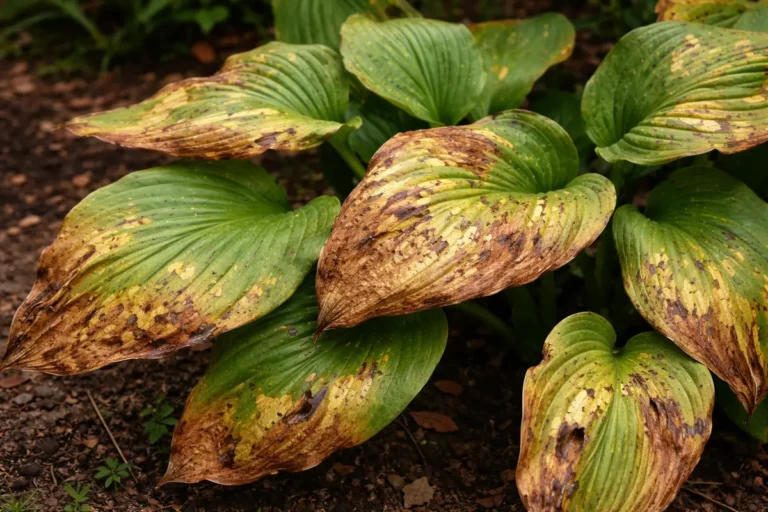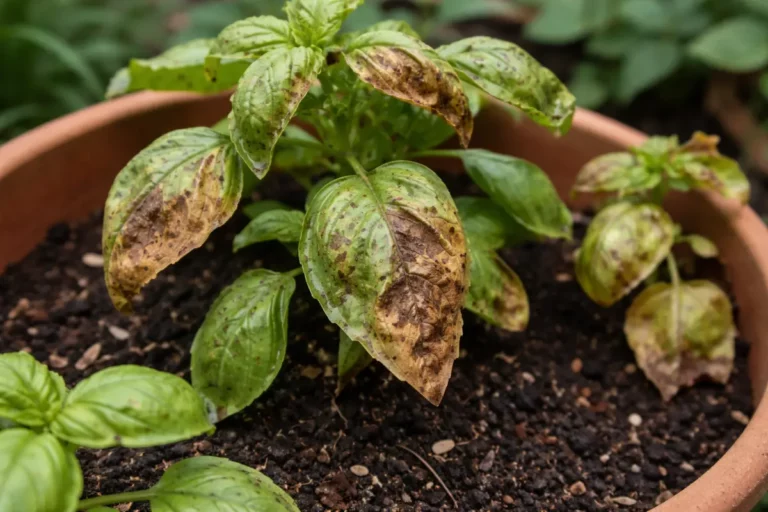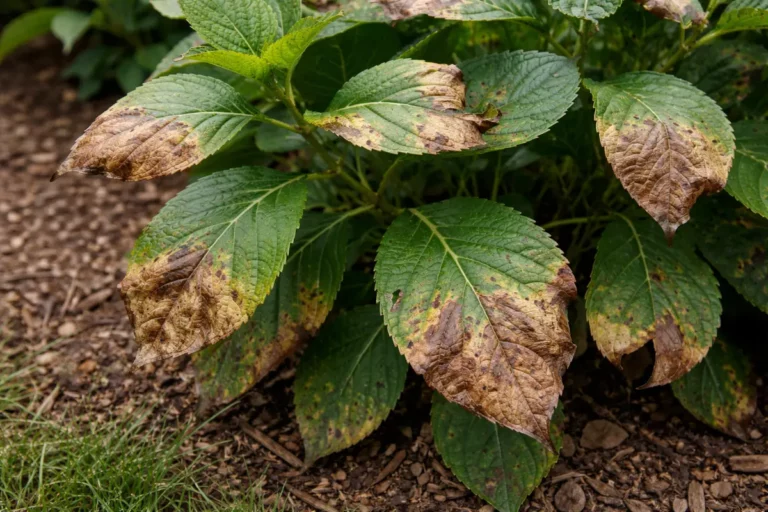
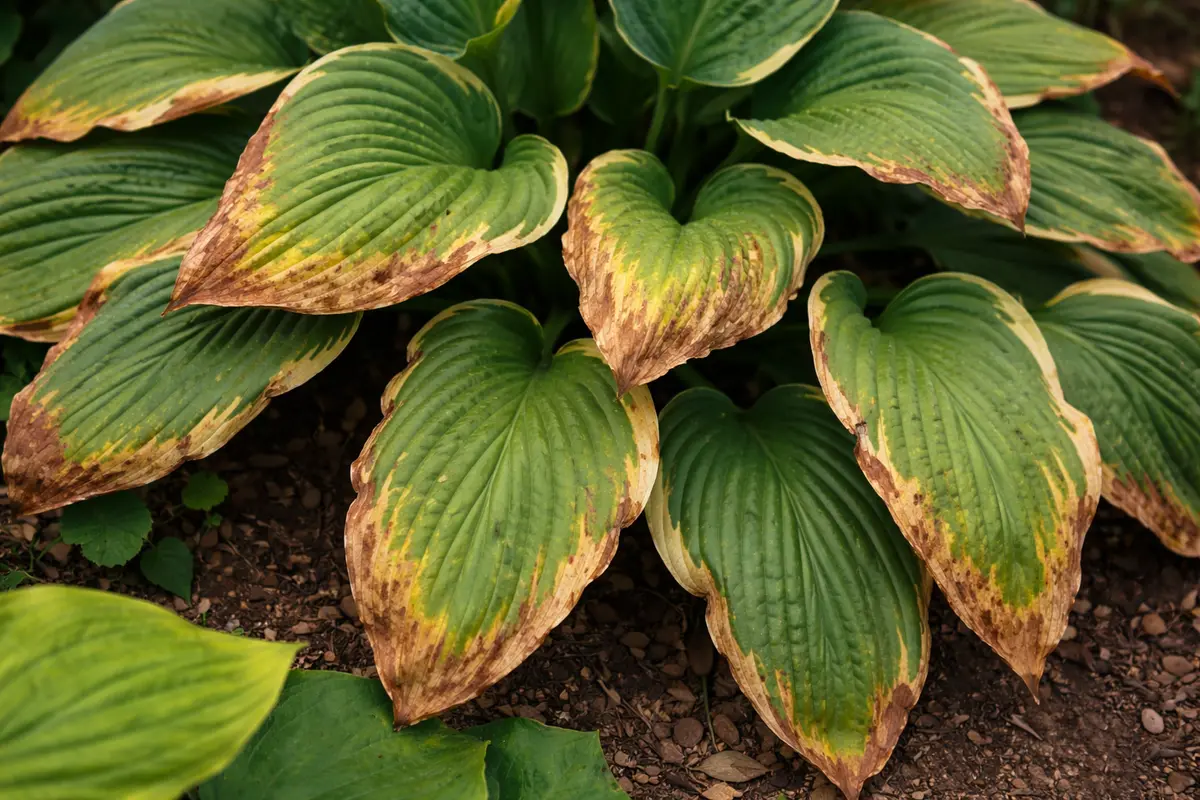
You may notice brown edges forming on your hosta leaves during summer’s heat, which is why you need to know what to do when hosta leaves develop brown edges. This browning often indicates damage from environmental stressors like excessive sun or inconsistent moisture levels that lead to wilting and leaf drop. If left unaddressed, these issues can worsen and weaken the plant, but correcting them is possible now—just inspect the watering routine and adjust light conditions to improve the plant’s health.
Step 1 – Remove Brown Edge Leaves to Prevent Spread
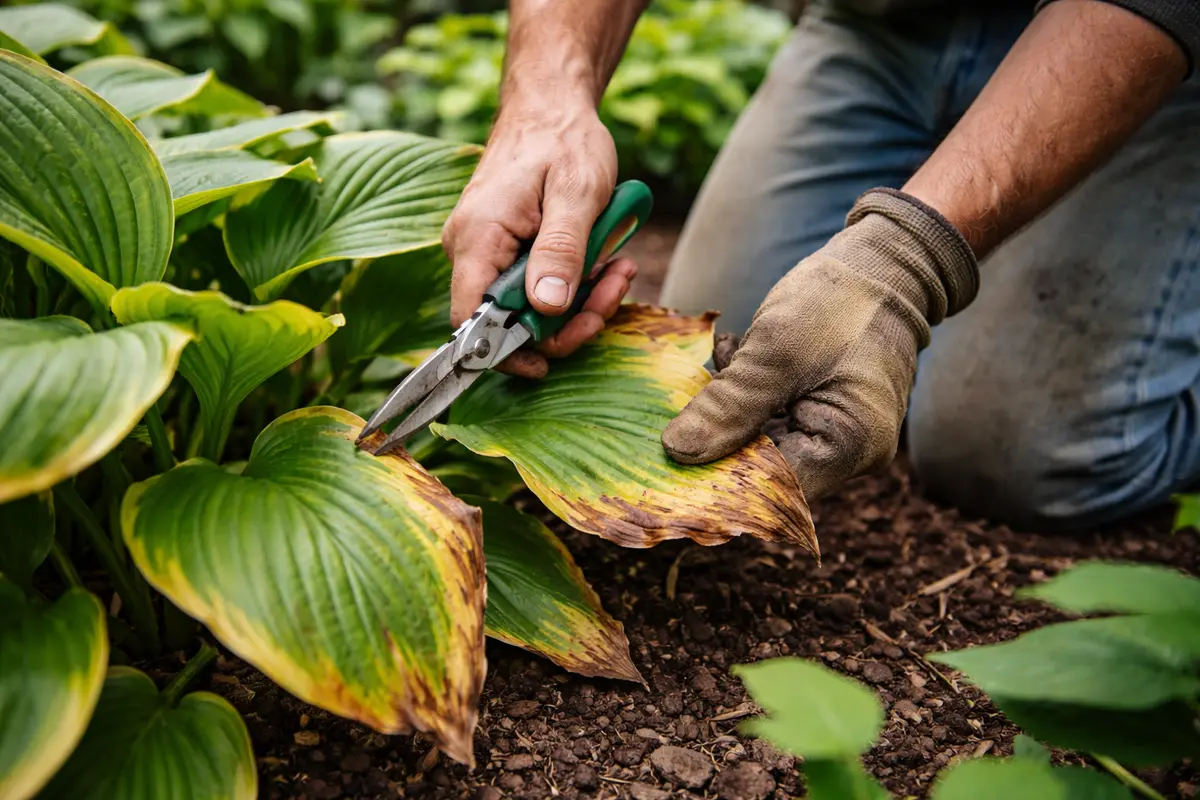
Start by cutting away any hosta leaves with brown edges immediately. This action prevents further spreading of damage and allows the plant to allocate resources towards healthy foliage rather than repairing the affected leaves. Focus on removing leaves that have more than half of the edge turning brown, as these are most likely compromised. Cut them at the base with clean, sharp pruners to minimize stress and reduce the risk of infection. Always sanitize your tools with rubbing alcohol before use to avoid transferring any diseases. If unsure about which leaves to remove, prioritize those showing signs of significant browning and wilting, as they are more likely to harbor pathogens.
When you remove the damaged leaves, your hosta will redirect its energy to healthier parts of the plant, and you may observe signs of improvement within a few days. This step is essential because if brown edges are left unaddressed, they can lead to increased decay and attract pests and diseases that threaten the plant’s overall health. By acting quickly to cut away unhealthy foliage, you can effectively limit the potential for these issues to spread. Make it a habit to inspect your hostas weekly for any new symptoms; if you notice an increase in browning shortly after removal, check for external stressors such as extreme heat or pest activity.
Many gardeners often delay the removal of affected leaves, believing they will recover on their own, which can exacerbate the problem and lead to further damage on surrounding healthy leaves. It’s crucial to take this action early in the growing season, as damage can worsen quickly in warmer temperatures. Moreover, if you spot any wilting in adjacent healthy leaves, this may indicate broader systemic issues that need to be addressed promptly. Be vigilant; once you see leaf tissue beginning to yellow, you usually have about 48 hours to act before the condition deteriorates significantly.
Step 2 – Diagnose Causes of Brown Edges on Hosta
Inspect the leaves and stems of your hosta for signs of stress first. You will see discoloration, wilting, or other abnormalities that signal underlying problems. The cause is often linked to watering inconsistencies or environmental stressors. For instance, overwatered hostas tend to exhibit brown edges accompanied by a mushy texture, while underwatered plants may show browning along with curling leaves.
If you find the soil excessively wet, immediately reduce your watering frequency or improve drainage in the affected area. This helps prevent root rot and restores the plant’s nutrient absorption capabilities. On the other hand, if the soil is dry and crumbly, increase your watering to help rejuvenate the hosta and bring back its vibrant leaves. Compare the condition of different leaves; if some leaves are healthy while others are browning, this can help identify if the issue is systemic or localized.
For broader concerns, assess the overall light conditions and soil quality. If the hosta is situated in full afternoon sun without adequate moisture retention, it may need relocating to a shadier spot or ensuring more consistent watering. Additionally, look for signs of pest damage. If you discover pests like aphids on the undersides of the leaves, treat the plant promptly to reduce stress that contributes to leaf browning.
Step 3 – Apply Fertilizer to Revive Hosta Growth
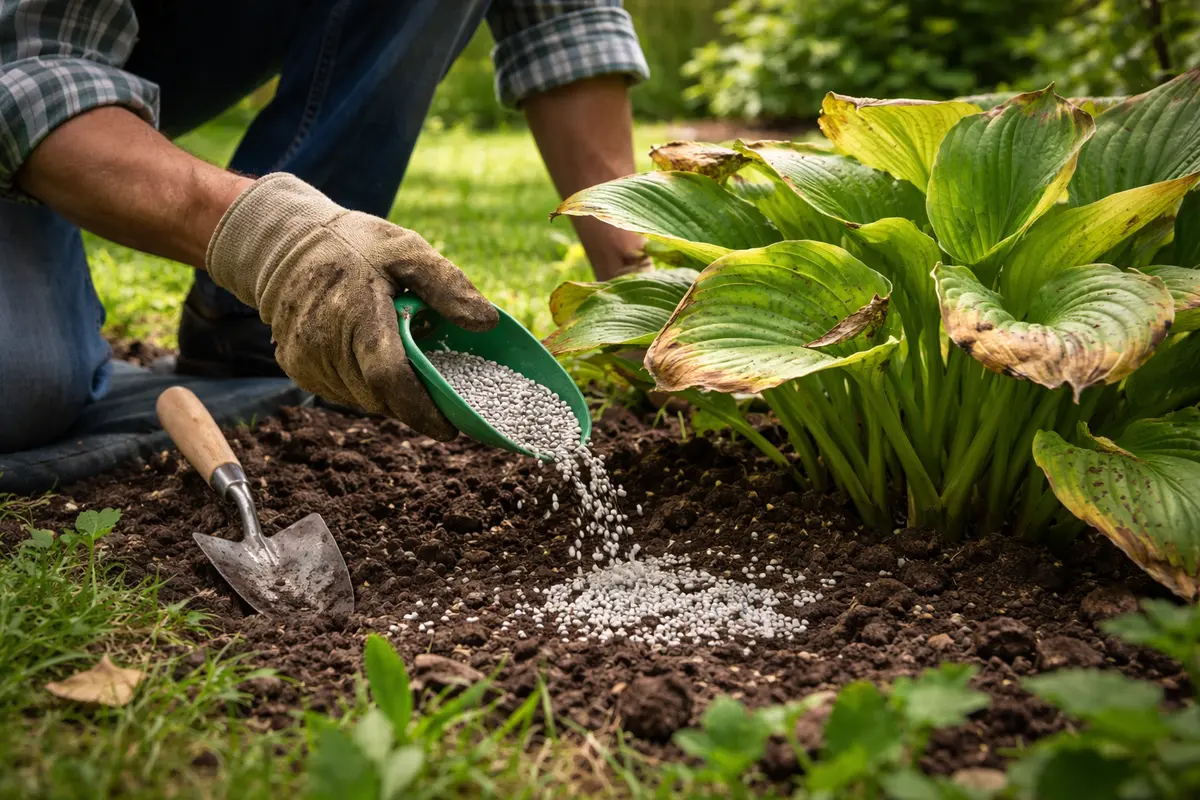
Start by applying a balanced, slow-release fertilizer specifically formulated for flowering plants to your hosta. You should see signs of recovery, such as new leaves emerging and the existing foliage appearing greener and more vibrant within one to two weeks after application.
For optimal results, follow the manufacturer’s instructions for the amount to use, typically opting for a ratio of 10-10-10 NPK fertilizer. Pay attention to the frequency of application; over-fertilizing can lead to nutrient burn, resulting in crisped leaf edges and overall plant stress. Monitor the plant closely; signs of distress can include yellowing leaf tips or stunted growth. If these symptoms occur, flush the soil with plenty of water to dilute nutrient buildup immediately.
Healthy growth should manifest as lush, green leaves emerging from the center of the plant, with no new browning. If within one month you do not observe improvement, check for a high-calcium fertilizer option, as calcium deficiencies can worsen browning issues. The goal is to support gradual, healthy recovery without overwhelming the hosta with excessive nutrients.
Step 4 – Hydrate Hosta Properly During Dry Spells
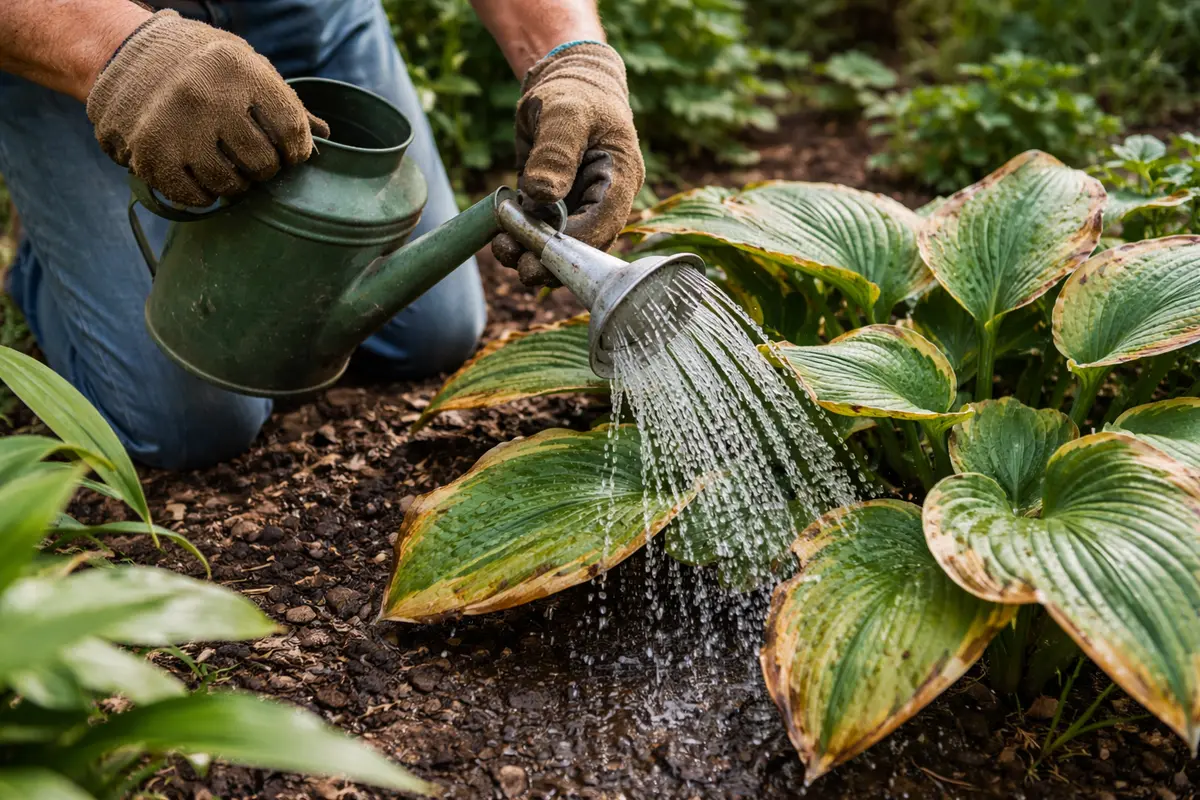
Start by ensuring that your hostas receive consistent moisture; water them deeply once a week. As a result, the brown edges on the leaves should diminish, and your plants will show improved resilience against dry conditions.
Hostas develop brown edges primarily due to inconsistent watering, which leads to stress and dehydration. When their soil remains too dry, they suffer, while consistently moist conditions promote robust leaf health. If your hostas’ leaves appear wilted or crispy during dry spells, address the water levels immediately to prevent recurrence.
During hotter months, increase your watering frequency in the mornings to accommodate for evaporation. Additionally, consider applying a layer of mulch around the base of the plants to help retain soil moisture, especially if rainfall is sparse.
Brown edges can arise from inconsistent watering, especially during hot, dry spells where moisture levels drop. By maintaining a steady watering schedule, you mitigate the risk of dry soil, which can lead to stress in the hostas. For example, if you notice browning during particularly dry weather, reinforcing watering routines becomes crucial; if not managed, the plants will continue suffering from water stress.
During the summer months, increase your watering frequency if temperatures exceed 85°F, adjusting to the heightened evaporation rates. Additionally, mulching around the base of the plants can help retain soil moisture, providing another layer of protection against drought. This strategy not only supports consistent hydration but also minimizes competition from weeds.
Hot and dry conditions often trigger browning, especially when hostas are not watered sufficiently. By establishing a regular watering routine, you will address the dehydration that causes leaf stress, reducing the chances of recurrence. In contrast, overwatering can lead to root rot, evidenced by limp leaves and stunted growth, signaling the need for adjustments in your care routine.
As summer heat intensifies, increase your watering frequency if the weather remains excessively dry. Additionally, applying a layer of mulch can help retain moisture in the soil and regulate temperature, providing a secondary defense against the stress that leads to brown edges on the leaves.
Dry soil conditions can lead to stress in hostas, resulting in brown leaf edges, while overly saturated soil may promote root rot. By maintaining a stable moisture level, you address the core issue of water inconsistency that triggers these symptoms. If you notice leaves still browning, check for soil drainage to ensure it isn’t causing root problems.
As the weather gets warmer, consider mulching around your hostas to retain soil moisture more effectively. Additionally, during the height of summer heat, adjust your watering routine to check more frequently for moisture levels, ensuring your hostas remain hydrated even during dry spells.
Brown edges often result from inconsistent moisture levels or extreme heat, which causes the leaves to dry out. By maintaining a steady watering routine, you address the root cause of moisture imbalance. For example, hostas with consistent watering show resilient green leaves, while those left dry exhibit browning and curling at the edges. Check for soil moisture by digging a small hole or using a moisture meter; an effective way to ensure you are not over or under-watering your hostas.
As summer temperatures rise, increase your watering frequency, paying close attention to particularly hot or windy days that can deplete moisture quickly. Adding a layer of mulch around the base can also help retain soil moisture and regulate temperature, providing an additional protective measure against the harsh environment. It’s best to use organic mulch like shredded bark or straw, which adds nutrients back to your soil as it decomposes, benefiting your hostas long-term.
Environmental conditions such as dry soil or intense afternoon sunlight can trigger the recurrence of brown edges. By establishing a watering schedule and providing filtered shade during the hottest part of the day, you create a balance that addresses the root cause of dehydration and stress in your hostas. If your hostas are still showing symptoms despite these adjustments, check your soil drainage to ensure it’s not holding too much moisture, particularly in heavy clay soils which can cause water runoff instead of availability to the roots.
During the hot summer months, increase your watering frequency or employ mulch to retain soil moisture more effectively. Additionally, consider using a shade cloth on particularly sunny days as a secondary layer of protection against heat stress, preventing browning and promoting robust growth. Consistent hydration is vital to maintaining plant health, especially during dry periods when hostas are particularly vulnerable to stress. Implementing a regular watering schedule ensures that the plant receives sufficient moisture, helping to keep the leaf edges vibrant and green.
Furthermore, keeping an eye on moisture retention levels after rainfall is equally important. If heavy rains are followed by dry spells, reevaluate your watering schedule accordingly. For hostas planted in full sun, consider that they may require more moisture verification than those in shaded areas. Always assess the moisture conditions weekly during dry spells and adjust your watering habits accordingly to avoid the cyclic damage brown edges can create.
Step 5 – Inspect Hosta Leaves for Recurring Issues
After taking corrective action, inspect your hosta leaves every week for signs of recurring issues. Look for new growth or signs of improvement, such as firm, vibrant leaves that signal recovery. Establish a routine inspection, ideally in the morning when the leaves are still hydrated from overnight dew. Check for any new brown spots or edges, as these can indicate the continuation of stress factors. If you observe any new browning shortly after implementing corrections, it may suggest that environmental factors have worsened or that more profound issues like pests or diseases are at play.
A fully rejuvenated hosta will display leaf edges that are free of browning; healthy, green foliage and a robust growth pattern will indicate that the plant is thriving. However, keep an eye on potential environmental changes too, such as heavy rains that might alter your soil moisture, leading to a recurrence of brown edges. Regular monitoring is essential because early identification of emerging problems allows you to address them effectively before they escalate. Be proactive in carrying out weekly inspections, noting any rapid changes in leaf structure or color.
If brown edges return despite your care, consider reaching out to a local gardening professional for assessment of soil health or possible pest issues. They might suggest further soil amendments or alternative watering practices tailored to your specific environment. Be prepared to check for competing weeds or plant roots in the vicinity that may be affecting nutrient availability. Rectifying issues promptly reduces the risk of deeper systemic problems developing within the plant. If pests are suspected, action should be taken quickly to prevent spreading, as many pests like aphids can gravely affect plant health over time.
FAQ
How long does it take for hostas to recover from brown edges?
Most hostas begin to show improvement within a couple of weeks after proper care is initiated, assuming the causes have been addressed effectively. Look for signs of new growth and healthier leaves to indicate recovery. However, visible results may take longer for hostas affected by severe root problems or nutrient deficiencies, sometimes requiring a month or more.
Can hostas with brown edges spread the issue to healthy leaves?
Yes, if the brown edges are caused by a fungal infection or another disease, there is a risk of it spreading. Prompt removal of damaged leaves and treatment of the plant can minimize this risk. Maintaining adequate air circulation and moisture levels can further prevent infection spread among nearby plants.
Should I remove all affected leaves at once?
While it’s essential to remove damaged leaves, do not remove all of them simultaneously as this can stress the plant. Instead, target the most severely affected leaves first, allowing the hosta to begin recovery before addressing additional issues. In intervals, revisit the plant to check newly damaged leaves and remove them to aid in the healing process.