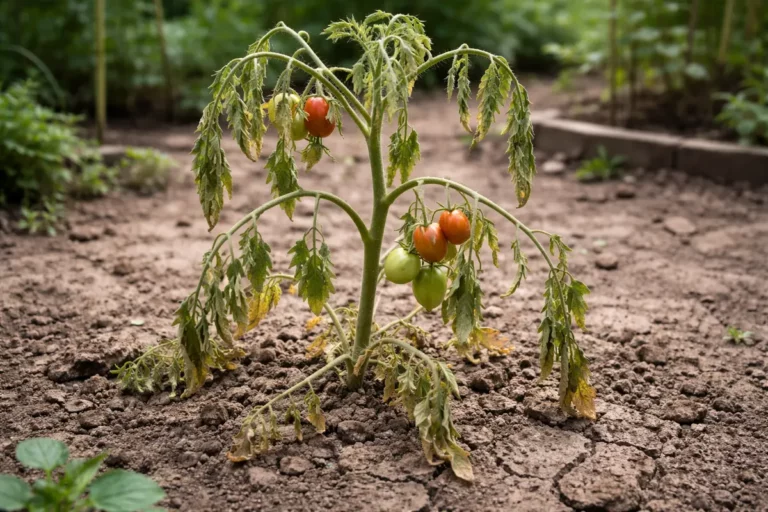

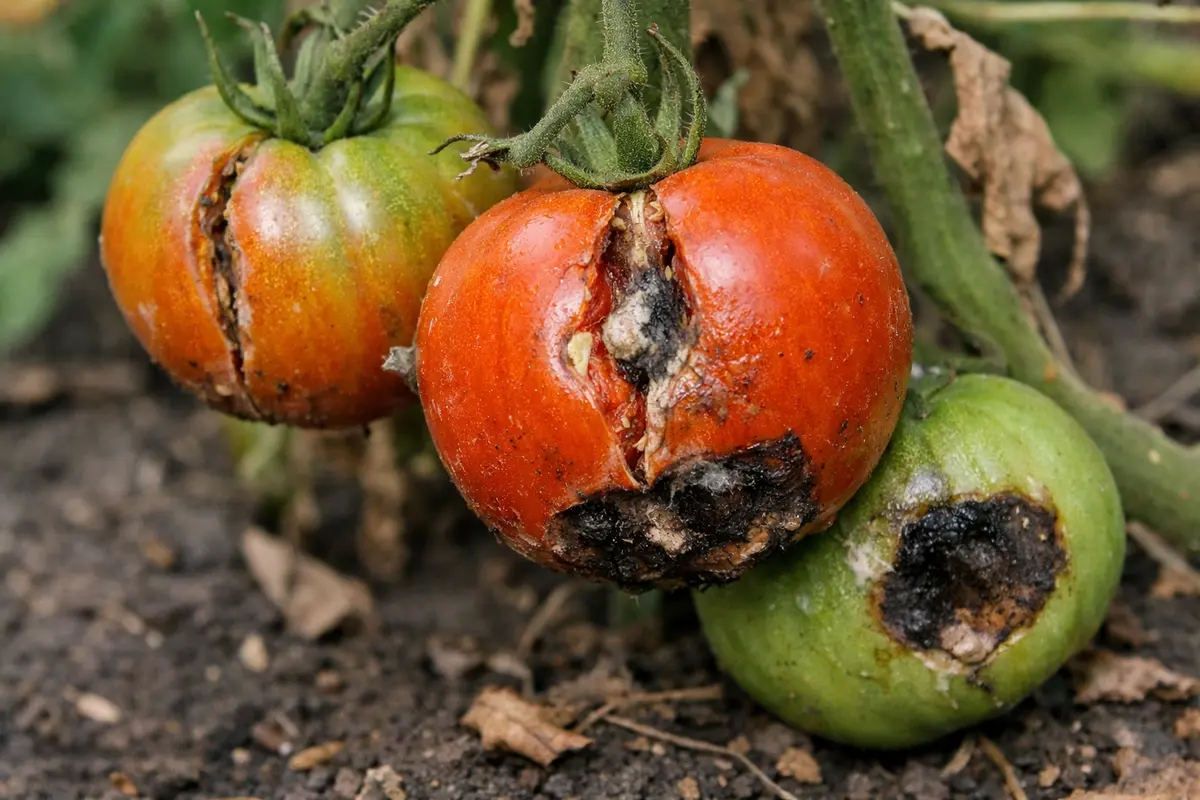
You may notice your tomato plants showing signs of split fruit during a period of heavy rain, which is why you need to know how to fix split fruit on tomatoes before harvest. This splitting occurs when the fruit grows too quickly for its skin to keep up, leading to unsightly cracks and potential damage. If left unaddressed, the condition worsens, leading to more damage and ultimately stalling growth, but fixing it is possible now—just inspect the affected areas and adjust your watering habits accordingly.
Step 1 – Cut Away Split Tomatoes Immediately
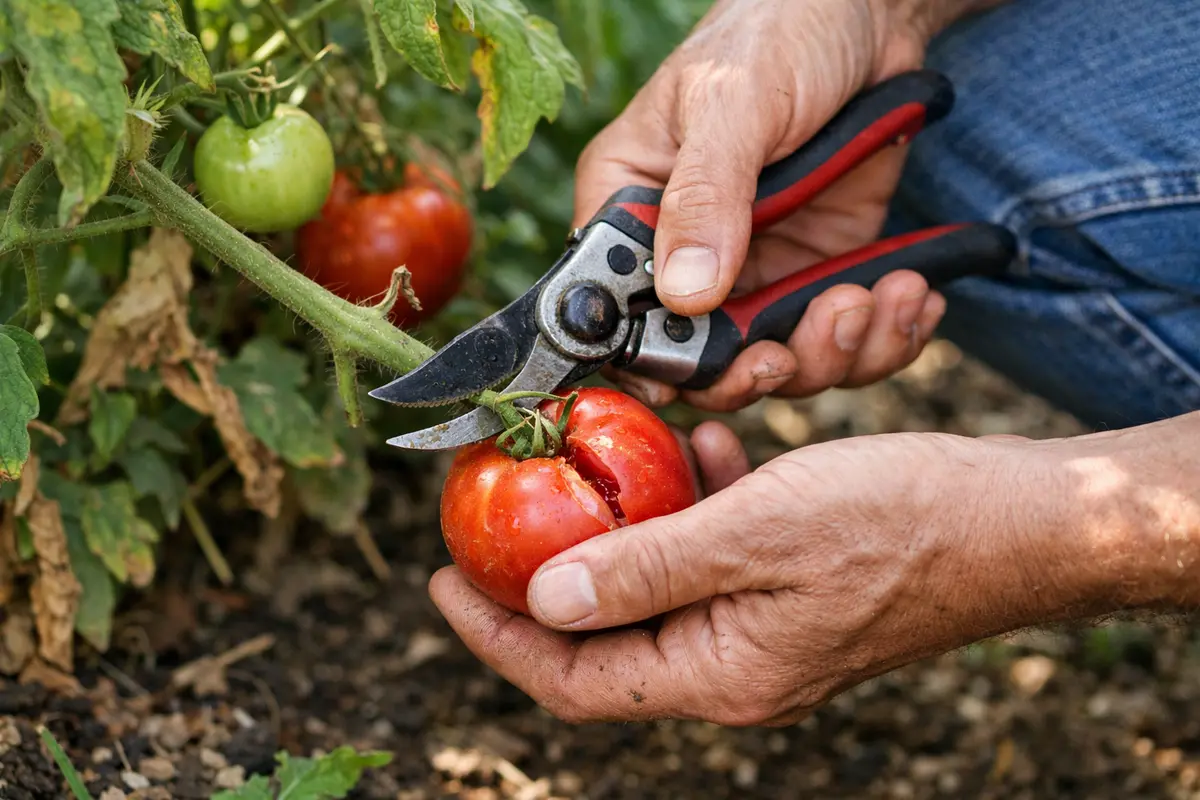
Begin by removing any visibly split tomatoes right away. This action stops further damage and allows the plant to focus on ripening the remaining undamaged fruit. You’ll quickly notice that prompt removal helps minimize the risk of fungal infections and bacterial diseases, thus preserving the integrity of your harvest. If you wait too long to act, the damage can escalate, potentially leading to rot spreading to nearby healthy tomatoes.
When you remove split tomatoes, the plant can direct its energy toward nurturing healthy fruit rather than attempting to repair damaged ones. Splits expose the inner flesh of tomatoes to pathogens and insects that thrive in open wounds. By cutting away these compromised fruits immediately, you reduce the chances of pests making your garden their new home. It is best to use clean, sharp scissors or pruning shears to prevent introducing any pathogens into the remaining fruit.
It is a common mistake for gardeners to remove only the outer skin and not inspect the fruit for internal damage. Split fruit can indicate underlying hydration issues, like inconsistent watering or soil compaction, which need to be addressed. Neglecting to act quickly may escalate problems in your tomatoes, especially in the warm, humid conditions that often follow rainstorms. Ensure you check for internal blemishes or signs of rot as you perform this task. If you notice a lot of internal rot, it may point towards a more significant issue in your watering schedule or soil conditions.
Step 2 – Diagnose Moisture Imbalance in Tomato Plants
Start by assessing your watering practices. If your tomato plants are consistently overwatered, shift to a more controlled watering schedule, allowing the soil to dry slightly between watering sessions. You should notice a decrease in the frequency of split fruits within a week.
Overwatering causes fluctuations in soil moisture, leading to rapid growth in tomato fruits, which in turn results in splitting. When soil remains too wet, the roots absorb excessive water, sending signals to the plant to expand the fruited tissue faster than it can handle, hence causing cracks. Conversely, if the soil feels dry and crumbly, the issue might stem from inconsistent moisture levels rather than overwatering.
If you notice that the soil has a sour smell, it may indicate root rot; in this scenario, switch to using a soil amendment like perlite to improve drainage. Additionally, if you spot signs of blossom end rot, characterized by dark spots on the bottom of fruit, focus on enhancing calcium availability in the soil instead.
Tomatoes thrive best in well-draining soil that can maintain consistent moisture levels. If you encounter soil that remains overly moist or dry, this could hinder nutrient uptake and cause stress on the fruit itself. Notice how the texture of the soil feels; dry soil will crumble, whereas overly moist soil may clump together and appear dark. Be aware that sudden changes in soil moisture can lead to rapid fruit swelling, pushing the skins to their limits—which often results in cracking.
If the soil smells sour or drains poorly, this often indicates overwatering or root rot, meaning a shift in your watering technique is necessary. Conversely, if the soil is bone dry and cracks appear on the surface, it’s critical to establish and stick to a proactive watering schedule. For instance, if you find yourself watering daily after a dry spell, consider reducing frequency but increasing water quantity to ensure deeper root penetration. Neglecting to adapt your watering to the weather—both wet or dry—intensifies split fruit issues and hinders the overall growth of your plants.
Step 3 – Fertilize Tomatoes to Support Damage Recovery
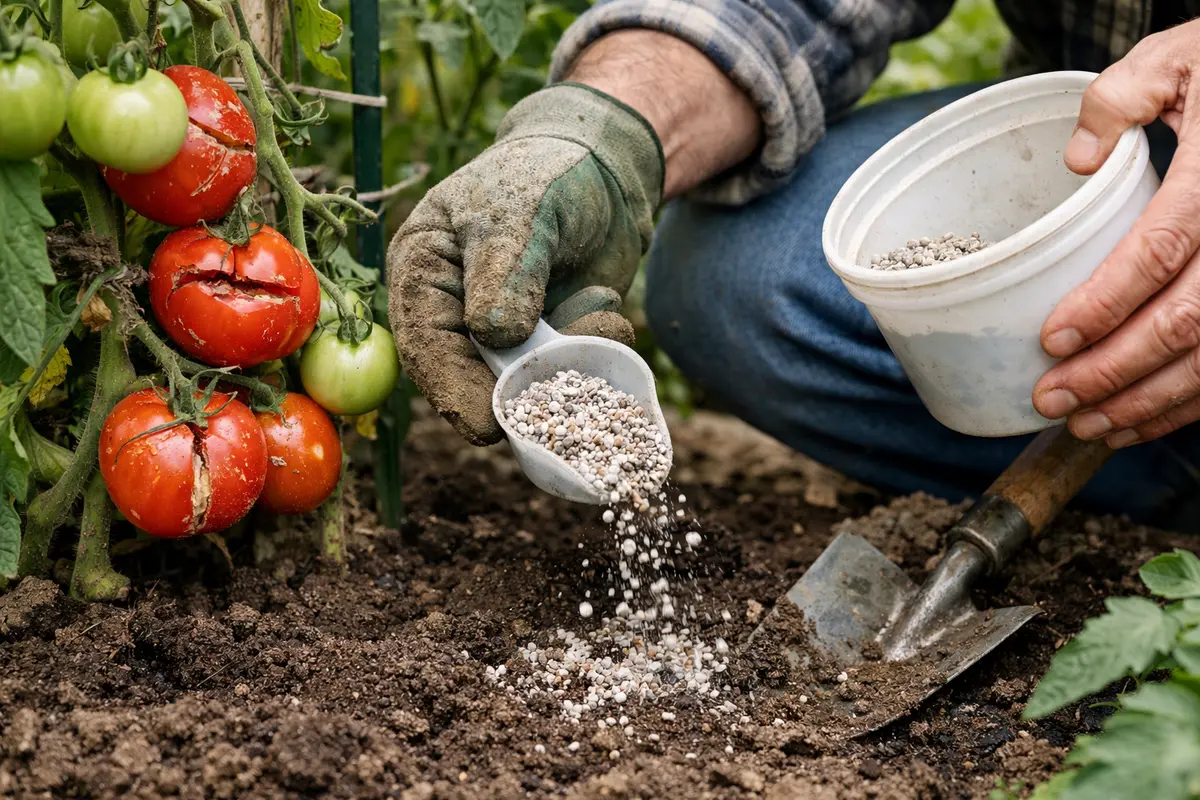
After addressing the visible issues, apply a balanced fertilizer to aid your tomatoes’ recovery. You should start noticing fresh leaf growth and stronger fruit set within a week as the plants reclaim their vigor. Providing essential nutrients encourages robust growth in the remaining healthy tomatoes, making them more resistant to environmental stresses. A fertilizer high in potassium can be particularly effective since it plays a key role in fruit quality and disease resistance.
Fertilization is crucial for replacing depleted nutrients in the soil, especially when dealing with tomatoes that are experiencing stress. Well-nourished plants are better equipped to handle sudden environmental changes, particularly during the sensitive ripening stage. The right nutrient balance aids in cellular repair, restoring damage caused by splitting. For instance, consider applying a fertilizer with an N-P-K ratio of 5-10-10, as this helps support flowering and fruit development while minimizing excessive leaf growth.
A common error during this phase is over-fertilizing. Many gardeners mistakenly think that dumping more nutrients will yield quicker results, but this can lead to excessive leaf growth instead of healthy fruit set. If your plants exhibit lush green foliage at the expense of fruit, it may be a sign of too much nitrogen in your fertilizer. In cases of over-fertilization, some fruits may even drop prematurely as plants are unable to support excessive leaf canopies. Aim for a balanced product with an equal ratio of nitrogen, phosphorus, and potassium to encourage even growth.
Step 4 – Water Consistently to Prevent Fruit Splitting
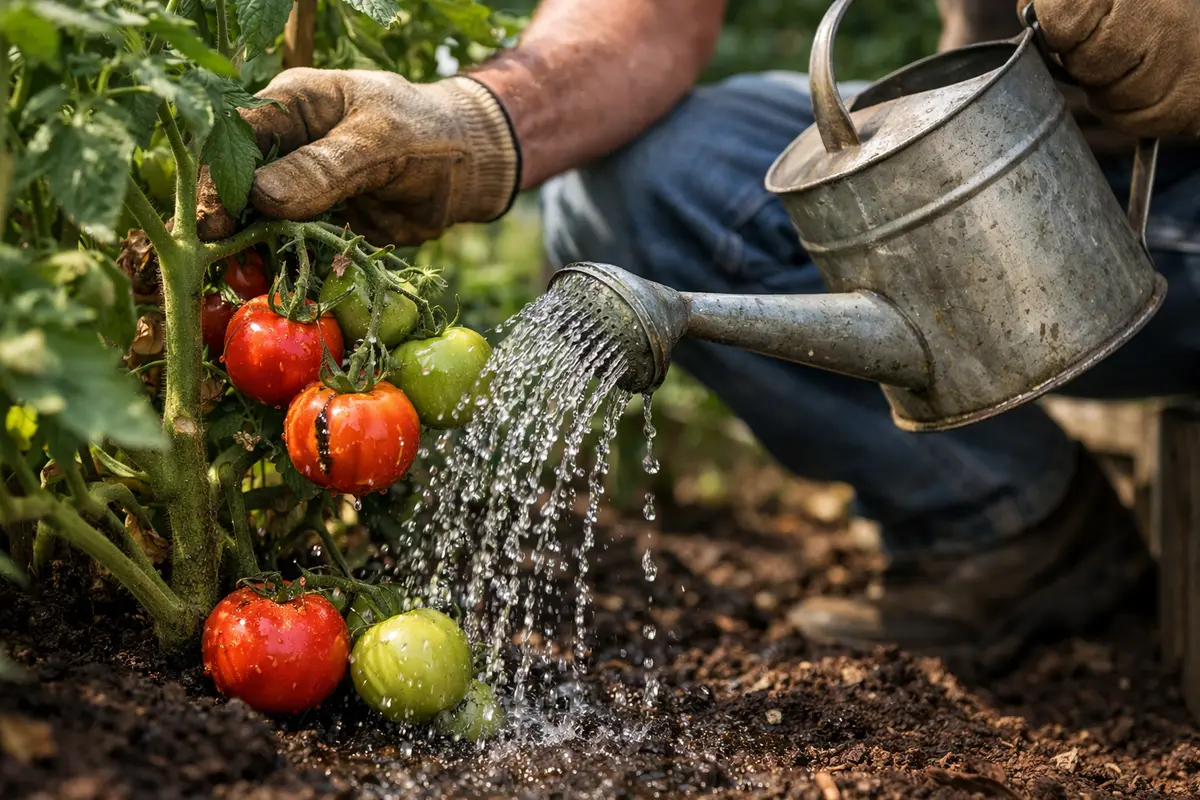
Start by consistently watering your tomato plants with approximately one inch of water each week, ensuring the soil is evenly moist. This routine will minimize the risk of split fruit, allowing your tomatoes to grow to full maturity without cracking.
Rapid changes in soil moisture, especially after periods of drought followed by heavy rainfall, often trigger the splitting of tomatoes. By maintaining consistent watering, you reduce the likelihood of this fluctuation and address the root cause of splitting. For example, tomatoes that experience sporadic watering are more prone to cracking compared to those with regular, steady moisture levels. If you notice yellowing leaves, check your watering schedule to identify inconsistencies.
During particularly hot summer months, consider adding a layer of mulch around your plants to help retain soil moisture and regulate temperature. This additional layer of protection can aid in preventing split fruit when the weather becomes excessively dry. You can also use row covers or shade cloths during extreme heat waves for added protection.
Inconsistent watering during high-temperature periods or after rainfall can lead to severe stress for the tomato plant. For instance, a sudden dry spell followed by heavy rains can cause rapid swelling of fruits, leading to splits. Regular checks on soil moisture are vital to ensure roots receive the nourishment they require without sudden surges in water. Keeping records of your plant’s watering needs based on weather patterns can also help adjust your routine preemptively without waiting for issues to arise.
During the heat of summer, consider increasing your watering frequency, ideally early in the morning or later in the evening to minimize evaporation. You may also want to adjust your routine based on climate conditions; if you know rain is on the way, watering less or ensuring proper drainage can prevent issues associated with excess moisture. If signs of splitting reappear, take a close look at weather changes, as abrupt shifts can impact how your plants receive water. Note that using mulch can also help retain soil moisture, reducing the need for frequent watering while preventing rapid evaporation from the soil surface.
Step 5 – Inspect Tomato Fruits for New Cracks Weekly
Start by checking your tomato plants daily for moisture levels, especially during dry spells. Observe the fruit closely; look for signs of splitting, which typically occurs when there is uneven watering. Recheck the soil moisture every few days to ensure consistent hydration, as erratic moisture can lead to further damage.
A fully recovered tomato plant displays firm fruit with smooth skins, indicating even moisture uptake. In contrast, early signs of issues re-emerging may include soft spots or slight cracking near the stem, suggesting an imminent return of the splitting issue. If the skins feel too tough or show deep grooves, that indicates inconsistent watering patterns that need to be addressed immediately.
If splitting returns despite your best efforts, escalate by adjusting your watering schedule to a more consistent routine, aiming for deep watering to fix soil moisture levels. Additionally, applying mulch can help maintain soil moisture. If problems persist, consider inspecting for diseases or pests that might be causing further stress to your plants.
A properly healthy tomato plant should exhibit smooth, firm fruit without any signs of splitting. If you notice new cracks appearing, this might signal a return of inconsistent watering, nutrient deficiencies, or other underlying conditions. Address these symptoms promptly, as they can halt any further damage and preserve your yield—consider logging your observations in a gardening journal to track progress and correlate it with weather conditions.
If cracks persist despite following your best care techniques, it might be indicative of more significant soil issues or nutrient imbalances that require immediate attention. Assess your watering practices or consider adjusting your soil amendments based on your observations. In cases where the problems continue beyond your control, consulting with a local agricultural extension service can provide further insights into managing persistent issues in your tomato garden. Having a dialogue with fellow gardeners about their experiences can also offer new strategies for dealing with difficult conditions.
FAQ
Why are my tomatoes splitting after heavy rain?
Tomatoes split primarily when they absorb excessive moisture following a dry period, causing rapid elasticity in the fruit’s skin. To minimize this, adjust your watering routine before anticipated rainstorms to ensure moisture levels remain stable, thereby reducing the risk of cracking. Employing mulch around your plants can also provide a buffer against sudden water stresses.
Can I still eat split tomatoes?
Yes, you can consume split tomatoes if they exhibit no signs of rot or pest infestation inside. Inspect the interiors closely; if they appear healthy, they remain safe for consumption. However, eat them soon to avoid further deterioration, as split fruit is more prone to decay. If you find a lot of blemishes or rot, it’s advisable to discard those, as they could harbor diseases.
What causes tomatoes to split after picking?
Tomatoes may continue to split after picking due to uneven ripening, particularly in variable storage conditions. To prevent this issue, store harvested tomatoes in a uniform temperature and humidity setting, allowing them to ripen evenly without causing further stress that leads to cracks. Experimenting with ripening tomatoes in a single layer may reduce pressure on the fruit, helping preserve their integrity.