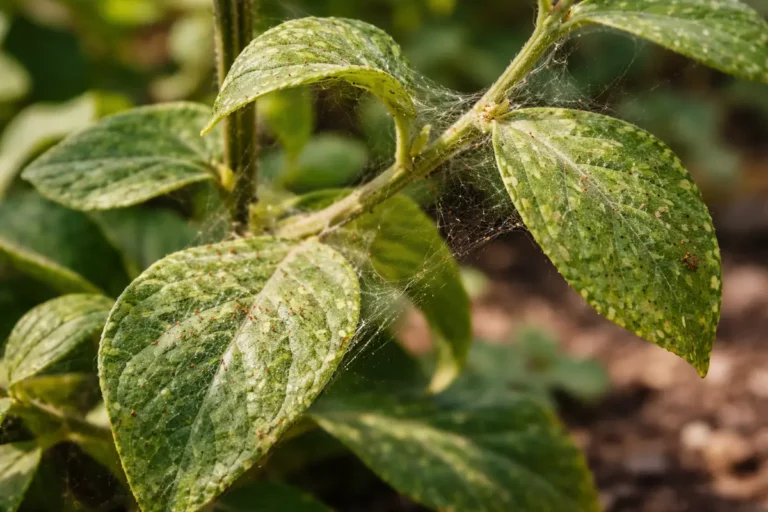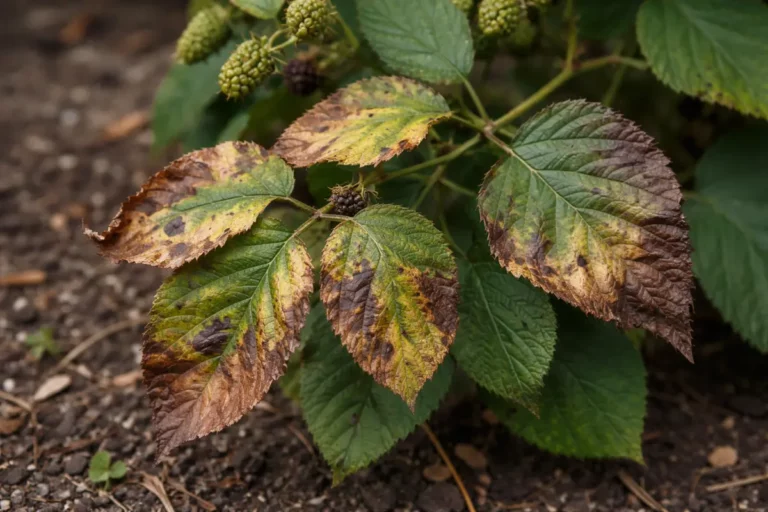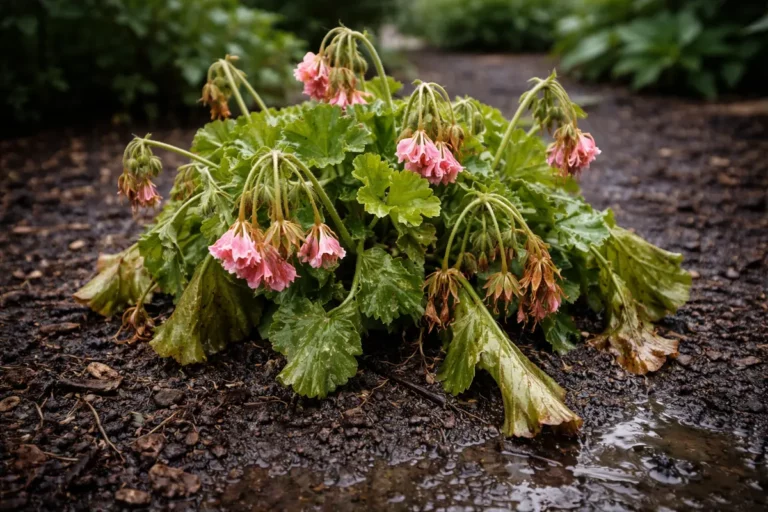
You’ve probably seen the troubling sight of curling leaves on your magnolia tree in fall, which is why you need to know how to fix curling leaves on a magnolia tree in fall. This curling is often caused by environmental stressors or pests, leading to visible damage such as wilting and discoloration. If left untreated, this condition gets worse and can spread, weakening the plant’s overall health and stalling its growth. Thankfully, addressing this issue is possible by inspecting and adjusting your care routine to improve the tree’s condition.
Step 1 – Inspect Magnolia Leaves for Curling Symptoms
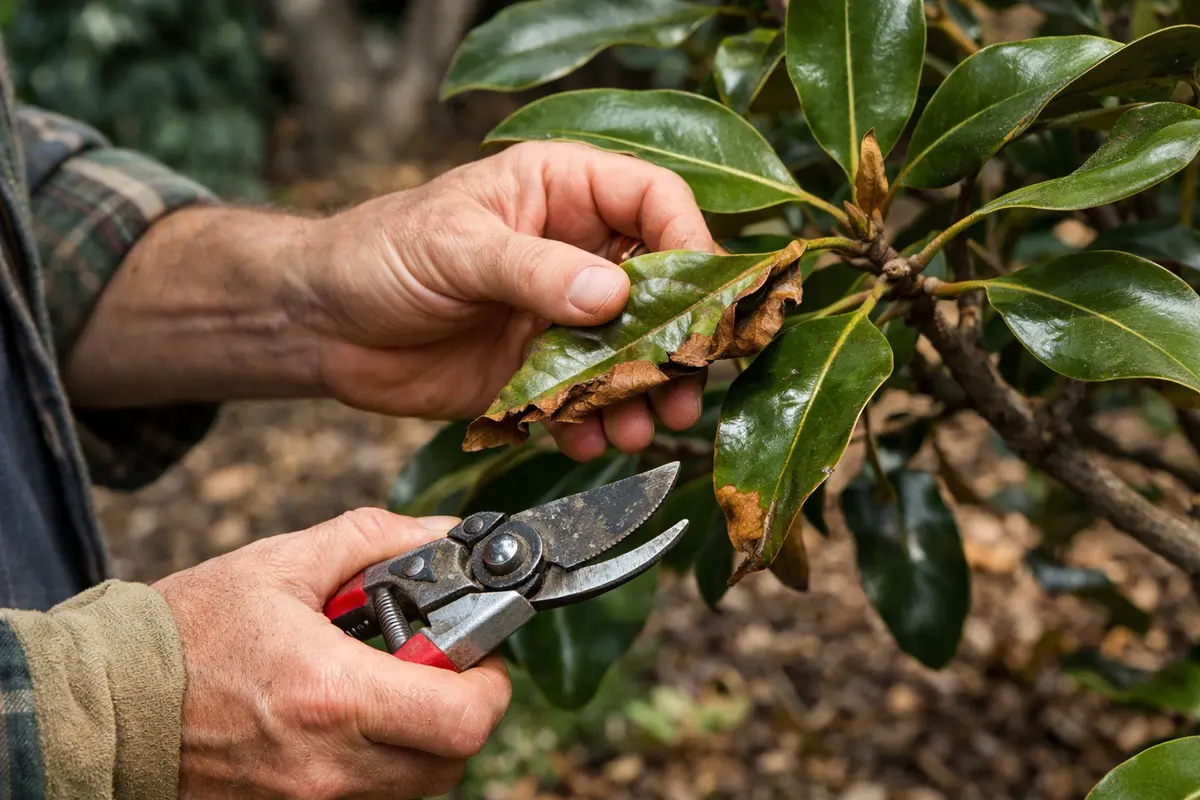
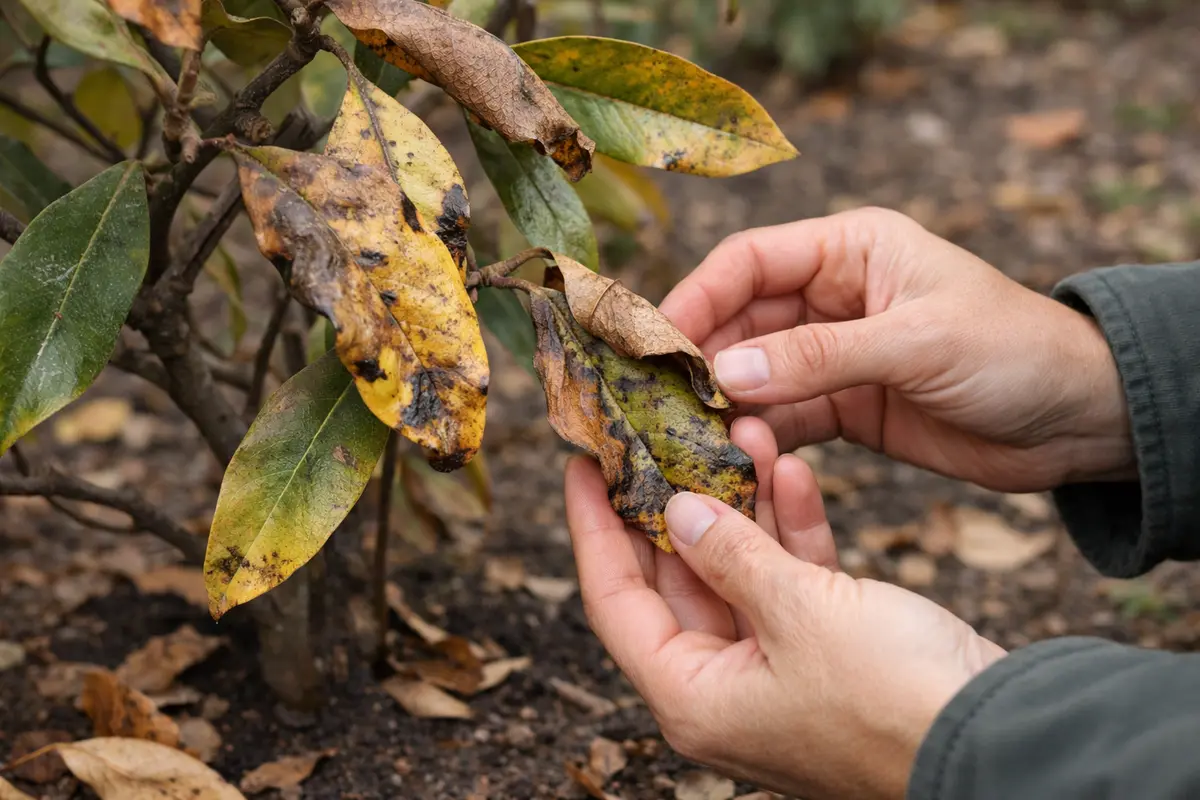
Begin by examining the magnolia leaves for visible signs of curling. You should see patterns of inward curling and possibly discoloration on the leaves within a few moments of your inspection. Pay close attention to the tips of the leaves as well, as they often curl before the entire leaf shows signs of distress. Look for further signs, such as spots, which can indicate pest damage or disease. A specific observation important here is that early leaf curling tends to be more evident on younger leaves, as they may be less resilient compared to mature foliage.
Recognizing these symptoms early is critical because they indicate the plant is struggling with either moisture retention or nutrient uptake. Curling leaves can result from excess water causing root suffocation, leading to stunted growth or even dieback if left unaddressed. This may also present as yellowing leaves that feel soft and mushy to the touch; these changes indicate a critical need for intervention. If you notice droopy leaves coupled with curling, it’s a sign the tree is under immense stress. You might see signs of distress amplified after rainstorms if the tree’s drainage is compromised.
One common mistake during this step is failing to look closely enough at the entire tree. For example, curled leaves might be mistakenly taken for seasonal drop-off, causing gardeners to overlook potential underlying problems. Furthermore, focusing solely on the leaves without inspecting the surrounding soil can delay important interventions. Make a habit of regularly assessing both the foliage and root zone to ensure all aspects of the tree are healthy. When assessing, a good practice is comparing the affected leaves with healthy foliage from nearby trees to better gauge the severity of the issue.
Step 2 – Diagnose Underlying Moisture Issues in Soil
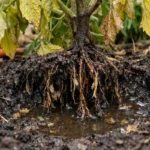
Check the soil moisture levels around the magnolia’s root zone immediately. Use your finger to dig a few inches into the soil; if it feels overly saturated or waterlogged after recent rainfall, you will likely notice the presence of a sour smell within a few days, indicating poor drainage conditions. Additionally, if the soil compacts easily and forms clumps, that may signal excessive moisture retention. If the soil feels dry and cracks are visible, it may suggest that the roots are struggling to absorb water properly.
The issue with moisture levels often ties back to soil compaction or improper drainage. In heavy soils, such as clay, water may become trapped, preventing the roots from accessing oxygen and nutrients. This creates an environment for diseases like root rot, which manifests in the leaves curling up. If your soil is well-aerated, allowing you to push your fingers through easily, it indicates healthy conditions. If, however, you find that penetration is difficult, be on alert for possible drainage issues that require further attention.
If the soil smells sour, indicating a likely occurrence of root rot, it’s advisable to consider aerating the soil to improve drainage. Use a garden fork or aeration tool to gently break up compacted areas and encourage oxygen flow to the roots. If aeration doesn’t yield improvements within a week, you may need to relocate the tree to a different spot with better drainage. If you find soggy soil consistently, consider integrating gravel or sand into the planting area to enhance drainage. Proper diagnostic steps are essential for determining the right actions to take next to prevent further adverse outcomes. Also, incorporating organic material can further improve soil structure over time.
Step 3 – Adjust Watering Schedule for Healthy Magnolia Growth
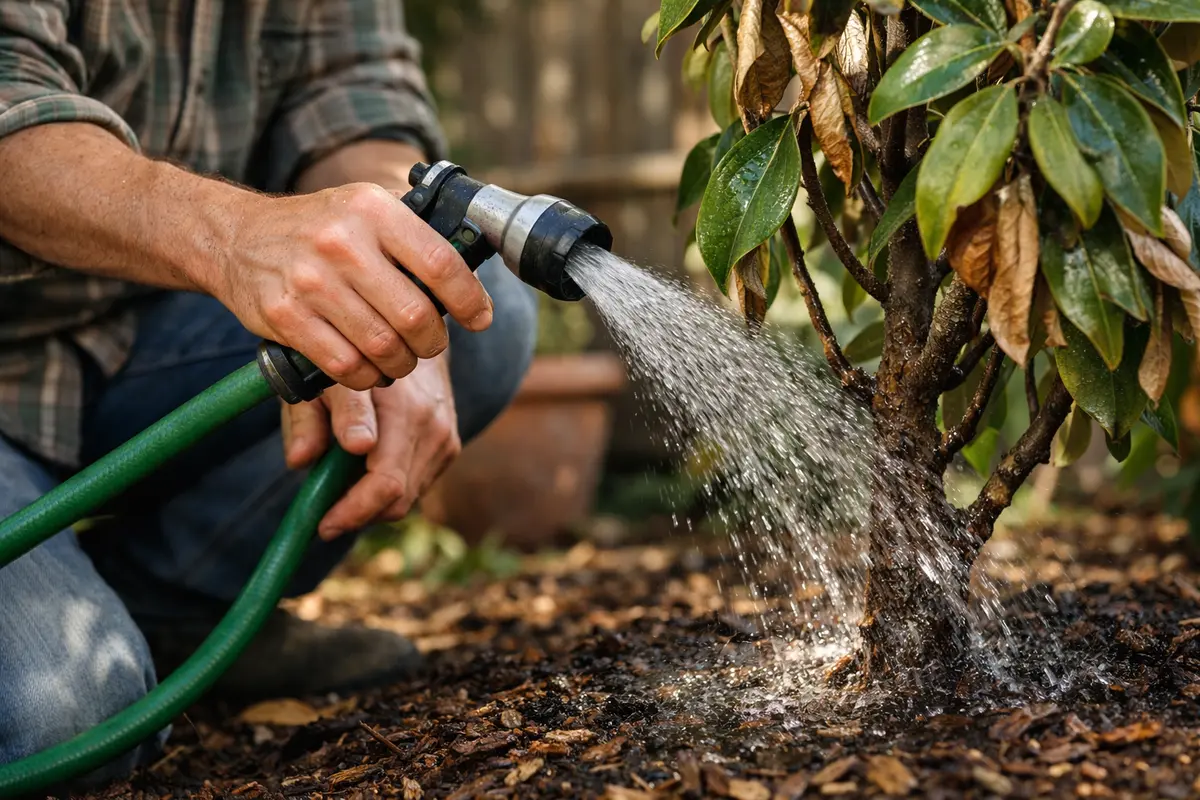
Start by reducing the amount of water your magnolia tree receives if curling leaves are present. Adjust your watering schedule to allow the soil to dry slightly between waterings; generally, waiting 5-7 days between waterings can be effective. Within a week, you should notice improved turgidity in the leaves and a reduction in the severity of curling. However, always check the moisture levels before watering to ensure you are not adding further stress.
A realistic recovery timeline for magnolia trees shows that signs of improvement can emerge in as little as two weeks. Healthy regrowth typically appears as new, vibrant leaves unfurling without curls. A critical consideration during this phase is that environmental factors like sunlight levels play a significant role; more exposure will help the tree utilize moisture better. If new leaves are curling as well, it can indicate a burgeoning pest infestation that needs immediate attention.
During recovery, avoid the mistake of over-fertilizing, as this can cause additional stress to the tree. Applying too much fertilizer can lead to root burn, ultimately leading to further curling and stunted growth. If you observe yellowing leaves instead of curls, check your watering levels before adjusting nutrients. Remember that magnolias are sensitive and too much alteration in nutrient levels can destabilize their recovery.
This adjustment is crucial because magnolias prefer well-draining soil and benefit from periodic drying. Overwatering exacerbates the curling issue and weakens root structures. Once the moisture levels balance out, you will begin to notice firmer leaves and healthy new growth emerging from the tips of branches, which is a good sign of recovery. Consider using a moisture meter for precise readings to avoid under or overwatering, especially in fluctuating weather conditions. A common trap is being overly cautious and cutting back drastically on watering, leading to drought stress that causes the leaves to curl downwards.
If the soil remains parched for an extended period, observe the downward curling leaves as an immediate signal of dehydration. It’s imperative to remain vigilant during periods of temperature shifts, as they can impact the required moisture levels dramatically. If despite your adjustments, the leaves remain curled, further investigation into soil composition or potential pest issues may be essential, since hidden infestations could be the underlying cause of this stress.
Step 4 – Mulch Around Magnolia to Retain Moisture
Start by regularly checking the soil moisture around your magnolia tree and ensuring it remains consistently moist but not waterlogged. This will significantly reduce the likelihood of curling leaves, as adequate hydration is essential for optimal leaf development during fall. If you find that the soil dries out too quickly, it might be time to reassess your watering schedule or enhance your mulch layer to increase moisture retention.
Dry soil conditions, especially in autumn when rainfall decreases, trigger leaf curling as the tree cannot absorb the necessary nutrients. By maintaining appropriate moisture levels, you prevent this issue and promote healthy leaf function, standing in stark contrast to other trees that suffer from drought stress and exhibit severe curling. Additionally, pay attention to how quickly the soil dries after a rain event; consistent drying can signal the necessity of additional mulch.
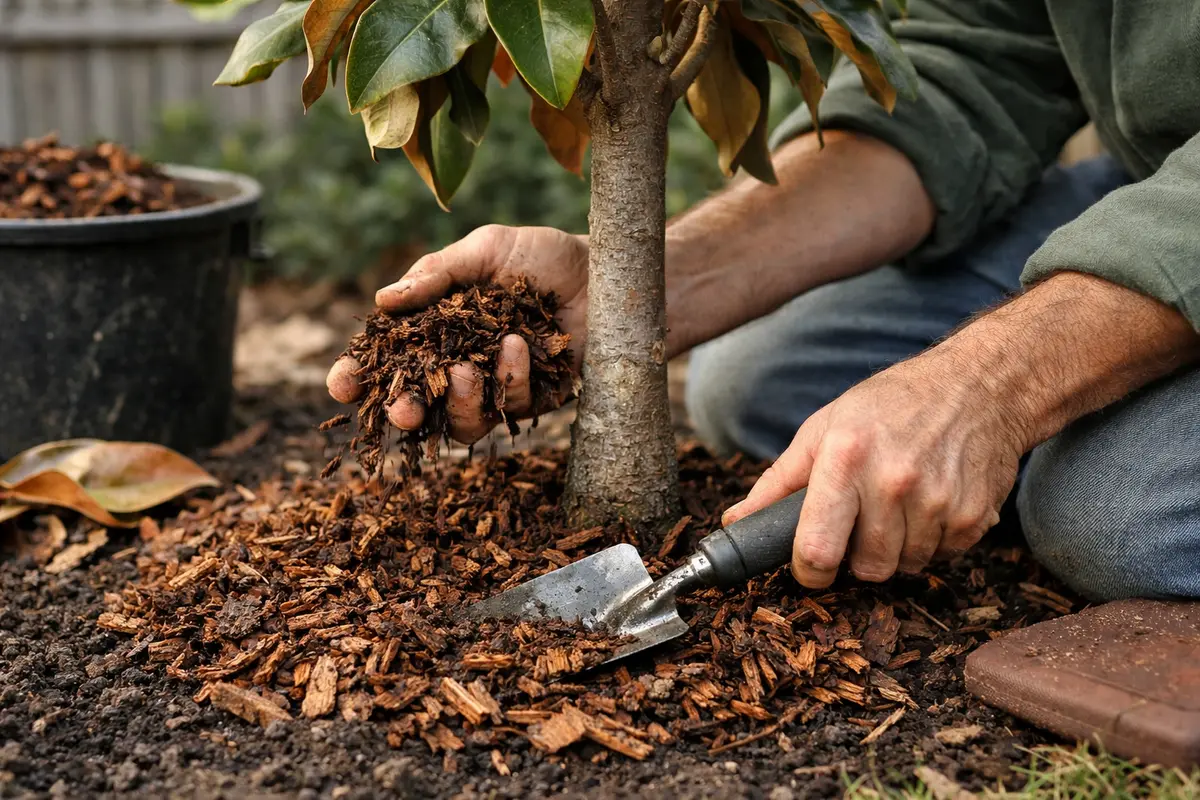
As fall progresses and temperatures drop, consider adding a layer of mulch around the base of your tree to help retain soil moisture and regulate temperature. Apply a thick layer of mulch, about 2-4 inches, ensuring it is spread evenly and does not touch the trunk of the tree. If you’re experiencing prolonged dry spells, assess your irrigation routine to ensure your magnolia is retaining sufficient hydration.
Mulching serves a dual purpose: it retains soil moisture while preventing rapid evaporation, which is vital during fluctuating fall temperatures. Organic materials such as shredded bark or wood chips not only help retain moisture but also enrich the soil as they decompose. Notably, this dual benefit creates an optimal environment for root development, significantly minimizing potential leaf curling. If mulch has built up too thickly over time, consider a prompt removal to avoid root suffocation or fungal growth.
Adapt your mulching routine based on seasonal weather variations. For instance, after an extensive rain, evaluate your mulch thickness to ensure it allows for better drainage; if needed, consider temporarily removing excessive layers until the soil dries adequately. Additionally, keep an eye on mulch thickness; too much can lead to root suffocation and soil compaction. Regular maintenance checks after mulching will ensure effective moisture retention without causing new issues; this ensures that your magnolia thrives even in fluctuating climates.
Step 5 – Check for Leaf Curl Recurrence This Winter
Monitor the magnolia tree closely throughout the winter months for any reoccurrence of leaf curling. Look for signs of new growth or fresh leaf casualties after cold weather, checking every few weeks to reassess the soil moisture and overall health of the leaves. This regular monitoring should become a part of your winter care routine. If you notice leaves curling again, pay attention to the timing; if it coincides with sudden temperature fluctuations, it could indicate cold stress — a potent threat to vulnerable foliage.
A fully recovered magnolia will exhibit firm leaves and vibrant growth patterns, indicating a successful return to health. Conversely, if the leaves start curling again—especially if they also show browning or drooping—it could indicate a recurrence of root issues or new vulnerabilities to pests. Observing these signs closely is important for informed decision-making in your care routine. Winter’s wind and frost can impact leaf integrity, so be attentive to how these elements interact with your tree’s health.
If you notice the problem returning, consider examining your irrigation technique or soil conditions, which may have changed with the colder months. Fresh signs of distress may also warrant checking for invasive pests, as these can aggravate leaf curl quickly. It may be wise to consult a local horticulturist or extension service if symptoms persist, as they can provide additional diagnostics tailored to your particular situation. Continuous observation and maintenance will play a critical role in sustaining the tree’s resilience, enabling proactive care against environmental stresses. Be prepared to act quickly if curling or browning intensifies, as this could necessitate immediate care or intervention to preserve the overall health of your tree.
FAQ
How long does it take for curling leaves to recover after addressing moisture issues?
After making the necessary adjustments to soil moisture and watering habits, you can typically expect signs of recovery within one to two weeks. Visible improvements like firming leaves and new growth will indicate effective remediation, while prolonged curling may require additional investigation beyond mere moisture adjustments.
Can pests contribute to leaf curling on a magnolia tree?
Yes, pests such as aphids and spider mites can lead to leaf curling by feeding on the tree’s sap. It’s essential to conduct regular inspections for these insects, especially in late summer and fall when leaves are most vulnerable to stresses. Treatment options include targeted insecticides or introducing natural predators to control the pest population effectively, ensuring no reinfestation occurs.
Should I remove curling leaves from my magnolia tree?
It’s generally advisable to prune any severely affected leaves that are curled and brown. This practice prevents potential disease spread and encourages new, healthy growth to emerge in the following season. Pruning should be done carefully—removing too much foliage can stress the plant further, so focus on the most damaged areas first to set the stage for recovery. Timing your pruning correctly, ideally just after the last frost in spring, allows the tree to heal without additional constraints.