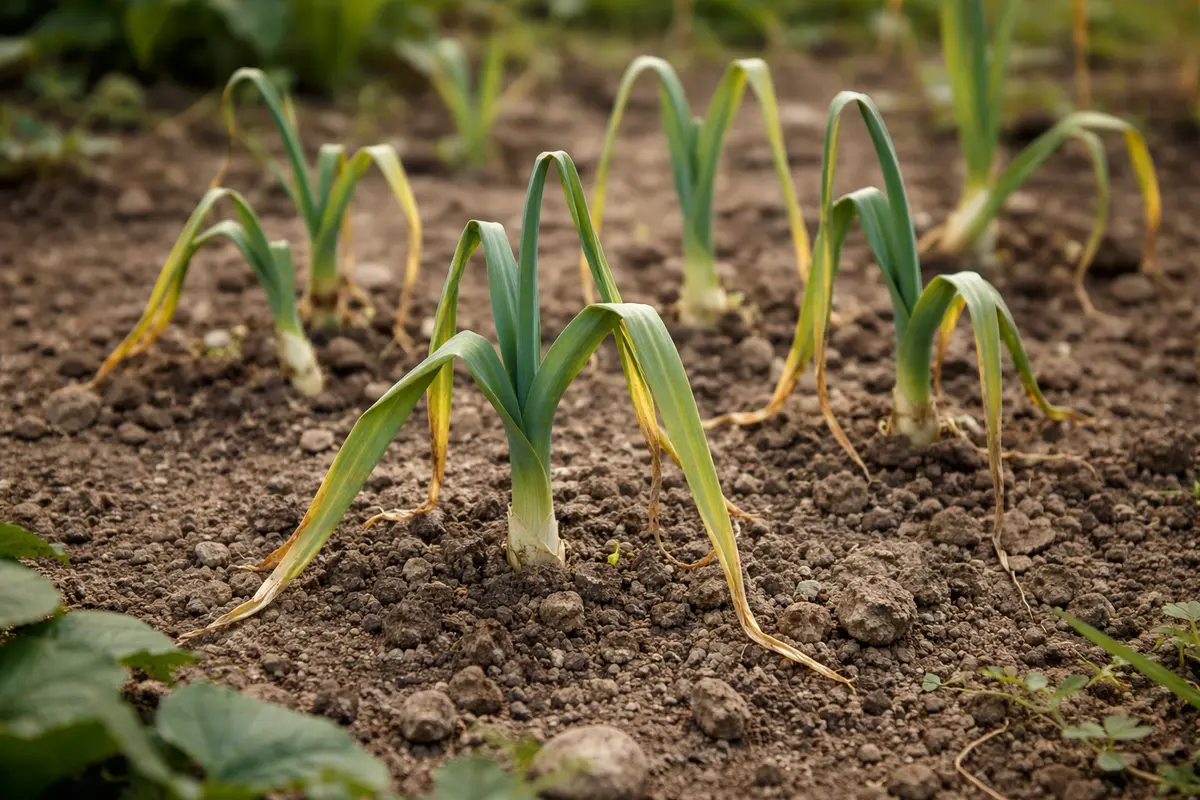
You may notice that your leeks are struggling with slow growth after planting, which is why you need to know how to fix stunted growth in leeks after planting. This stunting is often caused by inadequate nutrients or unfavorable soil conditions, leading to problems like yellowing leaves and poor vigor. If left untreated, this condition can worsen, ultimately stalling growth and making recovery more difficult, but it’s possible to improve the situation now by checking soil quality and adjusting your watering routine.
Step 1 – Water Leeks Immediately If Wilting
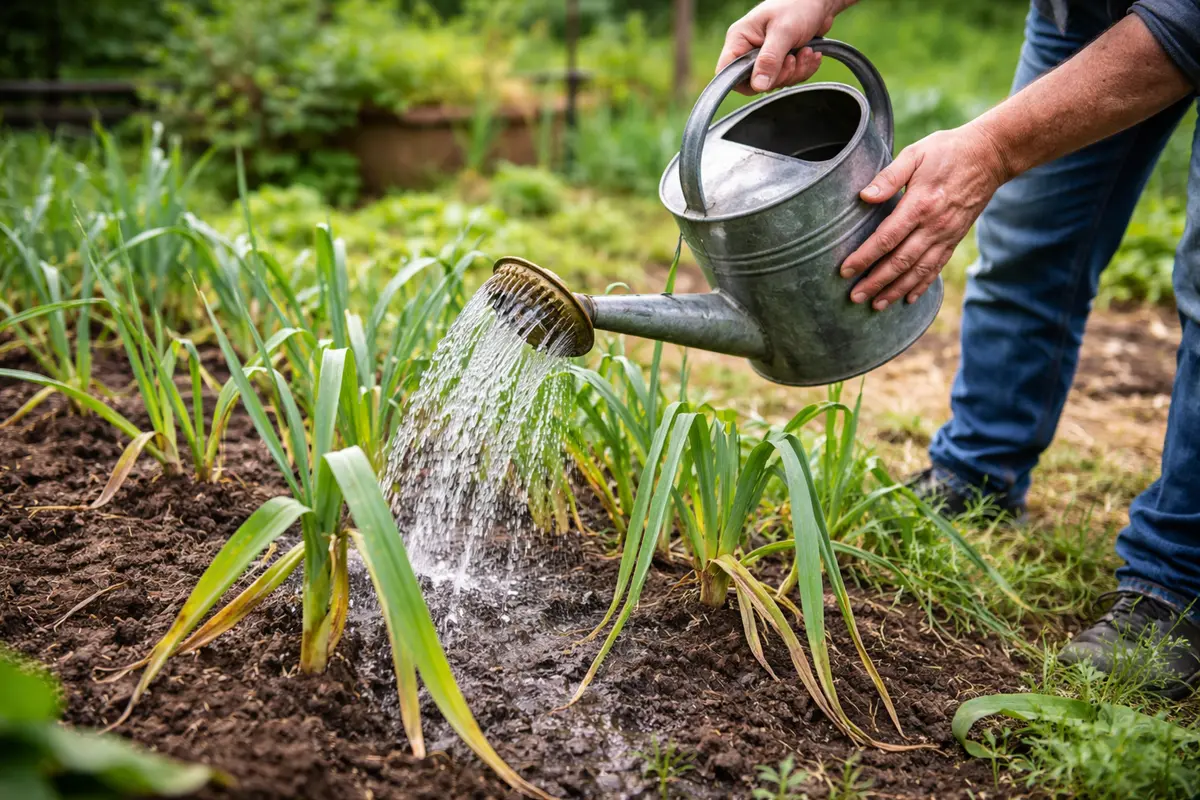
Water your leeks deeply, ensuring that moisture penetrates to at least 6 inches. Within a few hours, you should notice the leaves starting to perk up and regain some firmness. This immediate hydration will help alleviate any wilting caused by dry soil conditions following the recent weather changes. If your soil is particularly dry, consider watering at a slow rate to allow the water to soak in thoroughly rather than running off. If you have sandy soil, you may need to water more often, as it tends to drain quickly.
If leeks display signs of wilting, it indicates their roots are not receiving adequate moisture, which can disrupt nutrient uptake. Without timely watering, the plant’s stress will exacerbate, causing further decline in growth and potentially leading to permanent damage if left unfixed. Therefore, the quick action of watering will replenish the soil moisture levels, allowing the plant to absorb necessary nutrients effectively. Consider using a soaker hose to avoid disturbing the soil too much while ensuring thorough watering. This method also minimizes evaporation, which can be a concern on hot days.
A common mistake made by many gardeners is to water only superficially or to assume that recent rain has saturated the soil enough. If you notice wilting yet the soil feels dry, targeting the root zone directly with a deep watering will create a positive change. Always check the soil moisture beneath the surface layer to ensure your leeks receive the moisture content they require. If the soil remains compacted, it might prevent water from penetrating effectively, so loosening the soil around the plants can also help. Make sure to avoid watering with cold water, as it can shock the plants; room temperature is preferable.
Step 2 – Examine Soil Nutrients for Leek Growth Issues
Start by checking the soil moisture level and ensuring it is consistently moist but not waterlogged. Adjust your watering schedule accordingly, and within days you should see your leeks beginning to perk up and show signs of new growth. Use a soil moisture meter if available; it will provide a more accurate level to ensure optimal hydration for your leeks.
The first indicator of stunted growth in leeks often stems from waterlogged soil, which can suffocate the roots and hinder nutrient uptake. When the soil is overly saturated, the oxygen levels drop, leading to root rot or fungal diseases, evident by yellowing leaves or a mushy texture at the base. If the soil appears dry instead, check for compaction or inadequate irrigation practices that might restrain moisture absorption. Distinguishing between these two issues is crucial. If the soil feels wet but the plants are wilting, suspect root rot; alternatively, if it feels dry, nutrient issues are more likely.
If you notice a sour smell emanating from the soil, it indicates anaerobic conditions that require prompt attention. In this case, consider amending the affected area by incorporating organic matter or creating drainage channels. Conversely, if the soil remains dry without any odor, ensure your watering practices are sufficient; otherwise, explore potential root damage or pest infestations that may need addressing. Regularly test the soil pH, since leeks thrive in a range of 6.0 to 7.0. If your soil has a pH that leans towards acidic (below 6.0), consider liming it to improve nutrient availability, as lower pH levels can restrict nutrient absorption.
Leeks are heavy feeders and require specific nutrient ratios for optimal growth, particularly nitrogen, which promotes lush foliage. If your soil lacks essential nutrients, signs such as stunted growth and yellowed leaves will become evident. By performing a soil test, you can accurately determine any deficiencies and then supplement with the appropriate fertilizer to meet the plant’s needs. Conducting microbial tests can also reveal the activity levels of beneficial organisms that enhance nutrient absorption. If nitrogen levels are low, but you also see signs of phosphorus deficiency, add a balanced fertilizer tailored for leeks for best results. This targeted approach can drastically alter their growth trajectory.
Step 3 – Fertilize Leeks to Encourage New Leaf Growth
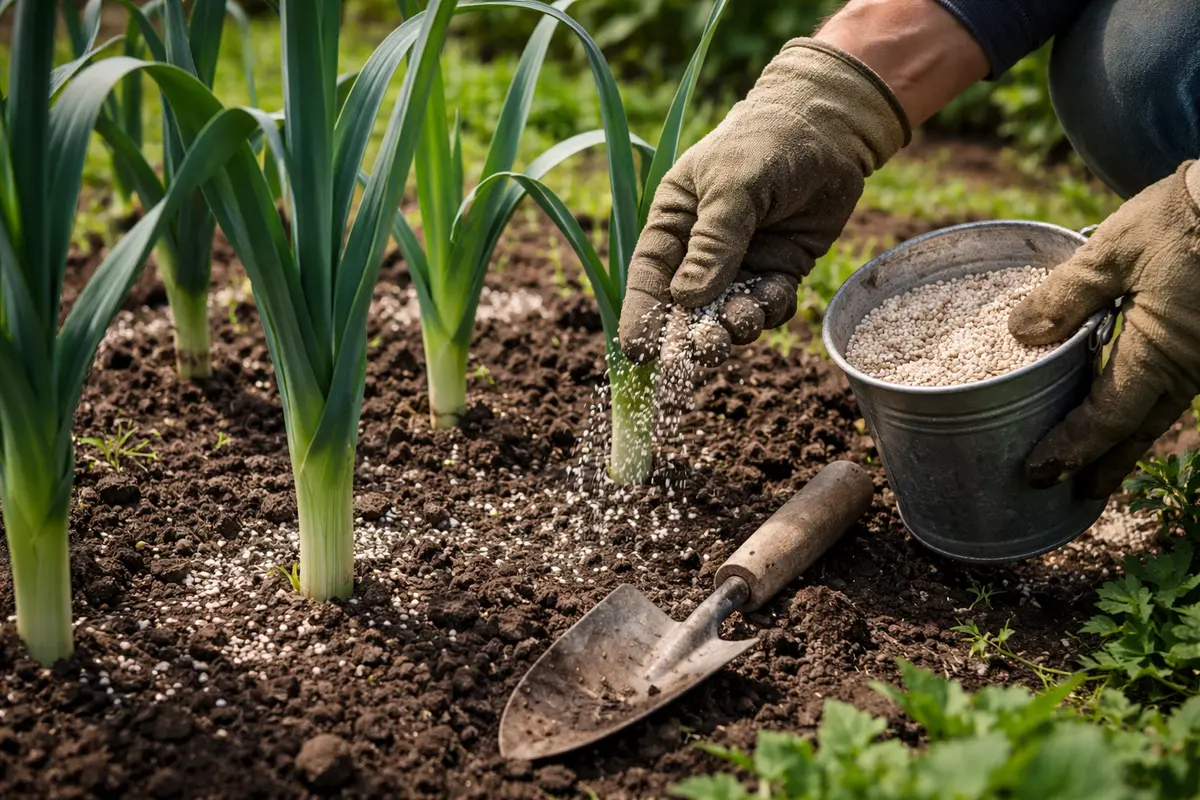
Apply a balanced liquid fertilizer to the soil surrounding your leeks, following the manufacturer’s instructions for dilution. You should see new leaf growth starting within a week as the plants respond positively. Monitor the adjacent plants since consistent fertilization can sometimes lead to nutrient oversaturation, which negatively affects overall garden health. The nutrients from the fertilizer will stimulate healthy foliage while accelerating recovery from any prior stressors. Be cautious not to apply too aggressively or frequently, as this can lead to unwanted nutrient buildup.
Leeks respond well to consistent fertilization, especially during the rapid growth phases in spring and early summer. Providing them with an adequate supply of macro and micronutrients supports robust leaf development and helps correct earlier nutrient deficiencies. Aim for a fertilizer with a higher nitrogen content during mid-growth to enhance leaf expansion and overall health. If your leeks are already showing signs of stress, consider using a fertilizer designed for vegetable gardens, which often has a more balanced nutrient profile suitable for various vegetables. Ensure you apply fertilizer during the cool parts of the day to minimize nutrient loss to evaporation.
One mistake to avoid is applying too much fertilizer or applying it too frequently, which can lead to fertilizer burn and negatively affect the plants. If you observe browning edges on leaf tips or a lack of growth despite fertilizing, you may need to adjust your application. Timing is also crucial; apply fertilizers during cooler parts of the day to minimize volatilization of nutrients. If you’re unsure about the right timing, consider fertilizing after a light rain when the soil is moist, enhancing nutrient uptake while minimizing the risk of burning the roots. Monitor how your plants respond to the fertilizer; if growth does not improve, it’s critical to reassess nutrient levels and soil conditions.
Step 4 – Implement Regular Watering Schedule for Young Leeks
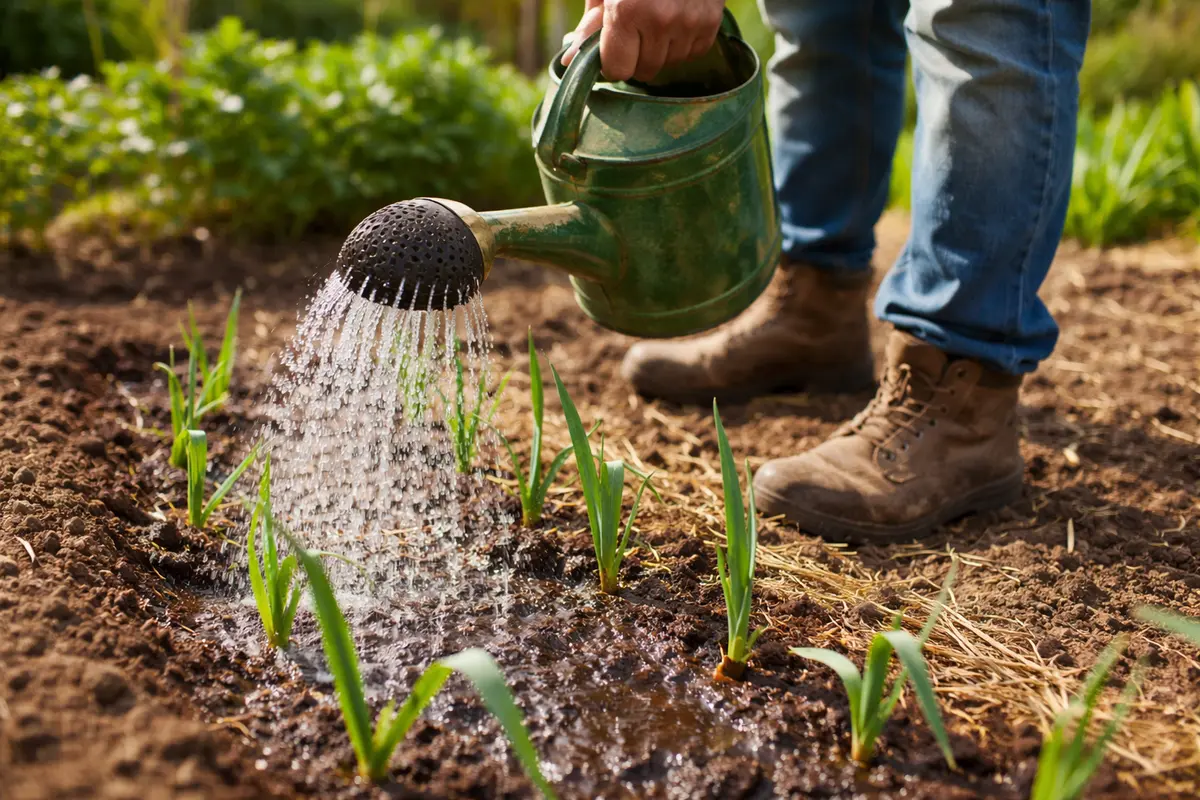
Start by ensuring your leeks receive consistent moisture by watering them deeply once a week. This routine will prevent the soil from drying out and promote steady, robust growth. During particularly hot or windy days, increase your watering frequency to two or even three times per week, depending on how quickly the soil dries.
Leeks often suffer from stunted growth due to irregular watering, which can lead to drought stress or waterlogging. By maintaining a regular watering schedule, you help the plants access the necessary nutrients and moisture, reducing the chance of such conditions arising. If you notice wilting leaves, it’s an indication that watering has been inconsistent; adjust your routine accordingly. Remember to also observe the weather; if a heatwave is in the forecast, proactive additional watering can help mitigate potential issues.
During hot summer months, increase watering frequency as soil can dry out faster. Alternatively, consider using mulch to retain soil moisture and regulate temperature, which provides an added layer of support against stress from heat. Mulching around the base not only conserves moisture but also suppresses weed growth, which competes for nutrients. Always keep an eye on signs of wilting or yellowing leaves; if detected, it may indicate that your watering schedule isn’t meeting the plants’ needs. In very dry conditions, consider investing in a drip irrigation system to automate consistent moisture delivery.
Young leeks, in particular, are susceptible to stress from drought conditions. Establishing a regular watering routine helps prevent the soil from drying out completely, which can lead to stunted growth and failure of the plants to establish themselves. Consistency in moisture levels creates a stable growing environment and encourages the plants to thrive. Always factor in the signs of the plant and changes in weather; if the leaves begin to droop, it’s a warning that their moisture needs haven’t been met. Using a soil moisture tester can provide insights into dryness, helping ensure you water when truly needed rather than relying solely on a calendar schedule.
Step 5 – Inspect Leek Leaves for New Growth Signs Bi-Weekly
Next, monitor your leeks closely by checking their growth every few days. Look for new shoot development and a change in leaf color, transitioning from pale or yellowing leaves to vibrant green. Recheck the plants weekly to ensure consistent progress, adjusting care routines if signs of stunting reappear.
A fully recovered leek exhibits upright, robust green leaves with a firm texture, while early signs of returning stunted growth may include limp, yellowing leaves or a noticeable slowing in height. If you notice that your plants are growing unevenly, with some leeks remaining shorter and less developed, assess their environment and care practices.
If stunted growth returns despite your monitoring efforts, consider elevating their nutrient intake by applying a balanced liquid fertilizer. Additionally, ensure they are receiving adequate sunlight and address any potential soil drainage issues. If problems persist, it may be necessary to replant in fresh soil to avoid recurring root issues.
When leeks begin to recover, you’ll notice new growth appearing from the center of the plant, indicating that your earlier interventions have started to take effect. Healthy growth consists of firm, upright leaves with a vibrant color. Comparing the overall growth and health to when you first identified the issue will help gauge success. If discrepancies remain, returning to reassess soil nutrition or moisture levels will be necessary. Maintain records of growth patterns over time; this portfolio allows you to correlate your gardening actions with plant responses more effectively.
If signs of stunted growth return, consider adjusting your watering schedule or reassessing soil nutrients. Early action on these observations can prevent similar issues from arising again throughout the growing season. Establishing a routine allows you to maintain plant health and foster a stable growing environment. If you find yourself making frequent adjustments without improvement, it could indicate a more serious underlying issue, warranting a comprehensive soil analysis or consultation with a local horticulturist. This engagement can provide deeper insights into unseen issues affecting your leeks.
FAQ
How long does it take for leeks to recover from stunted growth?
Recovery can take from a few days to several weeks, depending on the severity of the stunting. When proper measures are taken, such as correcting nutrient deficiencies and ensuring adequate watering, you typically start seeing improvements within a week, with full recovery possibly taking longer. Factors like temperature and overall growing conditions play into how quickly plants bounce back.
Can nutrient deficiencies in leeks spread to other plants?
Nutrient deficiencies generally do not spread from one plant to another; however, they can indicate poor soil health, which affects all plants in that area. Failing to amend nutrient deficiencies may lead to stunted growth in nearby plants as well, so it’s crucial to improve soil conditions as a preventative measure. Monitoring soil health regularly can help safeguard surrounding crops from similar issues. Moreover, an over-fertilized environment can harm neighboring plants, underscoring the importance of balanced nutrient application.
Should I remove any stunted leek plants?
Removing severely stunted leeks may be necessary if they show no signs of recovery after following the key remediation steps. A plant that fails to respond can hinder surrounding plants and prevent healthy growth in your garden. However, before removal, ensure you’ve addressed possible underlying issues that could affect overall garden health. If a few leeks show signs of decay while others thrive, take the opportunity to redesign your planting layout to enhance air circulation and nutrient distribution.