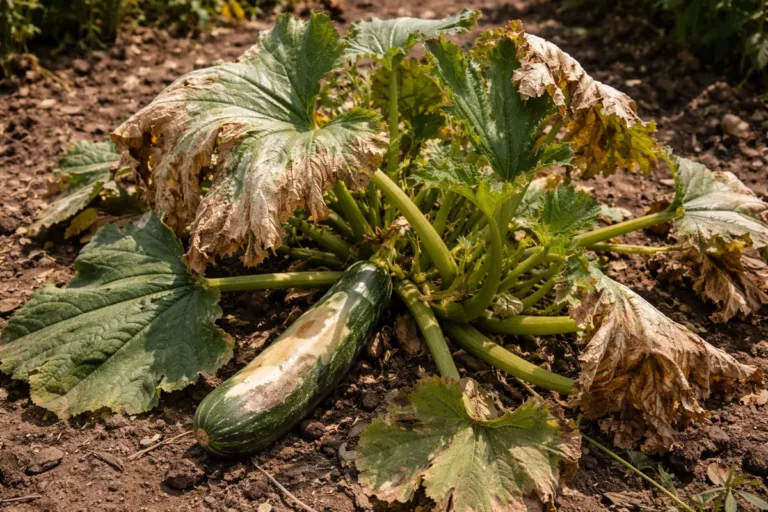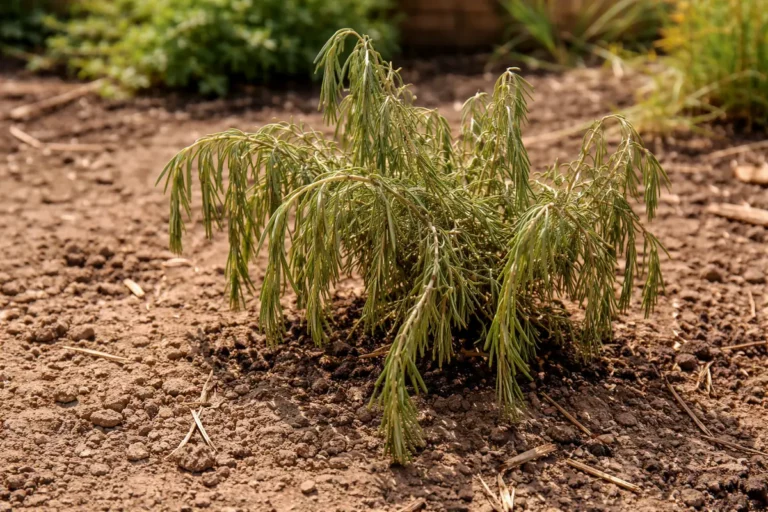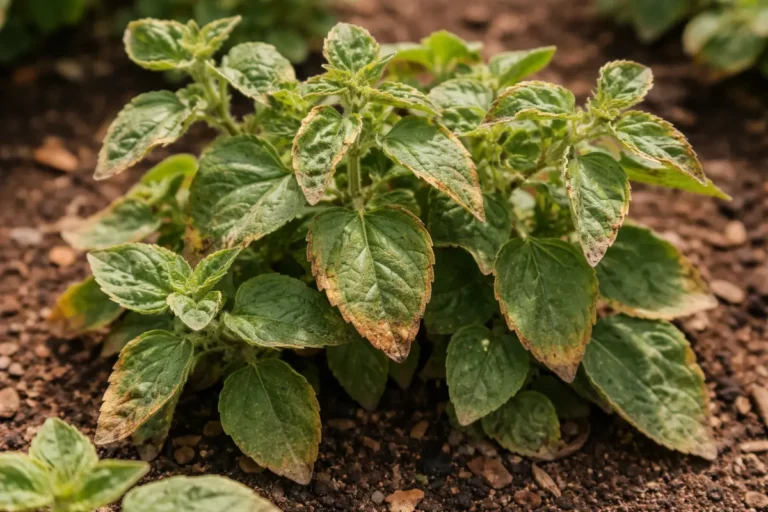
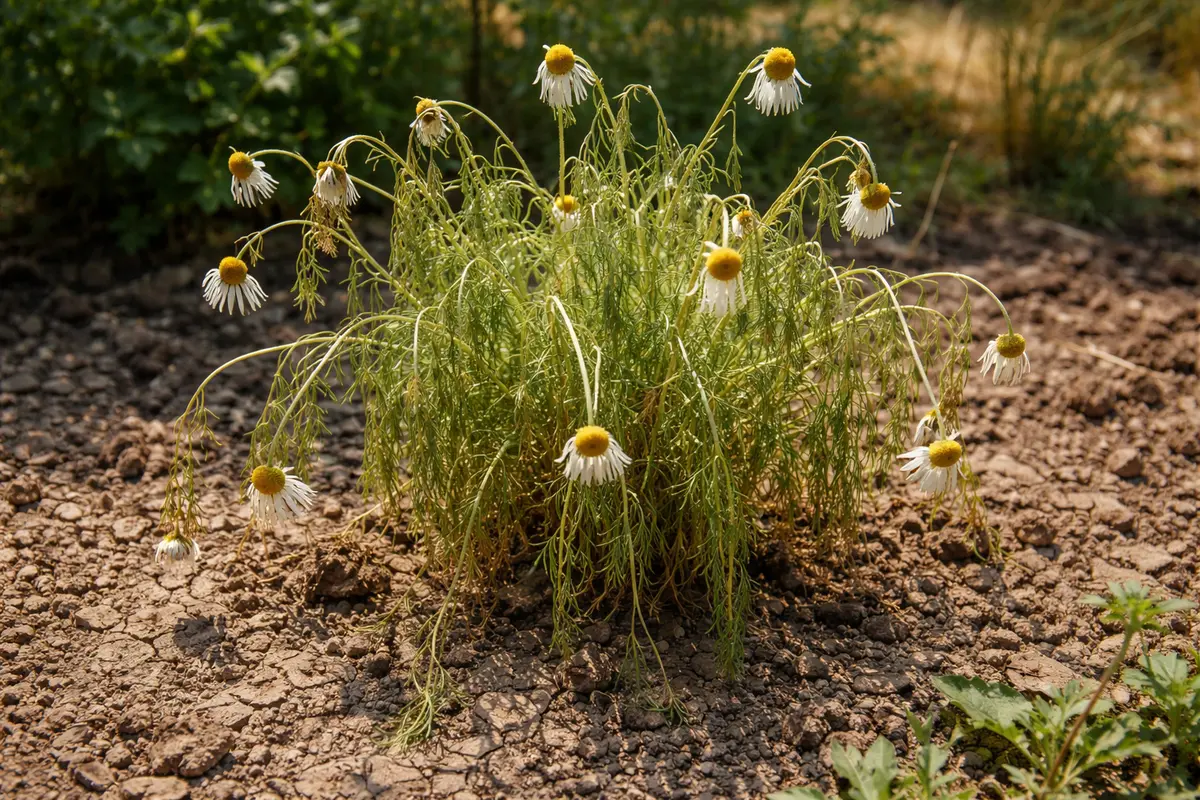
Your chamomile may be drooping with wilted leaves during the hottest part of summer, which raises the question: why is my chamomile drooping during the hottest part of summer? This symptom typically occurs when temperatures rise above 90°F, leading to dehydration and potential leaf drop. If ignored, this heat stress can spread, causing permanent damage and delaying your plant’s recovery. The first step is to check the soil moisture; if it feels dry to the touch, give your chamomile a thorough watering to help it bounce back.
Step 1 – Water Chamomile Deeply to Revive
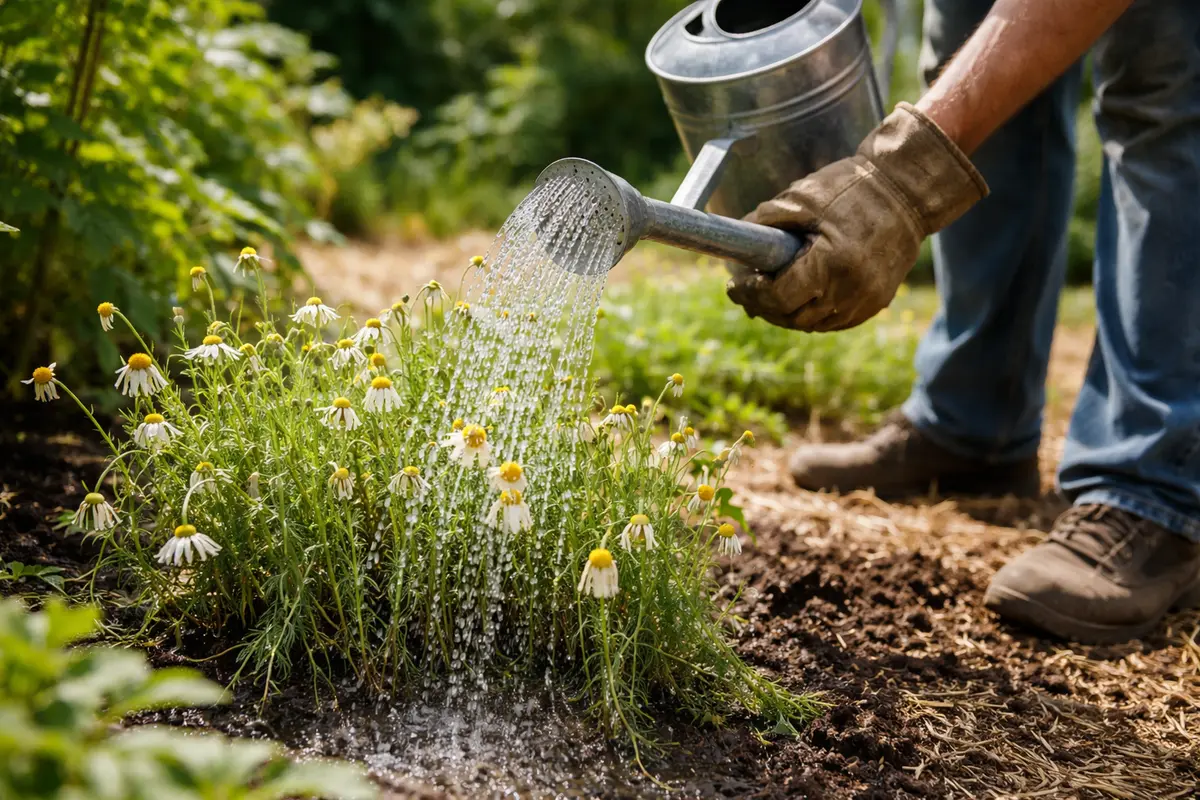
Water your chamomile plants thoroughly, ensuring that moisture penetrates at least six inches deep into the soil. This deep watering should happen at least once every week, but during extreme heat, daily checks may be necessary. You will see the leaves starting to perk up within a few hours as they regain turgidity and vitality, much like a wilted flower coming back to life after a refreshing rain. To accurately check how deep to water, use a garden trowel to dig a small hole and feel the moisture level three to four inches below the surface; if it feels dry, it’s time to water.
Chamomile is particularly sensitive to dehydration, especially during the sweltering summer months. Indicators such as curling leaves or a slightly crispy texture will become apparent if your plants are under-watered. When the soil is dry, the plant cannot effectively absorb the necessary nutrients and water, which results in drooping leaves that can eventually lead to irreversible damage. A quick test is to squeeze the soil; if it crumbles easily, it’s dry and needs immediate watering. Remember, plants have a finite ability to withstand heat and drought, especially under direct sunlight, so acting quickly can prevent the stress from escalating further.
Many gardeners neglect to check the soil moisture before watering, leading to overwatering or underwatering. A common misstep is assuming that a surface appearance is indicative of the overall soil moisture level. Just because the top looks dry does not mean the entire root zone is adequately hydrated. It is advisable to use a moisture meter or stick your finger into the soil about two inches deep to assess moisture accurately. You might find that if the leaves remain wilted after watering optimally, the problem could be deeper, necessitating more focused investigation of the root zone or even the surrounding environment. For instance, if you consistently water, yet drooping persists, check drainage issues in the container or soil composition; heavy clay or compacted soils can hinder water penetration and root access, preventing the plant from absorbing what it needs.
Step 2 – Evaluate Heat Stress in Chamomile Plants
Check the soil moisture level and observe the overall condition of your chamomile plants closely. If the soil feels dry, crumbly, and lacks elasticity, it indicates that the plant is indeed experiencing heat stress, which needs to be addressed immediately to avoid further damage. Look for signs like yellowing leaves or stunted growth, which can signify that the plant is not recovering. Use a moisture meter to confirm readings if you’re unsure; moisture levels should sit comfortably between 4 and 6 on most meters.
Heat stress often occurs when temperatures soar above 90°F (32°C), especially if the plants are not adequately watered beforehand. During these high temperatures, chamomile can lose water faster than it can absorb it due to rapid evaporation from the soil surface and leaves. Weakened roots begin to die under extreme conditions, which leads to further signs of wilting and stress. Augmenting their moisture retention with mulch can help by creating a barrier that slows down evaporation, but remember that immediate hydration is your best first step to recovery. In addition, while mulching, keep it to a thickness of 2–3 inches and avoid direct contact with the stems to prevent rot.
If your chamomile exhibits symptoms of heat stress despite your watering efforts, check for signs of root damage or disease. Black, mushy roots when inspecting the plant indicate root rot, often caused by overwatering during hot spells or poor drainage. If you encounter this, take action immediately by removing affected roots before replanting the healthy portions in drier conditions. This step is crucial, given that hovering in saturated conditions can lead to further degradation of plant health, making them more susceptible to pests and diseases like whiteflies or aphids. If the rot is pervasive, consider relocating the plant to a different area with improved airflow and drainage, or even repotting it with fresh soil that promotes better root health.
Step 3 – Feed with Balanced Fertilizer for Recovery
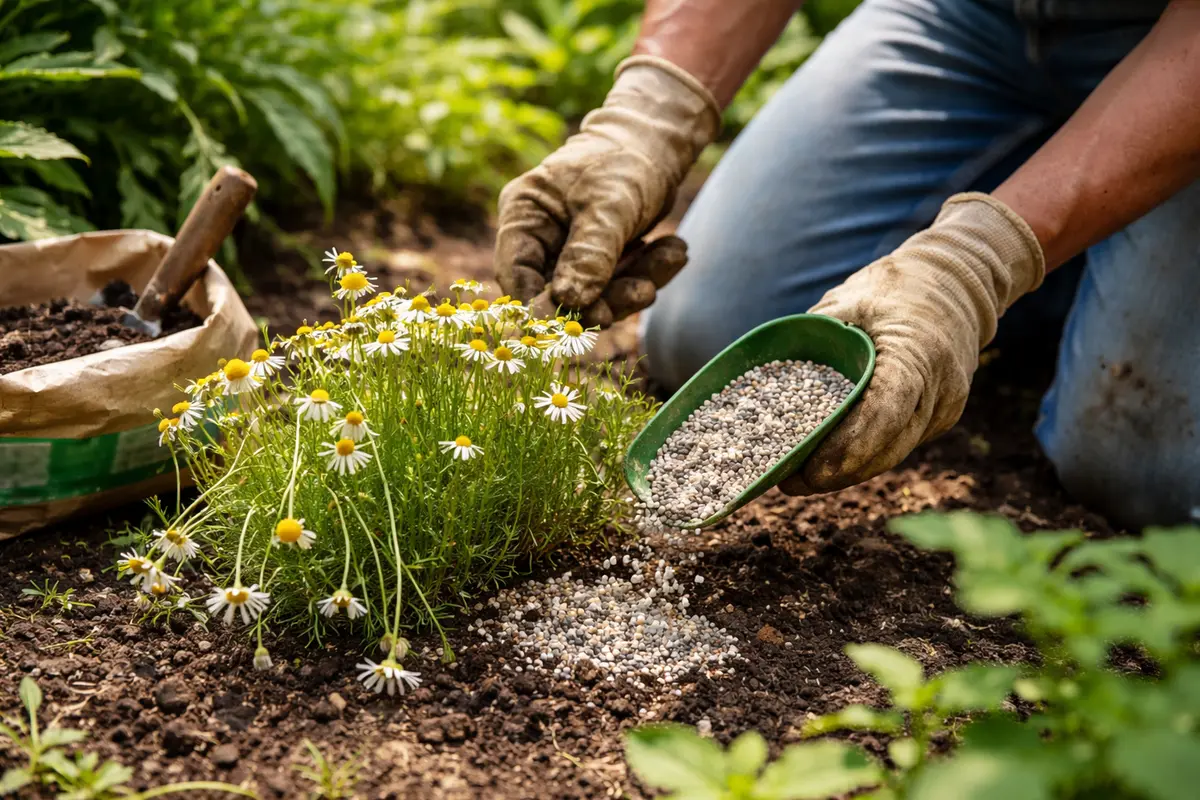
After stabilizing your chamomile with proper watering, apply a balanced, water-soluble fertilizer—preferably one that’s rich in phosphorus and potassium. This nutrient-rich mix should be diluted according to package instructions and applied every two to four weeks as needed. You should start to see improved color in the leaves and notable new growth emerging within a week after application, a clear sign the plant has responded positively. Many experts recommend a ratio such as 10-20-20, which focuses on fostering flowering and root development.
Fertilizing helps restore the nutrient balance that may be disrupted during stressful periods. A lack of essential nutrients like nitrogen can make chamomile more susceptible to environmental stresses, including heat. Correcting this imbalance will not only bolster their health but also equip them to better handle future heat waves, as a strong root system and foliage yield a more resilient plant. While applying fertilizer, ensure to follow up with a deep watering session to wash away any chemical residue that can burn the roots if left concentrated. If any browning or leaf tips appear after fertilizing, it may indicate excessive nutrient concentration or salt buildup in the soil.
Many gardeners hesitate to fertilize dormant or drooping plants, fearing it may strain them further. However, when done correctly, such acts serve as a booster, propelling the plant toward recovery. Always remember to follow up with a thorough watering after fertilizing to ensure that nutrients reach the roots and dilute any potential chemical burn from the fertilizers. For long-term health, ensure your watering schedule includes nutrient-rich, deep-water applications every few weeks during the growing season, as this can help establish a resilient plant capable of handling varying temperatures effectively. If you notice significant yellowing or drop in leaves despite regular feeding, it may be necessary to perform a soil test for further assessments, as imbalances could indicate nutrient deficiencies or toxicities.
Step 4 – Inspect Leaves for Signs of Wilting
Start by checking the soil moisture level around your chamomile, ensuring it is consistently moist but not waterlogged. Observe the foliage for signs of wilting or yellowing, indicating stress. Recheck these conditions every 2-3 days during the peak heat of summer to monitor changes and adjust care accordingly. If you notice any crispness at the leaf edges, it’s a sign that the plant is not receiving sufficient water or nutrients.
A fully recovered chamomile plant will exhibit vibrant green leaves and upright stems, standing resilient against the sun. In contrast, early signs of problem return might include leaf curl or dull coloration, signaling renewed moisture issues or heat stress. If the leaves become crispy with a brittle texture, assess your watering practices and shade provision to ensure they align with the plant’s needs. Additionally, consider observing the surrounding environment for sudden changes in temperature or moisture, as these factors could also contribute to the wilting.
If drooping returns despite your efforts, consider adding mulch to help retain soil moisture and protect roots from direct heat. Applying organic mulch, such as straw or shredded bark, can improve moisture retention while also slowly enriching the soil as it decomposes. If these measures fail, it may be time to relocate the plant to a partially shaded area or consult a local garden expert for targeted advice on heat stress mitigation. This can help find a solution tailored to your environment and specific chamomile variety, which might have differing heat tolerances and growth habits.
A full recovery looks like lush green foliage standing tall without drooping. On the other hand, if you see continued signs of wilting or yellowing leaves after watering and fertilization, it may indicate repeated heat stress, nutrient deficiencies, or even pest infestations. These observable symptoms will help clarify the situation and gauge whether your chamomile has fully recovered or if further adjustments are necessary to prevent a recurrence. Additionally, checking for pests, such as aphids or spider mites, can involve looking underneath the leaves, where they often reside and reproduce.
If the symptoms continue despite your proper care—moisture management and nutrient supply—you may need to reconsider the placement of your chamomile. Chamomile appreciates full sun; however, if temperatures consistently surpass what the plant can handle, consider providing some afternoon shade using a temporary cover or placing them where they receive filtered sunlight. This adjustment can significantly alleviate future stress during heat waves and foster a more conducive growing environment. Monitor closely during extreme heat periods. If you find persistent drooping, it may be worth relocating them altogether to a cooler section of your garden, ensuring they have adequate airflow.
FAQ
How long does it take for chamomile to recover from drooping?
Chamomile can take anywhere from a few hours to a few days to recover after proper watering and care. If the roots are not severely damaged, you will notice the leaves perk up within a few hours, with signs of new growth appearing in a week. If conditions remain favorable, you should see your chamomile thriving within the week. However, if recovery is slow, reassess your watering and sunlight exposure, as excessive heat or insufficient nutrients may be hindering the recovery process.
Can heat stress spread to other plants nearby?
Heat stress itself does not spread, but its effects can influence neighboring plants, especially if they share the same water and nutrient sources. It’s crucial to monitor surrounding plants for symptoms of stress, particularly if they are similar species that may have identical care requirements. Ensure that your watering regimen accounts for nearby plants to prevent a cascading effect of stress throughout your garden. If you observe stress in nearby companions, consider adjusting their care regimen likewise; for instance, providing extra shade or adjusting irrigation routines.
Should I remove damaged leaves on my chamomile?
Yes, removing severely damaged or yellowing leaves can help redirect the plant’s energy toward new growth. However, avoid cutting too many leaves at once to prevent additional stress. Aim to trim only the truly affected areas to promote overall health without creating shock conditions for your chamomile. Always use sharp, clean shears to minimize potential for infection, and consider treating the cut area with a diluted fungicide if the plant was previously stressed or affected by rot.