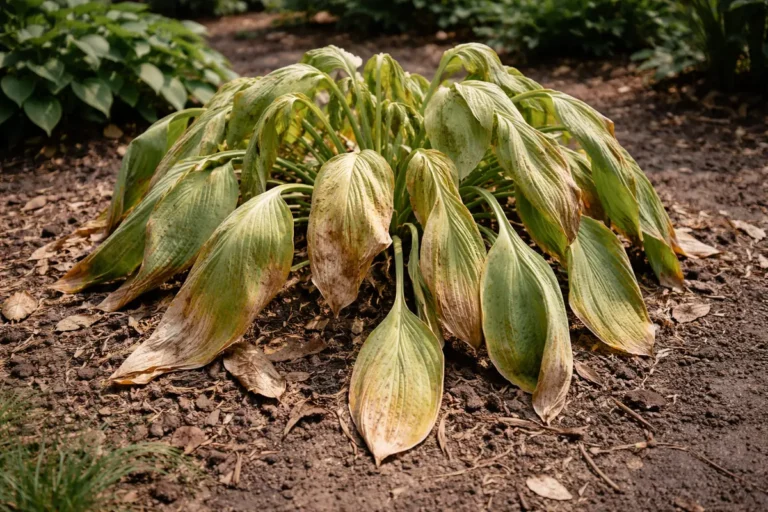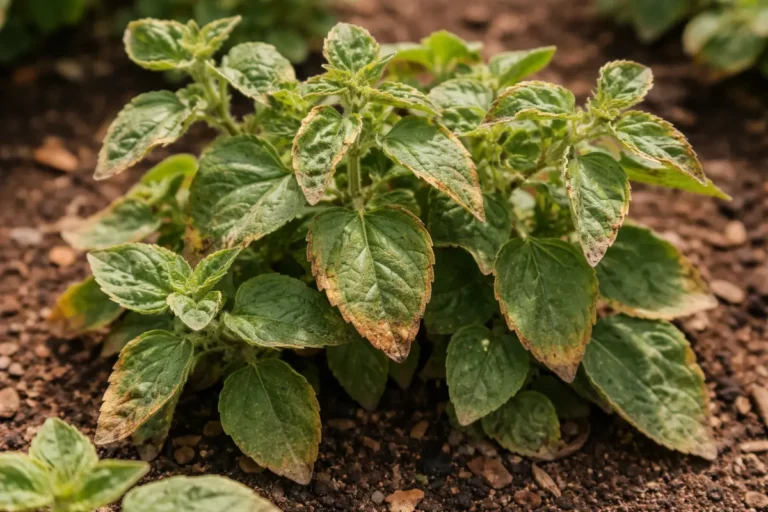
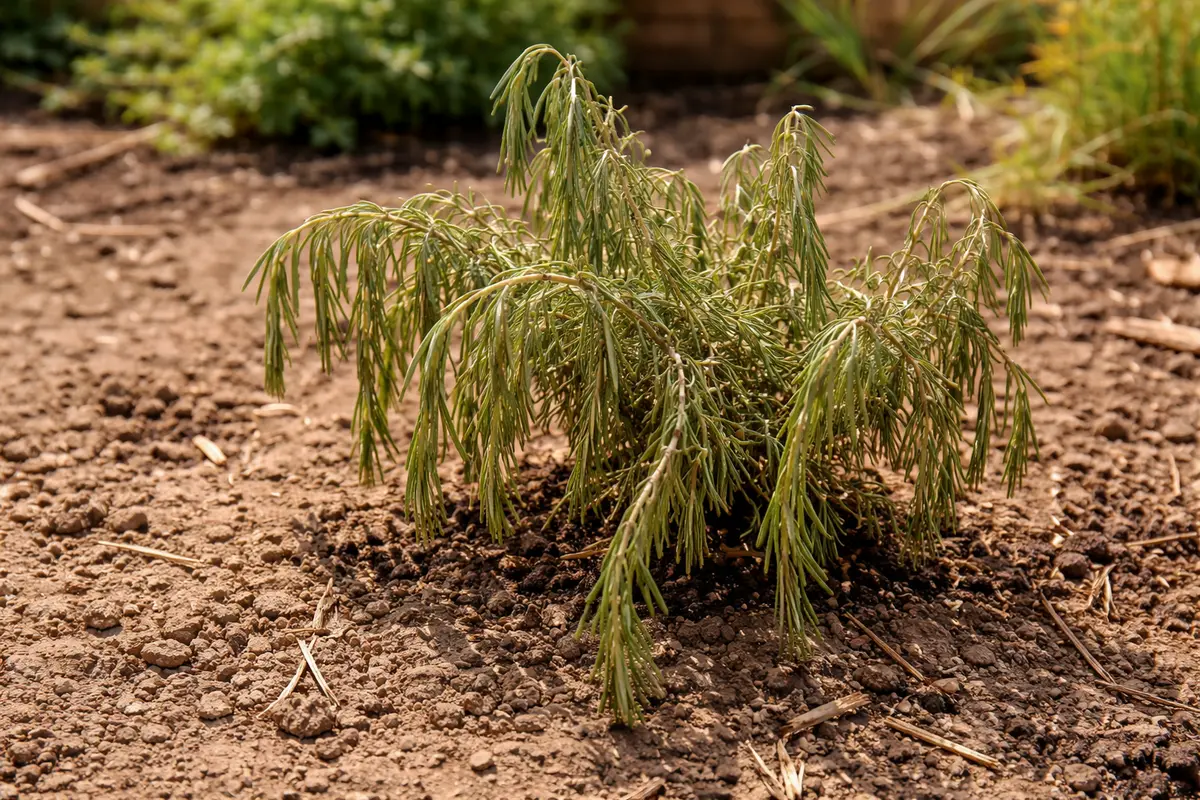
You may notice that during the intense heat of summer, your once-vibrant rosemary begins to droop, which is why you need to know why does my rosemary droop in hot weather. This wilting occurs as the plant struggles to retain moisture in elevated temperatures, leading to drooping leaves and overall stress. If left unaddressed, this issue can worsen and weaken the plant, ultimately stalling growth; however, you can improve the situation now by adjusting your watering routine and monitoring sunlight exposure.
Step 1 – Water Drooping Rosemary Immediately
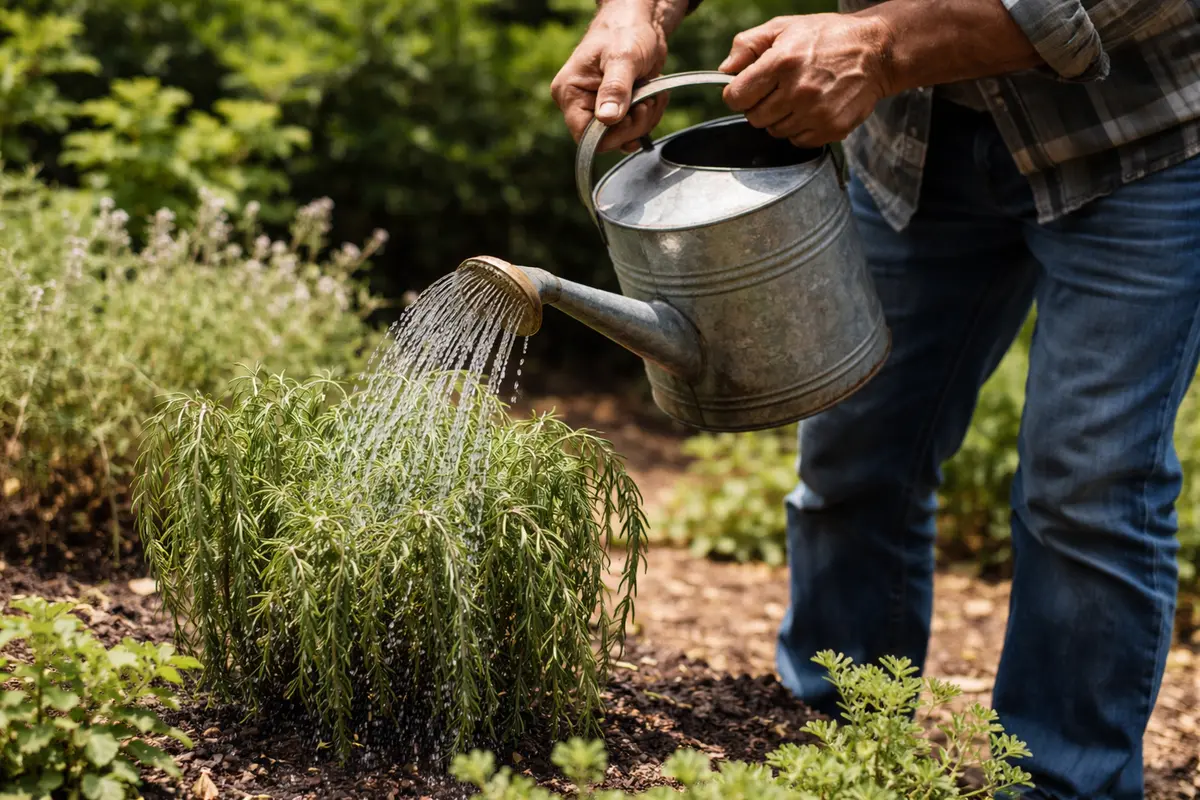
Water the rosemary deeply right away, pouring enough water until it drains from the pot’s bottom. You will see the leaves firm up within a few hours as the plant absorbs moisture, restoring its structure. If left unattended, the drooping can escalate, resulting in wilting that could eventually kill the plant.
Heat can cause rosemary to lose water rapidly through transpiration, leading to drooping leaves. When the soil dries out, the roots cannot take up enough water, and the upper parts of the plant begin to wilt. Immediate watering restores moisture levels, which is crucial for recovery, especially during extreme heat in summer. Aim for about 1-2 cups of water per plant, depending on its size and potting situation, particularly if your rosemary is in a 10-inch pot, which will approximately hold around 3-4 cups of soil. This method ensures the deepest roots receive the necessary hydration, which is often overlooked.
A common mistake gardeners make is not checking the soil moisture before watering. If the soil feels dry only at the surface, the roots may still be hydrated. This can lead to overwatering if the soil remains moist, causing root rot, which is especially dangerous if your rosemary is potted in a soil mix that does not drain well. For instance, a potting mix with too much peat can trap water, worsening the situation. Additionally, in case of heavy rainfall, ensure the plant is not sitting in puddled water, as this can damage roots, causing stress to the plant and leading to drooping as it struggles to revive.
If you notice that the leaves become limp again after an initial recovery, there may be continued water loss despite having watered well. In such cases, check for signs of excessive evaporation on hot days, particularly if the plant is located near heat sources like pavement or walls that retain heat. These factors can accelerate moisture loss from the soil, necessitating a more frequent watering routine on those particularly hot days. If your rosemary is outdoors and daily temperatures exceed 90°F (32°C), adding a light mulch layer may help retain soil moisture for longer, thereby supporting the plant during hotter periods.
Step 2 – Diagnose Heat Stress in Rosemary
Check the soil moisture levels to assess the extent of heat stress. Use your finger to probe the soil at least 2 inches down; if it feels dry, this indicates an urgent need for more water. If it’s soggy, it may suggest root rot, which would require different care.
When rosemary experiences heat stress, the combination of high temperatures and dry soil can lead to wilting. The plant’s roots may be functioning poorly, failing to absorb water effectively. If the roots are too dry, they lose hydration, thereby affecting their ability to support the leaves, which leads to severe drooping. This stress often becomes visible during the hottest part of the day and may result in crispy leaf edges or discoloration—indicative of more advanced stress. To prevent heat stress from taking root, regular monitoring is critical for ensuring sufficient moisture in hot periods, particularly during the afternoon when temperatures peak.
If your rosemary shows drooping but the soil feels soggy or wet, you might be facing root rot instead. In this case, immediately reduce watering and improve drainage by transferring the plant to a pot with better drainage holes. For instance, if your rosemary is in a ceramic pot with no drainage, consider moving it to a plastic or terracotta pot with several drainage holes. Conversely, if you detect mushy or darkened roots during repotting, cut back the affected areas, as leaving them intact may lead to further spread of rot. In practice, observing how your plants react can guide your next steps effectively; if they perk up within hours after proper watering, you know the issue was dehydration. Conversely, if the leaves continue to droop despite good drainage and watering adjustments, it’s a sign of an underlying problem that requires attention.
Step 3 – Revive Rosemary with Deep Watering
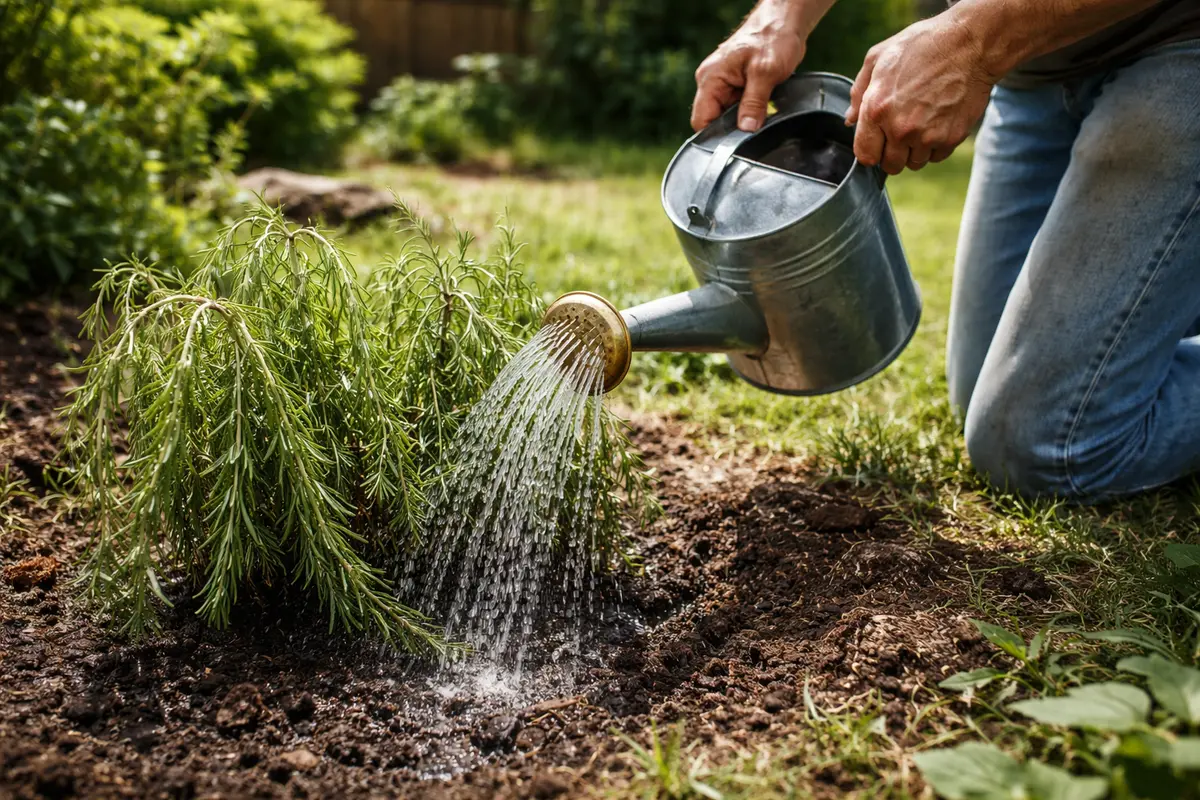
Apply a deep watering session to your rosemary plant, soaking the soil thoroughly until you see excess water draining from the bottom. You should see signs of improvement, with leaves beginning to perk up substantially within a day. If your rosemary is in a planter without drainage, check to ensure the surrounding area doesn’t allow water to pool. If it does, adjust the planter’s position.
Deep watering penetrates the soil well beyond the surface, ensuring that moisture reaches the roots. This method allows the roots to receive the water they need, which is vital for recovery from heat stress. The goal is to saturate the root zone effectively, so the water reaches depths where the rosemary will draw hydration during subsequent dry periods. Years of experience show that rosemary is a drought-tolerant plant, necessitating a balance between thorough soakings and ensuring the surface does not stay consistently overly wet. Be cautious to avoid waterlogging the roots—a situation that often leads to rot.
Be cautious not to water too frequently after the initial recovery session. Overwatering can lead to root rot, especially in container plants, which are more prone to moisture retention. For your rosemary, if the soil remains damp for more than a day after watering, consider reducing the frequency to once every 10-14 days. Additionally, any lingering symptoms, such as a lack of new growth or yellowing leaves after applying deep watering, may indicate further issues that require immediate assessment. Monitoring weather conditions can also be critical; if rain is expected, it might be prudent to skip a scheduled watering, as this will prolong soil moisture for your rosemary.
Step 4 – Shield Rosemary from Intense Sunlight

Move your rosemary pot to a location that provides partial shade during the hottest parts of the day. Choosing a spot that receives morning sun and afternoon shade will help prevent further heat stress from direct sun exposure. If relocating is not possible, consider using a shade cloth to filter the sunlight while keeping the plants ventilated. Observe how your plant reacts to these changes.
Intense sunlight can scorch the leaves of rosemary, exacerbating the drooping situation you previously experienced. By shielding your rosemary from direct sunlight, you will help maintain a cooler temperature around the plant and reduce water loss through transpiration. This is particularly important during peak summer when the sun’s rays are strongest and can lead to quick decline. Employing sun protection measures, such as placing a lightweight cloth over the plants, can create a less stressful environment for recovery in extreme heat.
During particularly hot days, monitor the sky for clouds and adjust the shade you provide. If cloud coverage occurs, you might not need to offer as much shade, allowing the plant some sunlight for photosynthesis. Furthermore, if temperatures soar above 90°F (32°C), shifting your potted plants near taller structures or plants can drastically lower their exposure. Conversely, excessive shade can lead to leggy growth; therefore, it is essential to adjust your shade strategy based on the sun’s intensity and the specific needs of your rosemary. Regularly assessing how the plant reacts in different light conditions can help manage the balance between sun exposure and protection—a vital skill for successful rosemary growing.
Step 5 – Inspect Rosemary for Leaf Resilience Regularly
Check the resilience of your rosemary leaves every few days after implementing your care adjustments. Watch for signs of firmness returning to the leaves and the emergence of new growth. If new buds develop, it is an encouraging signal that recovery is underway and that the care you’re providing is effective.
Over time, a fully recovered rosemary plant will have leaves that are firm and upright, contrasting with droopy leaves that appear lifeless. Progress may not be fast; therefore, patience is essential, as the plant can take several weeks to recuperate fully. The first indication of recovery may see leaves regaining turgor, appearing plumper and greener within a week of proper care. However, if the leaves continue to droop weeks after care adjustments, this could indicate an ongoing root issue or lingering moisture problems that need to be addressed before they escalate further.
If your rosemary shows signs of returning droopiness despite your care, it may be wise to reassess soil quality and the planting medium. The soil might be compacted or may not drain well, retaining excessive moisture despite your best efforts. When examining the soil, check for a hard crust on the surface that may suggest inadequate aeration beneath. If drainage issues arise due to a compact mix, consider repotting the rosemary with a fresh, well-draining soil mix, ideally one that includes sand or perlite to improve aeration. In instances where drooping persists despite changing conditions, it can be prudent to consult a local professional for advice on addressing the specific needs of your rosemary in your unique outdoor or indoor environment.
FAQ
How long does it take for rosemary to recover from drooping?
Recovery time for rosemary from drooping can vary, but you should see initial improvements within a few days of proper care. Full recovery may take a couple of weeks, depending on the severity of the heat stress and the comprehensive care provided. Observing the firmness of the leaves and the emergence of new growth are good indicators to watch as part of your recovery timeline.
Can overwatering cause rosemary to droop?
Yes, overwatering can cause rosemary to droop due to root rot, which occurs when the roots sit in waterlogged soil. If your rosemary wilts despite wet soil, you should adjust your watering schedule and ensure proper drainage. It can help to remove the plant from its pot and inspect the root system; healthy roots should be white and firm, while rotted roots will appear brown and mushy. If necessary, prune any unhealthy roots away to encourage new growth and repot the plant in a substrate that allows for better drainage.
Should I remove drooping leaves from my rosemary?
While you can prune away severely affected leaves to encourage new growth, avoid severe trimming until the plant shows signs of stabilizing. Removing too much foliage during stressful conditions can slow recovery since the plant may require energy dedicated to regrowing leaves. Instead, focus on nurturing the plant back to health first, allowing it to redirect energy into new growth before any significant pruning takes place, ideally once evidence of recovery is clear with signs of new buds appearing.