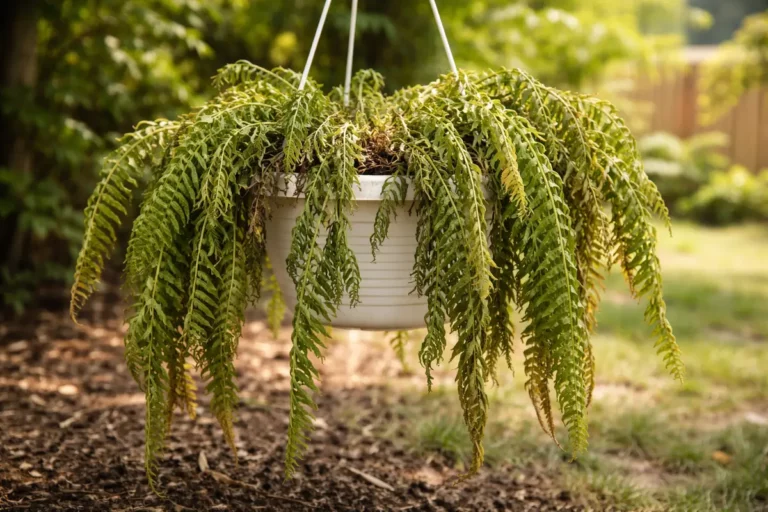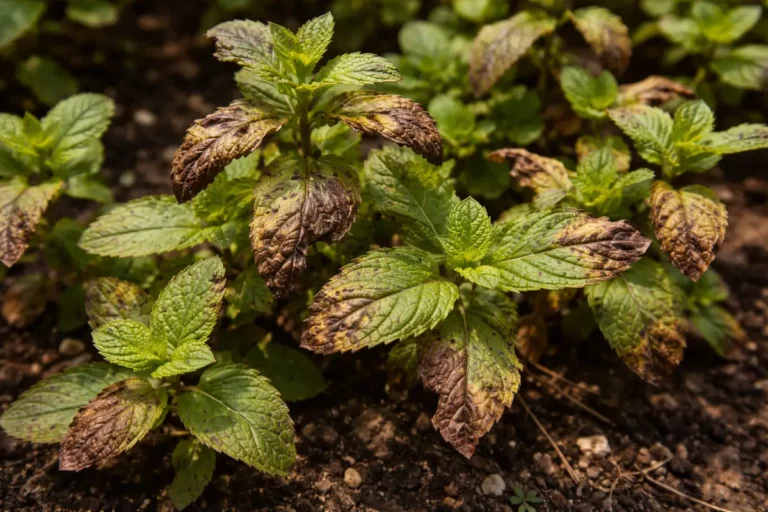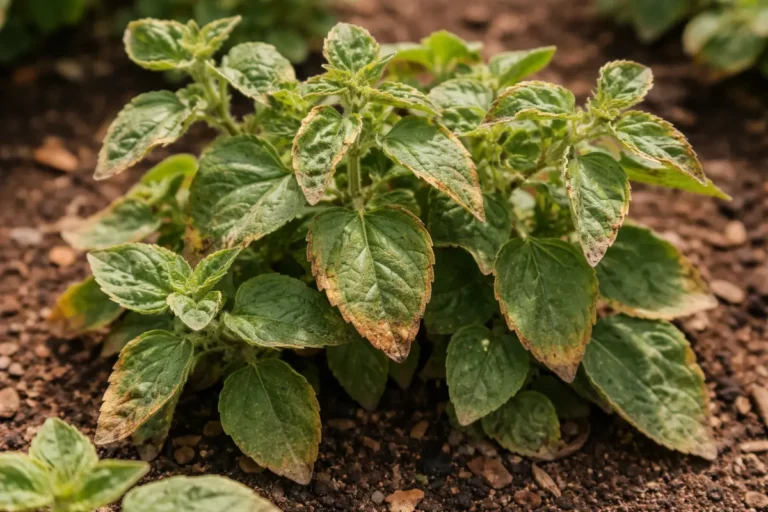
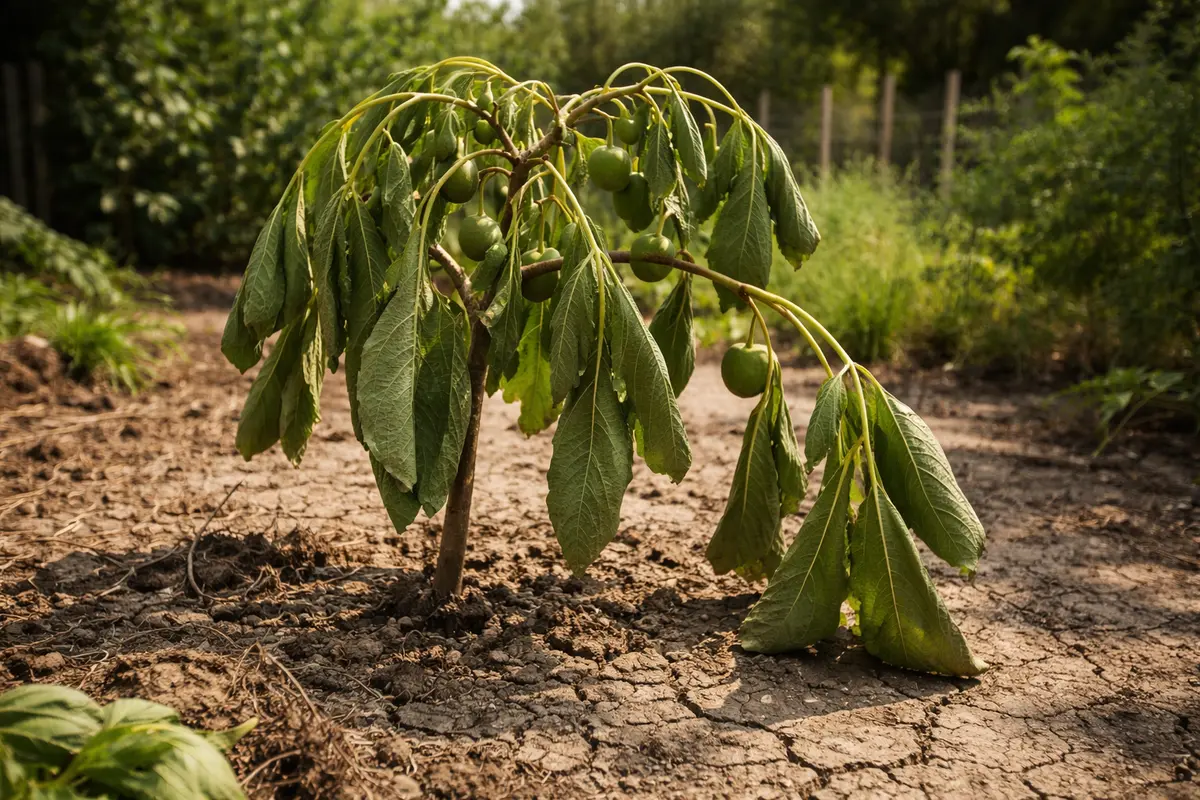
You may notice your fig tree displaying a sad droop during hot afternoons, which is why you need to know what to do when fig trees droop during hot afternoons. This wilting often occurs as the tree struggles to conserve water and cope with the stress of extreme heat. If left unaddressed, the condition can worsen, weakening the plant and stalling growth, but fixing it is possible now by watering deeply and adjusting its shade.
Step 1 – Water Fig Trees Thoroughly in Heat
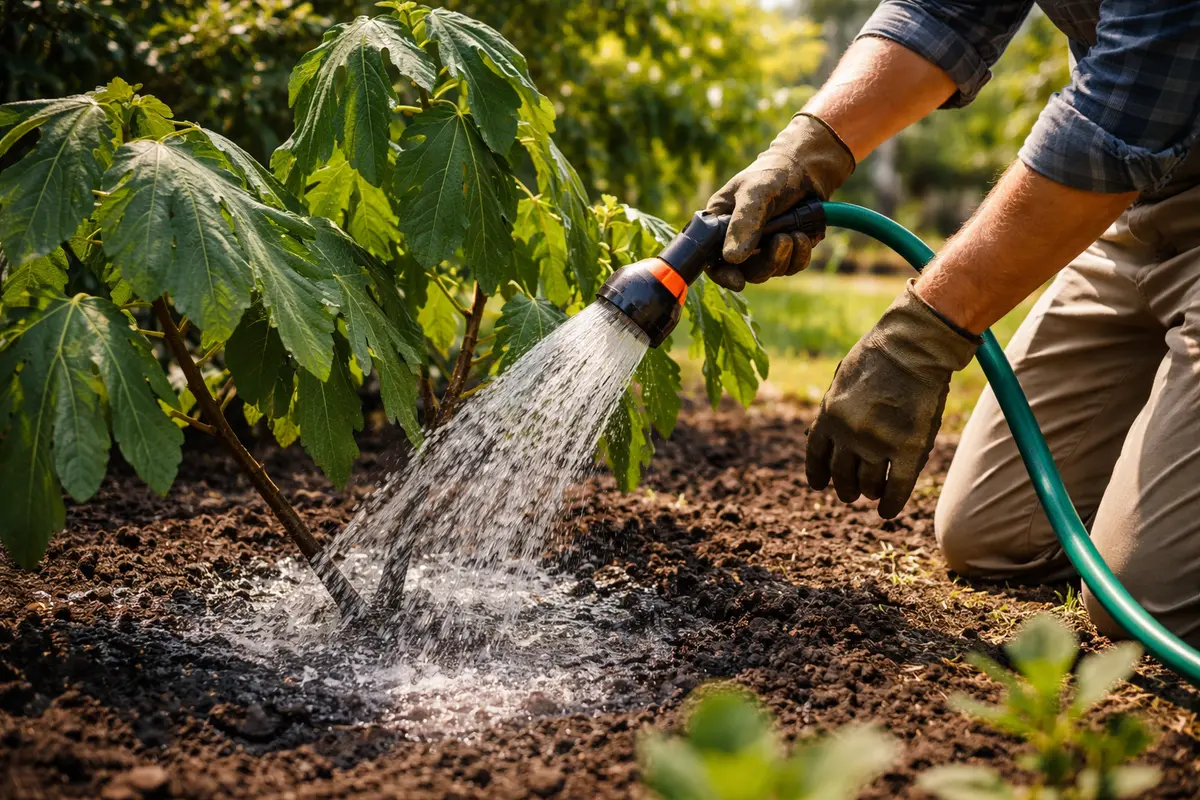
Test the soil moisture by inserting your finger about 2 inches deep. If it feels dry, water the soil generously until excess moisture seeps out through the drainage holes. You should see the tree begin to perk up within a few hours as the leaves regain turgidity. A deep watering ensures that the roots absorb enough moisture, revitalizing the tree’s overall health, with visible signs of recovery such as firm leaves and perky stems. This quick intervention can save your tree from severe dehydration.
Hydration is crucial during intense heat because fig trees can lose water rapidly through transpiration. When the roots are not adequately hydrated, you can see the leaves droop due to a lack of structural support. This becomes especially pronounced during the afternoon when temperatures are at their peak. If you let the soil dry out completely, the situation can lead to further stress and slower recovery. Thus, ensuring consistent watering during heat waves is essential; aim for approximately 1-2 inches of water per week.
A common mistake many gardeners make is underestimating the watering requirements of fig trees in hot weather. For instance, if the tree’s leaves start to droop, they may simply mist the leaves rather than address the root zone directly. This won’t solve the problem as the roots remain thirsty. Ensure that you are applying water directly to the soil to avoid situations where only the surface is moist, which leads to further drooping if underlying roots remain dry. If you find that surface roots are becoming exposed, add mulch to help retain moisture and regulate soil temperature.
Step 2 – Examine Soil for Compaction Issues
Start by checking the soil moisture around your fig tree. Insert your finger about an inch into the soil—if it feels dry, deeply water the tree. Within a few hours, you should notice the leaves begin to perk up, indicating recovery from heat stress.
When temperatures rise, fig trees can droop as they lose moisture faster than their roots can absorb it. This happens particularly when the soil is too dry, limiting the tree’s ability to take up water necessary for maintaining leaf turgidity. In contrast, a fig tree with consistently moist soil will display resilient foliage that stands upright even in heat, showing that it’s adequately hydrated.
If the soil smells sour or has a mushy texture, this may indicate overwatering or root rot, which also leads to drooping leaves. In such cases, aerate the soil or treat for root rot, as these symptoms require a different approach than dehydration. If the leaves feel crispy along the edges instead of drooping uniformly, check for pest infestations, as they can also cause these visible stress signs.
Compacted soil prevents adequate water infiltration and root growth; without air pockets, the roots cannot absorb moisture or nutrients properly. The soil might appear hard, leading to poor water retention, which can suffocate roots and cause stress symptoms like wilting. Correcting compaction is necessary to revitalize the root environment, enhancing water accessibility. If the soil is excessively compacted, there will be visible crusting, and it can take on a clay-like consistency, preventing roots from spreading and exploring. Incorporating organic matter can improve soil texture and airflow.
If the soil has a sour smell or feels excessively wet after watering, this indicates poor drainage and potential root rot. In contrast, if the soil is dry yet hard, proceed to aerate it while additionally adding organic matter, such as compost, to improve its structure and moisture retention capabilities. Using compost can also boost microbial activity, leading to healthier root systems. Failing to improve compaction may result in a long-term struggle with plant health, as the roots won’t be able to uptake nutrients or moisture efficiently. If the soil feels clumpy and dense, avoid heavy traffic in that area or compacting tools during gardening activities.
Step 3 – Fertilize Fig Trees to Aid Recovery
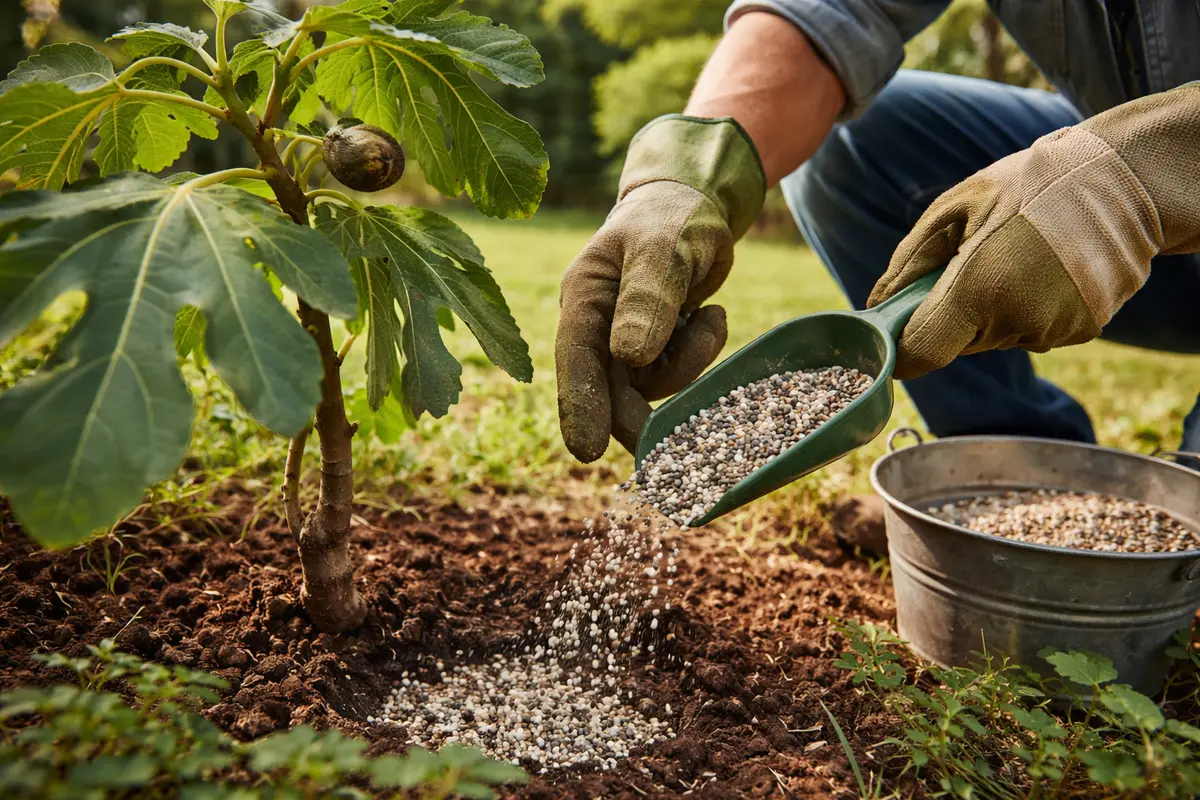
Apply a balanced fertilizer specifically designed for fruit trees to support recovery, using a granular or liquid form as directed. Over the next few weeks, you will see new growth appearing, with leaves regaining their firmness and color. Fertilizing helps replenish lost nutrients in the soil that may have been depleted due to stress, effectively providing the plant with the nutrients necessary for robust growth. Consider using a fertilizer with a N-P-K ratio of 10-10-10, which will provide a balanced mix of essential nutrients.
When a fig tree shows signs of drooping, it may also indicate nutrient deficiencies that need addressing. The roots can struggle to take up essential nutrients when the tree is stressed, inhibiting recovery. By replenishing these nutrients through fertilization, the tree can begin its recovery process more effectively, which is evident in the emergence of new shoots and healthier leaf growth. Keep an eye out for leaf discoloration; yellowing leaves may signal nutrient issues where the tree cannot access necessary resources. Documenting leaf changes in the recovery stage can help identify nutritional gaps in care.
During recovery, avoid over-fertilizing, as this can lead to burning the roots and worsening the situation. It’s also essential to monitor the temperature and only apply fertilizer when daytime temperatures are below 85°F. An additional tip is to apply fertilizers early in the morning or late in the afternoon to avoid the heat of the day. If you notice that the fertilizer doesn’t yield improvements within the first two weeks, it may be an indication that the initial nutrient deficiency was severe enough that further adjustments are necessary. Always follow up with sufficient watering after fertilizing to enhance absorption and avoid root burn.
Step 4 – Shade Fig Plants During Afternoon Heat
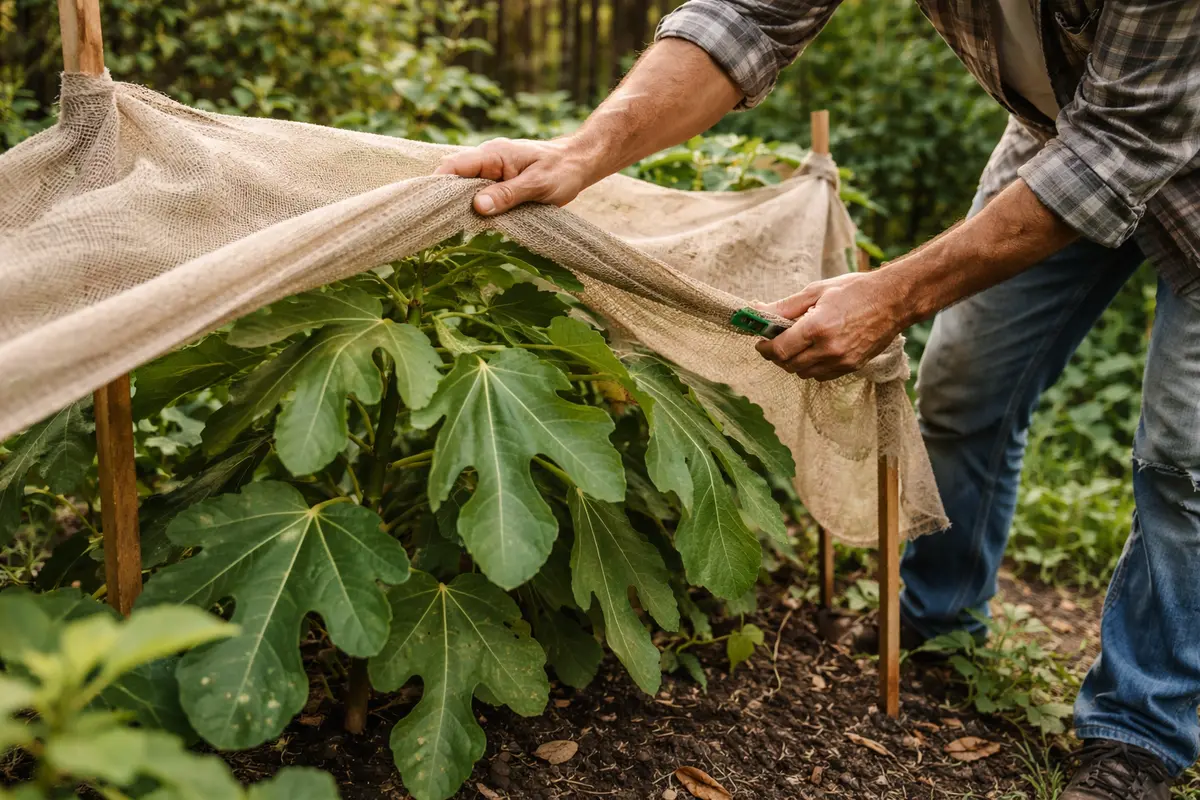
Start by ensuring your fig trees receive adequate water during the hot afternoons by deeply soaking the soil around the root zone. Regularly practicing this method will help you see improved resilience in your trees, reducing drooping significantly during peak heat hours.
The drooping of fig trees in extreme heat often occurs because the roots struggle to access water in dry, compacted soil. By implementing a consistent deep watering routine, you address the core issue of insufficient moisture, allowing roots to absorb water effectively and sustaining hydration through the hottest parts of the day. If you observe drooping, check the soil moisture; if it’s dry a few inches down, your trees need more water.
In the summer months, when temperatures consistently rise, consider adding a layer of mulch around your fig trees. This additional protection can help retain soil moisture, especially during prolonged heat waves, ensuring that your trees consistently have access to the water they need to thrive.
Exposing fig trees to intense, direct sunlight during peak hours can result in thermal shock, causing leaves to droop and stems to soften. By providing afternoon shade, you mitigate the plant’s exposure to harsh temperatures, allowing it to conserve moisture and continue photosynthesis without the added heat stress. This will reflect positively on the tree, as you will observe vibrant leaves and fewer instances of wilt. Such measures help optimize growth conditions, making a difference in overall health during summer weeks.
A common mistake is to believe that fig trees thrive in full sunlight at all times; however, they benefit from some respite during the hottest periods. Adapting to seasonal variations is crucial, so consider using movable shade options, like patio umbrellas or portable canopies, that can be adjusted according to changing weather conditions. You can also arrange for taller plants nearby to provide natural shade. During extremely hot spells, temporary structures can provide immediate relief and prevent additional stress indicators such as sunburn on leaves or further drooping. Always monitor trees after shade installation, ensuring you don’t create overly humid microclimates, which can lead to fungal issues.
Step 5 – Check Leaves for Wilting Signs Weekly
Monitor the fig tree every week, checking the leaves for signs of wilting or discoloration. You should observe that the leaves remain firm and upright if the tree is recovering correctly. Regular checks will help you catch any potential issues early and make timely adjustments. If you notice any leaves beginning to yellow again, this could suggest either nutrient issues or that the tree is again feeling stress from heat or drought. Look specifically at leaf undersides where pests may hide, indicating stressors beyond hydration.
A healthy fig tree demonstrates strong, vibrant green leaves and new growth by the end of the recovery phase. In contrast, if you start to see yellowing or drooping leaves once again, it indicates that additional stress factors might be returning, whether from watering issues, heat, or pest interference. Adjusting care practices early can prevent setbacks in plant health. Weekly monitoring allows for swift actions that can save the tree from worsening conditions. Keep a journal of your observations, as this data can help refine care over seasons.
If symptoms return despite following previous steps, it might be necessary to reevaluate the soil conditions and moisture levels. Consider implementing a more robust watering schedule if you see drooping resumes. Another round of pruning may help if there are still signs of stress. However, refrain from excessive trimming, as this can create further stress during peak growing seasons. It’s crucial to give careful attention to external conditions impacting recovery, allowing the tree ample time to acclimatize, rebounding fully to its healthy state. If wilting persists despite corrective measures, consulting a local horticulturist or extension service may provide tailored recommendations for your specific climate.
FAQ
How long does it take for fig trees to recover from drooping?
Recovery time varies between a few days to a couple of weeks based on the severity of stress and care provided. You’ll know the tree is recovering when you notice firm leaves starting to regain their color and structure. Close attention to watering schedules and soil conditions plays a significant role in this recovery process, as well as shade and nutrient support.
Can overheating damage fig trees permanently?
Yes, if overheating is left unresolved, it can lead to permanent damage such as leaf drop or branch dieback. Therefore, it’s crucial to act promptly to reduce stress and provide necessary care. Prolonged exposure to high temperatures without adequate relief can severely hinder the tree’s ability to thrive, and thus ensuring a balance of water and shade is essential.
Should I remove wilted leaves from my fig tree?
Removing wilted or dead leaves can help the plant conserve energy. However, only prune leaves that are completely damaged, as healthy leaves can aid in recovery. Maintaining leaf health while managing wilted foliage is essential for encouraging new growth and protecting the overall integrity of the tree. Poorly maintained trees may face additional pests, exacerbating stress levels.