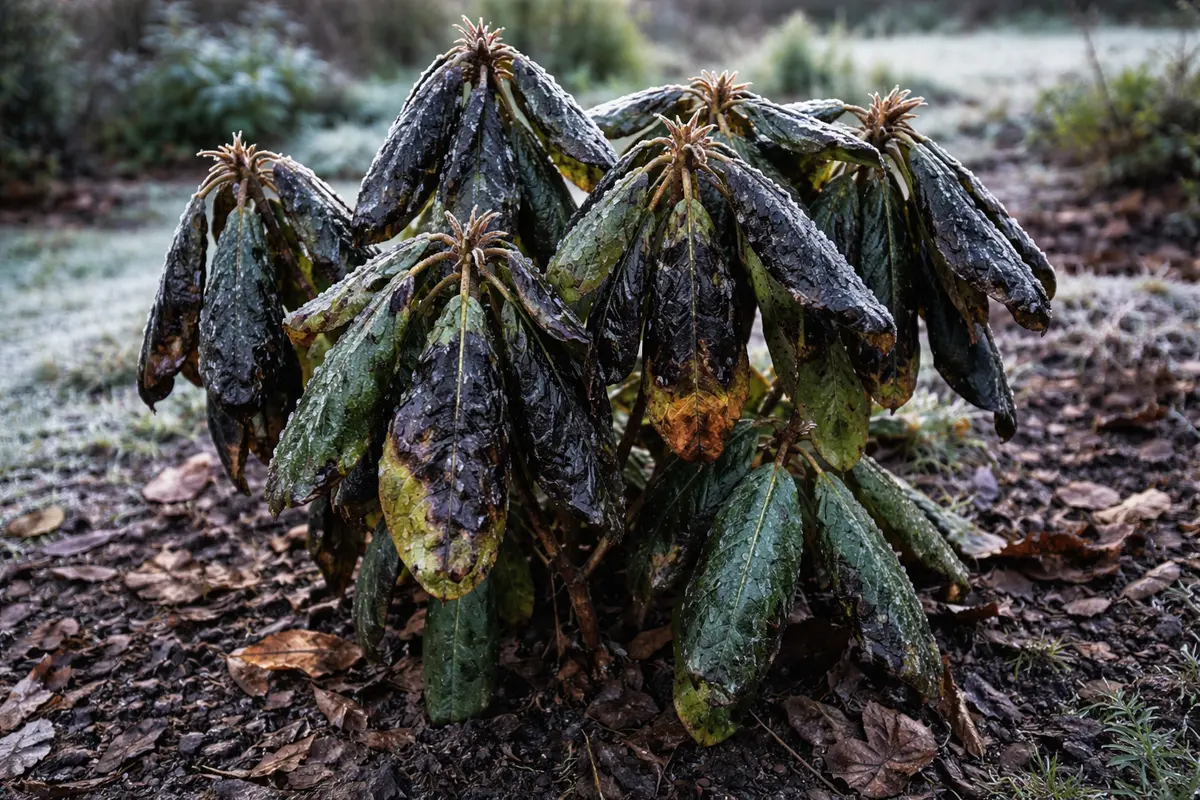
You may notice your rhododendron’s leaves turning an alarming shade of yellow during the chilly days following a frost, which is why you need to know, “Why are my rhododendron leaves turning yellow after frost?” This yellowing often indicates stress or damage that the plant has suffered, leading to reduced photosynthesis and overall vitality. If left unaddressed, this condition can worsen, weakens the plant, but fortunately, you can check for signs of distress, improve drainage, and adjust your care methods to help it recover.
Step 1 – Inspect Rhododendron Leaves for Frost Damage
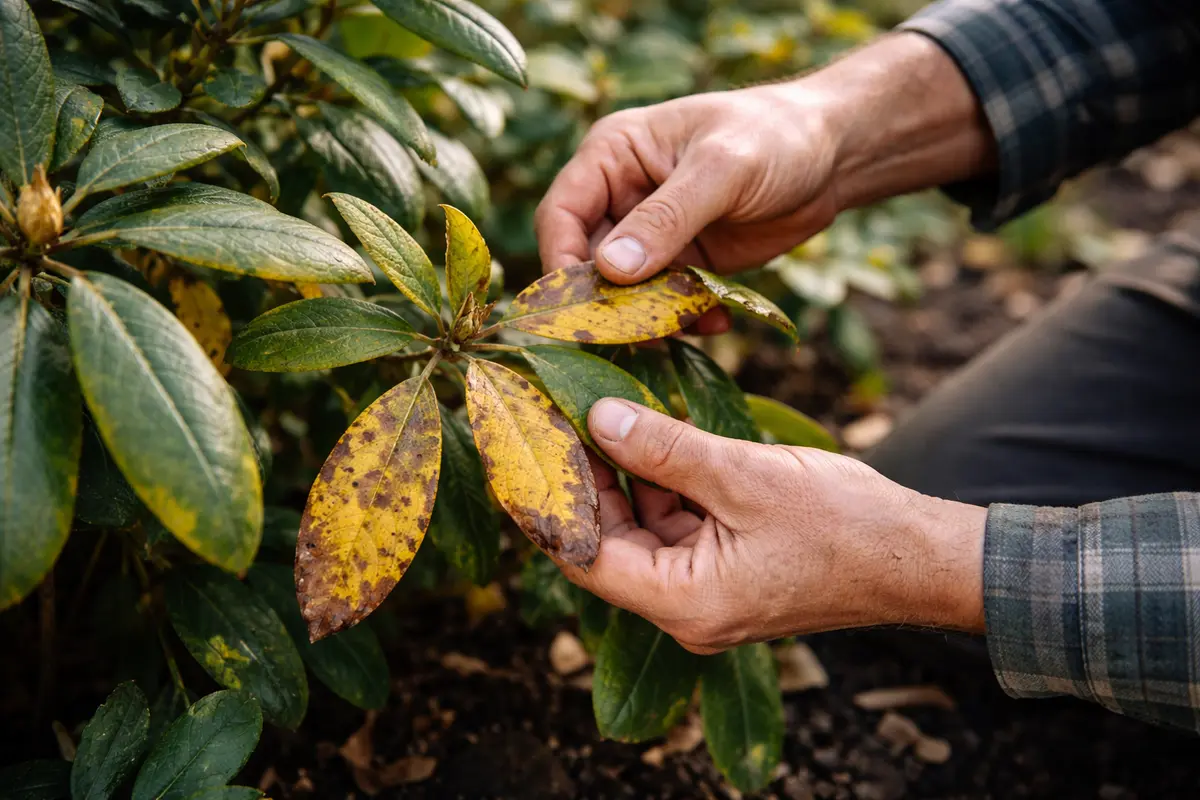
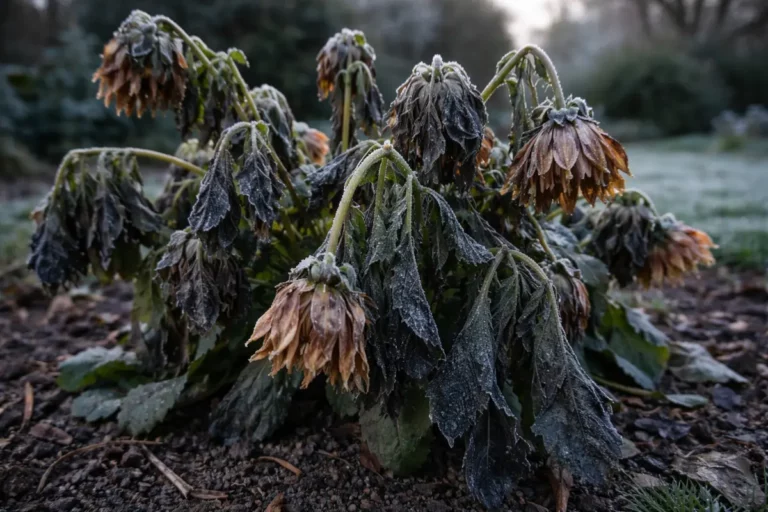
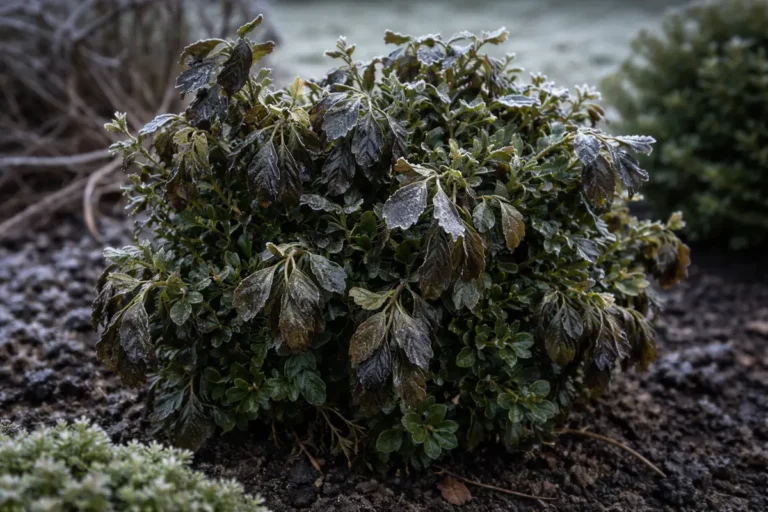
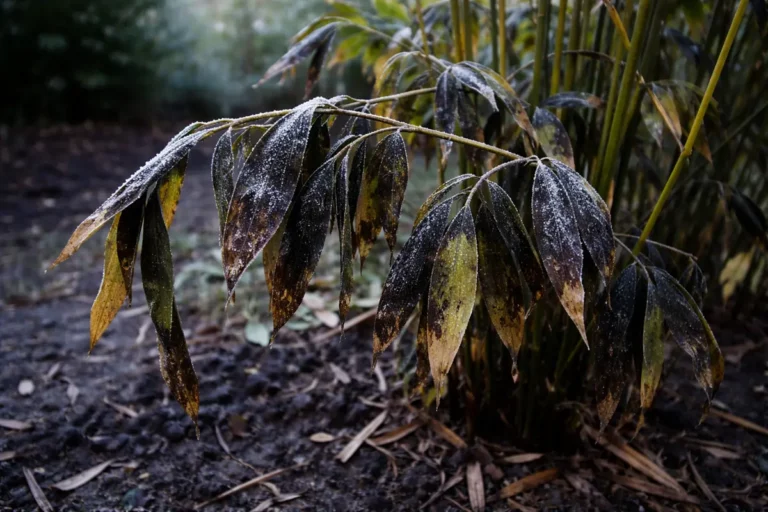
Begin by closely examining the leaves of your rhododendron for signs of frost damage. You should see any visible signs of browning, wilting leaves, or leathery textures shortly after the frost has subsided. Failing to inspect the leaves soon after the frost can lead to unnoticed damage becoming more severe, possibly putting the plant at risk for diseases. Look for yellowing in older leaves first, as they are more susceptible to frost damage.
Immediate inspection is crucial because frost injury occurs when water inside the leaf tissues freezes, causing cell walls to rupture. The severity of this damage can vary; for instance, leaves exposed directly to frost often wilt more prominently than those slightly sheltered by nearby plants. This damage can lead to further deterioration and weakened defenses against pests and diseases if left unchecked. By identifying and addressing this damage right away, you can limit its spread and strengthen the plant’s resilience dramatically. If you notice brown or black edges on the leaves, it’s often a clear indication of frostbite.
A common mistake at this stage is neglecting to examine the leaf undersides, where symptoms can be subtler. If you only check the top surface, you might miss critical damage that could affect your recovery efforts later on. Inspect the stems as well; frost may cause cracks that can worsen if not addressed. It’s essential to turn the leaves and look for any changes in color or droopiness that may not be apparent at first glance. If you find a combination of yellowing and wilting, this may signal extensive cold stress, and you should prepare to take immediate corrective action.
Step 2 – Diagnose Yellow Leaves After Frost Exposure
Check for any additional signs that could indicate the root cause of yellowing, such as dry soil, damaged stems, or even root exposure. You will observe that yellowing may be more pronounced in areas that received direct frost exposure and may vary from plant to plant even within the same area. If frost has penetrated deeply, specifically on younger leaves, they may show symptoms quicker than hardier, mature leaves.
This yellowing often stems from a combination of frost damage and potential water stress, as the roots may have been compromised due to cold. You should assess if other underlying issues, such as nutrient deficiencies or overwatering, may also be present. The plant struggles to absorb water properly, leading to nutrient deficiencies that exacerbate leaf discoloration. Identifying these simultaneous problems allows you to take appropriate corrective measures. Also observe if the surrounding soil feels hard and dry; this indicates stress on the roots that further contributes to the yellowing leaves.
If the soil is overly compact or poorly drained, it can exacerbate root stress. Examine soil conditions post-frost critically, digging down about six inches to feel if the soil is either too wet or completely dry. If the soil retains too much water due to heavy clay composition, you may need to aerate it or amend it with organic material to promote drainage effectively. If the soil feels like concrete underfoot, it’s a clear indication that root health is jeopardized. When you amend your soil, mix in organic compost or peat moss to improve structure and moisture retention balance, which can enhance root recovery. By checking this balance frequently, especially after rain, you can help prevent a recurrence of root issues.
Step 3 – Fertilize Rhododendron to Stimulate Recovery
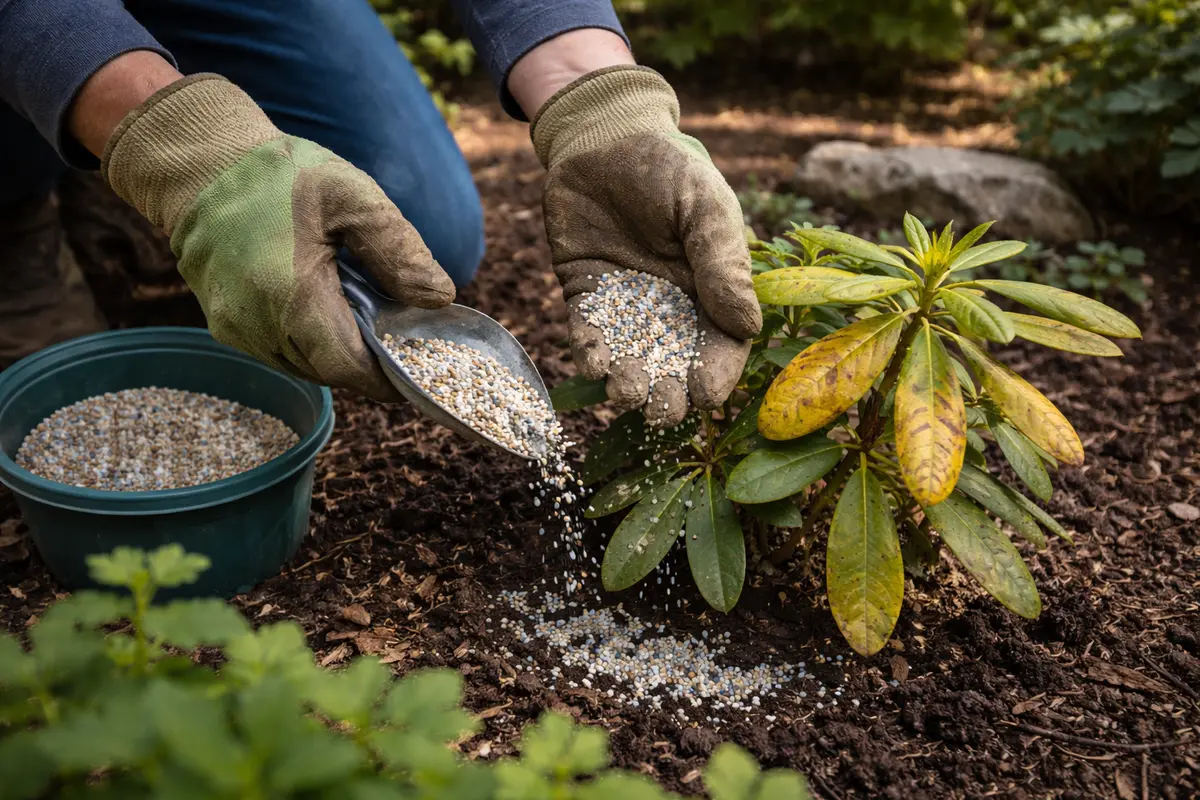
Apply a balanced fertilizer formulated for acid-loving plants to support recovery. You should ideally do this around two weeks following the frost, as this gives the plant time to adjust and absorb critical nutrients. A typical ratio for a grass fertilizer might include about 20% nitrogen, 6% phosphorus, and 12% potassium. Within a couple of weeks, you should start to see new growth emerging and some positive changes in your rhododendron’s foliage color; look for a strengthening of the green hues.
Fertilizing provides much-needed nutrients that the plant requires to kickstart its recovery process. You should see changes in leaves and overall plant strength as the roots absorb the fertilizer. Pay attention to any growth areas; rapid new growth or a deepening green in remaining foliage confirms that your rhododendron responds positively to the treatment. If you observe yellowing despite proper fertilization, assess other stressors affecting the plant’s ability to absorb nutrients. This often happens in poorly draining soils, which can restrict root access to the fertilizer.
A common mistake during this recovery period is over-fertilizing, which can damage sensitive roots. If you observe browning tips on new leaves shortly after fertilizing, it may indicate nutrient burn from over-application. Monitoring your application and ensuring you follow package directions closely prevents excessive nutrient buildup that might worsen the existing stress on the plant. If you suspect over-fertilization, flushing the soil with water can help leach out excess salts accumulated in the soil. Flushing the soil once every two weeks with a slow, thorough watering can help maintain nutrient balance while also aiding in moisture control.
Step 4 – Protect Plants from Future Frost Damage
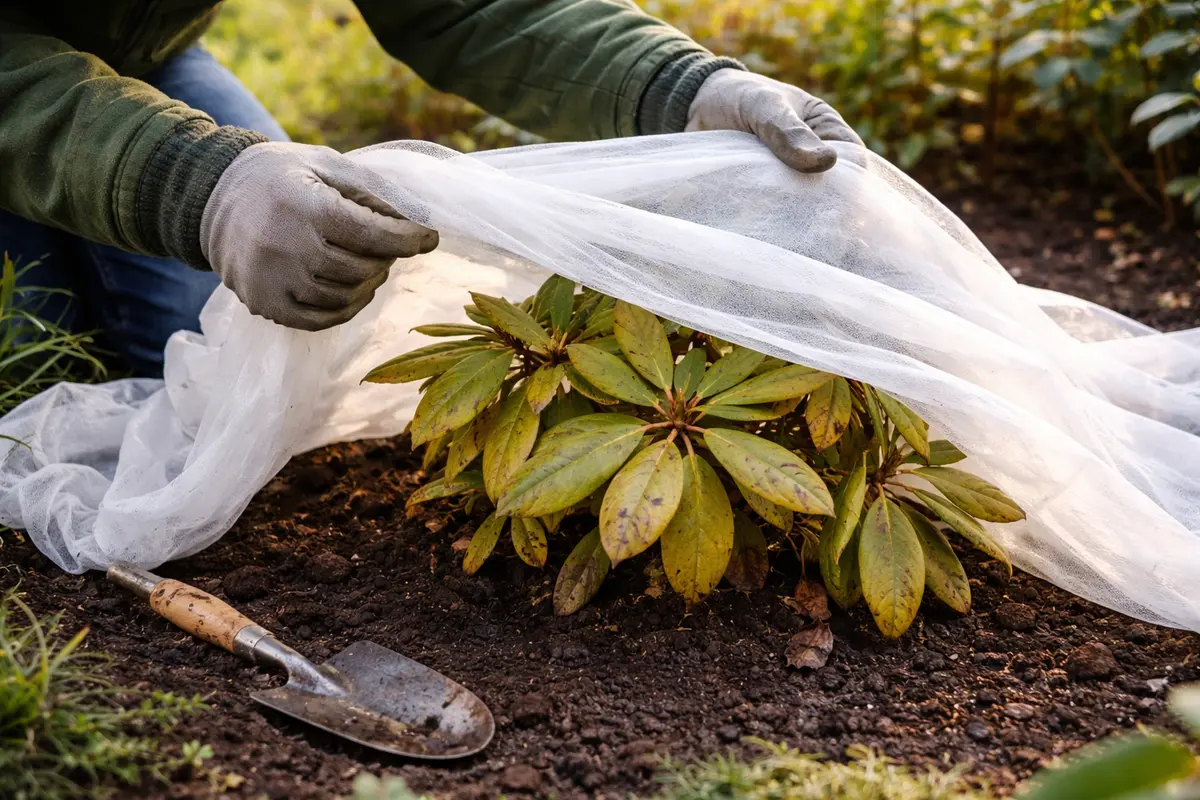
Start by applying a balanced fertilizer with micronutrients to your rhododendrons during early spring before new growth emerges. This nutrient addition will enhance chlorophyll production, resulting in vibrant green leaves and preventing the yellowing often caused by nutrient deficiencies following frost exposure.
Rhododendrons are sensitive to cold conditions, which can result in leaf discoloration due to the inability to absorb necessary nutrients in frosty environments. When soil temperatures drop, roots struggle to uptake nutrients like nitrogen and magnesium, causing leaves to yellow. By fertilizing early, you mitigate the impact of cold soil on nutrient availability, ensuring your plants receive the necessary elements for healthy foliage development.
During late winter or early spring, if frost conditions persist, consider covering your rhododendrons with burlap to shield them from lingering cold temperatures. If you notice leaf discoloration despite your efforts, check for water drainage issues; roots exposed to excess moisture can also contribute to yellowing. Adjusting the soil drainage will assist in maintaining optimal conditions for nutrient absorption.
Protective measures create a microclimate that mitigates the severity of frost exposure and retains soil warmth. The insulation from the frost cloth significantly reduces the risk of freezing temperatures damaging the plant’s delicate leaves. Keeping the roots insulated can boost the plant’s vitality, making it less susceptible to environmental stresses. Regularly checking the weather forecast will help you take timely preventative measures, ensuring your rhododendron is safeguarded in times of need. For long-term protection, consider installing a simple structure such as a mini greenhouse or cold frame that can offer a more stable environment.
If you live in a region prone to late frosts, consider mulching the base with organic materials. Opt for an application approximately 3-4 inches deep, which can effectively insulate roots. It’s crucial to reassess your protective methods based on the seasonal forecasts; warmer winter months might require more breathable materials. During warmer winter months, methods may vary, as excess insulation can introduce other risks such as moisture retention that could lead to root rot. Additionally, avoid placing mulch directly against the plant’s stems to prevent potential fungal infections; instead, maintain a gap of a few inches from the base. This careful approach can contribute significantly to your rhododendron’s overall resilience against cold stress.
Step 5 – Check Leaves for New Yellowing Post-Treatment
Start by checking for excess moisture around the roots of your rhododendron after a frost event. Observe the leaves for any signs of wilting or browning, which may indicate stress. Recheck these conditions weekly to determine if the issue persists or improves, noting any changes in leaf color or texture as the weather warms.
A fully recovered rhododendron will have vibrant green, firm leaves with a smooth texture, enhancing the overall visual appeal of the plant. In contrast, if the leaves begin to develop a yellow hue again, they may feel crinkly or brittle upon touch, signaling potential distress. If you notice leaf discoloration but the texture remains smooth, check the soil moisture levels, as the plant may be overwatered.
If yellowing returns despite following these care steps, consider applying a balanced, slow-release fertilizer to boost nutrient levels. If the problem persists, examine the environment for drainage issues or extreme temperature fluctuations that might affect root health and lead to further leaf discoloration.
A successful recovery will show new leaf growth that is vibrant in color and firm to the touch. If you are indeed nurturing your rhododendron back to life, you should witness the rejuvenation of leaf size and strength. Pay special attention to any areas where yellowing has recurred, which could indicate underlying issues persisting, such as sustained frost exposure or improper watering practices. If the leaves display a mottled pattern of yellowing alongside green, this can indicate nutrient imbalances or pests affecting new growth, and you should consider a thorough inspection immediately.
If yellowing returns despite your efforts, consider reassessing soil conditions or evaluating the balance of nutrients you’re applying. If you notice the yellowing focuses mostly on the bottom leaves but the top is healthy, it may indicate aging leaves, while consistent yellowing across all leaves suggests systemic issues. For instance, new yellowing could also point toward a proliferation of harmful insects or fungus that thrive on stressed plants. In persistent cases, it might be beneficial to consult with a local gardening expert to diagnose any root issues that may require specialized treatment, as this may include soil testing or intervention with organic pesticides.
FAQ
How long does it take for rhododendrons to recover from frost damage?
Recovery may take several weeks to a couple of months depending on the severity of the frost damage, including factors such as moisture and temperature. On average, minor damage may resolve within a month, while persistent conditions could prolong recovery time up to three months. Observe new growth to gauge progress effectively; some species might recover quicker than others depending on their hardiness.
Can frost damage spread to other plants?
Frost damage on a rhododendron typically doesn’t spread like a disease but can weaken the plant, making it more susceptible to pests and diseases. Prompt attention stops potential spread by mitigating further stressors and encourages neighboring plants to emerge healthier. Good gardening practices—such as ensuring proper spacing, maintaining diversity, and monitoring health—can help protect neighboring plants from similar damage.
Should I remove the damaged leaves from my rhododendron?
Removing severely damaged leaves can help redirect the plant’s energy to healthier areas. Ensure that you prune them back cleanly at the base of the stem to prevent further stress, but do not over-prune—as the remaining foliage still contributes to photosynthesis during recovery. Aim to remove only the most damaged leaves while retaining leaves that can continue contributing to the plant’s overall health.