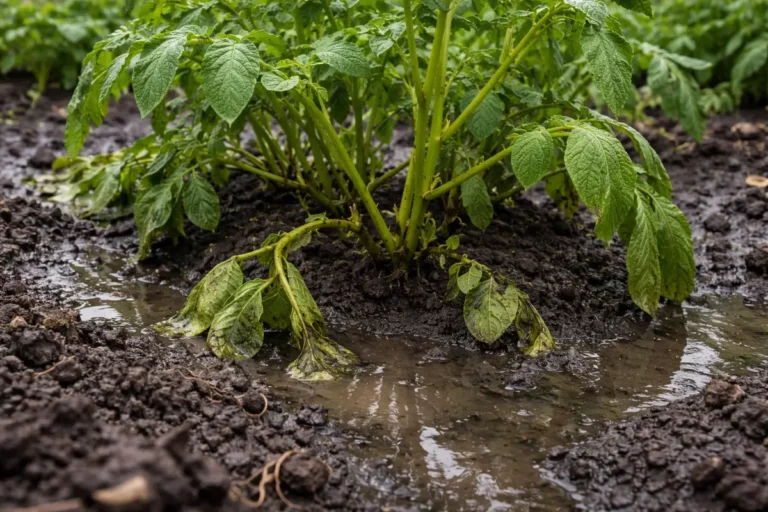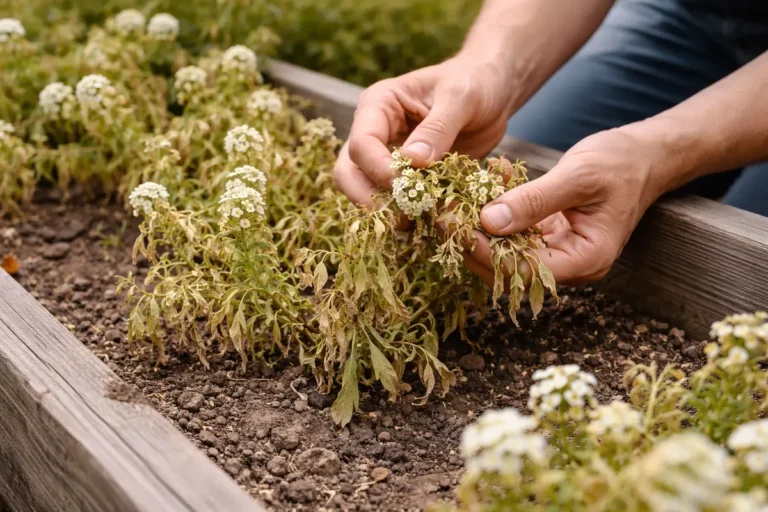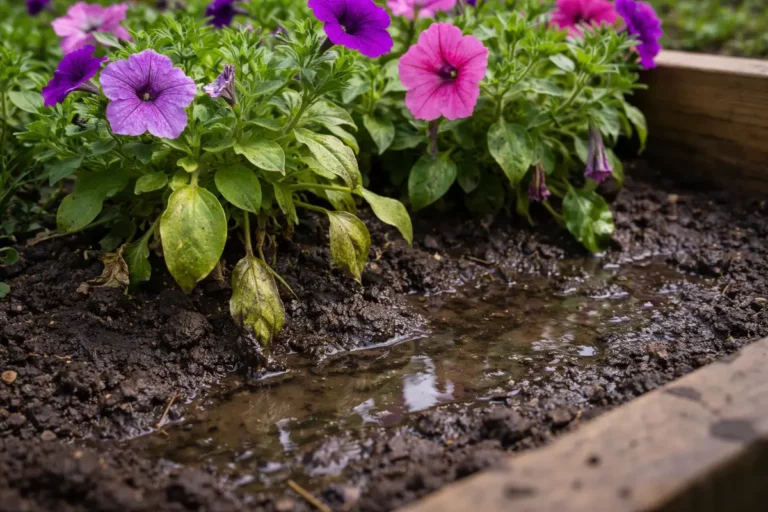

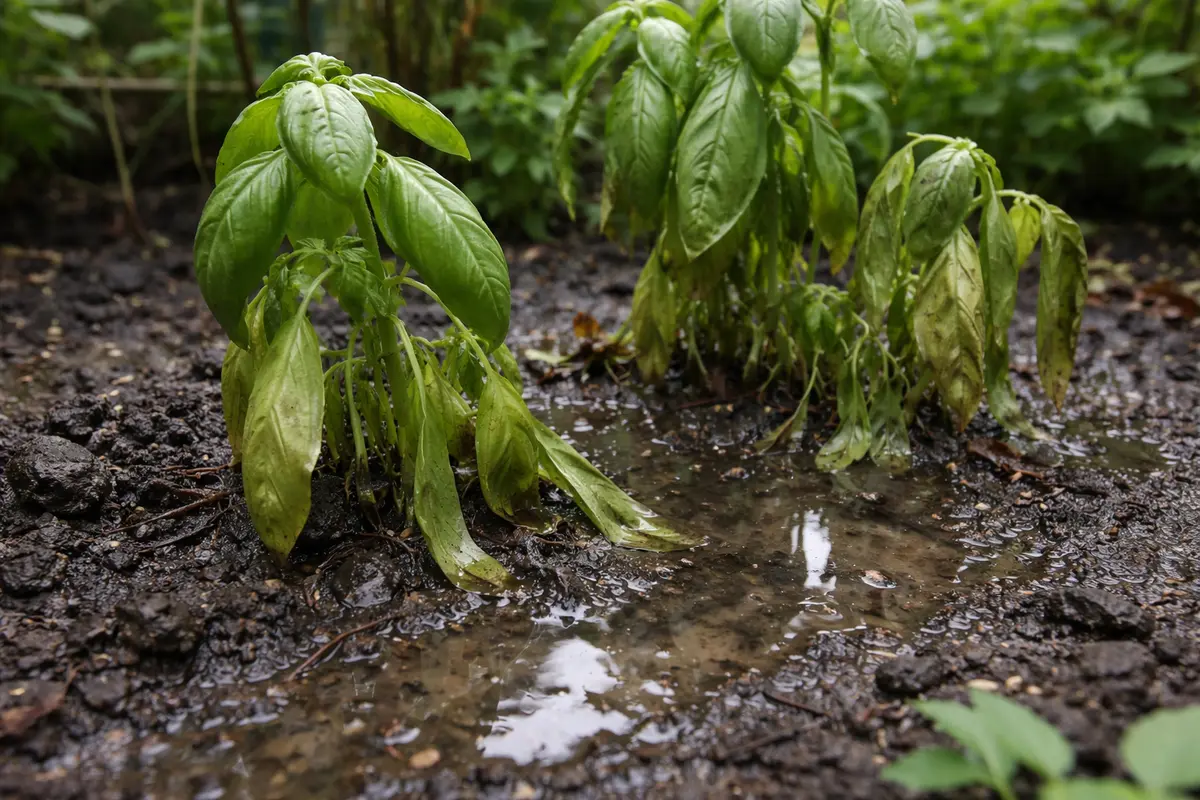
You may notice your herbs looking droopy and fatigued during the humid days of summer, which is why you need to know what to do if herbs are wilting after overwatering. This wilting often occurs due to the roots sitting in too much water, leading to mushy spots and yellowing leaves. If left unaddressed, the situation only gets worse, potentially weakening the plant and leading to more damage; however, you can fix this by checking the soil moisture, adjusting your watering schedule, and removing any rotting roots.
Step 1 – Trim Wilting Herb Leaves Immediately
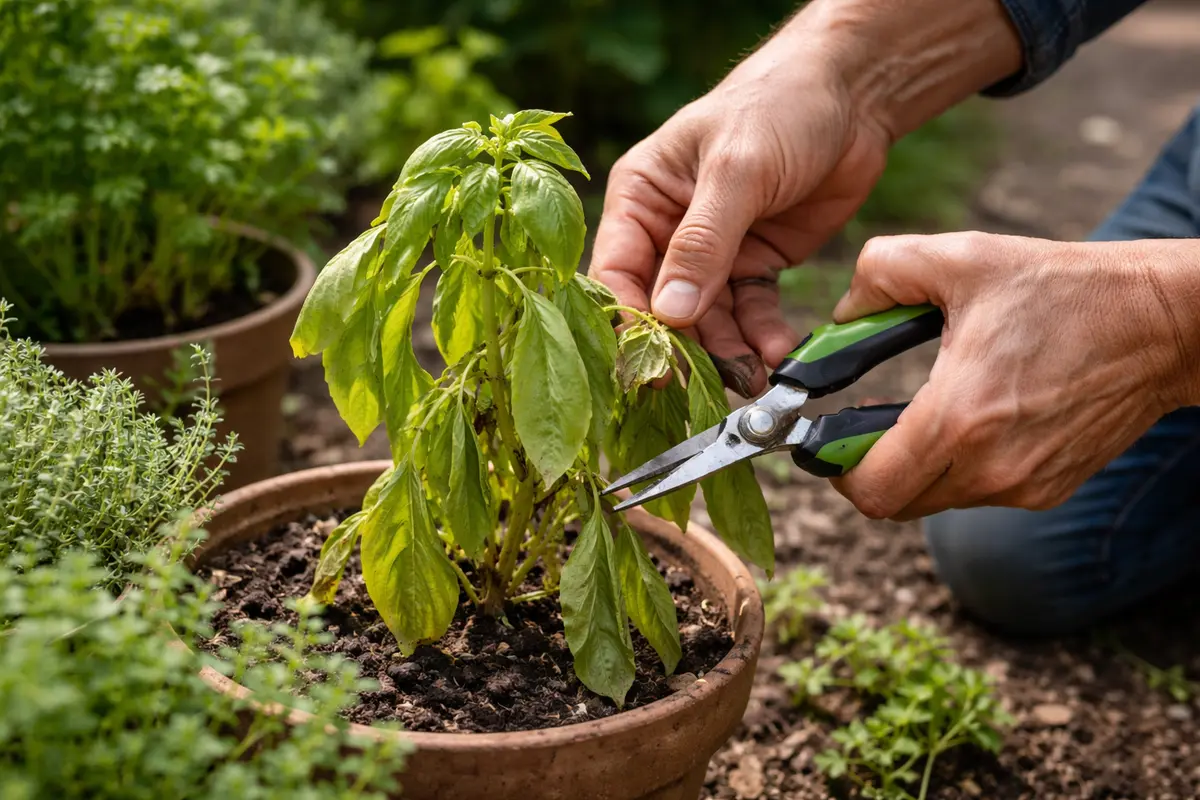
Start by removing any wilting leaves from your herb plants. This action prevents further energy drain and visibly reduces the plant’s stress, allowing healthier foliage to thrive. Make sure to inspect the remaining leaves; if they still show signs of wilting or decay, continue pruning until only healthy growth remains.
Acting quickly is essential because overwatered herbs are prone to anaerobic conditions, which hinder root function. This stagnation results in soft tissues and, if left unchecked, can lead to decay and reduce the plant’s recovery potential dramatically. In contrast, herbs that are promptly tended to can recover their firmness and vitality within days.
For instance, if you notice that some leaves are turning yellow and limp but others are firm and green, focus your efforts on pruning the affected areas. If you do not see a distinct contrast between healthy and unhealthy leaves, check the roots for mushiness or discoloration, which indicates a deeper issue requiring immediate attention.
Failure to address wilting herbs swiftly can result in extensive damage, as root suffocation from overwatering leads to a lack of oxygen. Amongst different herbs, some may exhibit only slight droopiness, while others may appear completely limp. Recognizing this difference is crucial, prompting immediate intervention.
In a notable scenario, a gardener found their basil wilting after heavy rain but hesitated, believing the plants would recover naturally. By delaying action, the roots compromised further, leading to irreversible damage. If you notice wilting herbs with green, healthy roots, adjust your watering practices without delay to prevent a more drawn-out recovery process.
Immediate removal of damaged leaves helps redirect the plant’s energy towards rejuvenating healthy growth, thereby limiting opportunities for fungal infections that thrive in moisture-laden environments. This is especially critical during warm, humid seasons when conditions can amplify the risk of decay. If your herbs are indoors, ensure they are in well-ventilated areas to curb humidity-related issues.
A frequent misstep is hesitating to trim wilting leaves, anticipating the plant may recover independently. Most cases show that delays result in further stress and spread of decay among the leaves, complicating recovery. Early detection is critical; should you find excessive moisture around the base of the plant or notice a musty smell, it’s time to act. Should the leaves feel mushy or fall apart, urgent intervention is necessary to safeguard the overall health of the herb.
Step 2 – Assess Excess Water Retention in Soil
Start by checking the soil moisture immediately by inserting your finger into the soil up to the second knuckle. You should feel if the soil is soggy, indicating that the herbs are sitting in excess water, which can lead to root rot. If the finger feels cool and clammy to the touch, overwatering is highly likely, signaling that the roots are deprived of oxygen and leading to declining plant health. Additionally, examine whether the top layer of soil appears dry; if it doesn’t, that suggests deeper water retention issues that need addressing.
The cause of this issue is that consistent wetness prevents the roots from absorbing oxygen, leading to wilting, yellowing, or dark brown roots. Moisture retention is particularly problematic in compacted soils or pots with inadequate drainage. To correct this issue, ensure your pots have sufficient drainage holes. If you notice standing water at the bottom of the pot, it is an immediate sign that drainage must be improved or that the potting medium is too dense. If algae is growing on the surface, it further indicates excessive moisture.
If you find that the roots are rotting and a foul smell is present, remove the plant from its pot and inspect the root system. Trim away any mushy portions of the roots and repot the plant in fresh, dry soil with adequate drainage holes to enhance overall health. It is crucial to assess soil texture and odor carefully during this step; neglecting these factors can complicate recovery. If your potting soil retains too much water, consider switching to a more aerated mix or adding perlite to significantly improve drainage. Note that larger pots will take longer to dry out, raising the risk of further root damage during recovery.
Step 3 – Fertilize Herbs for Quick Recovery
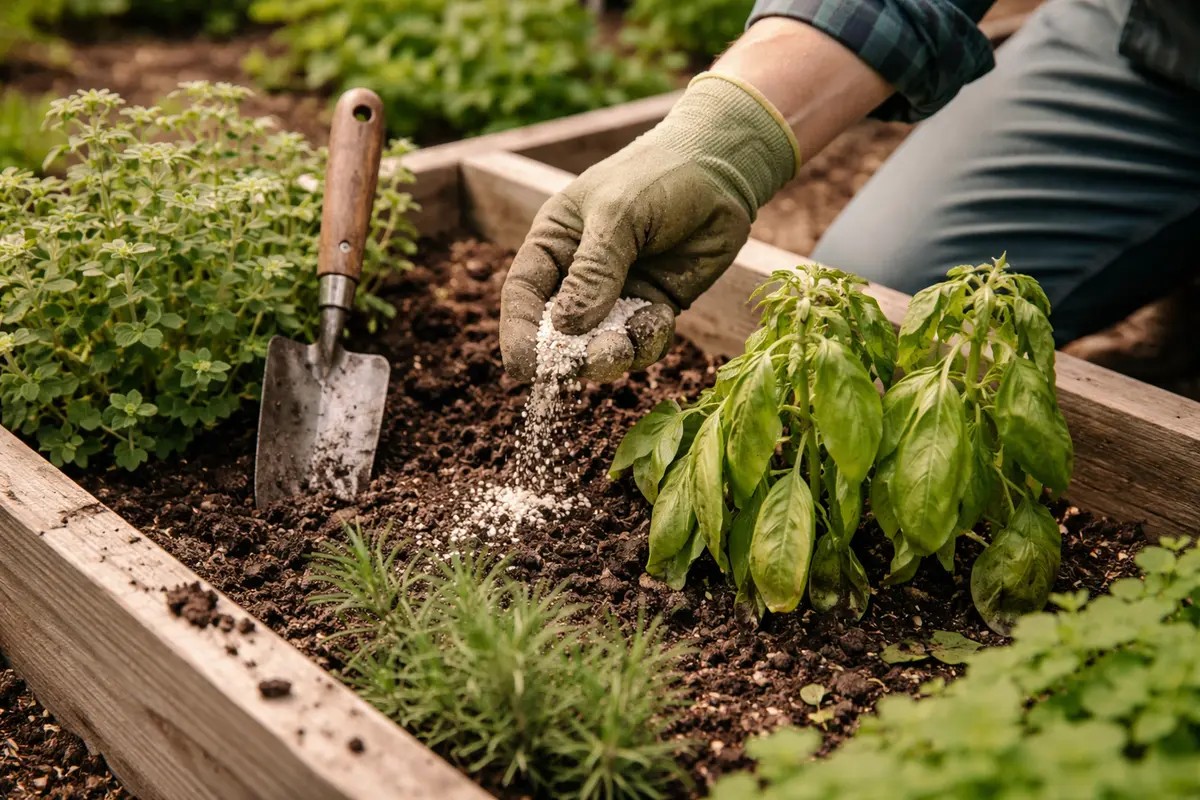
Start by applying a balanced, water-soluble fertilizer at half strength to promote recovery. You should see new growth and a more vigorous appearance in your herbs within a week as they recover, with brighter, healthier leaves. Fertilizing should only be done after you have stabilized your watering habits to ensure the plants are adequately hydrated.
Recovery typically takes about one to two weeks, depending on the herb and the extent of the overwatering. If you notice your herbs regaining turgidity but still developing dark spots or yellowing, check for root rot as a possible cause of recurrence. Conversely, if the leaves remain limp and dry, it could indicate that overwatering persists.
To prevent future overwatering, establish a consistent watering schedule based on weather conditions and pot drainage; always check the soil’s moisture level before watering. A common diagnostic contrast to observe is if the soil feels soggy and the leaves have drooped, adjust by extending the time between waterings. If the soil remains dry and the herb’s leaves show signs of stress, increase watering gradually without overdoing it.
A common mistake is to rush into fertilizing, which can stress out your herbs further. Focus initially on adjusting your watering frequency, especially if the leaves are significantly browning or drooping. If you find that the soil dries too quickly between waterings, consider switching to a pot that has better drainage or using soil amendments like perlite to enhance aeration.
After ensuring your watering habits have improved, fertilize your herbs with nutritious options that have a higher nitrogen content to stimulate leafy growth during recovery. Watch for signs of over-fertilization, such as leaf curling or browning tips, which could indicate stress and suggest that your herbs may need more recovery time before fertilizing again. If you notice discoloration, it’s essential to reduce fertilizer application to avoid chemical burns.
To prevent setbacks, be cautious about over-fertilizing during the recovery stage. Always follow dosage instructions on the fertilizer package and avoid application when the soil is still wet. If there is no improvement in growth after a week, reassess your watering schedule to ensure the soil can dry adequately. Should the surface remain damp, delay further fertilization until the herb’s conditions stabilize to prevent exacerbating the issue. If concerns about excess moisture remain, reevaluate how much and how often you water your herbs for optimal recovery.
Step 4 – Inspect Herbs for New Growth Weekly
Begin by checking the herbs weekly for signs of new growth. Look for fresh green shoots and sturdy stems, which indicate recovery. After stabilizing from overwatering, monitor these signs closely, as they help gauge the health of your plants. Once the herbs produce new growth, it confirms that the roots are healing and resuming their essential functions. If you notice too much new growth, it might suggest that the herbs are still under stress from previous overwatering.
A fully recovered herb plant exhibits vibrant green leaves, strong stems, and robust new growth, showing it’s back to health. In contrast, if the foliage turns yellow again, it signals a potential return of overwatering issues or insufficient nutrients. Schedule weekly inspections to catch any new problems, such as root rot, early before they escalate. If new growth is stunted or absent after two weeks, it may indicate unresolved issues. Likewise, if newly formed leaves turn pale or drop off, it could highlight ongoing problems with moisture levels or nutrient imbalances.
For the next check, watch for the dark green hue of healthy leaves and the presence of consistent new shoots. If new growth fails to appear, or distress signs reemerge, reconsider your plant’s environment. If the problem resurfaces despite these efforts, adjust your watering schedule or move the herbs to a location with improved airflow for better soil drying. This approach helps create a healthier growing environment by reducing the risks of waterlogging and root rot. Pay attention to the humidity level and light exposure; if these are inadequate, relocating the plants might be necessary. Furthermore, consider using a small fan to enhance air circulation and promote faster drying of the topsoil. If you see no improvement after relocating, seek advice from a gardening expert for a more thorough environmental evaluation.
FAQ
How long does it take for herbs to recover from overwatering?
Typically, herbs can show signs of recovery within a week after you have trimmed damaged foliage and corrected water retention issues. Depending on the severity of the overwatering, it may take a few weeks for them to fully bounce back and produce lush new growth. Continual monitoring during this time is crucial, as even brief episodes of overwatering can set recovery back significantly, prolonging the time to a full recovery. Additionally, factors such as the type of herb, its growing conditions, and the care provided during recovery all contribute greatly to the timeline.
Can overwatering cause herbs to spread disease?
Yes, excessive moisture creates an environment conducive to fungal diseases, root rot, and bacterial infections. If left unchecked, these conditions can spread to healthy parts of the plant and even to nearby plants, leading to more significant issues. Always be vigilant about drying times and inspect neighboring plants as well, since pathogens can transfer easily in moist conditions. Regularly changing the top layer of potting soil can help reduce disease risk by removing spores and pathogens that thrive in wet conditions. Implementing a regimen of light spraying with a natural fungicide can also help mitigate any potential fungal issues that may arise from the wet environment.
Should I remove affected parts of my herbs to aid recovery?
Absolutely. Removing wilted or damaged leaves not only reduces the plant’s energy expenditure but also helps prevent diseases from taking hold. This action will contribute to a healthier plant, allowing it to focus on regrowth and recovery instead. Not acting can lead to a cumulative weakening of the plant, making it susceptible to future issues. Moreover, when you notice several affected leaves, you may want to increase your inspection frequency, as rapid disease spread can occur if conditions do not improve shortly thereafter. Be proactive in this process to help maintain the overall health and vitality of your plants.