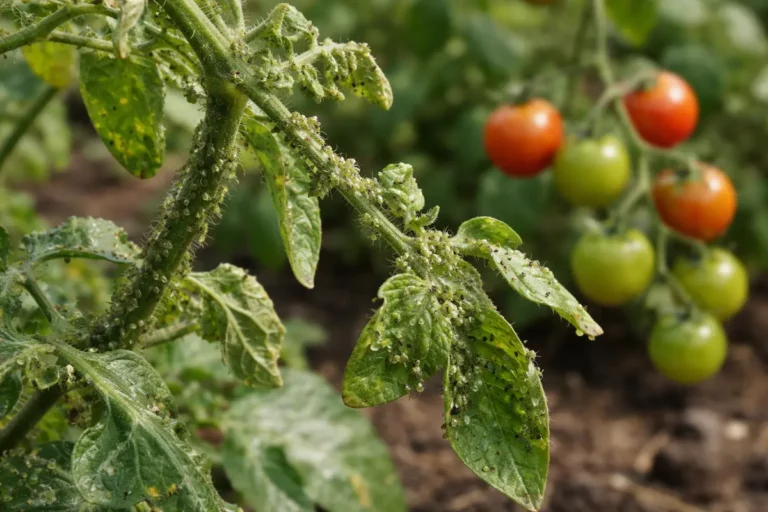
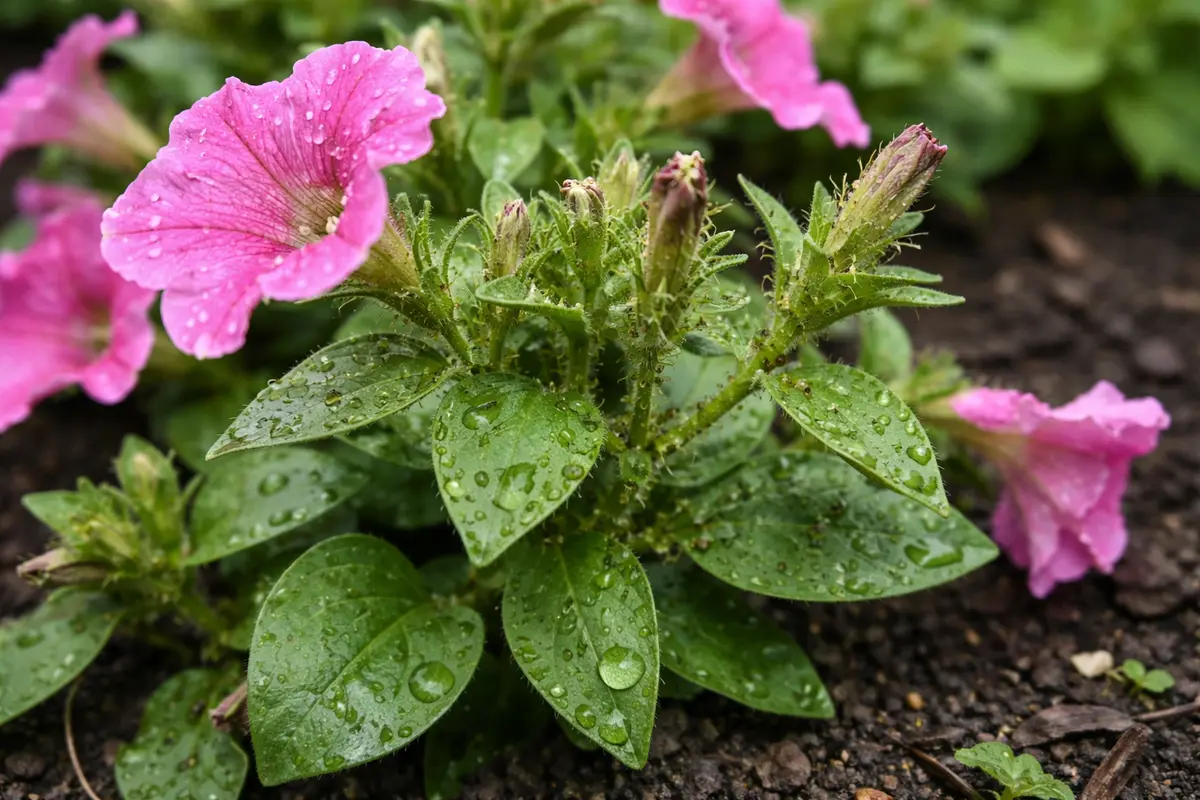
You may notice tiny insects congregating on your petunias during spring rains, which is why you need to know how to prevent aphid damage on petunias during spring rains. These pests suck the sap from the plants, leading to yellowing leaves and stunted growth. If ignored, the problem gets worse and can spread to nearby plants, but fixing it is possible now—so check your plants regularly and remove any visible aphids to keep your garden flourishing.
Step 1 – Spray Soapy Water on Petunias Today
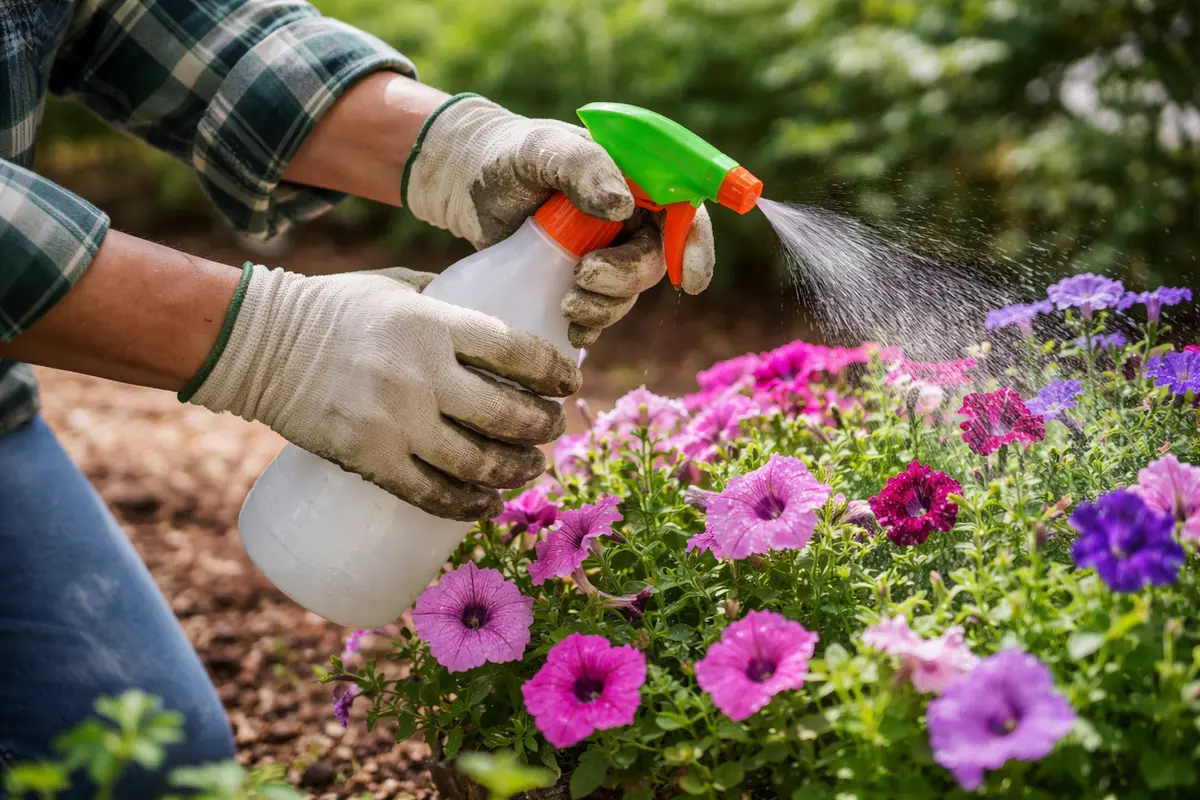
First, apply a soap-based insecticide directly onto the petunias, ensuring coverage on both the tops and undersides of the leaves. After application, you should see a noticeable reduction in aphid activity within a couple of days, with fewer insects clinging to the plant and an overall cleaner appearance.
Acting quickly is crucial because aphids reproduce rapidly; a small infestation can quickly become a large one within a week. If left untreated, aphids can cause yellowing leaves and stunted growth, making plants less resilient to spring rains and diseases. If you notice stunted growth despite treatment, check for moisture buildup in the soil which can weaken the plant’s defenses.
In one instance, a gardener waited too long before taking action, allowing a minor aphid problem to escalate into serious damage, resulting in the loss of several petunias. The failure to intervene promptly contrasts sharply with another gardener who applied treatment at the first sign of aphids and was able to prevent significant problems. If you notice excessive leaf curling without aphids visible, check for potential root issues instead.
This action is crucial because the soap disrupts the aphids’ protective outer layer, making it difficult for them to survive. The surfactants in the soap suffocate the pests by blocking their breathing pores, leading to a rapid decline in their populations. In many cases, a single application can control numbers, but follow-up treatments might be necessary if new infestations are detected within a week. If the infestation persists after a couple of treatments, it may indicate a stronger underlying problem, such as poor plant health or micro-environment conditions that favor pests.
Timing is everything; spraying should occur at the first sighting of these pests, particularly after periods of increased moisture or humidity that can lead to aphid proliferation. If you hesitate, the damage may escalate quickly, as aphids can reproduce at astonishing rates. Additionally, avoid using high-pressure sprays; they can damage the plant’s delicate structures, potentially making them more vulnerable to aphids by breaking stems or bruising leaves. Ensure that you also spray the undersides of the leaves where aphids frequently hide, as this area remains unprotected by surface applications and can lead to an incomplete treatment.
Step 2 – Test for Aphid Infestation on Petunias
Start by inspecting the undersides of petunia leaves for small green or black aphids and their sticky honeydew residue. If you spot these pests, effectively remove them by spraying the affected plants with a strong stream of water, which dislodges the aphids. You should see immediate results, with fewer aphids visible on the leaves.
Aphids thrive in humid environments, often exacerbated by excess moisture from spring rains. When petunias are stressed by waterlogged soil, their growth slows, leading to weakened resistance against pest infestations. In contrast, petunias in well-draining soil tend to exhibit robust growth, making them less appealing to aphids. If you don’t see any aphids but notice yellowing leaves, check for signs of root rot that may also be stressing the plant.
If your soil has poor drainage and retains too much moisture, amend it with perlite or sand to improve aeration and drainage. Alternatively, if aphids are not your only concern but you see small webs on the leaves, these could indicate spider mites, which require a different approach such as applying insecticidal soap for effective control.
By identifying the level of infestation, you can determine the most appropriate response. Aphids typically gather in colonies, and noticing their presence early can help you resolve the issue before it spirals out of control. If you find excessive numbers, especially on new growth, you’ll want to implement further actions to eradicate them, ensuring the health and vitality of your plants. Conversely, if you encounter only a few aphids, you might get away with a single treatment, but that’s risky since even small populations can grow quickly.
If you notice black sooty mold on your leaves, this is often a sign of a severe aphid infestation. This mold thrives on the honeydew excreted by aphids and can block sunlight from reaching the leaves, hampering photosynthesis. If your plants have already sprouted new growth and you find aphids, focus on these areas for treatment. However, should you not find aphids in your initial inspection but see signs of wilting or yellowing throughout the plant, consider investigating the possibility of fertilizer imbalance or other environmental factors affecting your petunias. Don’t rely solely on visual checks; occasionally running your fingers along leaves can help detect the sticky honeydew, illustrating an aphid presence even if the pests themselves are not immediately visible.
Step 3 – Fertilize Petunias to Boost Growth Post-Aphids
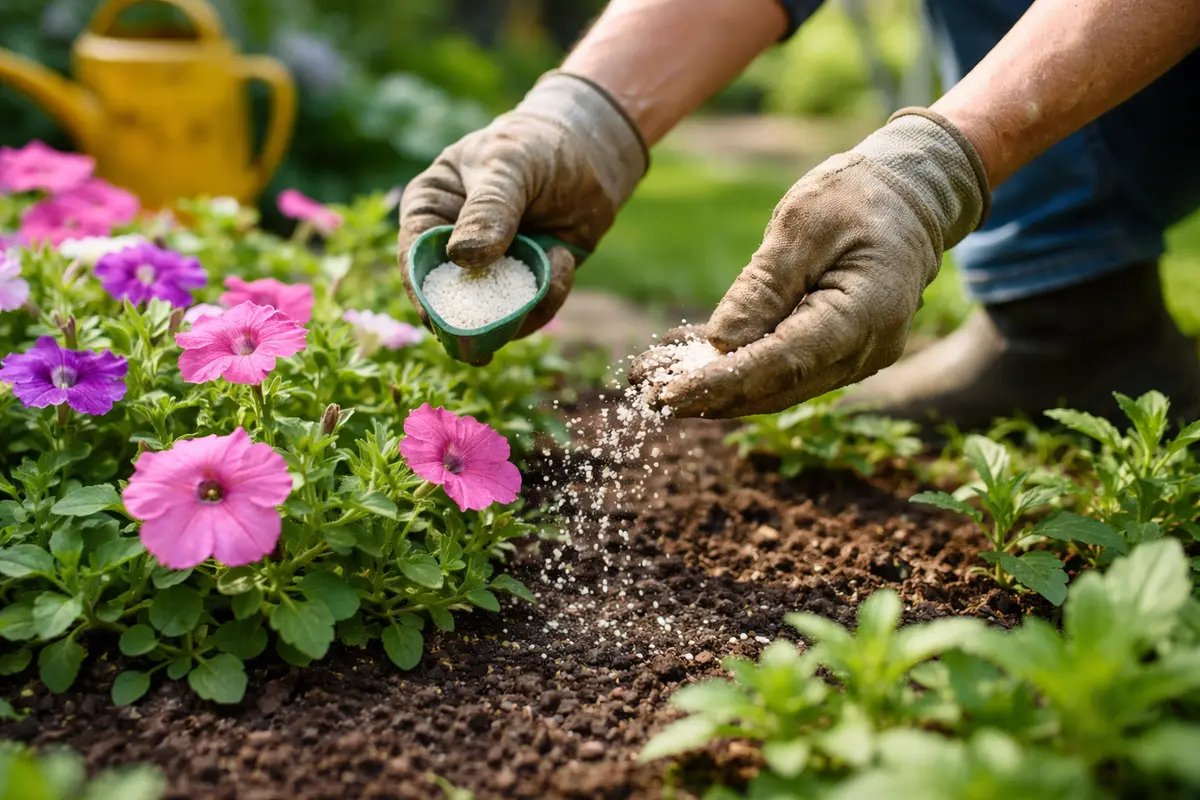
Start by removing any visibly infested leaves and apply an organic insecticidal soap directly to the petunias to eliminate aphids. Look for immediate signs of improvement, such as fewer pests on the foliage and fresh new growth emerging within a week.
Recovery from aphid damage can take about two to four weeks, depending on environmental conditions and plant resilience. Healthy regrowth should show vibrant green foliage and budding flowers, while stagnant growth may indicate ongoing issues like poor drainage or pest re-infestation. If petunias appear wilting despite adequate watering, check for root rot, which can hinder recovery.
Avoid over-fertilizing during the recovery as it can lead to soft, leggy growth that attracts pests. Instead, use a balanced, slow-release fertilizer only if the plants show signs of nutrient deficiency. If petunias struggle despite this care, check for other pests, such as spider mites, which can mimic aphid symptoms but require different treatment methods.
Fertilization replenishes nutrients that were depleted during the aphid infestation. Nutrients encourage robust plant growth, stimulating the development of stronger shoots and leaves that can better withstand future pest attacks. Quick, effective fertilization plays a pivotal role in restoring the health of your petunias. However, be cautious; fertilizing too soon after an infestation could stress the plants further if they are still recovering, causing more harm than good.
However, avoid over-fertilizing. Adding too much fertilizer can lead to nitrogen burn, which hampers plant growth and creates vulnerability to further infestations. If you notice leaf edges turning brown or crisping up, back off on fertilization and consider diluting your mixture. Regular monitoring of soil moisture and nutrient levels after fertilization is essential to gauge how well your petunias are recovering or if additional support is needed. Always test the soil before application; if it feels particularly dry or if the pH is off, these issues can also affect nutrient uptake, rendering your efforts useless.
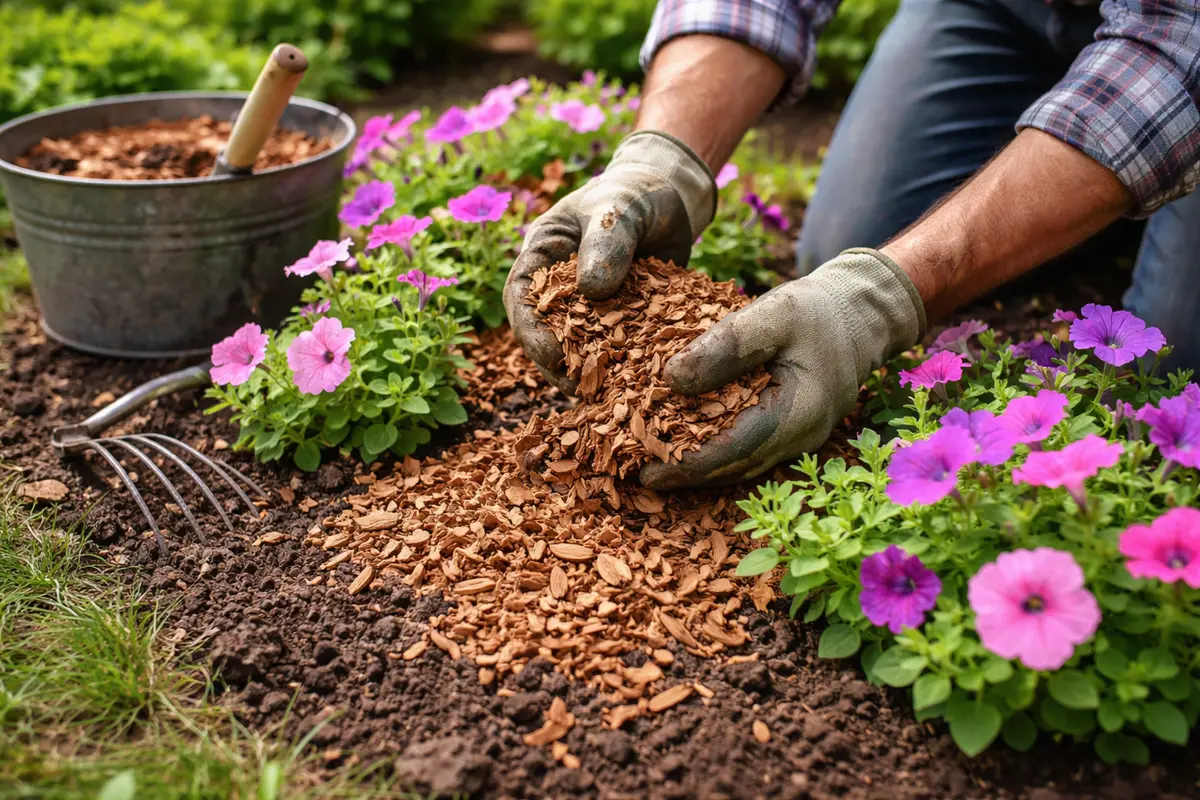
Step 4 – Mulch Petunia Beds to Deter Future Aphids
Start by applying a neem oil solution to your petunias at the first sign of aphid activity, ideally in the early morning or late evening. With consistent application every week during wet spells, you should observe a significant reduction in aphid populations, allowing your petunias to flourish without damage.
Aphids thrive in humid conditions, especially during spring rains when moisture levels rise, leading to rapid population growth. Your routine of applying neem oil disrupts their feeding and reproduction, creating an environment unfavorable for their survival. Without treatment, you may witness an explosive increase in aphids, while treated plants will show reduced infestation levels and improved blooms.
As you transition from spring to early summer, adjust your prevention routine by incorporating insecticidal soap alongside the neem oil. This combination targets different life stages of aphids, providing an added layer of defense against resurgence as environmental conditions shift with the changing seasons.
Mulching serves as a preventative measure against both pests and weeds that can harbor additional problems. A thick layer of mulch moderates soil moisture levels, preventing water stress that encourages aphid reproduction. Additionally, the barriers created by organic mulch can disrupt aphids trying to crawl from the soil or nearby plants, further protecting your petunias. If you notice that the mulch is depleting or displaced after a heavy rain, promptly replenish it to maintain adequate coverage.
Seasonal adjustments may be necessary; be diligent in monitoring your mulch after periods of heavy rain, as excessive moisture can displace mulch and expose soil to pests. Furthermore, look for any signs of rotting mulch, which can attract its own set of pests. Reinforce your mulch layer following such rainfall events to maintain efficacy. Also, if you notice persistent aphid problems despite good mulching practices, consider diversifying your planting strategy by incorporating companion plants such as marigolds or nasturtiums that naturally deter aphids. Companion plants exude specific scents or have properties that repel aphids, breaking their lifecycle and protecting your petunias.
Step 5 – Inspect Petunia Foliage for New Aphid Signs Regularly
Check your petunia leaves at least once a week for signs of returning aphids or other pests. You should look for new clusters of aphids or sticky honeydew on the leaves, which can also attract ants—an indication of a potential pest problem. Prompt inspections often mean catching a resurgence before it escalates into a full-blown infestation, saving you time and effort later on.
Regular inspections will help you maintain the health of your plants, as signs of recovery include vibrant, full leaves and continuous blooming. An effective checking routine can ensure better plant resilience and overall vitality. If left unchecked, any sign of aphid presence could lead to stunted growth or weakened plants. In practice, set a specific day and time each week for these checks to ensure they become a regular part of your gardening routine.
If you do notice new aphid populations returning, act quickly with a new batch of soapy water or consider introducing beneficial insects like ladybugs or lacewings to naturally control the aphid population. This practice not only aids in the elimination of the pest but also helps promote a balanced ecosystem within your garden. Maintaining a diligent monitoring schedule is the cornerstone of effective pest management and keeps your petunias flourishing throughout the growing season. In cases where beneficial insects are not effective, or if they are not viable due to environmental factors, a localized pesticide specifically designed for aphids may be appropriate, but always follow the product instructions carefully.
FAQ
Can aphids spread to other plants in my garden?
Yes, aphids can quickly spread to nearby plants, especially if they are in close proximity. Their ability to reproduce rapidly increases the risk of infestation in your garden. To protect your other plants, timely and thorough management of infestations is critical to prevent the spread. Establishing physical barriers or companion planting can help mitigate these risks further.
How long does it take for petunias to recover from aphid damage?
Recovery can vary depending on the severity of the infestation and the measures taken for treatment. However, with effective treatments, you may see noticeable improvement within two weeks after addressing the issue. Continued observation and care will further enhance recovery rates, emphasizing the importance of a steady watering and fertilization regime to support new growth.
Should I remove damaged parts of my petunias?
Yes, removing heavily infested or visibly damaged leaves and blooms can help encourage new growth and prevent the aphid population from returning. This action is especially vital during an active infestation; not only does it help your plant regain strength, but it also reduces the pest’s food supply. Be sure to dispose of the cuttings away from your garden to prevent any chance of resurgence.