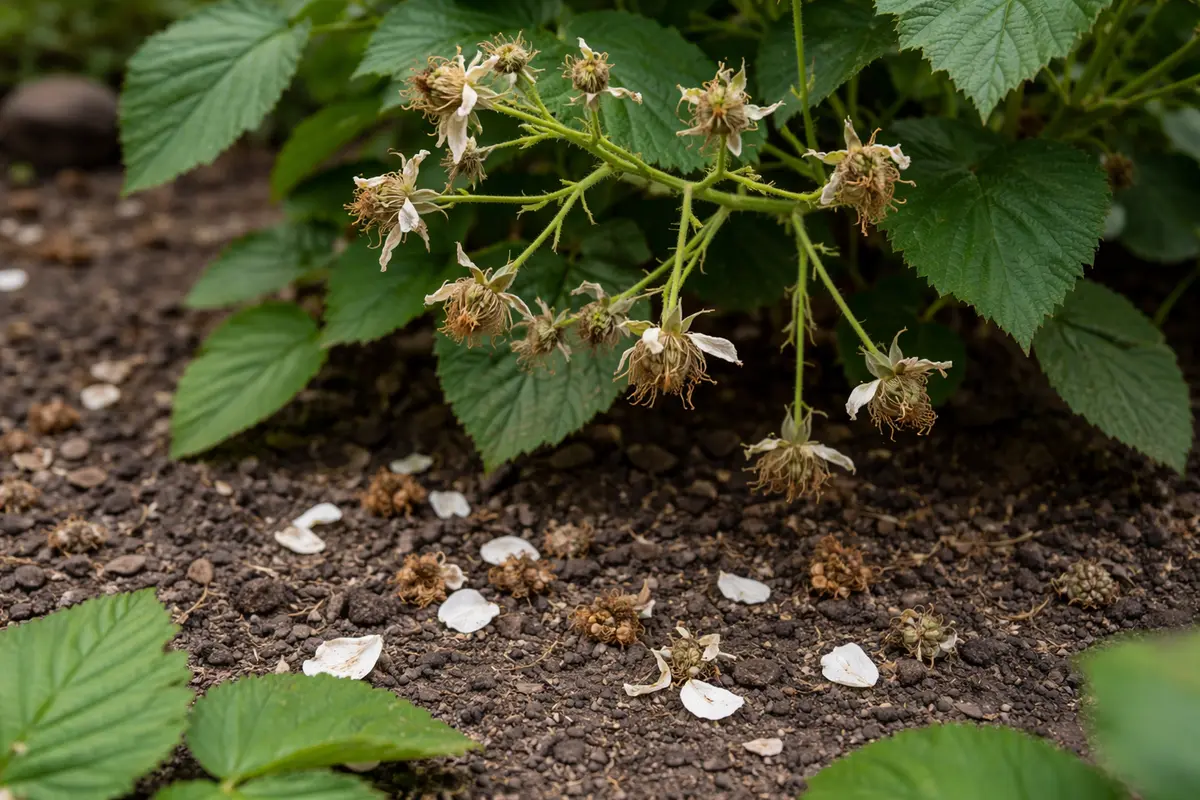
You may notice that your once-promising blackberry plants are struggling to thrive during the spring, which is why you need to know why are my blackberry plants not setting fruit in spring. The leaves might begin to yellow and droop, indicating a problem that can stem from inadequate pollination or environmental stresses. If ignored, this issue can worsen and lead to more damage to the plant, but you can still improve the situation by monitoring environmental conditions and adjusting your care techniques.
Step 1 – Inspect Blackberry Flowers for Pests
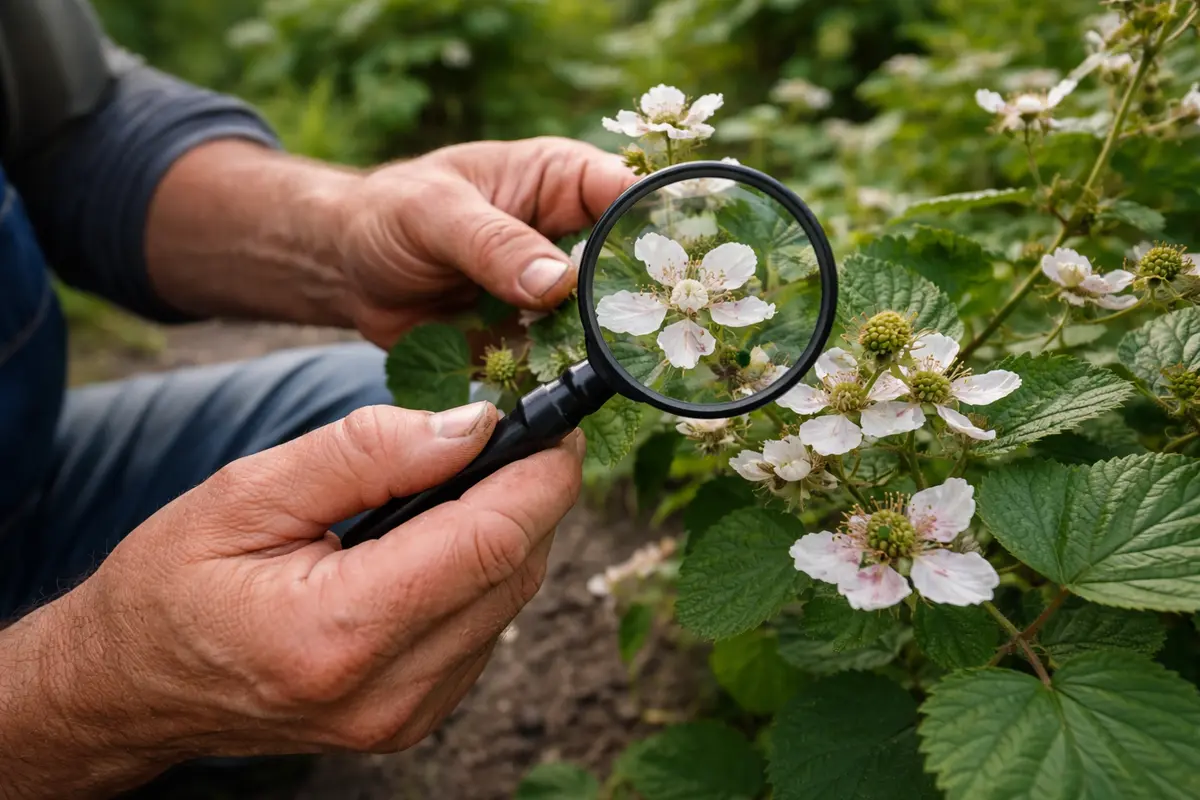
Check your blackberry plants closely for any signs of pests such as aphids or spider mites. Within a few minutes of inspecting the flowers or leaves, you should see visible pests; they often cluster on the undersides of leaves or near the flower buds. Aim to check your plants at least once every week during the blooming season to catch these issues early, preventing further damage that could compromise fruit set.
Pests like aphids can drastically interfere with pollination by sucking sap from the plants. This feeding weakens the flowers, making them less likely to set fruit properly, and consistent monitoring is key. For instance, if a gardener neglects to inspect for aphids while the flowers are emerging, they might face a significant drop in the number of flowers that develop into berries. If left unchecked, it can create an invisible tipping point where fruit set diminishes drastically.
Be aware that many gardeners often overlook the importance of pest inspections early in the season. If you see honeydew on leaves, this stickiness could indicate aphid activity; it is a warning sign that these pests are present, and immediate treatment is crucial. Promptly treating these infestations with insecticidal soap or neem oil can prevent significant losses in fruit set, helping your blackberry plants develop healthy berries. Ensure to reapply treatments as per the label instructions, usually every 5 to 7 days, especially after rain, to maintain effectiveness.
Check the leaf surface for signs of webbing or discolored patches, which can indicate spider mite activity. If you find clustering pests, collect a few on a white sheet of paper or tape; the contrasting background makes it easier to spot these pests. Early intervention has a direct correlation with future fruiting potential; for example, treating an early aphid outbreak can mean the difference between a bountiful harvest and a total loss. Keep inspecting your plants regularly, ideally during different times of the day, as early morning inspections may yield more visible results with both pests and pollinators being more active.
Step 2 – Diagnose Low Pollination Rates in Blackberries
First, check the soil moisture levels around your blackberry plants. Ensure the soil is consistently moist but not waterlogged; if the root zone is too dry, water thoroughly, aiming to penetrate at least 6 inches deep. If done correctly, you should see flowers starting to set within a week or two; however, prolonged dry conditions may result in further flower drop.
The blackberry flowering process relies on sufficient water for energy and nutrient transport. When the soil is too dry, plants divert energy away from flowering to conserve resources, leading to poor fruit set. In contrast, if the soil remains overly saturated, root rot can occur, hindering nutrient uptake and resulting in inadequate blooms. Check drainage carefully—if your soil appears dry and crumbly around the edges yet soggy underneath, that’s a classic sign of conflicted conditions.
If your soil smells sour or has a mushy texture, this indicates root rot, and you must take immediate action to improve drainage by amending with organic matter or relocating the plants to a raised bed. Alternatively, if the plants are surrounded by excessive weeds, they may compete for nutrients and moisture, so proactive removal of weeds is essential to allow your blackberry plants to thrive. Be particularly vigilant in observing nearby soil moisture levels; if other plants even slightly overshadow your blackberries and are overly saturated, it might be wise to ensure they do not choke off your berries.
Low pollination often occurs when environmental conditions are not conducive for bees, such as high winds or cool, rainy weather during blooming. Without adequate pollination, flowers may drop instead of developing into fruit. Timing is critical; understanding both local weather patterns and periodic fluctuations helps preemptively identify pollination challenges. For example, if a sudden cold snap coincides with flowering, bee activity can plummet, leading to a dramatic decrease in fruit set.
If you find that bees are deterred by adverse weather, consider creating a more attractive environment by planting flowering herbs or wildflowers nearby to entice these essential pollinators. Also, utilizing windbreaks like straw bales or row covers can protect your flowers during days of high wind or poor weather. Plant varieties that bloom at different times to create a continuous source of pollen for both your blackberries and nearby flowers—a diverse garden ecosystem can greatly enhance pollinator visits by about 10%, leading to a noticeable improvement in fruit set.
This approach emphasizes coordination with nature’s rhythms; examining how plants flower in conjunction with local bee activity can yield rewarding results. If you notice an influx of bumblebees or other beneficial insects, it can often signal a stronger pollination potential—surveying varied flowering plants in your garden can help foster robust non-crop pollinator habitats that will benefit your blackberries. Taking these proactive steps can substantially reduce the risk of pollination issues during critical fruiting times.
Step 3 – Water Blackberry Plants to Enhance Fruit Set
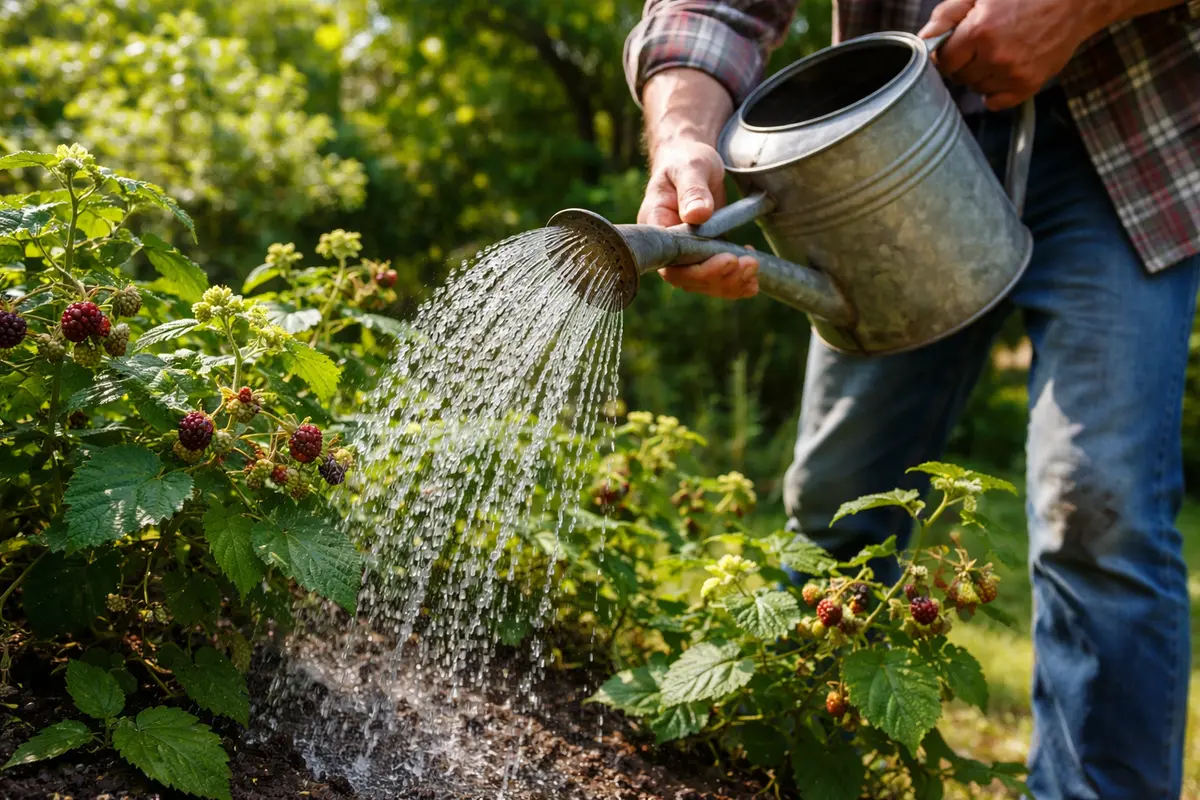
Water your blackberry plants deeply by ensuring the soil feels consistently moist to at least 6 inches deep. You should observe that the leaves begin to perk up, and the flowers will firm up within a few days following this watering. Keep track of how deep to irrigate; it’s essential to avoid surface-only watering, which may lead to weak root systems. Proper watering practices significantly promote healthier roots, enhancing vitality as flowers transition to fruit.
Blackberries require consistent moisture to support fruit development, especially during the critical transition from flowering to fruiting stages. Uneven watering can create stress, leading to blossom drop or poorly formed fruit that may not mature fully. When flowers and young fruit are adequately hydrated, they are statistically more likely to survive. For example, during hot spells, daily inspections of moisture levels can help you avoid missing watering opportunities that lead to stress and reduced harvest.
However, be cautious not to overwater your blackberries. They can be sensitive to soggy conditions, especially in heavy soils where drainage is less effective. If you notice yellowing leaves or wilting flowers despite consistent watering, dig down to assess the soil drainage. If the soil remains soggy and compacted beyond the 6-inch mark, consider amending it with organic matter to improve aeration. Adjust your watering schedule according to seasonal changes and rainfall, aiming for about 1 inch of water per week during peak growth times; this consistency can provide predictable and measured growth during critical stages.
When monitoring moisture levels, consider utilizing a layer of mulch around your plants to help retain water in the soil. If the top layer of soil feels dry but deeper layers remain moist, adjust your watering approach to prevent over-soaking the plant roots. Tools such as a soil moisture meter can provide a clearer picture of the levels of saturation in the root zone, guiding meaningful and consistent watering practices that support fruitful blackberry development.
Step 4 – Mulch Around Blackberries to Prevent Stress
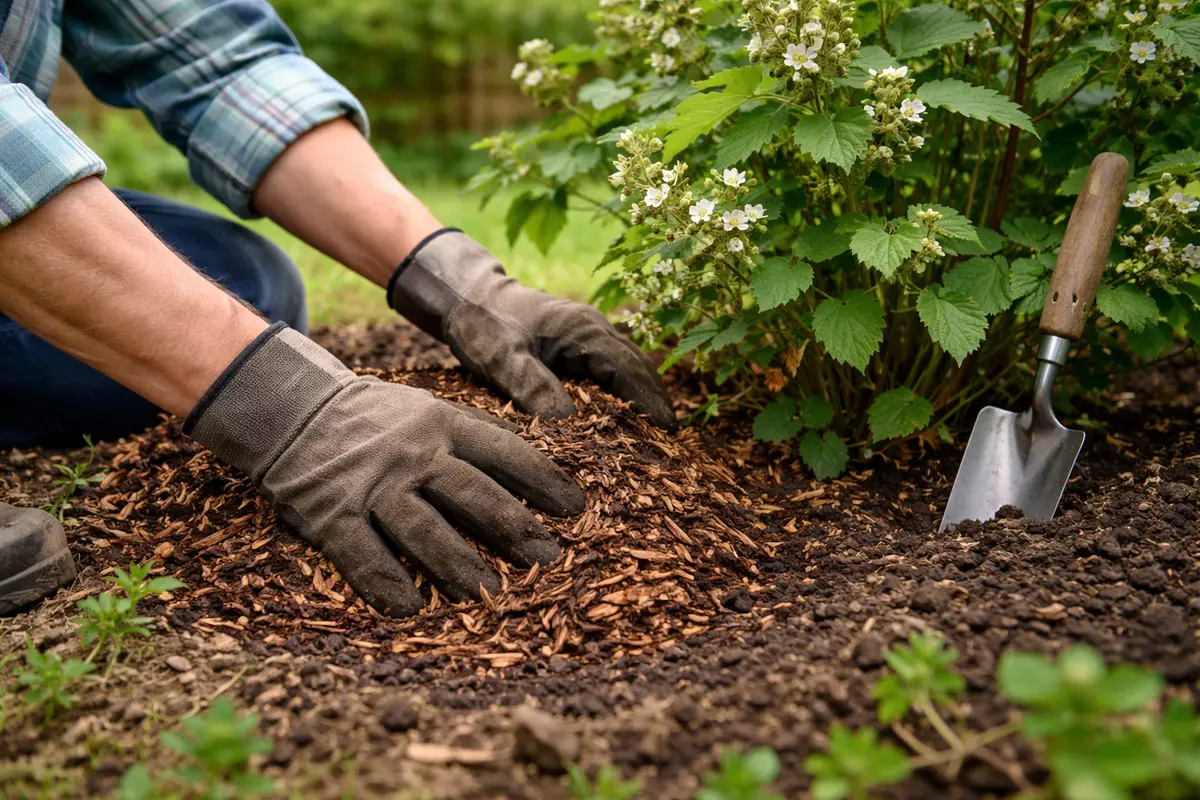
Apply a layer of organic mulch around your blackberry plants to retain moisture and regulate soil temperature effectively. You should notice that the soil remains evenly moist and that the plants establish better as their root systems grow deeper over time. This practice not only reduces weed competition but also maintains a consistent soil environment that supports healthier growth.
Mulching serves as a barrier to temperature fluctuations that can lead to stress or dehydration, which in turn directly impacts the ability of your blackberries to set fruit. Such stress can very easily lead to the dropping of existing flowers. A steady and stable environment allows your blackberry plants to dedicate energy towards producing fruit rather than merely surviving harsh conditions. A timely application of mulch can be particularly effective; for instance, a well-mulched plant in the heat of summer is less likely to experience wilting than one without a protective layer. Observing neighboring unmulched plants can often highlight this contrast vividly.
Consider different types of mulch, such as straw, wood chips, or bark based on your local climate. In hotter regions, applying a thick layer of mulch—around 4 to 6 inches—helps conserve moisture. During the spring, keep a consistent thickness as newly planted beds settle and replenish mulch as necessary to maintain effectiveness. Remember to check for erosion or decomposition that can diminish mulch’s benefits; a routine check every few weeks will allow you to stay ahead and replenish where necessary. If the mulch becomes thin, the risk of stress from temperature more than doubles.
Keep notes on local rainfall patterns when mulching. If rain is scarce, the mulch will serve an even more important function, so ensuring it remains thick can adequately mitigate stress on your plants. This practice becomes even clearer when observing plants that are unmulched, as they may succumb to dehydration more rapidly without the protective covering. Implementing effective mulching strategies is a proactive approach to reduce the chances of stress on your blackberry plants.
Step 5 – Check Blackberry Foliage for Signs of Production Issues
Start by checking your blackberry plants every few days for any visible signs of fruiting development, such as flower buds forming. Monitor the moisture level in the soil; it should remain consistently moist but not soggy. Observe the foliage for any yellowing or wilting, which can indicate stress, and recheck these cues weekly to ensure progress.
A fully recovered blackberry plant exhibits robust green leaves, healthy flower clusters, and strong stem growth, signaling that fruiting is imminent. In contrast, early signs of the problem returning include droopy or discolored leaves and a noticeable lack of blooms. If you notice that leaf texture becomes increasingly brittle or lifeless, it signifies a regression in plant health.
If the issue persists despite following the initial steps, consider applying a balanced fertilizer to provide essential nutrients that may be lacking. If recovery is still not evident after this intervention, escalate by contacting a local horticulturist or cooperative extension for tailored advice specific to your local growing conditions.
A fully recovered blackberry plant features vibrant, green foliage that supports fruit production. In contrast, early signs of trouble often manifest as yellow leaves, stunted growth, or even drop-off of flowers, pointing to possible deficiencies or stressors in watering or pest management practices. Early intervention is vital; for instance, if yellowing appears after recent pest infestations, correcting pest control efforts immediately can yield significant benefits in productivity. Understanding your blackberry plant’s life cycle can further refine when issues generally arise.
If you notice troubling signs despite following all recommended steps, consider consulting with a local agricultural extension service. They can offer tailored advice based on your specific regional climate and conditions, guiding more advanced actions where necessary. Also, keeping continuous notes on your plant’s responses can help refine your approach and uncover helpful patterns over time. Pay attention to which treatments yield results and adjust practices accordingly, as familiarizing yourself with your plants will yield a more rewarding experience over time.
Real-life foliage checks will often reveal hidden stressors that correlate with care practices. For instance, if uneven stunting occurs, correlate that with past watering habits and timing—understanding how consistent moisture can support deeper growth fundamentals will guide long-term interventions that align your blackberry habits with what they naturally need. Observational vigilance invariably not only aids in maximizing yield potential but also fosters expert-level habits that help in recognizing which varieties best thrive under local conditions.
FAQ
Why are my blackberry flowers dropping without setting fruit?
Flower drop can occur due to insufficient pollination, water stress, or pest infestations. If you consistently see untreated pests or dry soil, addressing these critical conditions will be essential to improve fruit setting next season. Acting quickly can prevent economic losses from low yields that create frustration and disappointment.
How can I improve pollination for my blackberries?
To attract more pollinators, plant floral companions such as clover or other wildflowers nearby. This interplanting can significantly increase bee activity and improve pollination rates, ultimately leading to better fruit formation during blooming periods. Having diverse flora encourages not only crop but also non-crop pollinators, creating a more inviting ecosystem for insects.
Will pruning help my blackberry plants set more fruit?
Yes, properly timed pruning can enhance light penetration and airflow within the plant canopy, both of which promote healthy growth. Prune during late winter or early spring, before new growth starts, to boost fruit production efficacy. Timely pruning is crucial; a well-timed cut can lead to a more vigorous blooming period, ultimately enhancing fruit yields as energy channels properly through the plant.