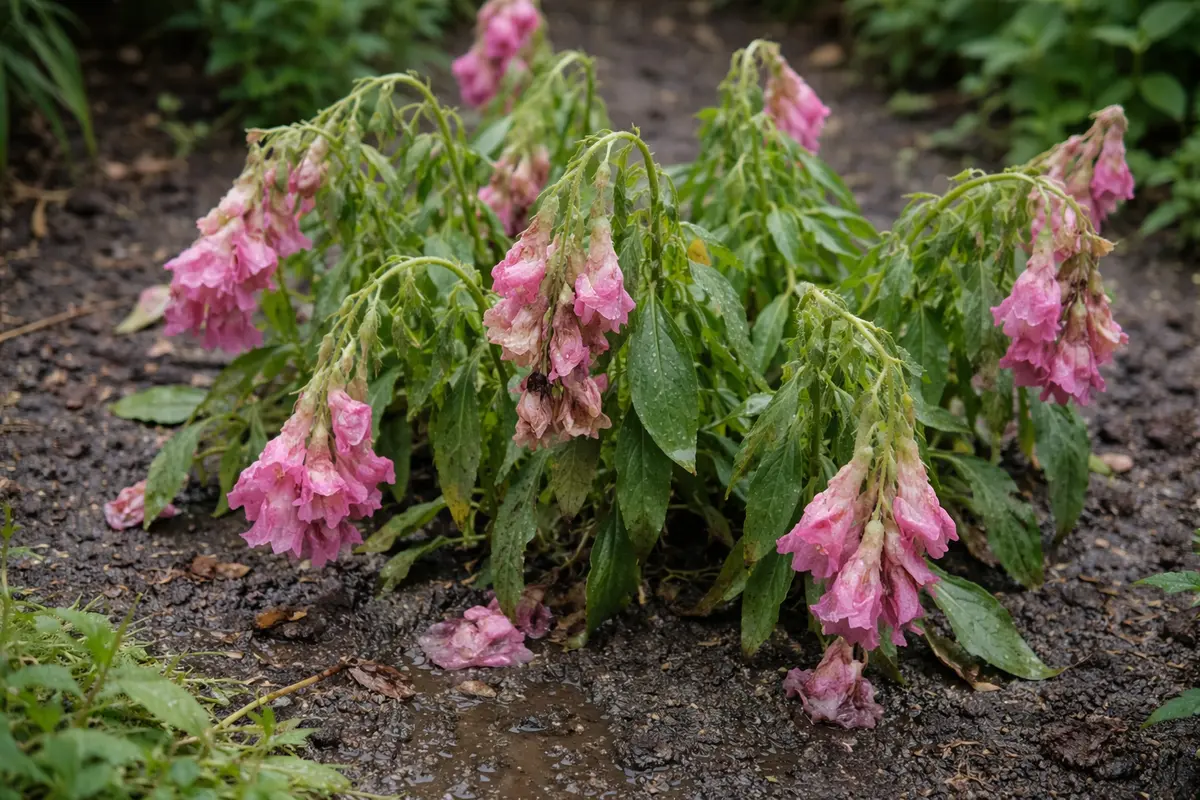
You may notice your vibrant snapdragons looking sad and droopy after heavy rain, which is why you need to know why are my snapdragons wilting after heavy rain. This wilting can be a sign of root rot or waterlogged soil, leading to mushy stems and an overall decline in plant health. If left unaddressed, this problem can spread and weaken the plant, making it much harder to fix down the line, but you can improve the situation by inspecting the roots and adjusting the drainage to promote better airflow.
Step 1 – Check Soil Drainage for Snapdragons
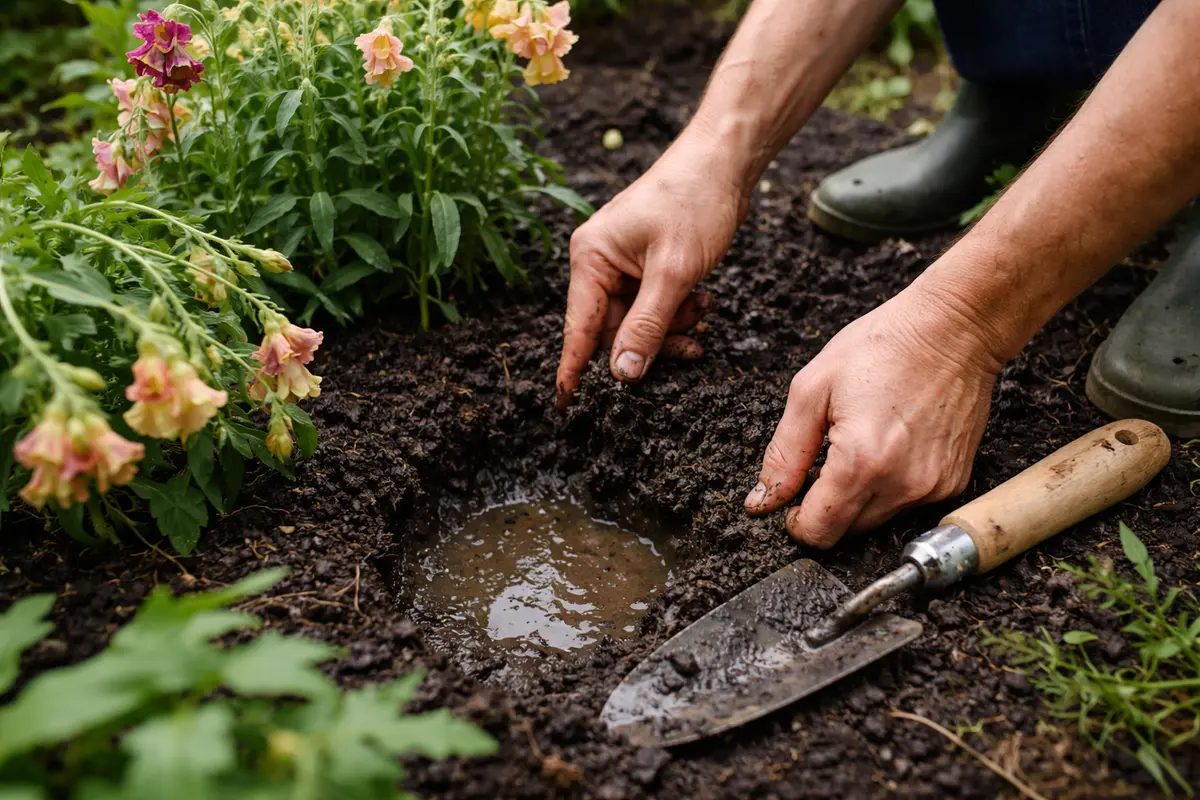
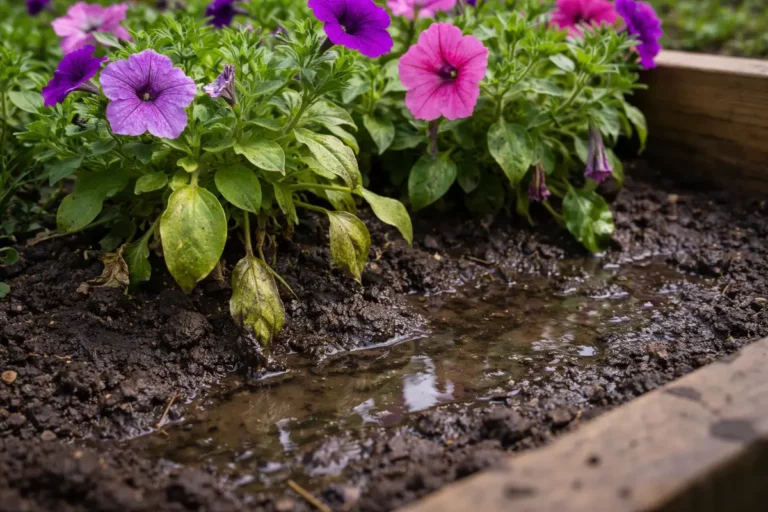
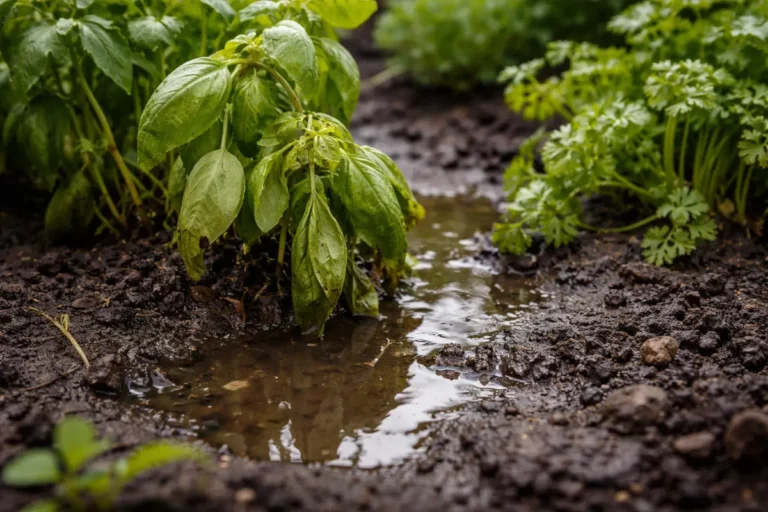
Start by feeling the soil around your snapdragons to assess drainage. You will notice whether the soil is overly saturated or retains too much moisture, which can lead to root rot. If the soil clumps together and water does not drain away after heavy rain, it’s a clear sign of poor drainage. If you lift a handful and it clings together rather than crumbles, that’s an indicator of too much moisture being trapped. For best results, use your finger to probe the soil at least two inches down; if it feels soggy or cool rather than just slightly moist, this is an urgent warning sign.
Acting quickly on soil condition is vital because snapdragons, like many other plants, require well-aerated soil to thrive. When the roots are waterlogged for extended periods, they can’t access the oxygen they need, leading to root decay. If left unaddressed, this decay can hinder nutrient uptake, restricting growth and flowering. You may also notice the soil surface forming a crust, which further exacerbates drainage issues. If the soil remains persistently wet for a few days after the rain, it could take weeks for the drainage to improve without intervention.
A common mistake gardeners make at this stage is to assume that simply allowing the soil to dry out will be enough. However, if your snapdragons are in heavy, clay-like soil, even the slightest visible surface dryness may not indicate sufficient drainage below. It’s essential to check the drainage holes in the pot or garden bed and ensure they are not blocked. If you find them clogged with debris, remove it immediately to restore proper drainage. In severe cases, consider relocating the plants to a raised bed or creating drainage trenches to prevent future water accumulation. If the plants are still wilting after addressing drainage, consider the roots’ exposure to moisture and whether it affects their health or leads to additional systemic problems.
Step 2 – Diagnose Wilting After Heavy Rainfalls
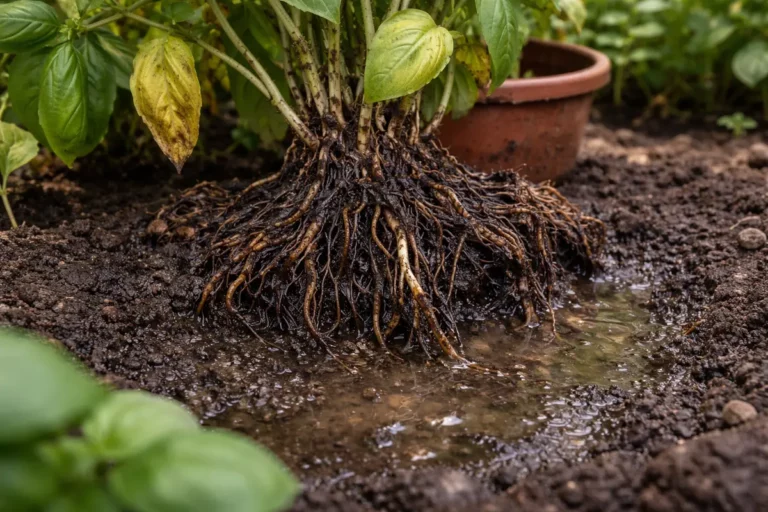
Inspect the roots of your snapdragons carefully to determine if they are soft or dark brown. You should see healthy, firm, white roots when they are in good condition. If the roots appear mushy or have a sour smell, this indicates root rot, and immediate action is necessary. If you are uncomfortable checking the roots, note that any yellowing leaves could be an early sign of root trouble. If you spot wilting in combination with other signs like leaf discoloration, it’s time to act. If the leaves are turning yellow from the bottom up, it might suggest the plant is stressed.
Root rot is caused by consistently saturated soil conditions that prevent roots from breathing. When soil remains excessively wet, pathogens thrive, leading to decay and further issues like fungal infections. If this problem persists, your snapdragons may become irreparably damaged, and the wilting will worsen over time. Keep an eye out for wilting despite damp soil; this is often a telltale sign of root issues emerging. If not addressed, wilting can escalate quickly, causing the plant to droop further and possibly die back entirely. If you’re working with multiple plants, check if the signs of wilting are isolated or widespread; a cluster of affected plants points to a larger issue with soil quality or moisture retention.
If you find that the roots are indeed rotten, take action immediately by trimming back the damaged roots and repotting the plant in fresh, well-draining soil. Choose a soil mix designed for container gardens, usually containing a blend of peat, perlite, and compost—or, if gardening directly in the ground, amend the existing soil with organic matter such as composted leaves or shredded bark to enhance drainage. If the soil smells sour but roots are still firm, consider simply aerating the soil and improving drainage without the need for drastic measures like full repotting. Regularly monitoring for any changes in root color or texture can provide early warnings of emerging problems. If the soil at the bottom of the pot remains compact despite attempts to aerate, it may be time for a more thorough reset of the plant’s environment.
Step 3 – Revive Snapdragons with Nutrient Boost
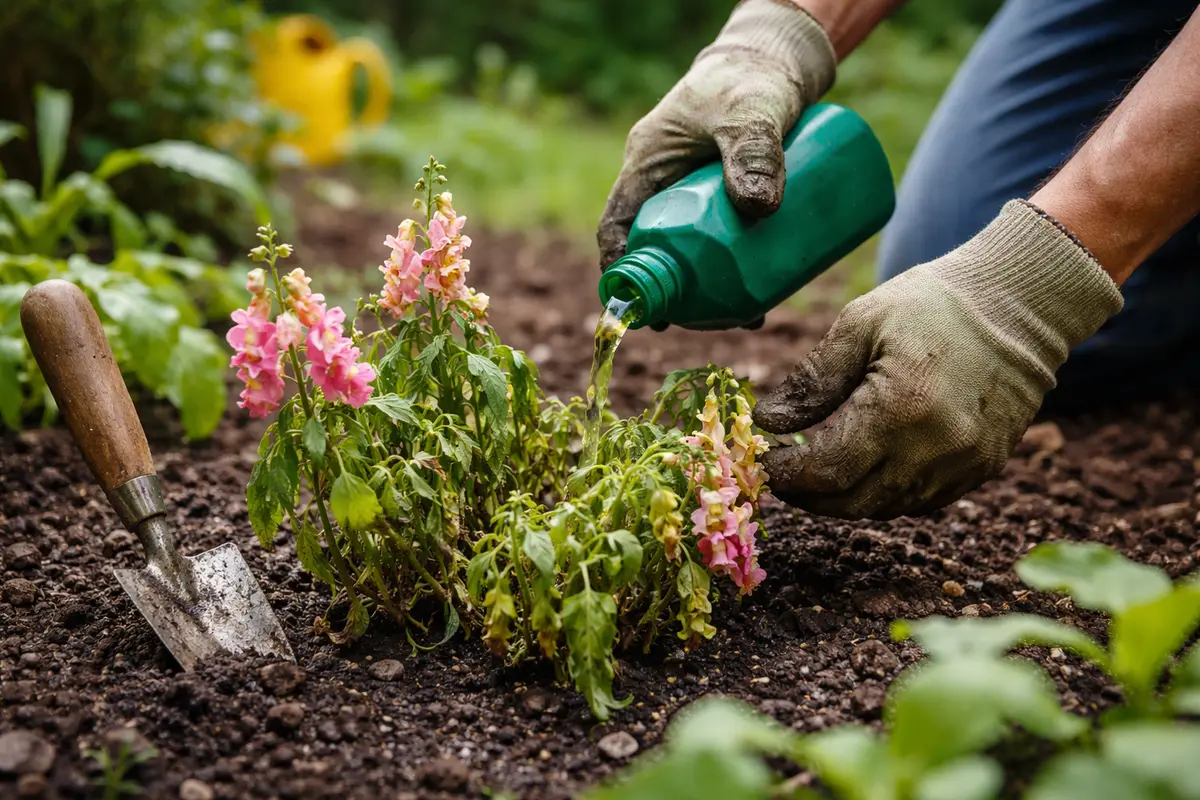
Apply a balanced liquid fertilizer specifically designed for flowering plants. You will notice improved growth and recovery signs within just a few days as the snapdragons begin to perk up and regain their vigor. A good rule of thumb is to look for at least two to three inches of new growth or green shoots within a week as a mark of progress. Healthy green foliage and fresh blooms indicate that the plant is responding positively to the nutrient boost. If you see lush green growth within a week, it’s a good sign that your snapdragons are recovering well. If they remain stunted despite fertilization, consider re-evaluating soil conditions again or the dose of nutrients applied.
Feeding your snapdragons after a stressful period helps replenish the essential nutrients that may have been washed away during heavy rainfall. Nutrients like nitrogen and phosphorus are vital for recovering plants, accelerating growth and supporting healthy blooming. To achieve better results, look for fertilizers that include trace elements such as magnesium and iron, which can enhance photosynthesis and overall plant vigor. This is especially crucial during the growing season when moisture levels fluctuate unpredictably. A light application of fertilizer can perk up plants, but excessive nutrients can create salt build-up in the soil, leading to possible root burn and further wilting if left unchecked. Signs of nutrient burn include browning leaf edges and stunted growth, which can mistake the recovery effort for a failure.
A typical mistake during this recovery phase is over-fertilizing, which can lead to nutrient burn if roots are still stressed. To avoid this, administer half the recommended concentration of the fertilizer and observe how the plant responds over a few days. Monitor conditions closely, especially if the soil’s moisture levels fluctuate rapidly. Applying too much fertilizer too quickly can actually hinder the recovery process rather than aid it. Be diligent about checking for salt buildup on the soil surface or around the pot’s edges as these crystallized residues can precede nutrient uptake issues. For optimal results, always read the manufacturer’s instructions regarding dosage and frequency, and consider conducting a soil test if you’re unsure about existing nutrient levels. Regularly using moisture meters to guage soil moisture can help in determining the need for additional watering alongside the fertilization schedule.
Step 4 – Inspect Leaves for New Signs of Stress
Start by checking the soil moisture around your snapdragons immediately after a heavy rain. Observe if the soil feels overly saturated or remains waterlogged; signs of wilting may present if the roots are deprived of oxygen. Recheck the soil moisture levels two to three days after the rain has stopped to assess if conditions are improving. If the soil still feels wet to the touch days after rainfall, you might need to take further action to adjust drainage.
A fully recovered snapdragon stands upright with firm, vibrant leaves that exhibit rich green coloration and a healthy bloom. In contrast, early signs of the problem returning may include drooping leaves that feel soft and mushy or develop dark spots. If the stems appear limp and lose their rigidity, it’s a sign that the plant might be struggling again. Watch for signs of stress like deformed leaves or a decrease in flowering—these can indicate that your snapdragons are still experiencing some level of root disturbance.
If wilting persists despite following these steps, consider reducing excess water by improving drainage around the plants or relocating them to a drier area, especially if they are situated in a low-lying garden bed prone to standing water. If the issue does not improve, escalate your response by consulting a local gardening expert or considering the application of a fungicide to combat potential root rot. By maintaining vigilant monitoring practices, such as checking soil moisture levels before watering, you can avoid another cycle of wilting. Additionally, remember that leaves that turn crispy along the edges may indicate a lack of sufficient water uptake despite visible soil moisture; this dual stress can complicate recovery.
A properly recovered snapdragon should show robust green leaves and budding flowers free from discoloration or wilting. The fuzziness you see on new growth indicates that the plant is regaining health and is no longer in distress. If these signs do not manifest after a week of care, it’s a signal that your approach may need re-evaluating based on their immediate environmental conditions. Consider if nearby plants are competing for nutrients and water, as these dynamics can also affect recovery. Take note of any persistent pest activity, as this could interfere with recovery. Issuing a gentle spray of insecticidal soap can mitigate minor infestations affecting new leaf growth.
If your snapdragons show no signs of recovery despite following these steps, consider relocating them to a more suitable, drier environment. Additionally, examine your watering practices; overwatering after the initial recovery can lead to a return of the previous wilting issues. Always allow the soil to dry a bit before watering again. Employing moisture meters can help gauge soil moisture accurately and guide your watering schedule. Proper monitoring of soil moisture is essential; consistently checking at least once or twice per week, especially after heavy rainfall, can help prevent future wilting episodes. If you consistently observe wilting in multiple plants despite adjustments, consider consulting with a local horticulturist or an extension service for broader soil health assessments.
FAQ
How long will it take for my snapdragons to recover from wilting?
Your snapdragons should start showing signs of recovery within a few days after addressing drainage and nutrition issues. Consistent monitoring and care will yield increased growth and blooming within 1-2 weeks in optimal conditions. Environmental factors such as light, temperature, and even local humidity levels can accelerate or delay this process, so keep these in mind as you provide care. If the ambient temperatures are on the lower side, recovery may take a bit longer due to reduced metabolic rates in the plants. Regularly check for pests or additional stress factors during the period to provide holistic care.
Can root rot spread to other plants in my garden?
Yes, root rot can spread to other plants if the infected soil is shared or if water pools in the same area. It’s crucial to isolate affected plants and treat soil to prevent spreading the pathogens. If you suspect other plants may be affected, consider rotating them to a new location and checking their root systems for similar issues. Implementing a well-draining soil strategy across your garden can help mitigate this spread. Consider preventative measures like applying fungicide in areas where root rot has been a previous issue, to build a protective barrier.
Should I remove the wilting parts of my snapdragons?
Yes, removing any severely wilted or damaged parts encourages new growth and helps the plant focus energy where it is most needed. However, ensure the rest of the plant shows signs of health before proceeding to prune. Additionally, ensure your pruning tools are clean to avoid introducing pathogens. When cutting back damaged foliage, aim to use sharp, clean shears and trim just above a healthy leaf node to promote further regrowth. If trimming leads to increased stress, consider allowing the plant more time to recover before heavily pruning again, as ongoing stress can delay final recovery.