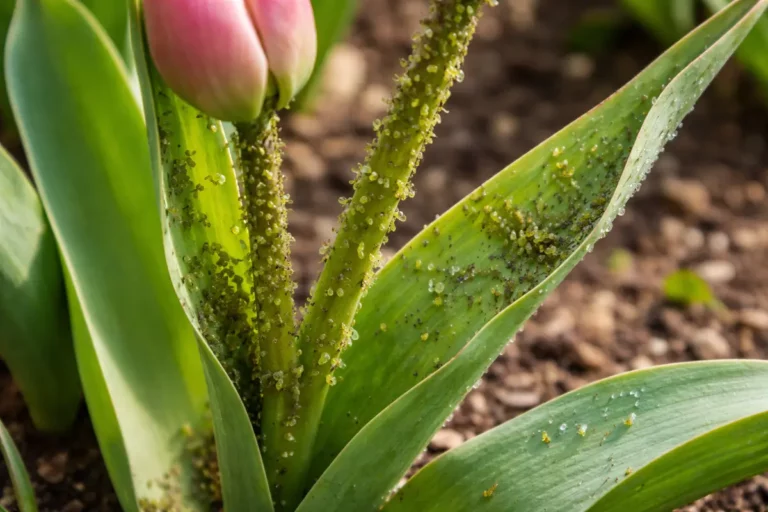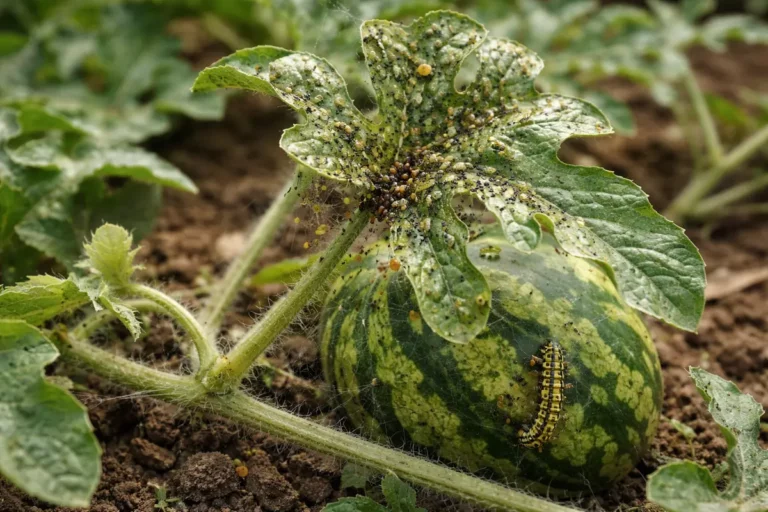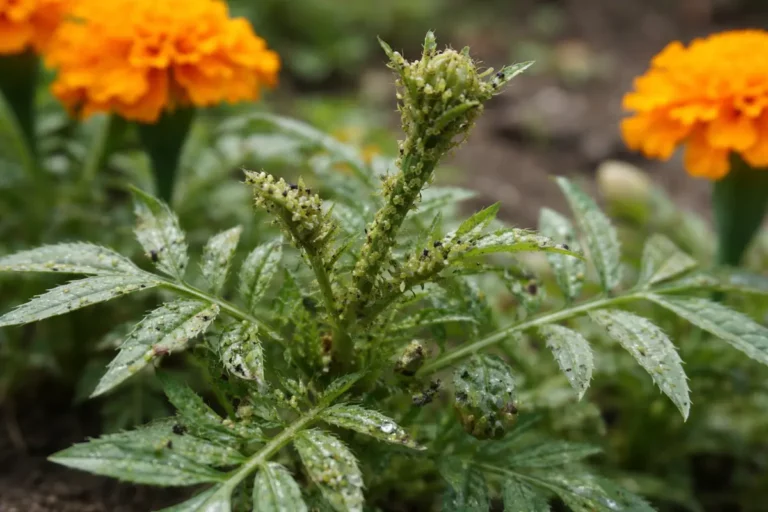

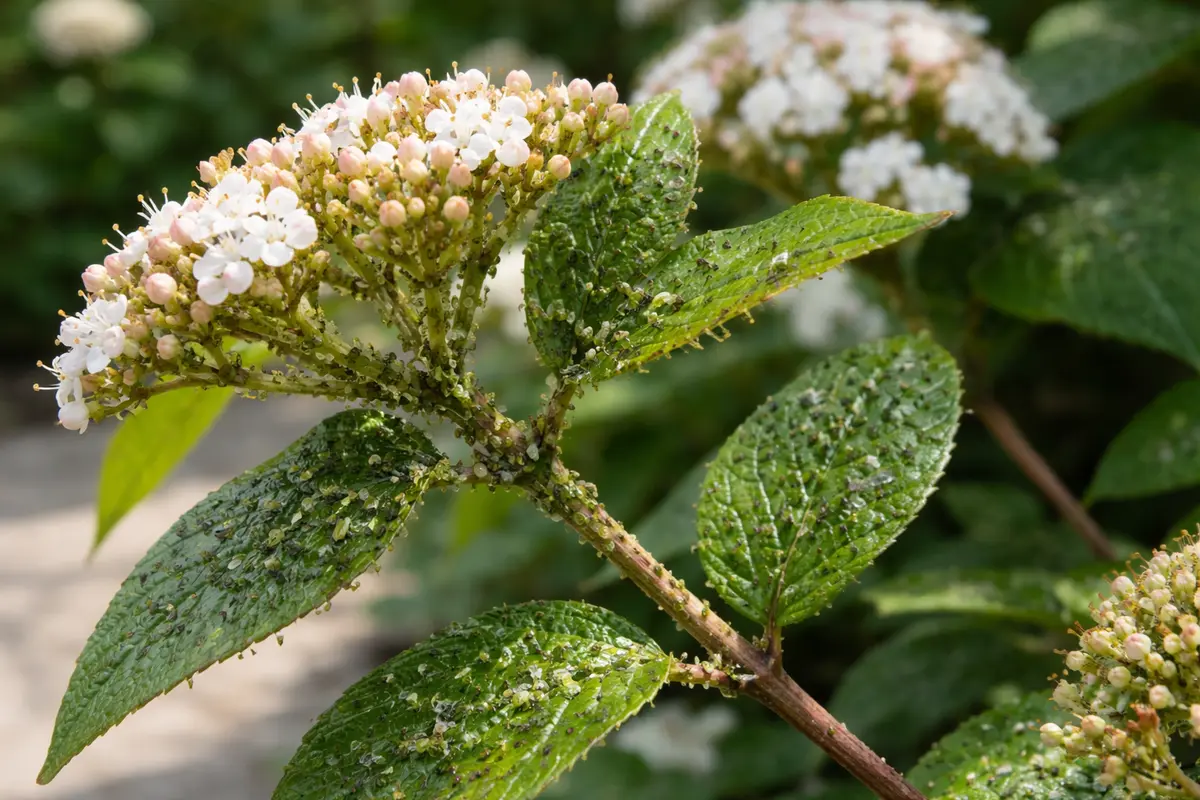
You may notice that your viburnum plants are infested with small pests during flowering, which is why you need to know how to stop aphids on viburnum plants during flowering. These tiny insects suck the sap from your plants, causing stippled spots and yellowing leaves that can lead to significant damage. If left unchecked, the infestation gets worse and weakens the plant, making it harder to recover. Fortunately, you can take action now by checking for infestations, removing affected parts, and monitoring the plants closely.
Step 1 – Spray Soapy Water on Aphids Now
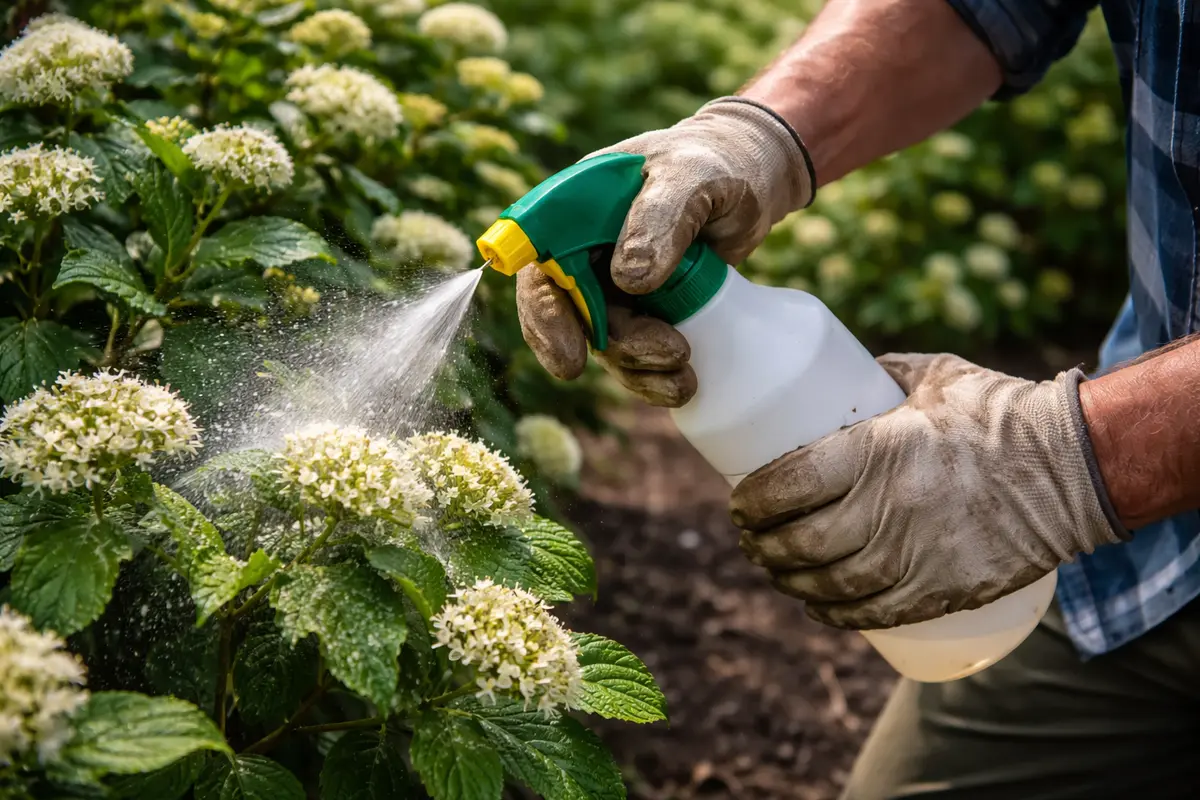
Begin by spraying a mixture comprised of one tablespoon of mild liquid soap mixed with a quart of water directly onto the aphids present on the viburnum leaves. Within a matter of days, you will notice a decrease in the number of aphids as they begin to die-off and lose their grip on the plant. Ensure to apply this treatment thoroughly, hitting both the upper and lower surfaces of the leaves to maximize effectiveness.
This action is crucial because the soap works as a pesticide by suffocating the aphids, disrupting their membranes, and dehydrating them. The soap forms a barrier that physically interferes with their ability to breathe, leading to mortality. Furthermore, it eliminates the sticky honeydew residue left behind, which can promote the growth of black sooty mold. If you wait too long to act, the infestation can spread rapidly to other parts of the plant and could devastate its blooming potential, resulting in permanent damage. Typically, within three days, you should see a noticeable reduction in aphid activity—look for fewer pests on the leaves and an absence of honeydew buildup.
A common mistake gardeners make at this stage is to use household cleaners that are too harsh, which can harm the viburnum by burning the leaves or causing unnecessary stress. It’s also easy to overlook watering beforehand; ensure that the soil is moist to avoid shock and allow better absorption of the soapy mixture. The optimal time for application is early morning or late evening to avoid direct sunlight, which can cause the soap solution to evaporate too quickly. If the infestation is particularly heavy or recurring, you might need to repeat this treatment every 3-5 days until the aphid population is under control. Monitor the plant closely for any signs of irritation like burnt leaf edges or any remaining aphid presence, and be prepared to adjust your approach based on what you observe, possibly by switching to a stronger solution if necessary.
Step 2 – Inspect for Honeydew on Viburnum Leaves
First, inspect the undersides of viburnum leaves for aphids and dislodge them with a strong jet of water. After this action, you should notice a reduction in their population, leading to healthier-looking foliage without curling or sticky residue. A good practice is to use a spray bottle with a narrow nozzle for targeted spraying, ensuring even the most hidden areas are treated.
Aphids thrive in conditions where there is an excess of nitrogen, often from over-fertilization or nitrogen-rich compost. This imbalance creates a lush, succulent environment that attracts aphids, which feed on plant sap, causing stunted growth and yellowing leaves. If your viburnum is wilting and you see small, black ants trailing nearby, it indicates aphids feeding and producing honeydew. Regularly look for mold on the honeydew, as it can be indicative of a severe infestation requiring immediate action. If left unaddressed, the ants will protect aphids from their natural predators, compounding the problem.
If the aphid population persists despite washing them off, check the soil pH; an acidic environment can worsen aphid infestations. If your soil is below 6.0, consider applying lime to raise the pH and discourage further infestations. Additionally, ensure that nearby plants aren’t also harboring aphids, since they can quickly relocate to your viburnum once plants are treated. If you observe honeydew but no visible aphids, it’s essential to check under the leaves and along the stems, focusing on areas where they can hide—often in leaf junctions or on new growth where sunlight is limited. Regularly checking for honeydew contributes to early detection; if you notice heavy deposits, it’s advisable to scale up your control measures by using insecticidal soap or even introducing natural predators into the garden. Maintain your observational routine throughout peak growing seasons, ideally checking bi-weekly, to catch potential infestations early and adapt your approach as needed.
Step 3 – Fertilize Viburnum to Heal After Infestation
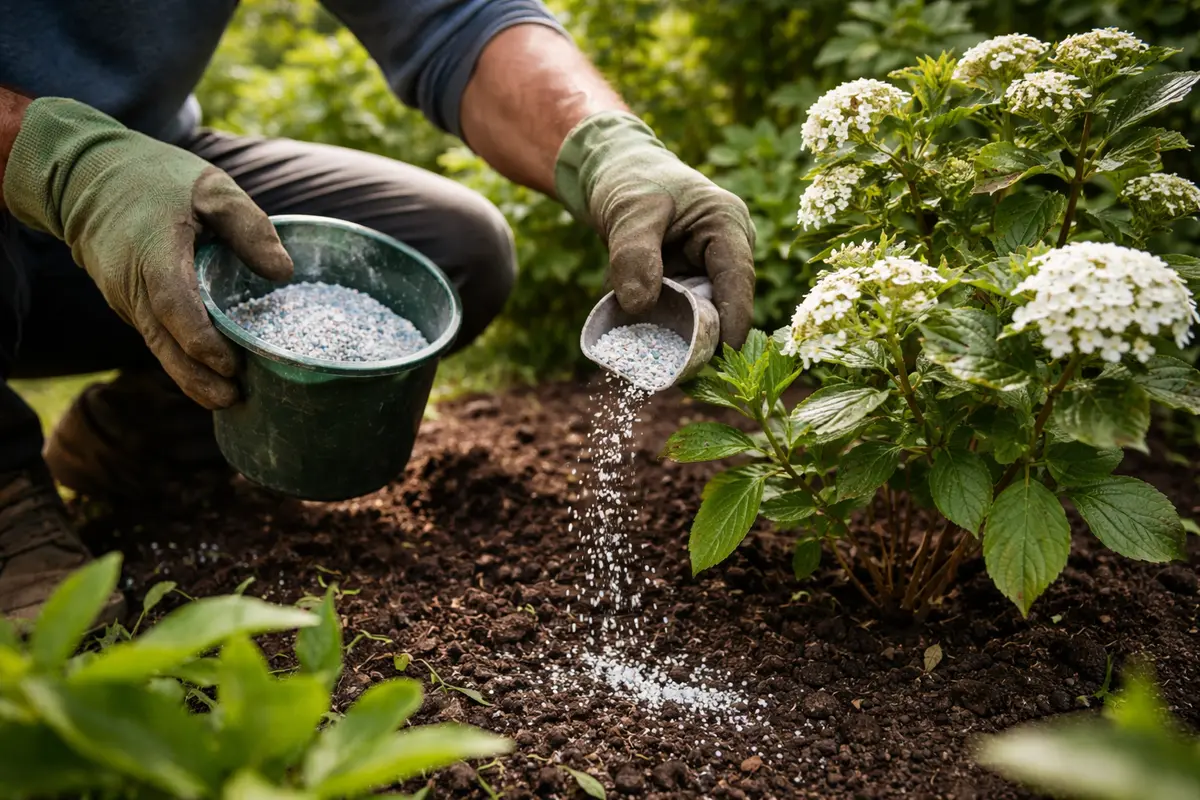
After addressing the aphid problem, apply a balanced fertilizer with an N-P-K ratio of roughly 10-10-10 to the viburnum to promote recovery. You should observe new growth emerging within 1-2 weeks, indicating that the plant is regaining its vigor after the stress of the infestation. Fertilizing will provide essential nutrients that support overall plant health and bloom production, helping the viburnum bounce back stronger after the pest attack.
Nourishing your viburnum helps it bounce back from damage, especially during the flowering season when it requires extra energy for new blooms. Newly fertilized plants typically exhibit greener leaves and stronger stems, indicating improved health. It’s best to apply the fertilizer at the base of the plant, avoiding contact with the stems to prevent burning. Furthermore, ensuring that the soil pH is appropriate (ideally between 6.0 and 7.0) will promote optimal nutrient uptake. Conducting regular soil tests can offer insight into any pH adjustments needed to ensure the best nutrient availability for recovery.
A common mistake is over-fertilization, which can lead to salt buildup in the soil, damaging roots and leading to additional stress. When applying fertilizer, it’s safer to use half the recommended rate on the fertilizer package initially; this minimizes the risk of flushing out nutrients while the plant acclimates. Observe the plants for at least a week following this application before considering another round. It’s crucial to watch for signs of stress like leaf discoloration or wilting, which might indicate that the plant is either over-fertilized or lacking sufficient water. Avoid fertilizing during extreme heat, as stressed plants will benefit less from fertilizer and could react poorly. If yellowing persists, reevaluate your watering and sunlight conditions rather than increasing fertilizer doses, as poor conditions will undermine recovery despite further fertilization.
Step 4 – Water Plants Deeply During Flowering Season
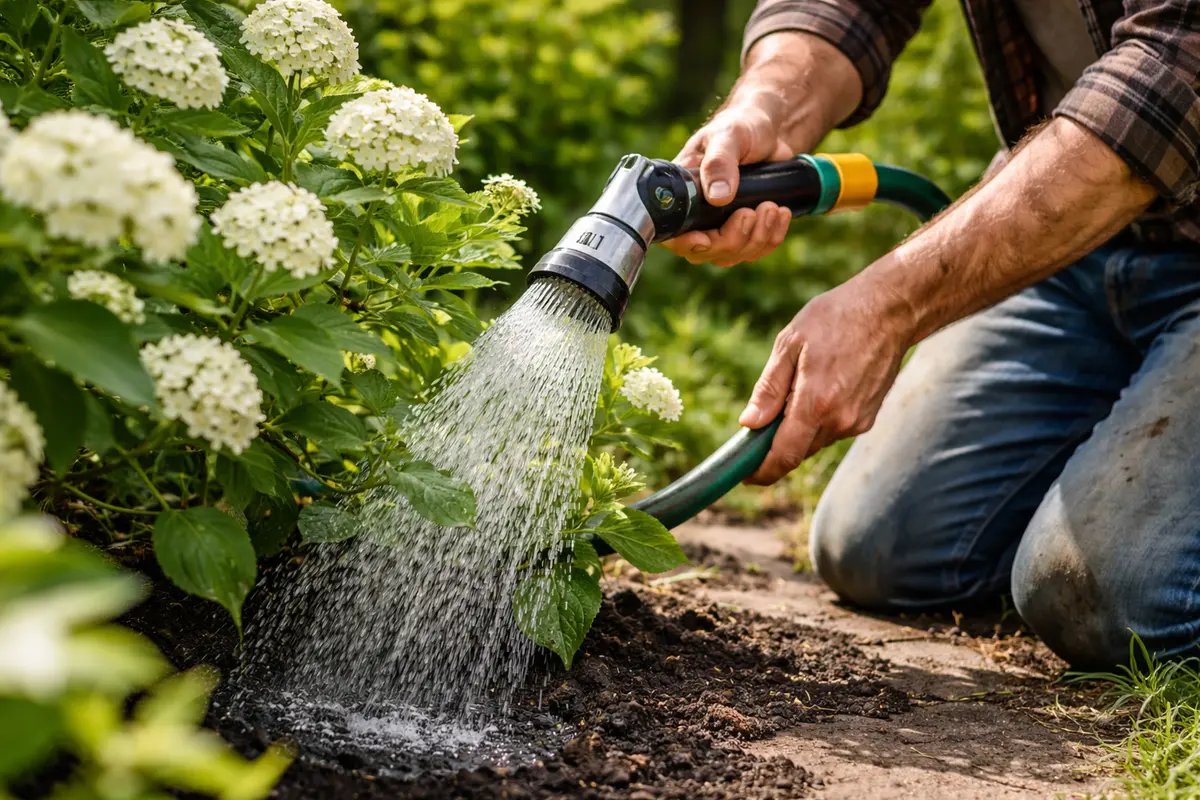
Start by regularly applying insecticidal soap or neem oil to your viburnum plants, focusing on the undersides of the leaves where aphids tend to congregate. With consistent treatment every few weeks, you should see a noticeable reduction in aphid populations and improved flowering on your plants. Make a point to observe plants closely after each treatment to measure success; reductions in both aphid numbers and pest-related symptoms indicate efficacy.
Aphids thrive in warm, dry conditions, and their populations can explode if left unchecked, especially during the flowering period when the plant is most vulnerable. Implementing a routine preventative treatment with insecticidal solutions disrupts their feeding habits and shortens their lifecycles, minimizing recurrence throughout the growing season. If your viburnum starts to show signs of new growth, ensure you are also monitoring for returning aphids; these pests can be opportunistic and quickly exploit any weaknesses in plant health.
In early spring, when aphid populations typically emerge, increase the frequency of your treatments to weekly applications until the flowering phase is over. Evaluate the weather conditions; a warm, humid climate can amplify aphid reproduction rates, compounding the need for vigilant treatment. If you notice a resurgence, assess for natural predators like ladybugs, which can help keep aphid numbers in check without chemical intervention. Their presence indicates a healthy garden ecosystem, and if you do spot them, allow them to assist in controlling the pest population naturally.
Keep it from returning by adjusting your watering schedule and monitoring before the next wet spell. Next time conditions shift, repeat the same prevention check. The plant should bounce back faster each time the routine is in place. Additionally, consider using mulch around the base of your viburnum to help retain soil moisture and regulate temperature, conditions that can assist in plant recovery. Consistent hydration is vital as it helps maintain the plant’s cell structure and overall vigor, improving its ability to withstand any potential aphid attacks. Furthermore, ensuring proper drainage in your chosen planting location is crucial; overly saturated roots can lead to root rot, which will exacerbate stress and create an inviting environment for pests.
During periods of high heat or strong sunlight, monitor the soil moisture more closely, as rapid evaporation can cause symptoms of drought stress. If the plant exhibits any drooping leaves despite regular watering, this may indicate soil compaction, which restricts water penetration. Alternatively, if the soil feels mushy or remains too wet for several days, you may be over-watering; decide whether to adjust your watering frequency or investigate drainage solutions to prevent root rot. Remember, identifying the right watering schedule also involves checking the plant’s overall aesthetic appearance; plants that are thriving should have flexible stems and vibrant green foliage, indicating their health and vitality.
Step 5 – Check Viburnum for New Aphid Activity Weekly
Check your viburnum weekly for any signs of new aphid activity or damage. You should look for the presence of honeydew, curled leaves, or visible aphid colonies, especially during the warmer months when aphid populations can rebound quickly. Catching them early can help you manage the problem before it escalates; ideally, maintaining this vigilance will allow for proactive measures before a repeat infestation occurs. During your inspections, take the time to check not just for the pests themselves, but also for any signs of distress in the plant.
Observing the leaves for aphid presence means identifying both small green spots (the pests) and looking for leaf distortion or discoloration as signs of renewed stress and potential infection. A healthy, recovered plant should return to a normal leaf shape and vibrancy—a good indicator that your control and care strategies have been effective. Signs of new damage will include revived honeydew deposits or a return of distorted leaves, prompting further immediate action if detected. Detecting these signs promptly allows for a quicker response, which can include increasing the frequency of insecticidal soap applications.
If you spot new activity despite the preventive measures taken, consider revisiting Step 1 and repeating the soapy water application. If the pests appear resistant to your initial control methods, rethink your treatment approach—this might include integrating local insecticidal soaps or introducing beneficial insects like ladybugs, which naturally feed on aphids. Regular monitoring and quick response are vital in maintaining the health and integrity of your viburnum plants. If you notice a pattern of recurring infestations, it may be prudent to assess the overall soil health and provide amendments to encourage a more robust growth environment, potentially reducing the plant’s predisposition to aphid attraction.
FAQ
How long does it take for viburnum to recover from an aphid infestation?
The recovery time for viburnum after an aphid infestation can vary significantly based on the extent of damage. Generally, if proper care is given, you should see improvement within 2-4 weeks, with visible new growth indicating recovery. Consistent attention to watering and monitoring will contribute to faster recovery, but patience is essential, especially if the plant suffered considerable stress.
Can aphids spread to other plants in the garden?
Yes, aphids can easily spread to nearby plants, especially during the flowering period when they are most active. Regularly checking all nearby plants for signs of aphid presence will help prevent the spread throughout your garden; monitor adjacent plants frequently during peak growing seasons. Moreover, if they are discovered on any plant, immediate action should be taken to prevent cross-contamination by isolating affected plants.
Should I remove any affected parts of the viburnum?
Yes, if leaves or flower buds are heavily infested or damaged, it is advisable to prune them away. Removing affected areas can help reduce the pest load and prevent further spread while allowing the plant to redirect its energy towards healthier growth. Be sure to prune cleanly using sterilized tools to avoid introducing any potential pathogens. Disposing of the affected material off-site can further reduce the likelihood of reinfestation, helping maintain the overall health of your landscape.