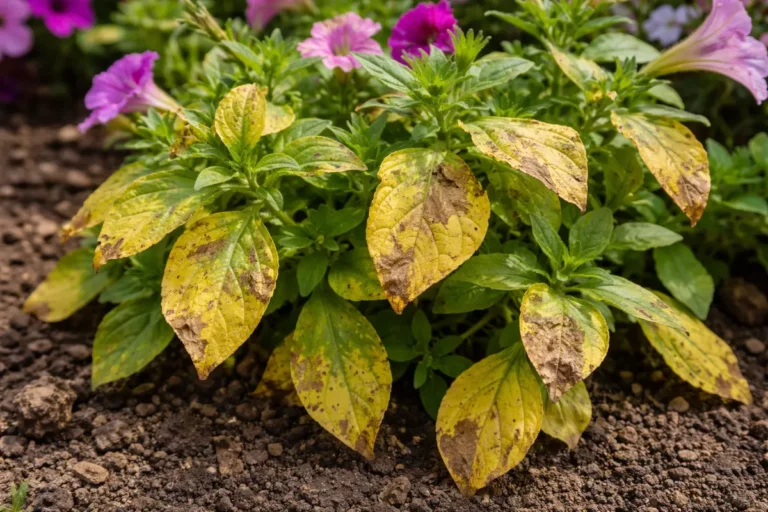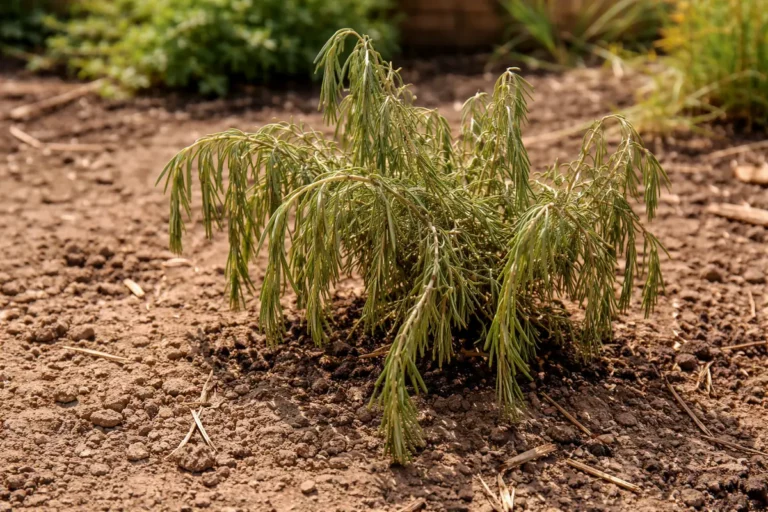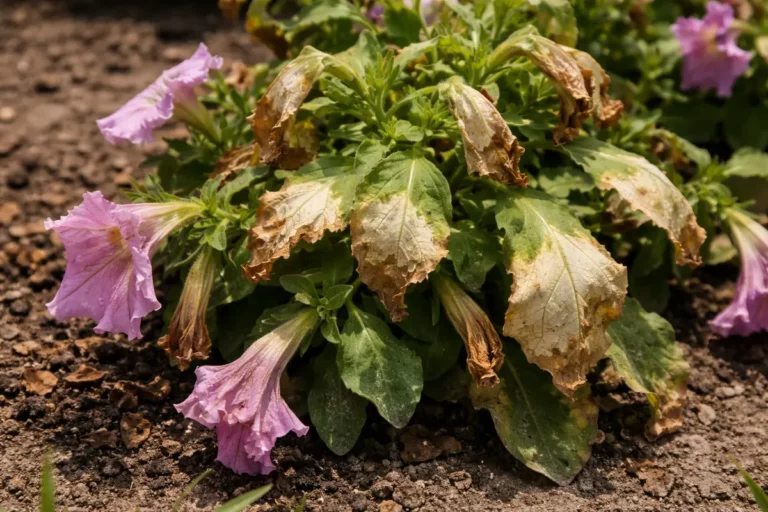
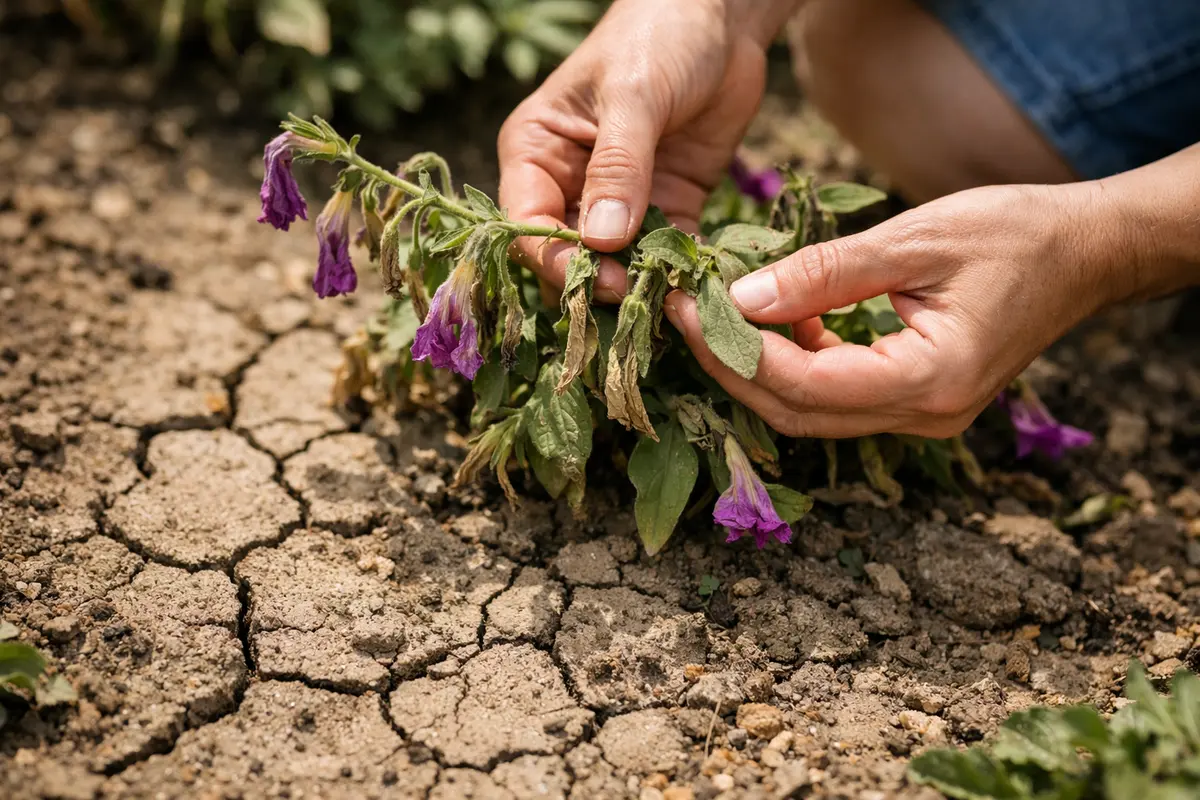
You may notice that your petunias are drooping and losing their vibrant color during peak summer, which is why you need to know how to treat wilting petunias during peak summer. This condition often results from insufficient water or extreme heat, leading to wilting foliage and stressed plants. If left unaddressed, the problem gets worse, making it harder to fix and potentially leading to more damage; fortunately, you can improve your plants’ health by watering deeply and adjusting their exposure to sunlight.
Step 1 – Water Wilting Petunias Immediately
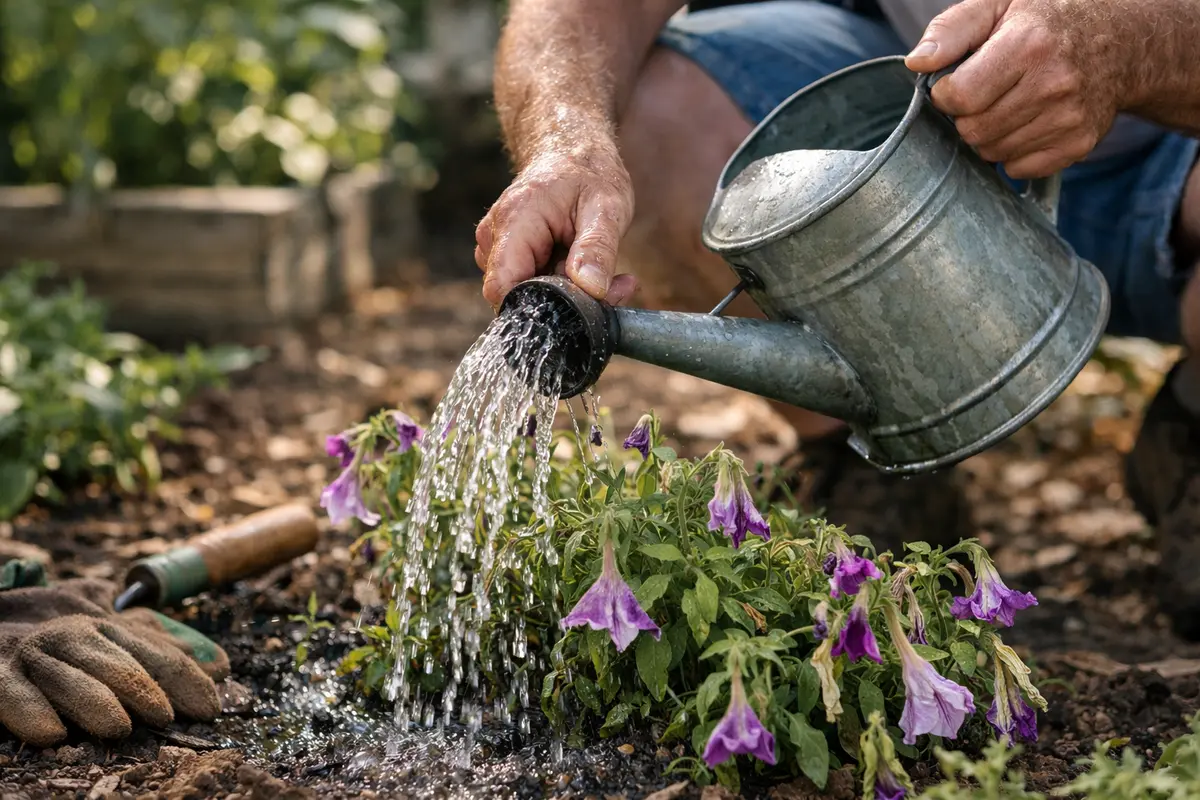
Water the petunias thoroughly to combat wilting immediately. You will notice the leaves start to perk up within a few hours, signaling an initial recovery. Observe the plants closely over the next 24 hours, taking note of any changes in leaf turgidity to judge the effectiveness of your watering. If the leaves remain limp, this indicates that external factors may still be affecting their health, and it’s time to reassess your watering strategy. If wilting is severe, consider the possibility of root damage or compacted soil that impedes water uptake.
Petunias thrive in well-moistened soil, but exposure to peak summer temperatures can rapidly dehydrate them. When the soil lacks sufficient moisture, the plant cannot absorb adequate water to maintain leaf turgidity, which leads to wilting. Addressing the issue promptly is crucial to prevent permanent damage. In this critical first step, aim to soak the soil thoroughly; it should be saturated down to about six inches deep. This thorough penetration ensures the roots can access the moisture they need. Watch for signs of soil hyperhydration or standing water at the surface, as these could indicate soil compaction or an inadequate texture.
A common mistake gardeners make is merely misting the leaves instead of providing a deep watering. This can result in insufficient moisture uptake because only the surface of the soil may be dampened. If the top inch of the soil is wet but the deeper layers remain dry, the roots will struggle to access the water they crave. It is imperative that you ensure that water penetrates consistently to minimize the risk of wilting again. For optimal results, you should aim to apply around 1 to 2 gallons of water per square foot of planting area, adjusting this amount based on specific pot size or garden bed depth. If after watering you see runoff occurring quickly, it indicates that the soil is likely too compacted or hydrophobic, which prevents adequate absorption. In such cases, allowing the soil to settle for a few hours or incorporating organic matter may help improve its structure, enabling better moisture retention.
Step 2 – Assess Soil Moisture Levels Around Petunias
Check the soil moisture around your petunias to understand their watering needs fully. After this assessment, you will see if it requires more water or if other measures must be taken. Use a soil moisture meter if available, or insert your finger into the soil about 2 inches deep; moist soil should feel damp and cool to the touch, indicating your petunias are likely still in need of hydration. If the soil feels warm or dry, this signals that your plants might require additional watering or even soil amendments to enhance their moisture retention capabilities.
Moreover, too much water can lead to root rot, particularly if the soil is dense or poorly draining. If the soil feels compact and dry, it indicates that the petunias are indeed suffering from a lack of moisture. Conversely, if the soil feels excessively wet and you detect a sour smell, root rot might already be developing, thus necessitating different treatment. Recognizing the balance here is key; if the top of the soil feels dry while deeper levels remain wet, this could indicate compacted soil that inhibits proper moisture distribution. Incorporating organic matter like compost can help improve moisture retention without oversaturation by enhancing soil aeration. If contamination or pathogens are present due to rot or prolonged wet conditions, treating the area with a fungicide may be required before re-establishing healthy moisture levels.
If your soil felt overly dry after checking, it’s crucial to proceed with the same thorough watering as in Step 1. However, if it is soggy and the sour odor is present, consider amending the soil or even replanting if root rot is evident. It is crucial not to allow previously wilting soils to stay damp for extended periods, as this can lead to a continuous cycle of rot that becomes exceedingly difficult to correct. If you frequently encounter soggy conditions, think about mixing in perlite or vermiculite to increase aeration, allowing for more effective drainage. This distinction between dry and oversaturated soil is vital; observe moisture balance closely because repeatedly watering wilting petunias with compact, damp soil can exacerbate their condition, leading to further stress and potential root damage. If drainage remains an issue, raising the bed or improving slope can also facilitate better runoff and aeration.
Step 3 – Fertilize Petunias to Boost Recovery
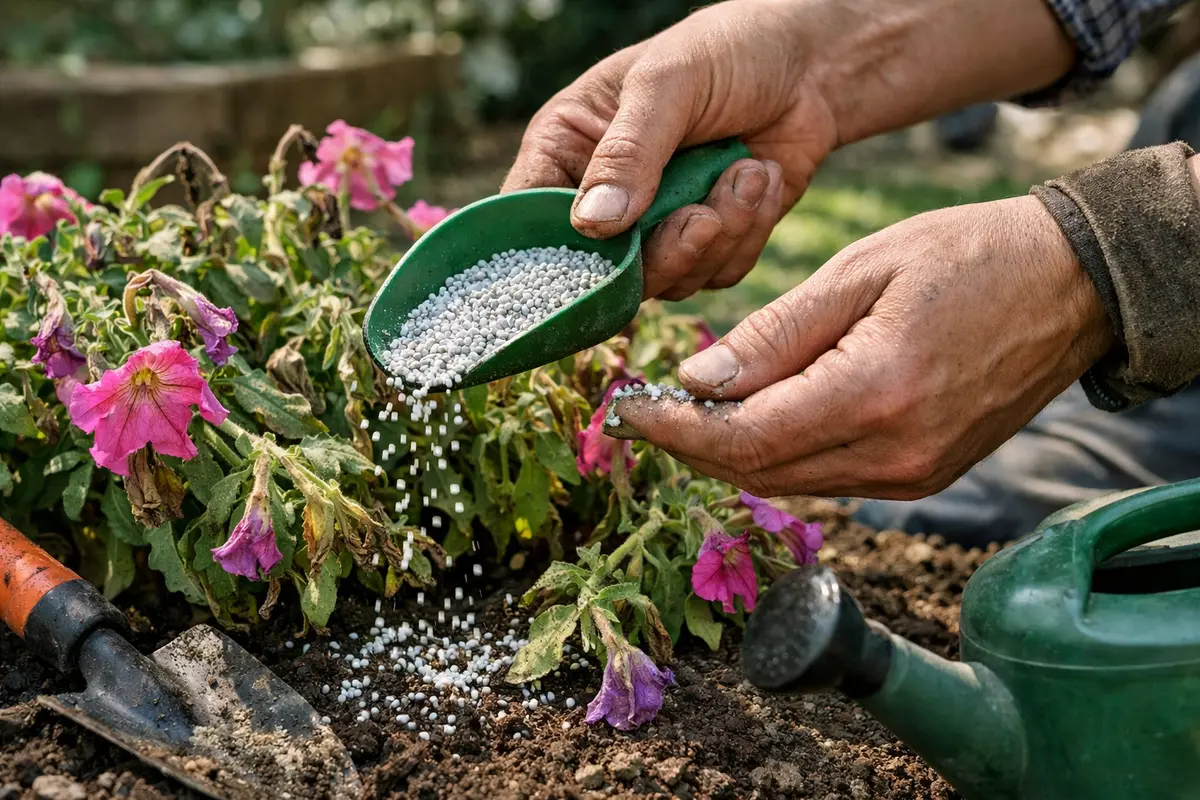
Apply a balanced, water-soluble fertilizer to your petunias to support recovery. You should notice an increase in green foliage and more vibrant blooms within a week as the nutrients aid in cellular repair and growth. Use a fertilizer that contains an equal ratio of nitrogen, phosphorus, and potassium, such as a 10-10-10 mix, which encourages overall plant health and vigor, especially during nutrient-deficient summer conditions. When applying, ensure it is diluted according to the manufacturer’s instructions to avoid any burning on already stressed foliage, which can further exacerbate wilting. If your plants are currently exhibiting symptoms of nutrient deficiencies, such as yellowing in the old leaves or stunted growth, this signals the need for urgent nutrient replenishment.
Fertilizing provides essential nutrients that may be depleted due to heat stress during summer conditions, promoting healthier growth and resilience. As petunias struggle to uptake nutrients from the soil due to heat, adding vitamins back into their system can help them rebuild their strength effectively. Timing is crucial; apply fertilizer only after the emergency watering to avoid burning the roots of already stressed plants. If you observe leaf curling or browning on the edges post-fertilization, this could indicate nutrient burn from over-fertilization. If leaf tips turn brown suddenly after fertilization, it usually signifies that you have given too much nutrient too quickly.
Be wary of over-fertilization; applying too much can lead to root damage, especially in a highly stressed plant. It’s advisable to administer half the recommended dosage initially to assess how the plants respond before increasing applications. If you notice yellowing leaves instead of vibrant green after one week, this could indicate nutritional burn due to over-fertilization; flushing the soil with water can minimize the concentration caused by fertilizer. Additionally, switching to a slow-release nitrogen fertilizer can further mitigate risks of over-application while offering a steady nutrient flow. Reassess your feeding strategy every two to three weeks during peak summer conditions to ensure balanced nutrition and to avoid nutrient leaching due to heavy rains or excessively hot dry spells, as the cycle of nutrient depletion can perpetuate wilting issues. If all attempts fail and your plants continue to decline despite fertilization, it may be time to investigate more serious underlying issues, such as pest infestations or environmental factors combining with nutrient depletion that would need addressing for improvement.
Step 4 – Look for New Growth on Petunias Weekly
Check your petunias for signs of new growth each week. You should observe fresh leaves starting to emerge within a few days of watering and fertilization, a clear indication that your plants are responding positively to the care you’ve provided. Recognizing these signs of recovery early enables you to make necessary adjustments to your plant care routine while maintaining their health going forward. If new growth appears promising yet wilting continues, it’s vital to investigate environmental or watering factors closely. Keep in mind that a sudden onset of wilting despite fresh growth can signal potential root problems, such as damage or rot earlier.
A strong indicator of recovery includes not just new foliage but also a resurgence of vibrant colors and full blooms. Watch for fresh buds if they start to sprout around the base; it may indicate that the health of the plant is improving. If the wilting has improved but you see new leaves wilting again, this could signal that further investigation into cooling conditions or watering practices is needed. Daily monitoring is essential, especially after rainfall, as over-saturation can quickly reintroduce wilting symptoms, even if new growth is observable. Comparing newly grown foliage to older leaves can also provide insight; darker green new leaves generally indicate effective nutrient absorption, while pale or curled younger leaves may indicate stress from external conditions or environmental factors.
If new growth does not appear within a week, reevaluate your strategies. Check soil stability, moisture levels, and drainage effectiveness to confirm that no water-logged conditions persist. Testing the pH of the soil could show whether acidity or alkalinity levels affect nutrient uptake—aim for a neutral pH around 6 to 7 for optimum petunia health. If you notice that prolonged high temperatures are consistently trailing your petunias, consider utilizing shade cloth or adjusting their positioning to mitigate stress from excessive sunlight exposure. Keep an eye on soil amendments and mulch to help regulate soil temperature, which can further aid in recovery. If your petunias continue struggling, it may be worthwhile to consult with a gardening professional who can offer tailored practices for your specific conditions. Pay attention to the surrounding vegetation; if they are overly shaded, it could mean your plants are suffering from inadequate sunlight.
FAQ
How long does it take for wilting petunias to recover?
Wilting petunias typically show signs of recovery within 24 to 48 hours after proper watering. However, full recovery, including revival of blooms, may take up to a week, depending on their overall health and the environmental conditions impacting them. To track progress effectively, consider taking daily notes or photographs, which can simplify the identification of necessary adjustments in care as you monitor changes. Assess the color and turgidity of both new and old leaves during this timeframe for best tracking.
Can wilted petunias recover after a heat wave?
Yes, petunias can recover after a heat wave as long as they are promptly watered and nourished. Always check for soil moisture and provide nutrients to support their recovery when temperatures return to normal. If you notice that even after watering the soil dries up rapidly, it may be time to consider soil improvement techniques, such as applying mulch or organic amendments to help maintain more consistent moisture levels. This practice not only proves beneficial during recoveries, but also buffers against sudden temperature fluctuations that may arise in future summers, ensuring stability against extreme conditions.
Should I remove dead flowers from wilting petunias?
Yes, removing dead or wilted flowers, known as deadheading, encourages the plant to focus energy on producing new growth. This practice rejuvenates your petunias and enhances overall flowering and growth during their recovery. It is advisable to deadhead the flowers at least every two weeks to ensure continuous blooming and maximum vigor from the plants. Leaving dead blooms can divert energy away from new growth and can ultimately lead to poor flowering results. For effective deadheading, pinch off the blooms right above the first set of healthy leaves, ensuring that newly capable shoots have the necessary space and resources to develop right behind them. Ensure that you use clean tools to prevent the risk of introducing bacteria or diseases that could further stress your plants.