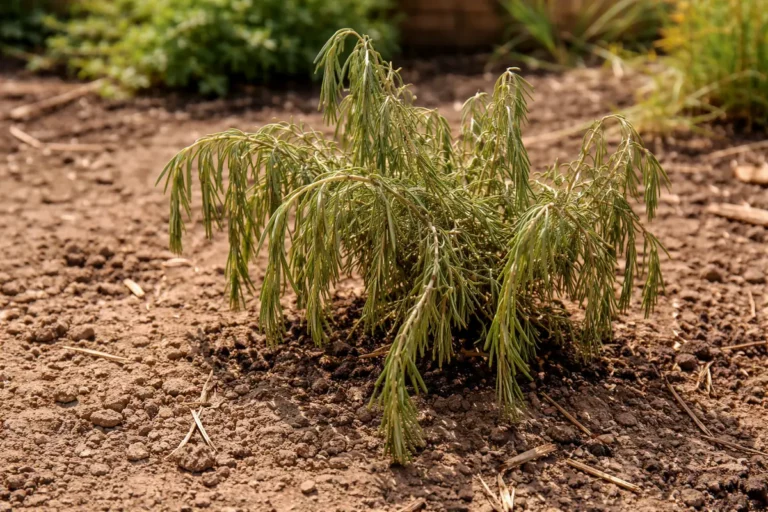

You may notice during hot days that your vibrant sunflowers seem to be losing their strength, with their heads drooping low, which is why you need to know what to do when sunflower heads droop during hot days. This drooping is typically caused by stress from extreme heat, leading to wilting and overall weakness in the plants. If left unaddressed, this condition can worsen and weaken the plant significantly, making recovery harder, but fixing it is possible now—you can adjust your watering routine and monitor for signs of pests or disease.
Step 1 – Water Sunflowers Deeply in Heat
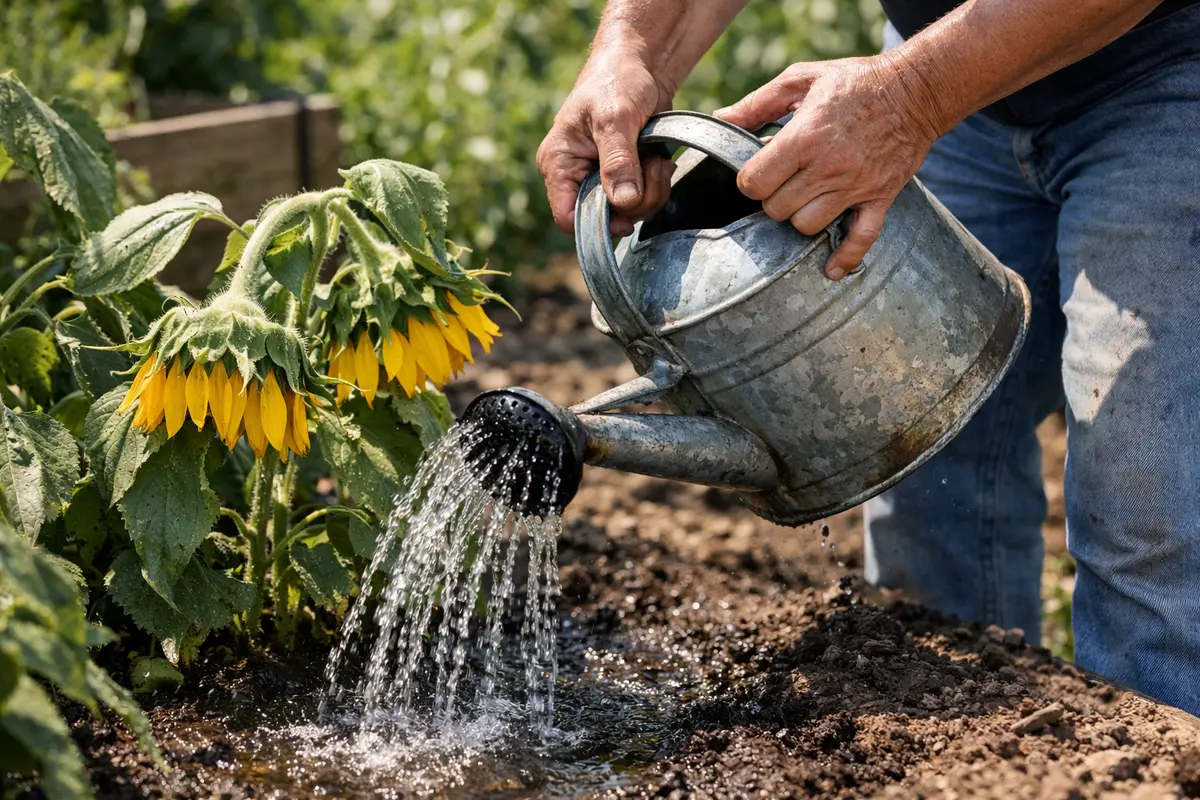
Start by watering your sunflowers thoroughly, ensuring deep moisture reaches the roots. Watering should ensure that you see the leaves perk up within a few hours, indicating that the plants are absorbing the necessary hydration effectively. Aim to apply water directly to the soil at the base of each plant, targeting the root zone. Use a soaker hose or drip irrigation to ensure efficient moisture delivery, watering until the soil is saturated to a depth of about 12 inches, and aim for approximately 1 to 1.5 inches of water per week, adjusting for rainfall.
Sunflowers require consistent moisture, particularly during periods of extreme heat, to maintain their structural integrity and prevent wilting. Lack of water causes the plant’s cells to lose turgor pressure, leading to drooping heads and potentially stunted growth. When watered properly to a depth of at least six inches, the roots gain access to moisture efficiently, thereby restoring the plant’s upright position. If leaves remain droopy after watering for a few hours, you might be dealing with insufficient root access or compacted soil, which can prevent water from percolating down.
Timing is critical; many gardeners mistakenly think a light surface watering is sufficient. If water does not visually saturate the soil down to the roots, you likely need to water more deeply and consistently. If the soil dries out completely between waterings, consider increasing your frequency; in intense heat, daily watering might be necessary. Additionally, check the moisture level each time by sticking your finger into the soil about two inches deep—if it feels dry, it’s time for more water. If the drooping persists past a day after this deep watering, check for underlying issues, such as soil drainage problems or compaction that may need addressing.
Step 2 – Diagnose Sunflower Head Droop Causes
Inspect the soil around your sunflowers to check for dryness or compacted areas that may hinder drainage. If the top layer of the soil is dry while deeper sections remain compressed, this could indicate poor drainage or soil structure issues, both of which can lead to drooping. For instance, if you check with your finger and feel moisture below an inch down while the surface is relatively dry, it’s a sign that your watering method may need to change to ensure deeper penetration. Contrast this with soil that remains consistently moist yet still has drooping heads, which might indicate overwatering rather than underwatering and could lead to root issues.
This symptom often manifests when soil lacks sufficient organic matter, which prevents water from penetrating deeply enough into the roots. Conversely, compacted soil reduces airflow to the roots, making it harder for them to absorb necessary nutrients and water. Prompt adjustments can aid in identifying and remedying these underlying causes. For example, incorporating compost or other organic materials can enhance soil quality, allowing for better moisture retention and nutrient availability. Realize that frequent shallow watering can lead to such compaction, so ensuring deep watering can also improve the soil structure over time.
If the soil smells sour upon initial inspection, this may indicate root rot, prompting immediate corrective action, such as moving the plants to a well-draining area or enhancing the soil structure. In particular, if you encounter a mushy texture upon gently scraping back some soil, this indicates a failing root system. Keeping a close watch on these symptoms will help you catch small issues before they evolve into significant problems that threaten the overall health of your sunflowers. For example, a compacted area where water pools after rainfall may signal the need for aeration or the need for adding sand to improve drainage.
Step 3 – Apply Fertilizer to Revive Sunflowers
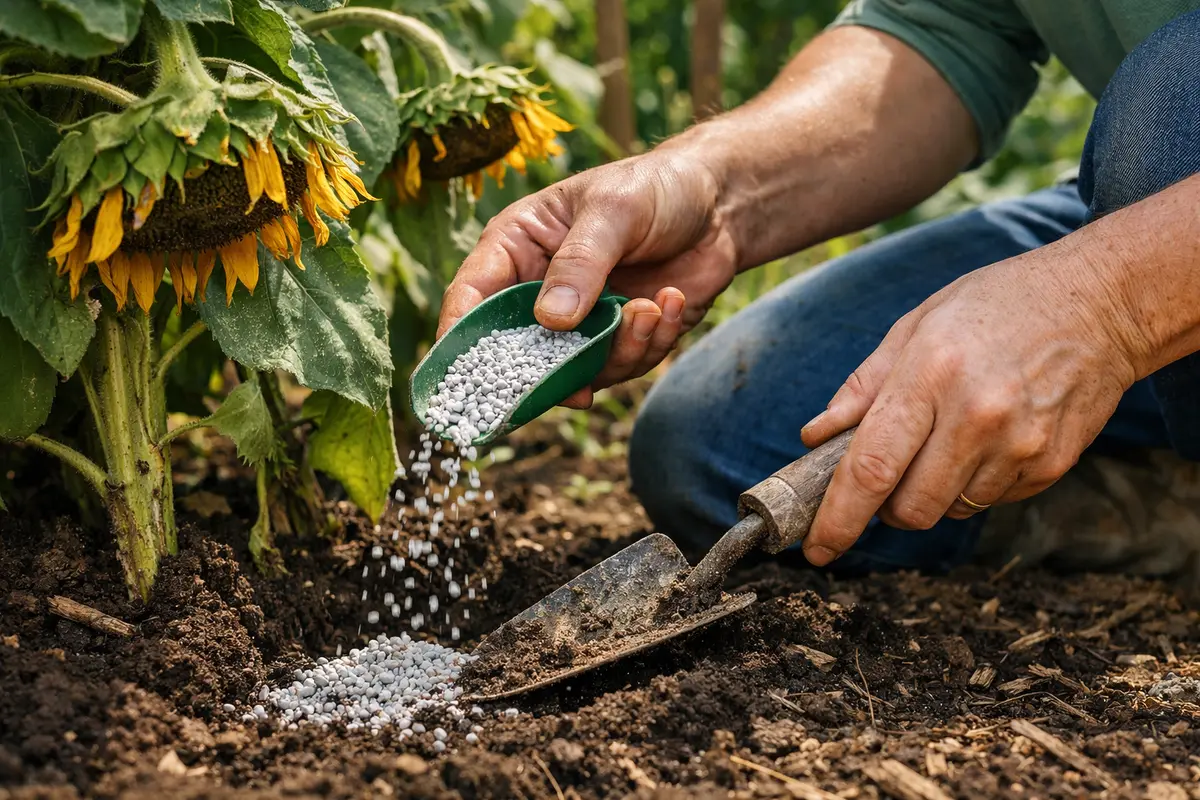
Apply a balanced, water-soluble fertilizer around your sunflowers to provide essential nutrients that support robust growth. Within a week, you should observe new growth and healthier foliage as the plants begin to respond to increased nutrients, signaling a successful recovery. A mix containing equal parts nitrogen, phosphorus, and potassium is ideal for sunflowers; consider a formula like 10-10-10 for balanced nutrient supply. Ideally, apply the fertilizer in the early morning or late evening to reduce potential burnout from the sun.
Your sunflowers may be drooping due to nutrient deficiencies, particularly if the soil is not yielding sufficient nutrients to support strong growth. Nutrient deficiencies can lead to pale leaves and weak stems, leaving plants vulnerable to heat stress. For example, if older leaves start to yellow, it could be a sign of nitrogen deficiency. Regular fertilization enhances the soil’s richness, enabling the plants to absorb necessary minerals, promoting upright growth and resilience against heat stress. Healthy foliage typically displays a rich green color, indicating that the plants are adequately nourished.
A common pitfall is over-fertilizing immediately after noticing drooping, which can lead to nutrient burn and further stress the plants. Instead, wait a few days after watering before applying the fertilizer; this allows the roots to rehydrate properly. Additionally, check the fertilizer’s instruction label for application rates. Applying too much can lead to salt buildup in the soil, negatively impacting the plant’s ability to absorb water and nutrients effectively. If wilting continues even after fertilizing, reassess the application method and check for any other environmental stressors, like pests or competing weeds that may be consuming nutrients or water resources.
Step 4 – Shield Sunflowers from Excess Sunlight
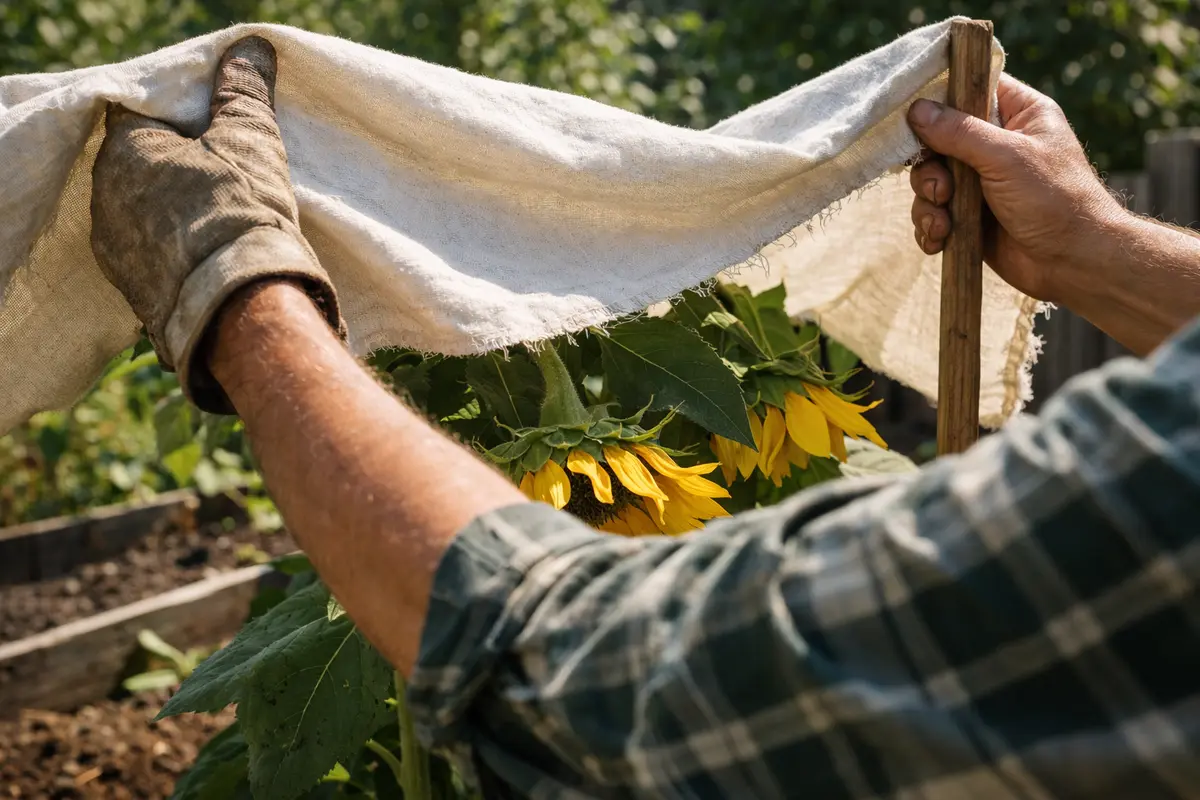
Start by placing shade cloth over your sunflowers during periods of extreme heat. This will help mitigate direct sunlight exposure and lower the surrounding temperature around your plants, creating a more conducive environment for recovery. A good-quality shade cloth can reduce temperature by several degrees, which protects foliage from severe wilting. Ensure that the cloth allows for adequate airflow, preventing conditions that might foster mold or fungal diseases. If you notice heat stress symptoms such as burned leaf tips, the timing of shade application has likely been delayed.
Excess sunlight can intensify problems associated with heat stress, exacerbating wilting and drooping. If your sunflowers are continuously exposed to intense sunlight, you may find the plants struggling to regain their upright posture even after implementing good watering practices. By utilizing shade cloth for protection, you help to cool the plants while still allowing filtered light to reach them, fostering a balanced environment for recovery. Preventative measures are especially vital during peak summer months when heat intensity is at its highest. Take special care to adjust the amount of shading depending on the maturity of the plants: younger, tender plants typically require much more shading than mature ones that can tolerate full sun.
As the seasons change and temperatures rise, be prepared to adapt your protective measures based on daily weather forecasts. Monitor the forecast and adjust the positioning of the shade cloth accordingly; providing a mix of sun and shade might be necessary depending on the current weather and the maturity of the plants. In some cases, staggered planting of sunflowers can help; younger sunflowers may require more shelter than those well-established. On particularly hot days, if you notice your mature plants begin to show signs of stress, additional shade can help regulate heat until temperatures drop, making the climatic conditions more favorable for recovery.
Step 5 – Inspect Sunflower Leaves for Stress Signs
Check your sunflower leaves every few days for signs of stress, such as discoloration or wilting. By consistently monitoring their health, you can observe any improvements or setbacks. Healthy sunflowers should display vibrant, green foliage and firm leaves that stand upright. Significantly, recovery often becomes apparent through the appearance of new growth within a week after rectifying watering and fertilization issues. If leaf edges begin to brown or new growth fails to emerge, further analysis of the environment and care routine is needed.
A fully recovered sunflower will exhibit firm, well-hydrated leaves with bright colors, showcasing a stark difference compared to earlier drooping symptoms. Conversely, a plant that is regressing may show new patches of yellowing or wilting signs, which require immediate follow-up action to prevent further deterioration. If the leaves turn crispy or brown, they may not be salvageable, indicating that you need to reevaluate your care methodology. For instance, if prolonged exposure to excessive sunlight continues, it might warrant further shading adjustments or soil amendments to improve water retention.
If your sunflowers show no signs of improvement within a week, you must re-evaluate your watering and fertilizing schedules. Closely monitor environmental factors, as extreme temperatures or pests may strain the plants’ resources and further delay recovery. Look out for aphids, spider mites, and other pests that can sap energy from your plants, causing stress that inhibits their growth. Consistent observation serves as your best ally, allowing you to act swiftly and implement adjustments that can enhance your sunflowers’ resilience and vitality.
FAQ
How long does it take for sunflowers to recover from drooping?
Recovery generally takes about one week, depending on the extent of stress and the care provided. You should start to see signs of improvement, such as green leaves and new growth, within the first few days if appropriate measures are taken consistently. However, if conditions remain unchanged, recovery may extend beyond this typical time frame, potentially indicating severe root or soil issues that need to be addressed.
Can sunlight exposure spread drooping in sunflowers?
Excessive sunlight can indeed exacerbate drooping, leading to further stress if not monitored carefully. If sunflowers are consistently exposed to extreme heat without relief, they may struggle to recover, even if proper watering techniques are applied. Implement shade methods promptly to prevent more significant damage, particularly during peak sunlight hours when temperatures can soar, risking full bloom decline.
Should I remove drooping sunflower heads?
If the heads remain drooped after attempts at recovery, consider cutting them. This practice encourages new growth and allows the plant to redirect energy from maintaining stressed, drooping heads toward healthier foliage and blooms. However, ensure that growth conditions are optimal before cutting back to avoid additional stress on the sunflower. Take care to monitor regrowth closely—if you notice regression, be ready to adjust care to support renewed growth effectively.