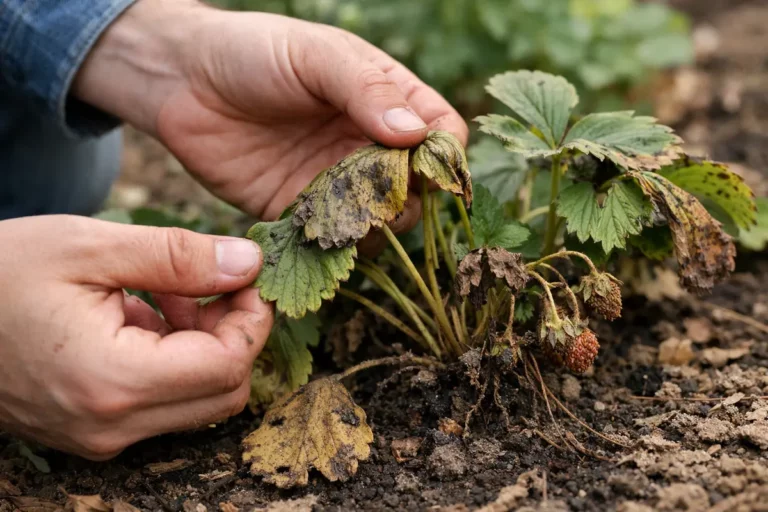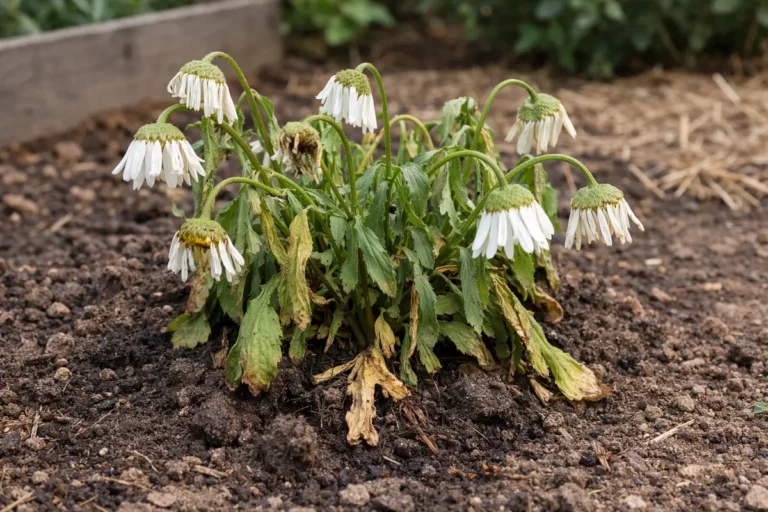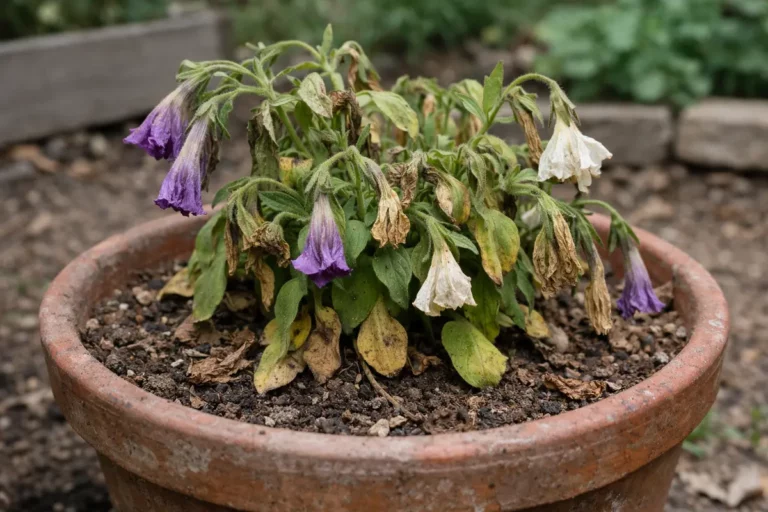

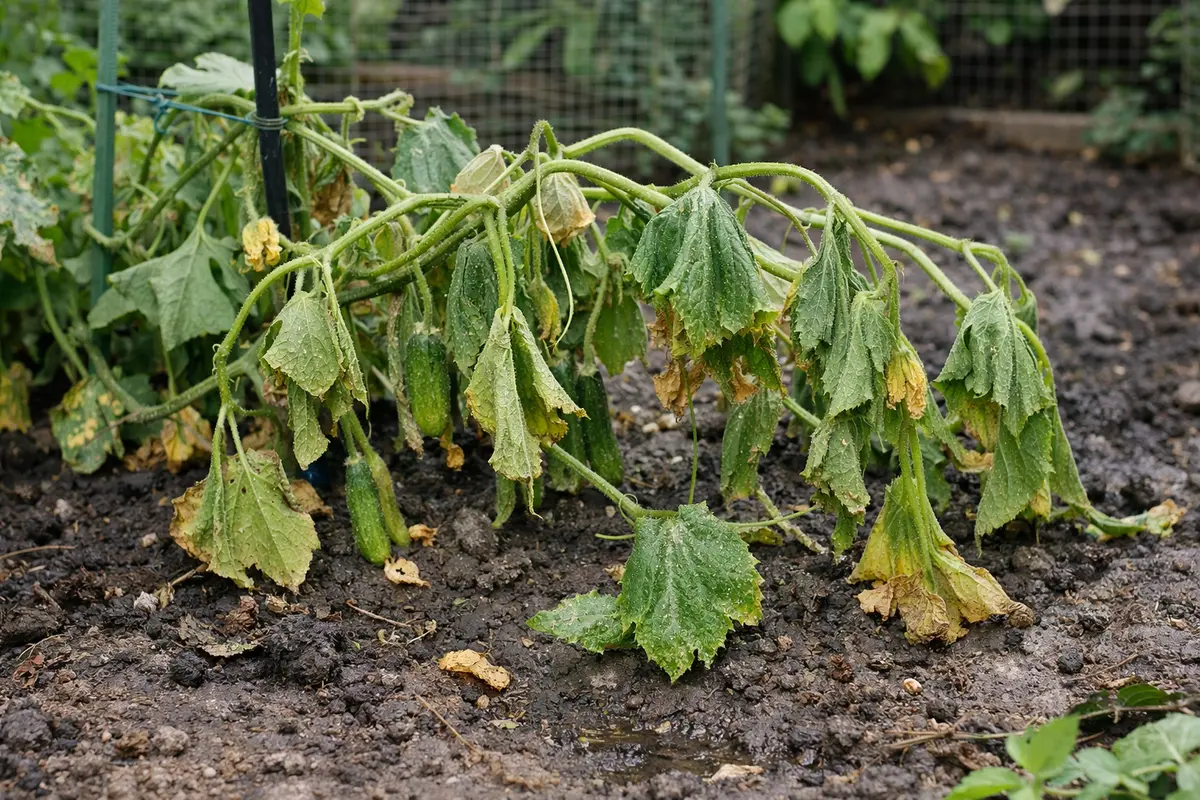
You may notice your cucumber plants droop after watering, especially on hot summer days, which is why you need to know what to do when cucumber plants droop after watering. This drooping can occur due to overwatering or root stress, leading to wilting and potential damage to the plant. If ignored, this problem only gets worse, weakening the plant and stalling growth. However, fixing it is possible now by adjusting your watering schedule and checking the soil moisture. By inspecting the plants regularly and monitoring their health, you can help them recover and thrive again.
Step 1 – Inspect Cucumber Leaves for Immediate Wilting
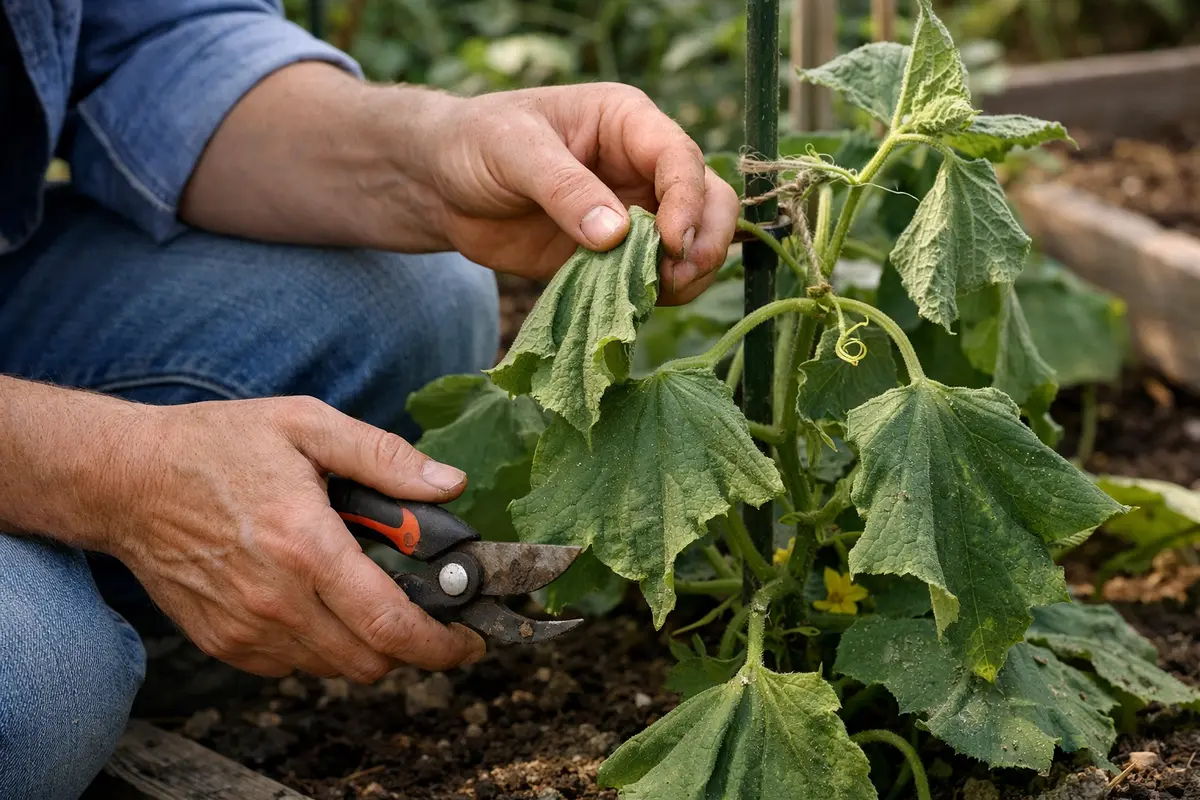
Start by checking the lower leaves of your cucumber plants for signs of wilting or drooping. You will notice the leaves appearing limp, droopy, and less vibrant, which indicates immediate stress. This can happen right after watering, particularly if the soil is holding too much moisture or if the roots are struggling to take in water. In severe cases, you might even see discoloration or browning at the edges of the leaves, which suggests prolonged stress.
Wilting occurs when the plant’s ability to transport water is impaired—either through root issues or environmental stress. If the cucumber leaves continue to droop without improvement, it may indicate root rot caused by overwatering, particularly in dense soils that do not drain well. Time is crucial here; acting quickly limits the spread of any damage and sets the stage for proper recovery. If you see wilting two hours after watering, checking moisture levels becomes even more vital. Early intervention can make a significant difference, as leaves can recover in a matter of hours if conditions are restored.
It’s common for gardeners to rush to add more water when they see plants drooping, assuming they are thirsty. This is a mistake. If the soil is already wet and the roots are not absorbing water, additional watering can worsen the scenario. Always inspect the soil moisture first by feeling a few inches down; if it’s damp, your first action should aim at diagnosing soil conditions rather than adding more water to an overly saturated environment. If you dig and find the soil has a muddy consistency, it signals that the soil is too wet, prompting a need to reconsider your watering schedule or technique, such as using a moisture meter for accuracy.
Step 2 – Diagnose Soil Compaction Affecting Cucumber Roots
First, check the moisture level of the soil by inserting your finger about an inch deep. If the soil feels overly saturated, reduce watering and allow the soil to dry out slightly. You should see the leaves begin to perk up within a day or two as the roots regain access to vital oxygen. Observing this recovery is an encouraging sign that the correct course of action has been taken.
Cucumber plants droop mainly due to root oxygen deprivation caused by excessive waterlogging. When the soil is too wet, it restricts the roots’ ability to breathe, leading to wilting and drooping symptoms. In contrast, if the soil is dry and the plants are wilting, it’s a sign of dehydration and indicates they need immediate watering to prevent permanent damage. This distinction is critical; understanding whether your plants are thirsty or drowning can dictate your next steps.
If the soil smells sour and has an overly dense texture, it may be suffering from root rot, which requires you to improve drainage and possibly repot the plant with fresh soil. Conversely, if the soil is dry, give the plants a thorough watering, ensuring it reaches the root zone without causing waterlogged conditions. Soil compaction affects the aeration necessary for root health, meaning roots can’t effectively absorb water. When roots are unable to access adequate moisture and air, plants exhibit drooping as a stress response. For instance, if you dig around the roots and find them tightly bound with little to no space for growth, this reinforces the need to aerate the soil or consider transplanting into a looser potting mix.
If you notice that the soil smells sour when you dig slightly below the surface, this is a sign of anaerobic conditions where oxygen is scarce. In such cases, it’s advisable to amend the soil by adding organic materials like compost or peat moss, which can enhance drainage and improve structure. Check for varying soil textures; if your garden soil is made up of heavy clay, focus on amending it more thoroughly than sandy soils to avoid prolonged wilting. Incorporating materials into poorly draining soils can take several weeks to show effects; be patient but monitor for further drooping during this time, as ongoing careful observation will help identify if the solution is effective.
Step 3 – Revive Wilting Cucumbers with Balanced Fertilizer
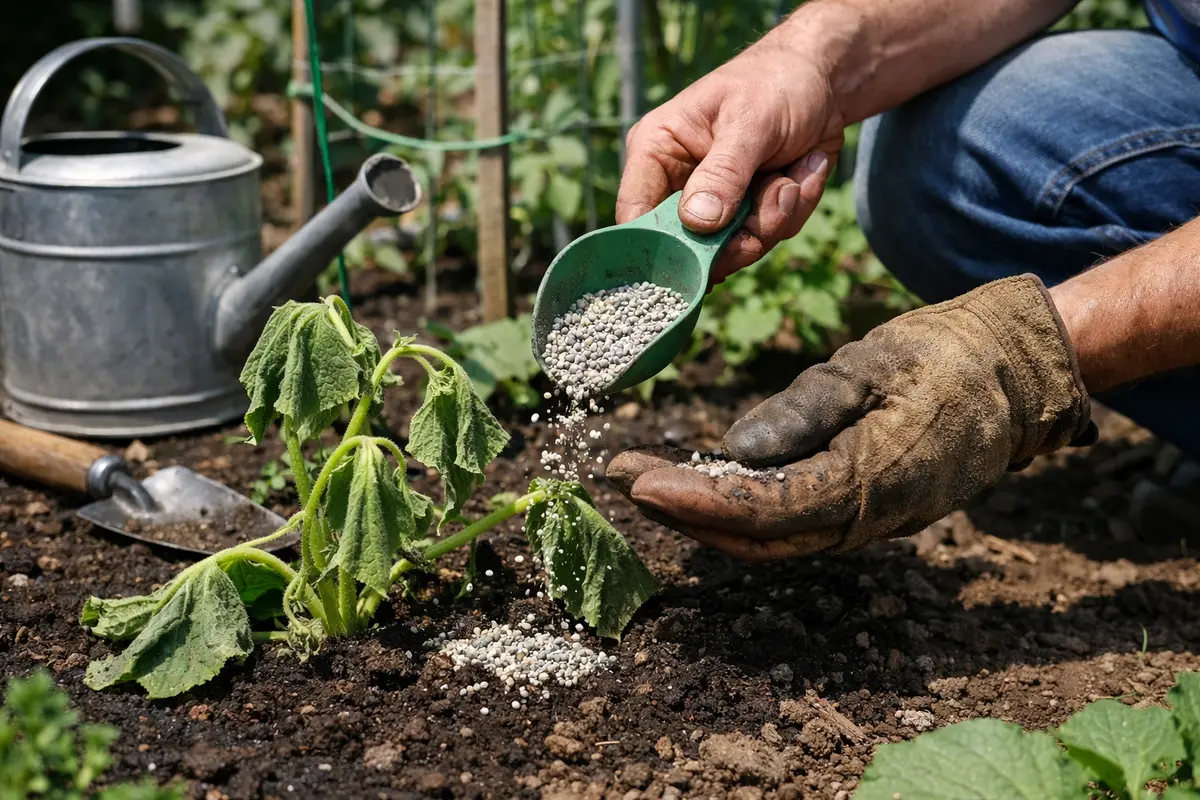
Apply a balanced fertilizer to your cucumber plants to help restore their vitality. After fertilizing, you will notice healthier foliage and increased perkiness in the leaves within a few days. This rejuvenation supports their recovery process—providing essential nutrients that may have been lacking due to the stress of excessive moisture or nutrient deprivation. Use a fertilizer with equal ratios of nitrogen, phosphorus, and potassium to ensure a balanced nutrient intake; a formulation like 10-10-10 is practical and provides well-rounded support.
The application of fertilizers replenishes nutrients that cucumbers require for photosynthesis and new growth—components crucial for returning to a healthy state. Once nutrients are supplied, the plant can draw in moisture more effectively, helping to mitigate drooping. Observing improvement in foliage is crucial; if the leaves become bright green and perky within a week, this often signals that the plant is on the road to recovery. However, if, after two weeks of feeding, no improvements appear, consider checking for further issues such as pests or diseases that may be hindering growth and overall health.
However, moderate the amount of fertilizer you use. Applying too much can lead to fertilizer burn, particularly if the plant is already stressed. It’s best not to fertilize too frequently; in most cases, every four to six weeks is sufficient. Be cautious if your cucumbers are in containers; they may require slightly more frequent feeding since nutrients can leach out faster compared with garden beds. Additionally, if you begin to see leaf tips browning or the plant exhibiting signs of distress despite fertilization, it may indicate nutrient overload or imbalance, prompting the need to reassess your fertilizer application strategy.
Step 4 – Water Cucumber Plants Smartly in Hot Weather
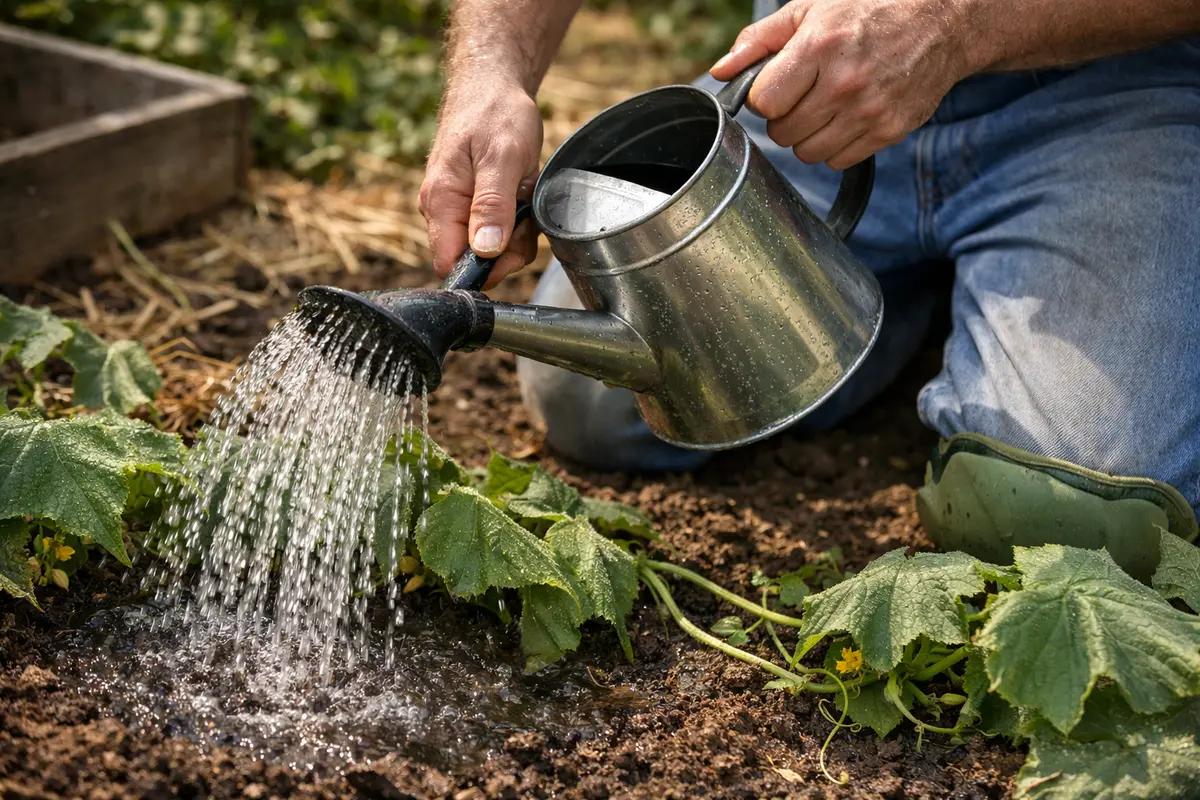
Water your cucumber plants in the early morning or late evening to ensure moisture is absorbed effectively. By following this routine, you will find the plants remain hydrated and less prone to wilting, especially in harsh weather. Consistently timing your watering helps minimize excessive evaporation during the heat of the day. If you see signs of wilting in the afternoon, it often means the plants aren’t receiving enough moisture during peak sunlight hours and could potentially face serious stress if not addressed.
Watering in cooler hours enhances moisture retention while preventing over-saturation during peak temperatures when transpiration rates are at their highest. This method encourages deeper root growth, which supports the plant’s ability to withstand drought conditions later. Also, try to direct water to the base of the plants rather than overhead to avoid leaf wetness that can lead to fungal issues. If the soil moisture appears inconsistent, investing in a moisture meter can help provide an accurate and cumulative insight into your watering needs, allowing for a more responsive approach.
During scorching summer days, adjusting your watering frequency to meet the plant’s needs becomes essential. If you notice yellowing or browning at the leaf edges despite regular watering, this indicates signs of inadequate hydration or heat stress. Observe the weather patterns; during particularly hot spells, cucumbers may require daily watering to maintain their health and prevent drooping. You might find that watering every other day works better in these conditions, especially if your area experiences prolonged heat. Consider mulching around the base of your plants to conserve moisture, but ensure the mulch doesn’t block water absorption at the soil level—if you see the soil surface cracking, it’s a sign that water isn’t penetrating effectively, indicating the need for a more aggressive watering strategy.
Step 5 – Check Cucumber Vines for Drooping Symptoms Regularly
Recheck your cucumber plants every few days to monitor any returning symptoms or improvements. You should observe firm leaves and healthy growth, indicating successful recovery. This ongoing observation allows you to react quickly should any issues arise again. If you see signs of renewed wilting within a week of treating, this may warrant a more aggressive approach, such as checking for pests or considering further amendments.
You will recognize when your cucumbers are thriving if the leaves are perky, green, and growing robustly, which shows that the plant has adapted back to optimal conditions. Well-watered and nourished cucumbers will also have vibrant fruit developing at the base of the flowers, signaling the plants are healthy once again. Early detection of any wilting symptoms allows for a quick fix before they worsen and cause long-term damage. Should problems reoccur, dig slightly to ascertain if the roots are remaining healthy and moist. Note that if the roots appear darkened and mushy, root rot may be taking hold, necessitating immediate action.
If you start to see drooping again despite previous care, consider checking for pests or diseases. An infestation can sap the plant’s strength even if you’ve addressed soil and watering issues. Look for visible signs such as webbing or chewing on leaves; this could indicate pests like spider mites or cucumber beetles. Regular pest monitoring is crucial; when in doubt, consult local extension services or gardening groups for tailored advice. Additionally, maintaining good garden hygiene by removing debris can help prevent pests from establishing. Regularly rotating your planting location annually can also mitigate pest buildup in the soil and is an effective long-term strategy for pest management.
FAQ
How long does it take for cucumber plants to recover from drooping?
Typically, with prompt attention, cucumber plants can show signs of recovery within 3 to 5 days after correcting issues like watering or nutrient deficiencies. Improved leaf firmness and color usually indicate successful recovery. If no recovery is noted within this timeframe, further inspection is necessary to identify underlying issues.
Can drooping lead to more serious problems for cucumber plants?
Absolutely. If drooping is ignored, plants can develop root rot or other diseases, which may severely impact overall health and yield. Addressing the issue early can prevent long-term damage, which can manifest as stunted growth, wilted leaves, or even plant death depending on the severity and duration of neglect.
Should I remove drooping leaves from cucumber plants?
Only remove drooping leaves if they are severely damaged or diseased, as this can help redirect energy to healthier parts of the plant. Lightly drooping leaves often bounce back with proper care and can eventually contribute to the overall health of the plant. Always examine the rest of the plant for accompanying issues before making the cut.