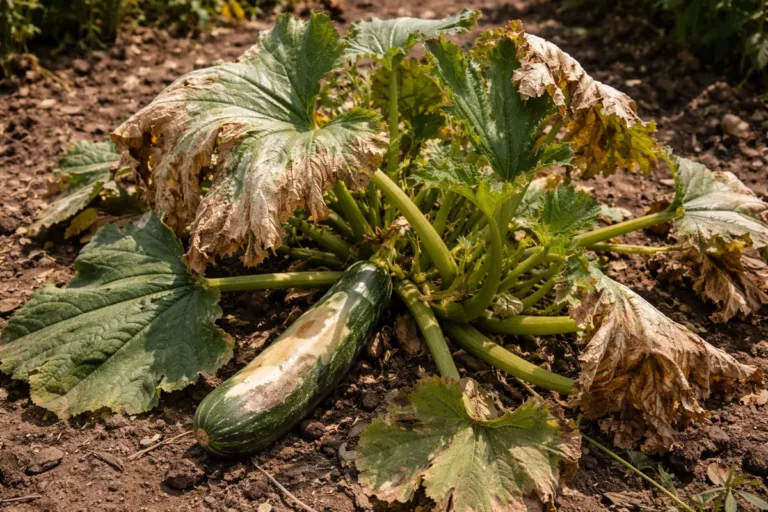
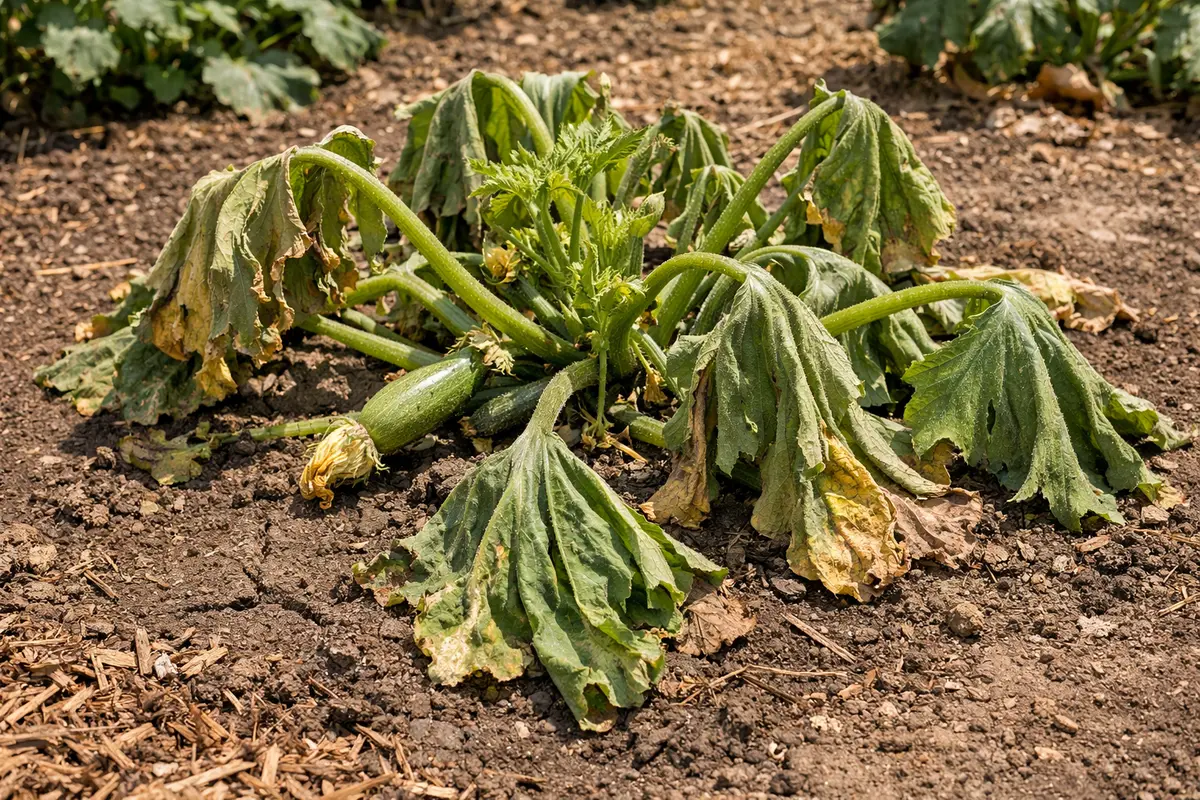
You may notice your zucchini plants drooping during a heatwave, a clear sign that you need to know what to do if zucchini plants droop during heatwave. This drooping often occurs due to insufficient water uptake, causing wilting and stress in the plants. If ignored, this condition worsens and can weaken the plant, but you can fix it now by adjusting your watering schedule and inspecting the soil moisture levels.
Step 1 – Water Zucchini Plants Immediately in Heat
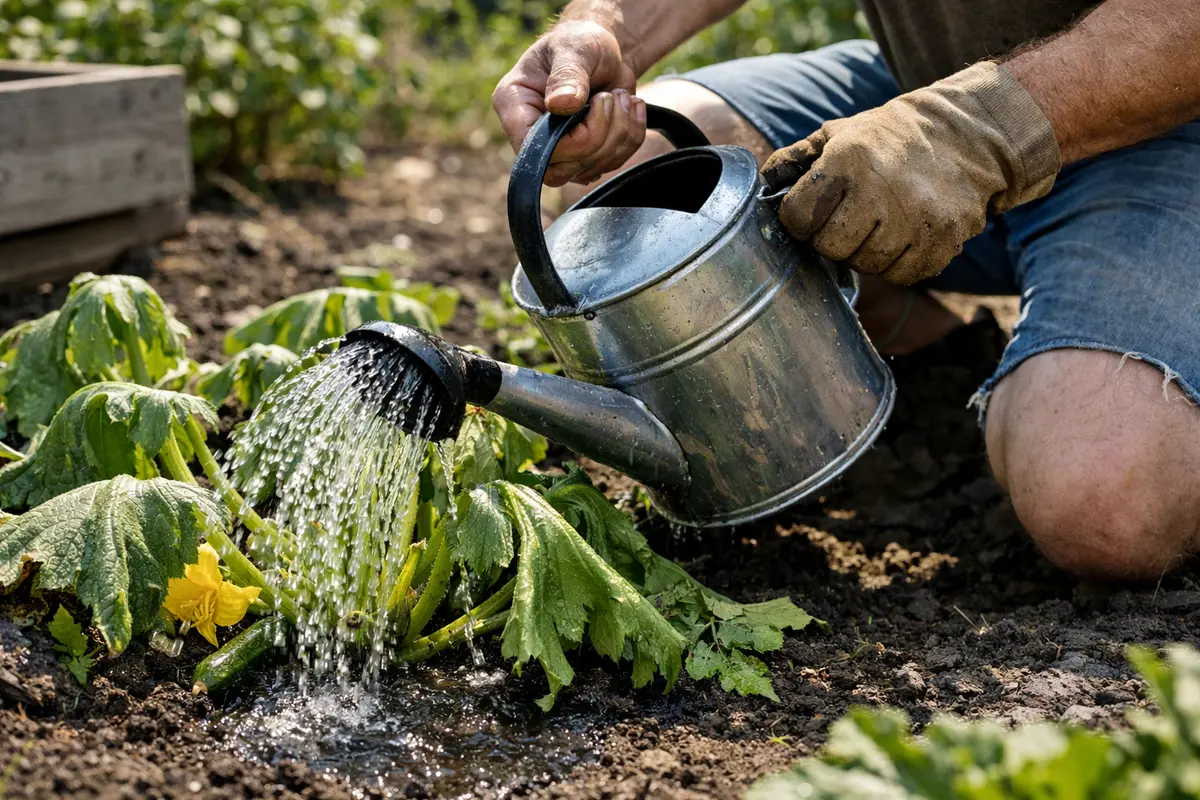
Water the zucchini plants immediately to provide relief from heat stress. You will see the drooping leaves begin to perk up within a few hours after watering. Deeply watering the soil helps to revive the plant and restore moisture lost due to high temperatures. Make sure to water at the base of the plant rather than overhead to reduce evaporation. This method ensures that water reaches the roots where it is needed most.
Rapidly applying water is vital because, during extreme heat, zucchini plants can lose moisture faster than they can absorb it. The moisture travels through the plant, aiding in cellular function and keeping the leaves turgid. When this moisture is lacking, the cells collapse, causing wilting and drooping. In high temperatures, monitoring soil moisture daily may be necessary to prevent quick dehydration. If you assess the plants in the morning, this is often the best time to check moisture levels and assess overall plant health after a hot night.
A common mistake gardeners make is watering superficially without ensuring that moisture reaches deep into the root system. In hot weather, roots buried deeper in the soil may still be parched while the surface appears moist. Checking the moisture level at 6 inches deep in the soil ensures that the roots receive adequate hydration. Apply water slowly to allow it to penetrate deeply rather than running off the surface, which is particularly crucial during a heatwave. If water pools on the surface rather than soaking in, you may need to adjust the application method; consider breaking it into smaller increments to ensure better absorption.
Step 2 – Diagnose Wilting from Heat Stress Factors
Check for symptoms of heat stress by inspecting the soil moisture and plant condition. If the soil feels dry down to 2-3 inches and the leaves remain wilted, the problem is most likely related to moisture loss. If the soil appears saturated, adjust your approach to avoid exacerbating any root rot issues. Using a moisture meter can also help provide a more accurate reading of the soil conditions, especially in challenging conditions where soil appears misleadingly dry on the surface.
This step is crucial because understanding whether dehydration or rot is the issue helps direct the corrective action. Dry soil indicates a need for immediate watering, while soggy soil signals a root rot problem that requires attention. In healthy conditions, roots take up water and nutrients, sustaining the plant’s vitality. Conducting a simple finger test—pressing your finger into the soil—can lead to appropriate actions as soil appearance may not always reveal the truth. If your finger remains clean upon pulling it out, then the soil likely needs watering.
If the soil is dry yet the leaves are yellowing, it may indicate that a buildup of salts or nutrients could cause stress. In that case, a heavier watering or a mild flush of soil with clear water may be necessary to wash away these unwanted compounds. Ensure that the flush consists of about twice the volume of the pot or planting area to effectively clear any built-up toxins that may hinder growth. If you observe the soil caps are crusty or discolored, this further supports the idea that salts are accumulating, which can damage roots if not addressed promptly.
Step 3 – Test Soil Moisture Around Zucchini Roots
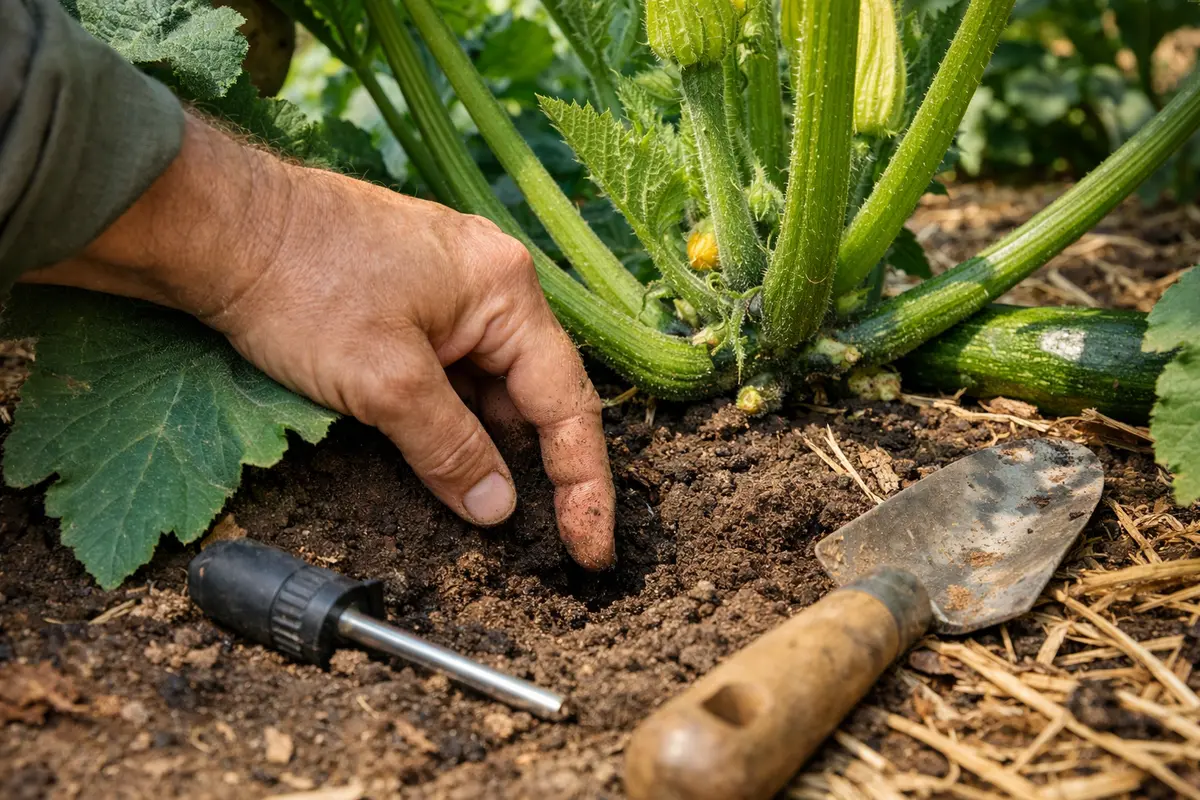
Inspect the soil moisture around the zucchini roots to pinpoint the underlying cause of drooping. Confirm whether the soil is adequately moist by inserting your finger into the soil about two inches; if it feels dry, that’s a sure sign of dehydration. Take immediate action to remedy the situation, particularly during a heatwave when loss rates elevate. If the soil feels compacted, loosening it with a hand trowel can also improve water infiltration, allowing moisture to reach the roots more effectively.
Distinguishing the type of soil condition is key; for instance, well-draining sandy soil may dry out quickly under heat stress, while clay soils tend to retain moisture and could lead to root issues. Knowing your soil type informs your watering strategy, helping you address the specific needs of your zucchini plants. For sandy soils, consider increasing the watering frequency to ensure the roots remain hydrated despite the rapid drainage. In contrast, with clay soils, a lighter, more frequent watering regime helps prevent overly saturated conditions that can cause root rot.
If you still have doubts about the issue, observe the foliage closely. If leaves begin to yellow while the soil remains moist, root rot may be developing. Additional measures, such as digging slightly to inspect root health, could reveal whether the roots are darkened or mushy, indicating deterioration. Noting the smell of the soil can also provide clues; a sour or rotten smell is often indicative of root rot issues that need urgent attention. If roots are indeed rotting, trimming away the affected areas is imperative, as further issues will arise if the rot remains unchecked.
Step 4 – Feed Zucchini to Promote Recovery from Droop
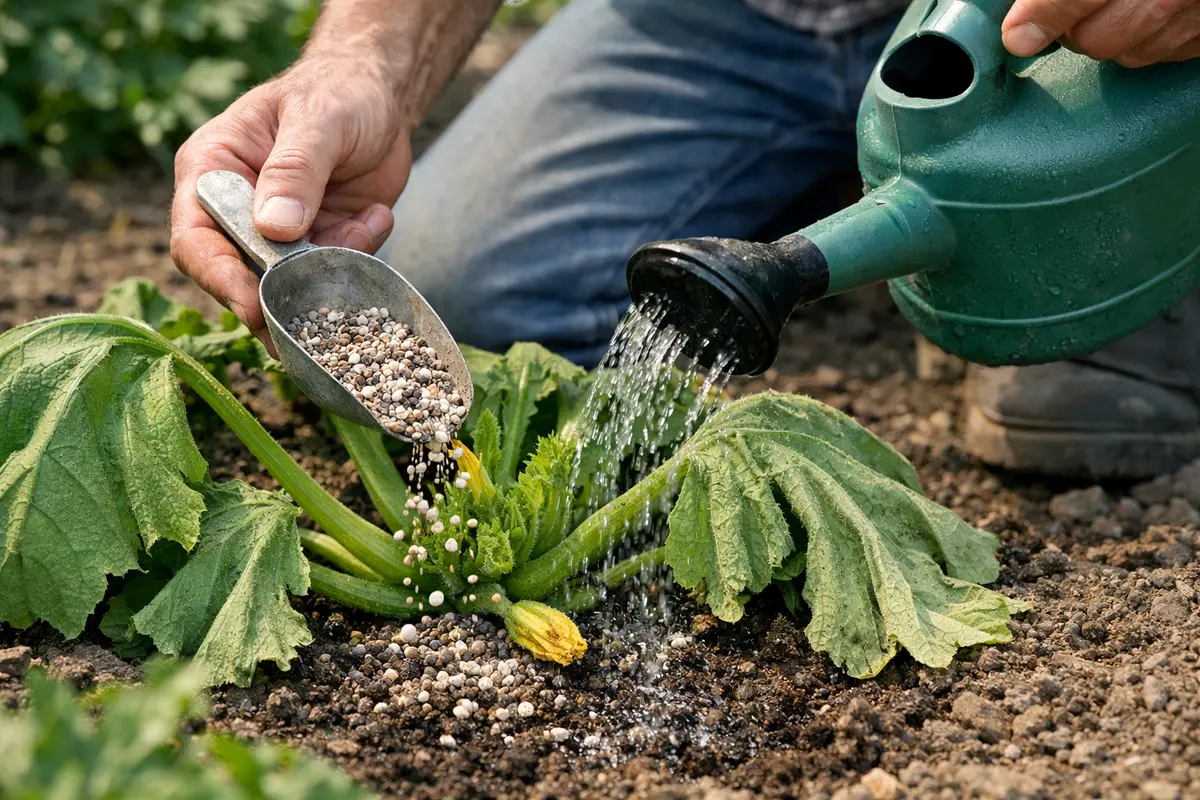
Apply a balanced fertilizer high in potassium, such as one with a 5-10-10 N-P-K ratio, to promote recovery in the zucchini plants. Over the next few days, you should see new green growth emerging, and the leaves should become more upright. A nutrient boost, especially potassium, can help the plant overcome stress and support healthy new foliage, ensuring that it uses available water more efficiently. Be sure to follow the manufacturer’s instructions regarding the amount, typically no more than a tablespoon per square foot of garden area.
Introducing nutrients back into the soil is integral for the revival process because depleted nutrients hinder the plant’s growth and ability to recover from stress. Potassium is particularly effective in enhancing plant resilience against adverse conditions, improving water retention, and promoting overall health. Monitoring the recovery response is essential to understand if the application is effective; a soil test may reveal remaining nutrient levels for future adjustments. If recovery is slow or at a standstill, a second application may be warranted, typically 4 to 6 weeks after the initial feeding.
Be careful not to over-fertilize during recovery; too much fertilizer can further stress the plant and lead to nutrient burn. Look for signs such as burnt leaf edges or stunted growth; if any signs of scorching appear, reduce the application frequency or switch to a more diluted solution. Additionally, using a slow-release fertilizer may help control the nutrient supply and minimize the risk of over-fertilization. If using a liquid feed, applying it during the cooler parts of the day—early morning or late afternoon—can help avoid damaging the plant and ensure better nutrient uptake.
Step 5 – Water Regularly to Prevent Heat Stress
Start by providing shade for your zucchini plants during peak sun hours. This will reduce the intense heat stress on the leaves, allowing them to maintain their structure and preventing drooping. A simple solution could be placing row covers or shade cloth overhead, which should block about 30-50% of the sunlight. Over time, this method allows for gradual acclimatization to the heat while preventing sudden temperature stress.
When temperatures soar, direct sunlight can cause the soil to dry out and heat up excessively, leading to stress in zucchini plants. By creating shade, you help moderate the soil temperature and retain moisture, addressing the root cause of the droop. Without shade, you may observe wilting even after watering, while shaded plants will maintain their upright position. Observing the daily heat conditions helps in timed shade applications; during extreme heat, keeping a close watch on midday temperatures could dictate the urgency of shade management.
During particularly severe heatwaves, increase your watering frequency by using mulch to retain moisture. Adding a layer of organic mulch around the base of the plants can help keep the soil cool and reduce evaporation, particularly in mid-summer when heat stress is more pronounced. Aim for a thickness of about 2-4 inches to provide effective insulation, but avoid piling it against the plants’ stems to prevent rot. Identifying how environmental factors contribute to heat stress is important; outdoor temperatures above 30°C cause rapid soil evaporation. Regular watering counteracts this by replenishing lost moisture, allowing the plants to absorb the necessary nutrients. As heat waves can be unpredictable, keeping a close eye on weather forecasts and adjusting your schedule accordingly can ensure that plants receive adequate moisture.
Step 6 – Inspect Leaves for Signs of Recovery After Care
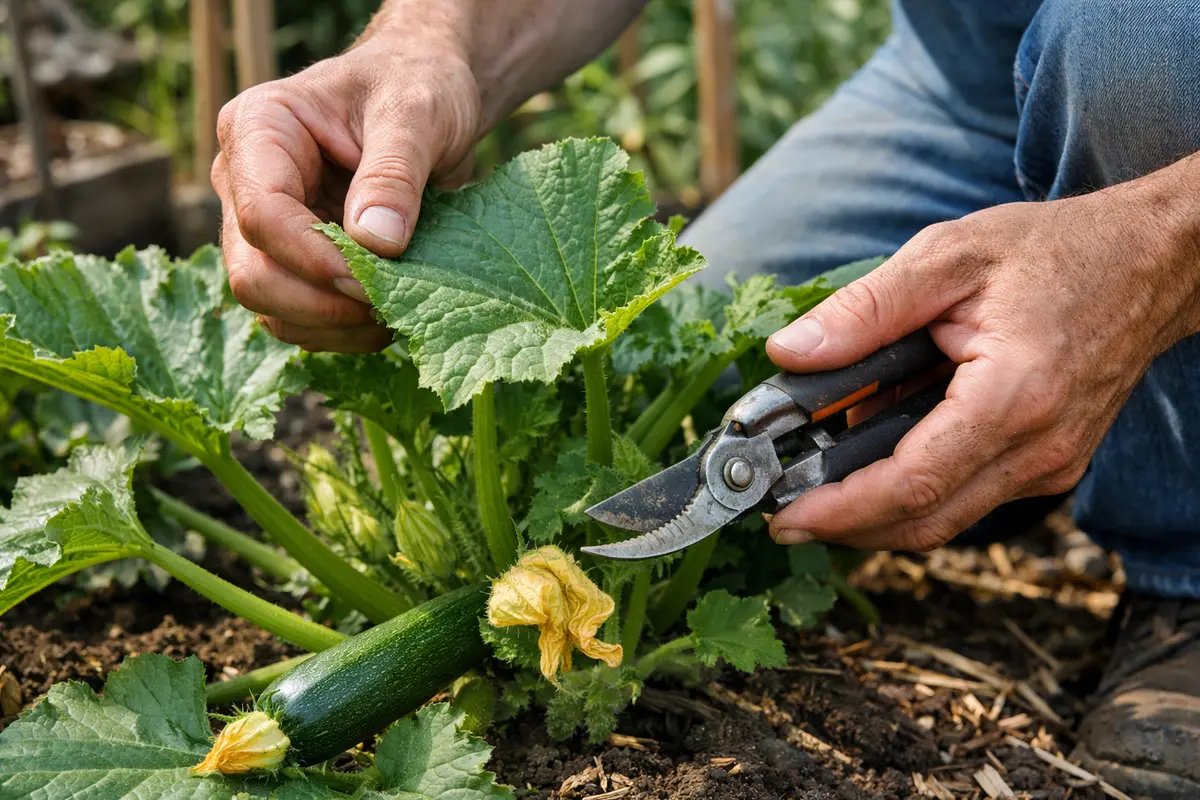
Check the leaves of your zucchini plants for signs of recovery after implementing your care routine. Wilting leaves should start to regain firmness and return to a vibrant green hue within a week of adequate care. Take notes of your plants’ conditions to see if consistent watering and nutrient supply are making a difference. This ongoing observation allows for timely adjustments if needed. If any new growth appears, particularly in previously drooping leaves, this usually indicates successful recovery.
Visibly healthy plants will display new growth while older leaves regain their rigidity. Monitoring changes, such as leaf color and texture, enables you to gauge whether your interventions are effective. In contrast, if yellowing and drooping return, it could indicate ongoing issues necessitating a revisit to previous steps. Keeping a journal of plant conditions can help track patterns and refine care strategies, helping you better predict when additional intervention is needed. If signs of pest infestations or diseases manifest, they must be dealt with promptly, as they can stunt growth and hinder recovery.
If signs of recovery are slow or if problems persist, consider reassessing your soil conditions or watering frequency. If necessary, consult with a gardening expert to evaluate your care techniques. Regular consultation with local gardeners can provide insights tailored to your climate, while checking for pests or diseases that may interfere with recovery ensures you remain attentive to the needs of your zucchini plants as weather conditions continuously evolve. In challenging situations, reaching out through local gardening clubs or forums can provide personalized insights based on shared experiences from other gardeners in your area.
FAQ
How can I tell if my zucchini plants will recover?
If your zucchini plants show signs of new growth and their leaves regain firmness, they are on the path to recovery. Generally, new growth should appear within a week after care adjustments. Regular monitoring will help you assess whether the improvements are sustainable, allowing you to fine-tune care practices as needed.
Can overwatering also cause drooping in zucchini plants?
Yes, overwatering can mimic heat stress symptoms in zucchini plants, causing yellowing and limp leaves. If the soil feels soggy and the roots show signs of rot, cut back on watering immediately and improve drainage. Allowing the soil to dry slightly before re-watering can prevent further issues and encourage healthier growth patterns.
Should I prune wilted leaves off my zucchini plants?
It’s advisable to remove severely wilted or yellowing leaves to encourage new growth and improve airflow around the plant. However, do this cautiously; only remove leaves that are clearly dead or damaged. Pruning can help focus the plant’s energy on healthy leaves and fruit development, ultimately contributing to better yields in the long run.