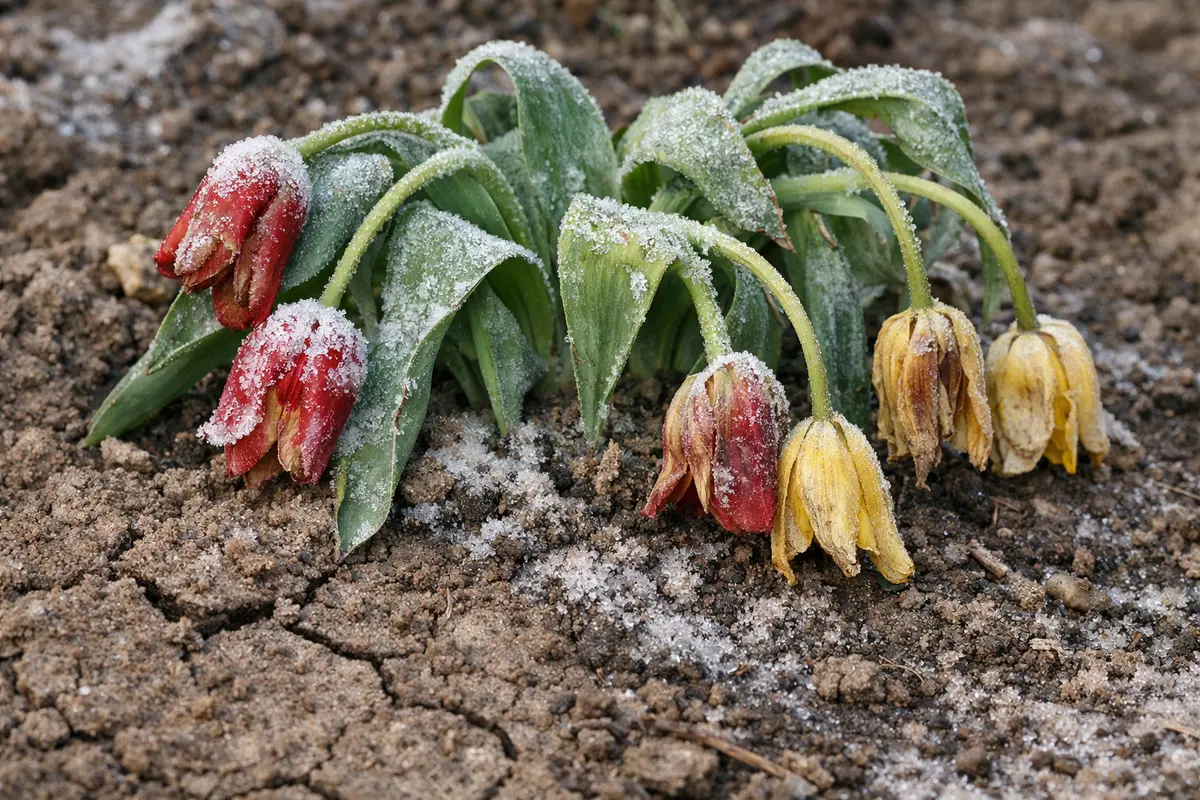
You may notice your tulips drooping dramatically after a sudden cold snap, which is why you need to know why do my tulips droop after cold snaps. This drooping occurs as the flowers struggle to recover from the stress of cold temperatures, leading to wilting and potential long-term damage. If left unaddressed, the issue can worsen, weakening the plant and stalling growth, but fixing it is possible now if you inspect for signs of damage and adjust your care routine accordingly.
Step 1 – Inspect Drooping Tulips After Frost Damage
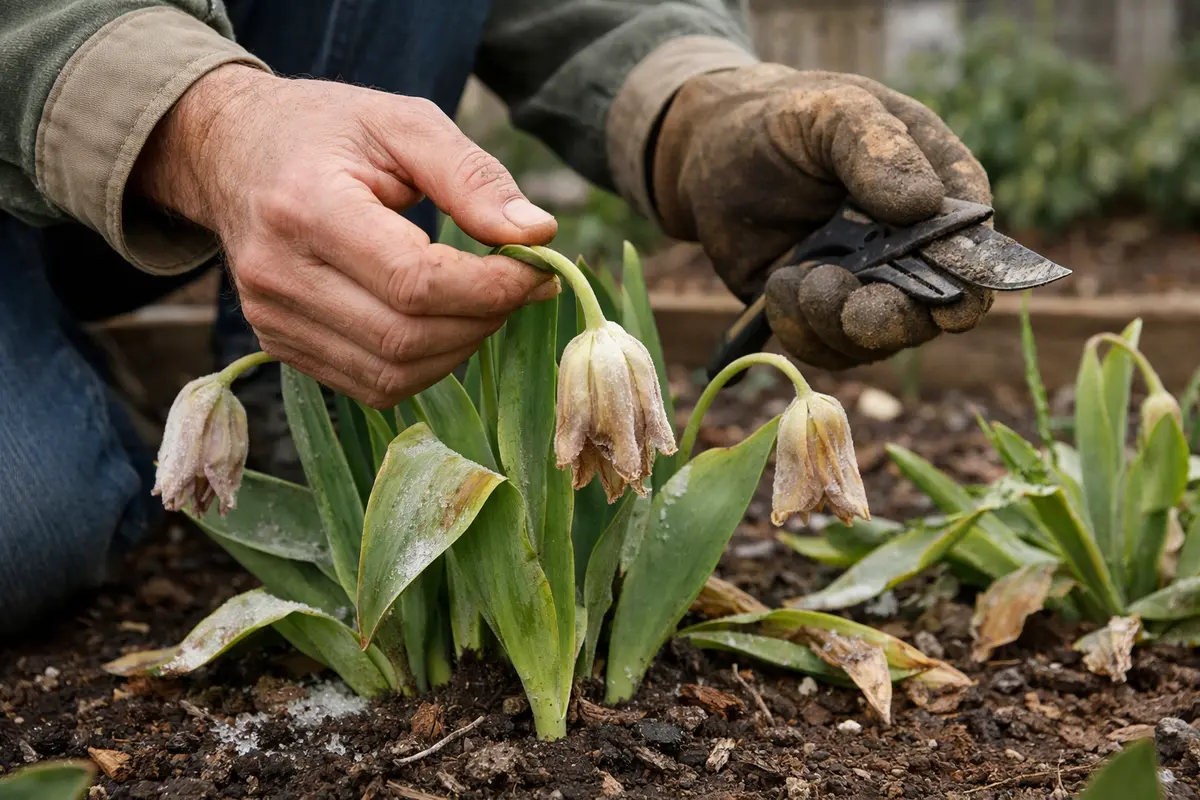
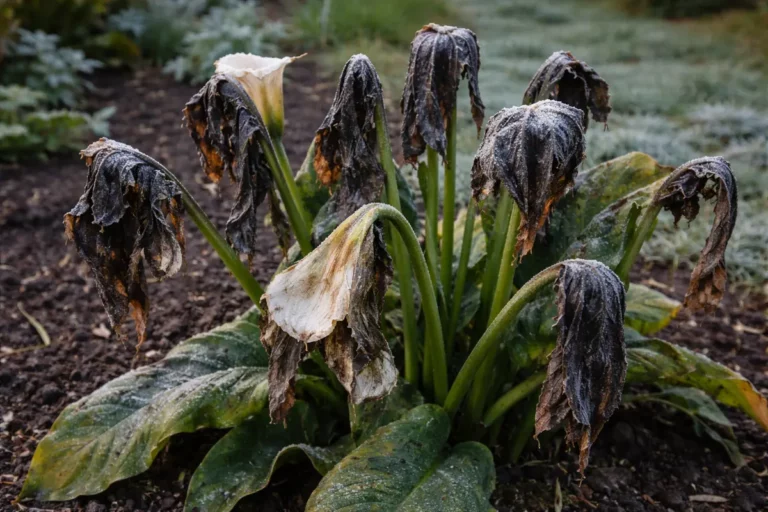
Start by checking the base of the drooping tulips for signs of frost damage. You should see any affected stems or leaves showing wilting or discoloration immediately after this inspection. Look for pale or blackened areas at the stem’s base, as those will indicate where cold damage is most severe. If the stems feel mushy, frost has likely compromised their integrity. Perform this inspection during the warmest part of the day, as this will make the symptoms of cold damage more evident.
Examining the base helps you determine how severely the plant was impacted by cold weather. Tulips can sustain some frost effect but will quickly deteriorate if the damage is extensive. If the outer leaves are wilting while the inner stems still seem firm, then recovery is possible; however, if the entire plant looks weak, it may be a sign of severe damage that needs urgent care. Actions taken soon after noticing the problem can prevent further loss or stress, as cellular damage becomes more pronounced with time. After a cold snap, it’s imperative to act before the damage progresses beyond recovery.
A common mistake at this stage is assuming that all drooping is related to dry soil. Many gardeners overlook the specific effects of cold on cellular health, believing that watering will fix the issue. Be proactive and check for frost damage before applying more water, as this can aggravate the problem instead of resolving it. If the drooping persists despite adequate watering, the underlying issue is probably not related to moisture but rather to damaged tissues. If you find brown spots or unusual textures on leaves after inspection, these are direct indicators of frost damage that warrants immediate attention.
Step 2 – Determine Watering Issues Contributing to Drooping
Start by checking the moisture level in the soil surrounding your tulips. If the soil is overly wet or waterlogged due to melting snow or heavy rain after a cold snap, take immediate action by improving drainage, which should result in more upright and vigorous tulip blooms within a few days.
This drooping often indicates that the roots are struggling with excess water, leading to oxygen deprivation in the soil. Without sufficient oxygen, the roots cannot absorb nutrients effectively, causing the plant to weaken and droop. If the soil feels crumbly and well-drained, it might be a different issue related to cold stress that affects the tissues directly rather than the root environment.
If you notice blackened or mushy roots upon inspection, remove the affected bulbs and replace them with new ones. Alternatively, if drooping persists despite proper drainage, check for signs of frost damage on the leaves or petals, as this can also contribute to wilting and requires a different approach, such as providing wind protection or mulching.
When tulips droop after a cold snap, it often indicates their roots are struggling due to excess moisture trapped in the soil. Waterlogged conditions can lead to root rot, reducing the plant’s ability to take up water and nutrients effectively. In contrast, if your tulips are drooping but the soil feels dry, they could be suffering from dehydration, requiring immediate watering instead.
If you notice that the soil smells sour or has an unusual odor, this indicates anaerobic conditions that promote rot. In this case, consider removing the affected bulbs and replanting them in well-draining soil amended with organic matter. However, if the soil remains dry to the touch, check for pests damaging the roots that might also cause drooping.
Overwatering or poor drainage can worsen drooping after cold stress. When soil remains saturated, it can suffocate roots, reducing their ability to uptake vital nutrients and water needed for recovery. Checking moisture ensures that you address the right condition—if the soil is saturated, it can exacerbate wilting, masking signs of frost damage. If you experience persistent soggy conditions, consider repotting the tulips with a well-draining mix to promote healthier root development. Observing the soil texture can also offer clues; a muddy consistency often indicates poor aeration around roots.
If the soil smells sour, indicating rot or fungal development, your next step is to remove any mushy roots and allow for proper drainage. This helps prevent further rot and supports healthy root development. Trim off the damaged portions and amend the soil by adding sand or perlite to facilitate better drainage conditions. A well-draining potting mix can also assist if dealing with container tulips. Additionally, think about checking drainage holes in the pot if you notice a pattern of water accumulation. If you find standing water in the pot after watering, this indicates a serious drainage issue that needs to be rectified immediately to prevent total root failure.
Step 3 – Revive Drooping Tulips with Proper Watering
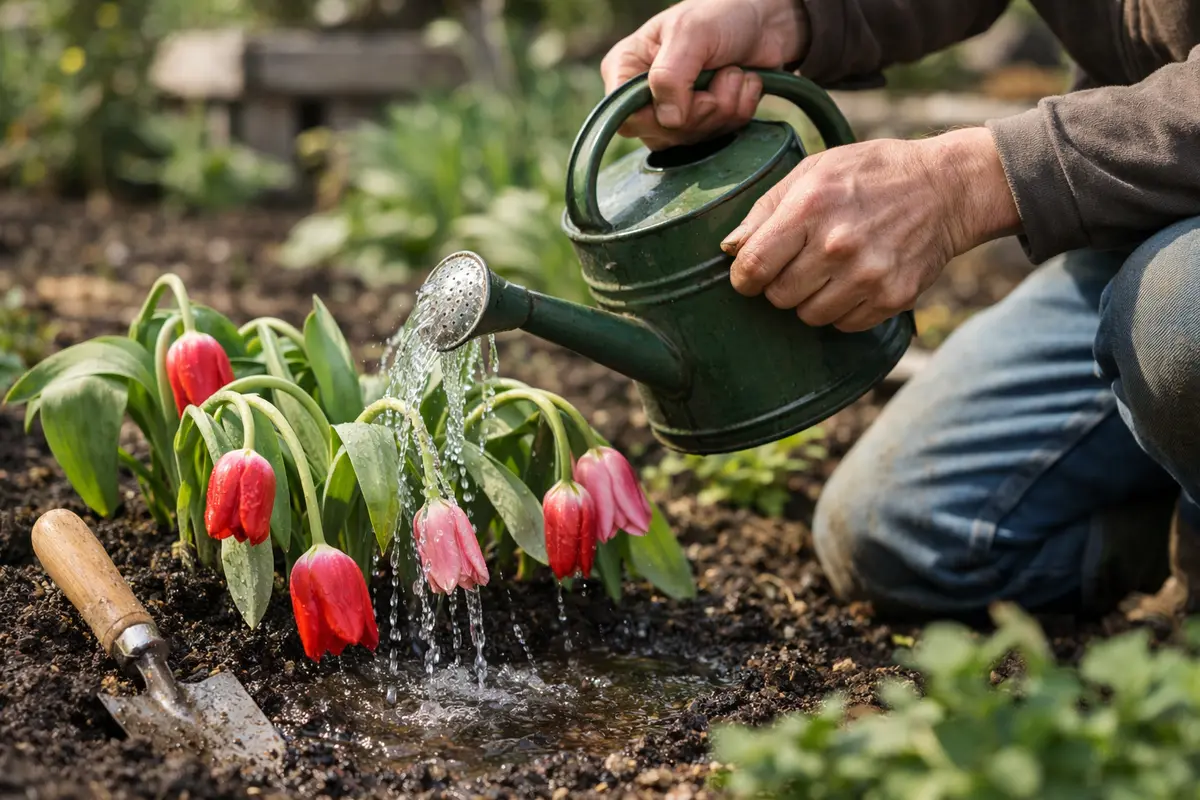
Water the tulips with a diluted nutrient solution if soil moisture is balanced. Healthy green leaves should start to reappear within a week as the plant reacts positively to the nutrients. Use a balanced liquid fertilization that contains equal parts nitrogen, phosphorus, and potassium to maximize recovery and growth. If applied correctly, new growth will emerge from the base, signaling that the tulips are on the mend. Be cautious not to apply fertilizer if roots are too compromised; this will only serve to stress the plant more.
Applying the right nutrients can improve plant vigor as they recover from both cold damage and any underlying watering issues. A liquid fertilizer that encourages root strength and leaf growth helps. Keep in mind that balanced nutrition will promote overall resilience against environmental stresses moving forward. Ensure to read the product directions for the appropriate dilution rate, as this often plays a critical role in avoiding fertilizer burn. If growth does not resume within two weeks, reconsider the health of roots and potentially explore other restorative measures.
A common error during recovery is to overwater, thinking the plants need more moisture. When resuming watering, focus on consistency rather than quantity, as too much water can lead back to root rot. With vigilant care, you can see refreshed growth and stabilized blooms in a matter of days. If you observe that the tips of the leaves are turning brown, it often indicates too much fertilizer or water, so consider scaling back accordingly. Remember, healthy growth will often reveal itself in a fresh, larger leaf size rather than just quantity; monitor not just for numbers but overall health improvement.
Step 4 – Protect Tulips from Future Cold Snap Effects
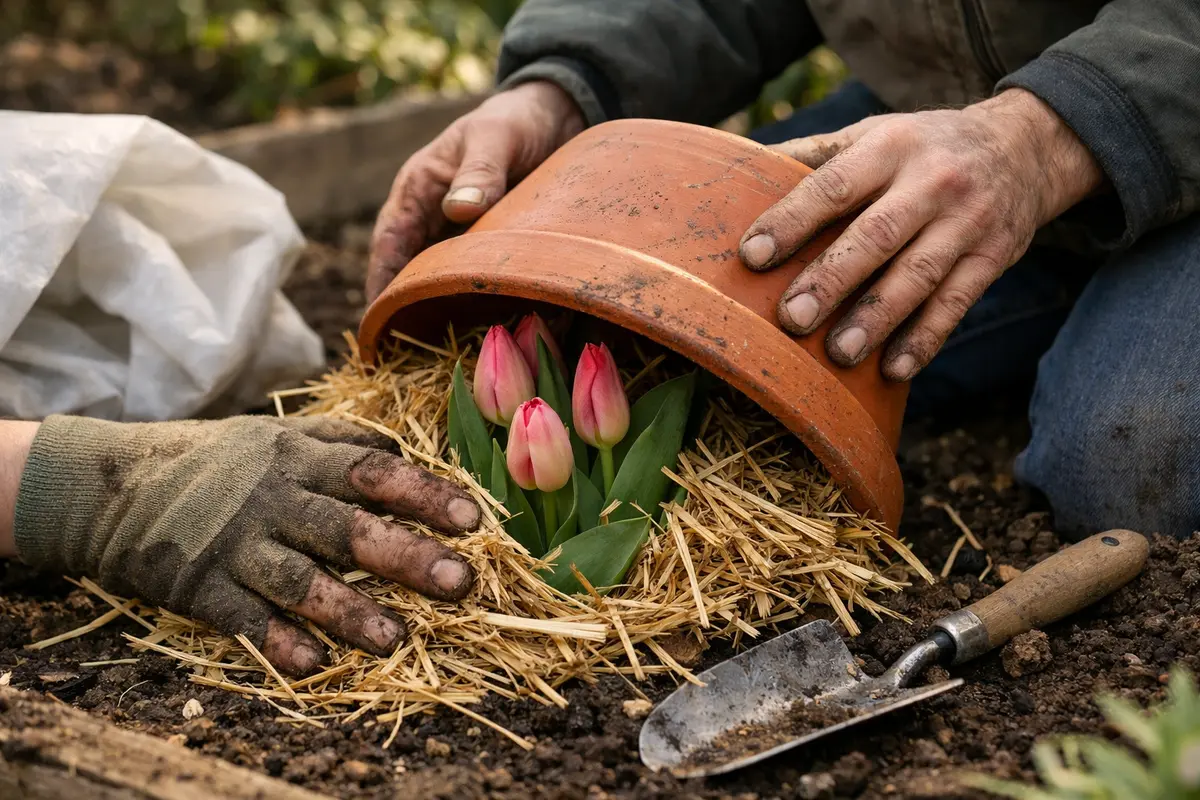
First, protect your tulips after a cold snap by covering them with a lightweight row cover or frost blanket. This action will help maintain warmth around the plants, reducing the likelihood of drooping and promoting upright growth as temperatures stabilize.
Drooping occurs when sudden cold temperatures shock tulips, causing water loss due to freezing and thawing cycles. By using a cover, you create a microclimate that mitigates these extremes, allowing the tulips to acclimate slowly and remain firm rather than limp. If the buds appear firm yet still droop, check for any waterlogged soil that could be hindering root function.
Additionally, as the season progresses and temperatures fluctuate, adjust your protective measures accordingly. For instance, remove the cover during warmer afternoons to prevent overheating but replace it during unexpectedly chilly evenings. This adaptive care ensures your tulips stay on track to bloom beautifully after a cold snap.
Using mulch not only maintains warmth but also aids in moisture retention during dry spells, striking a balance essential for healthy bulb development. Organic mulches also break down over time, enriching the soil while insulating the bulbs underneath. It’s important to spread the mulch evenly without piling it directly against the stems to avoid rot. If the mulch becomes matted down after rainfall, it may pack tightly against the soil; fluff it up regularly to maintain its insulating capacity.
Consider applying mulch before the winter temperatures drop. Timing is critical, as mulching too late leaves bulbs vulnerable to frost damage. Check after cold snaps to ensure the mulch remains undisturbed and effective. Weeding around the tulips can also help maintain the mulch’s insulating properties, as competing plants can both absorb moisture and block nutrients from reaching the tulips’ roots. If you routinely find weeds, consider adding a pre-emergent weed barrier under the mulch to enhance its effectiveness.
Step 5 – Check Tulips for Signs of Recovery Over Weeks
Recheck the tulips every three days to observe signs of recovery, such as firming stems and new growth. After a week or so, you should notice improvements indicating the tulips are resuming their normal, perky stance. If you’re not seeing new shoots, consider evaluating the amount of sunlight they receive each day, as insufficient light can inhibit recovery. Tracking this consistently will ensure that they are also aligned with optimal growth environments.
When monitoring, look for fresh green shoots appearing, a key indicator that the plant is recovering from cold damage. Firm stems suggest that the cellular structure has regained strength, while dark green foliage signifies sufficient nutrient absorption. If the stems are still limp or brown after a significant amount of time, this may indicate that the damage was severe enough to impede recovery. Use a moisture meter to better gauge not just surface dryness but overall soil health, adjusting care as necessary.
If the signs of recovery are not visible after a week, consider further adjusting watering practices or reviewing nutrient provisions. Plant health may require additional intervention, such as a change in location or evaluation of soil quality if they fail to improve. Additionally, if you note that wilting continues after recovery efforts, it could be an indicator that pests or diseases have taken hold. Observing changes in leaf color or presence of spots can provide further clues to underlying issues. If the drooping worsens instead of improving, it may be worth consulting a gardening expert for tailored advice.
FAQ
How long does it take for tulips to recover after a cold snap?
Tulips can start showing signs of recovery within a week after addressing cold snap damage, but full recovery may take longer. Typically, you should expect noticeable improvement in firm stems and new growth after a couple of weeks if conditions are favorable. However, keep an eye on them regularly, as the exact timeline often depends on the extent of the damage and environmental conditions. If temperatures remain cold with little light, recovery may extend beyond the two-week mark.
Can I remove the drooping parts of the tulip?
Yes, you can remove any significantly drooped or damaged parts of the tulip to encourage better growth. Trim back affected stems or leaves to prevent putting further stress on the plant and to focus its energy on healthy growth. Ensure the cuts are clean to avoid introducing pathogens, and always use clean, sharp scissors or pruning shears. Be cautious of the time of removal; late winter or early spring, before new growth, is ideal to prevent shock.
Will my tulips recover if they wilt after frost?
Many tulips can bounce back from mild frost damage with proper care. Ensuring appropriate watering, nutrient support, and monitoring for signs of stress can help them return to health after experiencing wilting or drooping. However, if the wilting is severe, full recovery might not be achievable without professional intervention, as extensive cellular damage can hinder growth. In severe cases, the root system and overall plant vitality may need thorough reassessment, sometimes necessitating further intervention or replanting during a favorable season.