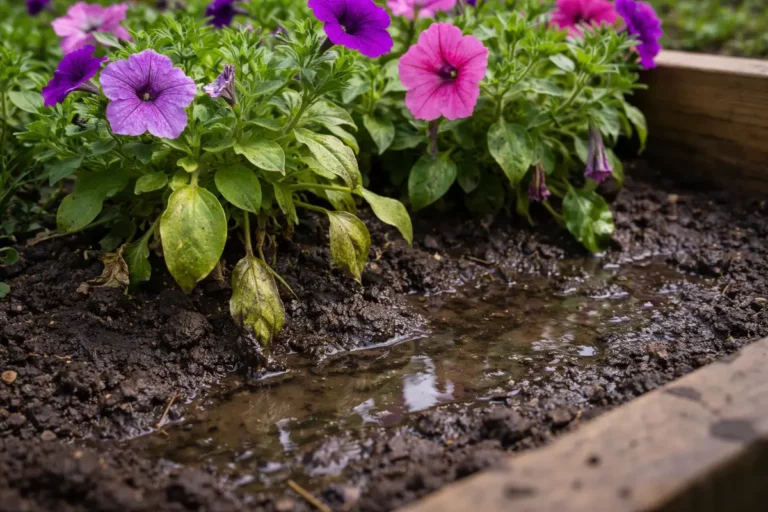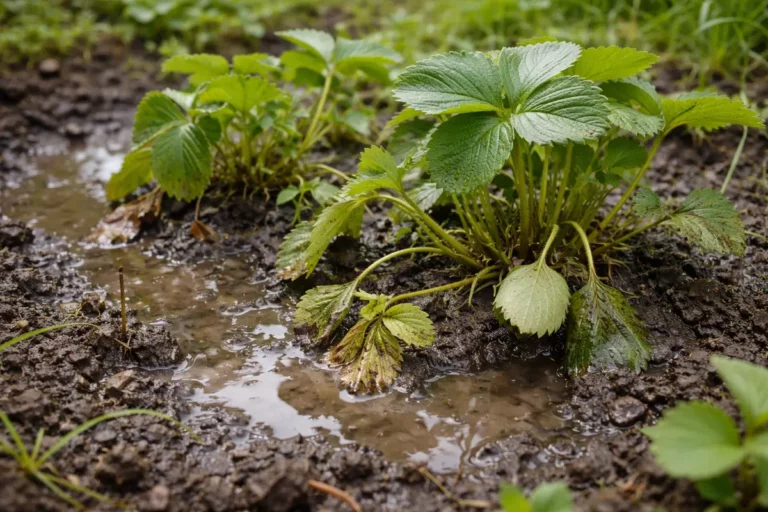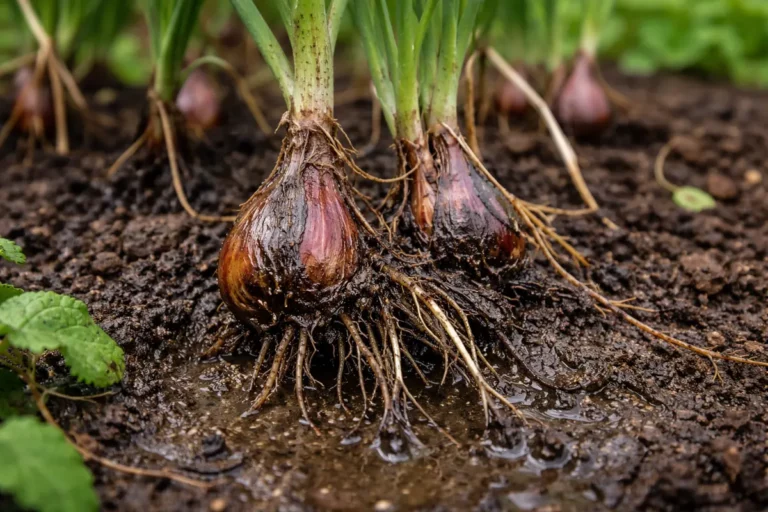
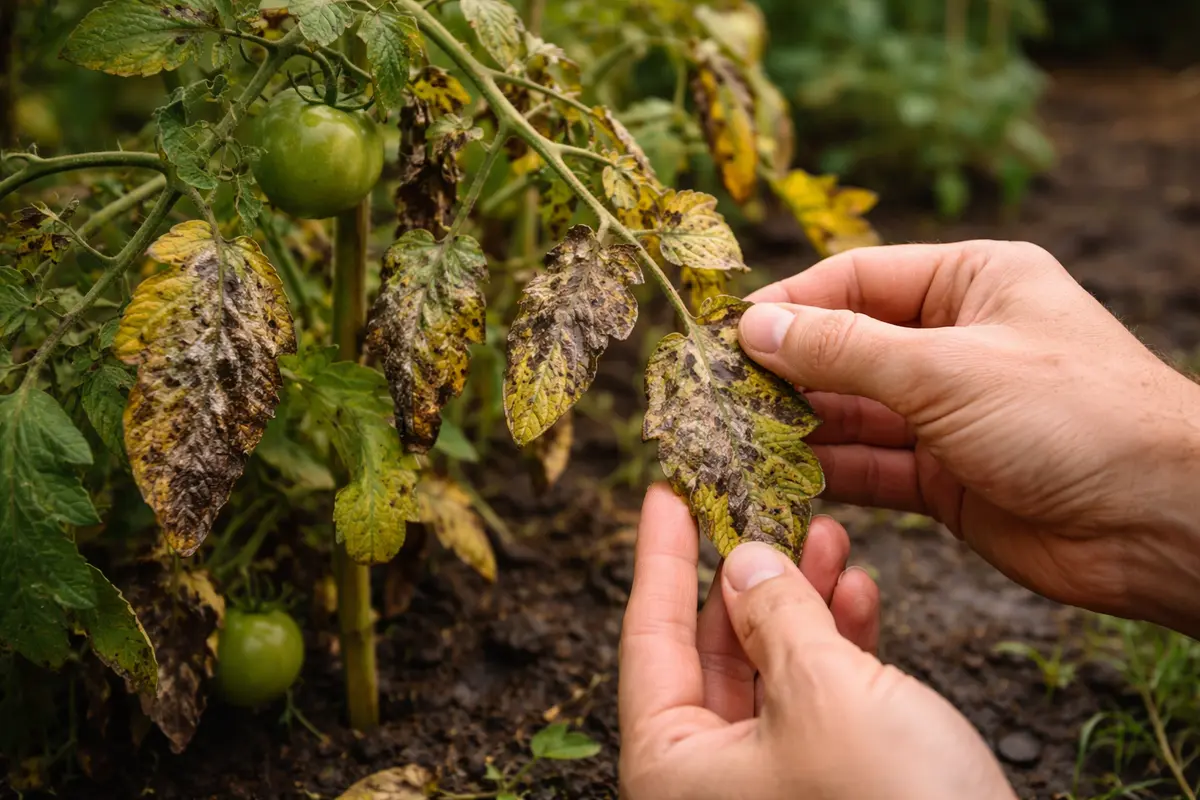
You may notice unsightly brown patches on your lawn after heavy rainfall, which is why you need to know how to treat brown patches on lawns after heavy rainfall. This discoloration often occurs due to excess moisture promoting fungal growth, leading to yellowing spots and possibly even rotting grass. If left untreated, the problem can spread and weaken the plant, making recovery harder; however, fixing it is possible now if you inspect the affected areas and adjust your watering schedule accordingly.
Step 1 – Assess Lawn for Affected Brown Patches
Start by aerating the affected brown patches with a lawn aerator or a garden fork to improve drainage and promote airflow. This immediate action will help alleviate soil compaction, allowing oxygen and nutrients to penetrate the root zone more effectively. Within a few days, you should notice the soil around the patches feeling less waterlogged and see signs of grass beginning to perk up as conditions improve.
Acting quickly is crucial because grass root systems can suffocate in overly saturated soil, leading to further browning and potential death of the grass. When the roots do not get enough oxygen, they are unable to uptake necessary nutrients, creating a vicious cycle of decline. If you delay aeration, the grass may develop root rot, characterized by a mushy texture and foul smell, making recovery much more difficult.
For instance, one eager gardener decided to aerate their lawn a week after noticing the brown patches, resulting in persistent damage as the grass roots rotted further. On the contrary, another gardener aerated their lawn immediately and reported that their grass recovered within a week, thriving once the soil was properly aerated. If you notice prolonged wilting despite aeration, check for excessive thatch buildup as it can prevent proper recovery.
Quickly identifying the extent of brown patches allows for targeted intervention. The visibility of wilting patches signals that the grass is struggling to receive adequate oxygen and nutrients due to saturated soil conditions, which can lead to root rot if not dealt with promptly. This saturation could also attract pests looking for a hospitable environment, adding to your troubles. For instance, if patches are larger than a foot in diameter, the underlying problem may be more severe, requiring urgent measures beyond surface treatment.
Many gardeners mistakenly overlook patches, thinking they will recover naturally. However, prompt assessment and leaning into the extent of water saturation can prevent larger areas from succumbing to disease. For example, if you observe patches that seem less than half a meter in diameter, acting quickly can often reverse the damage with a simple aeration or light fertilization. In contrast, if the patches spread unchecked for several weeks, you may need to consider soil testing to uncover nutrient deficiencies or potential fungal issues. By addressing the problem early, you set the foundation for a healthier lawn.
Step 2 – Diagnose Underlying Soil Compaction Issues
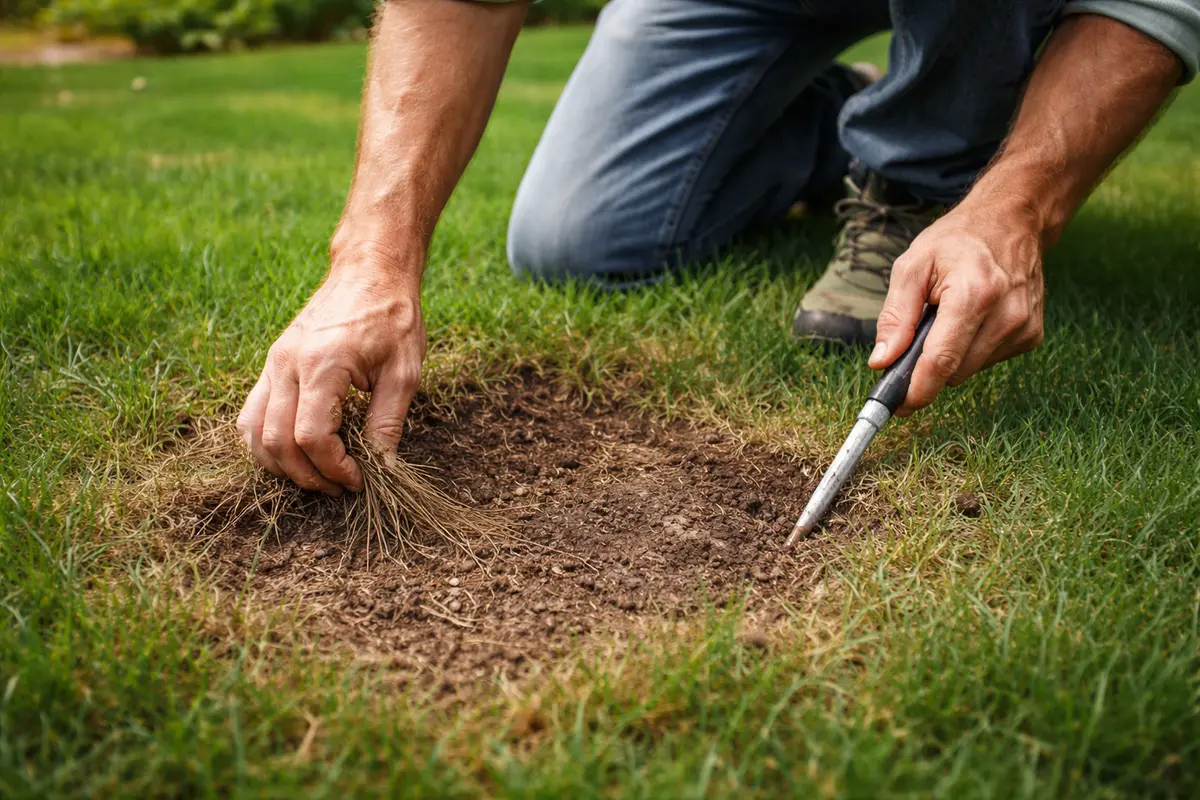
Start by identifying the areas of your lawn that have turned brown following heavy rainfall. Look for patches that are not recovering and use a soil probe or screwdriver to check for soil compaction, which should yield resistance if it is compacted. If you notice that the soil is hard to penetrate, aerate those sections to promote better water infiltration and root recovery.
The brown patches on your lawn are likely caused by insufficient oxygen reaching the grass roots due to soil compaction or waterlogging. In compacted soil, the roots struggle to absorb nutrients and water effectively, resulting in visible stress in the grass. Conversely, if the soil is overly saturated without compaction, you may find soggy patches that hinder the roots from breathing, leading to similar brown patches.
If your soil smells sour, indicating anaerobic conditions, shift to a more aggressive aeration method such as core aeration to improve air circulation. Alternatively, if you see patches resembling those affected by pests but you haven’t identified any, inspect the grass closely for signs of grubs or disease, which require targeted treatments distinct from those for compaction issues.
Soil compaction usually occurs due to heavy foot traffic or poor drainage, which limits root growth and air circulation. When this condition persists, it exacerbates moisture issues, leading to brown patches as roots cannot absorb necessary nutrients or oxygen. In more severe cases, the soil may emit an unpleasant, sour smell indicative of anaerobic conditions, signaling urgent action. If the soil feels excessively heavy or moist, calculate the percentage of saturation to confirm whether drainage needs immediate addressing.
If you find that the soil feels especially dense or is retaining water, consider aerating the affected area. Utilize a core aerator for effective penetration that can alleviate the compaction significantly. If the soil smells sour or feels sticky, this can indicate anaerobic conditions that may require a different approach, such as incorporating organic matter to improve soil structure. Furthermore, ensuring that rainwater has proper drainage paths can prevent future compaction problems. Heavy rainfall followed by foot traffic on wet soil exacerbates those compaction issues, leading to recurring patches in the same locations. If you discover that the compacted area significantly overlaps with old installation sites like pathways, this might require redesigning those surfaces to encourage better drainage in the future.
Step 3 – Aerate Lawn to Encourage Healthier Growth
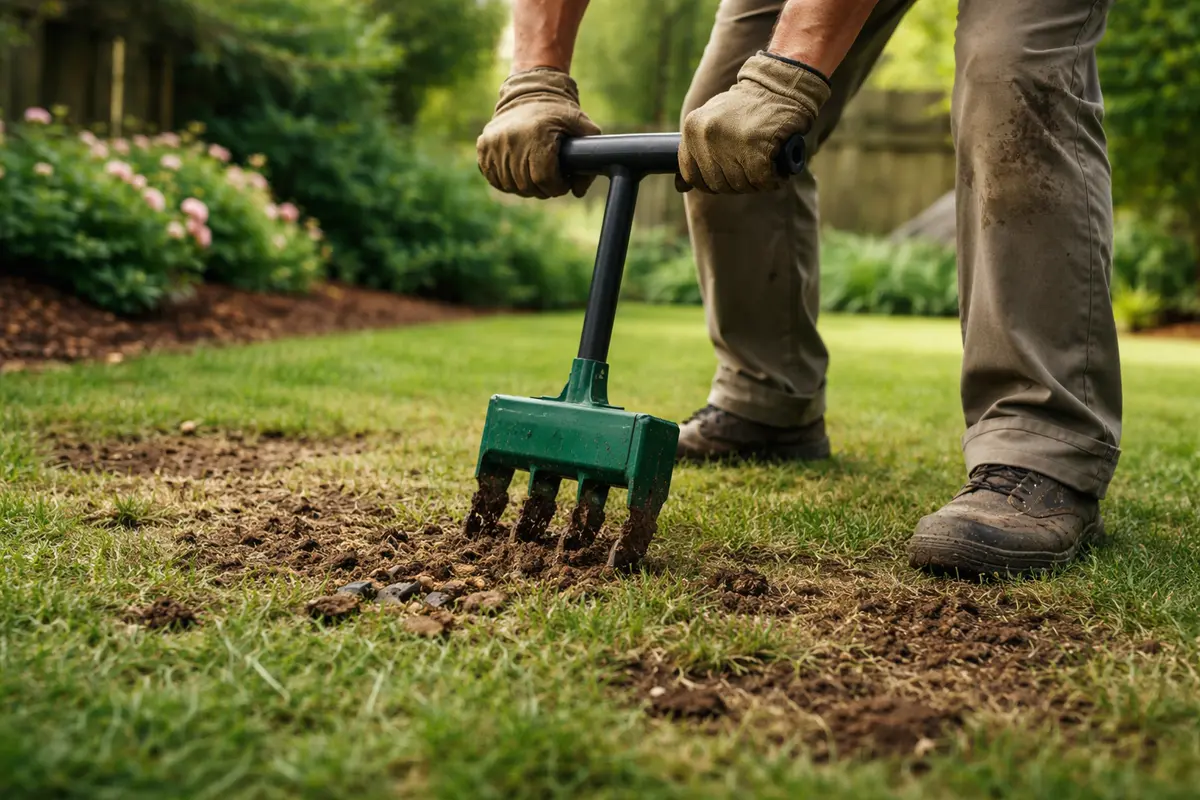
Start by using a rake to aerate the brown patches, allowing for better airflow and moisture penetration. After aerating, apply a balanced grass fertilizer to provide vital nutrients, and water lightly to encourage recovery. Within a week, you should notice greener shoots emerging from the brown patches as grass begins to rejuvenate.
Realistically, complete recovery from brown patches may take two to four weeks, depending on the grass type and environmental factors. Healthy regrowth typically appears as lush green blades pushing through the soil, thriving best in well-drained areas with adequate sunlight and moisture. If you see stagnation in growth, check for overly compacted soil, as this could interfere with development.
Avoid the mistake of overwatering the affected areas, which can lead to further damage, such as root rot. Instead, prioritize a balanced watering schedule that allows the soil to dry slightly between waterings, especially for cool-season grasses. If not this careful watering approach → check your soil drainage to prevent water pooling.
In typical conditions, visible recovery can take anywhere from two weeks to a month depending on grass type and weather conditions. If your lawn does not start showing signs of regrowth after this time, reassess the soil moisture levels; if it’s too dry, consider light watering, whereas excessive moisture or compacted soil may hinder growth. Favorable conditions like warm temperatures and adequate sunlight can greatly enhance the speed of recovery.
Avoid the mistake of overwatering or over-fertilizing during recovery, as this may lead to further stress on the grass and exacerbate brown patches. Instead, apply fertilizer sparingly and stick to a regular watering schedule based on local rainfall. If you notice new shoots wilting despite your care, check for soil drainage issues; poor drainage could indicate the need for more aeration.
Recovery from brown patches caused by heavy rainfall typically takes 2 to 3 weeks, but the timeline may vary depending on weather conditions. On a sunny day, the soil will dry out faster, promoting quicker grass regrowth, while cool, damp conditions may prolong recovery. If you notice that the patches are still brown after three weeks of consistent watering and sunshine, check for fungal diseases or improper drainage as potential culprits.
Avoid overcompensating by adding too much water or fertilizer, especially after heavy rainfall, as this can lead to further deterioration of the grass roots. If you find yourself tempted to fertilize too soon in the recovery process, remember that excessive nutrients can burn the new growth, halting progress instead of aiding it.
The recovery timeline varies, typically spanning 2 to 6 weeks. Expect strong regrowth that features uniform, densely-packed blades contrasting with continued brown patches in unmanaged areas. Factors like consistent watering and ideal temperatures can accelerate recovery, while drought or excessive cold may delay it. If the patches remain brown after a week of aeration, check for underlying pest issues.
Avoid the mistake of overwatering during recovery, as too much moisture can lead to fungal growth and worsen the brown patches. Instead, water deeply and infrequently to encourage roots to grow deeper into the soil. If the grass looks limp and overly wet, cut back on watering until the soil is just damp.
Aeration alleviates compacted soil and improves nutrient accessibility, allowing grass roots to breathe and grow. This process, particularly vital after prolonged rainfall, helps stimulate repair mechanisms within the grass, promoting more vigorous regrowth after its weakened state. However, be cautious about aerating on excessively muddy ground, as it can worsen soil conditions if not handled properly. If you see that the soil remains overly wet after aeration, consider postponing additional steps until it has had a chance to dry out to prevent further disturbance.
During recovery, it is imperative to avoid over-fertilizing, as this could lead to nutrient overload in already damp conditions. Pay attention to the signs; if you notice that the grass begins to revive, but some areas are still struggling, consider repositioning hoses or downspouts to divert excess moisture away from those locations. Additionally, periodically inspecting the lawn after it rains can help you determine if the drainage has improved or if further action is required to mitigate pooling water, which can lead to new brown patches. If you consistently find high moisture levels in specific areas post-rain, consider consulting a drainage expert to assess potential landscaping upgrades for improved runoff management.
Step 4 – Water Grass Deeply in Dry Spells
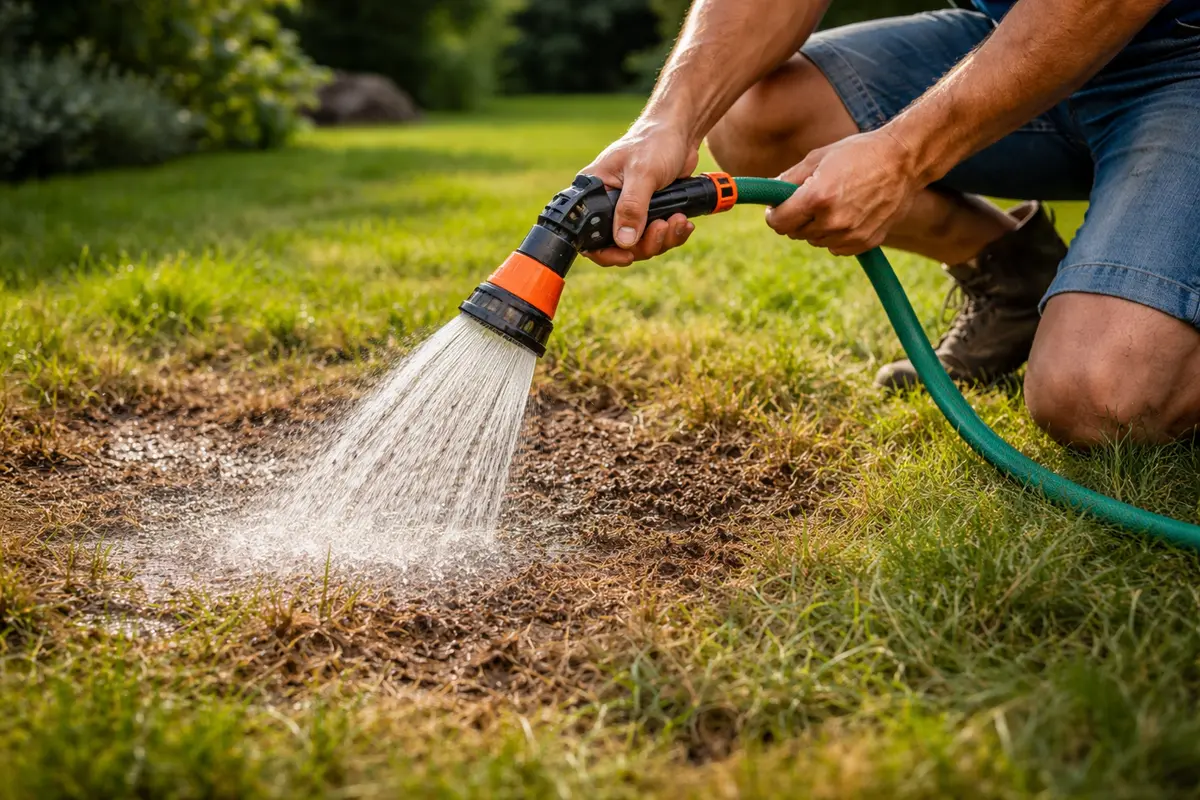
Start by aerating your lawn using a core aerator, especially in areas prone to waterlogging after heavy rainfall. This action reduces soil compaction, allowing air, water, and nutrients to penetrate the root zone effectively, leading to a healthier, more resilient lawn over time.
Excessive moisture following heavy rain can create anaerobic conditions in compacted soil, leading to brown patches caused by root rot and fungal diseases. Aerating disrupts this cycle by improving drainage and promoting healthier microbial activity in the soil, helping to combat issues like these. If water is pooling frequently in certain areas, check for compacted soil, which can exacerbate the recurrence of brown patches.
During the growing season, especially after heavy rains, apply a layer of compost to retain soil moisture and improve drainage. Additionally, if the weather is unusually warm and humid, consider re-seeding any affected areas with drought-resistant grass varieties for extra resilience against future rainfall fluctuations.
Deep watering promotes healthier growth by encouraging roots to reach deeper into the soil for moisture. If the lawn receives adequate hydration, it can better resist stress from both drought and heavy rain events. Monitor the soil moisture using a moisture meter or perform a simple test by digging into the soil after watering; it should feel moist but not saturated below the top few inches. If you find that soil moisture tends to evaporate rapidly in direct sunlight, consider mulching around the grass to retain moisture and reduce evaporation rates.
In warmer months, adjust the watering frequency to twice a week, ensuring each session allows moisture to penetrate at least six inches deep. If summer heat peaks, increase this frequency to adapt to rapidly drying soil conditions and prevent the return of brown patches. Should brown patches return despite your diligent watering practices, it may indicate that certain soil areas are still compacted and need more attention, or a possible underlying disease may require treatment. Keeping a detailed journal to track changes in soil moisture and grass health can be beneficial in identifying patterns that require adjustments in your watering schedule.
Step 5 – Inspect Lawn Weekly for Recurring Patches
Start by checking the soil moisture levels using a soil moisture meter or your finger to determine how saturated the ground is post-rain. Observe areas where the grass appears darker, feels mushy, or shows signs of yellowing, indicating excess water stress. Recheck these patches every few days to monitor if signs of improvement or deterioration occur, particularly after subsequent rainfall events.
A fully recovered lawn will exhibit vibrant green foliage, with blades that are upright and firm, creating a dense mat. In contrast, early signs of trouble returning may manifest as uneven patches that appear dull or wilted, showing light brown spots or a spongy texture when walked on. If the growth continues to look uneven or yellowing becomes more prevalent, the lawn needs immediate attention to maintain recovery.
If brown patches return despite following previous steps, consider aerating the soil with a lawn aerator to improve drainage and reduce compaction. Alternatively, apply a nutrient-rich fertilizer designed for late recovery to help revive the tired grass. If conditions persist, assess for potential fungal disease or consult a lawn care professional for advanced treatment options.
A fully recovered lawn will show vibrant green growth and a stronger root structure, while early signs of the problem returning might include yellowing or wilting grass. Healthy turf should have a consistent color and texture throughout, indicating robust growth. When inspecting, look for differences in grass height or irregularity in moisture levels; both can be indicators of underlying issues. If you spot patches that seem to originate from watering systems, inspect those hoses or sprinklers for malfunctioning or inadequate coverage.
If issues arise after implementing your monitoring routine, consider using organic amendments to improve soil health, like compost or well-rotted manure. If you notice areas continuing to suffer after intervention, escalate your approach by consulting a local lawn care expert, especially if fungal diseases are present. Make sure to pinpoint the same area responding poorly each week; if so, consider a more drastic renovation option, such as replacing grass with more resilient ground cover. This will not only cover the problem but also improve the overall health of your lawn by reducing competition for nutrients, particularly in areas prone to saturation.
FAQ
How long does it take for brown patches to recover?
Recovery time can vary, but you generally will start noticing improvements within one to two weeks of implementing corrective measures like aeration and deep watering. A consistent care routine will also speed up this process, particularly if the patches are caught early and addressed swiftly to prevent further deterioration. In cases of severe damage, however, it may take up to a month for the lawn to return to its original quality, depending on the grass type and weather conditions.
Can brown patches spread to other areas of my lawn?
Yes, if left untreated, brown patches can spread due to factors such as soil compaction or fungal spores taking hold. Regular inspection, as mentioned, and immediate attention to newly affected areas can help prevent this. Stay vigilant, especially during repeated rainfall events, as saturated conditions can create an environment conducive to disease spread. Keeping a log of weather patterns can help you anticipate when to check more frequently—especially if heavy rains are expected again soon.
Should I remove grass from affected areas?
Removing the top growth of severely damaged patches can be beneficial but is not always necessary. If the grass appears healthy at the roots, simply aerating and watering should suffice, but you may need to overseed if there is complete loss. Monitor the areas closely; in some instances, a drastic cut-back can be counterproductive if the remaining roots cannot sustain regrowth against the ongoing stress of weather conditions. Depending on your observations over several weeks, make sure to adjust your actions based on ongoing assessments to ensure effective regrowth.