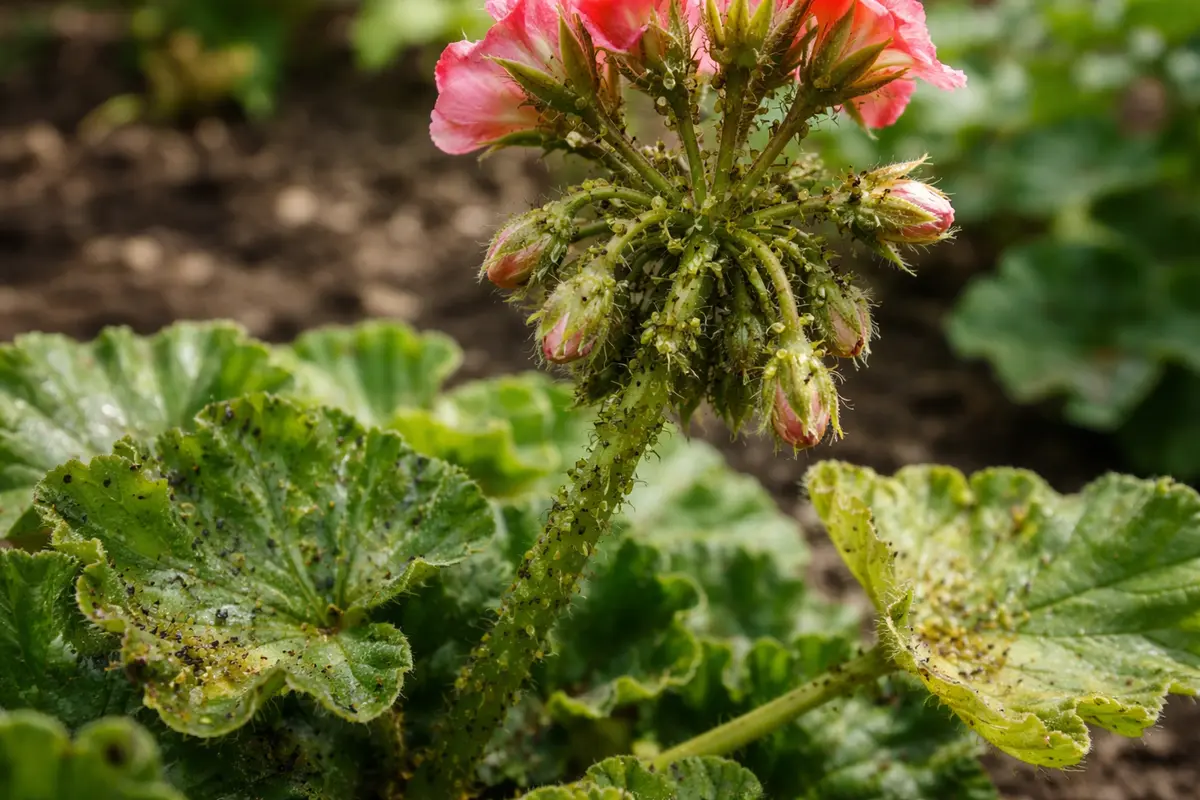
You may notice tiny green insects clustering on the tender new growth of your geraniums during spring, which is why you need to know how to treat aphid infestations on geraniums in spring. These pests feed on plant sap, causing yellowing leaves and wilting flowers, ultimately leading to damage. If left unchecked, the infestation gets worse and can weaken the plant significantly, making recovery harder. Fortunately, fixing this issue is possible now; simply inspect the leaves, remove the pests, and monitor your plants closely to help them thrive.
Step 1 – Spray Infected Geraniums with Soap Solution
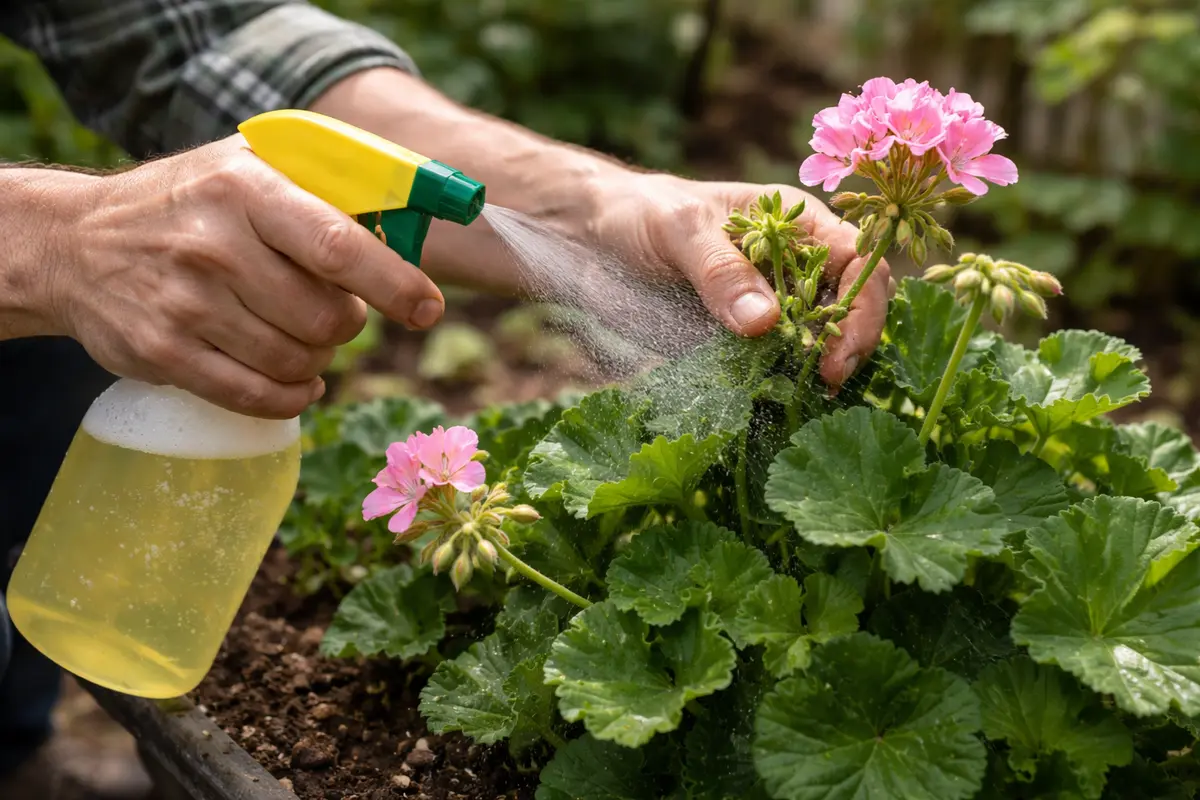
Begin by mixing a mild soap solution and spraying it directly onto the affected geraniums. You should mix about 1 to 2 tablespoons of pure liquid soap per gallon of water. You will see the aphids start to dislodge and die off within hours of application. If done correctly, the number of visible aphids should drastically decrease, allowing the leaves to regain their natural vibrant color.
This action works because soap disrupts the protective outer layer of these insects, leading to dehydration and death. Moreover, the soap solution suffocates the aphids by coating their bodies, inhibiting their ability to breathe. Spraying immediately stops the infestation from spreading and prepares the plant for the next steps in recovery. If you choose to apply the soap solution early in the morning or late in the evening, when the temperatures are cooler, the risk of leaf burn is minimized, enhancing successful penetration while preventing harm to the foliage.
Most gardeners mistakenly use household soaps that contain additives or fragrances, which can harm the plant. It’s best to use pure liquid soap or a commercial insecticidal soap that is safe for plants. It’s also critical to apply the solution thoroughly, targeting the undersides of leaves, where many aphids hide. If the infestation is heavy, a second application may be necessary after approximately 5-7 days, as some aphids may be harder to reach and protect themselves in deeper leaf veins. Watch for their physical presence; if you still find clusters after treatment, this indicates that more applications may be needed. Particularly, the presence of honeydew, a sticky residue from aphid feeding, can signal ongoing infestations.
Step 2 – Diagnose Aphid Impact on Geranium Leaves
Inspect the leaves closely for any signs of damage caused by aphids, such as distorted or curled leaves. You might notice a sticky substance, known as honeydew, coating the leaves; this is indicative of a previous infestation and signals that aphids have been feeding actively. The visual cues of crumpled or discolored foliage are signs of sap extraction, which directly affects the plant’s health and vitality.
Diagnosing the impact is crucial because it allows you to assess how much damage has been done and whether the plant can recover. Leaf distortion occurs when aphids suck the sap from the plant, disrupting nutrient flow and leading to further weakening. For a more accurate assessment, examine not just the top side of the leaves but also the undersides, where aphids tend to hide. Checking for discolored or dying leaves assists in deciding whether to prune back affected areas to promote healthier growth. If a significant amount of foliage displays alarming signs—especially in newer growth—it strongly indicates the need for immediate intervention.
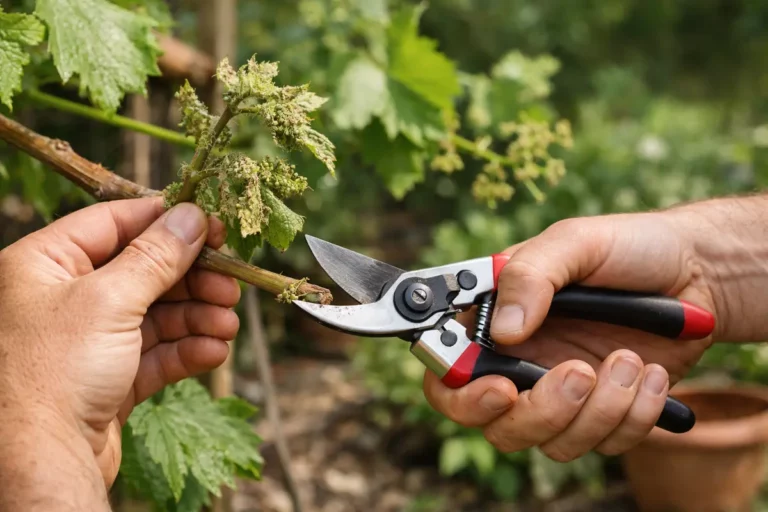
If you find significant or severe damage, such as foliar browning or wilting, it’s advisable to remove any heavily infested leaves. When you prune, do this carefully to avoid shocking the plant further. The removal should be at least a few inches below the damaged area to prevent aphid reinfestation. Always check the undersides of leaves where aphids often hide to ensure you are not overlooking any remaining pests. Should you find multiple leaves affected or honeydew present in new growth, it indicates that treatment measures need to be intensified. If checking weekly shows no improvement, consider using a stronger solution or insect pest management strategy to address the infestation more aggressively. Tight spacing plus humidity may favor pest issues on gardenias after humid.
Step 3 – Feed Geraniums with Nutrients for Recovery
Start by spraying your geraniums with a mix of water and a few drops of dish soap to effectively eliminate aphids. Within a few days, you should notice a decrease in aphid numbers, and the leaves will begin to look more vibrant as they start to recover from the infestation.
Healthy regrowth typically occurs within one to three weeks, depending on environmental conditions such as light and humidity. When geraniums are thriving, you will see new leaves emerging and a richer, more vibrant color in the existing foliage. If the new growth is still stunted or yellowing, check the soil moisture; lack of water can slow recovery, while overly damp soil may encourage additional pests.
Avoid the mistake of over-fertilizing during recovery, as this can stress the plant further and attract more pests. If your geraniums are not showing signs of recovery, such as fresh leaves or improved color, check for excessive moisture in the soil, which can lead to root rot and hinder plant health.
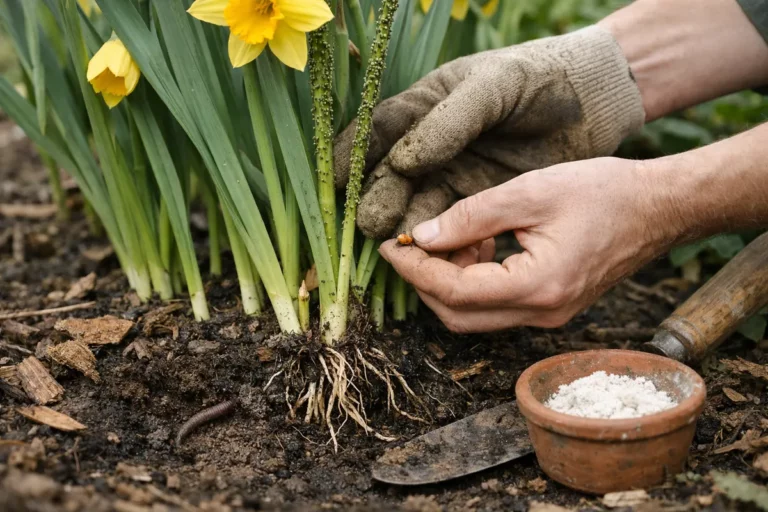
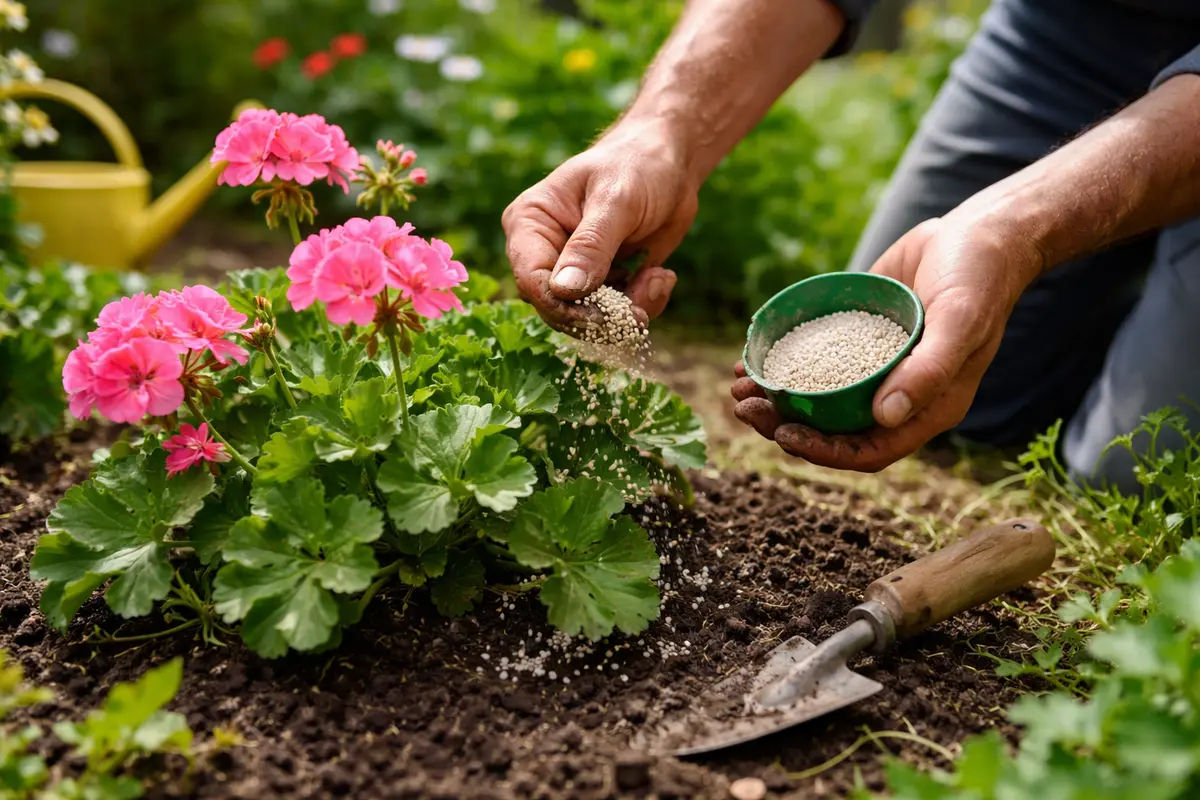
Nourishing your geraniums after removing aphids is essential because, during the infestation, their nutrient uptake was likely impaired. This nutrient boost will reinvigorate the plants, fostering new growth and helping to replace any leaves that were lost or severely damaged. Ensure that the balanced fertilizer is high in nitrogen to support leaf growth and enhance the overall vigor of the plant. Adequate nutrition not only supports the plant’s current health but also bolsters its defenses against future infestations.
A common mistake gardeners make is over-fertilizing in an attempt to speed up recovery. Excess fertilizer can lead to salt buildup in the soil, negatively impacting root health and further inhibiting growth. Stick to recommended feeding intervals and amounts, allowing the plant to recover naturally while ensuring it receives ample nutrients. Monitor the soil moisture; if it feels dry just a couple of inches down, it’s time to water again, but do not overwater, which can exacerbate root problems and lead to other issues like root rot. If the soil remains consistently moist, consider reducing the frequency of fertilization to prevent further complications. Low reserves in the mix may present as your petunia plants turn yellow in.
Step 4 – Inspect Surrounding Plants to Prevent Aphid Spread
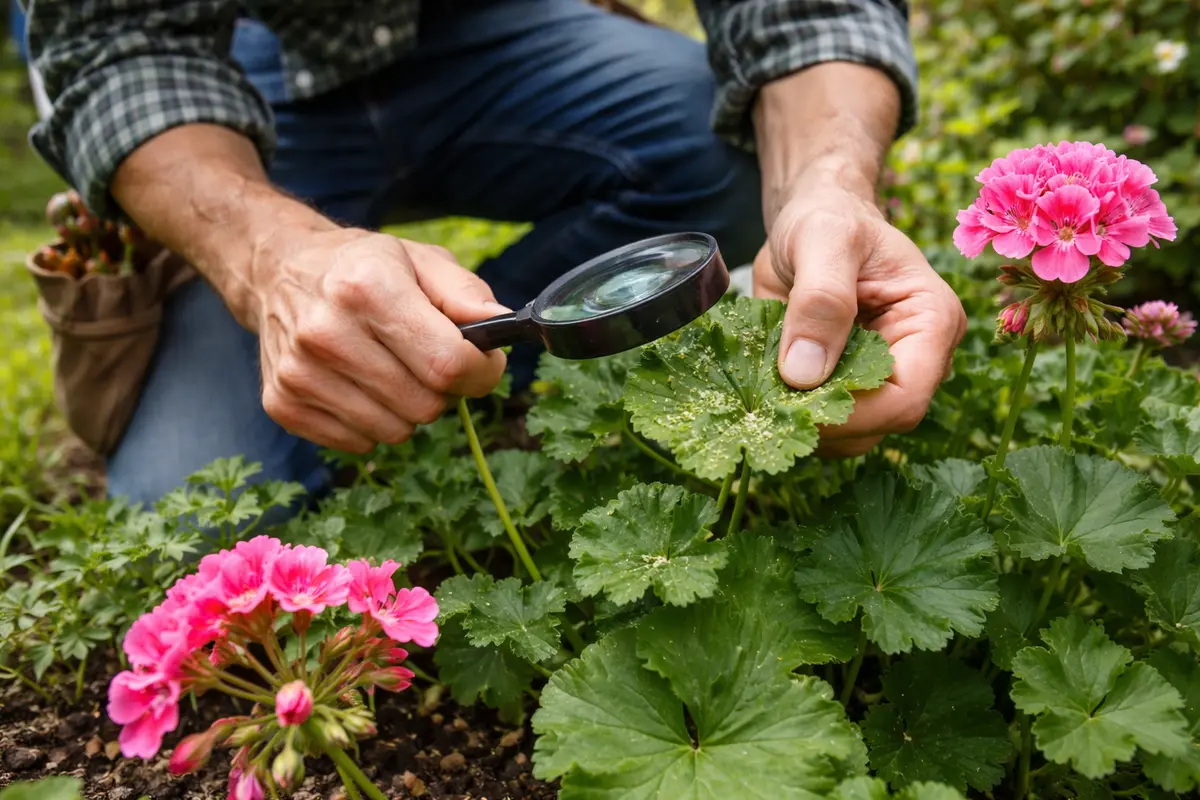
Check all nearby plants for signs of aphids, focusing particularly on new growth and under leaf surfaces that can trap these pests. Maintaining a clean environment can significantly reduce the risk of aphid infestations in future seasons. Aim to walk through your garden at least once a week to catch any signs early. Inspecting neighboring plants can help detect early signs of aphid activity before they make their move to your geraniums.
Environmental factors such as overcrowding and inadequate airflow can contribute to recurrent infestations. Preventive inspection and removal of weeds and nearby infested plants serve as a proactive measure to ensure that aphids do not return. Consider introducing companion plants that act as natural repellents to aphids, such as garlic or marigolds, to create a more hospitable environment for beneficial insects rather than for aphids. These natural insect deterrents can help maintain a balanced ecosystem in your garden.
In spring, as temperatures rise, aphids are more likely to migrate. Monitoring also means being aware that new plants brought into your garden can introduce pests. Ensure to inspect any new arrivals thoroughly and set them aside to quarantine for at least a week after bringing them home. If you notice no signs of infestations during this quarantine period, you may then introduce them to the garden. Should insect activity be observed, immediate treatment is necessary before associating them with other plants. Consider treating new plants with insecticidal soap or a diluted neem oil solution prior to planting, which may help fortify them against aphid infestations.
Step 5 – Check Geranium Stems for New Aphid Activity
Start by regularly inspecting your geraniums for signs of aphid infestations, especially under the leaves and around new growth. Look for small clusters of green, black, or brown bugs, as well as sticky honeydew and sooty mold on the leaves. Check your plants daily during early spring when temperatures rise, since aphids reproduce quickly under these conditions.
A fully recovered geranium will display vibrant green leaves that are smooth to the touch, with no signs of wilting or curling. In contrast, early signs of a return infestation may include yellowing leaves or a sticky residue on the foliage, indicating aphids are once again at work. If the leaves appear warped or misshapen, that is a clear sign to investigate further for aphid activity.
If the aphids return despite your initial treatment, increase the frequency of your inspections and consider introducing beneficial insects like ladybugs that naturally prey on aphids. Alternatively, if populations grow, escalate your approach by using insecticidal soap or neem oil specifically formulated for aphid control to target them more effectively.
A fully recovered geranium should show vibrant green leaves with no noticeable curling or distortion. Healthy growth can usually be observed in the new stems, while signs of concern could present as yellowing or sticky leaves, indicating a re-infestation. If you notice returning pests, take immediate action by spraying with your previously made soap solution or consider introducing beneficial insects that target aphids.
If you notice aphids returning, consider taking stronger action, such as applying commercial insecticides specifically designed for aphids. Ensure that this is a last resort to protect beneficial insects, as indiscriminate pesticide use can also harm those that assist in maintaining a balanced ecosystem. When applying insecticide, be diligent about following the manufacturer’s directions regarding the application rate and method, ensuring maximum effectiveness with minimal ecological disruption. If the insecticide fails to resolve re-infestations within two weeks, further examination of your garden’s overall health and pest management strategies may be warranted.
FAQ
How long does it take for my geraniums to recover from aphid infestation?
Recovery time can vary, but usually, you should see significant improvements in about two weeks after treating and feeding the plants. New growth should appear healthy, indicating that the plants are returning to their optimal state. However, complete recovery can take longer if initial damage was severe, particularly if multiple leaf tissues have suffered irreversible harm.
Can aphids spread to other plants in the garden?
Aphids can easily transfer to nearby plants, especially when conditions are favorable, such as warm weather and high humidity. Regular inspections of surrounding plants are critical to prevent a larger outbreak. If a new infestation is observed on adjacent plants, immediate action is essential, as aphids multiply rapidly and can quickly overwhelm an entire garden if not checked.
Should I remove affected parts of my geraniums?
Yes, removing heavily infested parts is recommended to prevent further damage and encourage healthy new growth. Pruning away damaged leaves helps redirect energy to healthier areas of the plant and aids in faster recovery. Make sure to use sterilized tools when pruning to minimize the risk of introducing pathogens. Additionally, be mindful when disposing of pruned materials; avoid stacking them near other plants to diminish the chance of spreading any remaining aphids.