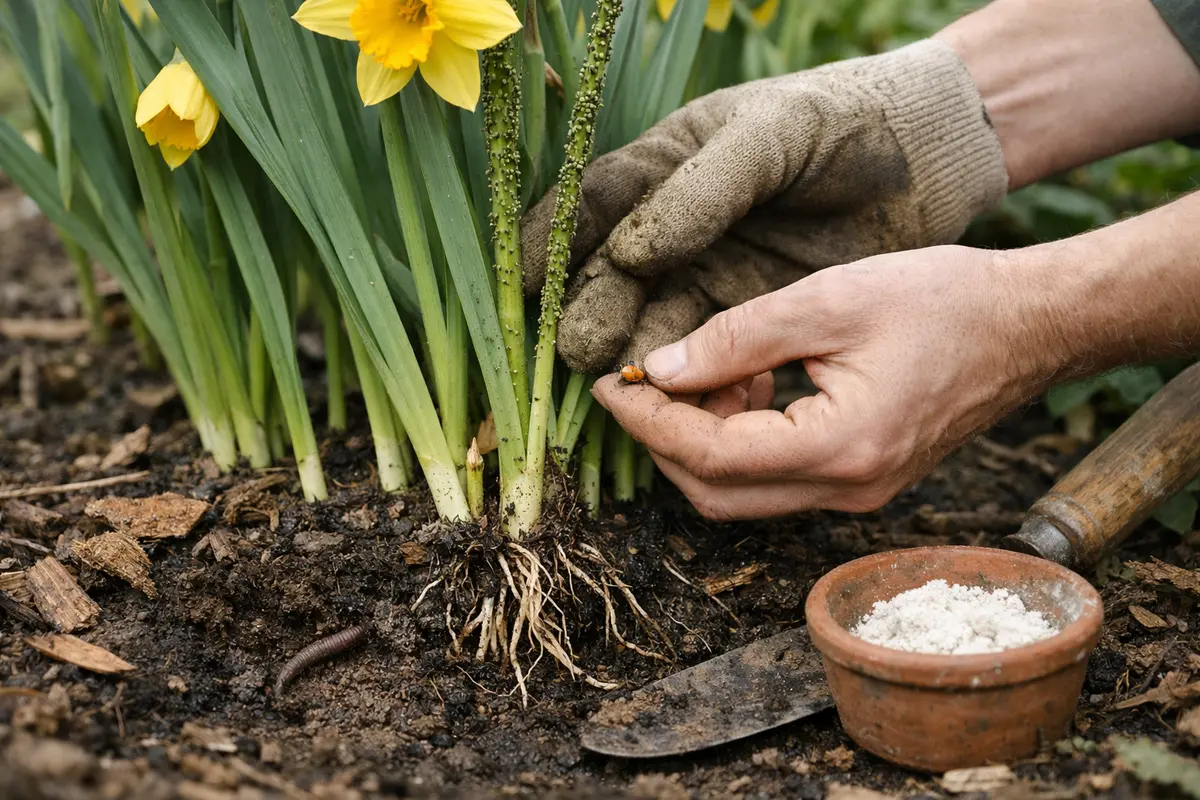
You may notice that during blooming, your daffodil plants are invaded by tiny pests, which is why you need to know how to stop aphids on daffodil plants during blooming. These green or black insects suck the sap from the flowers, leading to yellowing leaves and stunted growth. Ignoring the problem only weakens the plant and can spread the infestation to nearby plants, but fixing it is possible now—be sure to inspect for signs of aphids and remove them promptly to improve your daffodils’ health.
Step 1 – Spray Daffodils with Insecticidal Soap
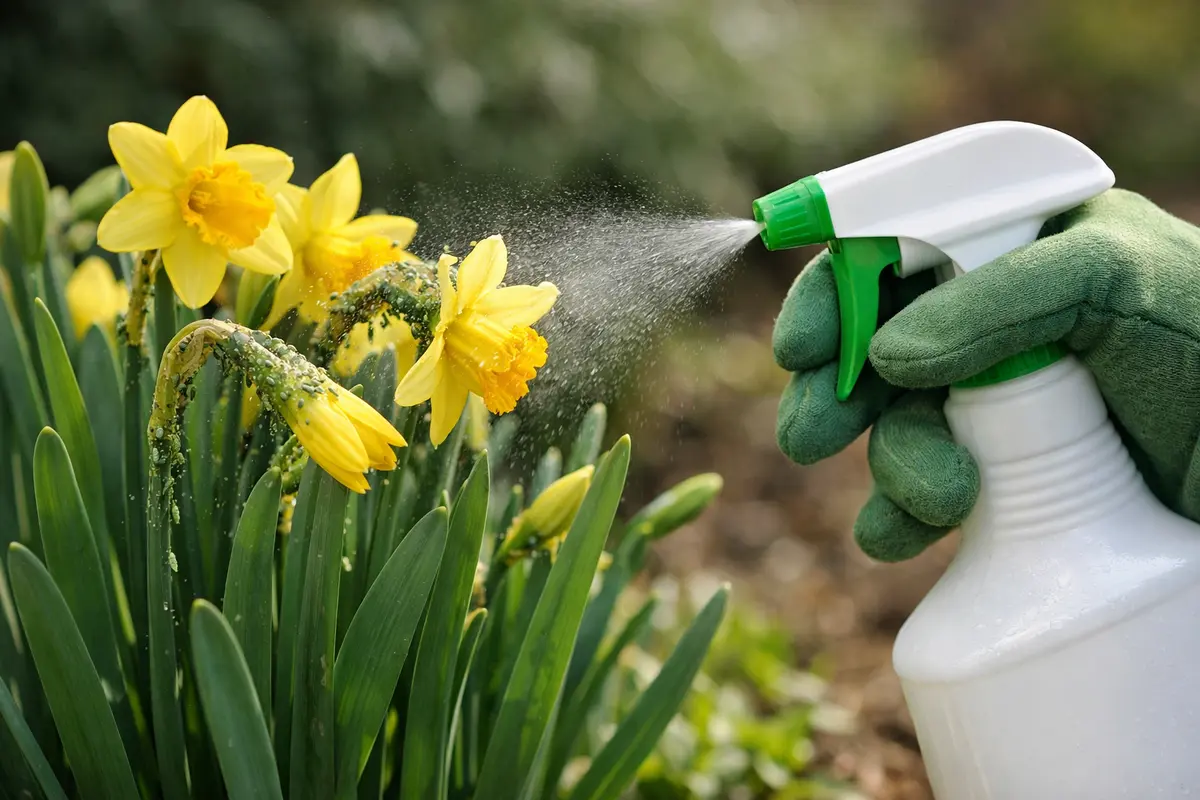
Start by thoroughly spraying insecticidal soap directly onto the affected daffodil leaves. You will notice the aphids starting to disappear within a day or two as they lose their grip on the plant. For maximum efficiency, apply the soap in the early morning or late afternoon when temperatures are cooler, ideally between 60°F and 75°F. This timing helps prevent rapid evaporation of the solution, enhancing its effectiveness. Ensure you cover both the tops and bottoms of the leaves and any visible stems.
This immediate action is crucial because insecticidal soap works by suffocating the pests, disrupting their cell membranes, and killing them upon contact. If done correctly, you should see fewer aphids clinging to the plant after just one spray. Regular observation within the first two days after application will help in determining its effectiveness in controlling the problem. Remember to check for areas that you might have missed; under the leaves and at the stem bases are common hiding spots. If the aphids are not adequately dealt with right away, they can multiply quickly—doubling in number every few days—worsening the infestation and stress on the daffodil plants. Additionally, it’s important to check the weather forecast; avoid spraying when rain is expected within the next 24 hours, as it may wash away the treatment before it has had a chance to work. Aim for a dry weather window to allow for proper adhesion and interaction of the soap with the pests.
A common mistake gardeners make at this stage is to apply soap only on the surface of the leaves. However, it is essential to ensure that the undersides of the leaves and the stems are adequately drenched, as these areas often harbor hidden pests. A thorough coat will ensure the soap has the best chance of coming into contact with the aphids. If you notice persistent aphid activity despite treatment, consider increasing the frequency of application every 3-4 days until the problem is under control. Furthermore, if the aphids are particularly numerous, increasing the concentration of the soap mixed with water according to the manufacturer’s directions can enhance its efficacy, giving you better control over the situation.
Step 2 – Diagnose Aphid Infestation on Daffodils
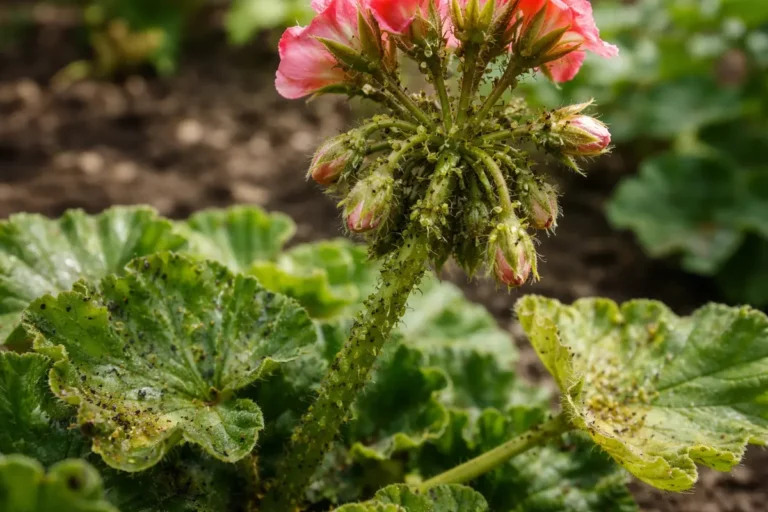
Check for aphids clumping on your daffodil plants, particularly under the leaves and along stems. You can visibly see the soft bodies of the aphids or their sticky honeydew residue on surrounding leaves, which often attracts other pests like ants. Noticing these signs early can significantly minimize damage during the crucial blooming stage. Additionally, look for yellowing or curling leaves as these are indicators that the sap has been depleted, showcasing stress on the plant.
Identifying the presence of aphids early significantly improves your chances of controlling the infestation before it escalates. Healthy daffodil plants can tolerate moderate infestations; however, a heavy infestation will lead to yellowing leaves, stunted growth, and potentially reducing flower production. To assist in differentiation, consider contrasting the appearance of healthy leaves—lush green and firm—against those infested by aphids, which often appear limp and discolored. Recognizing these signs swiftly allows for faster intervention and healthier blooms. Observing other symptoms, such as curled leaves or a decline in overall plant vitality, can also indicate that the daffodils are under stress from pests.
If you find other similar pests, such as thrips or spider mites, treat them accordingly because their damage can be confused with aphid problems; simply spraying insecticidal soap won’t suffice for all pests. It’s critical to determine the specific culprit, as misidentifying it could delay effective treatment and prolong the stress on your daffodils. In cases of mixed infestations, a more targeted approach using different treatments might be necessary to comprehensively resolve the pest issue. Additionally, make sure to check the surrounding plants, as aphid populations can easily migrate to nearby vulnerable species. An area with weak or nutrient-deficient plants can be a hotspot for aphids; consider fortifying these struggling plants to reduce their appeal for pests.
Step 3 – Nourish Daffodil Blooms for Recovery
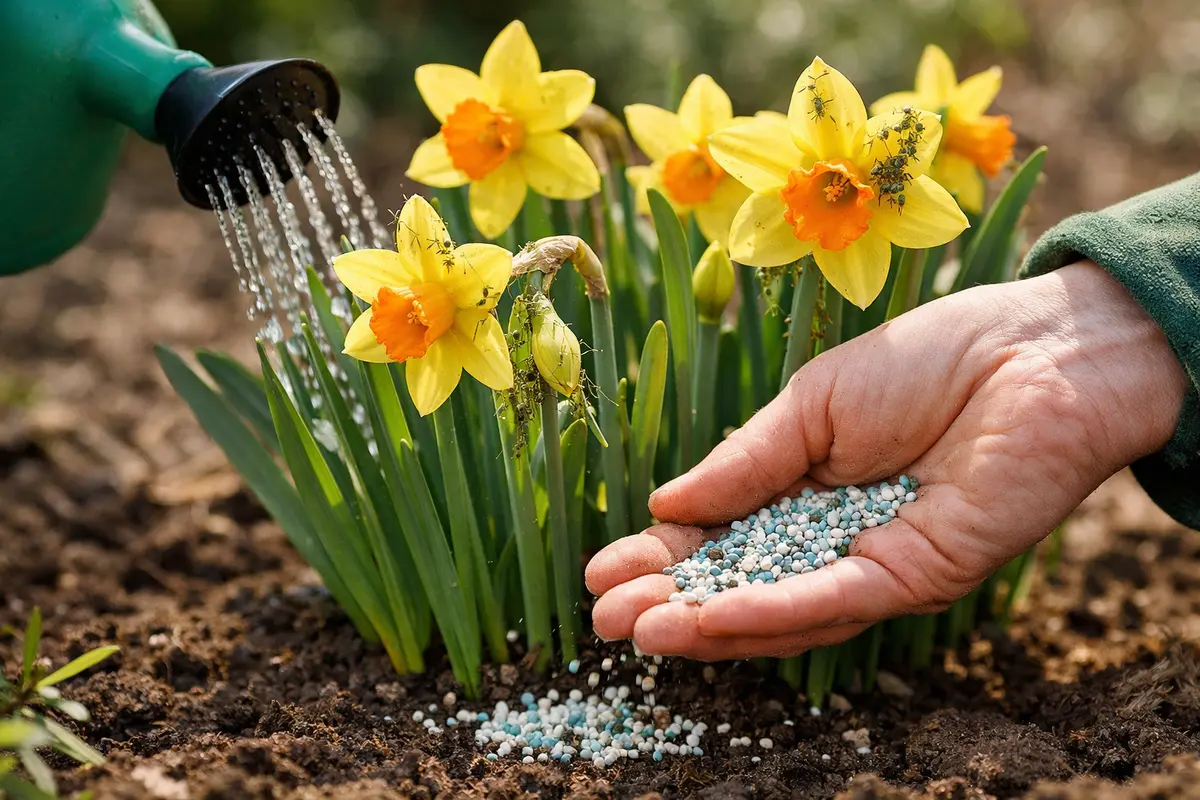
Apply a balanced liquid fertilizer to the soil around daffodils to promote strong recovery. You will see new growth emerge in about a week as the plants respond positively to the nutrients provided. Look for fertilizers that list a balanced ratio of nitrogen, phosphorus, and potassium, such as a 10-10-10 formulation, as these will support leaf strength and flowering abilities while helping the plants bounce back from stress. Ensuring the fertilizer is water-soluble can enhance absorption through the roots, leading to quicker recovery.
Nourishing your daffodils after removing aphids is essential because it helps the plants regain energy and health, especially after the stress caused by pest damage. Daffodils that receive proper nutrients will show vigorous green leaves and larger blooms, enhancing their overall appearance and resilience. Keep a close eye on plants that might have suffered excessive leaf damage; they may require fortified treatments a couple of times during the recovery phase to regain their vitality. During periods of heavy rain or altered climate conditions, applying nutrients can support recovery and overall growth. Monitor the soil moisture before fertilizing to avoid over-saturating the roots; soggy soil can lead to root rot, compounding stress and hindering nutrient uptake. If you are dealing with a related issue, grapevine during flowering covers a similar problem in detail.
A common mistake in recovery is over-fertilizing, which may lead to fertilizer burn, characterized by yellowing leaf edges and wilting. Applying excess fertilizer can overwhelm plant systems, leading to toxicity where stressed roots struggle to absorb water effectively. Ensure that you strictly adhere to the instructions on the fertilizer packaging and only use it as needed, observing the plant’s response to establish a healthy balance between growth and recovery. Additionally, conducting a soil test prior to applying any fertilizers is crucial; a test will reveal nutrient deficiencies or excesses, allowing you to adjust your fertilizing routine more accurately for optimal daffodil health. If you find that the soil is already relatively rich in nutrients, consider using a product with a lower concentration to avoid overwhelming the daffodil’s recovery process.
Step 4 – Schedule Regular Inspections Post-Blooming
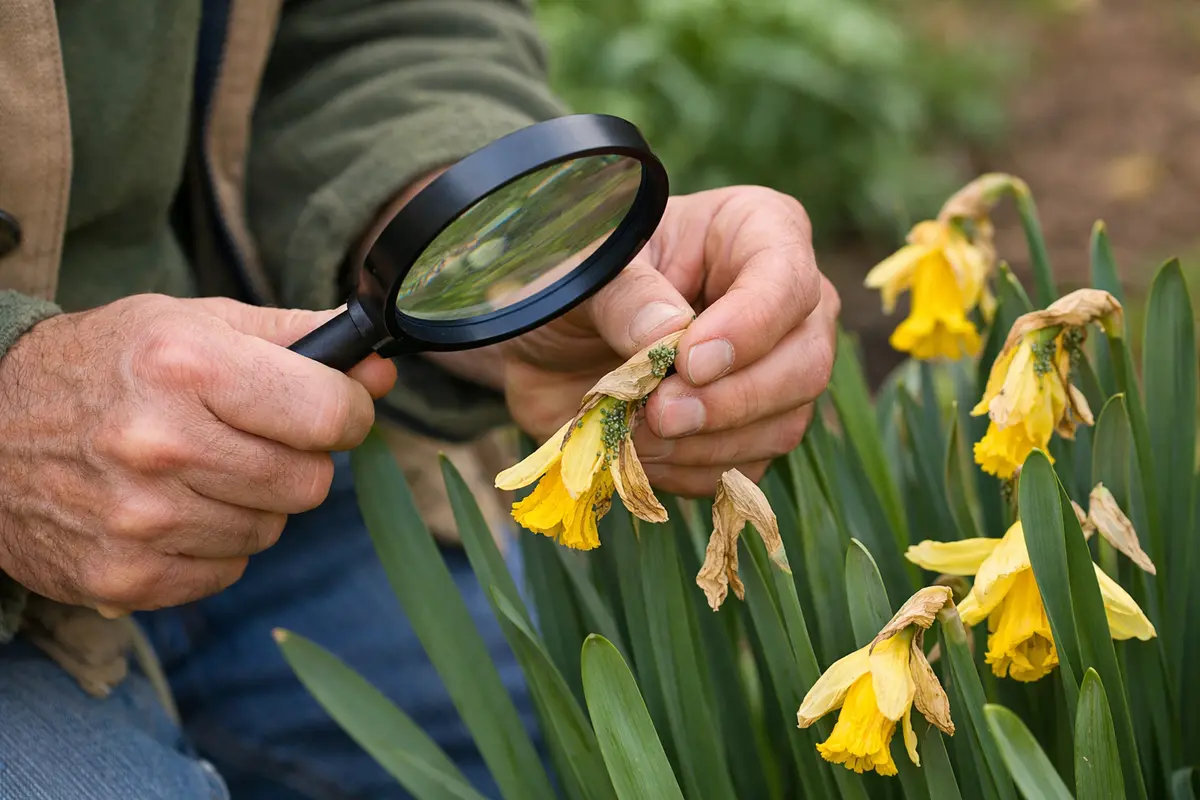
Start by applying a mixture of water and mild soap directly onto your daffodil leaves and stems weekly. This action will suffocate aphids by disrupting their outer coating, leaving your plants less vulnerable and visibly healthier within days. If you find they are resistant, you might need to inspect for additional pest species or environmental factors that could be exacerbating the issue.
Aphids thrive in warm, dry conditions, making newly sprouted daffodils particularly susceptible. Regularly spraying them with soapy water disrupts the aphids’ life cycle and addresses their overpopulation, reducing the chances of infestation as the blooms develop. If you notice a resurgence despite treatment, examine your watering technique and ensure it’s sufficiently moist but not overly dry; fluctuating moisture can lead to stress and invite other pests. Additionally, monitor for external conditions such as wind, which can carry pests from nearby plants, necessitating a more vigilant inspection routine. A related fix is explained in plants during summer if you want to compare approaches.
In spring, when temperatures fluctuate, think about increasing the frequency of your treatment to twice a week, especially during extended dry spells or after significant rainfall when plants may become stressed. Additionally, introducing beneficial insects like ladybugs can create a natural barrier against aphids, aiding in long-term pest control. Following a post-bloom inspection schedule is vital to identifying potential aphid recurrence and preventing substantial damage. High humidity and warm temperatures during transition seasons can re-attract aphids, making proactive monitoring essential. Keeping records of when and where infestations occur can help you anticipate future outbreaks based on weather conditions and plant stress factors. Notably, if you find signs of aphid secretions or any sticky residue on surfaces, those indicators can signal that an infestation might be on the rise; be proactive in your approach for better results.
Step 5 – Look for New Aphid Activity on Daffodils
Start by monitoring your daffodils every few days during blooming. Look for signs of aphids such as clusters of small, pear-shaped insects on the stems or undersides of leaves. Observe any changes in leaf texture, with healthy leaves appearing firm and vibrant, while those affected by aphids may become curled or sticky due to honeydew secretion.
A fully recovered daffodil will have leaves that maintain their upright posture and exhibit a glossy green hue. In contrast, early signs of aphid problems returning include a noticeable leaf curl and sticky residue accumulating on the plant and surrounding surfaces. If the lovely yellow blooms begin to droop or show discoloration, check for the return of these pests. For a closely related scenario, see petunia plants turn.
If you observe aphids returning despite your maintenance efforts, spray the affected areas with a gentle insecticidal soap solution to disrupt the aphid population. If this does not yield results, escalate by introducing beneficial insects, such as ladybugs, which are effective predatory solutions for aphid control in the garden.
A fully recovered daffodil plant will feature vibrant flowers and well-hydrated leaves, indicating effective pest management and successful plant nourishment. Regular checks on leaf undersides and stem bases should become routine, as these are common areas where aphids will regroup. Distinct symptoms of a new aphid invasion include sticky residue from honeydew and the return of wilting leaves. Furthermore, timely detection of these symptoms is vital to prevent another infestation from taking hold. It’s worthwhile to remember that if you see ants wandering around your daffodils, their presence often indicates aphid activity since ants farm aphids for their honeydew, which can increase the pest population. As ants actively protect aphids in exchange for honeydew, their movement can directly correlate with the aphid population’s growth. To break this cycle, removing ant access points and implementing treatment for both pests is crucial.
If you notice aphid activity returning, double-check for any pesticide residues or deficiencies in your fertilization strategy; this can hinder the recovery process. Remember to check the weather conditions before treating the plants; high temperatures coupled with high humidity can complicate recovery. In such cases, further treatment may involve reapplying insecticidal soap or enhancing soil nutrients as needed to restore plant vitality. Additionally, incorporating plant varieties that are naturally resistant to aphids, such as certain species of garlic or chives, can serve as a long-term prevention strategy, significantly decreasing the likelihood of future infestations. Maintaining a diverse plant community can create an ecological balance, which further minimizes pest populations overall.
FAQ
How long does it take for aphids to die after spraying?
Aphids typically begin to die within hours after being sprayed with insecticidal soap. However, complete control may take several days, depending on the severity of the infestation and the initial application’s thoroughness. If not completely eliminated, reapplication of insecticidal soap may be necessary within a week to ensure any remaining aphids are controlled effectively, particularly if they were allowed to reproduce unseen. Maintain a steady inspection routine to catch and address new activity promptly.
Can aphids spread to other plants nearby?
Yes, aphids can quickly spread to other nearby plants, especially during blooming when many plants are in close proximity or sharing resources. Regular monitoring and early detection are essential to prevent them from infesting new areas of your garden. Be cautious when moving other plants near your daffodils, as this can inadvertently transfer the pest problem, allowing it to thrive and spread. Implementing barriers or companion planting with repellent plants can prove beneficial in this regard, creating a buffer for vulnerable species.
Should I remove damaged leaves from daffodils?
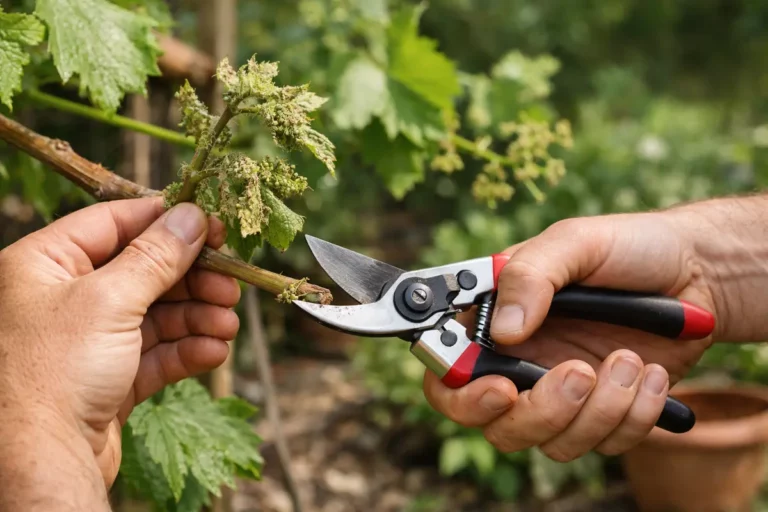
Yes, you should remove damaged leaves to help the daffodil plant redirect its energy toward healthy growth. Trim any leaves that show significant signs of damage to encourage better airflow and health throughout the rest of the plant. Make sure to use clean, sharp pruning shears to minimize damage to healthy tissue and reduce the risk of introducing pathogens during the process. Additionally, consider mulching around the plants to suppress weed growth and improve soil moisture retention, which can further support recovery. Replace any mulch that decomposes or is displaced over time to maintain effectiveness.