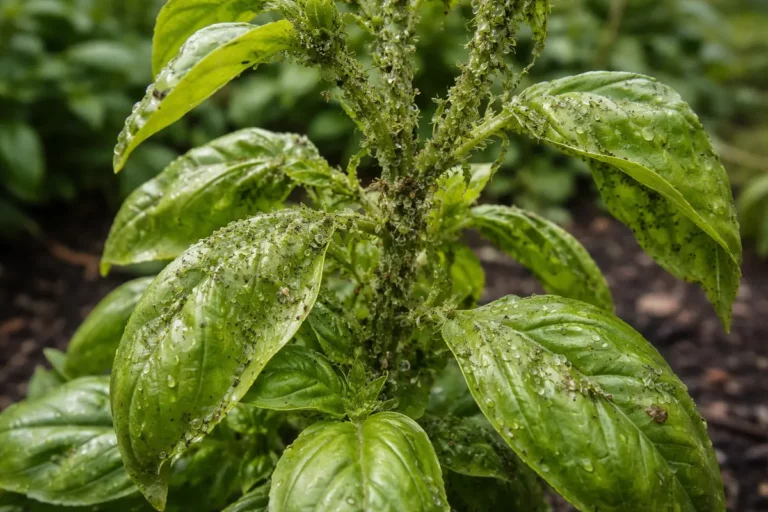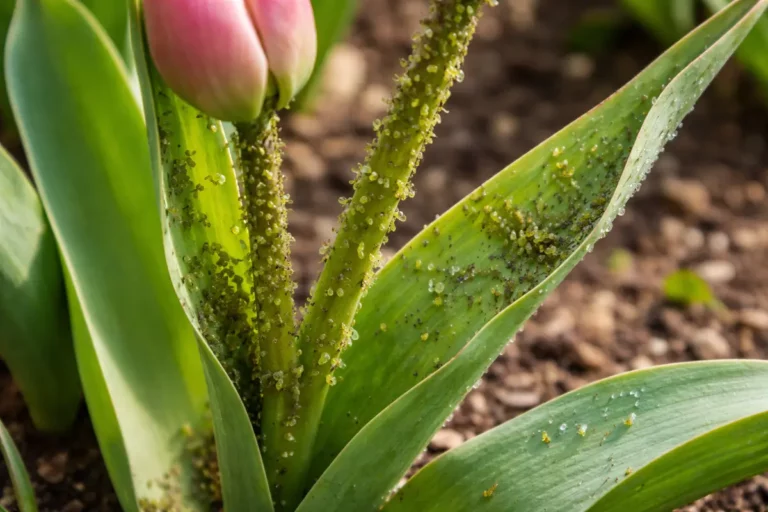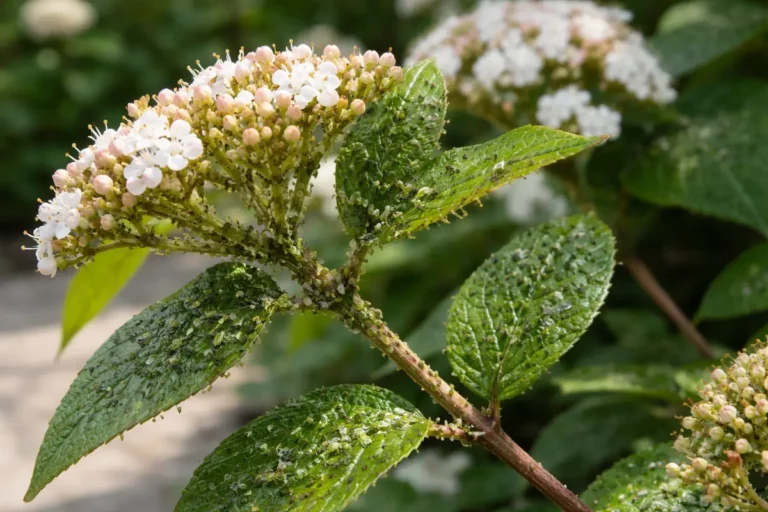
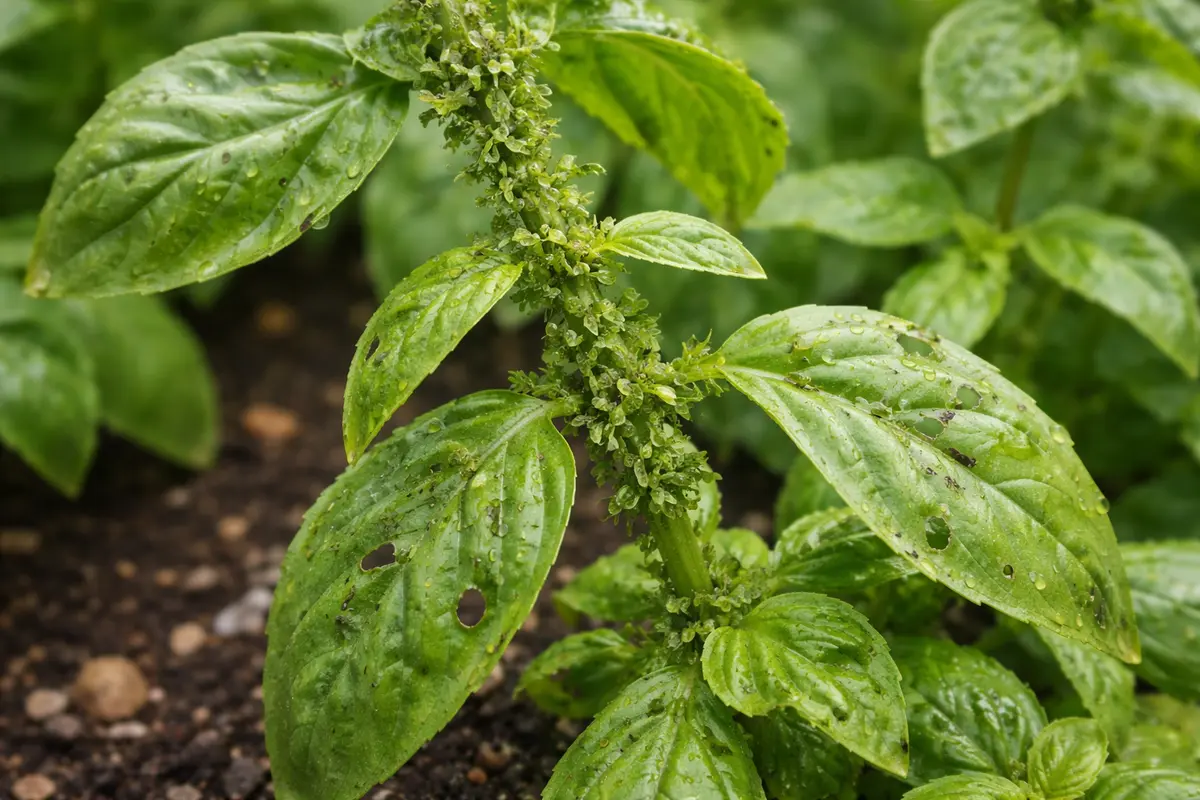
You may notice your herbs looking less vibrant during spring, with clusters of tiny insects feasting on their tender leaves, which is why you need to know how to stop aphid infestations on herbs during spring. The plants often show signs of yellowing and wilting, as these pests drain vital nutrients, leading to significant damage. If left untreated, the aphid problem can spread and weaken the plant, making recovery harder, but it’s possible to fix it now by inspecting for infestations and removing affected parts promptly.
Step 1 – Spray Garlic Solution on Herbs Immediately
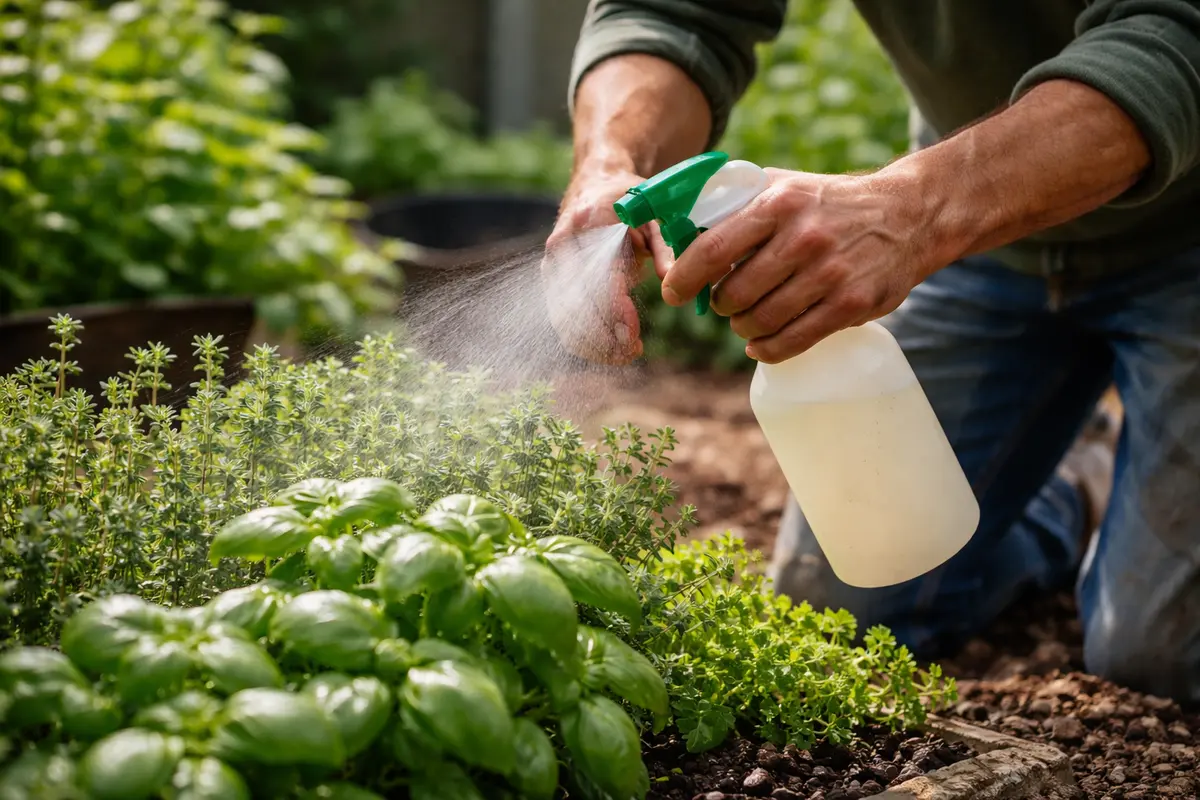
Start by mixing a garlic spray and applying it directly onto the affected herbs. You will notice many aphids begin to disperse within a few hours as the garlic’s strong odor acts as a repellent. Use a mixture of about 2 tablespoons of minced garlic per quart of water, steeped for at least 24 hours, followed by straining the mixture before spraying. For optimal results, aim to cover not just the tops of the leaves, but also the undersides where aphids tend to hide. Ensuring a good coat on the underside is critical, as this is where aphids often congregate.
This method is effective because the allicin in garlic disrupts the aphids’ feeding habits and masks the scents that attract them. By spraying the solution early in the day, you minimize the time the pests have to feed and damage your herbs, promoting faster recovery. Immediate action limits infestation rates, which can escalate quickly when spring temperatures rise and aphid populations rapidly increase. Checking your plants daily during this season can help catch infestations at their earliest stages; if you notice leaf curling or a sticky residue on the leaves, it may indicate aphid activity.
A common mistake gardeners make at this stage is delaying the spray, thinking they can remove the aphids manually. If the clusters remain for even a day or two, more aphids will appear, making removal more difficult. Always keep a batch of garlic spray handy to ensure readiness as soon as you notice the problem. It is also wise to pre-test the spray in a corner of a leaf to ensure no adverse reaction occurs; discoloration could indicate sensitivity. If DIY solutions are unsuccessful, consider integrating commercial neem oil products that target aphids without affecting beneficial insects. Be aware that if your garlic spray leaves a film on the leaves, this could potentially hinder photosynthesis, indicating that a diluted approach might be necessary for delicate herbs.
Step 2 – Assess Environmental Conditions Causing Aphids
Examine your herbs for factors that attract aphids, such as overcrowded plants or lack of airflow around the foliage. You will see a reduction in aphid presence once these favorable conditions are improved; spacing plants about 12 to 18 inches apart can drastically enhance airflow. If your plants are flopped over or crowded, this might create a humid microclimate that aphids thrive in, leading to a quick resurgence of the infestation. Pay attention to areas where moisture tends to accumulate, as this will be particularly inviting to aphids.
Aphids thrive in warm, moist environments, especially when growth conditions are overly favorable, such as overcrowding, which can stress the plants. Ensuring proper spacing and enhancing airflow helps keep the plants dry and healthy, making them less attractive to aphids. It is essential to address these underlying environmental factors now to prevent a recurrence of the infestation. Regularly check your garden layout; moving plants that are susceptible to aphids can significantly impact their health, as better arrangements also deter pest attraction. Adjusting the planting design also allows sunlight to reach all parts of the plants adequately, reducing shadows that can encourage pest habitation.
If you observe signs of aphids persisting despite these adjustments, assess whether the soil is nutrient-rich or if you have excessive moisture retention. Over-fertilization can lead to softer plant tissues that aphids prefer, while poor drainage may lead to other moisture-loving pests. Adjust your watering practices and consider a recheck of nitrogen levels in the soil to balance conditions more suitably for your herbs. In cases where the soil is consistently overly moist, improving drainage or incorporating plants that naturally repel aphids can provide dual benefits; for instance, growing garlic or onion alongside susceptible herbs can deter infestations. You might notice that when these companion plants are in close proximity, the overall health and vigor of your herbs improve, creating a less hospitable environment for aphids.
Step 3 – Water Thoroughly to Aid Herb Recovery
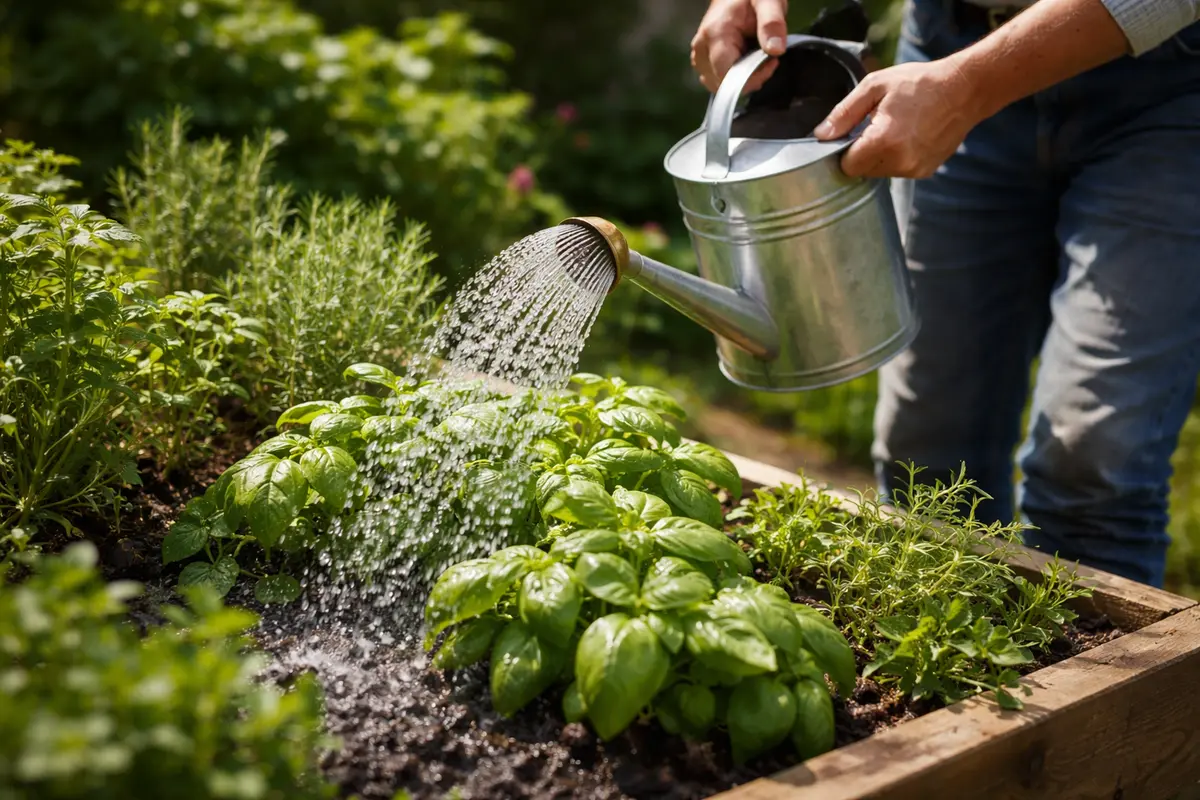
Water your herbs thoroughly to help them recover from aphid attacks and improve their resilience. You will notice the soil becoming adequately moist, promoting a healthy root system that supports new growth. Use a watering can or hose with a fine nozzle to direct water at the base of your plants, aiming for about 1 inch of water per week; monitor moisture levels to prevent over-saturation, which can lead to root rot. Make sure to check the soil moisture about an inch beneath the surface; if it feels dry, then it’s time to water.
Proper watering rejuvenates your plants by ensuring they absorb essential nutrients for optimal growth, which is crucial after an aphid attack. Aphids drain the energy from plants, so a revitalizing soak encourages new, vigorous growth that can establish defenses against pests. Aim for moist soil that reaches about six inches deep to ensure the root zone is adequately nourished. Regularly check the moisture level by sticking a finger into the soil; if it feels dry up to the first knuckle, it’s time to water. Adjust accordingly if you notice any muddy patches or signs of excess water, which may indicate over-irrigation. Additionally, consider adding mulch to retain moisture, which can help maintain a more consistent watering schedule.
A common pitfall during recovery is overcompensating with excessive watering, which can lead to root rot and other issues. As herbal plants like basil and cilantro thrive in well-drained soil, ensure to let the top inch dry out before watering again. While consistent moisture is crucial during recovery, balanced checks on both the watering volume and frequency can ensure healthy herb growth. For heavy infestations, you may find that using a diluted liquid seaweed or fertilizer can help boost recovery by enhancing nutrient absorption, but this should not replace regular watering practices. If plants fail to perk up within a week, consider revising your watering schedule to balance moisture needs without saturation or seek out paths for drainage improvement. If initial watering efforts do not yield visible recovery signs, reevaluate your plant care strategy to include potential soil amendments or aeration practices that can stimulate root health.
Step 4 – Spray Neem Oil During Spring Growth
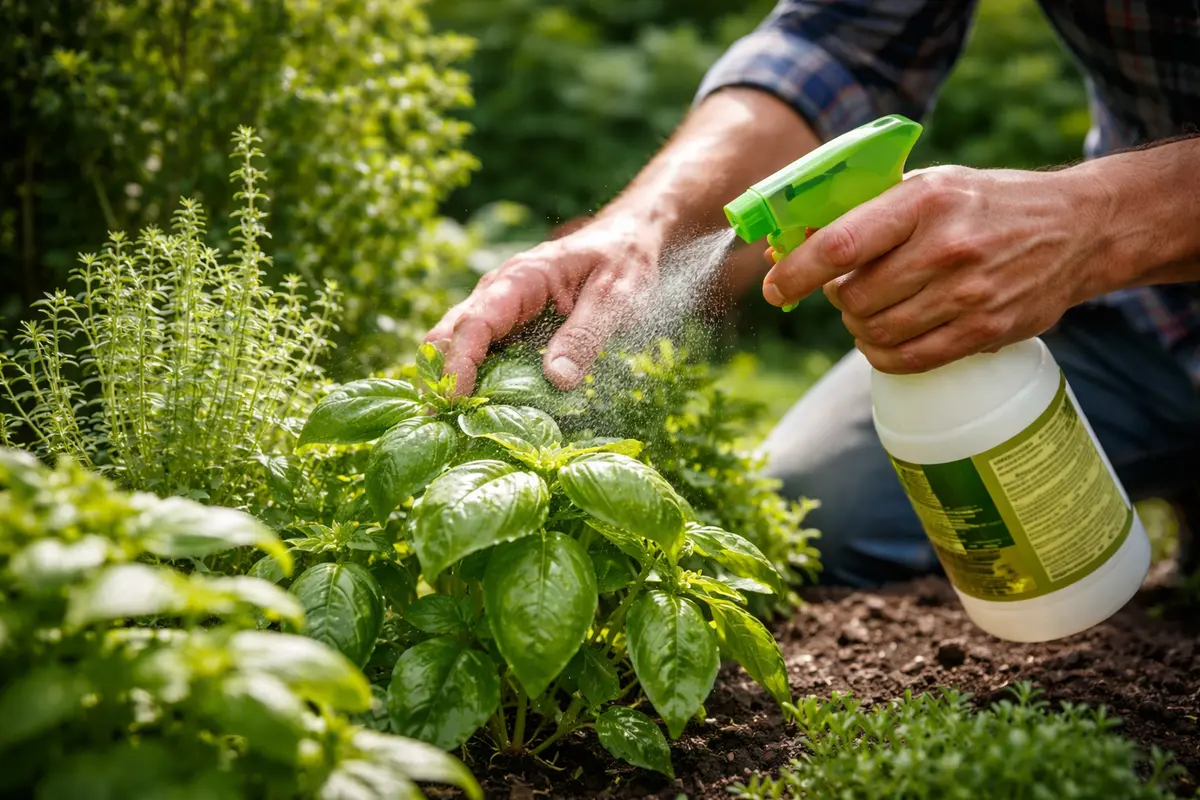
Apply neem oil as a preventative measure to strengthen your herbs against future aphid infestations. This will create a residue that repels pests while promoting overall health in your plants. Mix 2 tablespoons of pure neem oil per gallon of water and a few drops of dish soap to help the oil emulsify in water before spraying. Apply the mixture either early in the morning or late in the evening to minimize evaporation and protect beneficial insects active during the day. Setting a reminder for this can ensure consistency without forgetting the treatment schedule. Over-application can potentially lead to a buildup of residue on leaves, which might require additional rinsing.
Neem oil works by disrupting the lifecycle of pests, including aphids, when they come into contact with it. It alters their feeding habits and reproductive capabilities, effectively curbing population growth. It’s ideal to apply neem oil every 2-3 weeks during the spring growth phase to maintain protective coverage on your plants. Monitoring weather forecasts closely is wise; if significant rainfall is predicted, it may wash away previous applications and necessitate immediate re-spraying after the rain stops. Plan accordingly by adjusting application schedules to suit changing conditions, particularly to enable full effective coverage of your herbs after any heavy rainfall.
If your area experiences heavy rains or waterlogged conditions, this could wash away neem oil, making reapplication necessary more frequently. Consider integrating neem oil applications into a rotating treatment schedule with other organic pesticides for broader pest management. If you notice a drop in effectiveness, reassess your mix and application frequency to optimize the benefits. Utilizing companion plants that naturally deter aphids, such as marigolds or nasturtiums, can provide an additional layer of defense alongside neem oil treatments. For those who prefer non-chemical options, soap-based solutions can offer a less potent yet effective alternative, but ensure they are suitable for the herbs in your garden. Notably, using too high a concentration or improper mixing may nullify the intended effects, so always follow product-specific guidelines to ensure safety and effectiveness for your herbs.
Step 5 – Check Herbs for Residual Aphid Activity Weekly
Start by inspecting your herbs every few days for the presence of aphids, which appear as small green, black, or brown insects clustered on new growth and undersides of leaves. Look for sticky residue or yellowing leaves, indicators of sap feeding damage. If you notice these symptoms, recheck the plants weekly to assess changes in pest presence or signs of recovery.
A fully recovered plant will show vibrant green foliage with no visible target pests and firm, smooth leaves. In contrast, an early sign of the problem returning includes curling or distorted leaves, which may develop a sticky texture due to aphid excretion. If you see small clusters of aphids emerging yet again, it’s a clear diagnostic signal to take action.
If aphids return despite your monitoring efforts, apply a natural pesticide, such as neem oil, to disrupt their life cycle effectively. If the infestation persists, consider introducing natural predators like ladybugs to manage the population more sustainably and avoid chemical treatments that could harm beneficial insects.
A well-recovered herb will display vibrant, green leaves and steady new growth, indicating that both the plant and your preventative measures have succeeded. Conversely, if you spot tiny specks or sticky residue, this may indicate an early resurgence of aphids and the need for additional action. Early detection is crucial; failing to address aphid reappearance can quickly lead to a repeat of the same infestation, extending the recovery time and potentially damaging the plant beyond repair. Ensure your inspections include all parts of the plant, as aphids may migrate to other sections unnoticed.
If aphids reappear despite regular checks, consider implementing harsher treatments, including an insecticidal soap specifically designed to target soft-bodied pests. However, if this problem continues to persist, take a step back to reassess your watering practices, soil quality, and overall plant health, as these factors significantly influence the vigor and resilience of your herbs against pests. Additionally, if aphids appear again shortly after treatment, assess whether beneficial insects have been affected, as their absence can sometimes lead to pest resurgence across affected plants. Furthermore, check for signs of other pest invaders like spider mites, as they often coexist with aphids and exacerbate existing damage, complicating recovery efforts. Understanding interconnected pest dynamics will better equip you in managing not just aphids but overarching pest challenges in your herb garden.
FAQ
How long does it take for the garlic spray to work against aphids?
You can expect to see a noticeable reduction in aphids within 24 to 48 hours after applying garlic spray. However, complete eradication may take up to a week, especially if the infestation was significant. The quicker you apply the solution, the less time aphids have to reproduce and spread, cementing the importance of timely intervention.
Can aphids spread to other plants in my herb garden?
Aphids are known to spread quickly, especially during the spring when plants are growing vigorously. It is crucial to isolate affected plants immediately to prevent them from infesting the surrounding herbs, as movement can lead to expanded clusters that compromise plant health. Ensure that any new plants added to your garden are checked for pests before introduction to help minimize the risk of spread and maintain balance within your garden ecosystem.
Should I remove the affected parts after treating aphid infestations?
Yes, removing heavily infested leaves can help reduce aphid populations and prevent further damage to your herbs. This action not only removes the pests but also encourages healthier overall growth in your plants and opens up light to the remaining leaves, promoting photosynthesis. Regular monitoring for signs of stress in remaining leaves is essential to ensure the plants recuperate effectively.