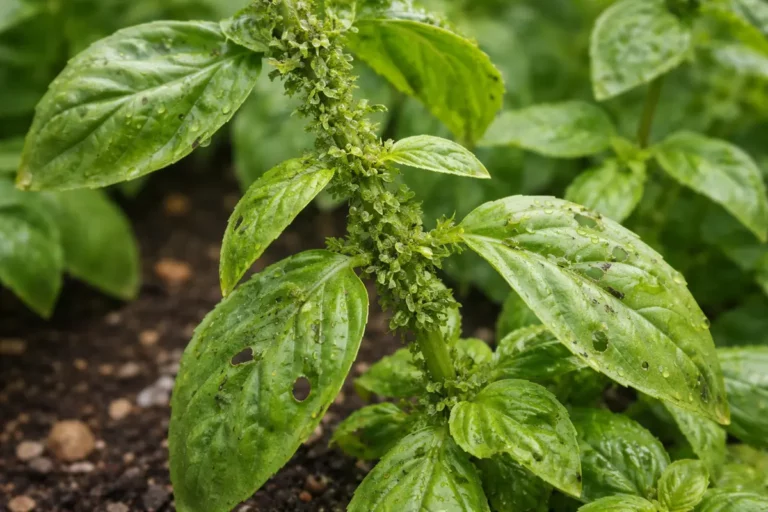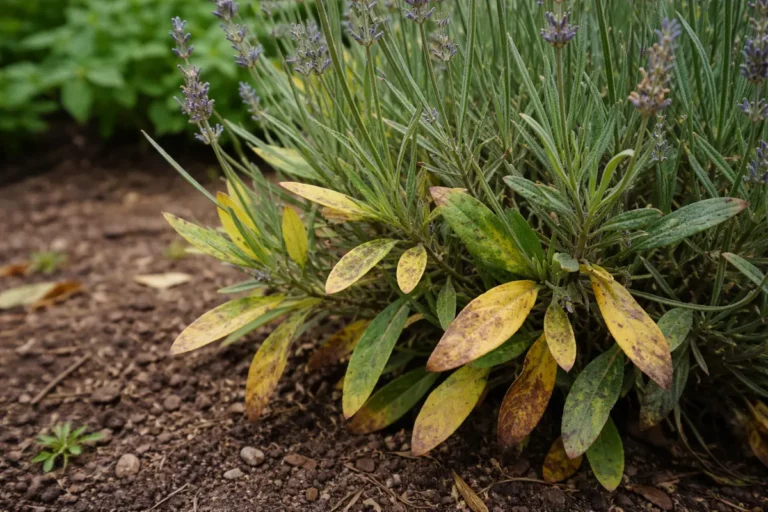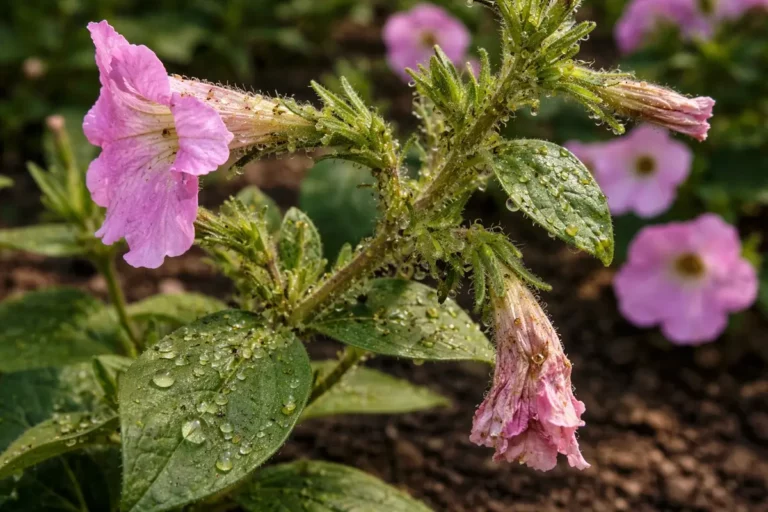
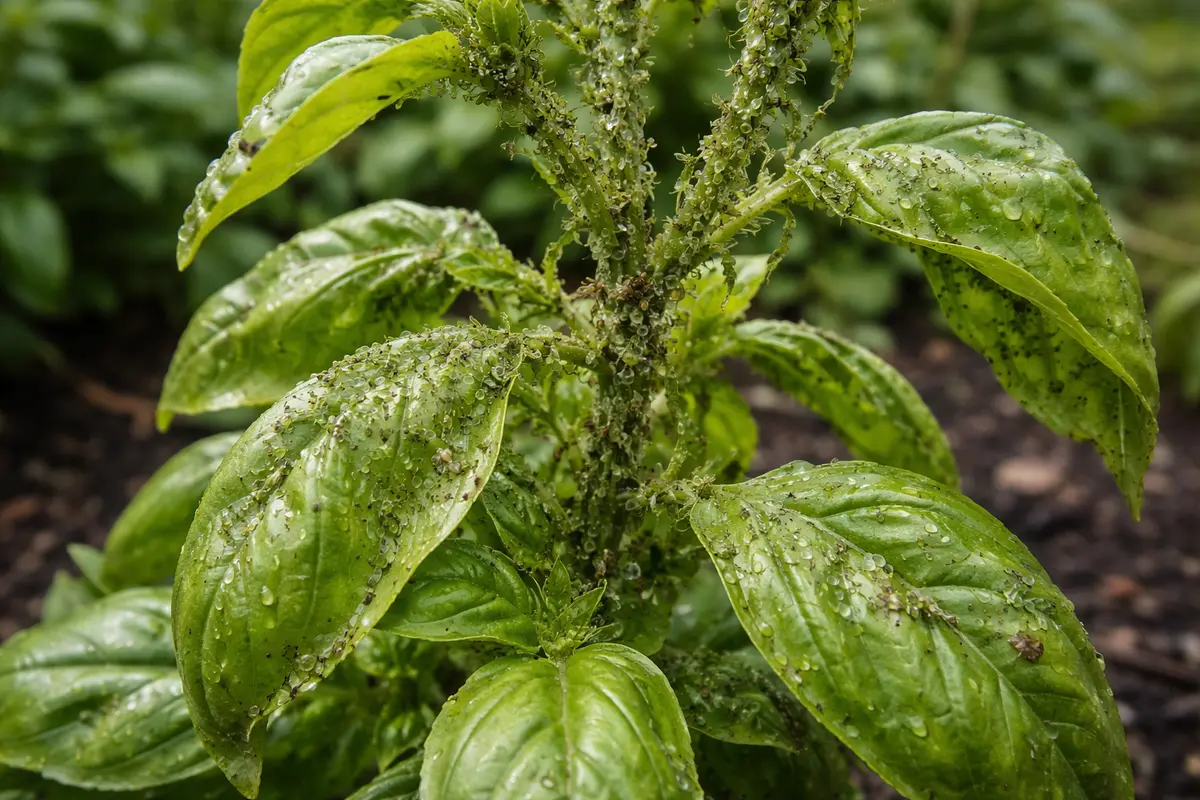
You may notice a sticky residue or curled leaves on your outdoor herbs during summer, a clear sign that you need to know How to manage aphid infestations on outdoor herbs during summer. These tiny pests feed on the sap, leading to yellowing and damage that can compromise your plants’ overall health. If left unchecked, the infestation can spread rapidly and lead to more damage, but fixing it is possible now—just inspect for infestations and remove any affected leaves to restore your herb garden’s vitality.
Step 1 – Wash Aphids Off Outdoor Herbs Immediately
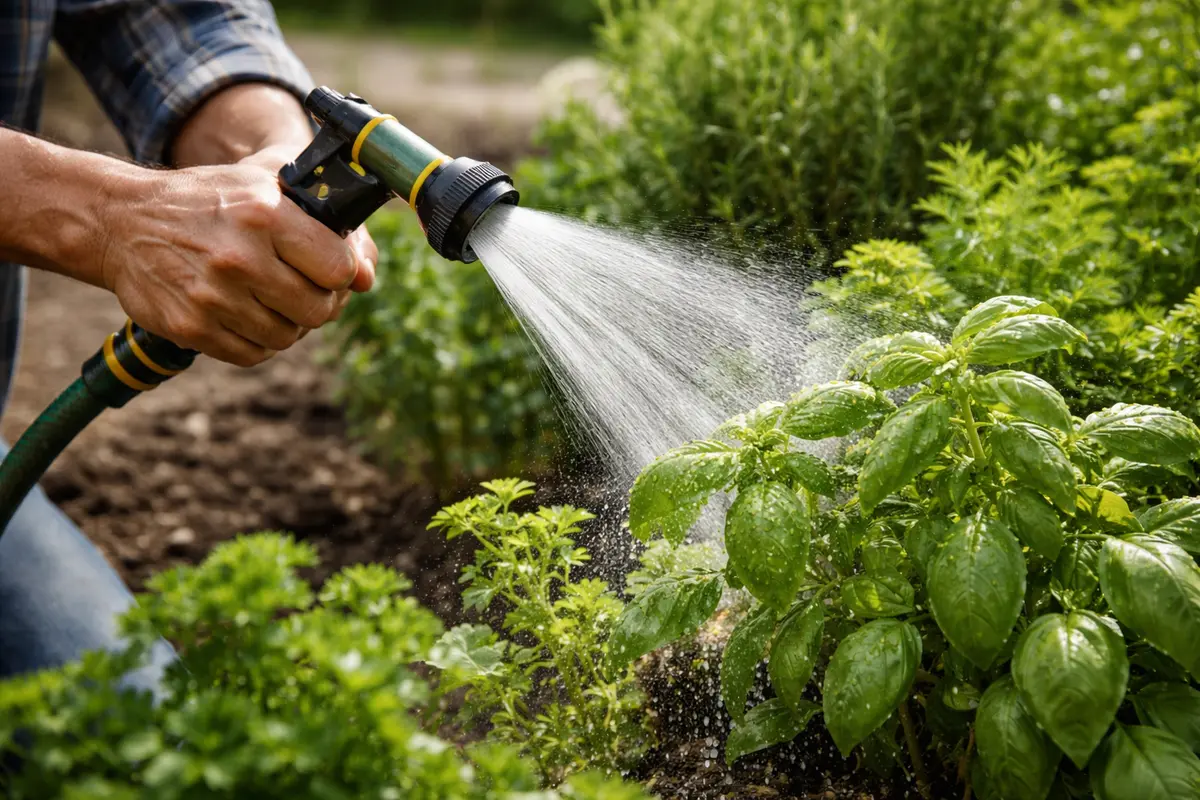
First, spray the affected herbs with a strong stream of water, focusing on undersides of leaves where aphids congregate. This immediate action dislodges many aphids, reducing their numbers visibly within hours; you should see fewer of these pests clinging to your plants after a thorough rinse. Aim to use a pressure setting on the hose that can jettison pests without damaging the leaves, typically a medium to high spray should suffice.
Acting quickly is crucial because aphids reproduce rapidly, with a single colony potentially doubling in size every few days. If delayed, they not only weaken the herbs by sucking sap but also produce sticky honeydew that attracts ants and encourages the growth of sooty mold, further damaging your plants. If your herbs show signs of yellowing and curling leaves, that’s often a clear indicator that aphids have settled in and need immediate attention. After spraying, it’s wise to observe leaves for signs of renewed aphid presence, which could appear as small clusters that reveal their population density.
For instance, a gardener who sprayed their basil upon noticing a few aphids was able to eliminate the problem before it spread, while another who waited saw the infestation grow, leading to stunted growth and more extensive damage. A common mistake is dismissing small populations, thinking they’ll resolve on their own; however, quick intervention is key before populations explode. A succinct approach involves inspecting the plants immediately after watering or rain, as this is when you can clearly identify the undersides of leaves.
This method works because the force of the water physically knocks aphids from their feeding spots on the leaves, disrupting their feeding and allowing your plants to recover. However, if you wait even a few days, these pests rapidly multiply, with females giving birth to live young that lead to a stronger colony that damages young leaves and can spread to other herbs nearby. A thorough rinsing can also wash away honeydew, a sticky substance secreted by aphids, which can attract even more pests, such as ants and wasps, complicating your control efforts. Alternatively, if your water stream is too gentle, many aphids may survive the rinse, resulting in only a temporary reduction in their population.
Timing is critical in this step; addressing the issue as soon as you see aphids prevents them from establishing a strong colony. To maximize effectiveness, rinse the plants in the early morning or late afternoon when temperatures are cooler, which aids in quicker drying and reduces stress on the plants. A common mistake many gardeners make is only inspecting the top of the leaves, as aphids often hide on the underside or along stems. Accessing these hidden areas is essential for thorough cleaning; half-hearted spraying often results in a resurgence, as any surviving aphids will quickly repopulate the plants. To enhance your cleaning, inspect both surfaces of the leaves while gently shaking the plants to encourage any aphids to fall away and prepare to follow up on areas that are more shaded.
Step 2 – Diagnose Infestation Cause on Your Herbs
Inspect your garden for other contributing factors like overcrowded plants or poor air circulation around your herbs. You will notice this will help you identify hidden causes or conditions that may be attracting aphids. Keeping your herbs spaced appropriately can make a significant difference, as plants that are too close together can trap humidity and warmth, creating a conducive environment for pests. If your herb beds have a dense arrangement, you may need to consider re-planting your herbs to give each space enough room for healthy airflow, ideally a spacing of 12-24 inches depending on the type of herb.
Aphids thrive in environments where plants are stressed from lack of water or nutrients. Poor drainage in the soil can lead to weakened plants, making them more susceptible to infestations. To assess drainage, check if your soil is too compact or improperly draining; signs include water pooling after watering or a persistently wet top layer. Over time, compacted soil can hinder root expansion and nutrient uptake, magnifying the stresses that aphids exploit. Additionally, overcrowded herbs hinder proper airflow, which can create a humid environment that aphids find welcoming. Addressing these conditions helps strengthen your plants against future invasions by improving their overall resilience. During inspections, consider noticing how other plants in proximity might also be struggling, which could suggest broader systemic issues within the garden.
If you find your soil is too compact or has poor drainage, consider adjusting your watering schedule to prevent oversaturation or improving soil aeration by adding compost to increase its permeability. Apply amendments judiciously and allow a few days for your soil structure to improve; you should notice better root health if done correctly. Another common issue could be nearby plants that attract aphids, serving as a bridge to your herb garden. If the neighboring plants are infested, consider applying preventative measures to those as well, like introducing beneficial insects that feed on aphids, such as ladybugs or lacewings, which can also help maintain a balanced garden ecosystem. Observing these factors with intention helps create a holistic approach towards preventing infestations rather than merely treating symptoms.
Step 3 – Fertilize Affected Herbs for Quick Recovery
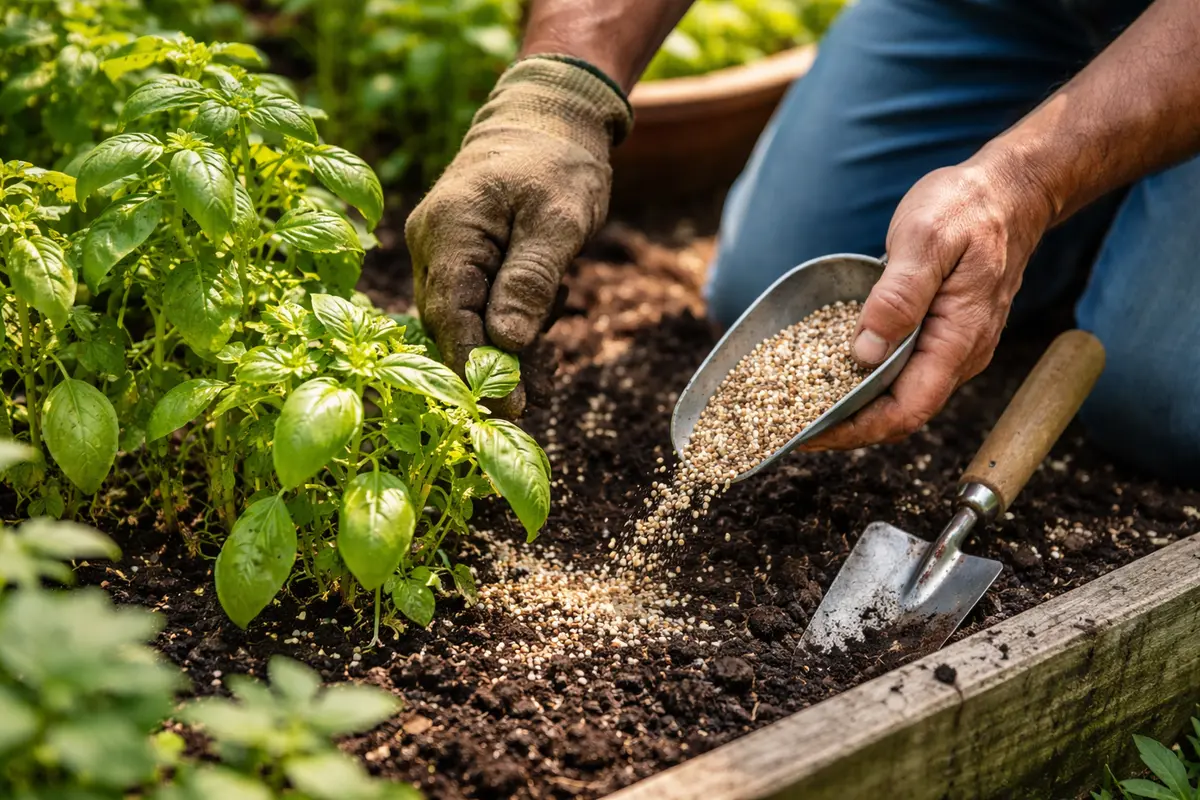
Apply a balanced, organic fertilizer to your herbs promptly to help them recover from the stress of aphid feeding. You should notice new healthy growth within a week as the plants begin to bounce back and fortify their defenses against future pests. Select a product that includes essential nutrients such as nitrogen, phosphorus, and potassium, and be sure to follow the directions carefully based on your plants’ size and condition so that you apply the appropriate dosage; for most herbs, approximately 1 tablespoon per gallon of water suffices.
Healthy fertilizer promotes stronger leaf development and improves the overall vigor of the plants, which is crucial after an aphid attack. Rich, nutrient-filled soil helps your herbs produce natural sugars and oils that deter aphids and other pests in the future. It’s particularly important to use organic fertilizers that release nutrients gradually, ensuring that your plants receive a steady supply of what they need to recover effectively. Too often, users opt for fast-release synthetic fertilizers that can lead to growth spurts that attract aphids instead.
A potential mistake when fertilizing is over-applying, as high nitrogen levels can result in excessive leaf growth that attracts more aphids. You should be cautious during application; after mixing the fertilizer, allow it to sit for a few minutes before applying, which helps the nutrients break down slightly for better availability. Each herb type has specific nutrient requirements; for example, basil benefits most from a balanced 10-10-10 fertilizer mix, but more nitrogen-heavy fertilizers can lead to lush growth that aphids find irresistible. It is advisable to follow the recommended dosage on the fertilizer packaging and plan to monitor the plants closely for signs of healthy growth before applying another round. Additionally, overwatered herbs can be more susceptible to pest problems, so maintain consistent watering practices paired with judicious fertilization to avoid creating an environment conducive to a new pest problem.
Step 4 – Shield Herbs from Aphids During Summer Heat
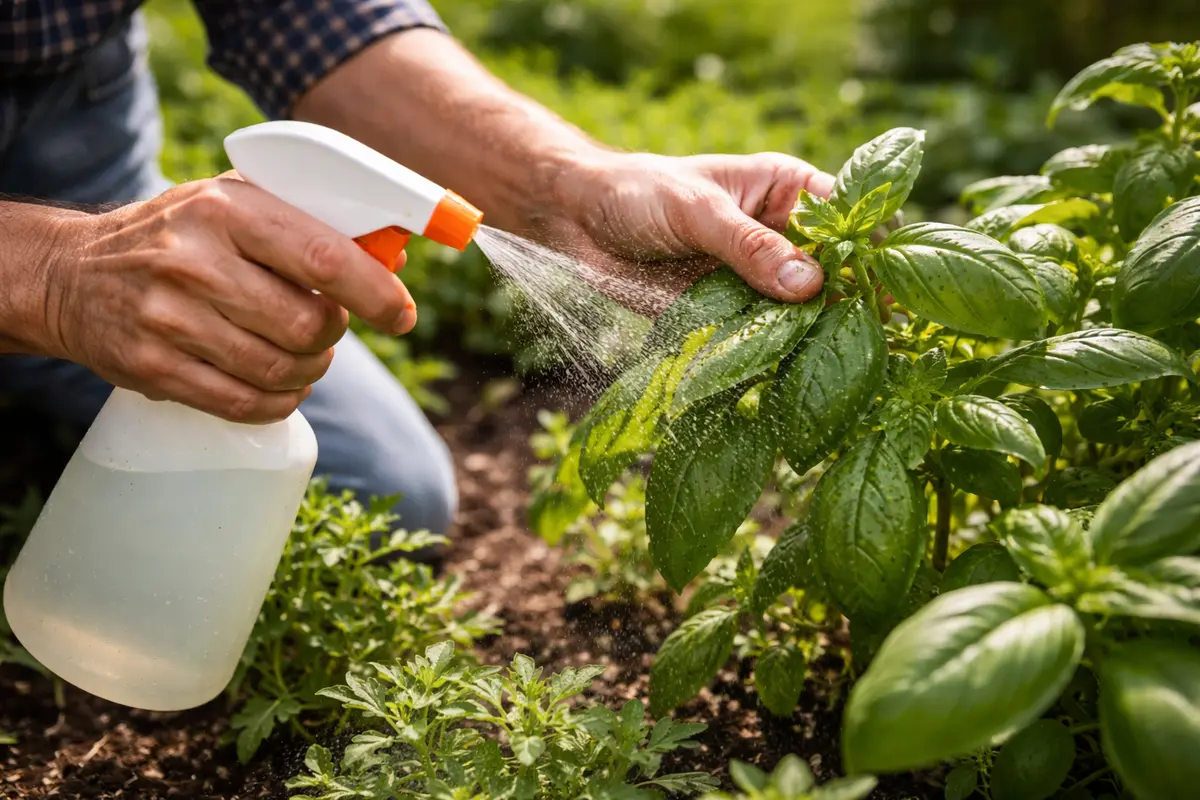
Start by regularly inspecting your outdoor herbs for aphids and using a strong jet of water to dislodge them upon sight. By incorporating this practice into your routine, you will reduce the aphid population significantly, creating a less favorable environment for future infestations. Integrate this action alongside a maintenance schedule, ensuring it aligns with your watering routine to reinforce plant resilience.
Aphids thrive in warm, dry conditions which can occur during summer months when plants are under stress. By consistently washing your herbs and keeping them well-hydrated, you disrupt the aphid’s breeding cycle and prevent the conditions that lead to their resurgence. If you notice many aphids returning, check for any underlying watering issues that may be exacerbating plant stress. This can include inspecting soil moisture levels; too much dryness can compromise plant health, while excess water can lead to root rot that weakens them even further.
As summer progresses, consider adding a layer of regular neem oil application every few weeks. This organic compound not only deters aphids but also acts against other pests that may appear during the heat; a spray every 10-14 days can enhance this effect. If you observe that the infestation persists despite these efforts, re-evaluate your herb’s spacing and ensure they are not overcrowded, which can create sheltered environments for pests. Configuring companion planting; for example, planting cilantro or dill, herbs that ward off aphids, can significantly reduce their occurrence.
Certain plants, like marigolds and nasturtiums, are natural aphid deterrents and can be planted strategically alongside your herbs. Marigolds can disrupt aphid activity significantly, while nasturtiums can serve as a trap crop, attracting aphids away from your herbs. You should actively incorporate these plants when setting up your herb garden to maximize their protective benefits. Additionally, properly spacing your herbs allows for better airflow, which reduces humidity; aphids thrive in damp environments, so maximizing airflow is a vital preventive measure. Incorporating reflective surfaces or mulch can further expand your strategy by introducing additional barriers against pests. In many seasons, aphids on cucumber plants after heavy tracks with visible chewing or stippling.
When the heat peaks, consider shading your herbs with netting or fabric during the hottest part of the day; this helps maintain moisture levels and reduces plant stress. A common mistake is relying on the same planting arrangement year after year without adjusting for local pest pressures. Changing your planting layout with varying companions or rotating crops every season can keep pests off balance, making infestations less likely and potentially reducing the need for chemical treatments. If you find your nearby flowers or shrubs attract aphids continuously, investigate more long-term alternatives like removing such plants altogether or replacing them with varieties that do not attract aphids.
Step 5 – Inspect Herb Foliage for New Aphid Activity
Check your herb plants regularly, ideally every 2-3 days, to monitor for any signs of returning aphids. As you examine the leaves, watch for any sticky residue, curled leaves, or clusters of small insects that resemble the ones previously present. Particularly scrutinize new growth since aphids prefer to infest tender, young leaves where they can feed more easily. A visual checklist can help streamline your inspection process and ensure no signs are overlooked. Mark the dates of your inspections to compare appearances efficiently.
Well-recovered plants should display healthy, firm leaves free from any new aphid colonies or damage. Look for new growth emerging from the tips of plants; this indicates they are thriving. Conversely, signs of the problem returning include leaves curling, yellowing, or losing color, indicating a loss of vitality as a result of renewed feeding by aphids. Alternately, if you notice sticky residue or deposits once more, it warrants immediate action. Suspicion should be raised if you notice flying aphids reappearing, as winged forms can transmit infestations more aggressively. If viable colonies reappear, initiate treatment mechanisms without delay to disrupt their establishment.
If you find signs of an infestation returning, immediately repeat the washing step to prevent the population from growing again. Implement this action right after discovering any signs; this puts you two steps ahead of the pests before they can establish a firm hold. Early detection is crucial; if the condition is allowed to escalate, it could require more drastic treatments, such as introducing beneficial insects or switching to organic pest control methods that may have more significant application processes. If aphids persist despite washing, consider integrating insecticidal soap or horticultural oil as alternatives. Additionally, keeping a log of when infestations occur can help identify patterns, which can assist in future prevention efforts.
FAQ
Can aphid infestations spread to other plants?
Yes, aphid infestations can spread quickly to nearby plants through direct contact or by winged aphids that travel to other foliage. Monitoring surrounding plants is crucial to preventing new infestations and ensuring a healthy garden ecosystem; if nearby plants show signs of infestation, treating them promptly can help protect your herbs. Utilizing barriers or companion planting strategies helps bolster your defenses in a holistic manner.
How long does it take for herbs to recover from aphid attacks?
After effective treatment and proper care, herbs can show signs of recovery within a week. New growth, especially healthy green leaves and stems, indicates that the plants are regaining strength and can fend off future pests. Factors like the severity of the infestation and the type of herb will influence the recovery speed, but consistent monitoring will yield the best outcomes. In some instances, if the initial attack was particularly severe, be prepared for any recovery to take slightly longer as the plant re-establishes its vitality.
Should I remove affected parts of the herbs or leave them on?
It’s advisable to remove any heavily infested areas or leaves that show significant damage to reduce the risk of reinfestation while preserving healthy parts of the plant where possible. This practice encourages continued growth, strengthens the plant’s overall health, and promotes the generation of robust new foliage that is less susceptible to pests. As a precaution, keep a watchful eye on the remaining leaves for any changes following the removal of damaged sections, as this can indicate whether the action was sufficient.