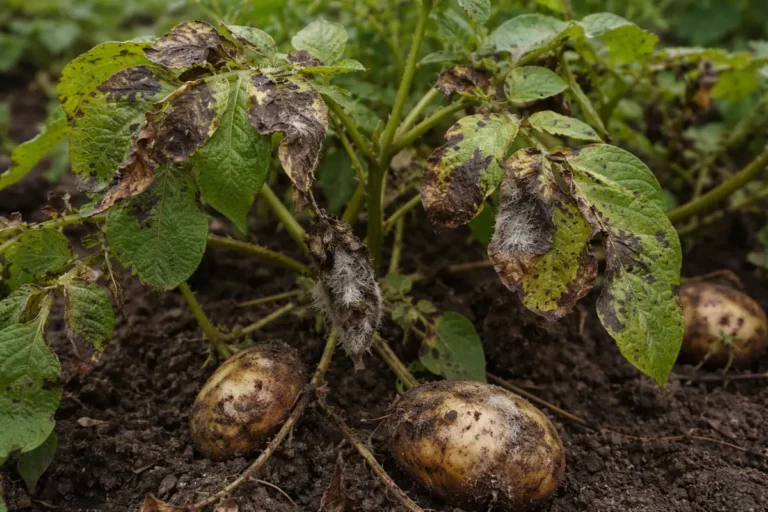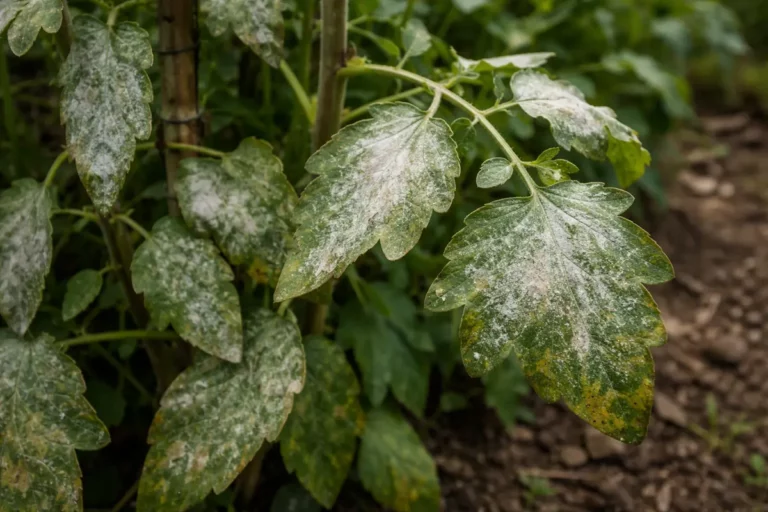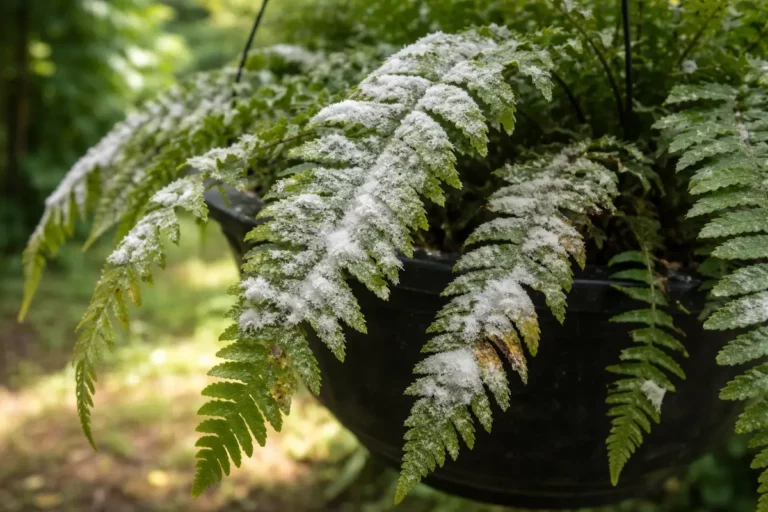
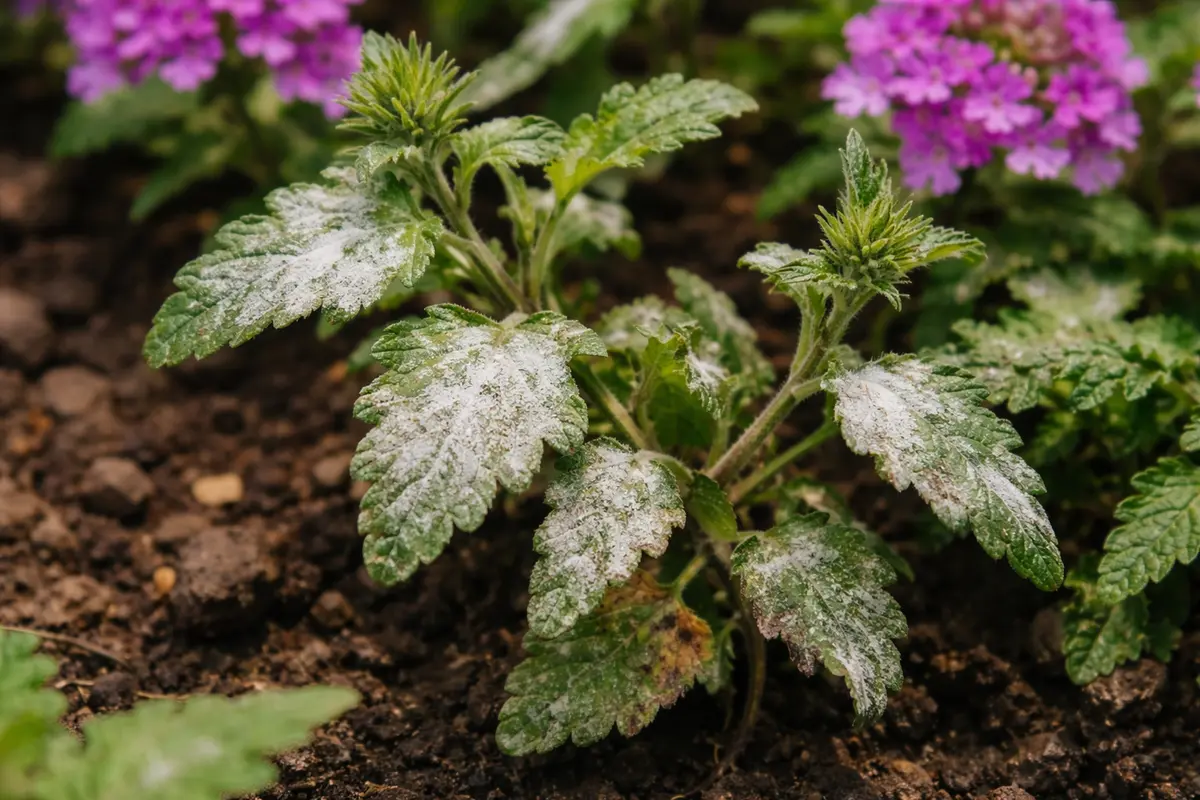
You may notice fine, fuzzy spots developing on your verbena during humid months, which is why you need to know how to prevent mold on verbena during humid months. This fungal growth typically appears as unsightly patches and can lead to yellowing leaves and overall plant damage. If left unchecked, the problem gets worse and can spread, leading to more damage, but addressing it is possible now—just check your watering routine and improve air circulation around your plants.
Step 1 – Trim Affected Verbena Foliage Immediately
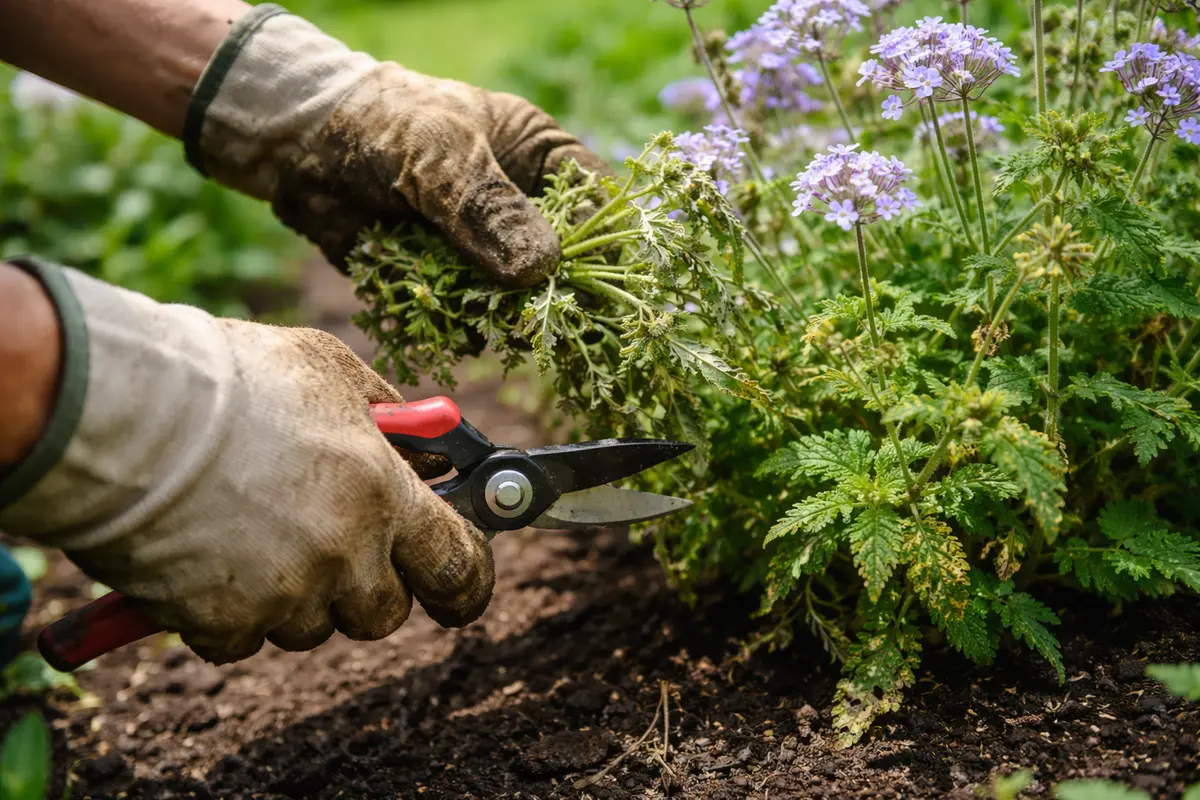
First, remove any dead flowers and leaves from your verbena plants to ensure better airflow around the foliage. This immediate action should reduce moisture retention near the plant’s base, allowing for quicker drying after rain or watering. You should notice an increase in air circulation and less standing water, which will help deter mold growth.
Acting fast is crucial for verbena because stagnant moisture creates an ideal environment for fungal spores to germinate, leading to mold development. If you delay in removing decaying material, the plant may become a breeding ground for pathogens that can weaken its structure, resulting in wilting or even plant death. Remove any afflicted tissue as soon as possible—if not taken care of quickly, you might find other healthy foliage succumbing to the same disease pressure.
A common timing error occurs when gardeners wait too long to clean up debris after a rainstorm. For example, a gardener who swiftly removes dead leaves immediately can enjoy healthy blooms in a humid period, while one who neglects this task sees their verbena fall victim to mold, inhibiting growth. If you don’t address fungal signs promptly, check for signs of wilting or discolored patches on the leaves that may indicate an infection is taking hold.
Step 2 – Diagnose Humidity Issues Impacting Verbena
Check the surrounding environment to identify humidity levels that may be damaging your verbena. You will notice less fungal growth as you improve ventilation and reduce moisture buildup in the area. An effective way to assess this is by monitoring how wet the soil stays after watering; soggy soil indicates inadequate drainage and excessive moisture retention. Take care to ensure that the pots you use have adequate drainage holes, as blocked holes are a common oversight that traps moisture. Inspect your plants immediately after heavy rains or frequent watering to determine how long the soil remains saturated.
High humidity coupled with poor air circulation creates a breeding ground for mold. This circumstance contributes to moisture accumulating on the leaves, leaving the roots susceptible to diseases. Be mindful of the environmental conditions; temperatures above 75°F combined with high humidity levels above 55% can further facilitate mold growth. Understanding the plant’s immediate environment helps pinpoint the sources of excess moisture leading to mold, allowing you to take corrective measures effectively. A good practice is to use a hygrometer to monitor humidity accurately, particularly in shaded or enclosed areas.
If soil moisture levels remain high even after watering adjustments, inspect the drainage system to ensure it is functioning properly. You may find that your pots have insufficient drainage holes or your garden bed’s soil is too compacted. This condition not only prevents adequate drainage but can lead to root rot if not addressed promptly. In these cases, improving drainage or switching to a lighter soil mix will encourage faster evaporation and better root health. Regularly testing soil moisture with a meter after each watering can provide concrete indicators of when to water, ensuring airborne moisture doesn’t linger on the foliage and trigger more mold.
Step 3 – Apply Nutrients to Strengthen Verbena Resilience
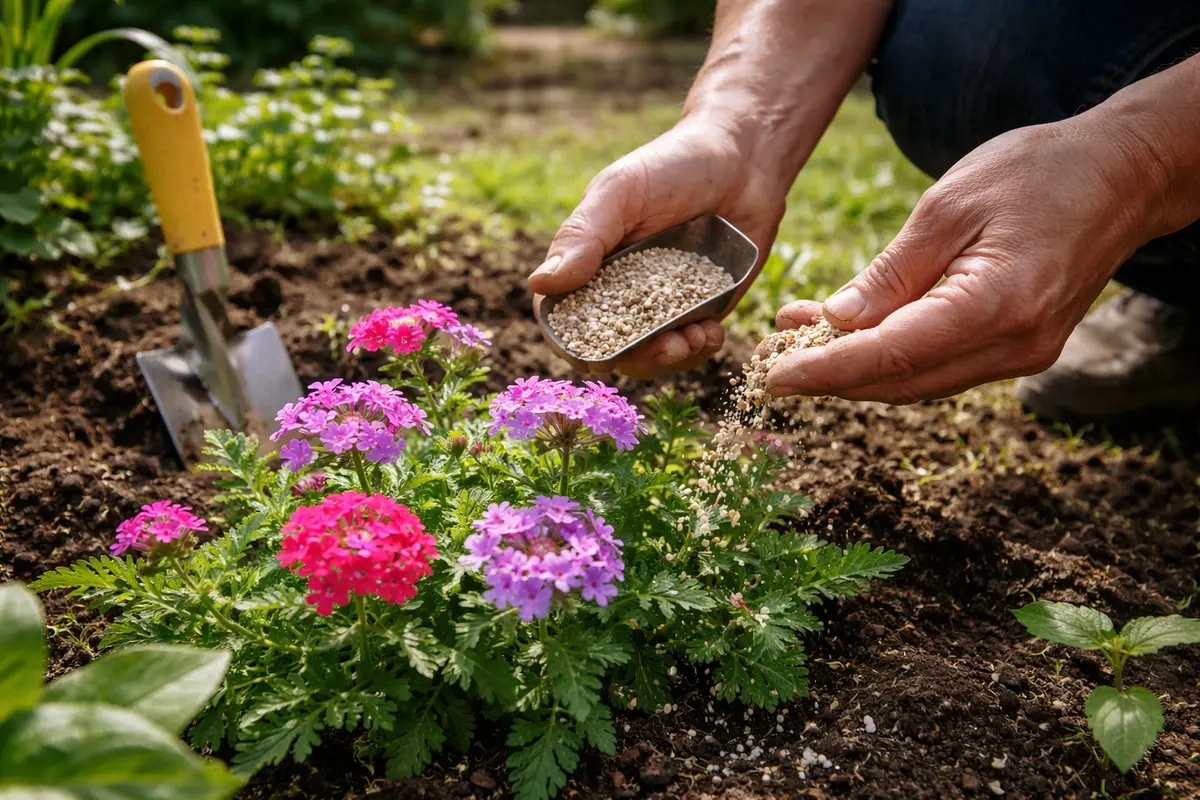
Start by removing any affected leaves or flowers from your verbena plants. This immediate action will help stop the spread of mold, and you should start seeing improved air circulation around the remaining foliage within a few days. Follow this pruning with a balanced fertilizer designed for flowering plants, applying it according to package instructions. You can expect to see the foliage darken as nutrients are absorbed, indicating that the plant is responding positively.
Recovery from mold may take one to three weeks, depending on environmental conditions. Look for new growth on the plants, which will appear as small, fresh leaves breaking through; this indicates they are rebounding. If the humidity levels remain high during this, recovery could be slowed, so ensure good drainage and avoid excessive watering during this period. Monitor closely for ongoing fungal signs—if they reappear, it may be a signal that further intervention is necessary.
Avoid overwatering your verbena as a recovery strategy; excessive moisture can exacerbate mold issues. Instead, keep the soil moderately moist but never soggy. If the soil feels waterlogged, check the drainage system—improving it can significantly enhance recovery outcomes. A common mistake gardeners make is watering more frequently in hopes of hastening recovery, but this often leads to saturated soil conditions that allow mold to return. If you notice yellowing leaves even after adjusting watering, consider reducing the frequency further or evaluating other environmental factors at play.
Fertilizing provides essential nutrients that support robust growth and enhance the verbena’s resilience to environmental stressors. Plants lacking vital nutrients can become weak and more susceptible to infections, allowing mold to thrive where they otherwise might resist it. Focus on specific macronutrients, such as nitrogen for leaf growth, phosphorus for root establishment, and potassium for overall vigor, as these will directly impact the plant’s ability to withstand stress. Implementing a fertilization schedule that aligns with the plant’s growth cycle pays off, particularly during rapid growth periods in spring and summer.
A common mistake post-mold treatment is over-fertilizing, thinking that more nutrients will hasten recovery; this can backfire as over-fertilization might burn the roots or lead to nutrient imbalances that could worsen the condition. Over-fertilizing may also draw excess moisture into the soil, creating a habitat conducive to mold growth. It’s crucial to adhere strictly to the recommended application rates provided by the fertilizer manufacturer and consider the growth stage of your verbena, adjusting the frequency accordingly. Additionally, fertilizing just before a heavy rainfall can lead to nutrient runoff, further complicating the soil dynamics affecting your plant’s health.
Step 4 – Water Verbena Carefully During Muggy Conditions
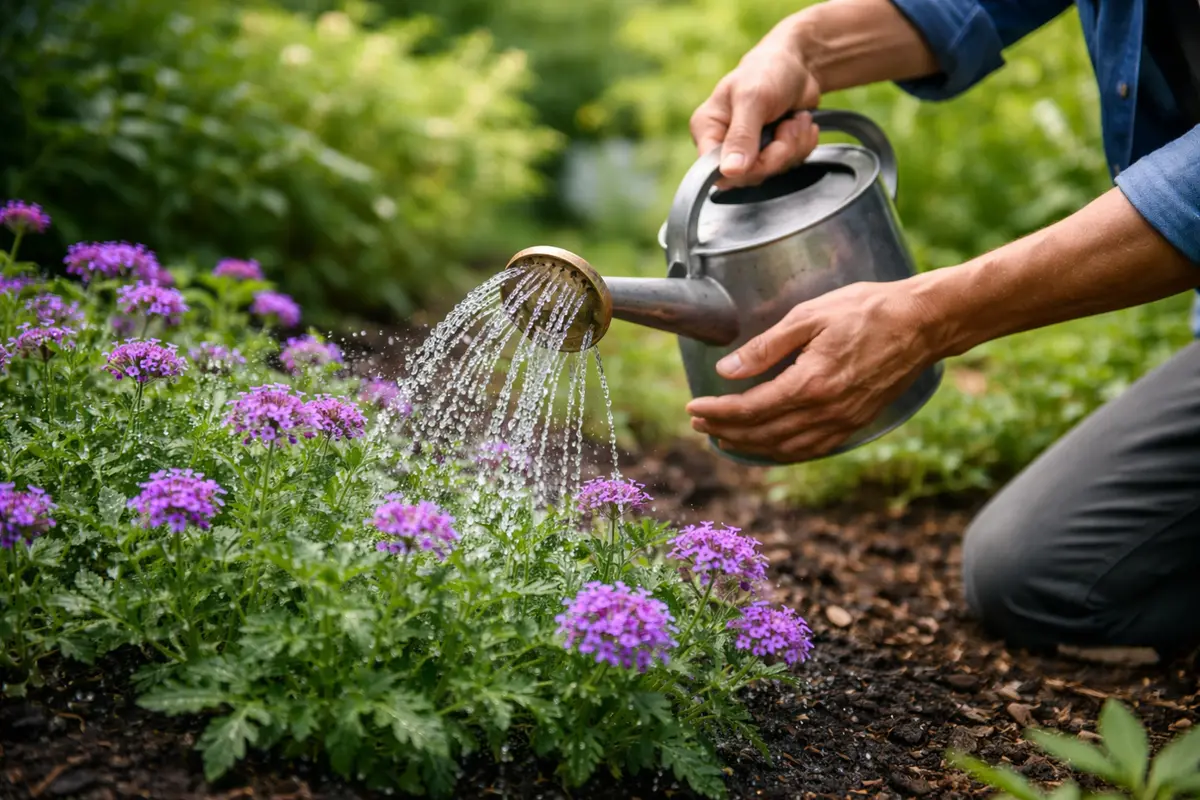
Water your verbena early in the morning and ensure a thorough but balanced approach. Establishing this routine will lead to reduced humidity levels around the plant throughout the day, minimizing the wetness that promotes mold growth. Only water the soil when the top inch feels dry, allowing for optimal hydration while minimizing excess moisture. Using a finger to check soil moisture, or relying on a moisture meter, can guide you in timing your watering schedule effectively. A good rule of thumb is that if more than a few days have passed since the last thorough watering, it’s likely time to hydrate.
Investing in a watering schedule according to muggy conditions helps maintain optimal soil moisture without saturating it. Watering too late in the day might leave the foliage damp overnight, which is conducive to mold proliferation, especially as the temperature drops at night. If you notice your soil feels consistently soggy after watering, consider revisiting the strategy to allow sufficient drying time. Should you find that your verbena consistently exhibits mold, it may be worth adjusting the timing or amount of your watering to create drier conditions.
If conditions are particularly humid, consider using mulch to help retain moisture control while keeping the soil’s surface cooler. Mulching with organic materials like straw or shredded bark can effectively regulate soil temperatures and moisture levels. However, avoid piling mulch directly against the stem to discourage fungal growth at the base, as this can trap moisture against the plant and lead to a higher incidence of disease. Tailoring your watering routine based on daily humidity levels, observing local weather forecasts, and utilizing drip irrigation instead of overhead spraying can significantly lower the moisture on the leaves and therefore mitigate the symptoms of mold on your verbena.
Step 5 – Check Verbena Leaves for Mold Reemergence Weekly
Inspect your verbena leaves for mold reemergence weekly. You should observe a clean, healthy surface free of mold spots if recovery strategies are successful. By keeping a vigilant eye, even if only for a few minutes each week, you can catch any signs of returning mold early and take immediate action to avoid further damage. Regular checks should include examining the undersides of leaves as well, as mold can thrive there unnoticed. If you observe a wet or sticky residue on this area, it may indicate the presence of mold or other fungal infections.
A fully recovered verbena plant will show bright, firm leaves without any discoloration or unpleasant odors. Monitor the plant for persistent issues; leaf curling or a resurgence of fuzzy growth may indicate that mold remains a problem that requires further immediate intervention. Watch for any signs of return despite immediate action; this could signal a need to reevaluate humidity conditions, watering practices, or soil health to address ongoing issues effectively. Additionally, run a finger beneath the leaves; if you notice a powdery texture, this can indicate mildew and requires swift action to ensure the plant’s health is maintained.
If you notice mold symptoms returning despite having implemented recovery steps, consider a more aggressive approach, such as applying an appropriate fungicide. As a precaution, research options that are safe for flowering plants and effective against the specific mold affecting your verbena. Evaluate the effectiveness of current preventive actions to determine if adjustments are necessary or if transitioning to a different regime is needed to match the plant’s evolving needs. Additionally, if you see rapid reoccurrence across multiple plants, an environmental factor—such as high humidity or overcrowding—may need addressing immediately to prevent widespread issues.
FAQ
How long does it take for verbena to recover from mold?
Recovery from mold can take anywhere from one to three weeks, depending on the severity of the infestation and care provided. You may see initial signs of improvement within a few days after implementing the corrective measures, including new leaf growth and an absence of mold. Documenting your observations can also help you track progress and adjust your care strategies accordingly to ensure optimal health for your plants.
Can mold spread to other plants in the garden?
Yes, mold can quickly spread to other plants, especially in crowded conditions or high humidity. It’s essential to maintain good air circulation around all plants and isolate affected ones immediately to minimize the risk of transmission. Consider rearranging your garden layout to provide greater space between plants or using fans to enhance air movement in confined spaces, effectively preventing mold from taking hold elsewhere in your garden.
Should I remove leaves from my verbena that are affected by mold?
Yes, removing affected leaves is crucial to controlling the spread of mold. Pruning not only stops further infection but also promotes healthier new growth as the plant reallocates resources to strengthen itself. Aim to make clean cuts with sterilized tools to prevent introducing any additional potential contaminants during the process, reducing the risk of recurrence and encouraging the overall health of your verbena plants.