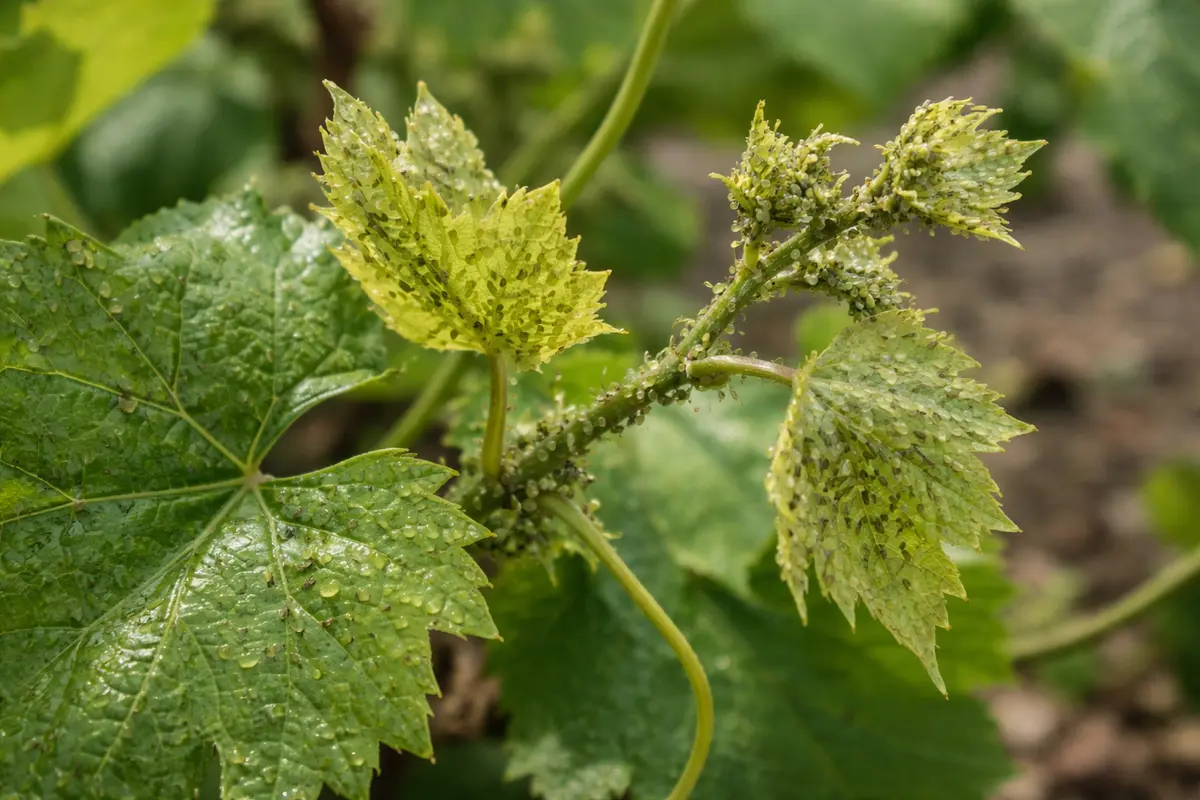
You may notice small, green insects clustering on your grapevines just before flowering, a clear sign that you need to know how to treat aphids on grapevines before flowering. These pests can lead to yellowing leaves and overall plant stress, diminishing your grape production. If left unchecked, the infestation can spread and weaken the plant, so you can still take action now by inspecting the vines and removing any visible aphids.
Step 1 – Spray Insecticidal Soap on Aphids Quickly
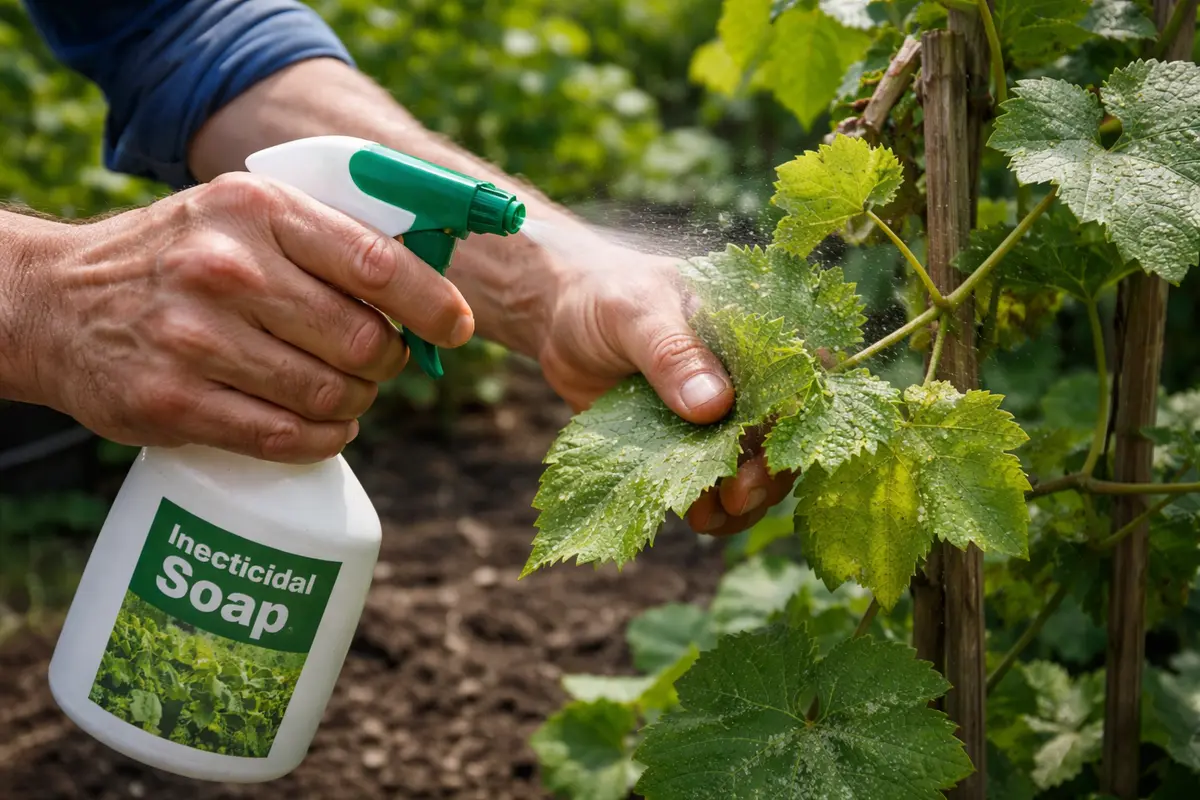
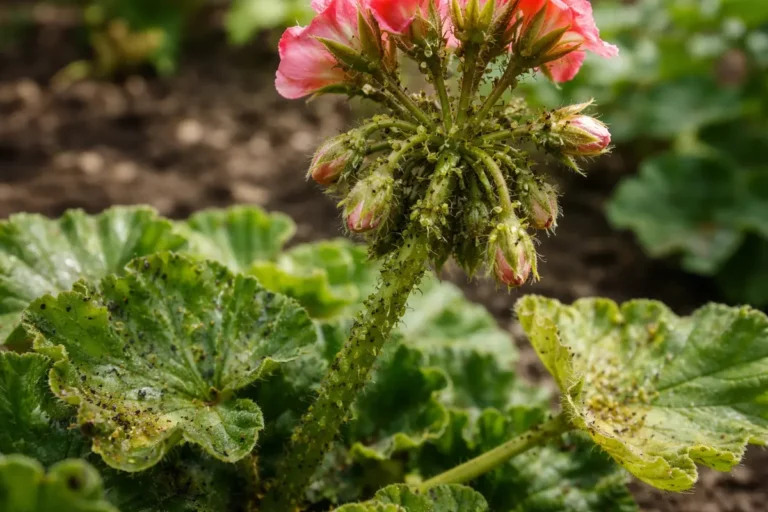
Start by spraying insecticidal soap directly onto the aphids infesting your grapevine. You will notice the aphids starting to die off within 24 hours as the soap disrupts their outer membranes. This action is critical to immediately stabilize the situation and limit the spread of the infestation. Thoroughly cover both the tops and undersides of the leaves, since over 90% of aphids are hidden beneath the foliage. If you see green or black clusters on the undersides, those are likely aphids you need to target.
Insecticidal soap targets the lipid layer of the aphids’ skin, effectively immobilizing and suffocating them. This method is particularly effective in early spring when aphid populations first emerge in low numbers and are more susceptible to treatment. If you delay this action, the fast reproduction rate of aphids can lead to a significant increase in their population, making management more challenging later. A rapid population increase can also result in extensive honeydew excretion, which creates a sticky residue on the leaves, attracting additional pests like ants and wasps. If you observe these pests, it can indicate a growing aphid problem.
Many gardeners mistakenly think that a single application is sufficient, but this is often not the case. Consistent observation is crucial, as new aphids can hatch from eggs or nearby plants. If you miss some aphids or if rain washes off the soap, the population can rebound quickly. Reapply insecticidal soap every 3-4 days and conduct follow-up inspections to ensure all visible aphids are managed. Inspect the grapevines for any cracks or crevices where aphids might hide. If conditions are wet or if rain is on the horizon, plan for a reapplication, as the soap can be washed away, reducing its effectiveness.
Step 2 – Diagnose Aphid Infestation on Grape Leaves
Begin by inspecting the grape leaves and stems for any signs of aphids, like clusters of small, pear-shaped insects. A visible reduction in aphid populations signals that treatment is needed to protect your vines. Stressed tissue can make learn how to stop aphids on easier for pests to exploit.
The cause of aphid infestations can often be traced back to poor plant health, which makes grapevines more susceptible to these pests. If your vines are wilting or showing signs of stunted growth, it’s a clear indication of an aphid problem; however, curled or discolored leaves without visible aphids may suggest other underlying issues, such as nutrient deficiencies.
If you observe yellowing leaves that fall off easily, check for root health, as compromised roots can mimic aphid damage. Healthy roots lead to vigorous vines, so if you find any soft or mushy roots, focus on improving drainage and aeration. Ensure the soil provides a proper environment that allows vines to recover from aphid pressure.
Aphids tend to thrive when vines experience stress, particularly in nutrient-poor soil. Robust grapevines showcase vibrant green leaves; conversely, those infested with aphids become curled and yellow, reflecting nutrient loss due to sap removal. Maintaining balanced soil nutrients can lessen the impact of aphids, while nutrient deficiencies will weaken the vines, making them even more inviting to pests.
If you detect a sour smell in the soil or if it appears overly compacted, aerate it and amend with organic matter to promote healthier root systems. Additionally, if your vines are surrounded by weeds, these can attract aphids; eliminating nearby weeds can provide a less hospitable environment for aphid populations.
When aphids suck sap from the grapevines, they create curled or yellowing leaves, which signals the need for intervention. Observe if other insects, such as scale insects, are present; a healthy-looking leaf with honeydew residue can indicate a different problem that might require a separate treatment approach.
Should you notice a sour soil smell, it often suggests root rot that can lead to aphid infestations. Act promptly by amending the soil to improve drainage and aeration. If ants are present, they might be farming aphids, which can tend to worsen your aphid issue; tackle both conditions to disrupt the cycle.
The damage from aphids can be significant, as they weaken vines and result in leaves that shrivel or curl. This is especially problematic when plants are stressed by environmental conditions like drought or heat; as aphid populations grow unchecked, the visible consequences can escalate quickly—from cosmetic damage to impaired photosynthesis, which ultimately impacts fruit quality and yield.
Presence of ants can indicate an aphid problem, as they often protect aphids for their excretions. In this case, you will need a dual approach targeting both pests simultaneously. Monitor the relationship between ants and aphids; if ants are observed tending to aphids frequently, it signifies worsening of the aphid infestation. Employ sticky traps for ant management alongside your aphid treatments to avert secondary issues.
Step 3 – Boost Grape Vines with Nutrients Post-Treatment
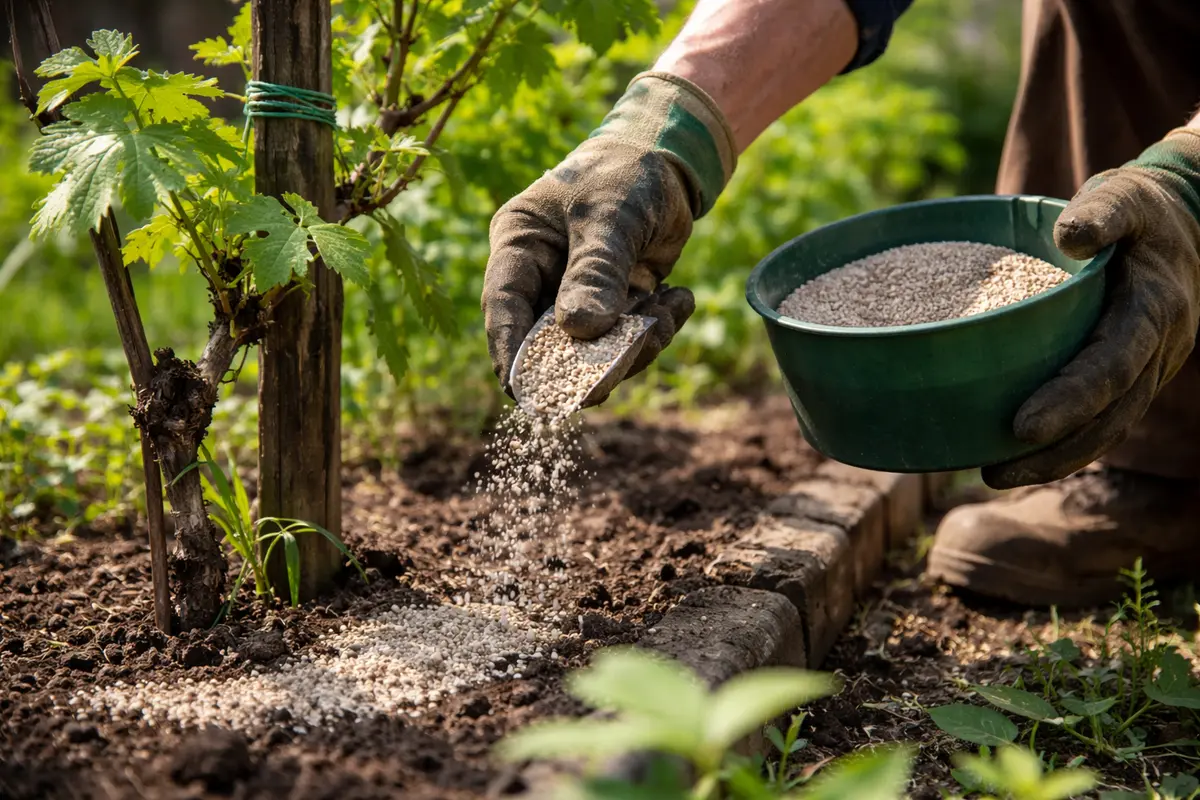
Start by applying a balanced fertilizer to your grapevines to encourage recovery after the aphid treatment. You should see new growth emerging within a week if the plants are responding favorably to the nutrients. This recovery step rejuvenates the plants and strengthens their health, enabling them to better withstand future infestations. Timing is crucial; wait about a week post-aphid treatment before fertilizing, allowing the plants to stabilize after the stress they endured. Healthy vines will exhibit glossy green leaves, while stressed plants might struggle to show improvement or could even display leaf curling.
Supplementing with nutrients replenishes essential elements like nitrogen and potassium that may have been depleted by aphid activity. These nutrients are vital for producing new leaves and buds, providing fresh energy for the plant to grow stronger. Observing the foliage closely after fertilization can further confirm this step’s effectiveness; healthy vines will show vigorous, lush green leaves indicating successful nutrient uptake. If you start noticing signs of nutrient deficiencies, such as yellowing between leaf veins, act quickly to investigate further.
A common mistake is over-fertilizing, leading to salt buildup in the soil and additional stress on the plants. Instead, opt for a diluted solution that gently nourishes the vines without overwhelming them. A half-strength solution of granular fertilizer or a liquid feed minimizes the risk of damage. If yellowing persists after fertilization, check for pH imbalances or micronutrient deficiencies in the soil that could impact plant health. Hungry plants sometimes telegraph your petunia plants turn yellow in.
Step 4 – Shield Vines from Aphids Before Flowering
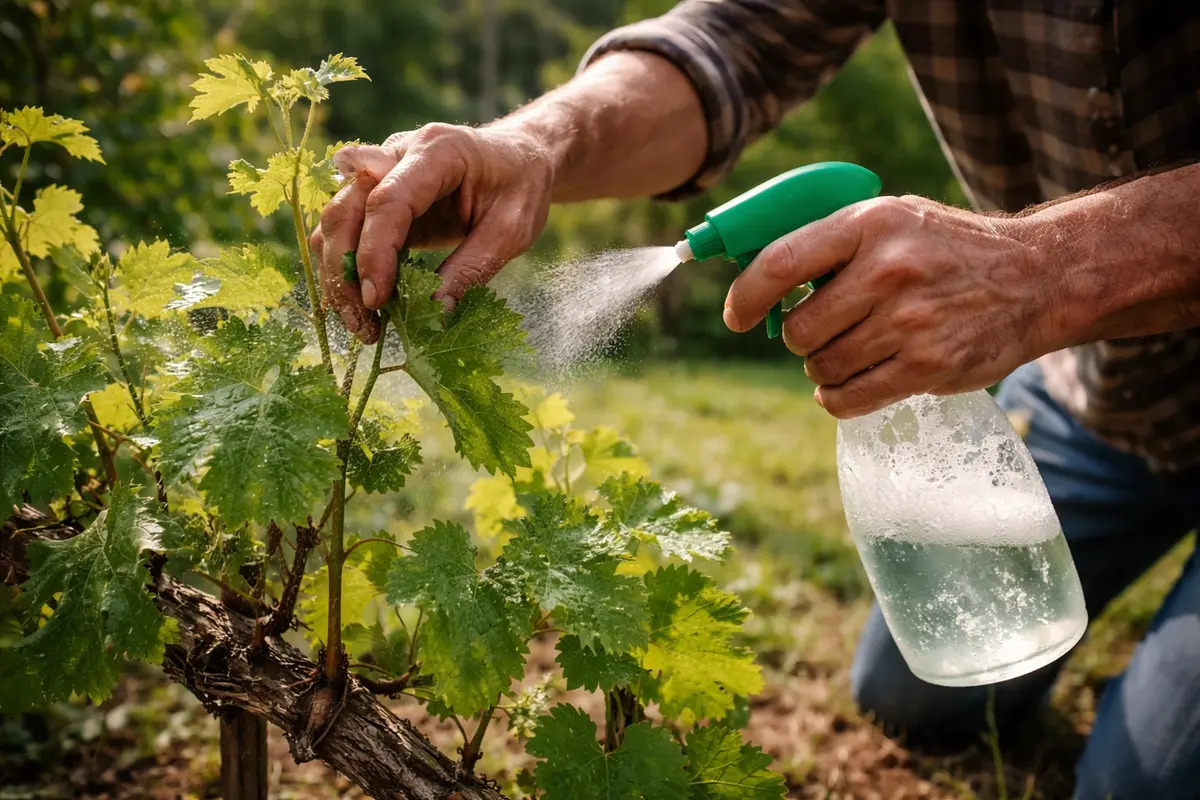
Start by regularly spraying your grapevines with a solution of neem oil mixed with water every 7 to 14 days. This consistent application will create a protective barrier against aphids, and you should notice fewer aphids on your plants as a result.
High humidity and warm temperatures during early spring can create a perfect environment for aphid populations to thrive. By applying neem oil regularly, you disrupt their reproductive cycle, significantly decreasing their numbers before they can infest your grapevines. If you observe a resurgence in aphid activity despite your preventive measures, check the underside of leaves, where they often hide.
During particularly dry conditions, consider adding insecticidal soap alongside neem oil in your routine for additional effectiveness. This combination can better address any lingering aphid populations and can be especially useful if harsh winds are damaging the foliage, as aphids are likely to take refuge in stressed plants.
Companion planting works by creating a more diverse ecosystem that promotes healthy predator and prey dynamics, thereby naturally regulating aphid populations. Additionally, these companion plants can enhance soil fertility and improve moisture retention, leading to stronger grapevines over time. Without these preventive measures, aphid populations can rebound quickly, especially just before flowering when the vines are most vulnerable. Regular watering and mulching around these plants can further strengthen their growth and efficacy as companions. Additionally, consider rotating companion plants annually to maintain a diverse ecosystem around your grapevines.
Step 5 – Inspect Grape Foliage for Persistent Aphid Activity
Start by monitoring your grapevines closely, checking for aphids every few days as bud swell approaches. Look for clusters of small green or black insects on the leaves and stems, as well as honeydew or a sticky residue on the surfaces. Recheck weekly to ensure that any treatments applied are effectively reducing the aphid population and preventing their return.
A healthy, fully recovered grapevine displays vibrant, deep green leaves that are robust and free from sticky substances. In contrast, early signs that the problem may be returning include curling leaves and a glossy sheen on the foliage, indicating honeydew presence. If you notice wilting or pale spots forming, check for tiny insects on the undersides of leaves.
If aphids are detected again despite following your treatment plan, consider introducing natural predators like ladybugs or applying insecticidal soap to target the pests. Escalate your response by increasing application frequency or consulting a local extension service for more tailored advice on persistent infestations. If you see fresh clusters of aphids, check your treatment intervals to ensure efficacy.
A healthy grapevine will display lush, vibrant green leaves that are firm to the touch and show no signs of discoloration or wilting. In contrast, early signs of aphid infestation include leaves that curl or become sticky with honeydew, a sugar-rich excretion from the aphids. If the leaves are mottled or distorted rather than smooth and robust, this indicates that the problem may be reemerging.
If the aphid problem persists despite treatment, escalate your approach by applying a targeted insecticidal soap or neem oil to combat the infestation effectively. Additionally, consult local extension services or a gardening center for advanced pest management strategies if populations continue to rise.
If you identify any new infestations despite following these steps, consider returning to the insecticidal soap treatment or exploring natural predatory insects to combat aphid populations. If the problem persists after two treatment cycles, it may be time to consult a professional for further evaluation. It’s important to act swiftly; a deeper infestation may compromise the structural integrity of the vine and significantly impact yield. If left untreated, the aphids may cause leaf drop, reducing the vine’s photosynthetic capacity and further weakening the plant.
FAQ
How long does it take for aphids to die after treatment?
Typically, you will start to see aphids dying off within 24 hours of applying insecticidal soap or a similar treatment. However, it is recommended to reapply the treatment every few days to ensure that any newly hatched aphids are also addressed, as they can quickly reinfest your grapevines. This cycle of treatment and observation is essential to breaking the life cycle of the aphids, preventing a rebound effect.
Can aphids spread flowers on grapevines?
No, aphids do not directly affect the flowering of grapevines; however, their feeding can weaken the plants, making them less able to support healthy blooms. Poorly managed infestations can lead to delayed growth and a decline in flower quality, affecting overall grape production. Recognizing the signs of stress early is crucial to maintaining optimal flowering conditions and ensuring robust fruiting as the season progresses.
Should I remove affected leaves from my grapevines?
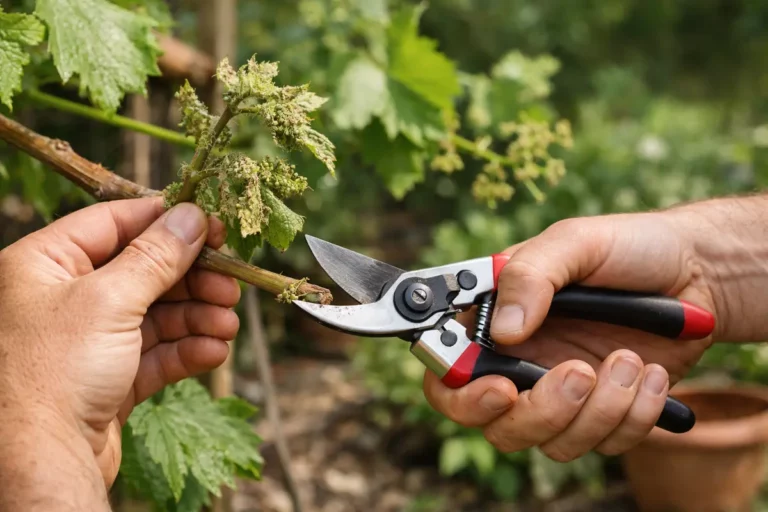
Yes, you should remove any leaves that are heavily infested with aphids or show significant damage to prevent them from spreading to other areas of the plant. This not only limits the immediate pest population but also encourages healthy growth in remaining leaves. Pruning these leaves should be done carefully to minimize stress on the vine, ideally during cooler parts of the day to avoid shock, and using clean, sharp tools to reduce the risk of introducing further pests or diseases.