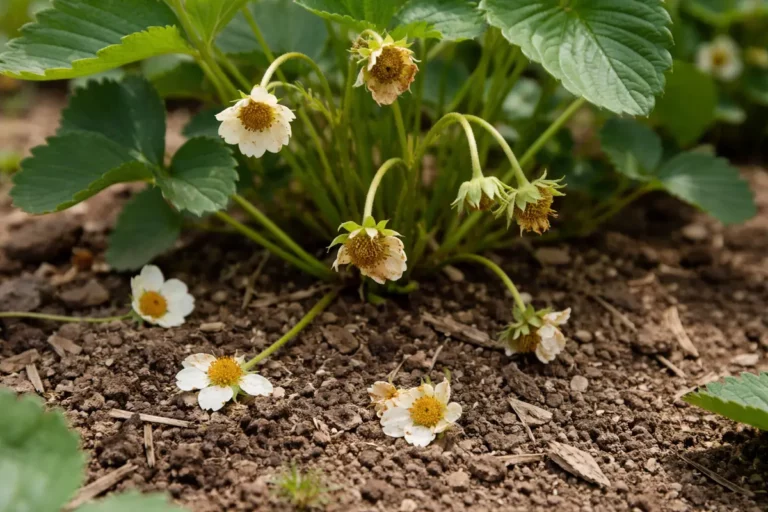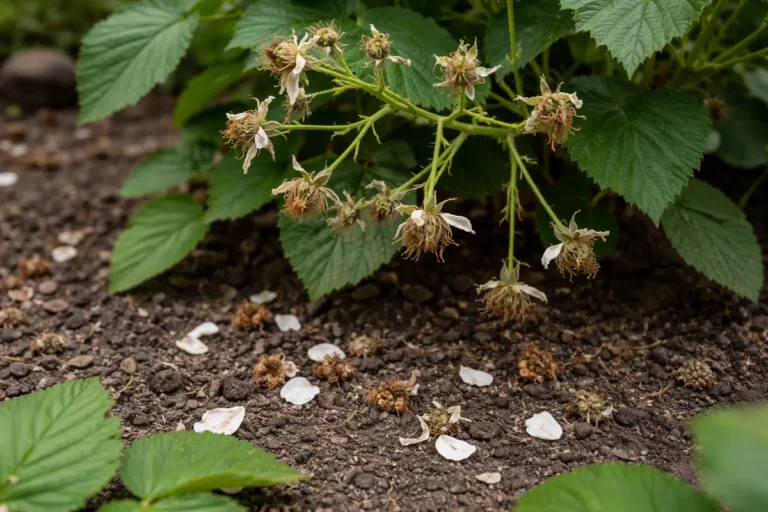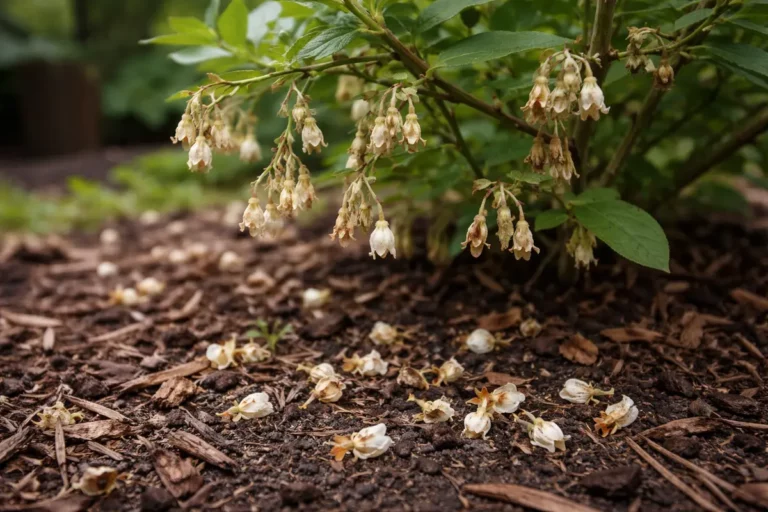
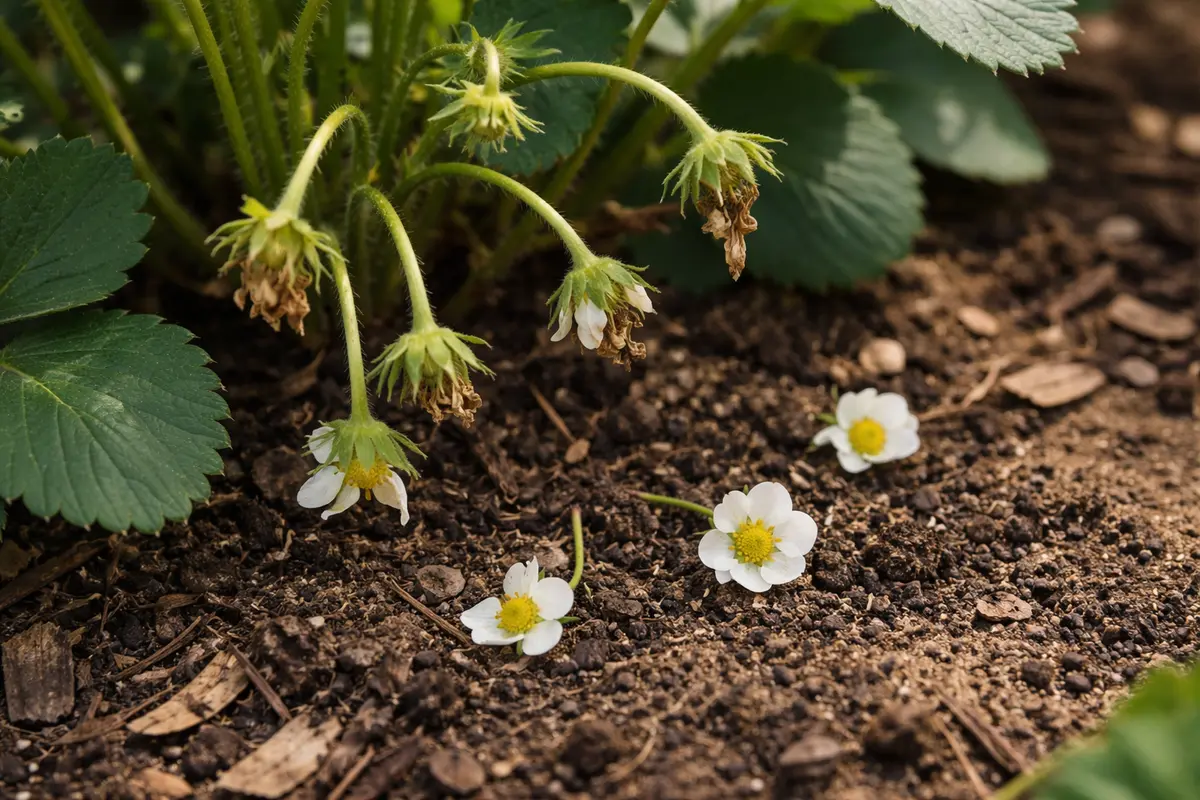
You may notice your strawberry plants flourishing with lush green leaves during warm days, yet failing to produce berries, which is why you need to know: “Why are my strawberry plants not setting fruit during warm days.” This lack of fruiting can often be attributed to stress caused by excessive heat, leading to problems like wilting or drooping that hinder the plant’s ability to set fruit. If left unaddressed, the issue can worsen and stall growth, but you can improve the situation now by adjusting watering practices and inspecting for stress factors.
Step 1 – Check Strawberry Plant Temperature Stress
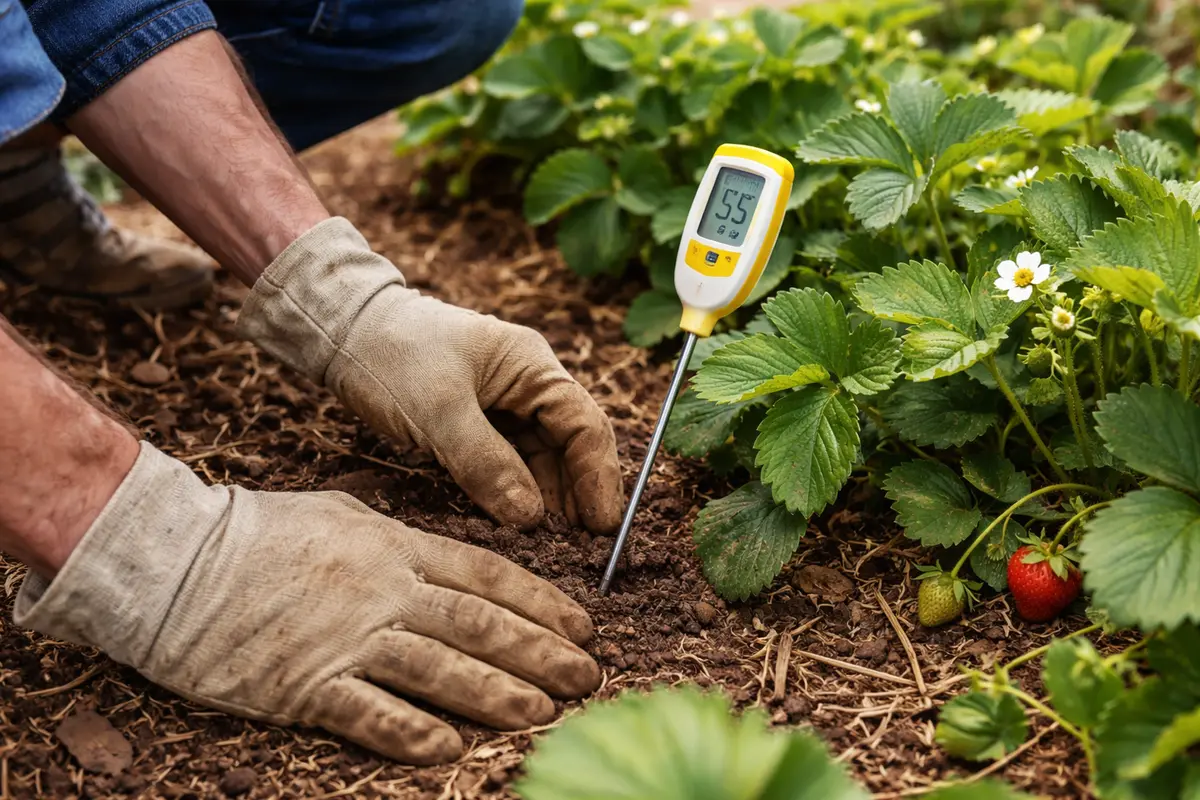
Start by inspecting your strawberry plants for signs of temperature stress. Look for symptoms such as wilting leaves, curling, or browning at the edges, which indicate that the plants cannot cope with the heat. Taking this action promptly stops further stress and may prevent irreversible damage. If you notice wilting leaves even after regular watering, this points to heat stress rather than moisture issues. If temperatures are consistently above 80°F, consider checking the plants more frequently for any heat-related symptoms.
Once you’ve identified any symptoms, assess whether the plants are receiving adequate shade during peak heat hours. If leaves are yellowing alongside other signs of distress, it indicates urgent intervention is needed. Sitting plants in full sun during the hottest parts of the day can quickly lead to dehydration; high temperatures inhibit pollination and promote blossom drop. You can use a simple thermometer placed near the plants to monitor soil temperatures—ideally, they should remain below 75°F to ensure optimal conditions.
To stabilize the situation, create shade covers for your plants during the hottest parts of the day. If you don’t have access to shade cloth, consider planting companion plants nearby that can provide some relief from direct sunlight. Additionally, ensure your strawberry plants are well-mulched, as this helps insulate the soil to prevent overheating while retaining moisture more effectively. Check on the mulch depth—ideally, it should be around 2-4 inches thick to provide sufficient cooling and moisture retention.
Step 2 – Diagnose Lack of Pollination Issues
Check for the presence of pollinators around your strawberry plants. If you notice few or no bees visiting the flowers, it indicates a potential lack of pollination. This happens because strawberry flowers rely heavily on pollinators for fruit set; without them, flowers may drop or fail to develop fruit. Moreover, high temperatures can further impede pollination, as heat stress may discourage bee activity. During peak blooming times, count the number of visiting bees; if it’s less than five in a 30-minute period, pollinator activity could be an issue.
To enhance pollination, introduce companion plants that attract bees, such as borage or clover, near your strawberry patch. This action can increase pollinator visits, leading to improved fruit development as bees are drawn to the fragrant blooms. If you see a noticeable increase in bee activity, such as buzzing sounds while nearby foraging, your strategy is working. If bees remain absent despite companion planting, consider installing bee hotels to create nesting spaces to attract more pollinators. These can attract beneficial insects that can improve pollination rates significantly by giving them a place to live close to your strawberry plants.
Monitor your flowering period each year. Different strawberry varieties may bloom at varying times, and ensuring that conditions support local pollinator populations during peak blooming is essential. If you find that local bees are still scarce after enhancing the environment, research your area’s most abundant flowering plants and consider integrating them into your garden for better results. Make a note of when and which flowers bloom in your area to develop a planting schedule that aligns with your strawberry crops, fostering an ecosystem of blooms that benefits both strawberries and bees alike.
Step 3 – Water Strawberry Plants Deeply to Recover
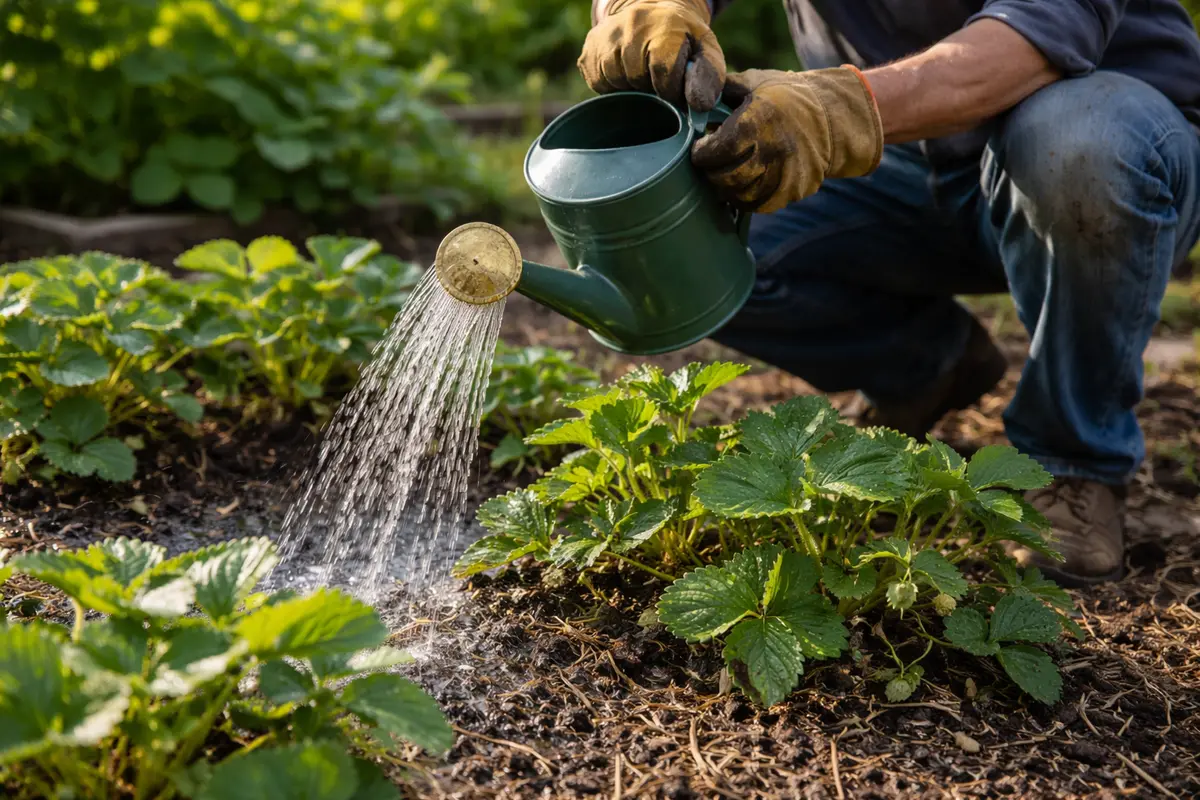
Water your strawberry plants thoroughly to bolster recovery and support fruit set. Ensure you’re watering to a depth of at least 6 inches so that roots can absorb moisture effectively. This immediate action should help improve the plant’s overall health and show signs of recovery within a few days. If the soil remains dry at this depth after watering, it’s a sign your plants might still be vulnerable; aim for consistent moisture levels without waterlogging, as saturated soil can lead to root rot.
Proper watering directly affects strawberry plants’ ability to sustain themselves during heat. When water penetrates deeply into the soil, it encourages the roots to grow downwards, enhancing nutrient absorption and reducing the effects of temperature stress. Irregular watering schedules can leave plants vulnerable to wilting; this can be exacerbated by fluctuations in temperature. A common mistake occurs when gardeners assume that more frequent watering will solve wilting leaves; however, this often leads to waterlogged soil instead. Confirm the moisture level through your finger test—if soil sticks to your fingers, it’s still too wet.
Be cautious, however, to avoid overwatering; it can suffocate the roots and cause root rot. A simple way to test if your soil is ready for additional water is to stick your finger into the soil—if it feels damp up to your second knuckle, wait another day before watering. Conduct a soil moisture test every week during hot weather to gauge if adjustments in your routine are needed. If yellowing leaves reoccur or if soil is saturated, reassess your watering schedule, focusing on ensuring adequate drainage and moisture retention. If your plants show continual signs of stress despite proper hydration, it might indicate a more serious underlying issue, such as poor soil aeration or compacted roots.
Step 4 – Protect Blooms from Extreme Heat Next Season
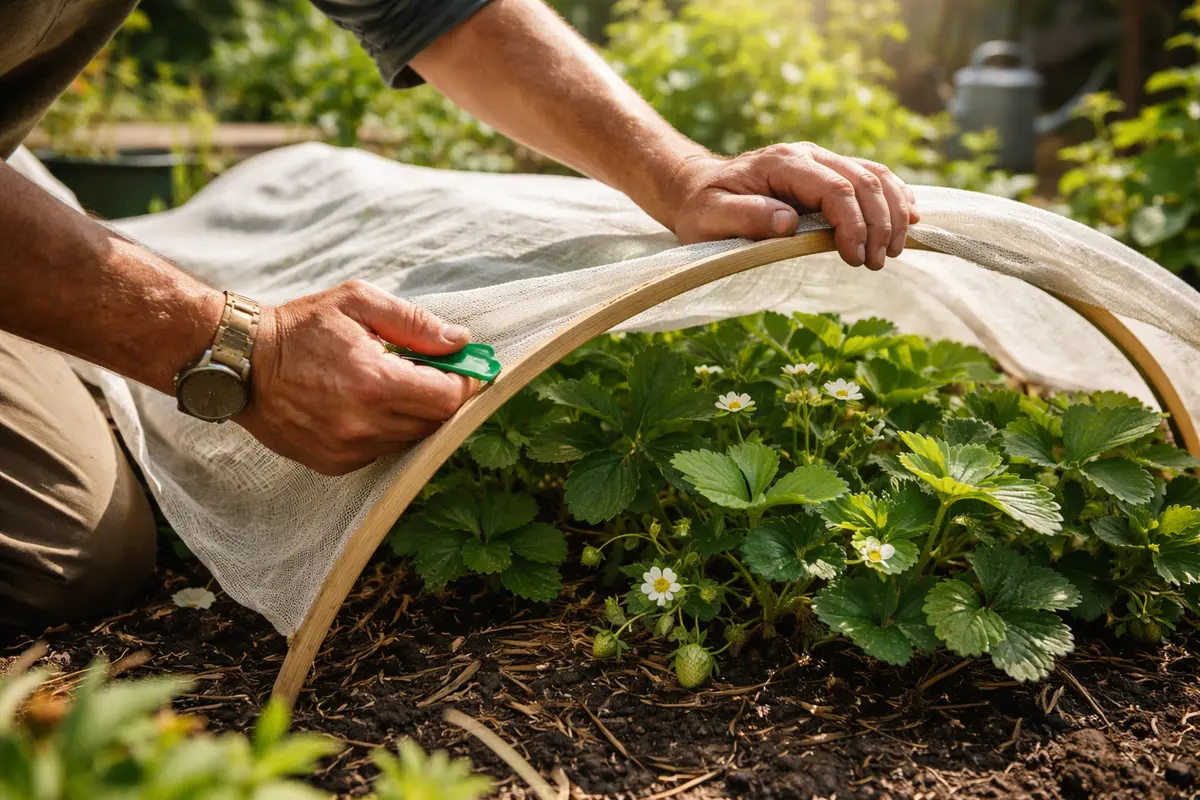
Apply a layer of mulch around your strawberry plants before the heat of summer. This practice keeps the soil moisture stable and lowers root temperatures, leading to healthier blooms and better fruit set. As you add mulch, make sure it’s spread evenly across the planting area; this helps to cover the entire root zone, thus benefiting all nearby plants and preventing soil from overheating uniformly.
From here on, maintain a regular schedule for mulching, aiming to refresh the layer every four to six weeks during the growing season. If you notice the top layer becoming thin or compacted, add more mulch to boost its effectiveness. For those in particularly hot climates, consider using reflective mulch options that can decrease soil temperature further while also retaining moisture, allowing strawberry plants to thrive despite environmental challenges.
- Start mulching with straw or wood chips at least two weeks before the typical heat wave period in your area. This ensures that moisture retention is maximized before the extreme temperatures hit; check your local weather patterns for predictions.
- Install shade cloth on particularly hot days, especially when temperatures are expected to exceed 85°F. Watching soil temperatures can help; if they rise above 75°F, adding shade can help prevent bloom drop. To gauge effectiveness, measure soil temperatures in shaded vs. unshaded areas.
- Regularly check the moisture level in the soil by sticking your finger a couple of inches into the ground; if it feels dry, increase your watering frequency to maintain an adequate level. Avoid watering in the late afternoon, as moisture can evaporate quickly during high heat, potentially leading to stress on the plants.
- If you see drooping leaves, it’s a visual cue that your plants are stressed; respond by increasing irrigation immediately. If the leaves remain firm yet flowers are dropping, it may indicate nutrient imbalance—check your fertilizer schedule accordingly by keeping records of recent feedings and any changes in formulations.
As the growing season progresses and temperatures rise, ensure that you monitor your mulch thickness and soil moisture regularly. If you find that the temperature has spiked and the mulch feels dry, consider adding another layer to enhance cooling effects promptly. If you observe wilting despite appropriate care, switching to a different mulch type, such as reflective materials, can further manage temperature extremes, helping regulate soil conditions.
During particularly dry spells, adjusting your irrigation strategy to ensure the base of the plants is sufficiently hydrated can make a significant difference. Consistent watering is crucial to staving off heat stress, while skipping on it, especially when the weather is hot, can lead to dropped flowers and poor fruit set. Remember that deep watering encourages stronger root growth and resilience, allowing your strawberries to better endure adverse weather conditions.
Finally, if blooms are still dropping despite your best efforts, double-check for any underlying issues such as pest infestations or soil quality, which might exacerbate heat stress symptoms. Monitoring these additional factors will help you protect against extreme heat effectively and better prepare your plants for future seasons.
Step 5 – Inspect Flowers for Fruit Set After Watering
Inspect flowers regularly for fruit set following diligent watering practices. Pay attention to flower clusters and look for tiny green fruits developing after adequate watering; this should become noticeable within a week of proper hydration. Thin out any fruits that look malformed or misshapen during this observation to focus energy on producing quality fruit, allowing the plant to prioritize healthier fruiting. Regular inspections ensure that any issues with fruit development are caught early on and allow for adjusting care practices if necessary.
Healthy fruit set will show tiny strawberries growing where flowers once bloomed. If flowers continue to drop or fail to produce any fruit, this may be an indicator of underlying issues like insufficient hydration, pollination challenges, or inadequate nutrient availability. You should strive to check the plants every few days for progress and establish a routine that captures their response to irrigation and environmental conditions. Look for changes such as firmness in the soil and resilience in the plant structure, which indicate positive effects from your care.
If the problem persists after implementing these measures, consider conducting a more thorough inspection of soil quality and nutrient levels. Soil tests for pH and nutrient levels can inform on management strategies; if pH is low, liming may be necessary to bring it back within the optimal range. Practical responses might involve soil tests to adjust pH or nutrient amendment levels. In such circumstances, re-evaluating both the watering strategy and nutrient application may be beneficial for long-term fruit production. If you consistently notice poor pollination alongside inadequate fruit set, it might be worth consulting with local agricultural extensions or gardening clubs for tailored advice based on your region’s specifics. Establishing partnerships with nearby gardeners might provide insights based on shared experiences in managing similar conditions.
FAQ
How long does it take for strawberries to set fruit after flowering?
Once the flowers are pollinated, it typically takes about 30 days for strawberries to develop fruit. The time may vary depending on environmental conditions like temperature and moisture levels. If conditions are particularly warm or dry, fruit development may be expedited; conversely, cooler temperatures or moisture stress can delay the process significantly, impacting overall yield.
Why do flowers fall off strawberry plants before fruiting?
Flowers may drop off due to temperature stress, lack of pollination, or nutrient deficiencies. If conditions are too warm or if pollinators are scarce, these factors can significantly hinder fruiting. It’s essential to evaluate environmental conditions and plant health to identify the root cause of this issue. Tracking temperature and moisture levels closely can provide insights on managing these stress factors effectively; observing where your flowers are blooming can help you locate the most vulnerable areas in your garden.
Should I remove non-fruit setting flowers from strawberry plants?
Yes, you can remove non-fruit setting flowers to redirect the plant’s energy into developing stronger berries. However, wait until the blooming season has passed to ensure you don’t prematurely cut off potential fruit producers. A focused pruning strategy later in the season may help improve the yield of remaining flowers, allowing the plants to allocate resources efficiently. Make sure to prune gently to avoid damaging the surrounding healthy foliage, which could stress the plant further.