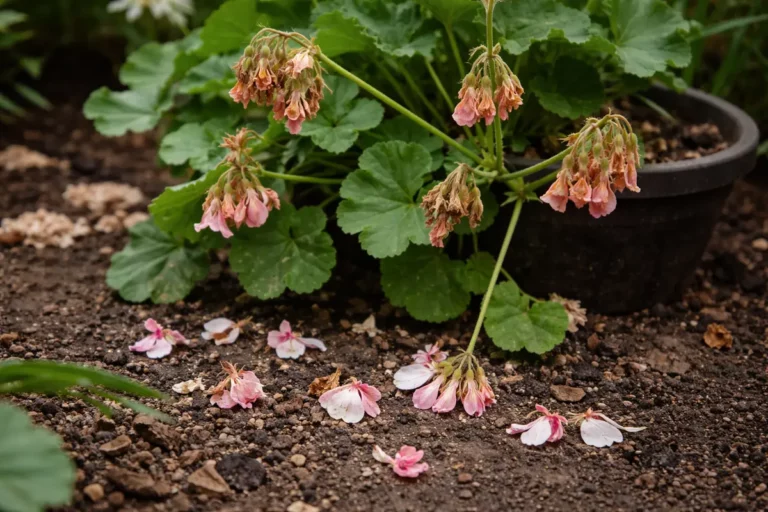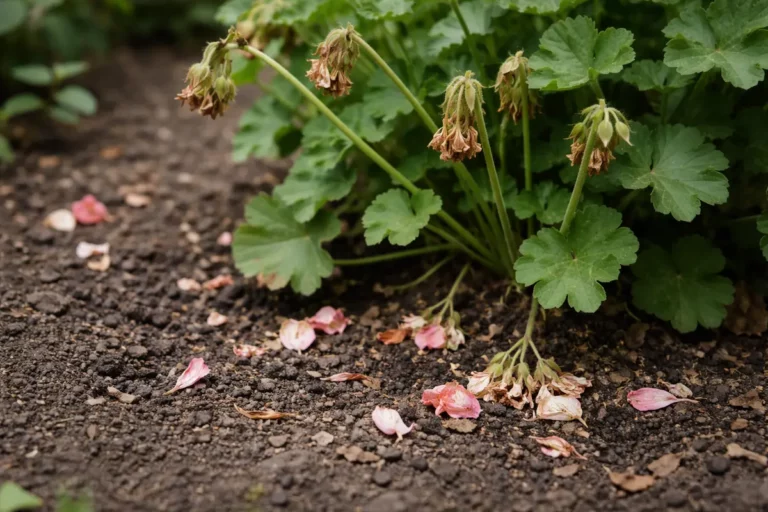
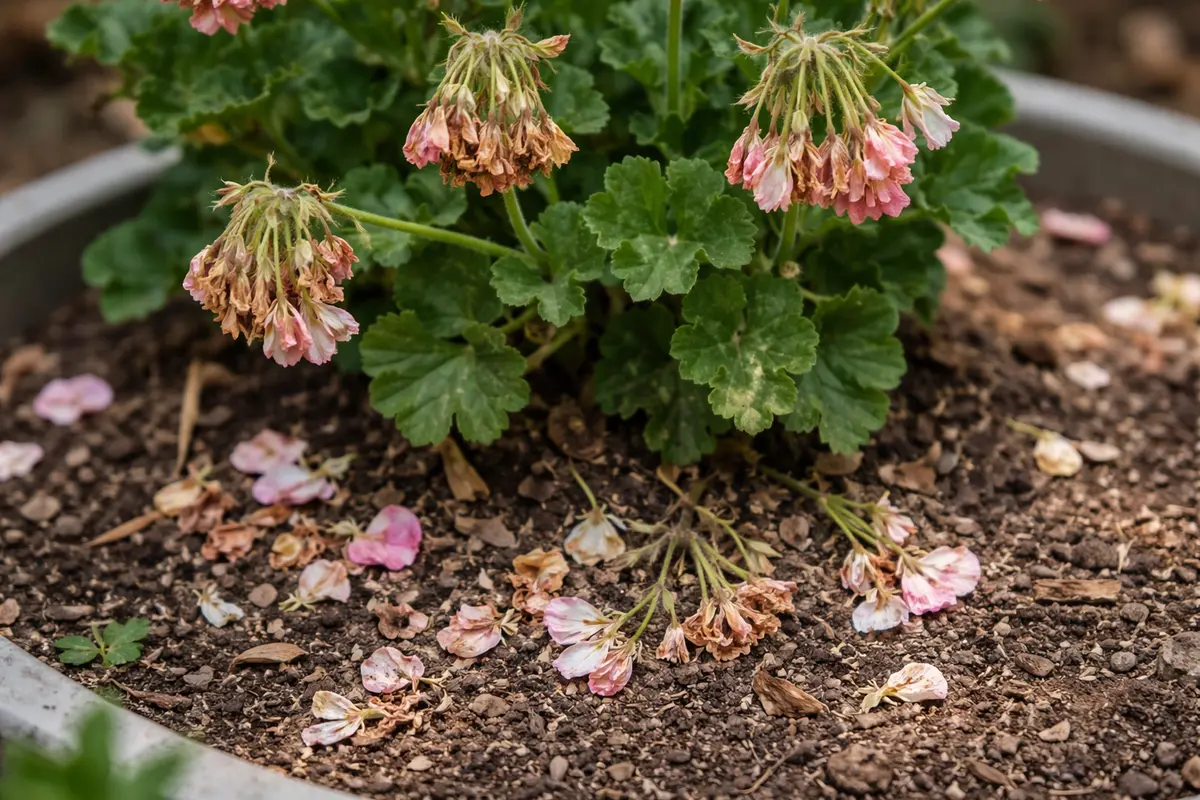
You may notice that your geraniums struggle to produce vibrant blooms during hot afternoons, which is why you need to know how to fix poor flowering in geraniums during hot afternoons. The intense heat often leads to wilting and drooping, robbing your plants of their vitality. If left unaddressed, this issue can worsen and weaken the plant, making recovery harder to achieve. Fortunately, you can improve their condition by adjusting their watering schedule and providing some afternoon shade.
Step 1 – Water Geraniums Before Afternoon Heat
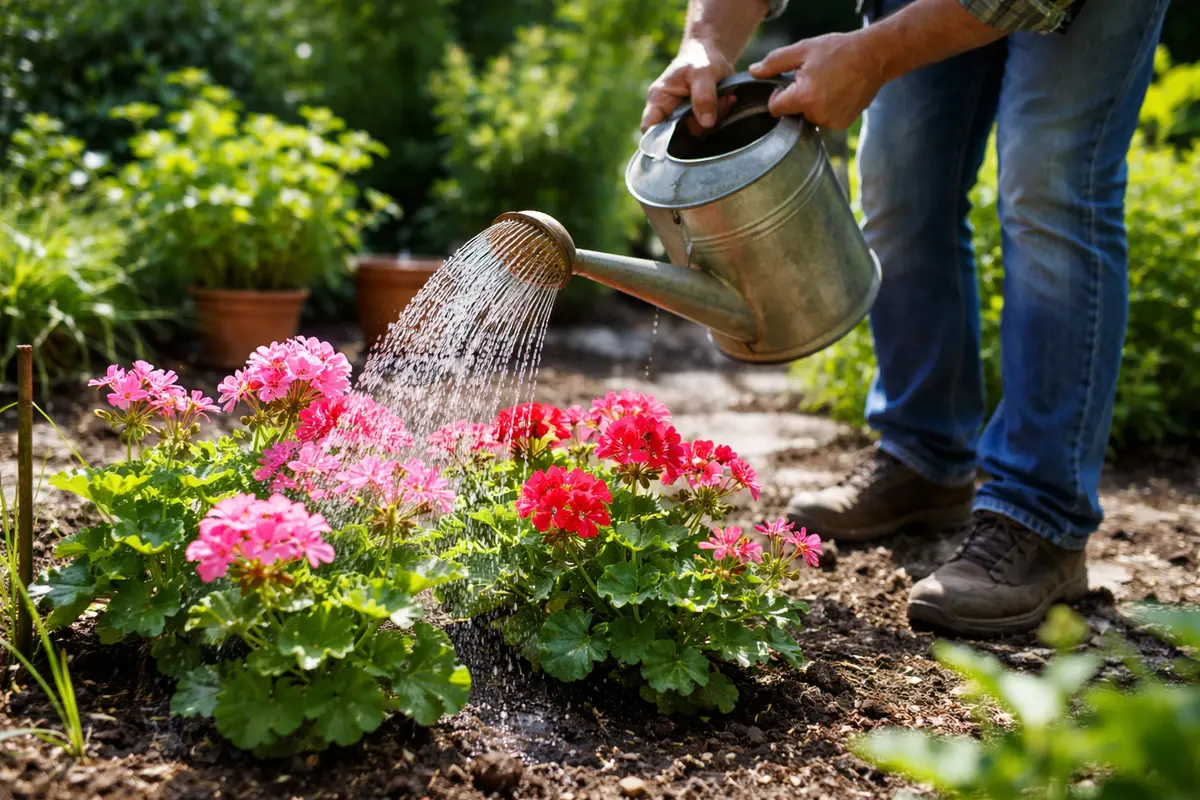
Water your geraniums thoroughly in the morning, before the sun reaches its peak intensity. You should aim to apply approximately 1 to 2 inches of water to ensure that the soil is evenly moist but not waterlogged. You will see an immediate perkiness in the leaves and flowers within hours as the plant regains necessary hydration. This action combats heat stress, allowing the roots to absorb water before the temperatures soar in the afternoon. By saturating the soil early, your plants can effectively utilize the moisture throughout the day rather than struggling to recover from wilting later.
If the soil feels dry more than an inch deep, it indicates an urgent need for watering. Geraniums thrive in well-draining soil; however, their roots can struggle to uptake water if the soil is too dry. As temperatures rise, dry soil can prevent geranium roots from accessing moisture, leading to wilting leaves and less blooming. Signs of inadequate watering can include leaves curling under or flowers dropping prematurely, both of which indicate stress. By watering in the morning, you ensure that the soil remains damp, providing the plants with the water they need to function well during the hottest part of the day. In cases where soil retains too much moisture due to heavy rains, consider adjusting the water application to keep the soil well-drained.
A common mistake is to water only in the afternoon when the plants are visibly wilting. Many gardeners overlook this crucial timing, believing that watering at that moment will suffice. For example, if you habitually water post-wilt, you may notice temporary bounce-back, but the plants could remain under stress from hidden dehydration. This often manifests as reduced flowering in the following days because the plants are not fully hydrated when they need to be. To promote flowering and vibrancy, proactive morning watering can significantly improve growing conditions, providing a steady supply of moisture to combat heat stress. If flowers still look lackluster a few days after watering, check the soil moisture levels again, particularly during the afternoon heat, to ensure it is retaining enough water. If the soil remains dry under the surface, then adjust your daily watering schedule.
Step 2 – Assess Sun Exposure Affecting Geraniums
Begin by evaluating the sun exposure of your geraniums and create temporary shade if the plants are in direct sunlight during extreme heat. You will notice an improvement in the plants’ health, with leaves appearing less scorched and flowers starting to bloom more vibrantly within just a few days. Extended periods of full sunlight, especially exceeding four hours when temperatures elevate, can lead to heat stress and reduced flowering potential. Monitor direct sunlight exposure closely, particularly between 11 a.m. and 4 p.m. when sunlight is the most intense.
Excessive direct sunlight can cause leaf burn and limit flower production, presenting a significant challenge for geraniums. If the foliage shows signs of browning or curling at the edges, this indicates that the plants are overwhelmed, which hampers their ability to photosynthesize effectively and produce blooms. In contrast, providing adequate shade during peak sunlight hours can help retain moisture and promote healthier plants. Implementing shade cloth or relocating potted geraniums to a partially shaded area during the hottest parts of the day facilitates better moisture retention and improved growth. With this simple adjustment, you may begin to see leaves becoming plumper and more vibrant within a couple of days, as the afternoon heat no longer wreaks havoc on their vital functions.
If your geraniums still show signs of distress after providing shade, try relocating them to a different area that offers filtered sunlight. For example, moving geraniums away from direct exposure against a west-facing wall that traps afternoon heat and placing them under the dappled shade of a tree can encourage more robust growth. This relocation allows the plants to recuperate from prior stresses and promotes healthier flowering. In cases where indoor conditions hinder growth, consider taking the geraniums outdoors during cooler evenings to enhance their recovery; cooler temperatures at night can stimulate growth. Additionally, monitor any changes in growth patterns; plants placed in full shade may exhibit an improved recovery rate compared to those that still receive some direct sunlight. If plants do not improve with shade adjustments, re-evaluate their overall conditions and consider alternative locations for optimal growth.
Step 3 – Add Nutrients to Support Flowering
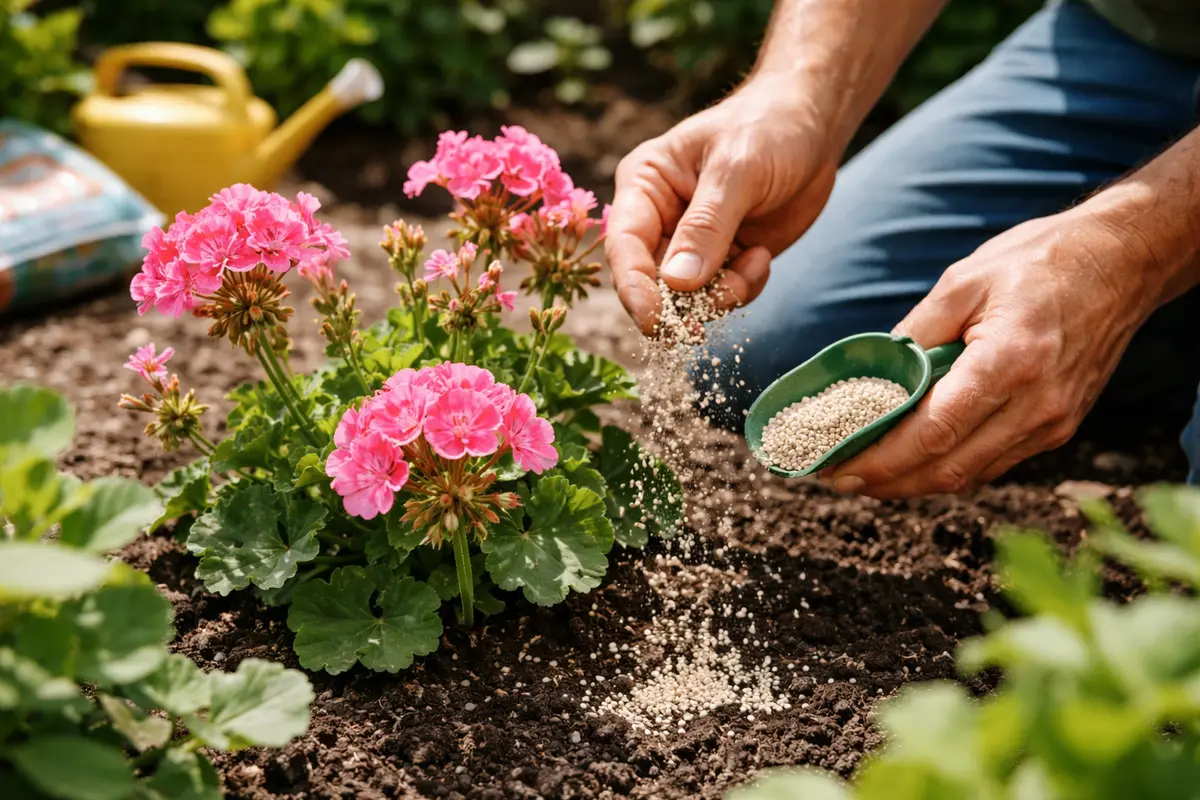
Begin by fertilizing your geraniums with a balanced liquid fertilizer that has a nutrient ratio supporting blooming, such as 10-10-10. You will notice new blooms developing and existing flowers becoming more vibrant within a week after application, especially if the plants’ nutrient levels had been diminished by heat stress. This restoration action is essential to support your plants’ recovery and enhance their overall vigor. Focus on applying the fertilizer according to package instructions, as overapplication can result in more harm than good.
Geraniums deplete soil nutrients over time, particularly under stress from high heat and moisture, which affects their blooming potential. To sustain their recovery, apply a balanced fertilizer every week during the peak growth season; this may help replenish vital nutrients necessary for flower production. You should see stronger, greener foliage as a result of consistent feeding, leading to the formation of new flower buds and blossoms. However, if your plants continue to lack blooms despite fertilization, recheck the quantities you’re using—overfeeding can actually stall their recovery and blooming capabilities due to root burn.
Be cautious to avoid over-fertilization, as this can lead to root burn and excessive leafy growth at the expense of flowers. If you observe leggy stems or notice your geraniums developing long buds without flowers, this may indicate a nutrient imbalance that necessitates you to pause fertilization until signs of recovery are evident. Following a careful regimen of feeding every 4 to 6 weeks can help rebuild nutrient stores without overwhelming the plants. As flowering resumes, monitor the nutrient balance; an excess can lead to lush foliage but fewer blossoms. This highlights the importance of balancing your fertilization approach while considering your geraniums’ specific needs and current environmental conditions. If your plants respond poorly even with proper fertilization, review nearby competing plants which may be monopolizing soil nutrients.
Step 4 – Shade Geraniums During Extreme Heat
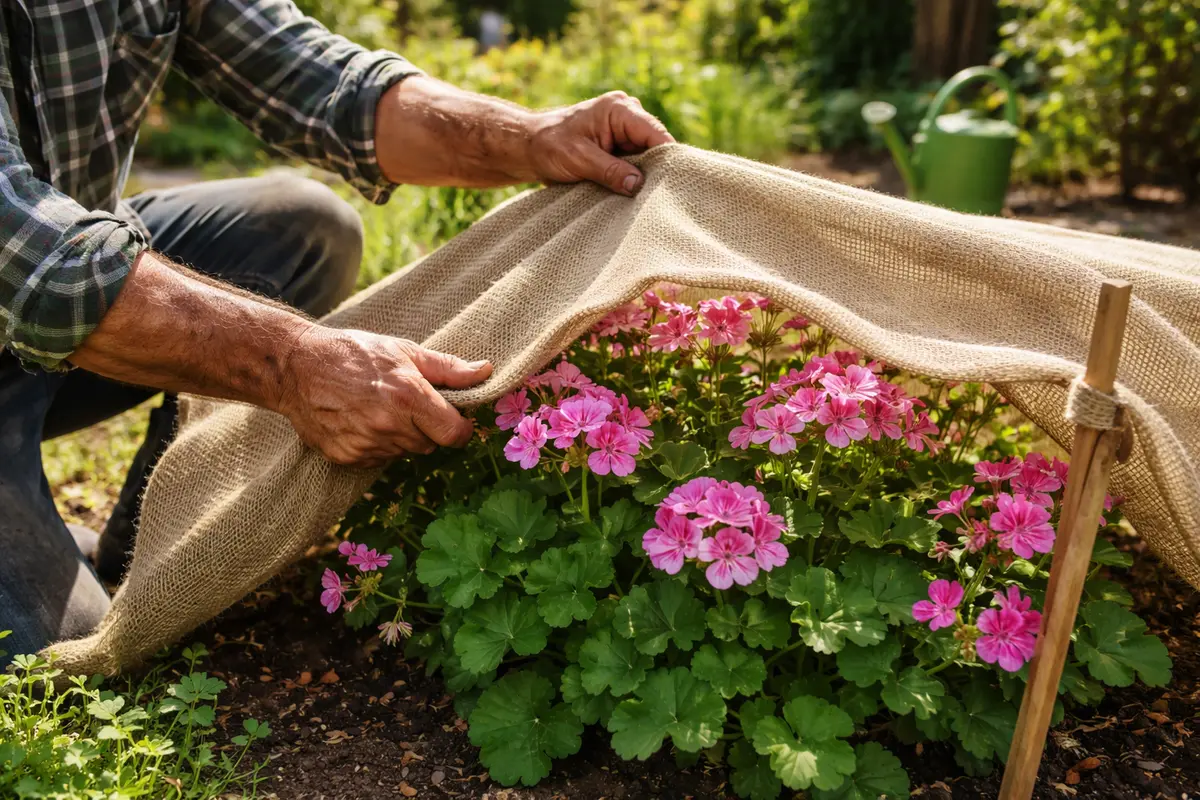
Begin by establishing a regular shade routine for your geraniums during the hottest part of the afternoon using gardening fabric, umbrellas, or movable shading structures. Implementing this protective measure will significantly reduce heat stress, resulting in improved flowering and vibrant blooms as temperatures rise. Create an environment that keeps the soil cooler and minimizes evaporation, necessitating less frequent watering while allowing the plants to recover from prior exposure. Effective shading can lead to a noticeable reduction in wilting and improved health.
During extreme heat, it’s vital to shade your geraniums effectively to prevent wilting or dropping buds. High temperatures and intense sunlight can cause these stress symptoms, leading to poor flowering. To maintain optimal conditions, ensure that your shading structure is positioned to block direct sunlight from 11 AM to 4 PM, as these are the peak hours of sun exposure. If you notice flowers wilting or leaves curling, this indicates inadequate shade or heat stress, which requires immediate corrective actions to avoid long-term impacts.
- Daily Shade Maintenance: Adjust your shade structures each morning before peak sun exposure to ensure full coverage throughout the day. If you notice the plants thriving in shade, continue this practice during hot weather.
- Use Reflective Mulch: Lay down reflective mulch around the base of your geraniums to help further lower soil temperatures and retain moisture. This method assists the plant roots in coping with the heat.
- Temporary Solutions for Heatwaves: During unexpected heatwaves, consider layering an extra shade cloth or moving larger plants to provide additional cover from the blazing sun.
- Weekly Assessments: Review the plants weekly for signs of heat stress, such as blackened or crispy leaves or drooping stems, and adjust shading accordingly. Continuous monitoring ensures that you can implement new arrangements if the current setup isn’t sufficient.
Additionally, remember to reassess your shading techniques as seasons shift, ensuring that during peak summer months, your coverage remains adequate. Continually evaluate the effectiveness of your shading by observing the health of the geraniums. For instance, if some plants continue to exhibit heat stress despite these efforts, check the placement of shading materials or investigate other factors like moisture levels to ensure comprehensive care. If plant health fluctuates, consider rotating your shading approach based on daily conditions or recent weather trends.
Step 5 – Check for Flower Dropping After Adjustment
Begin by monitoring your geraniums for signs of flower dropping and wilting approximately one week after implementing your care adjustments. Observe for new growth emerging from the plants as a positive indication of recovery, while also being vigilant for any new drooping leaves or faded flowers, which indicate further adjustments may be necessary. Regularly evaluating your plants weekly will allow you to determine their progress and ensure that any persistent issues with watering or nutrient levels are promptly addressed. Identify any irregular signs rubbing against previous observations, as shifts in growing patterns can alert you to ongoing issues.
A fully recovered geranium should exhibit firm stems, vibrant foliage, and a resurgence of flowers to signify effective care. Contrastingly, early signs of a return to issues, such as gradual yellowing of leaves, reduced flower bud development, or shifts in stem rigidity, may indicate ongoing stress. Monitoring these observable cues is crucial, enabling a timely reaction to a potential setback before it escalates. If the leaves feel limp or overly soft, investigate the surrounding conditions closely, as this could indicate either overwatering or a nutrient inconsistency. For example, if soil tests reveal moisture retention higher than expected, it may signal a need to reduce watering frequency.
If, despite following all recommended steps, drooping persists, consider revisiting your sun exposure and watering techniques. You may need to assess the overall health of nearby plants as well; invasive roots can compete for nutrients. Additionally, checking nutrient levels could reveal imbalances that require adjustment if no improvements are noted. If you observe pests such as aphids or spider mites, it may be essential to consult with a garden center or extension service for further advice. Recognizing signs of stress early is essential for making adjustments that lead to flourishing, vibrant blooms in your geraniums, thereby preventing wasted time and resources.
FAQ
How long does it take for geraniums to recover from heat stress?
Recovery from heat stress in geraniums typically takes about one to two weeks, depending on the care provided. Consistent watering, a stable shade environment, and nutritional support all play significant roles in this timeline. If conditions and care improve, new growth and flowers should start to appear within this timeframe, signaling that the plants are on the right recovery path. If no visible changes occur within this time frame, it may indicate deeper stress or environmental issues that require immediate attention.
Can poor flowering in geraniums spread to other plants?
Poor flowering itself does not directly spread among plants, but the underlying issues—such as environmental stress or pests—can indeed affect nearby geraniums. Regular checks on conditions like soil moisture and nutrient levels, alongside maintaining healthy care practices, will support individual plants and can serve as preventive measures for adjacent plants. By actively preventing similar stress conditions from developing, you can avoid wider issues in your garden and create a healthier overall flowering environment.
Should I remove damaged flowers from geraniums?
Yes, removing damaged or spent flowers, often referred to as deadheading, can encourage new growth and enhance the overall appearance of the plant. This practice helps geraniums redirect their energy towards developing healthy blooms rather than wasting resources on dying flowers. Keeping an eye on the blooms and regularly removing spent flowers is vital for maintaining optimal health and encouraging more vigorous blooming cycles. This small act helps ensure ongoing vibrancy throughout the season, ultimately leading to a more lush and appealing geranium display in your garden.