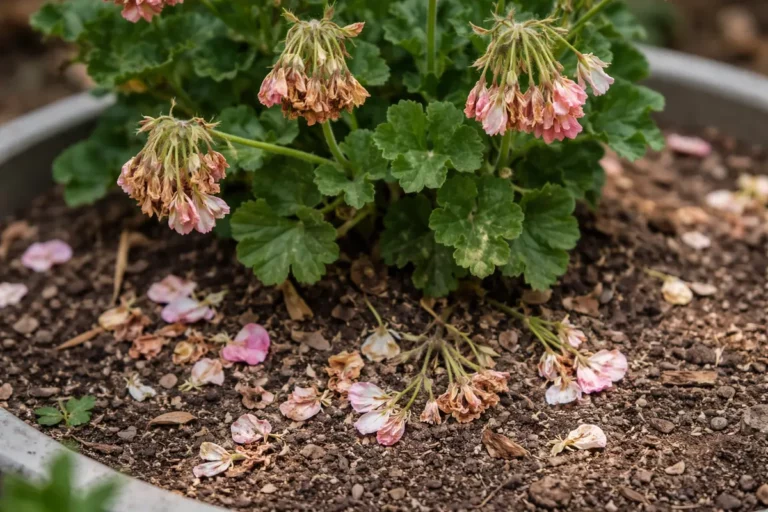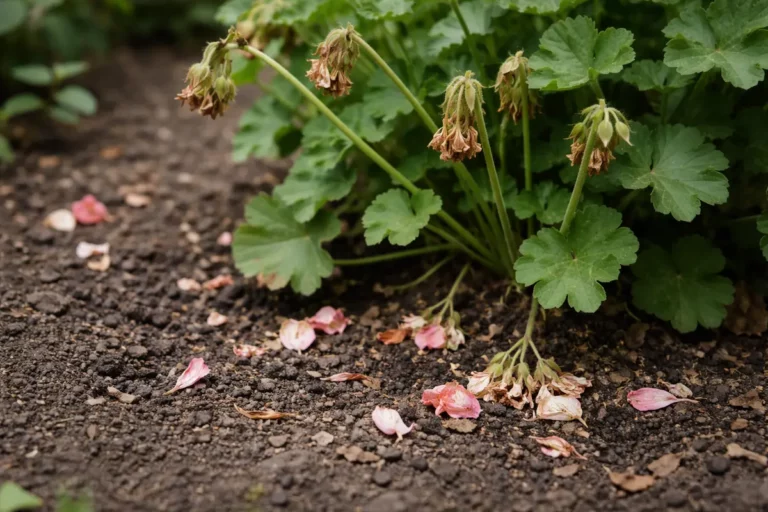
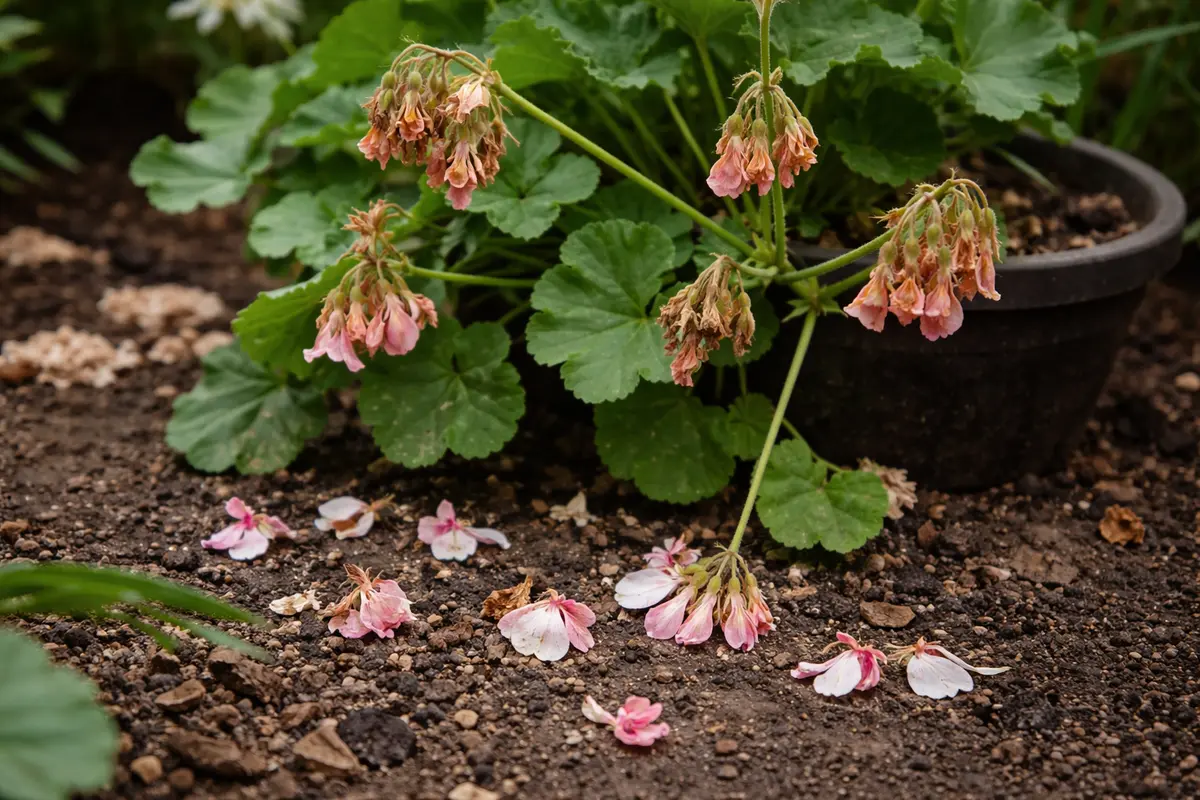
You may notice that your geraniums struggle to bloom vibrantly after transplant, which is why you need to know how to prevent poor flowering in geraniums after transplant. This often occurs due to stress from the move, leading to symptoms like wilting leaves and a general decline in vitality. If left unaddressed, the situation can worsen, weakening the plant further, leading to stunted growth and increased susceptibility to diseases. However, you can fix it now by adjusting their care, watering properly, and monitoring their progress closely.
Step 1 – Prune Yellowing Leaves on New Geraniums
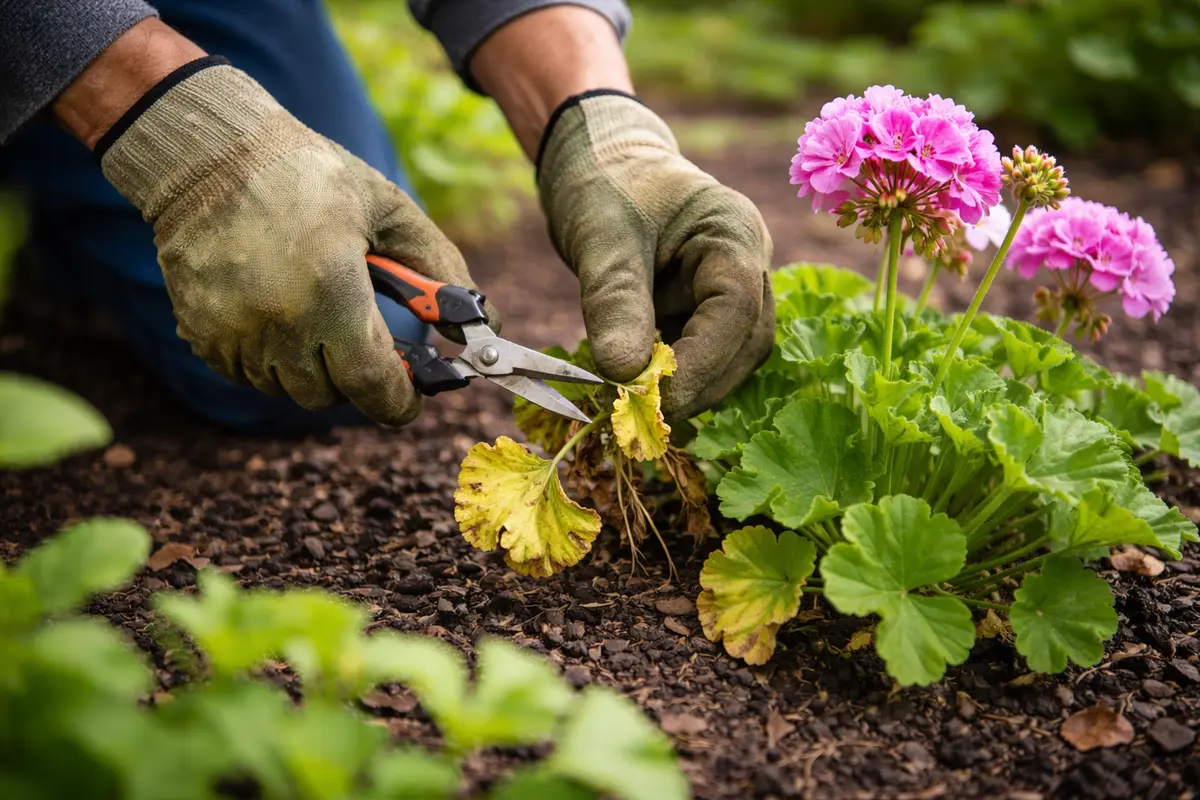
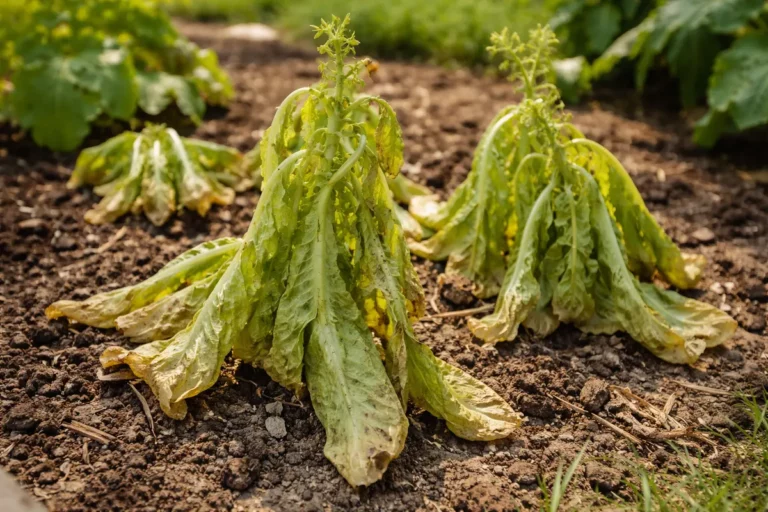
Start by cutting any yellowing leaves at their base. You will see an immediate increase in airflow and light reaching the remaining healthy foliage, reducing stress on the plant within a few hours. Additionally, the pruned areas will discourage fungal growth—as these often thrive on dying plant matter—helping to ward off further problems. Pruning immediately also prevents wasted energy that the geraniums would otherwise use to support struggling leaves.
Removing yellow leaves directly improves light penetration and airflow, which are critical for photosynthesis and overall plant health. This is especially important right after transplanting, as **the plant often suffers from root shock**, causing initial leaf yellowing. If you delay this action, the stress can compound quickly, leading to further weakening and diminished flowering ability. If your geraniums show yellowing early, it may signal a more profound issue requiring immediate attention, such as overwatering or insufficient sunlight.
A common mistake at this stage is leaving yellow leaves on the plant, assuming it will recover on its own. This often exacerbates the problem, as damaged foliage can harbor pests and diseases, spreading stress to other parts of the plant. For instance, aphids thrive on weakened plants, which can sap even more vitality from your geraniums. To avoid this, act quickly by trimming back those struggling leaves and observe the immediate changes in overall plant vigor. Check daily for any recurring signs of stress; if more leaves yellow over time, it might indicate ongoing environmental issues needing to be addressed, such as nutrient deficiencies or hidden pests causing further stress.
Step 2 – Assess Soil pH for Geraniums’ Flowering
Check the soil pH around your geraniums immediately. A suitable pH level should range from 6.0 to 6.8, a sweet spot that allows for optimal nutrient absorption and visible improvements in flowering within a few days. Use a simple soil pH test kit or pH meter to provide an accurate reading for quick assessment. Make a note of any discrepancies, as adjustments may take time to take effect.
Soil pH plays a crucial role in nutrient availability; if the pH is too far outside the ideal range, certain nutrients become inaccessible to the plant, leading to poor flowering and unhealthy growth. For example, if the pH is too low, essential nutrients like nitrogen may be in excessive supply but can’t be absorbed effectively, affecting the plant’s overall health and causing symptoms such as leaf yellowing. Geraniums that are transplanted often experience pH fluctuations due to disturbances in their soil environment. If the pH remains uncorrected, you’ll likely see persistent nutrient deficiencies manifest as poor leaf color and reduced blooming, signifying the need for intervention.
If you discover that the soil is too acidic (below 6.0), adding lime can help raise the pH level over time. Conversely, if it’s too alkaline (above 6.8), adding sulfur or organic compost can assist in lowering it. When making these adjustments, mix them into the top few inches of soil to facilitate uniform distribution and absorption. Make sure also to check the soil’s texture and moisture as well—compact or waterlogged soil can hinder pH adjustments and root health. For instance, if you notice that water is pooling on top rather than soaking in, this can signal a need for aeration or amendment to improve drainage. Remember, if your adjustments don’t lead to visible changes within a couple of weeks, re-evaluate your soil management practices.
Step 3 – Fertilize Geraniums to Encourage Flower Recovery
Start by ensuring the newly transplanted geraniums receive consistent moisture without becoming waterlogged. Check the soil regularly; if the top inch feels dry, water the plants deeply until moisture reaches the roots. In a week or two, you should notice improved leaf color and new growth as the plants begin to recover from the stress of transplanting. This recovery period is essential—it sets the stage for future flowering.
During the recovery period, expect a timeline of several weeks for geraniums to exhibit noticeable improvements. Healthy regrowth appears as fresh green leaves, which contrast sharply with drooping or yellowing leaves common in stressed plants. Factors that can speed recovery include adequate sunlight and stable temperatures; conversely, prolonged cold or excessive shade can slow progress significantly and hinder flowering. If the leaves are still wilting after two weeks, check the drainage to ensure the roots aren’t sitting in water, which can quickly lead to root rot.
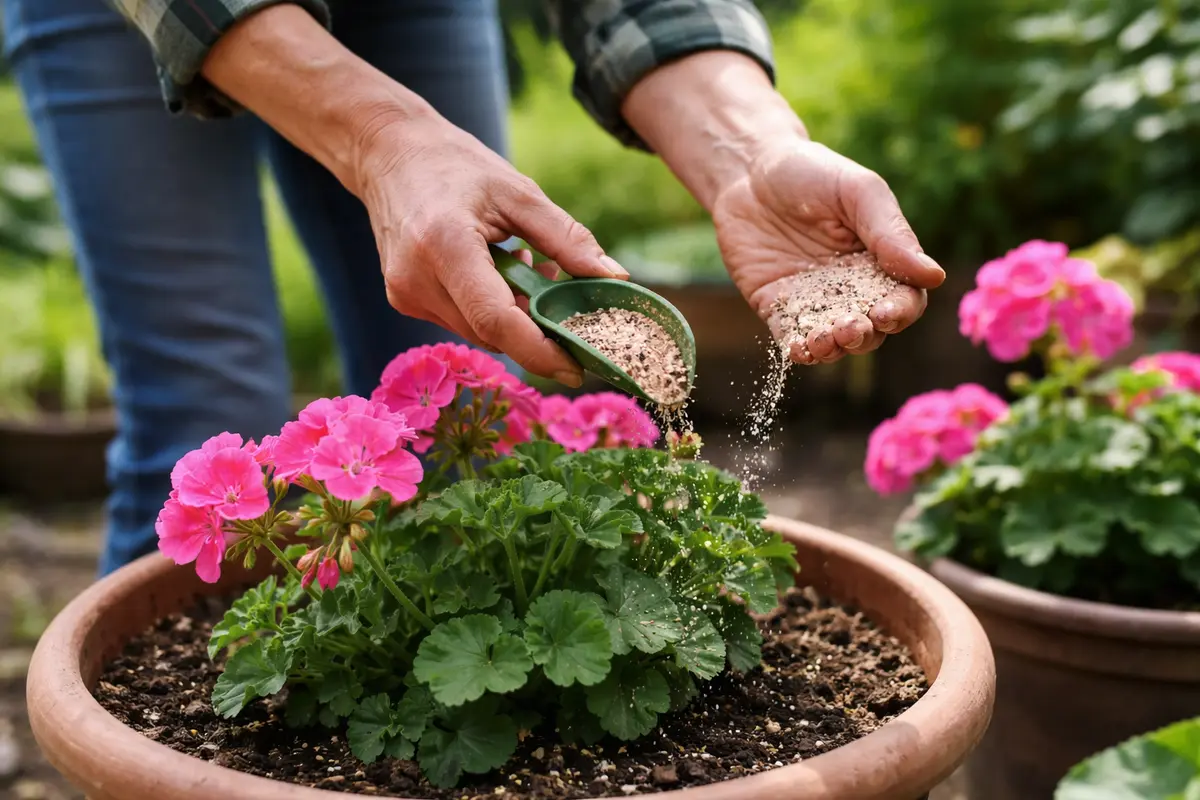
Avoid overcompensating with additional fertilizers during this period, as this can lead to root burn, compounding stress and further impeding flowering. Focus instead on supplying only a diluted, balanced fertilizer if absolutely necessary, only after observing signs of new growth. Timing is also critical; apply any nutrients about four weeks after transplanting, as immediate fertilization can shock the plants further and lead to poor flowering. Fertilizers specifically designed for blooming plants can enhance flower production by supplying essential nutrients that promote vibrant blooms. For instance, using a 5-10-5 fertilizer ensures that the phosphorus level supports root development and flowering effectively. If your geraniums remain unfertilized, they can suffer prolonged flowering delays due to nutrient shortages, which may show as stunted growth or a lack of new bud formation. Applying fertilizer too late in the season might not give plants enough time to utilize those nutrients, ultimately impacting the flowering cycle.
A common mistake is over-fertilizing, often due to impatience for quick results. This can burn the roots and further damage the plant, so ensure you follow the recommended dosage, particularly in the beginning stages after transplanting. Moreover, if your geraniums appear stunted after fertilization, it may be a sign that the wrong kind of fertilizer was used, leading to nutrient imbalances. To observe any reactions, monitor for changes in leaf coloration; healthy leaves should be vibrant, while yellowing can suggest too much fertilizer or a nutrient imbalance. If visible results are lacking after proper application, consider reassessing your approach and testing soil for further nutrient deficiencies.
Step 4 – Water Geraniums Deeply to Prevent Wilting
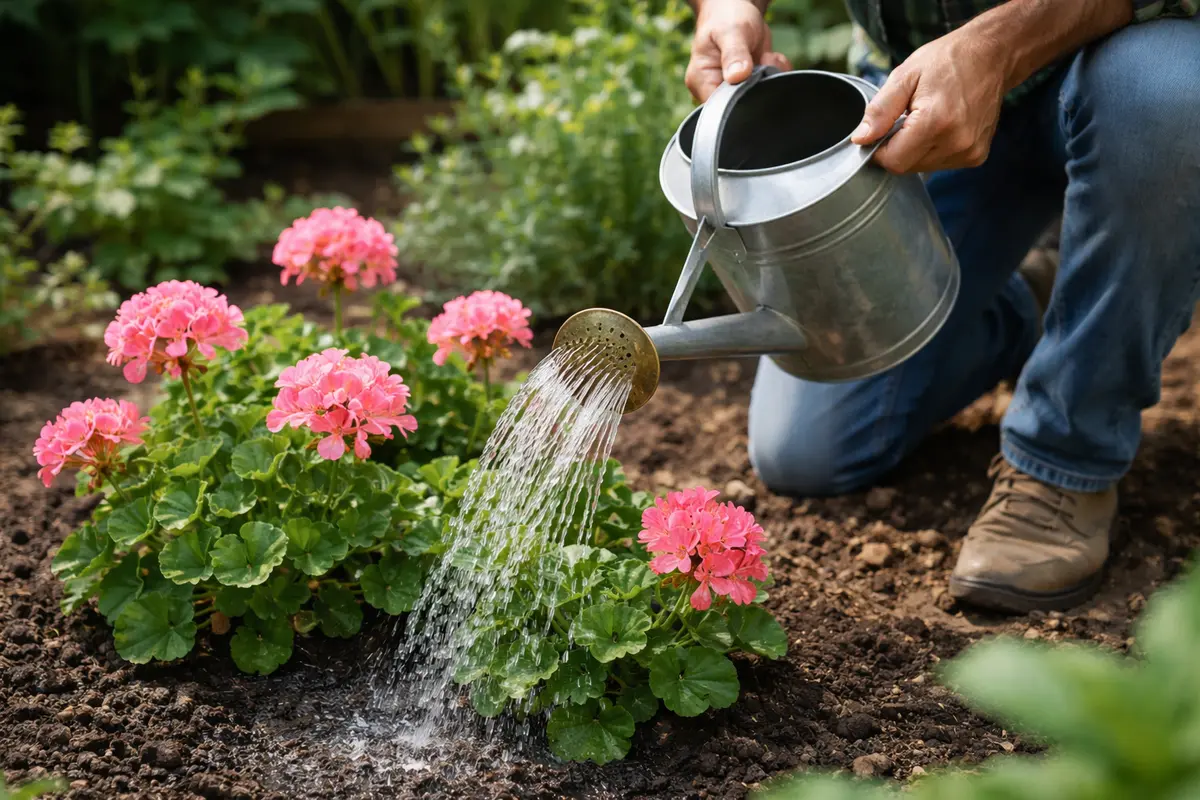
Water your geraniums thoroughly, ensuring the moisture penetrates at least six inches deep into the soil. You will observe that the leaves perk up within a few hours as the roots manage to absorb the necessary moisture. Deep watering methods, such as using a soaker hose or drip irrigation, encourage roots to grow deeper, increasing drought tolerance while ensuring that nutrients from the soil can be accessed more effectively.
Deep watering encourages the roots to grow several feet into the soil, which helps improve overall plant stress tolerance and reduces the risk of wilting during dry conditions. **Inadequate watering after transplanting can lead to wilting** and heighten the risk of root rot if the topsoil dries out. Establishing a routine of deep watering prevents the soil from staying compacted and ensures that nutrients can be accessed more efficiently; note that soil that retains moisture better tends to facilitate greater nutrient availability as well. If there’s a sudden change in weather conditions, such as a heatwave, the need for deep watering may arise once every two to three days rather than the weekly watering routine that might be sufficient in cooler, humid months.
In hot weather or in sandy soil, the need for watering may arise frequently as the soil dries out faster. Check the soil daily; wilting can occur quickly in extreme temperatures. Make a habit of observing the leaves closely; drooping leaves can indicate that the plant is thirsty and needs immediate attention. Understanding these nuances helps prevent recurring wilting and encourages healthy blooms; notice how quickly plants respond to proper hydration after a period of drought stress, demonstrating the necessity for consistent moisture management that keeps the roots active and thriving. Additionally, consider using mulch to maintain soil moisture, as an effective barrier can prevent evaporation, further benefiting your geraniums.
Step 5 – Inspect Geranium Blooms for Signs of Wilting
Start by checking your geraniums every few days after transplanting. Look for signs of wilting, yellowing leaves, and stunted growth, which indicate stress that could hinder blooming potential. Recheck the soil moisture levels at least once a week, ensuring they remain consistently damp but not waterlogged to support healthy blooming. Visual cues, such as drooping flower buds or fewer blooms than expected, can signal underlying issues needing to be addressed urgently.
A fully recovered geranium will exhibit vibrant green leaves with a slight sheen, while early signs of the problem returning include crisp, browning leaf edges and a sparse flowering count. Healthy blooms will appear full and abundant, contrasting starkly with those that are wilted or lacking color. If the flower count decreases, it may indicate that environmental stressors, like fluctuating moisture levels or light exposure, are at play.
If signs of poor flowering return despite following these steps, consider inspecting for root rot by gently lifting the plant to check the root system’s condition. If the roots are mushy or dark, repotting in fresh, well-draining soil may be necessary to rejuvenate the plant. If not, check for pests that might be affecting the plant’s ability to flower. A simple pest inspection can often reveal hidden issues like aphids or spider mites, which can sap energy from your plants and impair their ability to flourish.
Fully recovered geraniums will demonstrate vibrant flowers, firm leaves, and a lush overall appearance, while early signs of wilting may indicate still-held stress levels. If your blooms appear droopy or discolored again, it is crucial to address underlying issues immediately, whether related to pests, water levels, or nutrient deficiencies. This careful observation is vital; sometimes, wilting can be confused with a lack of water, so it’s essential to check the soil moisture level before deciding on an action. Regular inspections will help catch these issues before they escalate and negatively affect flowering performance, giving you a better chance at successful blooms.
If problems linger despite good care, consider addressing specific stressors like pests or irregular watering patterns. For example, if spider mites are present, you might notice webbing on the undersides of leaves or a loss of leaf vitality. If pests are present, apply your chosen pesticide as soon as you notice them to prevent any further weakening. Monitor after treatment to ensure that the pests are under control; if blooms still appear unhealthy, explore other causes or consult with local gardening experts for tailored advice. The more vigilant you are about your geraniums’ conditions, the greater the chance they will bloom beautifully and withstand environmental pressures.
FAQ
How long does it take for geraniums to flower after transplanting?
Typically, geraniums may start to show signs of blooming two to three weeks after transplanting if proper conditions are maintained, including adequate care and stress relief measures. However, stress factors can delay this response, so addressing care issues immediately is essential for quicker recovery. Following the outlined steps efficiently will lead to the best outcomes and promote healthy blooms.
Can overwatering affect geranium blooms?
Yes, overwatering can lead to root rot, which severely impacts plant health while inhibiting blooming. It’s crucial to provide well-draining soil and monitor the moisture levels frequently to prevent this issue from affecting flower production negatively. Always test the topsoil moisture before watering to ensure the plant is not receiving too much moisture or fluctuating watering schedules.
Should I remove damaged blooms from geraniums?
Yes, removing spent or damaged blooms encourages new growth and flowering. This practice, known as deadheading, redirects the plant’s energy toward producing new flowers rather than maintaining old ones that won’t thrive. Aim to deadhead regularly, especially during the blooming season, to maximize flower production and improve overall aesthetics and health.