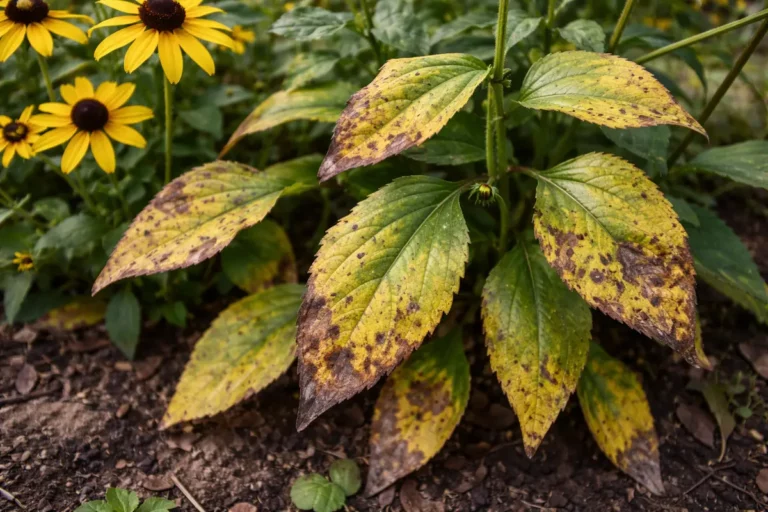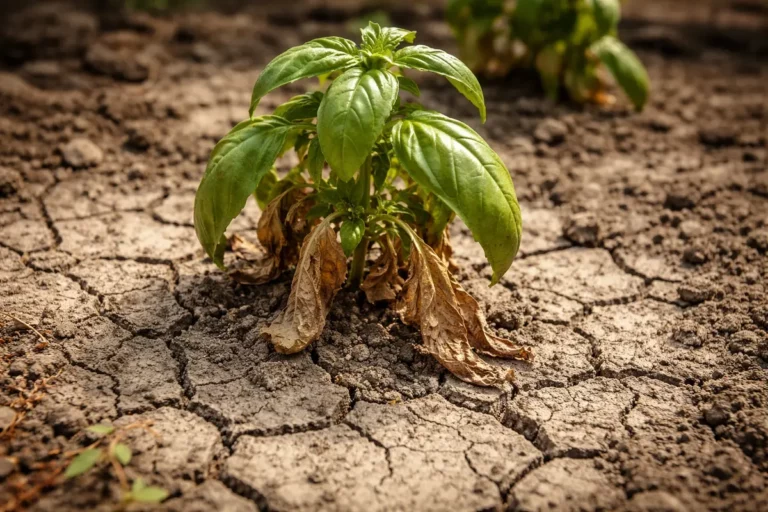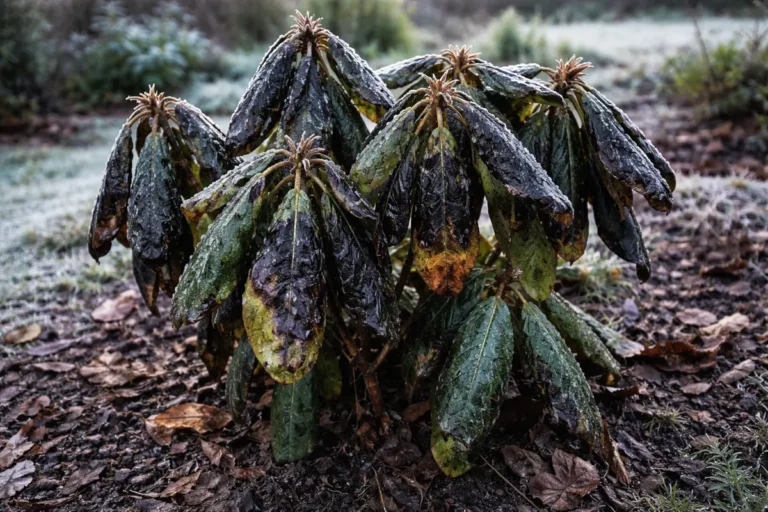
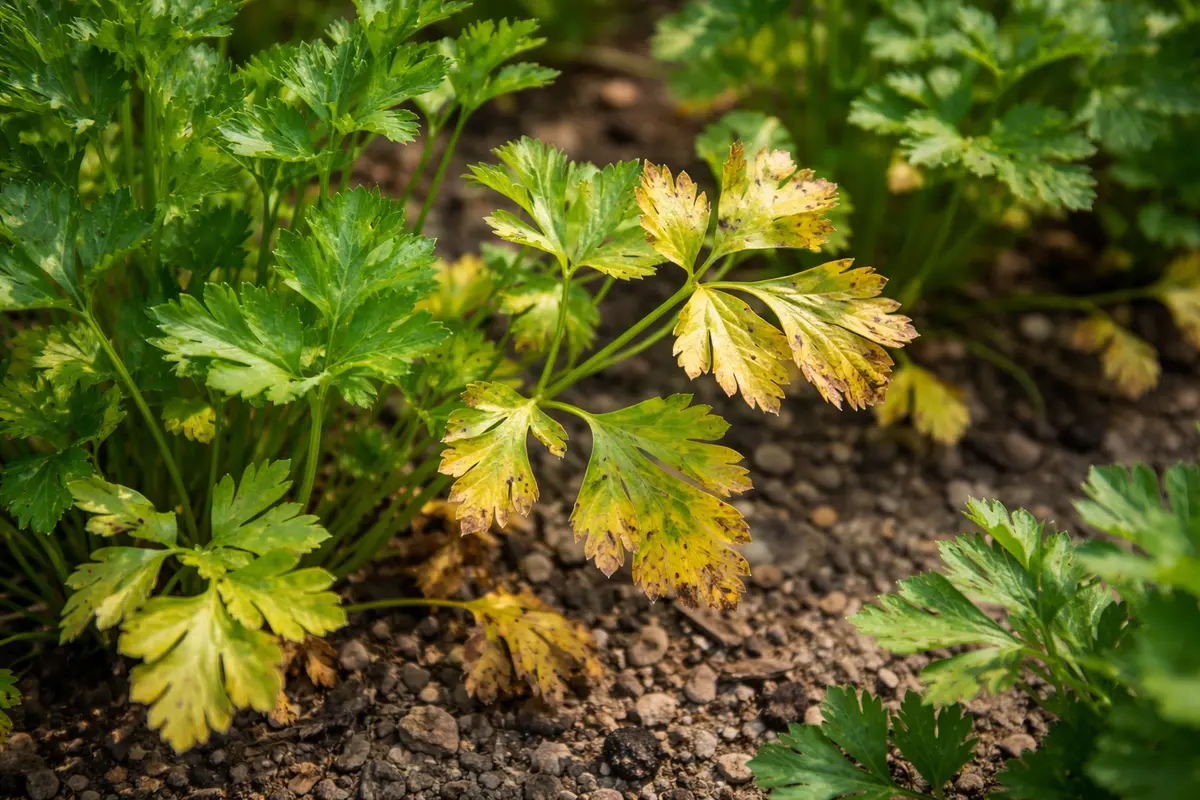
You may notice your parsley plants showing signs of distress during a summer heatwave, which is why you need to know why are my parsley plants turning yellow in hot weather. This yellowing occurs as a response to heat stress and inadequate moisture, leading to a decline in health and vigor. If left unaddressed, the problem gets worse, leading to stunted growth and potentially more extensive damage, but with prompt action, you can inspect and adjust their care to help restore their vitality.
Step 1 – Water Parsley Plants Immediately to Cool Soil
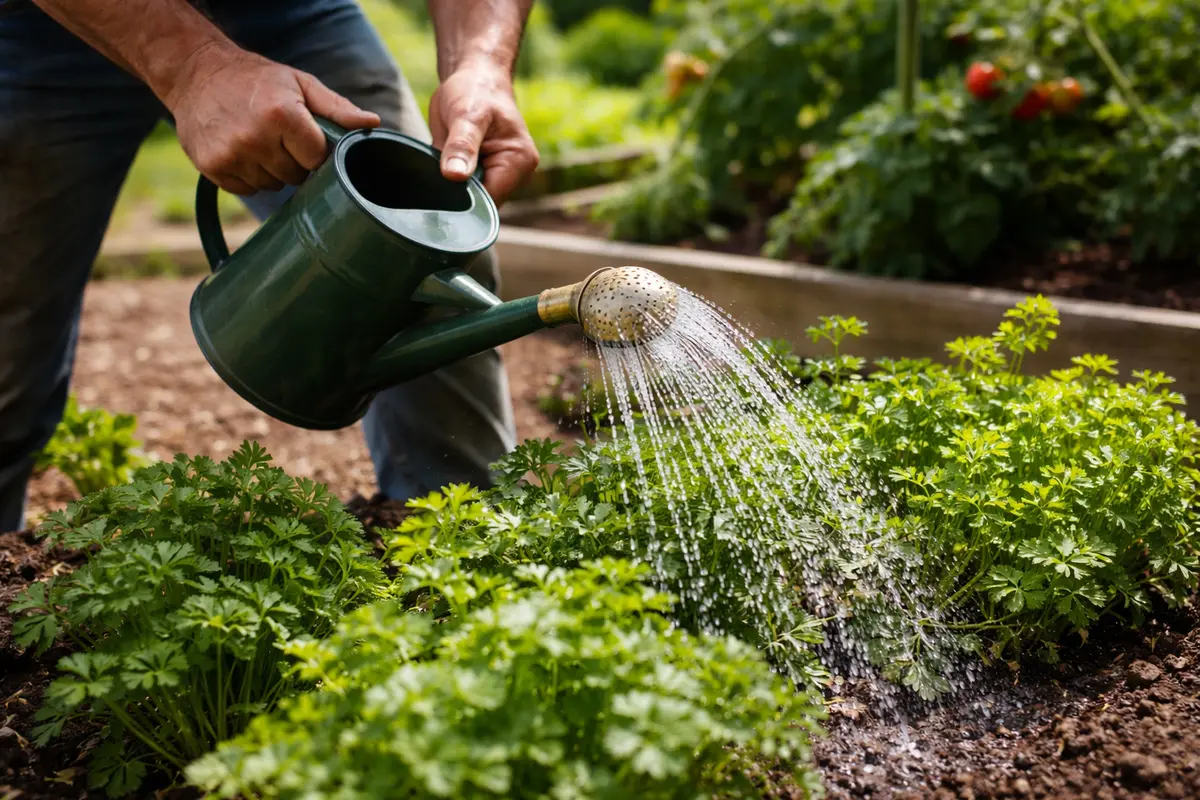
Water your parsley plants deeply to cool the soil around the roots. You will notice the soil darkening as moisture penetrates beneath the surface, which is a positive sign of effective watering. Be sure to apply water early in the morning or late in the afternoon to prevent rapid evaporation. This approach allows the soil to absorb moisture without the immediate loss that accompanies harsh, midday sun.
Providing immediate water relief is crucial. Parsley plants, like many herbs, thrive in well-hydrated soil, and prolonged exposure to dry conditions during hot weather can cause their leaves to yellow due to water stress. A visibly dry, brittle leaf can indicate that the plant is struggling. Allowing the soil to dry out for too long can also lead to root damage, ultimately harming the plant’s growth. For optimal hydration, aim for about one to two inches of water per week, depending on temperature, humidity, and wind conditions. Adjustments may be necessary during particularly dry spells, while a rain gauge can help monitor how much water the plants are actually receiving.
A common mistake is forgetting to assess the soil moisture before watering again. For instance, if you solely focus on the leaf color without checking the roots, you risk delaying recovery. Start by probing the soil about an inch deep with your finger. If it feels dry, it’s definitely time to water, but if it feels damp, please wait a bit longer. Overwatering can be just as detrimental as underwatering, as it can suffocate roots and promote root rot. If you notice a sour smell from the soil, it may indicate that the roots are already rotting due to excessive moisture; in that case, you should reduce water frequency immediately and instead focus on improving drainage. This can involve loosening the soil around the roots or adding perlite to improve aeration. Always remember that a consistent moisture level is what ultimately helps parsley thrive in challenging conditions.
Step 2 – Check for Nutrient Deficiencies in Parsley
Inspect the soil and leaves for signs of nutrient deficiencies, especially nitrogen deficiency. If you see pale-yellow leaves but green veins, it’s a telltale sign that your plants are lacking essential nutrients, which can contribute to the yellowing. This often becomes more pronounced after a heavy rain or following a period of drought, which can deplete the soil’s nutrient content and leave your parsley gasping for the minerals it needs to thrive.
After addressing moisture, check your soil for adequate nutrition levels. Parsley requires sufficient nitrogen for lush, green growth; without it, the plants will struggle. Adding a nitrogen-rich fertilizer can significantly improve the color and health of your plants. For instance, organic fertilizers featuring blood meal or fish emulsion can provide quick boosts. If nutrient levels are low, this can hinder the plant’s ability to thrive, especially in heat. To verify if nutrient deficiency is present, you might want to conduct a soil test, which can reveal the nutrient composition and pH level of your garden bed, helping you tailor your fertilization strategy.
If the soil appears compacted or depleted, transitioning to a soil amendment like compost or a balanced fertilizer rich in nitrogen can be beneficial. Moreover, consider applying a liquid fertilizer for rapid absorption if immediate nutrient replenishment is necessary. However, if the soil smells sour after watering, it might indicate overwatering or root rot, necessitating action to improve drainage rather than just adding more nutrients. In this scenario, augment the plant if it’s in a pot, or amend the garden bed with materials that enhance drainage like perlite or shredded bark before any fertilizing takes place. If nutrient issues persist despite amendments, you may need to consult your local extension office for tailored advice or assistance.
Step 3 – Fertilize Parsley for Recovery from Yellowing
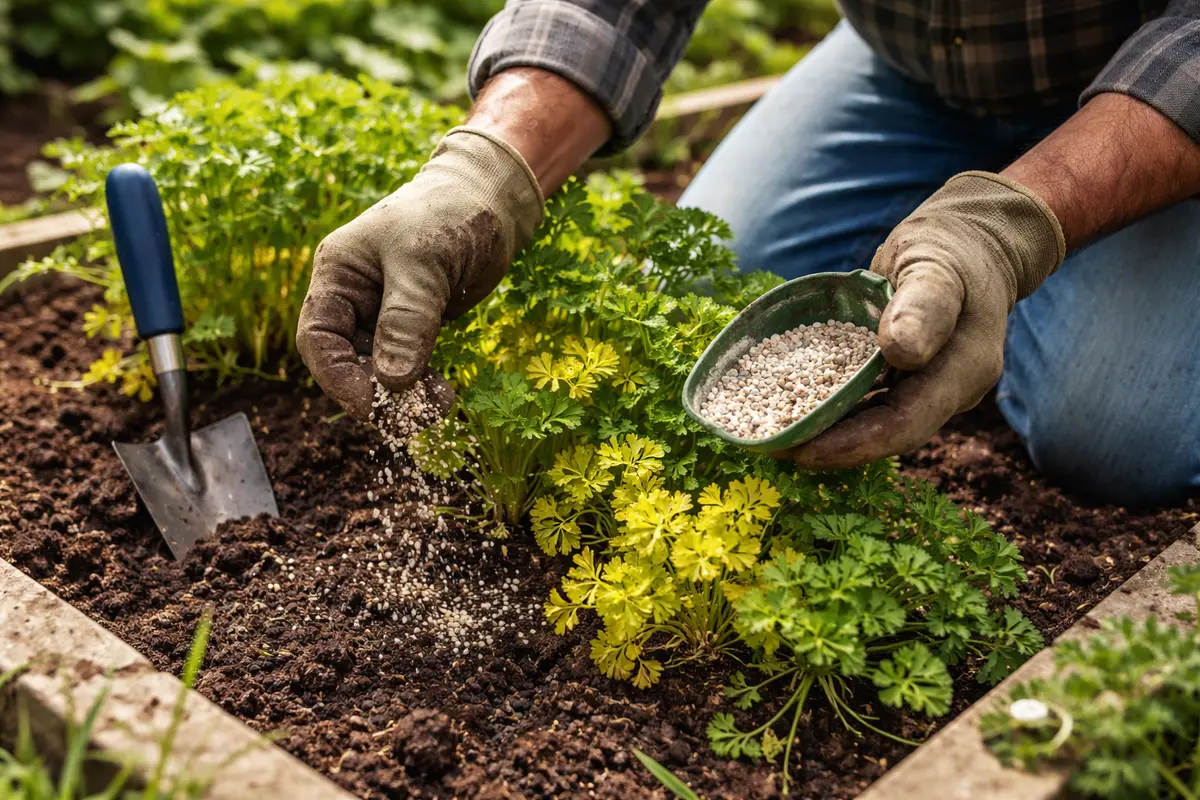
Apply a balanced fertilizer to provide essential nutrients for recovery. For best results, you should see new growth appearing within a week as the plants start to respond positively to the additional nutrients. For example, a fertilizer with a higher middle number in the N-P-K ratio (like 10-20-10) can boost not just foliage but flowering potential, promoting overall health that your parsley desperately craves.
Fertilizing is vital to restoring your parsley’s health if nutrient deficiencies were apparent. By rejuvenating the soil, plants can regain their vibrant green color. As fresh nutrients penetrate the root zone, you should notice leaves starting to regain their color and vitality in a matter of days. To ensure nutrient absorption, water the plants lightly right after applying fertilizer. This not only helps dissolve the product but also facilitates its penetration into the soil, enhancing uptake.
Often, gardeners risk over-fertilizing in a bid to correct deficiencies, which can lead to a nutrient overload that burns roots and further stresses the plants. By following the recommended amounts indicated on packaging, you can avoid this pitfall; using fertilizers specifically designed for herbs can further support optimal recovery. If you notice leaf edges turning brown or crispy, it may indicate fertilizer burn due to excess nutrients. In such a case, leach the soil by watering heavily with plain water for several minutes, allowing excess fertilizer to wash out and minimizing damage to the root system. Remember that applying nutrients in the evening can also prevent burns caused by the sun’s heat.
Step 4 – Protect Parsley from Heat with Shade Cloth
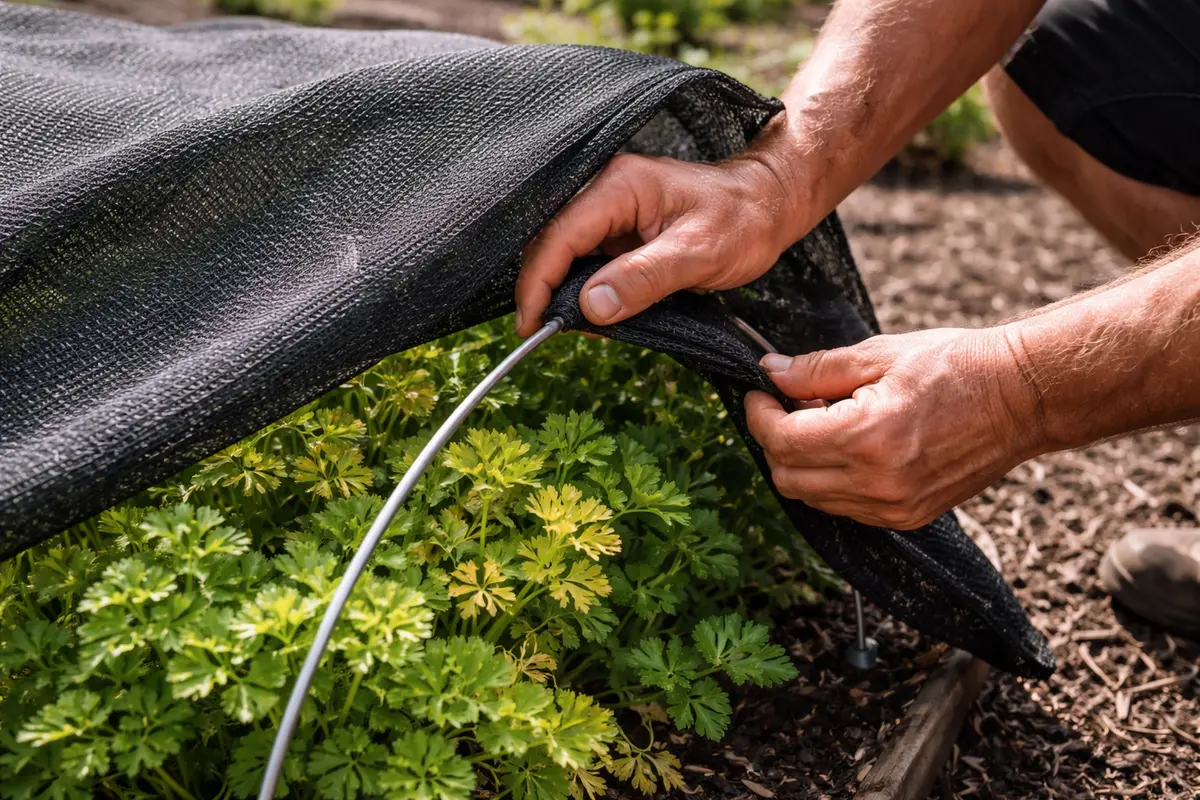
Start by providing consistent shade for your parsley plants during the hottest parts of the day using row covers or shade cloth, which will help prevent leaf yellowing. You should notice that the leaves maintain their vibrant green color and the plants thrive despite the rising temperatures, giving them the best chance to recover and grow steadily.
High temperatures can lead to heat stress, causing the parsley leaves to yellow as they struggle to cope with intense sunlight. By providing shade, you mitigate the effects of extreme weather conditions, allowing the plants to recover and maintain their essential photosynthesis process. If your parsley is yellowing despite shade protection, check for dry soil conditions, as dehydration can also cause similar symptoms, making the need for additional watering urgent. In contrast, if your shaded parsley still shows signs of stress, this indicates potential nutrient or structural problems within the soil.
In addition to shade, consider using mulch around the base of your parsley plants in peak summer months to retain moisture and regulate soil temperature. A layer of organic mulch, such as wood chips or straw, can significantly help mitigate rapid evaporation from the roots. As seasons change, adjusting your mulching practices can help maintain soil moisture even during the driest weeks, providing an additional layer of protection against heat stress.
Placing shade cloth over parsley allows for sufficient light while protecting it from the direct, harsh sun that can lead to leaf scorch and further yellowing. Hot temperatures can easily stress plants, especially if there’s a lack of moisture in the soil. Implementing this protective measure helps maintain leaf integrity and minimizes temperature fluctuations around the plant. Be aware that during periods of extreme heat, the cloth should remain in place until the temperature drops to more favorable levels, which often means extending the coverage for several days or weeks. During exceptionally hot days, it can also be beneficial to move container plants to shadier areas to boost their resilience. However, for established plants, be cautious when using shade cloth; in high humidity conditions, you may need to ensure proper airflow to avoid mildew growth. Signs of mildew include powdery spots on the leaves and a musty odor. Monitor the microclimate you’ve created with the shade cloth to make necessary adjustments. If you begin to notice these signs, increasing airflow around the plants can prevent further issues down the line.
Step 5 – Inspect Parsley Leaves for Recovery Signs Weekly
Examine your parsley leaves weekly for signs of improvement. You should look for new growth and the gradual restoration of vibrant green color in the leaves as an indication that the plant is recovering. New shoots signify that the plant is successfully bouncing back and indicates effective management of water and nutrients.
Regular checks after implementing your recovery plan are essential for monitoring progress. An effectively recovering plant exhibits new, fresh growth, and a return to rich green coloring—these are signs that stress levels are diminishing, but vigilance is key during this recovery period. If you observe continued yellowing or limp leaves, it suggests that the problem may persist or worsen. In such cases, consider adjusting your care routine based on what you observe—whether it’s more watering, supplementary fertilization, or additional shade; an adaptive approach tends to yield the best results. Recognizing the signs of health recovery early saves plants from declining further.
If the problem continues to persist despite following these steps, consider scaling your vigilance. Inspect for possible pest infestations or diseases that could have emerged secondary to heat stress and improper care. Look for signs like tiny webbing or speckled leaves caused by pests such as aphids or spider mites; these can cause additional stress to an already fragile plant. Moreover, if any new issues arise—such as increased wilting or discoloration that doesn’t respond to your care efforts—it may be time to consult local gardening resources or professionals, particularly if your parsley’s productivity seems low.
FAQ
How long does it take for parsley to recover from yellowing leaves?
Recovery can take about one to two weeks after correcting the water and nutrient issues, depending on the severity of the yellowing and environmental conditions. Growers should monitor regularly for signs of new growth during this critical period, as prompt recovery can occur with adequate care and consistent moisture levels maintained throughout the week.
Can my parsley plants spread illness if they remain yellow for too long?
Yes, yellowing can indicate underlying issues such as nutrient deficiencies or pests that could spread to other plants. If left unchecked, these conditions may exacerbate and lead to widespread issues within your garden. It’s best to isolate affected plants until you’re able to manage the cause of the yellowing through proper care and interventions, such as targeted pest treatments or appropriate fertilization strategies.
Should I remove yellow leaves from parsley plants?
Yes, removing any severely yellow or dead leaves can help redirect the plant’s energy to healthier growth. Be cautious to only trim the affected areas and avoid compromising the overall health of the plant, as excessive trimming can lead to additional stress. A good practice is to remove a few leaves at a time while continuously observing other areas of the plant for signs of distress both before and after trimming.