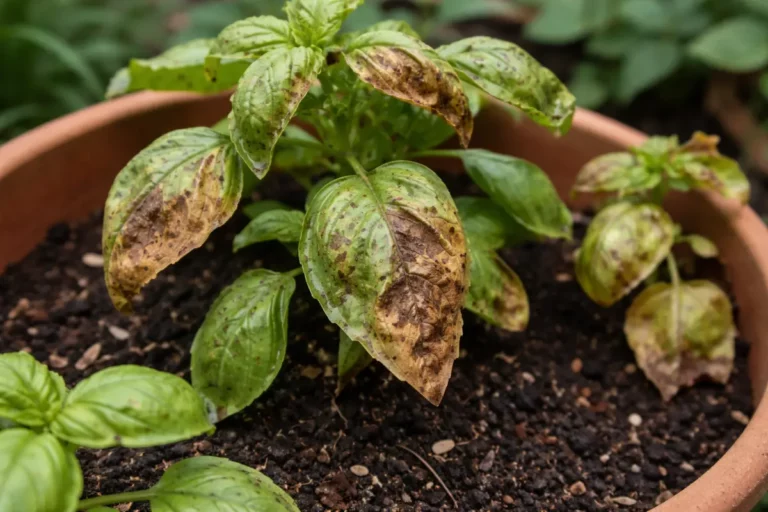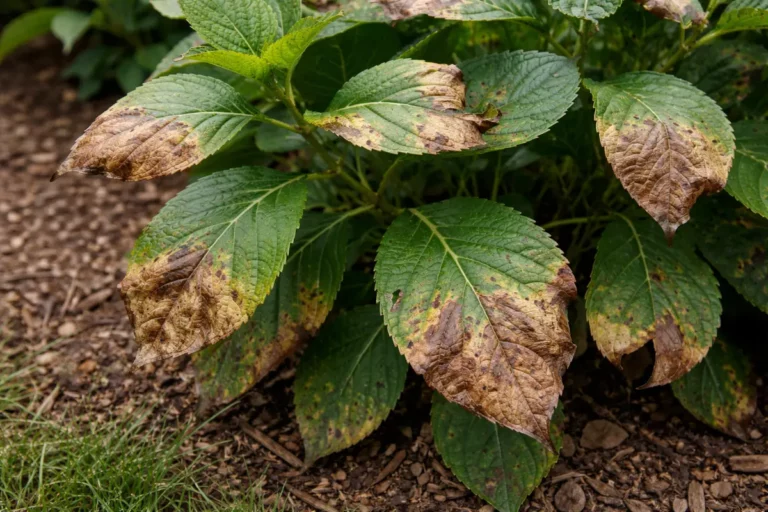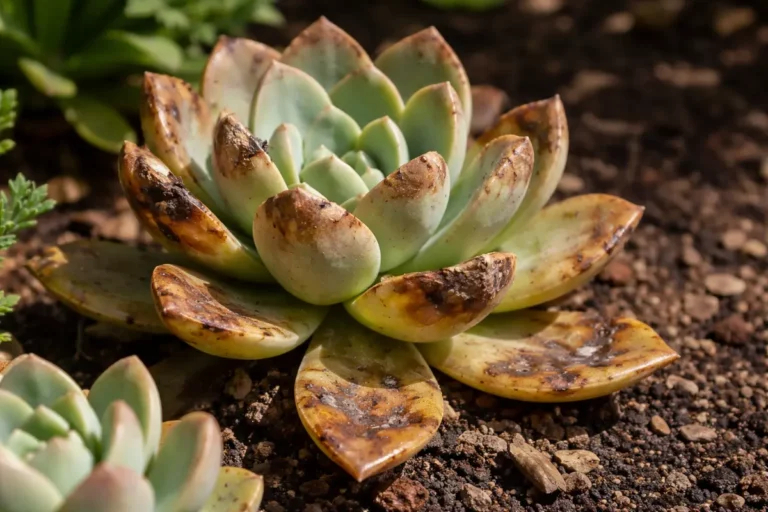
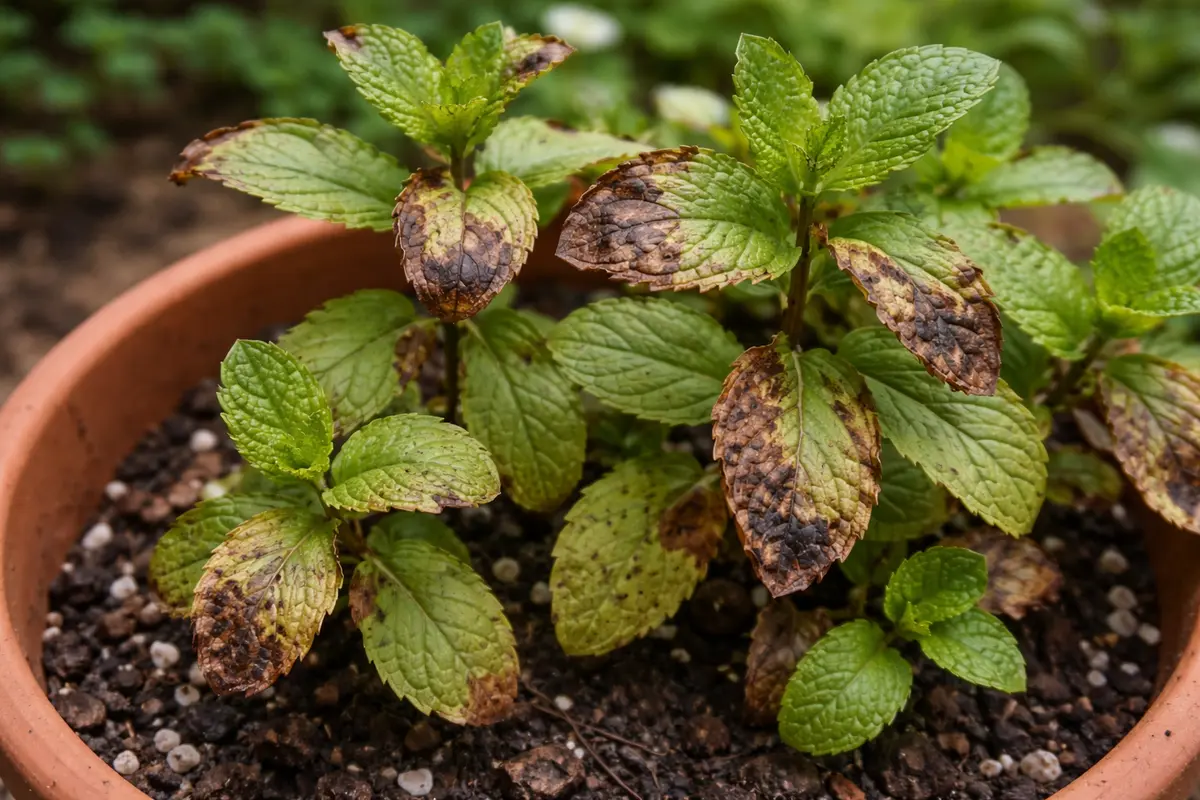
You may notice your mint leaves turning brown during the hot summer months, which is why you need to know what to do when mint leaves start turning brown in pots. This browning often indicates issues like wilting or leaf drop, caused by factors such as inconsistent watering or exposure to too much sun. If ignored, the problem can spread and weaken the plant, making recovery harder to fix, but taking action now can improve the situation: regularly check moisture levels and adjust your plant’s location for optimum conditions.
Step 1 – Trim Brown Mint Leaves Promptly
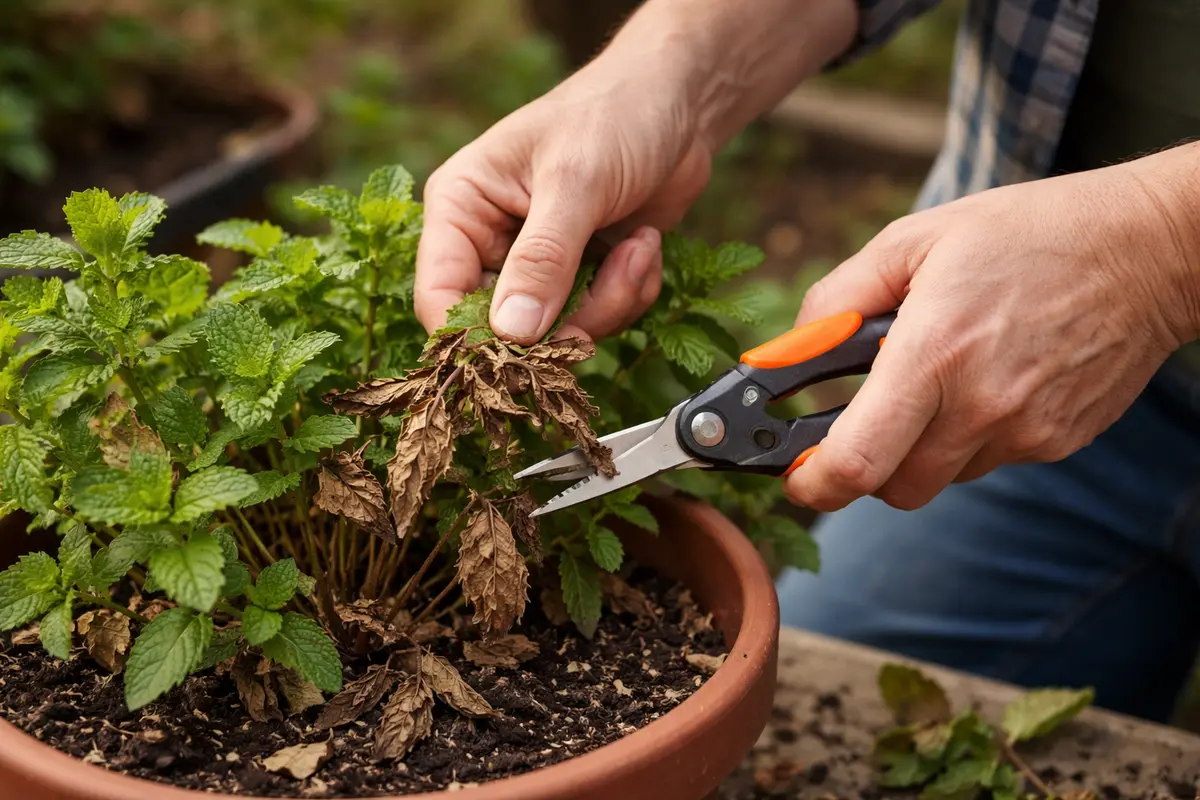
Start by removing any brown or wilted leaves that are visibly affecting your mint plant. After trimming, inspect the remaining leaves for any signs of pests or disease. You should notice an immediate improvement in airflow around the plant, which helps reduce the potential for further browning.
Acting quickly is crucial because brown leaves often indicate stress from factors like overwatering or insufficient light. By removing affected leaves, you prevent decay from spreading to healthy stems and leaves, which can lead to root rot if not addressed. If you delay action, the plant’s ability to photosynthesize and thrive diminishes, ultimately affecting its overall vigor.
If your mint’s stems appear soft and mushy, check the soil moisture to confirm overwatering; if the stems are firm but still brown, inspect for pests as the likely culprit.
A gardener noticed that their mint was thriving until unexpected browning appeared. By immediately pruning the dead leaves, they not only salvaged the plant but also prevented a pest invasion that their neighbor faced due to slower action. A common mistake is to prune without first assessing the root cause, sometimes leading to repeated issues instead of addressing the underlying problem.
Trimming away the affected foliage directly addresses the visible aesthetic issue while encouraging healthier growth by removing the stress on the plant. When mint leaves begin to turn brown, it typically happens due to environmental stressors such as insufficient sunlight or pest infestations, causing the plant to divert energy to damaged parts instead of thriving. Neglecting this action can delay recovery and allow the problem to worsen, leading to the death of viable parts of the plant.
A common mistake made at this stage involves trimming leaves indiscriminately. Many gardeners might wrongly perceive that cutting back on healthy foliage could harm the plant further. However, early intervention is crucial; making strategic cuts at the right time can prevent losing larger sections of the plant, allowing for new, healthy growth to take precedence. If you do not trim properly, you might end up with a bushier plant that is still unhealthy, as retained diseased leaves can sap energy from healthier ones.
Step 2 – Diagnose Nutrition Issues in Mint Plants
Start by checking the moisture level of the potting soil if your mint leaves are turning brown. If the soil feels excessively dry or compacted, thoroughly water the plant until the excess moisture drains out. Within a few days, you should notice the mint leaves perk up and show signs of renewed vigor.
When the soil is dry, the roots struggle to absorb water, leading to dehydration in the plant tissues. Dehydrated mint leaves often turn brown and crispy at the edges, while healthy leaves maintain a vibrant green color. If your plant exhibits yellowing in addition to browning, this may signal overwatering instead, where roots are deprived of oxygen due to soggy soil.
If the soil smells sour or has an unusual odor, it indicates root rot due to overwatering; repot the mint in fresh, dry soil immediately. Conversely, if the soil looks dry but has a dark, muddy appearance, this can still be problematic, as it retains moisture while preventing healthy root function. In this case, allow the top layer of soil to dry out completely before rechecking the moisture level.
Nutrients play a critical role in plant vitality; for example, a deficiency in nitrogen often culminates in browning leaves, while insufficient phosphorus may impede root development. Mint plants thrive in well-draining, nutrient-rich soil to encourage robust growth. Analyzing your soil condition also reveals any deeper root issues or signs of overwatering, which may mimic nutritional deficiencies, leading to confusion about the plant’s condition.
Should your soil possess a sour odor or exhibit a soggy texture, it’s imperative to act quickly to remedy potential root rot or fungal infections. For instance, in such cases, swiftly transitioning to a fresh potting mix may be necessary. If the top layer of soil appears consistent and healthy, then it may be worthwhile to fertilize; conversely, for compacted or repacked soil, you’ll need to ensure that airflow and proper drainage are restored to prevent further issues.
Step 3 – Restore Mint with Nutrient-Rich Fertilizer
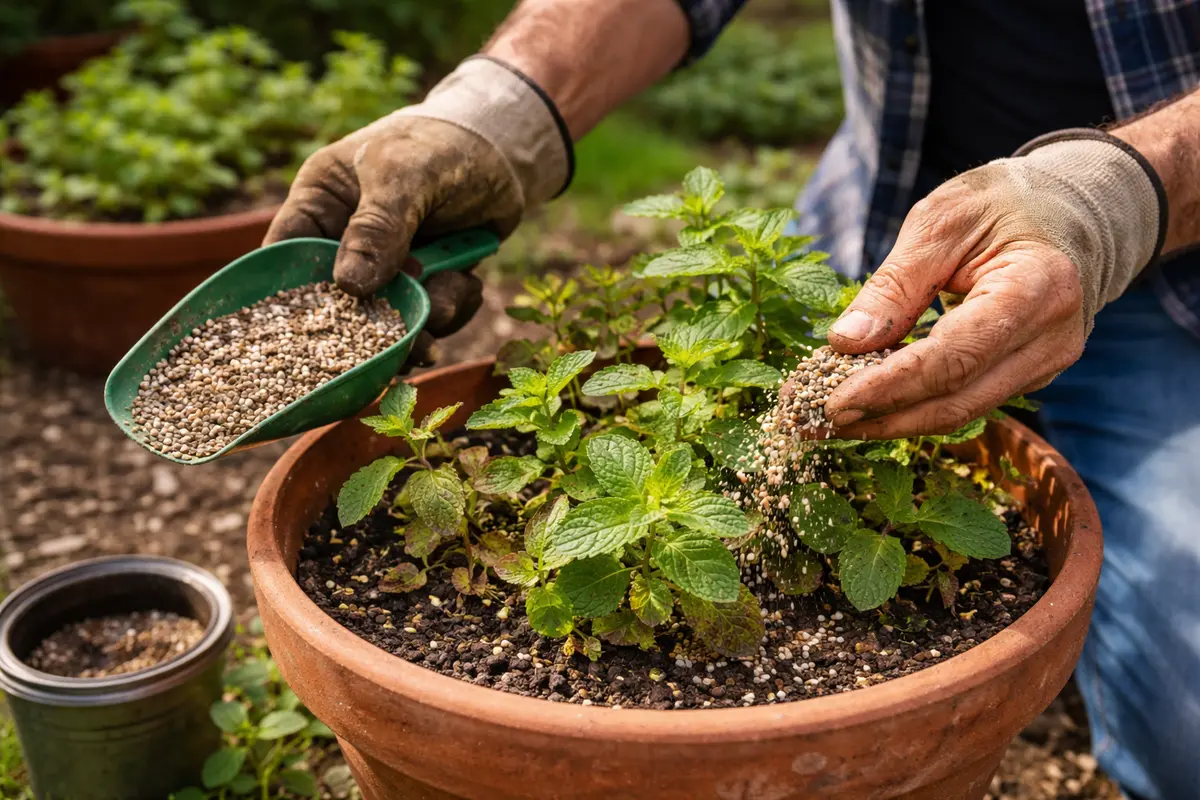
Apply a balanced fertilizer specifically designed for herbs or vegetables to the soil. You should expect to see healthy green shoots re-emerging within a week as your mint plant begins to recover. Fertilizing contributes the essential nutrients necessary for regrowth and overall vitality. The application rate typically involves diluting the fertilizer in water, following the manufacturer’s recommended strength to avoid overwhelming the plant.
Recovery occurs as the added nutrients effectively nourish the plant, boosting its metabolic processes, leading to improved leaf color and overall resilience. You should expect to see robust new growth emerge from healthy areas within a few days once your plant has been supplied with the essential elements previously missing during its stress periods. Factors such as temperature, moisture, and light significantly influence how quickly recovery occurs; warmer temperatures and ample sunlight will notably enhance this process. Check your mint daily; if the new shoots become slender and leggy, this indicates insufficient light.
Caution during this phase is critical; resist the temptation to over-fertilize. Overzealous fertilizer application can lead to salt buildup in the soil, which further hinders the plant’s ability to thrive. Always consider the timing of fertilizer application; if new growth appears too quickly and exhibits weak stems, it may indicate nutrient imbalance, suggesting a need to adjust feeding frequency while also observing the health of those new stems. If you notice leaves curling or dropping in response to rapid fertilization, immediately hold off on further applications to prevent compounding the stress.
Step 4 – Water Mint Leaves Properly During Dry Seasons
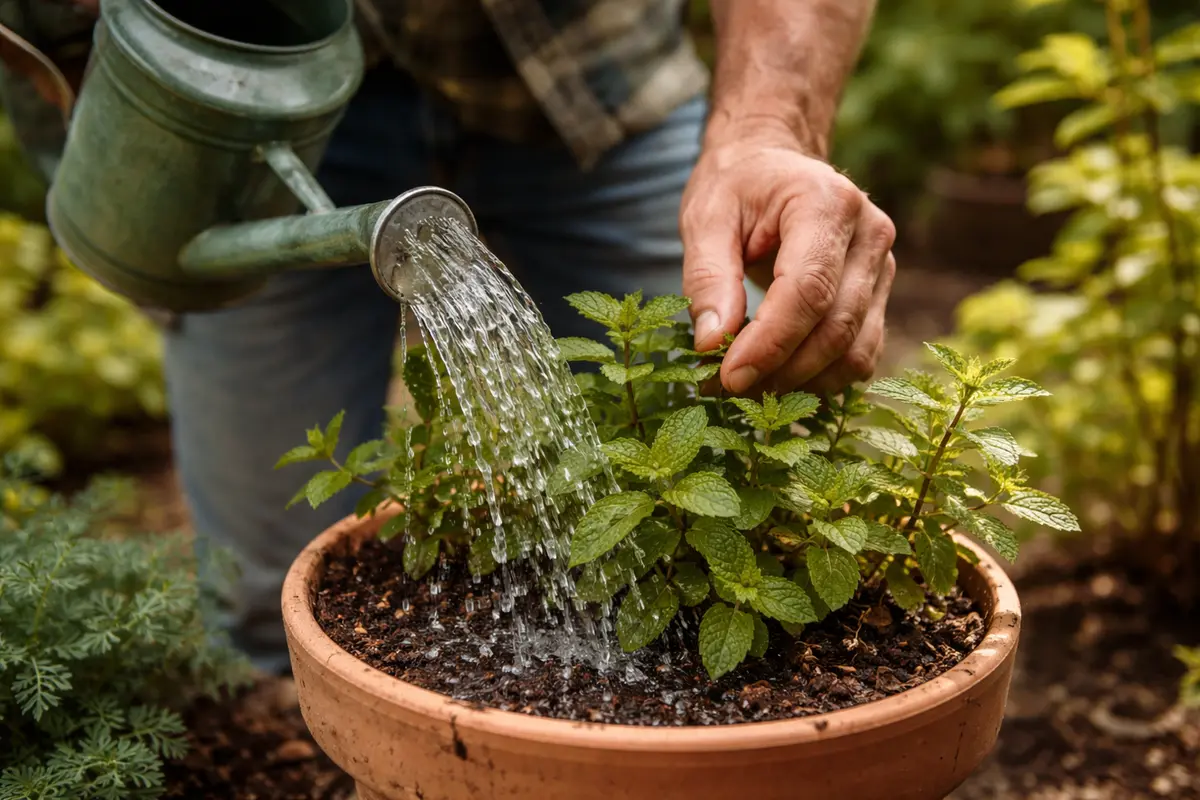
Start by ensuring your mint plants receive adequate drainage and consistent moisture without waterlogging. After implementing proper watering techniques, you should observe a reduction in browning leaves as the roots stay healthy and oxygenated.
Environmental conditions such as excess water buildup can lead to root rot, causing mint leaves to brown. By adjusting your watering schedule and using well-draining pots, you directly address the issues of over-saturation, allowing the roots to breathe and absorb nutrients effectively. If your mint plants are still suffering, check for compacted soil in the pot, which can also hinder root respiration.
In warmer weather, be mindful of increased evaporation and potentially higher water needs for your mint plants. During periods of intense heat, consider using mulch around the soil surface to retain moisture and regulate temperature. A secondary prevention tactic includes regularly checking for pests that may thrive during summer, as they can also contribute to leaf browning.
Consistency in watering is key; mint plants flourish in moist conditions, particularly during hot and dry seasons. However, the frequency of watering may vary significantly depending on pot size, soil composition, and environmental climate. Implementing a routine that involves checking the moisture levels in the top inch of soil can help achieve a balance of hydration. If you find that the soil is completely dry, you risk stressing the plant, leading to browning leaves and potential growth stunting. Ideally, water mint when the top soil feels dry to the touch, which should occur approximately every 3-5 days during hotter months.
Some gardeners make the mistake of allowing the surface soil to dry out entirely before watering, resulting in significant stress for the plant. If allowed to reach this state frequently, your mint might display signs of wilting and browning. During particularly hot spells, increasing the frequency of watering can significantly alleviate stress levels; also, be vigilant about checking for proper drainage to avoid over-saturation, which carries its own risks of root disease. A good practice for monitoring water levels involves lifting the pot; if it feels unusually light, that’s a clear sign that your mint may need a drink.
Step 5 – Inspect Mint for Signs of Root Rotting Weekly
Monitor your mint plants closely by checking the soil moisture levels and the condition of the leaves. Observe if the leaves feel dry or have a crispy texture, indicating underwatering, or if they are soggy and dark, suggesting overwatering. Recheck these factors every few days to determine if adjustments in watering frequency and volume are needed.
A fully recovered mint plant will exhibit vibrant green leaves that are firm to the touch, while early signs of trouble may include brown, wilting edges or a damp, mushy texture on certain leaves. Healthy leaves are typically glossy and upright, contrasting starkly against the limp, droopy appearance of distress signals. If not firm and green → check for moisture levels and adjust watering practices.
If the browning returns after addressing care methods, consider repotting the plant in fresh, well-draining soil to restore nutrients and improve aeration. Should the situation persist, evaluate whether sunlight conditions are appropriate; too much direct sunlight may exacerbate stress. If you continue to see browning despite these actions, consulting with a gardening expert may provide further insight.
A fully recovered mint plant typically showcases vibrant new green shoots and firm stems, in stark contrast to the limp stems observed during periods of stress. Healthy roots are generally white or light tan and firm to the touch, while rotting roots emit a foul odor and can look dark and mushy. Regular inspections will allow you to easily identify any potential issues before they escalate into more significant problems that could threaten the plant’s survival. If you discover a foul smell, it’s often a clear indicator that immediate corrective measures are needed.
If you discover signs of root rot, consider repotting your mint into new, clean soil to help prevent further damage. Additionally, ensure all pots possess adequate drainage holes and are not sitting in standing water, as this can precipitate recurrence of the problem. Maintain close observation on your plants for the following weeks to ensure they are recovering from any issues experienced, especially after changing the soil and improving care practices. If new growth continues to appear weak or discolored after repotting, you may need to reassess both watering practices and sunlight exposure.
FAQ
How long will it take for my mint to recover after trimming?
Mint typically shows signs of recovery within a week following a trimming session. New growth indicating recovery should appear quickly, provided you maintain optimal care conditions. However, it’s crucial to understand that complete recovery time may vary based on environmental factors and how well care practices are implemented.
Should I remove all the brown leaves immediately?
Yes, you should definitely remove all visibly damaged leaves promptly to prevent the spreading of any potential disease and to encourage fresh new growth. Accumulation of too many damaged leaves can lead to stress on the plant, making recovery more challenging. Trimming back affected foliage refocuses the plant’s energy on healthy parts, rather than struggling to sustain dying leaves. If you notice more than 30% of the leaves are brown, it’s wise to trim more aggressively to encourage a healthy reset.
Will my mint come back after overwatering?
The recovery of your mint after overwatering hinges on the extent of the damage already inflicted. If root rot has not set in, your mint can bounce back with careful adjustments to watering. However, if the roots are mushy and dark, it’s imperative to reassess your watering strategy and consider repotting into dry, fresh soil to promote healthier growth moving forward. Always adjust your watering frequency based on the seasons and monitor closely, especially during periods of stress.